




















Design for Places of Worship
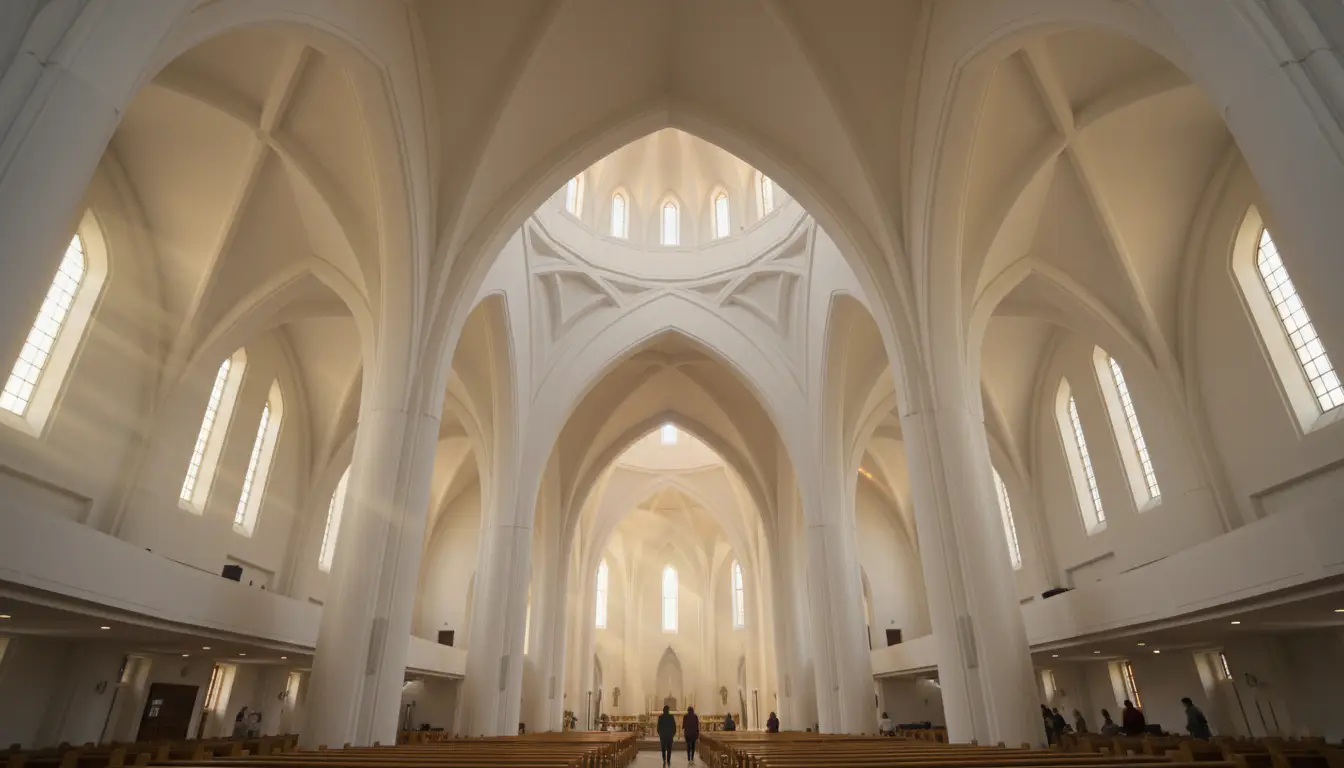
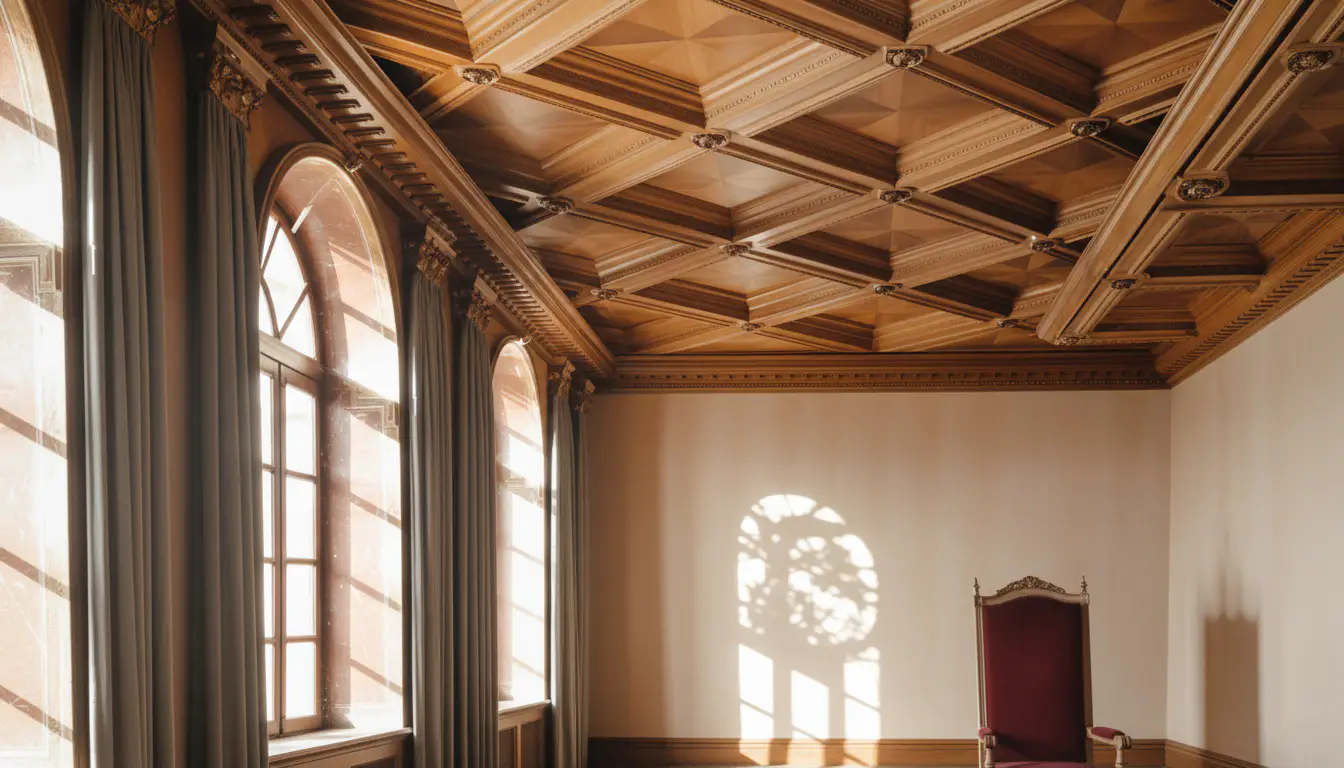
Some buildings whisper. Others speak. But worship spaces — they sing. A church, a mosque, a synagogue, a temple — these are not just structures. They are vessels of faith, identity, and light. And that beauty begins long before anyone steps inside.
It starts outside — with the facade that catches the morning light, the dome that crowns the skyline, and the archway that invites silence and awe.
Architectural foam has quietly become one of the most versatile materials for creating sacred exteriors, giving designers the freedom to shape elegance without sacrificing practicality. It bridges artistry and efficiency, transforming vision into structure with speed and precision.
Architecture That Inspires Before You Step In
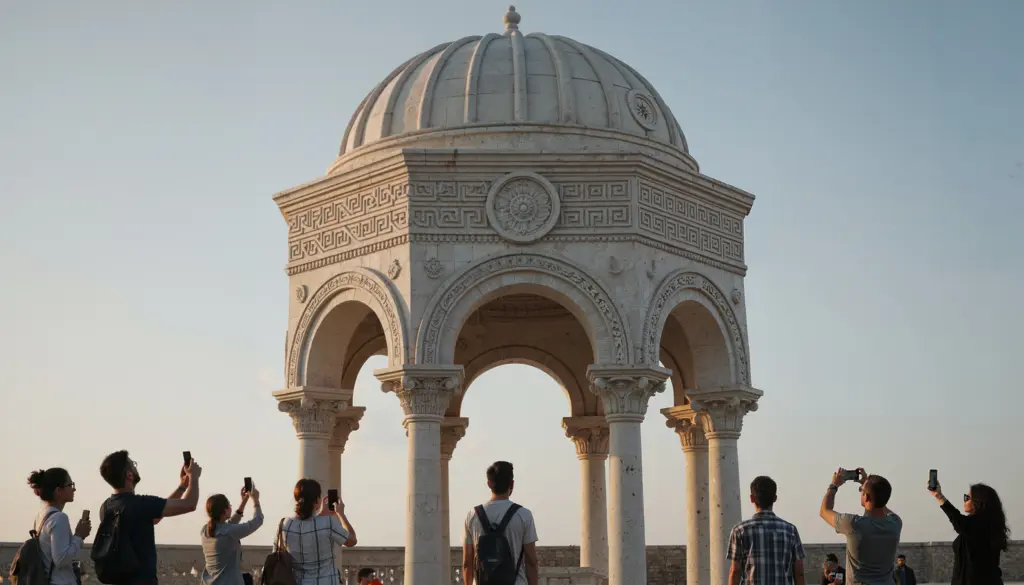 Approaching a temple or cathedral should feel like entering another world. It’s not about intimidation — it’s about awe. Proportion, rhythm, and symmetry come together to signal that this is a space set apart.
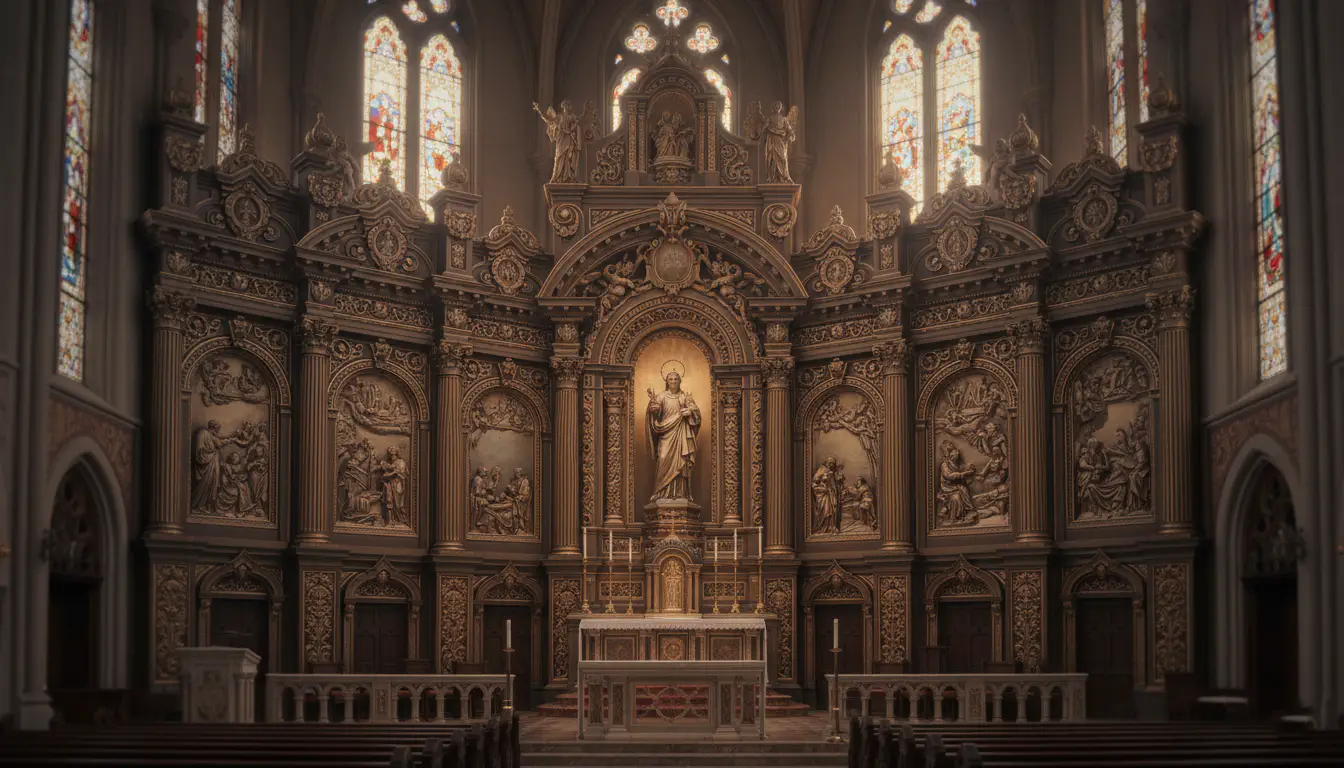
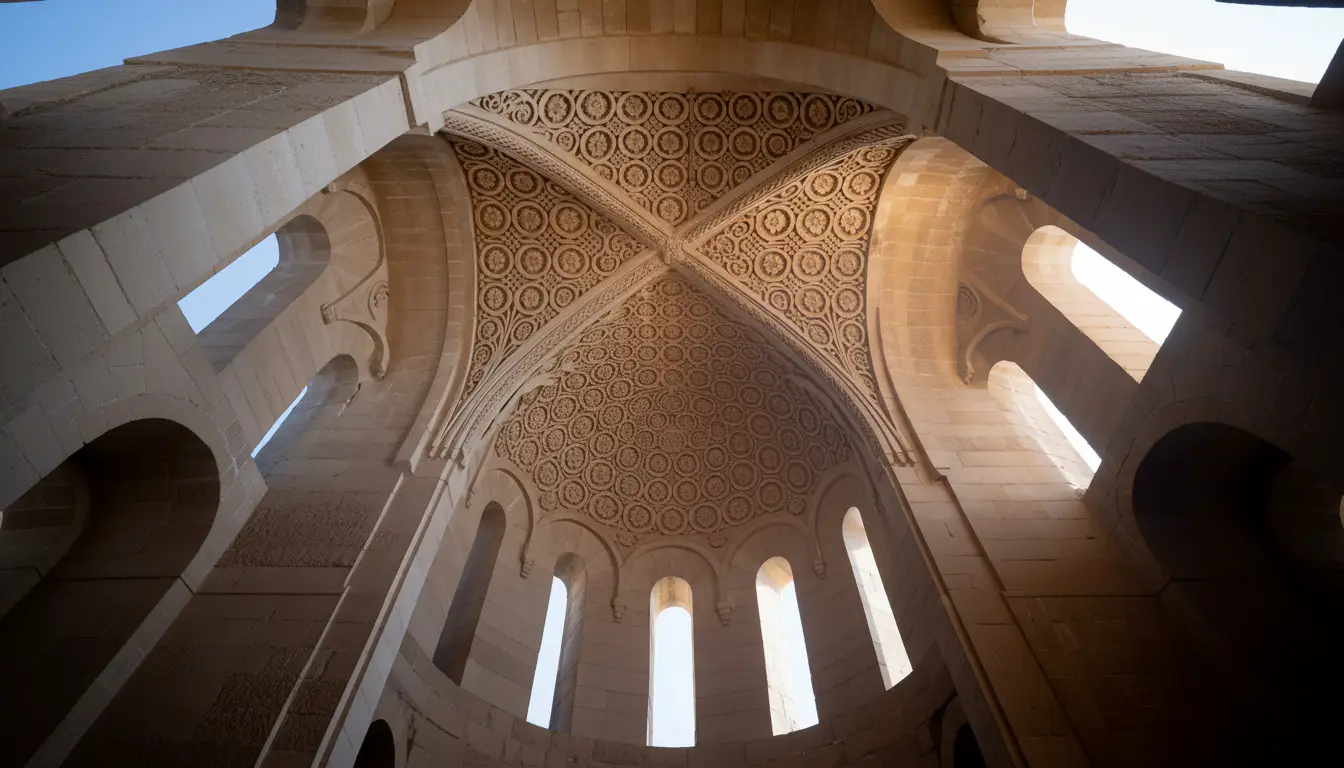
In sacred architecture, facades are visual prayers. Arches lift the gaze heavenward. Domes suggest infinity. Columns embody strength and devotion. Every curve speaks the language of faith.
Today’s projects of worship spaces must combine that same spiritual power with modern realities — budget, code, and schedule. Architectural EPS foam makes it possible. The material allows intricate forms and classical profiles without the weight, cost, or time commitment of stone. Ideal for worship spaces.
A small community church in the Midwest once sought the majesty of a Gothic cathedral but had limited foundations. Foam columns, buttresses, artificial lighting and cornices achieved the look perfectly — elegant, strong, and light as air. The contractor joked, “We installed it faster than the choir rehearses.”
Why Foam Is the Modern Stone
Architectural foam is redefining how sacred buildings are designed and built. What once required months of stonework can now be crafted in days — accurate, efficient, and enduring.
High-density polyurethane and EPS foam combine flexibility with strength. Once coated, these materials resist rain, sun, frost, and time itself. They can have a texture of stucco, faux stone, faux brick, and faux wood while weighing a fraction as much. Installation becomes faster, safer, and cleaner.
Unlike traditional materials, foam allows complete design freedom — curves, arches, and ornaments can be adjusted without the constraints of stone carving in sacred space. Designers can visualize and test details digitally before production begins.
A Colorado church renovation used foam to recreate ornate moldings that had weathered away decades earlier. Once installed and painted, even the original architect’s grandson couldn’t tell where the stone ended and the foam began.
When Tradition Meets Technology
In the past, building a cathedral meant years — sometimes centuries — of patient labor. Now, sacred beauty can emerge in months without losing craftsmanship or depth.
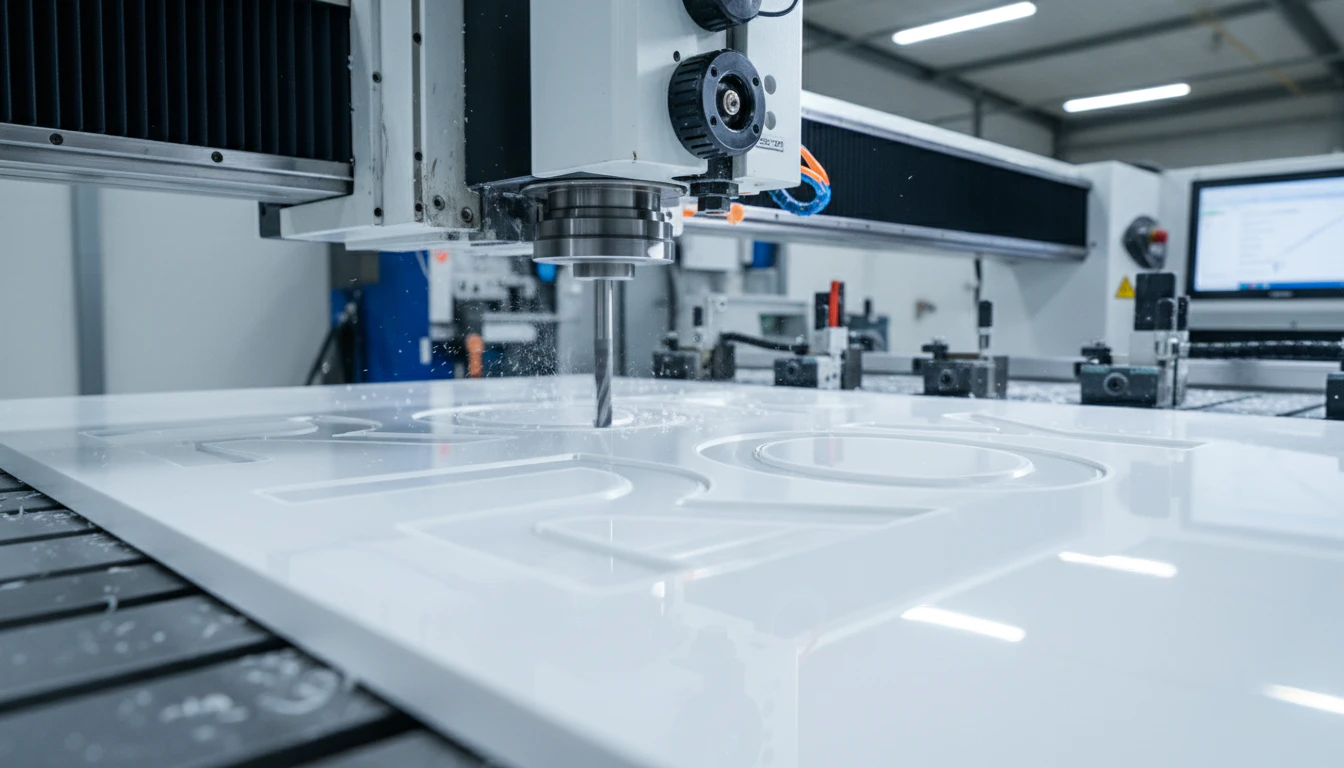
Architectural foam connects the artistry of the past with the precision of the present. Each element starts as a detailed 3D model. CNC machines carve it with millimeter accuracy, preserving designs that once required years of chiseling. Skilled artisans then refine and coat each piece by hand — where technology meets touch.
This process makes it possible to restore a Baroque cornice from the 1800s or create a modern minimalist pattern for a meditation center with equal precision.
During the restoration of a 19th-century synagogue in New Jersey, historic photographs guided the recreation of lost facade details. When the scaffolding finally came down, the community applauded. One resident said softly, “It feels like time itself stepped back.”
That moment — the seamless blend of reverence and innovation — captures what modern sacred design can achieve.
The Heritage of Beauty
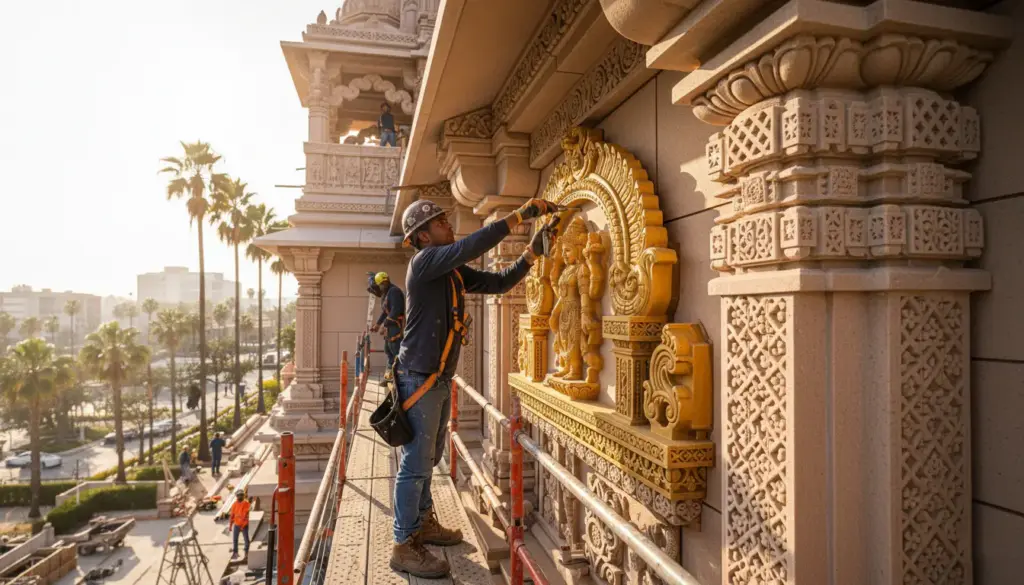 Why have places of worship always been so magnificent? Because across centuries and cultures, devotion has always been expressed through beauty.
Ancient Egyptians aligned their temples with the sun to honor divine order. Medieval cathedrals reached for heaven through stone and glass. Islamic architects turned geometry into prayer, while Hindu and Buddhist temples carved the cosmos into every surface. Ornament was never vanity — it was faith made visible.
For every civilization, architecture was a way to mirror eternity on earth. Stone, marble, gold — materials carried meaning as much as mass.
Today, architectural foam carries that same spirit in a contemporary form. It enables the richness of sacred design with modern efficiency — lighter, faster, and more adaptable. Beauty remains sacred; only the tools have changed.
10 Exterior Design Ideas for Worship Spaces
Facades of worship spaces serve as visual sermons. Each decision — each line, curve, and shadow — carries intention.
- Classic cornices and pilasters create balance and rhythm.
- Segmented domes, assembled piece by piece, form celestial crowns.
- Continuous relief bands tell symbolic stories across entire walls.
- Deep entry arches frame the transition from world to sanctuary.
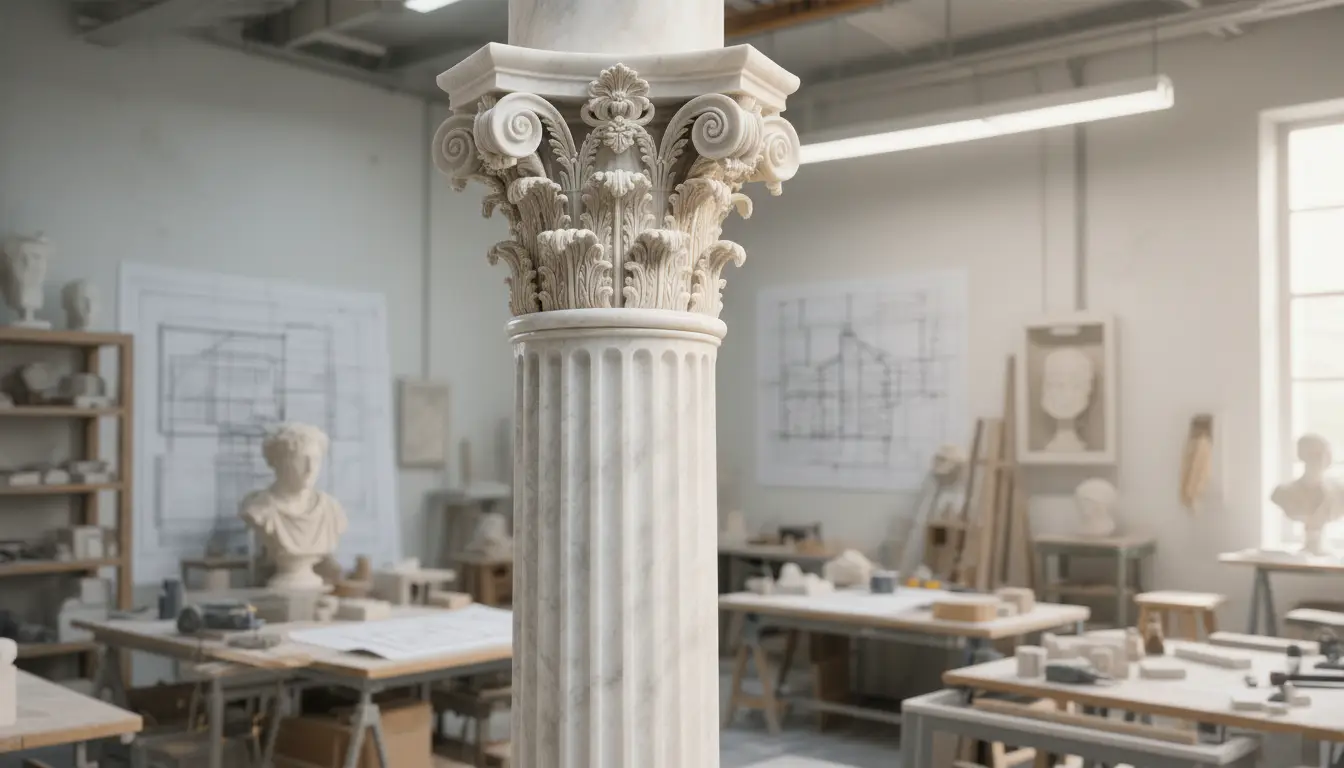
- Columns and capitals express permanence and grace.
- Finials and roofline ornaments shape movement against the sky.
- Muqarnas and latticework transform geometry into light.
- Layered wall panels bring motion to simple surfaces.
- Niches for icons and sculptures create depth and focus.
- Crown rings around domes give a sense of completion and reverence.
Each concept can be executed in foam — sculpted, coated, and finished to mirror stone or stucco. One Texas church used foam relief panels to depict a biblical scene above its main doors. The entire piece was fabricated and installed just in time for their holiday celebrations.
In the Desert: A Church That Defied the Heat
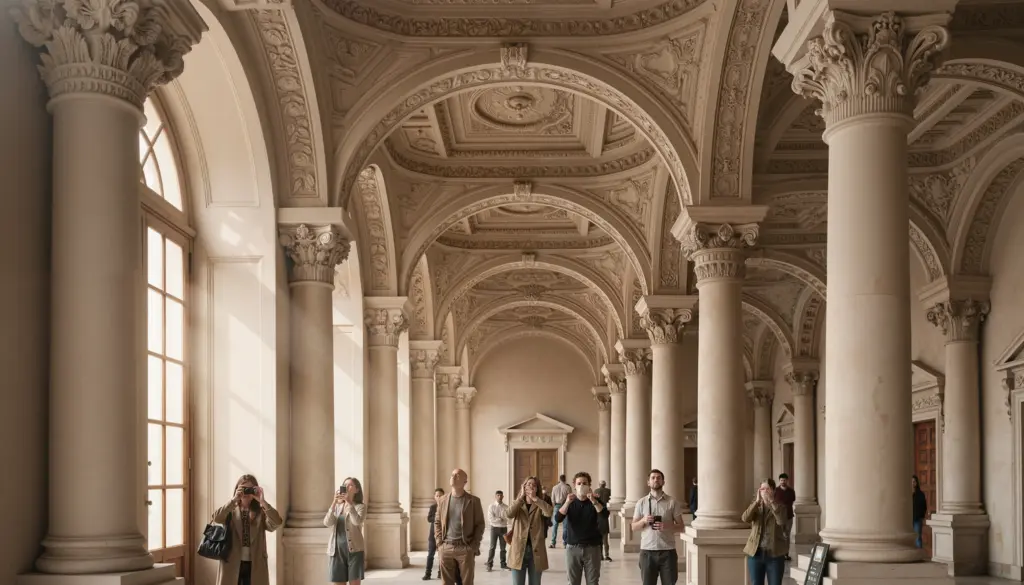 In southern Arizona, a congregation dreamed of a sanctuary that shimmered like limestone yet could withstand the desert’s brutal sun. Architectural EPS foam made it possible. Arches, domes, and cornices were fabricated off-site, finished with reflective stucco, and assembled quickly on location.
Installation took under fifteen days — no cranes, no delays.
Visitors still call it “The Stone Mirage.” Even after years of sandstorms, the facade looks as bright as the day it was unveiled.
The project proved that sacred architecture doesn’t need massive weight to feel timeless.
Crafting Identity Through Custom Design
Every place of worship tells a unique story. Architectural EPS foam allows that story to be translated into form — precisely and authentically.
Design teams can customize profiles, textures, and finishes to reflect regional or cultural aesthetics — Gothic tracery, Byzantine scrolls, Islamic arabesques, or minimalist lines.
This flexibility transforms architecture into identity. Each molding, each curve, is made to belong.
When a Buddhist temple in California commissioned a new entryway, delicate lotus medallions were sculpted from foam and mounted above the doors. The abbot said with a smile, “It feels carved by prayer, not by machine.”
Beauty becomes personal when the material serves the meaning.
Foam That Fits the Schedule and the Budget
 Design of worship spaces is often a balancing act between vision and resources. Foam helps bridge that gap gracefully.
Its light weight reduces labor costs and eliminates the need for heavy equipment. It installs easily, ships compactly, and can be prefinished off-site to minimize disruption.
- Faster fabrication — weeks instead of months.
- Cost savings up to 50% compared to stone or GFRC.
- Small crews, simple tools, minimal waste.
- Long-lasting results with minimal maintenance.
When a Florida mosque faced tight deadlines before Ramadan, prefabricated foam cornices and panels arrived ready to install. The entire facade was completed five days ahead of schedule. One engineer said afterward, “It felt like the building wanted to be finished on time.”
Integrating Light, Texture, and Form
Exterior details don’t just decorate — they interact with sunlight, shadow, and weather. Foam allows those surfaces to respond naturally throughout the day.
Morning light glides across molded ridges, while evening shadows deepen under archways. Subtle textures add richness even in overcast conditions. With modern coatings, foam can glow like stone at noon and soften like plaster at dusk.
It’s not static decoration — it’s living architecture. Foam turns facades into instruments of light.
Reading the Spirit Through the Facade
Long before anyone steps inside, a sacred building communicates its purpose. Massing, proportion, and texture all shape emotional response.
Architectural EPS foam helps convey that message with clarity and control. It merges ancient symbolism with modern efficiency, allowing sacred structures to feel timeless yet contemporary.
Even the smallest chapel can carry the dignity of a cathedral when every exterior line aligns with its spiritual intent.
The Art of Continuity
Sacred architecture has never stood still. It breathes, it transforms, it learns. What was once carved by hand from stone became molded in plaster, and now — shaped with precision from architectural EPS foam.
This evolution isn’t about replacing tradition; it’s about keeping it alive.
Foam carries forward centuries of craftsmanship, but speaks in the language of modern design — lighter in form, faster in execution, yet still timeless in spirit.
Every arch and every decorative detail made from this material is our way of having a quiet conversation with the past. We’re not trying to argue with history — just continue it, gently, respectfully, and with a little smile. It honors what came before while daring to imagine what’s next.
In the end, that’s what continuity really means — not clinging to the past like a museum piece, but bringing it back to life. So it can keep inspiring, stay strong, and still make people look up and say, “That’s beautiful.”