










Partner With Royal Foam Art Design:
A Back-End Factory for Custom 3D Work
A Back-End Factory for Custom 3D Work
Every contractor, sign shop and developer knows the feeling of selling something the shop cannot quite build. The client loves the rendering, the contract is signed, and then the question arrives: who can actually make this, ship it in one piece and hit the date? A manufacturing partner exists to answer that question before it becomes a problem.
Royal Foam Art Design builds custom 3D products from foam for trade clients across the United States. We handle 3D fabrication, custom 3D fabrication, custom foam sculptures, custom 3D foam signs and architectural shapes, and we do it in a way that lets you keep the client relationship, the brand and the margin. This page describes what a partnership with us looks like in practice, who benefits most, how to start, and what to expect after the first order.
What a manufacturing partner should actually do
A partner is more than a vendor with a price list. In our experience, three things separate the two.
The first is capability. A partner can produce what you sell, including the shapes that are awkward for ordinary shops: oversized letters, curved facade pieces, textured stone surfaces, sculptural forms and detailed props. The second is predictability. Lead times, quality and packaging should be the same on the tenth order as on the first. The third is respect for your position. You own the client. We stay in the background unless you ask us to step forward.
This is why many of our trade customers describe us as an invisible factory. They design, sell and install. We model, cut, coat, pack and ship.
Who benefits most from working with us
Commercial developers. Your project has to look expensive and still fit the pro forma. Lightweight architectural elements remove the need for cranes and heavy structural changes, which can reduce labor costs by as much as 60 percent on suitable installations. A cornice that two people carry up a ladder is a different budget item from one that needs a lift and a crew of six.
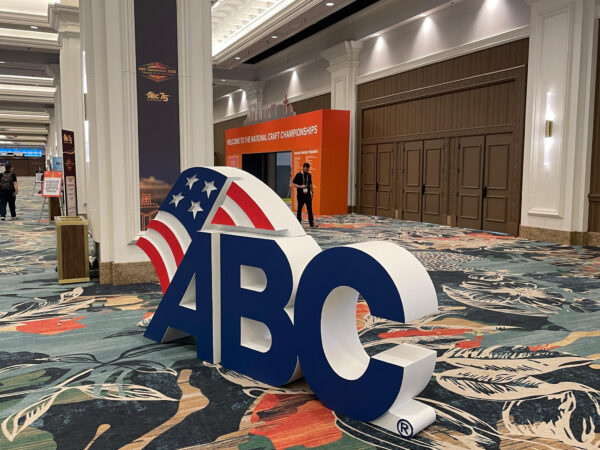
Signage and branding firms. You have the customers, but you may not have large-format foam equipment. We supply wholesale custom logos, dimensional lettering and monument signs that arrive finished, coated and ready to mount. Your name stays on the proposal and the invoice.
HOA and property managers. You need consistent curb appeal and a low maintenance bill. Polyurea-coated elements resist rot, pests, moisture and harsh weather, and are designed for 20 years or more of service. The long-term cost of ownership is where foam wins.
General contractors. Exterior finish phases are where schedules slip. Prefabricated, precision-cut elements go on in days instead of weeks, so your crew finishes sooner and moves to the next site.
Architects and designers. You send drawings, we send back models, samples and technical documentation. The geometry you drew is the geometry that arrives.
How the partnership works
We kept the process short so that it fits around a busy schedule.
Step one: submit your inquiry. Tell us about your company, the type of work you do and the kinds of projects you expect to place. A few lines are enough.
Step two: we connect and define goals. A partnership lead contacts you to discuss requirements, your pipeline of upcoming work and the way you prefer to receive documents, pricing and samples.
Step three: access your partner resources. After approval you receive B2B price lists, unbranded catalogs and material samples, along with the information you need to start quoting your own clients with confidence.
Step four: launch and grow together. Your first order is handled side by side. We check dimensions, finishes and delivery together, and learn how your team works. After that, repeat orders move faster because the groundwork is already done.
What you receive as a partner
| Benefit | What it means in daily work |
|---|---|
| Wholesale B2B pricing | Prices that leave room for your margin when you quote your own client |
| Unbranded catalogs and samples | Material for your showroom and sales meetings without our name in the way |
| Dedicated project contact | One person who knows your account, your clients’ preferences and your timelines |
| Technical drawings and models | Files that your installers and engineers can use directly |
| Domestic logistics | Crated, tracked shipping to job sites across the country |
| Ready-to-install delivery | Pre-assembled sections, numbered parts and written installation guidance |
Support for the design phase is part of the package. If you send CAD or architectural files, our modelers work from them directly and flag anything that needs a decision before production begins.
Our services at a glance
Partners usually start with one or two product lines and expand as they see results. The following table summarizes the services our trade customers order most often.
| Service Type | Description |
|---|---|
| 3D Fabrication Service | A full production cycle from concept to a piece ready to install. We review your design, build the model and prepare samples. After documents are approved, we manufacture, pre-assemble where possible and pack securely. |
| 3D Model Fabrication | Each form begins with an accurate digital model. Geometry and proportions are verified and details agreed on before cutting starts, which prevents mistakes and keeps the schedule intact. |
| 3D Printing Fabrication | Printed parts are used where fine precision is required and are combined with foam cores for a good balance of strength, accuracy and cost. |
| 3D Fabrication Detail Modeling | Wood grain, stone, concrete, metal looks, soft transitions and worn edges are reproduced so the finished piece reads as high-end. |
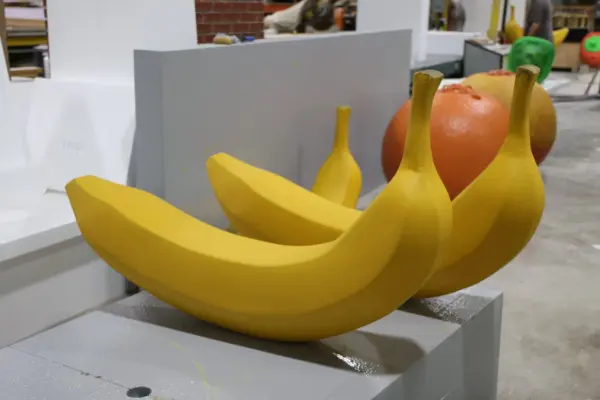
| Custom foam sculptures | Light and durable sculptures that imitate wood, stone or metal and are easy to move, install and reuse. |
| Custom 3D foam signs | Dimensional logos, lettering and signage that set the character of a space. |
Quality that protects your reputation
When you resell a product, its failures become yours. We take that seriously. Foam cores are reinforced where load requires it, seams are strengthened and a polyurea hard coat covers the surface. A painted layer on top completes the system. Together they resist moisture, UV, impact and temperature swings. Under correct use, we expect a service life of 10 to 20 years and offer a 20-year warranty.
Our plant is in Jacksonville, where humidity, salt air and strong sun make an honest test. Pieces that survive Florida usually survive everywhere else.
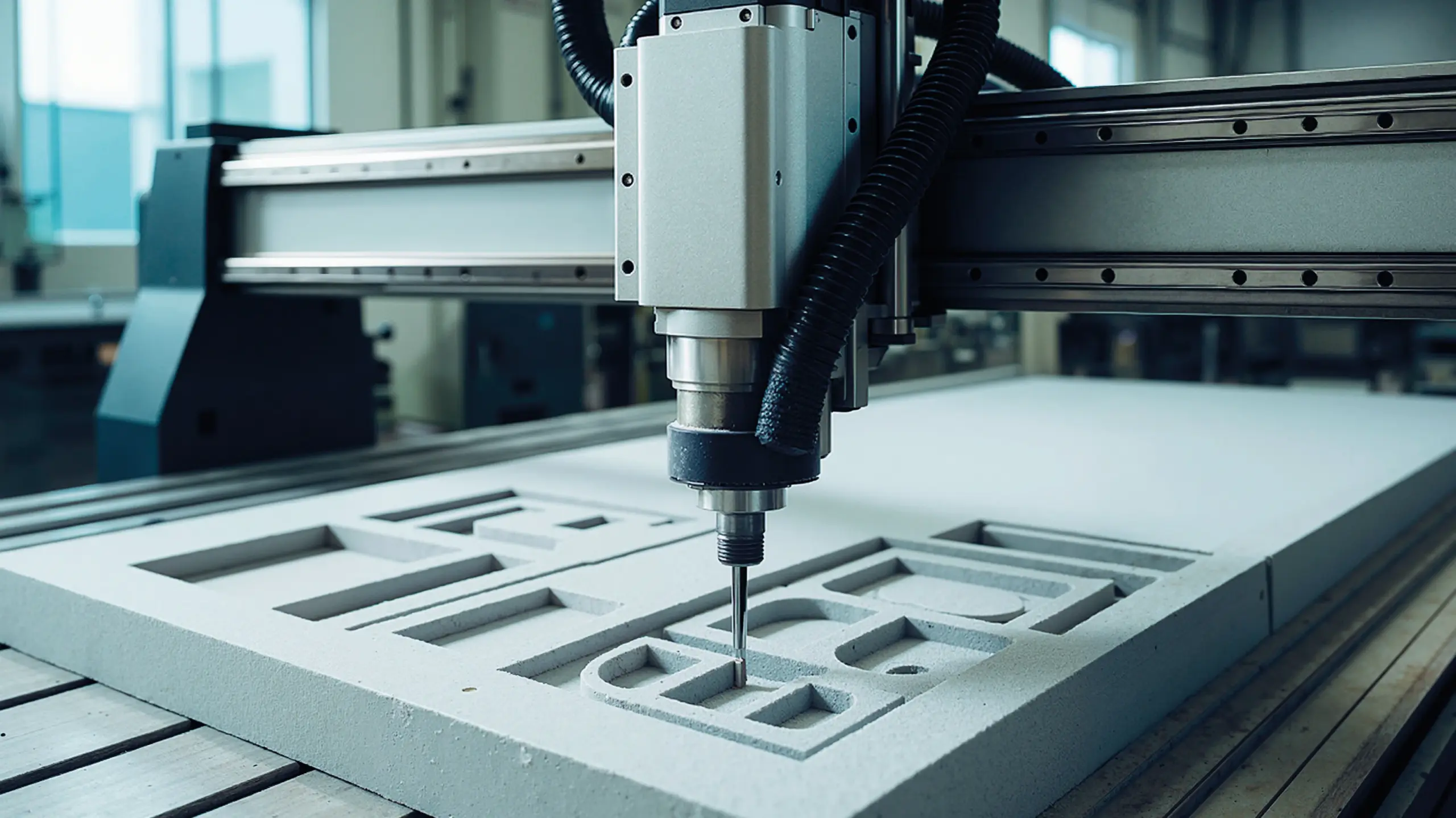
Production uses a robotic multi-axis cutter, a foam CNC router, hot wire cutting for long profiles, in-house welding for steel frames, spray and paint booths, and some of the largest 3D printers in the world. Having these tools under one roof means fewer handoffs and fewer places for errors to hide.
Logistics that match your installation window
For trade clients, a late delivery costs more than the part itself, because crews and equipment are already booked. We plan shipping around your install date, crate each piece to suit the carrier and track freight to the site. Large shapes are divided into sections that fit through normal openings, and each section is numbered against the installation sheet.
Delivery is nationwide. We ship to job sites across all states, including large metro areas such as Atlanta, Dallas, Chicago, New York, Miami and Los Angeles.
Why foam makes sense for resale
If you currently buy stone, concrete, fiberglass or wood for decorative work, the comparison is worth making once with real numbers.
Stone and cast concrete look authentic but weigh a great deal. They need lifting equipment, reinforced fixings and sometimes a structural review before anything can be mounted. Wood moves with humidity and needs repainting. Fiberglass is lighter, though large pieces can be expensive and slow to make.
Coated foam sits in a different place. It is light enough for a small crew to handle, it can be cut into almost any profile and its surface can be finished to imitate stone, concrete, metal or timber. Because the shape is cut digitally, repeated pieces match each other. Because the weight is low, freight and installation cost less. For a trade customer, that combination turns a difficult line item into a manageable one.
None of this means foam is right for every job. If a client needs a load-bearing element, we will say so and suggest the proper structure. What we make is decorative and architectural cladding, signage, sculpture and props, and within that field it performs very well.
Three ways a partner can use our factory
The scenarios below are illustrations of common setups, not individual case studies.
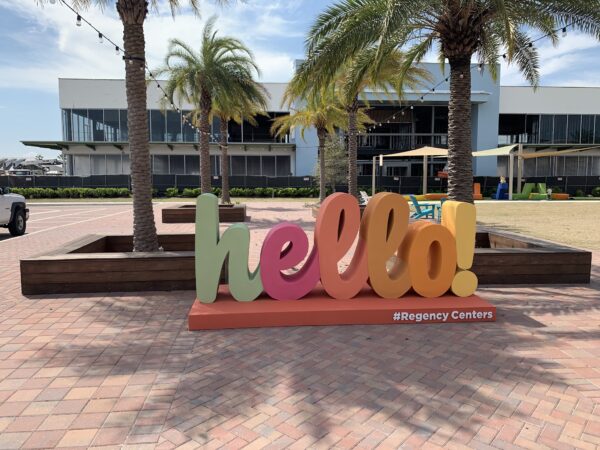
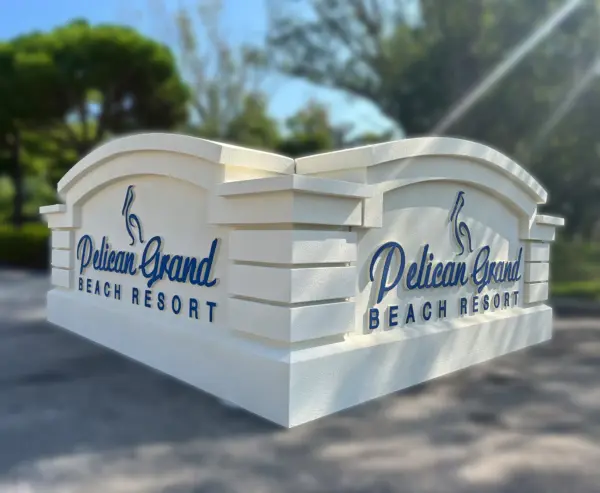
The signage shop that wants a wider range. Picture a regional sign company that wins requests for monument signs and large dimensional logos but has no equipment for them. By placing those orders with us, the shop adds a new product line without buying machinery or hiring operators. Its customers see the shop’s name, and we supply a finished, coated, crated sign.
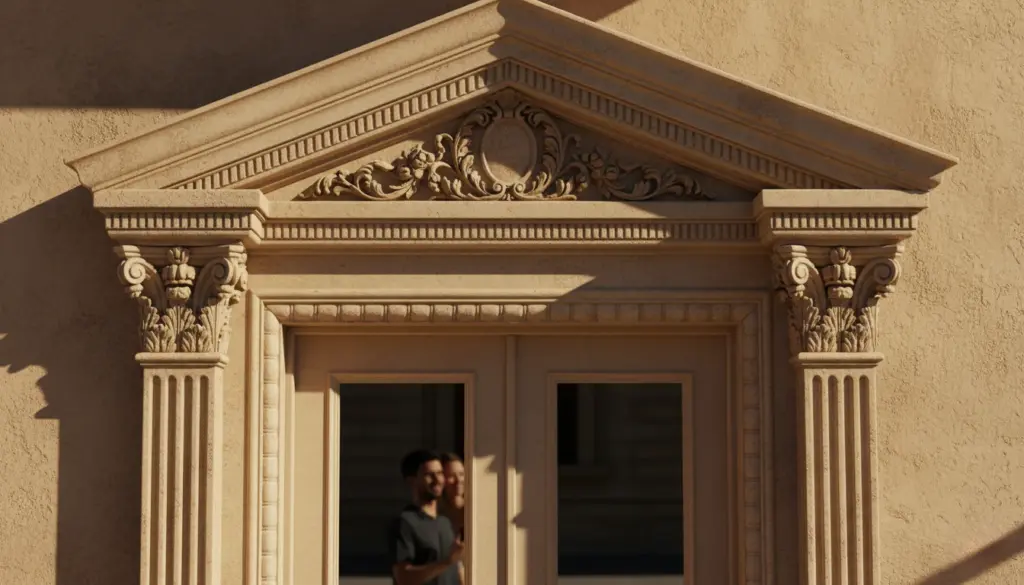
The developer fighting a budget. Imagine a retail frontage that calls for cornices, window surrounds and a signature entrance arch, where stone quotes push the project over its limit. Coated foam lowers both material and installation cost, and the facade can go up without a crane.
The agency that needs repeatable pieces. A marketing agency running a multi-city tour needs identical branded structures in every location. We build one model, produce a set and pack it in numbered crates, so crews in each city assemble the pieces in the same order and get the same result.
If your situation resembles one of these, we can help you set up a similar arrangement, and we will tell you honestly if foam is not the best answer for a particular part of the job.
Pricing and quoting for trade clients
Because every custom piece is different, partner pricing is tied to your drawings, not to a public list. Size, detail level, finish and installation requirements all affect the number. What partners do receive is wholesale terms, plus a written estimate quickly enough to use in your own bid.
When you send a request, tell us the quantity, the finish and the delivery location. If your client has a budget range, mention it, since it helps us suggest the right level of detail. Our quoting team replies within one business day, and the written estimate separates fabrication, finishing, crating and freight so you can see exactly where the cost sits and adjust your own markup.
Revisions are normal. If your client changes the size or the color, we update the model and the quote without starting over.
Working with your CAD and architectural files
Many partners already hold drawings from an architect or designer. We accept common file types and work from them directly. If something is missing, such as a section profile or a mounting detail, our modelers ask about it before production, and we document the answer so it is not forgotten on the next order.
You can also start from a sketch, a photograph or a reference image. We turn these into models, show you drawings and samples, and only then move to production. Starting from a model removes most of the risk of surprises on site.
A checklist for your first order
A short list helps the first project go smoothly.
- Decide what the piece is and where it will be installed.
- Gather any drawings, logos or reference photos.
- Note the approximate size and the required color or finish.
- Confirm the date by which the piece must be on site.
- Tell us who will install it and whether you want guidance.
- Ask for samples if your client wants to see and touch the material.
Send these details to your partnership lead. We will take it from there, and the second order will be easier than the first.
Marketing support for your own sales
Selling custom work is easier when you can show it. Partners receive client-ready materials, such as unbranded imagery and sample finishes, so you can present options in your own style. This is especially useful for firms that win projects through renderings and need to prove the final product will match them.
Support after the piece is delivered
Our involvement does not end when the truck leaves. If your installers have a question about fixings, alignment or touch-up paint, your project contact answers it. Installation sheets travel with every shipment, and our technical team can review photos of the site if something looks different from the drawings. Care is simple, since coated foam does not need annual servicing, but we are glad to explain cleaning and inspection habits to your end client so the piece keeps looking new. A short note in your handover pack, written in plain language, often prevents the most common maintenance mistakes.
What partners tell us
The feedback we hear most often is practical. Quick service. A finish that looks right. Photos before approval. A design team that handles file formatting without fuss. A corporate events lead in Atlanta said she would use us again. An event manager in Los Angeles praised the preview of a logo on a trailer before sign-off. An architect in Miami noted the speed of delivery. These are small things, but in trade work small things decide whether a supplier stays on the list.
How to begin
Send an inquiry through the partnership form, or contact Royal Foam Art Design by phone or email. Mention your business type, your typical project size and the regions you serve. If you already have a project in mind, include drawings or photos and we will quote it as your first order.
You do not need to commit to volume to start a conversation. Many partnerships begin with a single sign or a set of columns and grow from there.
The result
A good partnership feels uneventful. Quotes go out quickly, parts arrive finished and installers find nothing to correct. Your clients see a reliable supplier, and you see a margin you can plan around.
Ready to talk about your project?
Request B2B partner terms from Royal Foam Art Design and tell us what you would like to build.