
























Royal Foam Art Design:
Custom Architectural Foam Products, Signs and Large Props
Custom Architectural Foam Products, Signs and Large Props
A good idea is rarely the hard part of a commercial project. The hard part is turning it into a real object that arrives on time, fits the budget, matches the rendering and goes up without a crane. That gap between a sketch and a finished installation is exactly where we work.
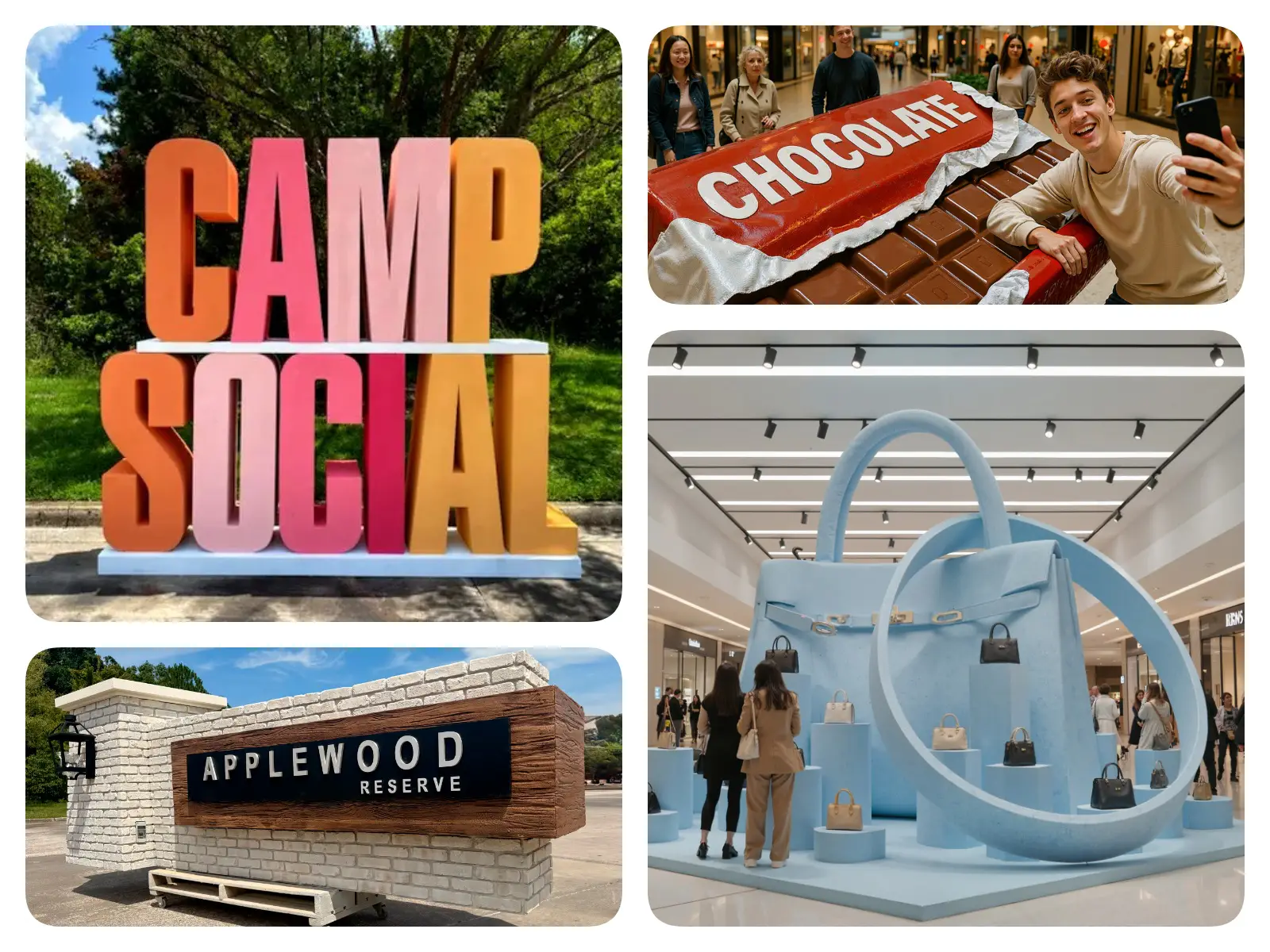
Royal Foam Art Design is a custom fabrication studio in Jacksonville, Florida. Since 1999 we have built architectural foam products, dimensional signs, sculptures and oversized props for clients across the United States, and more than 1,200 orders have left our plant. Our work covers 3D fabrication, custom 3D fabrication, custom foam sculptures, custom 3D foam signs, architectural shapes, event props and branded installations. This page is a short guide to who we are, what we make, how a project runs and why professionals keep coming back.
What we make
Everything we produce is made to order. There is no catalog of stock shapes to choose from. Instead, there are product families, each with its own page, examples and ordering details. Most projects fall clearly into one of them.
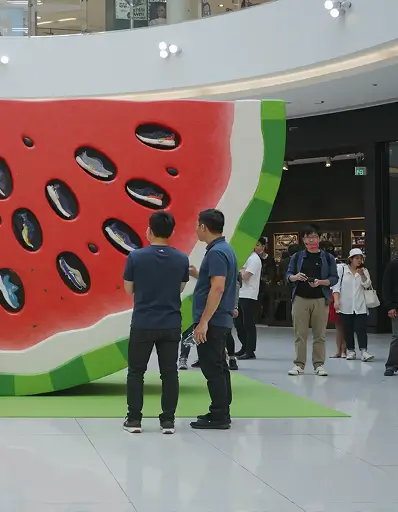
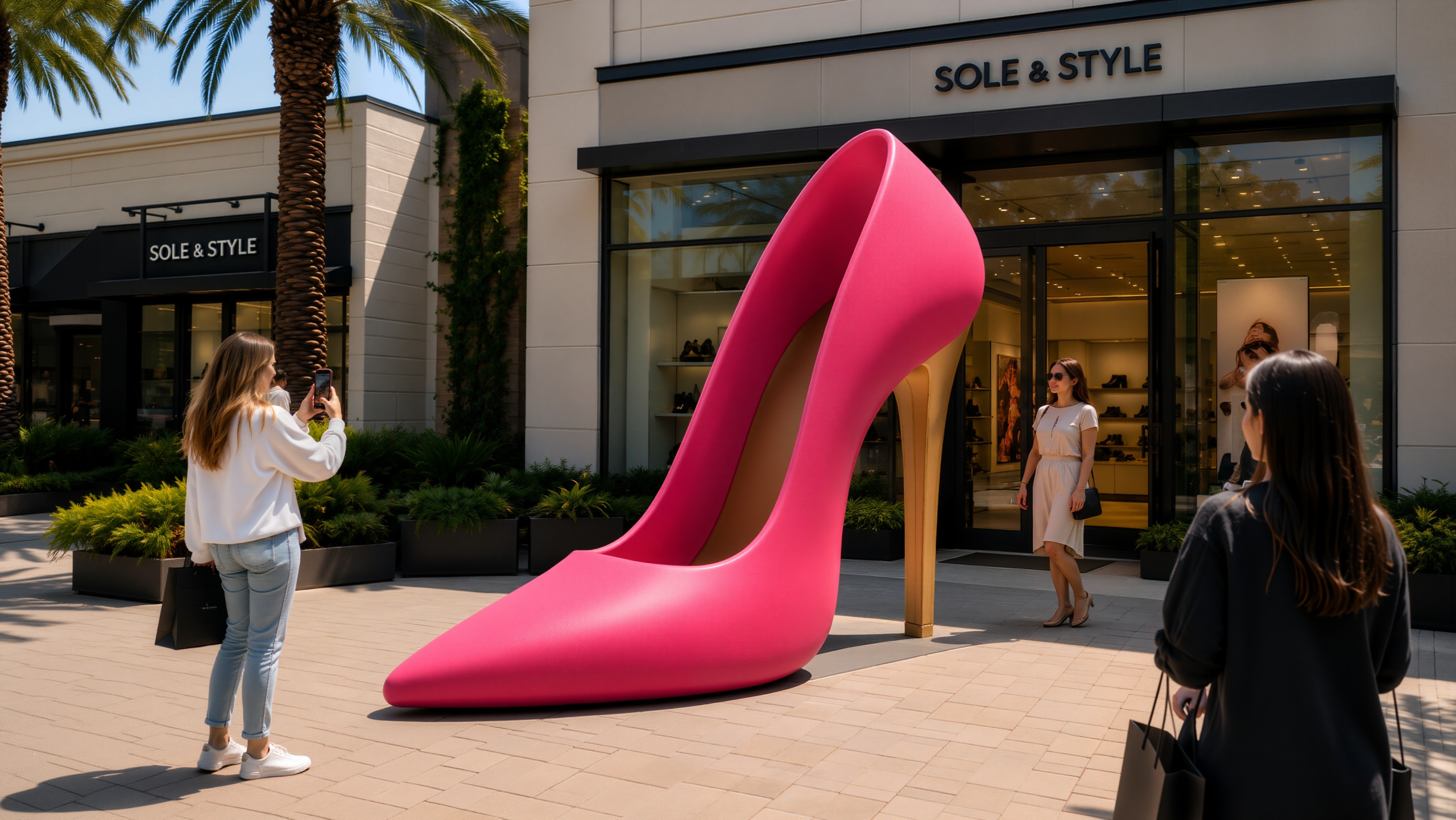
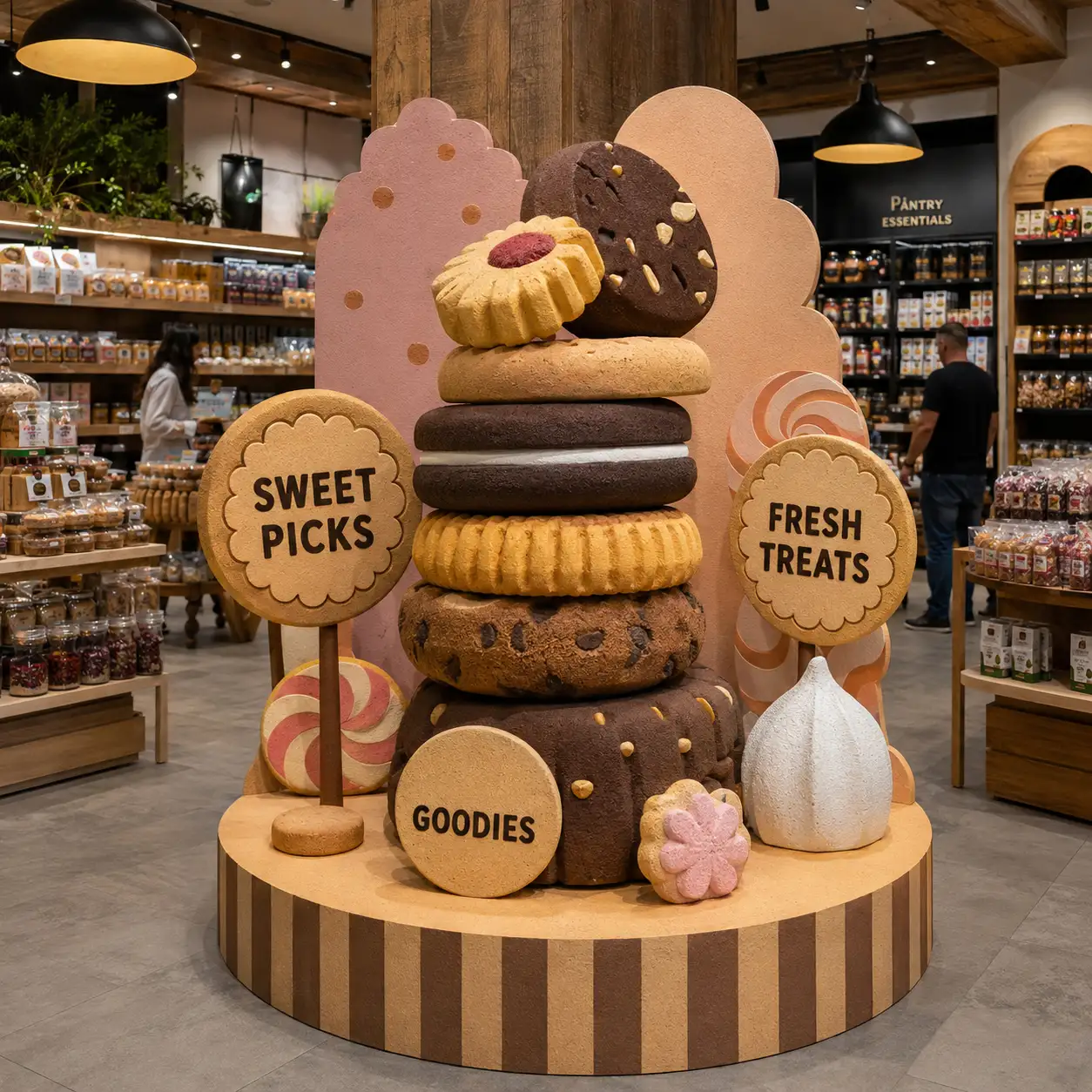
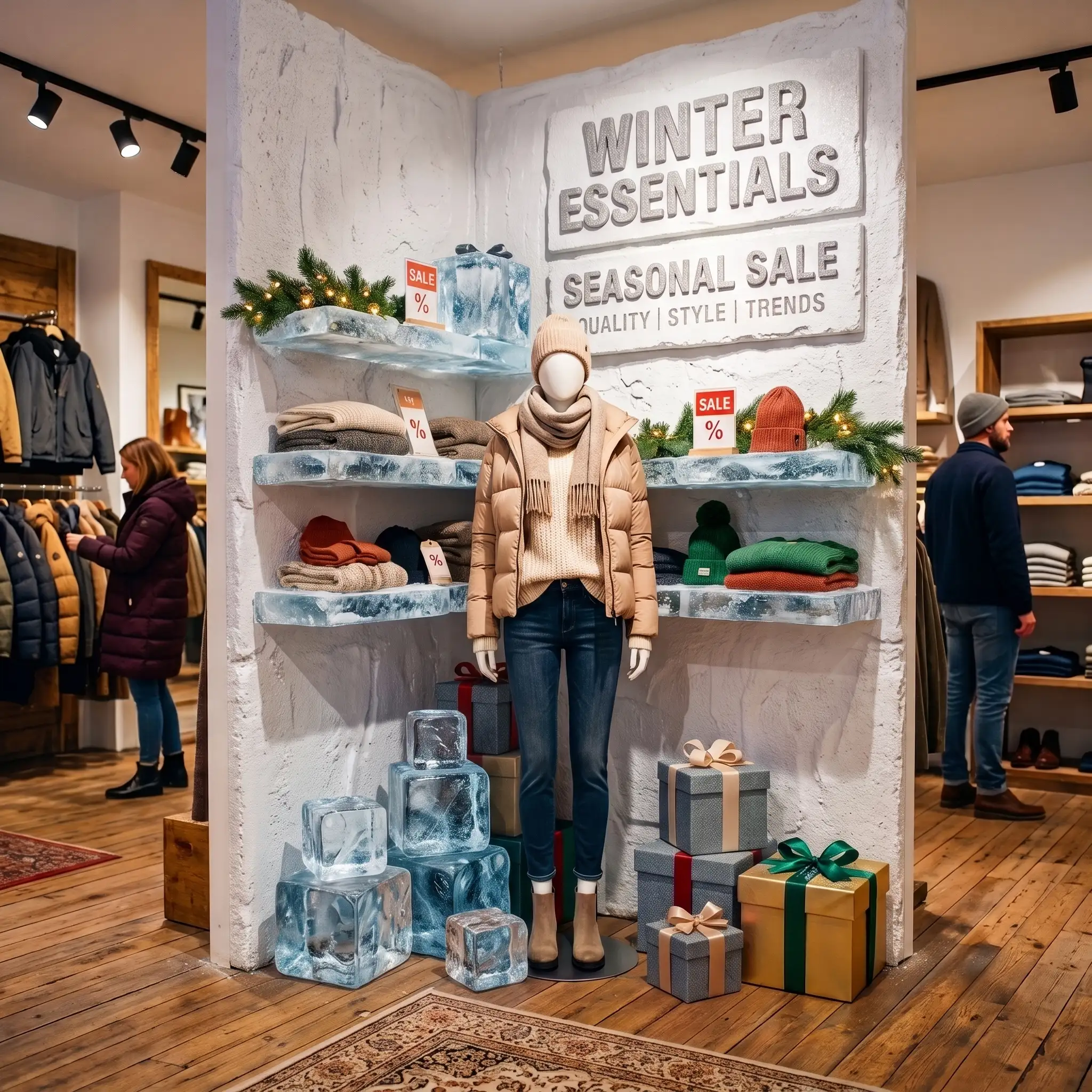
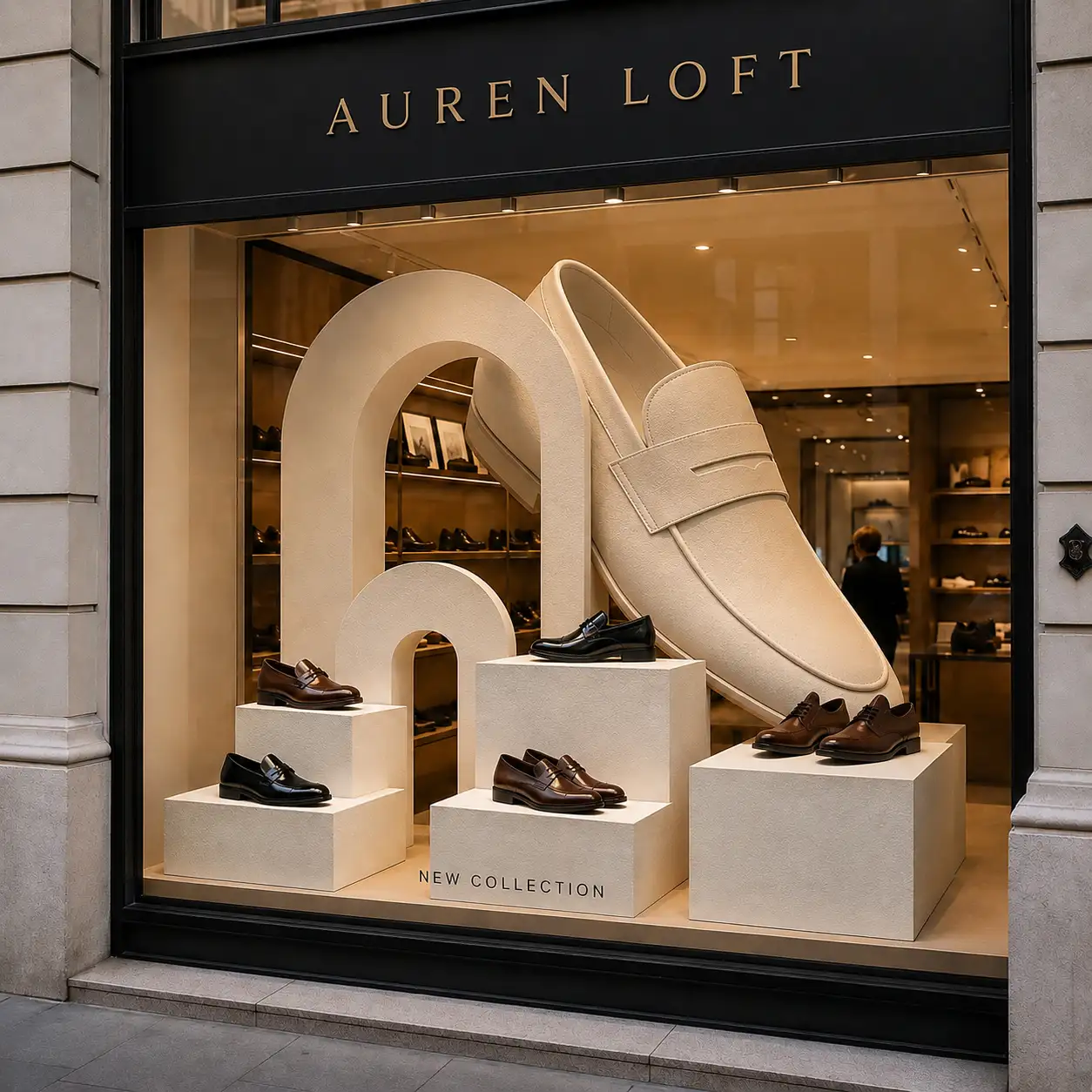
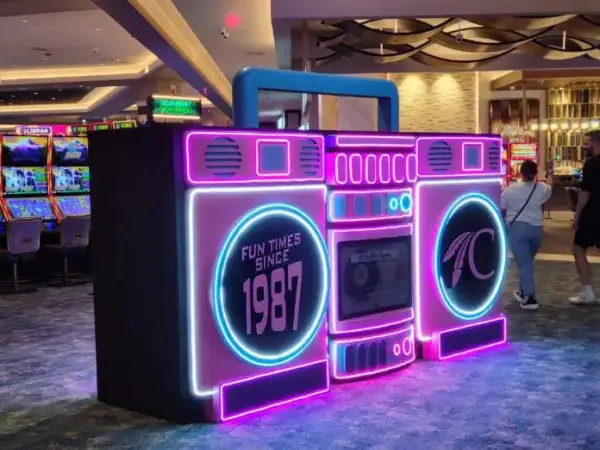
Brand and retail environments. Oversized logos, window displays, visual merchandising props and feature walls that make a store or lobby impossible to ignore. See Brand Activation Props, Custom Window Displays and Retail Interior Installations.
Events, stage and entertainment. Backdrops, giant letters, trade show structures, stage and movie props and seasonal decor. See Event Props and Decor, Foam Trade Show Displays and Holiday and Seasonal Decor.
Sculptures, characters and replicas. Figurative pieces, mascots, museum exhibits and product replicas built at any scale. See Custom Foam Sculptures, Custom Foam Characters and Foam Product Replicas.
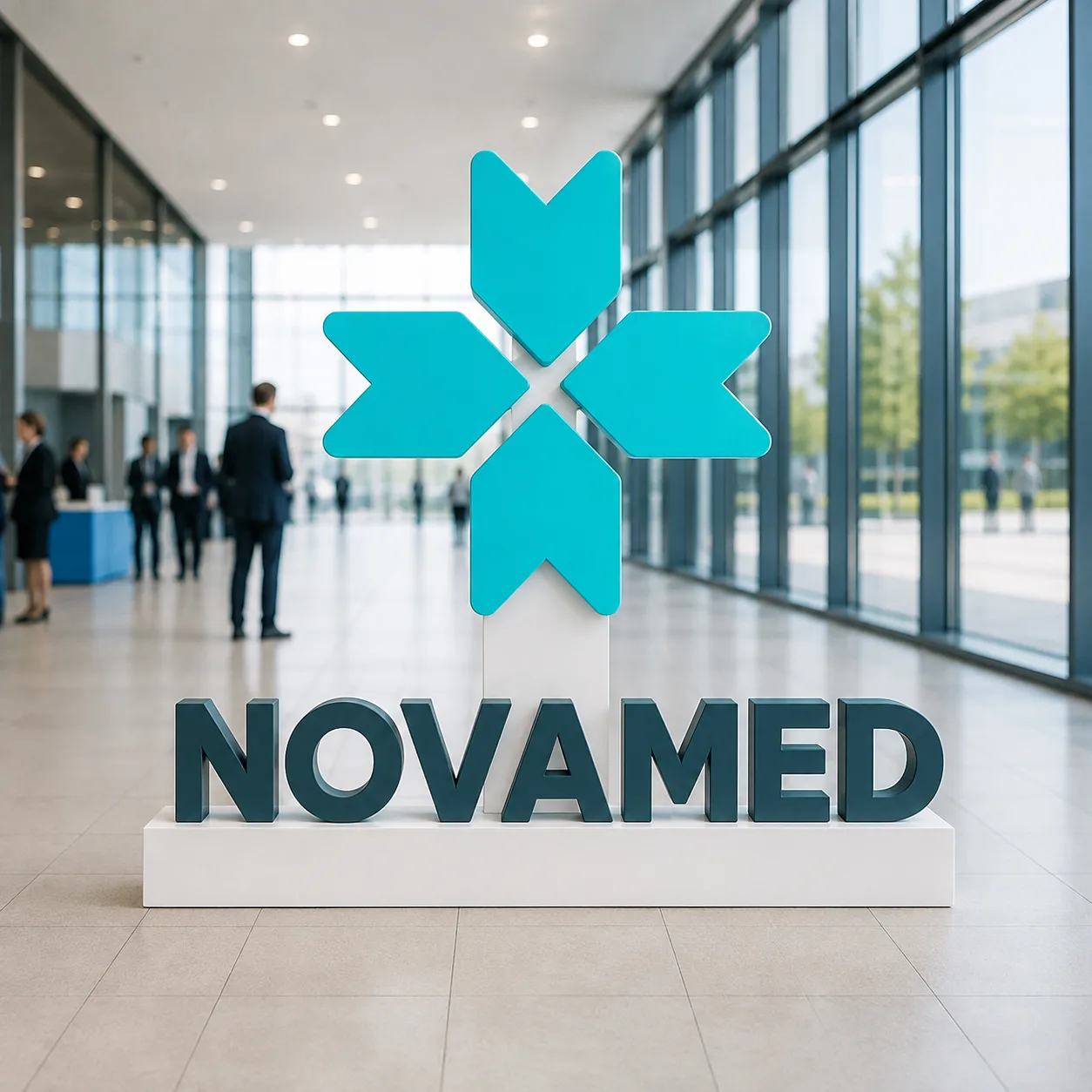
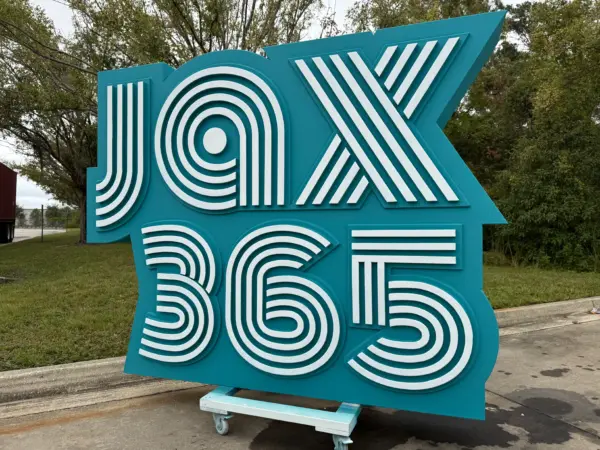
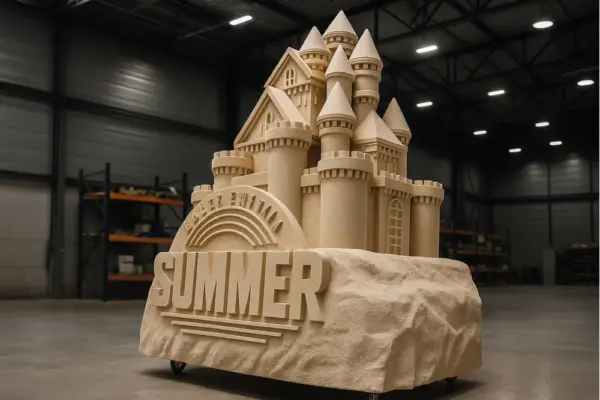
Signs, letters and logos. Monument signs, routed signs, illuminated letters and dimensional logos in foam and other materials. See Foam Monument Signs, Foam Routed Signs and Oversize Foam Letters and Logos.
Architectural shapes and structures. Cornices, columns, arches, pediments, wedding arch colonnades and designs for places of worship. See Architectural Shapes and Wedding Arch Colonnades.
If you are not sure where your idea belongs, the full services overview shows every product line in one place.
Our services at a glance
Behind each product family stands the same set of capabilities. The table below describes them in plain terms.
| Service Type | Description |
|---|---|
| 3D Fabrication Service | A complete cycle from the first concept to an installation-ready product. We analyze your design, build a 3D model and prepare samples for approval. After the technical documents are signed off, we manufacture the piece, pre-assemble sections where possible and pack everything securely for transport. |
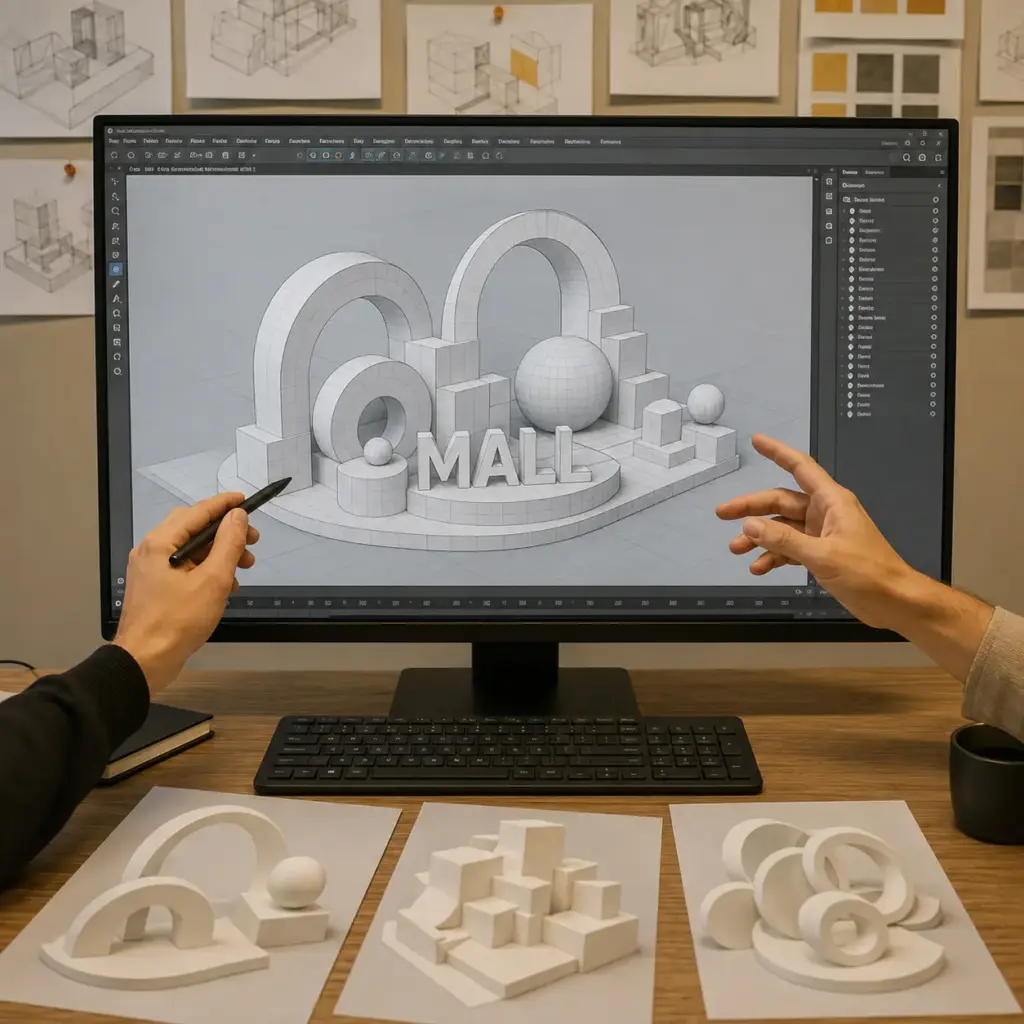
| 3D Model Fabrication | Every form begins as a precise digital model. We check geometry and proportions and agree on details before production starts. Open questions are discussed early, which prevents errors and protects the schedule. |
| 3D Printing Fabrication | Printing is used where micro-precision is essential. Printed components are combined with foam cores for a good balance of strength, accuracy and cost. |
| 3D Fabrication Detail Modeling | Wood grain, stone texture, concrete, metal finishes, smooth transitions, aged effects and depth variation are recreated by hand, so the finished piece looks refined and realistic. |
| Custom foam sculptures | Light and durable sculptures that imitate wood, stone or metal and remain easy to transport, install and reuse. |
| Custom 3D foam signs | Dimensional logos, lettering and branded signage that set the first impression of a space. |
Why so many professionals choose foam
Foam is not a cheaper substitute for stone or metal. It is a different tool that solves problems those materials create.
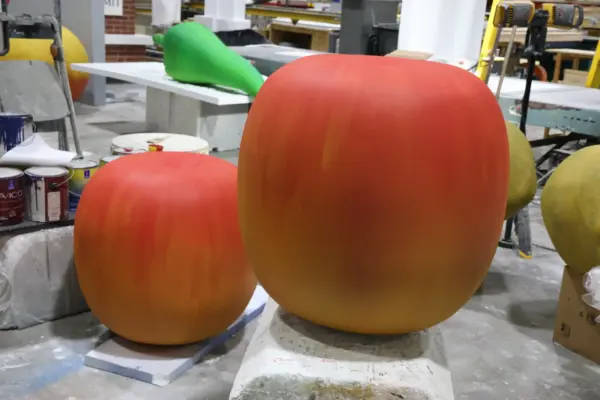
Weight comes first. A stone-look column or a six-foot logo in solid materials needs lifting gear, heavy anchors and sometimes a structural review. The same shape in coated foam can be carried by a small crew and fixed with ordinary hardware. On suitable installations this reduces labor costs by as much as 60 percent, and it often decides whether a feature is affordable at all.
Freedom of form comes second. Foam is cut from a digital model, so curves, undercuts and fine relief are almost as easy as straight lines. A design that would take a stone mason months can be produced accurately in days, and repeated as many times as needed with identical results.
Speed comes third. From approved model to finished object, many projects take between 15 and 30 days. Very large builds are scheduled individually, but the principle holds: less waiting, fewer risks.
Reuse comes fourth. Pieces are light and can be built in numbered sections, so event structures survive tours, storage and reinstallation. A branded installation becomes an asset you keep rather than a cost you pay once.
None of this means foam suits every job. Load-bearing elements need proper structure, and we will say so when your project calls for it. What we make is decorative and architectural cladding, signage, sculpture and props, and within that field coated foam performs very well.
How a project runs
A clear route from idea to installation is the most useful thing a manufacturer can offer. Ours has five steps, and one project manager follows you through all of them.
- Tell us what you picture. Send a sketch, a technical drawing, a 3D reference, a Pinterest image, a logo file or simply a description. We can begin from any of them.
- Receive a visualization and a quote. We build a 3D model, show the piece in realistic materials and color, and give an itemized estimate. A project specialist replies to every inquiry within one business day.
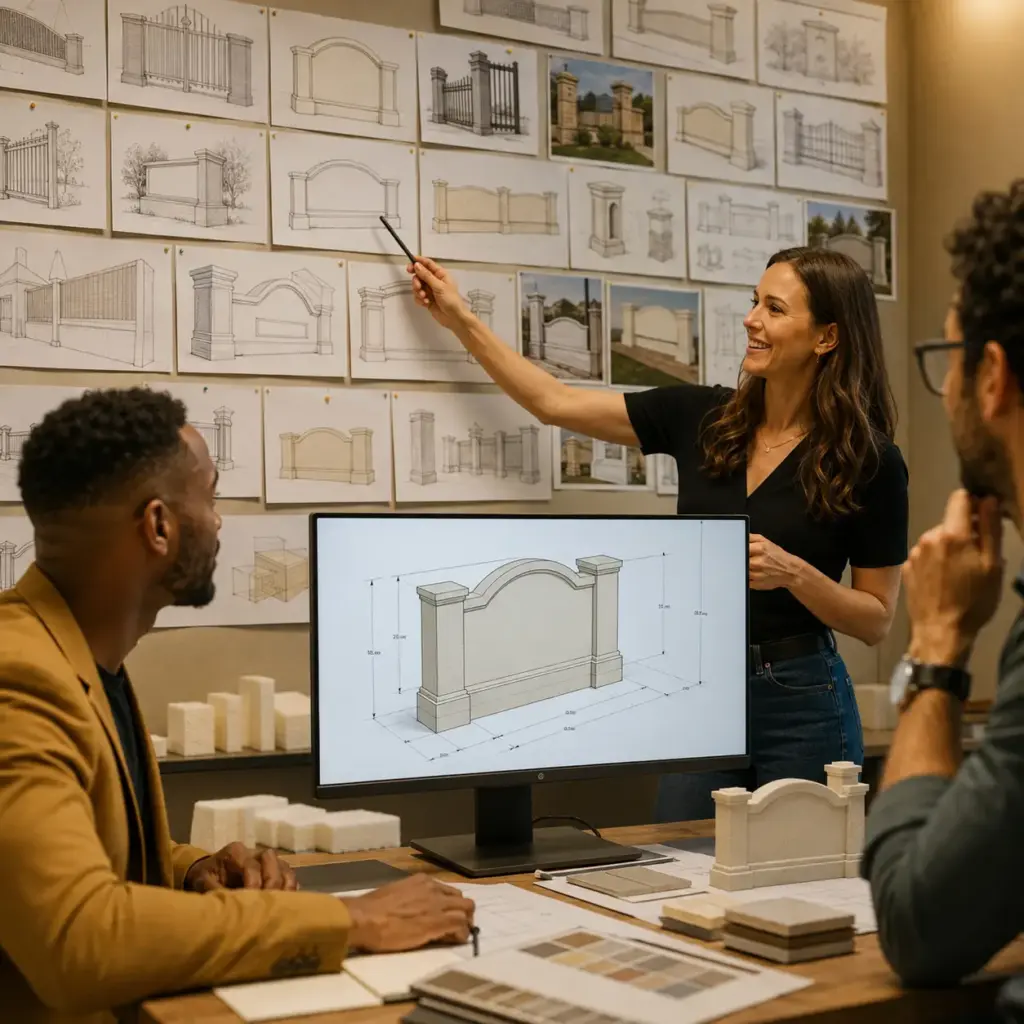
- Approve the design. Drawings and samples are reviewed with you before anything is cut. This is the stage where changes cost almost nothing.
- We fabricate. Cutting, printing, reinforcing, coating and hand finishing happen in our own plant. Your project manager reports progress and checks every dimension against the approved documents.
- Delivery and installation. Pieces are crated, labeled and tracked, and they arrive with installation sheets that show the order of assembly. If your crew has questions on site, we answer them.
If you already have finished drawings from an architect or a designer, we skip the first stage, check the files and move straight to modeling and engineering.
Materials, coatings and the way we build
Two materials carry most of our work. EPS, expanded polystyrene, is excellent for large, light forms such as letters, arches, columns and backdrops. It cuts quickly, ships economically and takes a coating well. HDU, high-density urethane, is denser and holds crisp detail, which makes it the usual choice for routed signs, carved panels and small decorative elements. Many projects combine both. A monument sign, for instance, may have an EPS body with HDU lettering.
What turns foam into a lasting product is the coating system. A polyurea hard coat covers the surface, and a painted layer finishes it. The foam core is reinforced where load requires it, and seams are strengthened. Together these layers resist moisture, UV light, temperature swings and impact. Foam does not warp, swell, rot or attract pests, so under correct use a finished piece is designed to serve for 10 to 20 years, and we back it with a 20-year warranty.
When a shape needs extra strength, we use high-density reinforced foam and welded steel inside. When it does not, standard foam is the better and cheaper choice. The selection is made early, while the design is still a digital file.
Large-format 3D printing for shapes that other methods cannot reach
Some forms cannot be carved, cast or assembled convincingly. Complex organic sculptures, ultra-large decorative pieces and parts with very fine detail are the usual examples. For them, our plant runs some of the largest 3D printers in the world.
We use two printing technologies, Fused Deposition Modeling and Selective Laser Sintering, and choose between them according to the geometry. Fused Deposition Modeling suits oversized components. Selective Laser Sintering suits finer detail. Large sculptures can be produced as whole, monolithic pieces without visible seams, which improves both durability and realism. Printed parts are then joined to foam cores and finished by hand, so the result keeps the lightness and low cost of foam while gaining the precision of digital manufacturing.
Printing sits alongside a robotic multi-axis cutter, a CNC router for foam, hot wire machines for long profiles, welding stations for steel frames, and spray and paint booths. Having everything under one roof in Jacksonville means fewer handoffs, quicker design changes and quality checks at every stage.
Built for Florida, designed to work anywhere
Our plant stands in one of the most demanding climates in the country. High humidity, strong sun, salty air and sudden temperature changes are our everyday test conditions. A coating that survives a coastal Florida summer will usually handle most other places as well, which is why clients in colder and drier states trust the same system.
Finish is part of durability. Color deserves particular care. If a shade matters to your brand, we work from a physical sample or a Pantone reference rather than a screen, because the same color can look different on every monitor. We prepare test swatches, compare them in daylight and adjust until the match is right. For repeat orders, the approved formula is kept on record, so an additional piece matches the original.
Realistic surfaces are made by hand. Wood grain, stone, concrete and metal effects are painted and layered with such care that visitors often ask whether the material is really foam.
Who we work with
Our customers are professionals who buy custom work for others or for their own commercial spaces. They include architects and interior designers, construction teams and developers, marketing and experiential agencies, event production companies, retail and shopping mall operators, trade show and exhibit builders, theme parks and entertainment venues, museums, film, TV and theater studios, hotels, restaurants, healthcare facilities, municipal and educational clients, and automotive dealerships.
Each sector has its own habits. Architects care about drawings and tolerances. Event teams care about speed and portability. Municipal projects care about durability and clear documentation. Theme parks care about guest safety and the story that every object tells. Because we have served all of them, we recognize these differences early and plan accordingly.
Trade customers who resell our work, such as sign shops, contractors and agencies, can also use our plant as a back-end factory. Wholesale terms, unbranded catalogs and a dedicated contact are described on the partnership page, and new clients can look at the special deals for a first-order offer.

Where we deliver
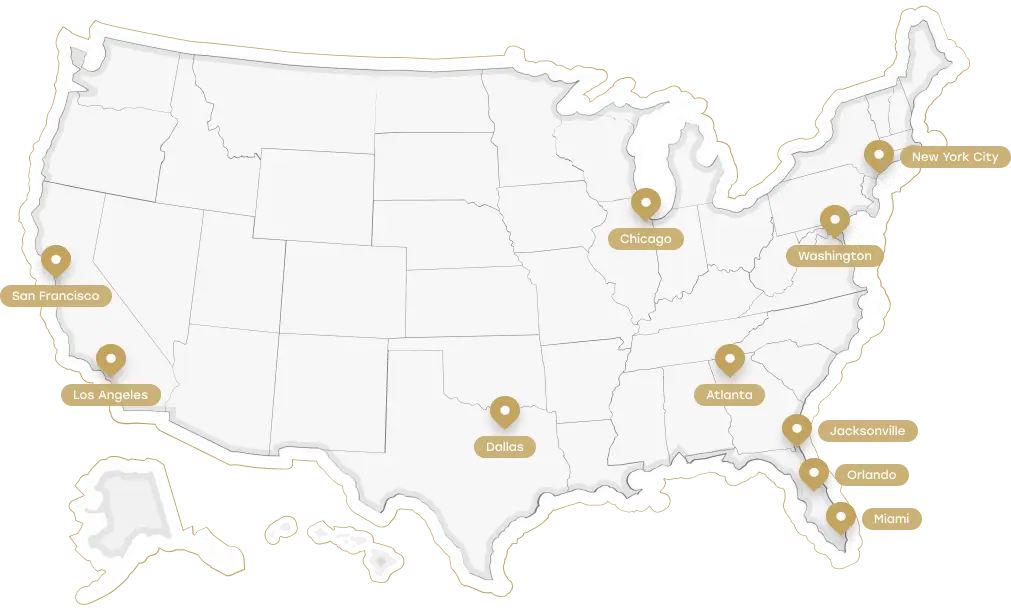
We are based in Jacksonville, and our clients are everywhere. Companies from every state place orders with us, and we ship regularly to Orlando, Miami, Atlanta, Dallas, Chicago, New York City, Washington, Los Angeles and San Francisco.
Distance is rarely a problem for foam. The material is light, so freight stays affordable. Large pieces are divided into sections that fit through standard doors and elevators, crated for the carrier and tracked until they arrive. We schedule deliveries around your installation window, because a shipment that arrives too early needs storage and one that arrives too late stops a crew that is already booked.
Fabrication accuracy also keeps installation cheap. When geometry is exact and the structure is clear, nothing has to be cut or modified on site. That means fewer labor hours, a faster schedule and a lower total cost.
What clients say
Reviews of our work return to the same few points: quick communication, careful finish and projects delivered on time. A corporate events lead in Atlanta praised the quick service and a perfect result. An event manager in Los Angeles appreciated seeing a picture of the logo on the trailer before approving it. An architect in Miami noted the professional design team and fast delivery. A marketing director in New York used a foam letter as a guest sign-in at a graduation party, and it became a keepsake.
You can see more finished work on our portfolio page, and detailed project stories in our case studies.
Practical advice before you start
A few habits make a project smoother, and they cost nothing.
Decide on the viewing distance early. A sign read from a highway needs bolder letters and stronger contrast than one read from a sidewalk. Fine texture that looks beautiful up close disappears at fifty feet, so we adjust the depth of relief to the distance.
Think about light. A piece in direct afternoon sun, under spotlights or beside reflective glass behaves differently from one in even indoor light. We choose finishes and surface depth with that in mind.
Plan the route. A beautiful piece that cannot pass through a door or an elevator is a costly lesson. Tell us about access, and we will section the piece to suit it.
Allow time for approval. The model stage is where changes are cheap, so a few extra days of review can save weeks later.
Keep the story in mind. The best installations feel inevitable. Their shape, color and placement all say the same thing about the brand or the building.
What to include in your first message
You do not need to write a formal brief. A few details let us give a useful answer the first time instead of after three rounds of questions: what you want made, the approximate size, where it will stand, the finish or color you need, the date by which it must be in place and the quantity. A budget range is optional, but it helps us propose the right level of detail. If you do not know some of these answers, say so, and we will help you find them.
Drawings, logos and early concepts are often confidential. We use the files you send only to prepare your quote and your project, and we are glad to work under a nondisclosure agreement if your process requires one.
The result
You receive more than a beautiful object. You receive a refined, stable, lightweight and installation-ready solution that fits your project, arrives when it should and performs for years. And you get the feeling that every designer hopes for: this is exactly how it was meant to look.
Ready to talk about your project?