















get a quoterequest a free catalog

Museum Exhibits & Replicas

High-quality, authentic museum exhibit replicas & architectural foam.
Get a Custom Quote

What Are Custom Museum Exhibits & Replicas?

Custom museum exhibits and replicas are more than just copies; they are high-fidelity gateways to the past, engineered to bridge the gap between priceless originals and the public’s desire for hands-on discovery. These are not simple props, but meticulously crafted reproduction museum exhibits—from a complete T-Rex skeleton that commands a room to precise replica antiquities for exhibits that allow for up-close study. They are the key to telling a powerful story without risking the irreplaceable.

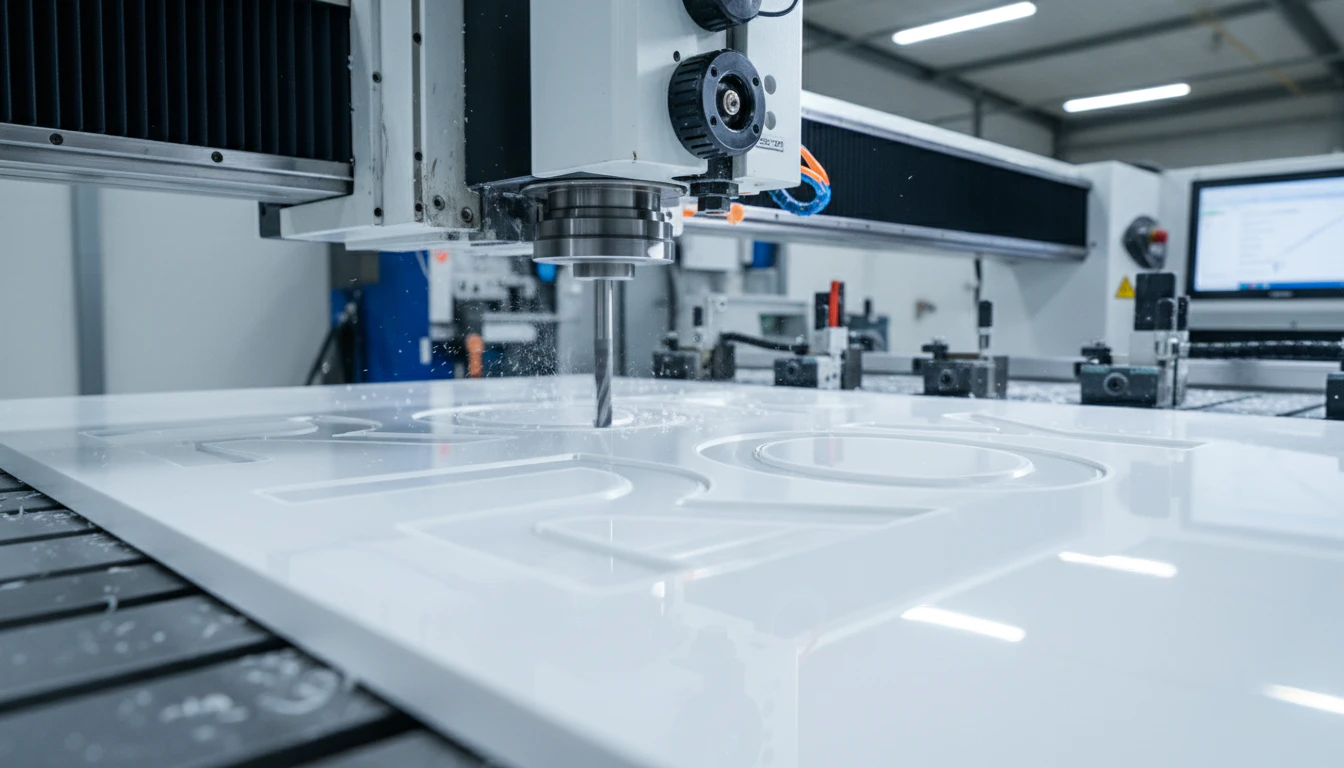
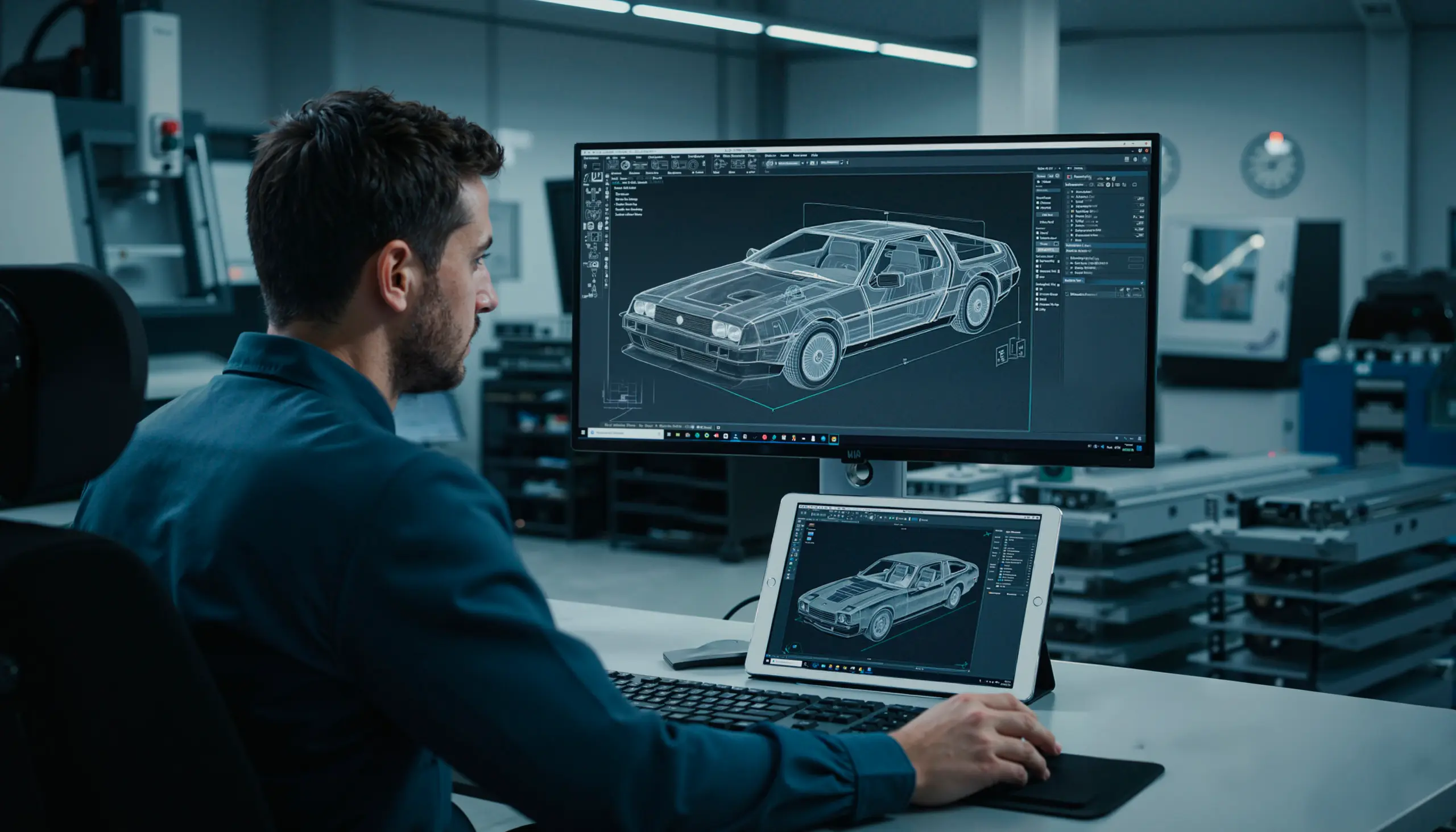
Using a fusion of digital precision and master artistry, we transform high-density foam with CNC carving and 3D modeling to achieve flawless scientific and historical accuracy. Each piece is then protected with a rock-solid polyurea coating, making our museum exhibits replicas incredibly durable, safe for interaction, and surprisingly lightweight. The result is a show-stopping exhibit that defies the constraints of weight and budget, empowering you to create the immersive, awe-inspiring experiences your visitors deserve.

Royal Foam Art Design:
Your Partner in Crafting Unforgettable Learning Environments 

US-Based In-House Manufacturing

We fabricate every exhibit component in our 45,000 sq. ft. facility. This ensures total control over quality and accuracy, and the speed to meet your firm opening-night deadlines.

Proven Expertise in Museum Fabrication

We have a deep portfolio of work for museums, science centers, and cultural institutions. We understand the unique requirements for visitor safety, scientific accuracy, and long-term durability.

Uncompromising Accuracy & Detail

From the precise bone structure of a life-size dinosaur replica to the intricate details of a historical artifact, our fabrication process is built on a foundation of painstaking accuracy and realism.

Durable, Safe & Interactive by Design

Our exhibits are engineered for interaction. The lightweight foam core and robust hard coat create incredibly durable props that are significantly safer for hands-on exploration than heavy, brittle traditional materials.

End-to-End Collaborative Partnership

From interpreting your scientific data and sketches to delivering a finished, installation-ready exhibit, we are your dedicated partner in a seamless and collaborative process.

Budget-Conscious Quotes for Grant Planning

We understand the world of grants and institutional budgets. You will receive a detailed, accurate quote within hours, providing the clarity you need for planning and approvals.

Subaru

Two Paths to a Perfect Exhibit:
Bring Your Design or Just Your Idea

We are committed to a process that honors your research and creative vision. Whether you have a complete set of exhibit blueprints or are starting with a core educational concept, your dedicated personal manager will ensure a smooth, accurate, and collaborative fabrication journey.
Here’s how we make your vision a reality, step by step:
Get a free quote now

Behind the Illusion:
Our Meticulous Process for Hyper-Realistic Props

Fabricating for a museum environment is a science and an art. It demands absolute fidelity to the source material and robust engineering for public display. We have perfected a process that ensures every exhibit is both a work of art and a durable educational tool.
As a premier museum exhibit fabrication studio, we follow a meticulous, accuracy-driven process.

Here’s a glimpse into our meticulous production process:

Production
stage

How it
works

What
influences it

Result

1. Concept & Scientific Modeling
Digital sculpting based on 3D scans, paleontological data, historical records, or scientific diagrams to ensure absolute accuracy.
A precise, scientifically-vetted 3D model for curatorial approval.
Client data, scientific references, historical accuracy.
2. Material Preparation
Selecting high-density foam and internal armatures engineered for long-term stability and public interaction.
A solid, ready-to-carve material base for all components.
Exhibit scale, interactivity level, safety codes.
3. Shaping & Detailing
Precision CNC carving for geometric accuracy, combined with master hand-sculpting to capture fine organic details and textures.
A perfectly formed, raw foam replica or exhibit component.
Machine accuracy, 3D model fidelity, artistic skill.
4. Coating & Archival Finishing
Application of a robust, impact-resistant hard coat, followed by master artists who apply scientifically accurate colors and textures.
A "visitor-proof," hyper-realistic, and stable exhibit piece.
Coating formula, color-matching to artifacts, archival quality.
5. Quality Control
A rigorous inspection by our team, often alongside the client's curator, to verify accuracy against the source material.
A flawless, quality-assured exhibit, ready for your gallery.
Inspection protocols, curatorial review, scientific data.
6. Museum-Quality Crating
Building custom, heat-treated crates designed to protect priceless replicas during shipping, ideal for traveling exhibits.
A fully protected asset, ready for installation or touring.
Crate design, conservation needs, shipping method.
Show less
see more stages
Production stage
1. Consultation & Material Selection
How it works

We analyze your part’s functional needs (stress, environment) to recommend the optimal engineering-grade material.


What influences it
A strategic production plan and optimized material selection engineered for performance and cost-effectiveness.
Result
Solid, lightweight base for fence components.
Production stage
2. Digital Prep & Slicing
How it works

Your CAD model is strategically oriented for maximum strength and then sliced into a flawless, machine-readable build file.

What influences it
A flawless, machine-readable build file that guarantees superior mechanical properties, dimensional accuracy, and an efficient print cycle.
Result
Part geometry, critical tolerance requirements, and the desired surface finish on key features.
Production stage
3. Industrial 3D Printing
How it works

In a precisely controlled chamber, our machines build your part layer by layer, fusing material with real-time monitoring.

What influences it
A raw, near-net-shape component, built with incredible layer-to-layer adhesion and structural integrity directly from your digital file.
Result
The chosen 3D printing technology (e.g., FDM, SLS) and the specific thermal and flow properties of the selected material.
Production stage
4. Post-Processing & Curing
How it works

Support structures are meticulously removed, and the part is cured via heat or UV light to lock in its final, peak material properties.

What influences it
A clean, dimensionally stable part, free of all temporary supports and fully cured to achieve its final, peak material properties.
Result
The intricacy of the part's geometry and the type of support material used (soluble vs. breakaway).
Production stage
4. Post-Processing & Curing
How it works

Our craftsmen handle any required finishing: precision sanding, painting to spec, media blasting, or installing hardware like threaded inserts.

What influences it
A production-quality 3d printing industrial part with the specified aesthetic and functional finish, ready for immediate integration into your final assembly.
Result
Your specific cosmetic requirements and any need for integrating non-printed hardware or secondary components.
Production stage
6. Final Inspection
How it works

Every part undergoes a rigorous final inspection with precision tools, verifying all critical dimensions against your original CAD data.

What influences it
A fully-vetted, dimensionally-accurate part that you can trust, with comprehensive quality documentation (like a Certificate of Conformity) provided upon request.
Result
Your specified tolerances and any requirements for advanced documentation like CMM reports or First Article Inspection (FAI).
Show less
see more stages
This rigorous process ensures your exhibit is not just an installation, but a lasting and respected contribution to your collection.
We are not just fabricators; we are the trusted partners who help you build your world.

From Prehistoric Worlds to Ancient Artifacts:
We Fabricate the Experience

The most powerful exhibits are those that construct a complete, immersive environment. They create a tangible world that transports visitors, making complex ideas and distant eras feel immediate and accessible. We provide the foundational fabrication expertise to build these compelling educational journeys, turning curatorial vision into physical reality.
Whether your project requires awe-inspiring museum exhibits replicas of prehistoric life or precise replica antiquities for exhibits that illuminate ancient history, our capabilities are engineered for accuracy. We build the high-fidelity reproduction museum exhibits that become the durable and engaging centerpieces of discovery in any gallery.
Kitchen Remodeling Example

Awe-Inspiring Life-Size Dinosaur Replicas

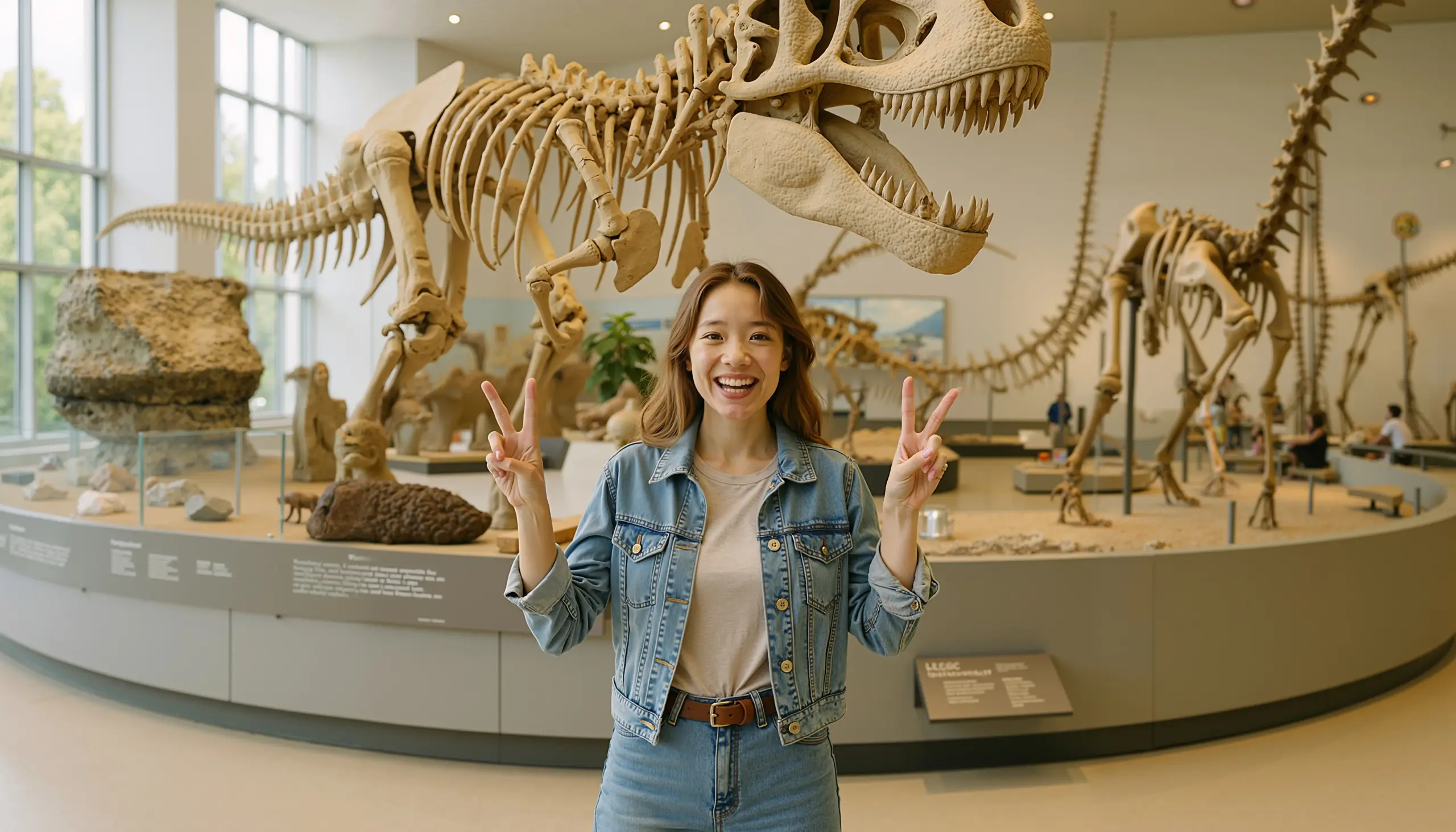
Create the ultimate centerpiece for your natural history hall. We build scientifically accurate, full-scale dinosaur skeletons and fleshed-out models that captivate visitors of all ages.

Kitchen Remodeling Example

Precise Historical Replicas

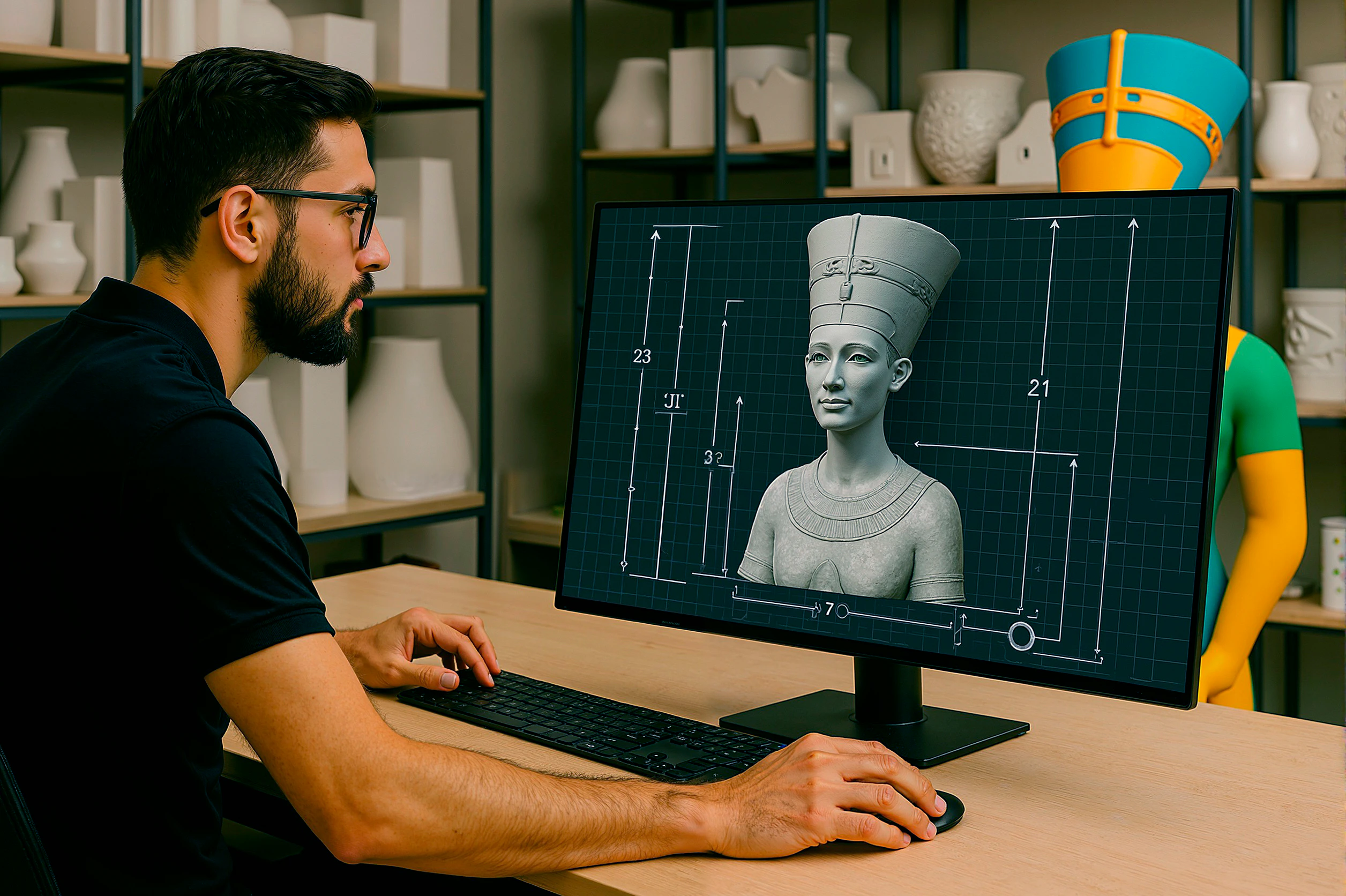
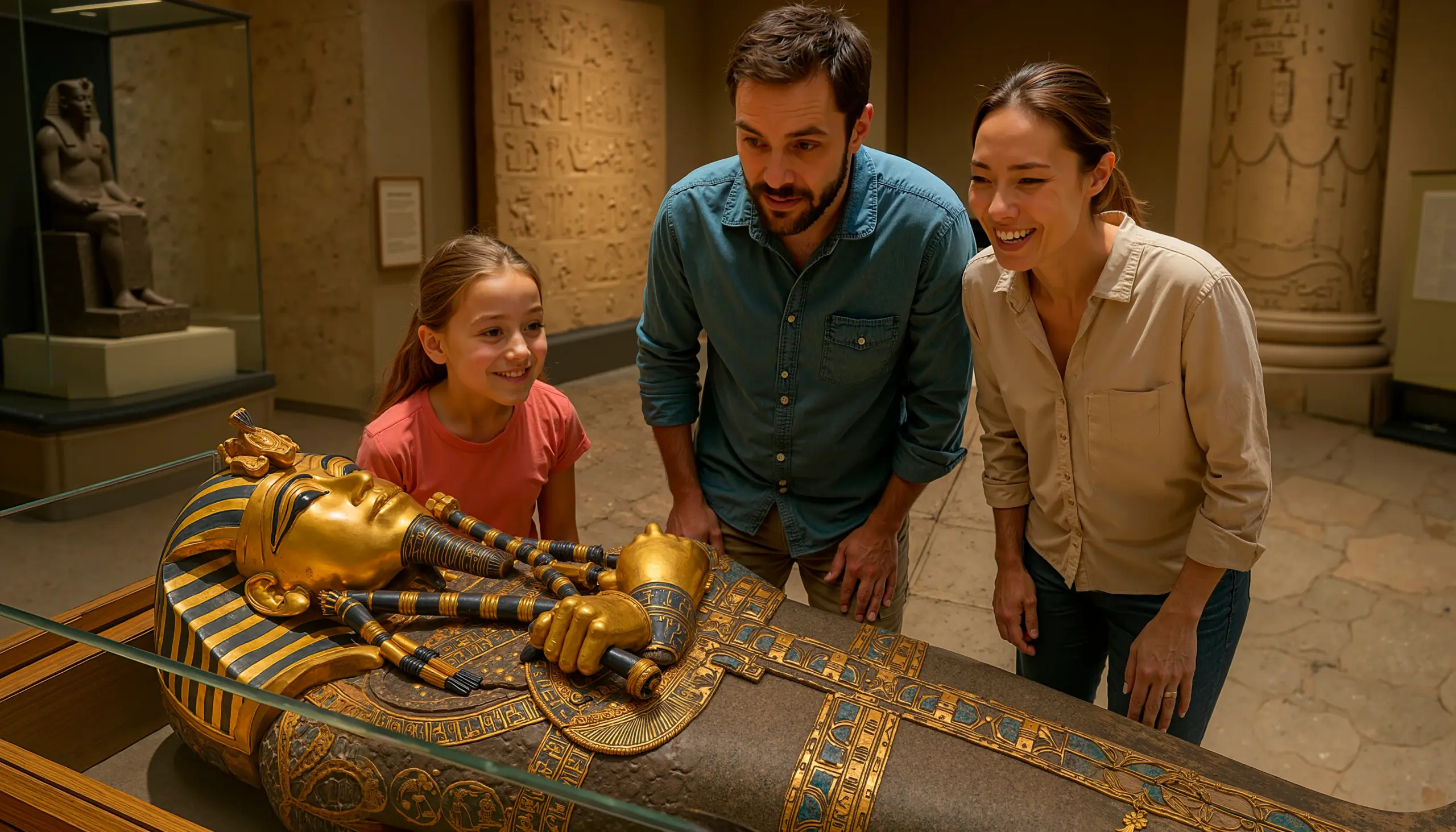
Bring the past to life. We create high-fidelity replicas of priceless artifacts, architectural elements, and entire historical scenes that allow for up-close study without risk to the originals.

Kitchen Remodeling Example

Engaging Educational Display Models

Make complex science understandable and exciting. We build oversized, detailed models of everything from human cells and planetary systems to engines and biological processes.

Kitchen Remodeling Example

Durable, Interactive Exhibit Components

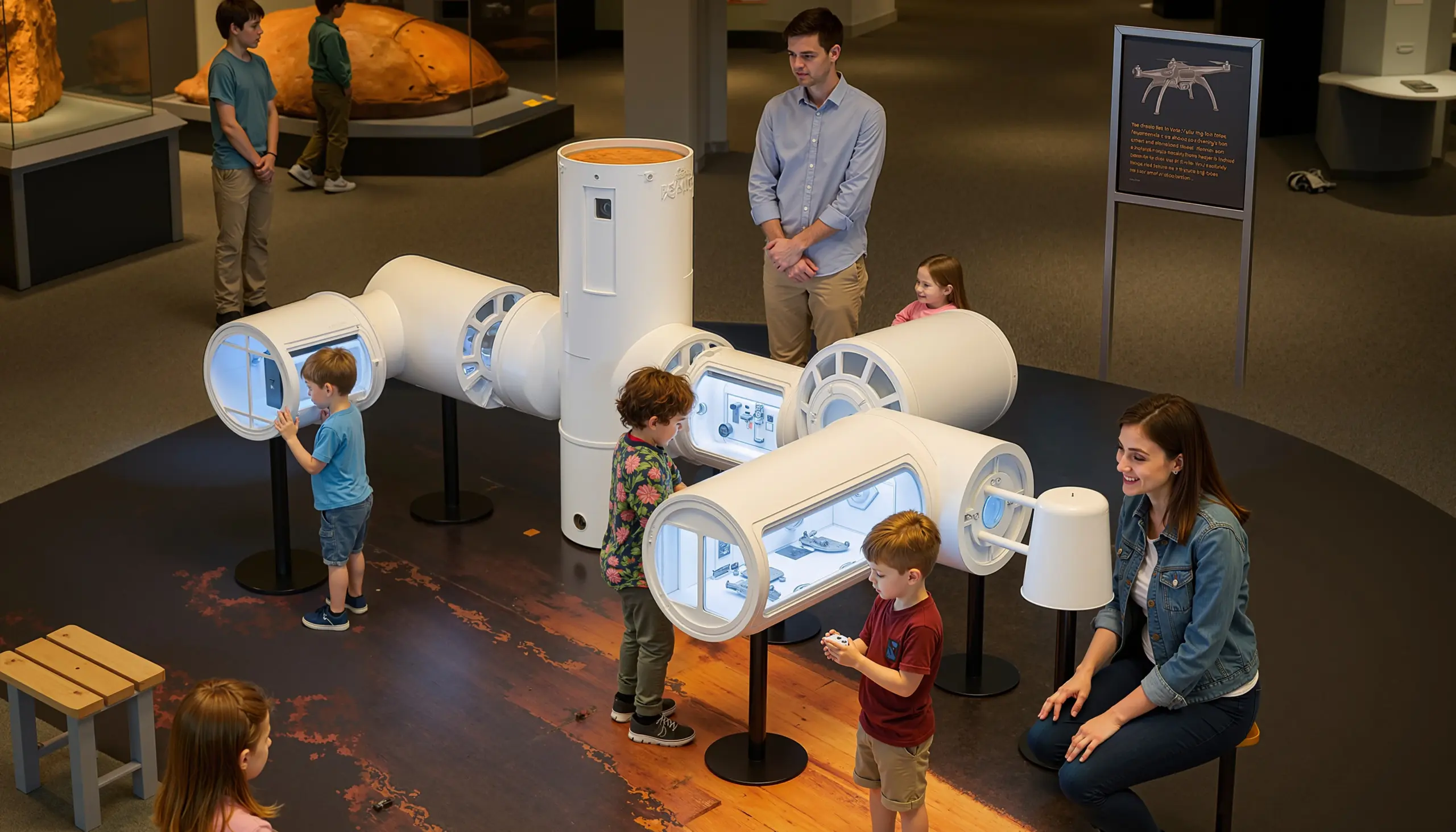
We build the elements that are meant to be touched. From crawl-through logs in a nature exhibit to oversized puzzle pieces and climbable models, our props are designed for safe, hands-on learning.

Kitchen Remodeling Example

Complete Museum Set Design

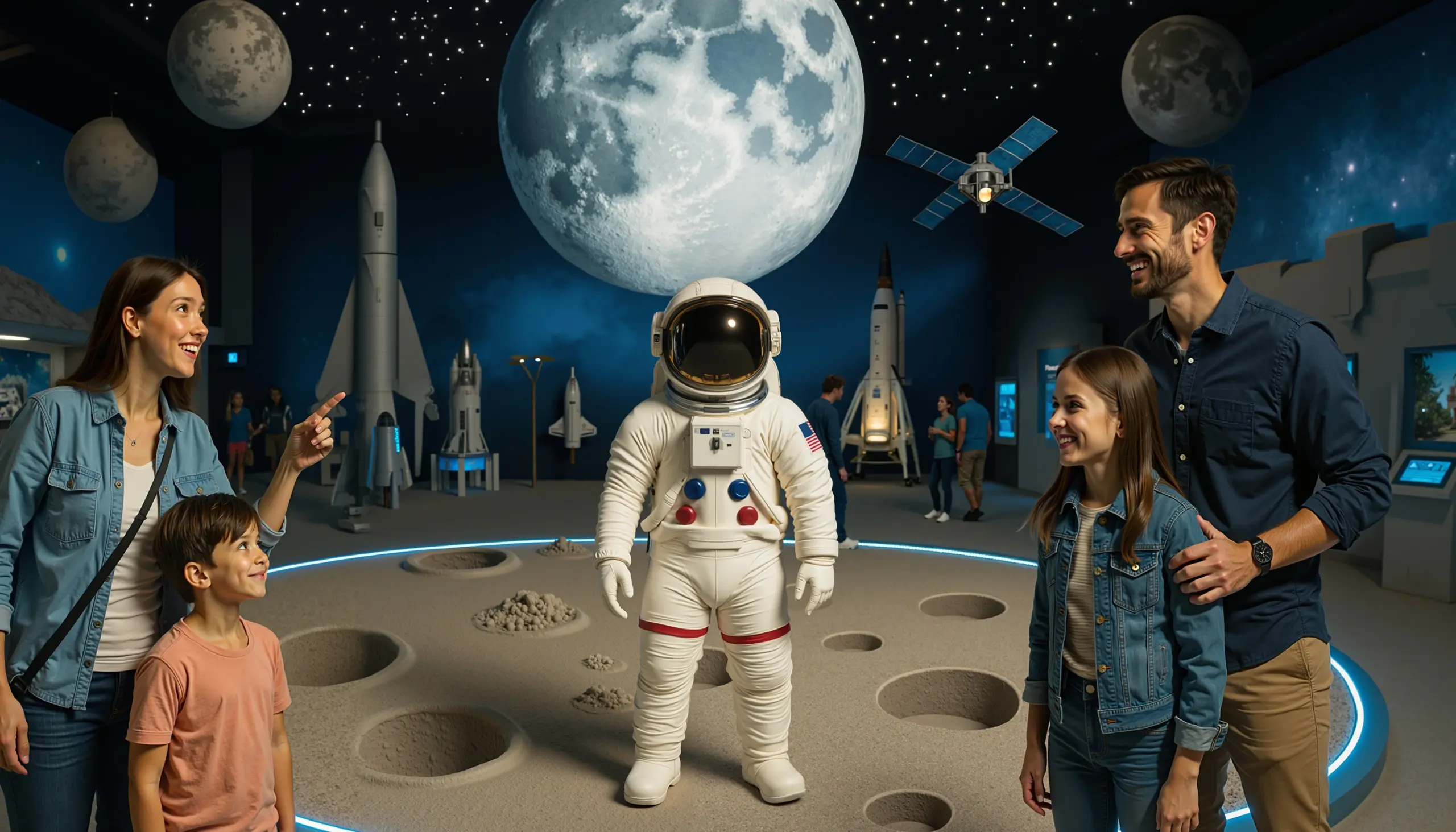
Let’s build the entire world. We create fully immersive environments, from the rockwork and foliage of a diorama to the thematic walls and structures of an ancient tomb or a futuristic space station.

Create a World-Class Exhibit,
Without the World-Class Constraints

At Royal Foam Art Design, we create the custom museum exhibits that are the key to building engaging, durable, and inspiring learning environments. Our innovative fabrication methods empower museums and science centers to do more with their resources.
What are the benefits of our museum exhibit fabrication?

Foster Safe, Hands-On Learning

Modern education thrives on tactile exploration, yet constant interaction demands extreme durability. Traditional materials like plaster and resin are often too heavy or brittle, necessitating restrictive "do not touch" policies that stifle engagement and pose safety risks.

Our lightweight foam core with advanced hard-coat finishing provides a "visitor-proof" solution. These resilient components encourage hands-on learning in high-traffic museum environments. By ensuring safety and longevity, we bridge the gap between exhibit preservation and immersive discovery.

Achieve Unmatched Realism and Accuracy

For any cultural or scientific institution, authenticity is non-negotiable. The educational value of a replica is directly tied to its fidelity to the source material. Inaccuracies, no matter how small, can undermine the integrity of an exhibit and erode the trust of your audience. Every detail must meet the most exacting curatorial standards.

Our process is built on a foundation of precision. We work directly from your scientific data, 3D scans, and historical research to create dimensionally perfect digital models for your approval. This data-driven approach, combined with masterful artistry in finishing and painting, allows us to achieve a level of realism that honors your research and captivates your visitors.
Custom alt text

Simplify Installation and Gallery Rotation

Suspending large exhibits like life-size dinosaurs often requires costly structural reinforcement and risky, time-consuming rigging due to the extreme weight of traditional materials. This complexity leads to significant gallery downtime and high installation expenses for preparation teams.

Our lightweight foam construction simplifies this process. Low-weight replicas allow for faster, safer rigging without major building modifications. This streamlines gallery rotations and reduces costs, freeing resources for other critical museum tasks.

What
influences it

Selecting high-density foam and internal armatures engineered for long-term stability and public interaction.
Custom exhibit fabrication from Royal Foam Art Design is your smartest investment in the future of learning.

Ready to Build an Exhibit That Will Inspire Generations?

Let’s create a durable, accurate, and unforgettable learning experience together.

Get a free quote now

FAQ

see more questions

Museum exhibit replicas

A walk through a museum is always a journey to other eras and other worlds, where ancient civilizations whisper their stories and extinct creatures tower overhead. But authentic artifacts are fragile, rare, and often too precious to withstand the touch of curious tourists.  That’s where museum exhibit replicas turn education into experience, allowing institutions to share history without risking the irreplaceable.

Reproductions of museum exhibits crafted from expanded polystyrene bridge the gap between preservation and engagement. They bring dinosaurs back to life, recreate lost architectural wonders, and give visitors the opportunity to touch millennia-old objects. And all while protecting the originals and expanding the possibilities for museums within practical limitations.

How foam replicas transform museum exhibits
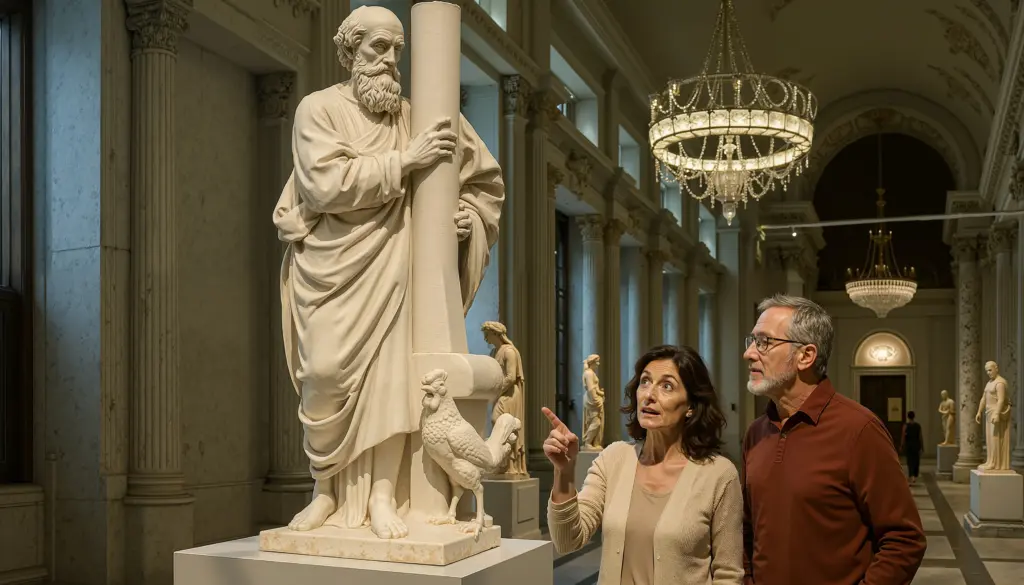
museum artifact replicasMuseums have evolved far beyond static displays behind protective barriers. Today’s visitors – especially young people and children raised on interactive media – expect to touch, explore, and emotionally connect with what they learn.

This is where serious obstacles arise, linked to the inherent limitations of traditional museum collections. Genuine fossils are irreplaceable and brittle. Ancient pottery crumbles when transported. Historical weapons pose a safety hazard. Original sculptures are too heavy to suspend or move. Insurance requirements, conservation rules, and absolute scarcity mean that many of the most interesting items can only be viewed through glass or from a distance, if they can be displayed at all.

Lightweight polystyrene foam replicas of antiquities open new possibilities for museums. By creating accurate reproductions, museums can tell complete stories without gaps caused by fragility or lending restrictions. A single fossil find can be reproduced several times for traveling exhibitions. Massive architectural elements can be recreated without the structural engineering required to create authentic stone or metal.

The transformation here is not about replacing authenticity, but about expanding access. When children can hold a replica of a Stone Age tool in their hands or stand inside a foam reconstruction of an ancient temple doorway, history stops being abstract dates and becomes a living experience.

What museum exhibits can be created from EPS foam

The possibilities for museum reproductions of exhibits from foam are very broad. They are used in almost all museum disciplines: from natural history to fine arts. This material allows you to recreate:

  • Full-size dinosaur skeletons in dynamic and realistic poses;
  • Sculptures of extinct mammals;
  • Geological formations and massive crystals;
  • Enlarged models of biological cells, microorganisms, molecules, and atoms;
  • Models of ancient weapons;
  • Models of ancient everyday objects;
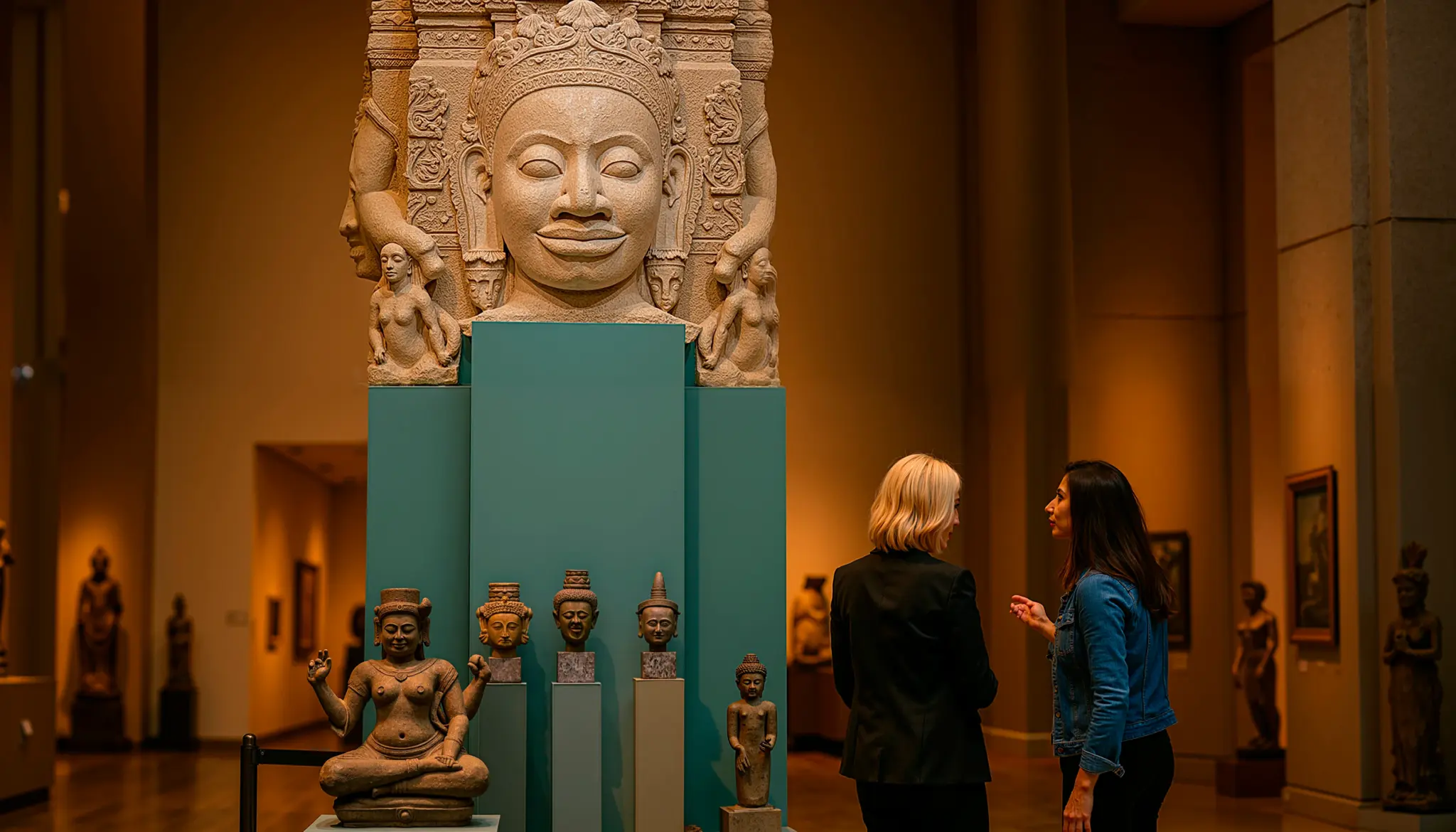
  • Reconstructions of ancient statues;
  • Fragments of architectural structures.

The list goes on and on. Royal Foam Art Design specialists can accurately recreate anything worthy of being displayed in a museum using EPS foam.

Why do museums prefer EPS foam replicas?

Creating reproduction museum exhibits requires careful choices of materials, techniques, and priorities. Traditional methods like plaster casting, resin molding, or fiberglass fabrication each have their place, but EPS foam offers a unique combination of benefits that perfectly match the needs of modern museums.

Extremely lightweight and versatile
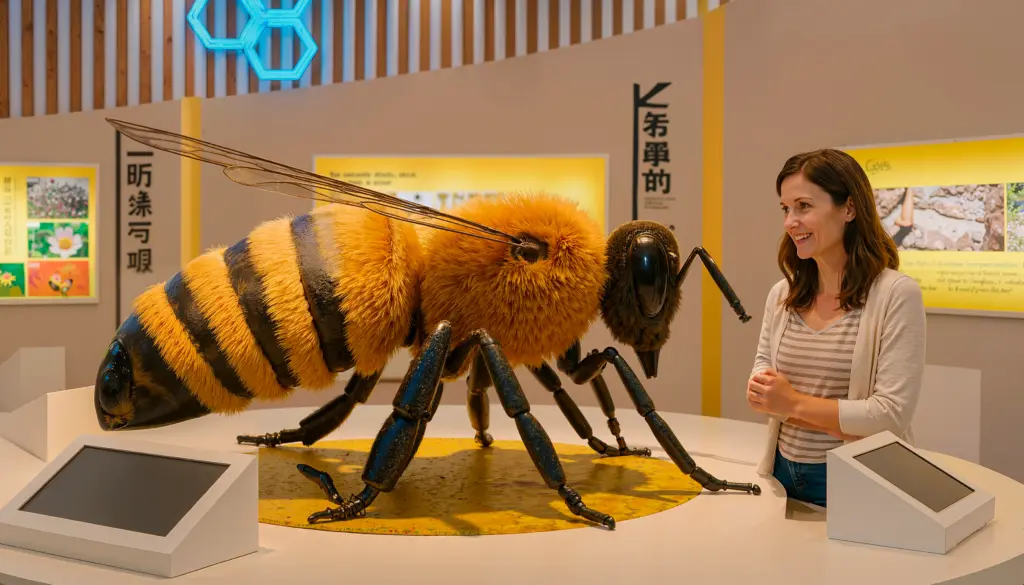
scale model museum exhibitsA life-sized Tyrannosaurus rex skeleton in authentic bone would weigh thousands of pounds and require massive structural support. The same replica in foam weighs a fraction of that – light enough to suspend from standard ceiling systems or transport in a regular truck. This weight reduction transforms what’s possible for exhibition design.

Museums can create dramatic overhead installations and build layered spaces with multiple large-scale elements. Traveling exhibitions become logistically feasible where they would otherwise be unprofitable.

Hand-sculpted precision for historical accuracy

Unlike molded materials, which require pre-made molds, foam can be CNC-carved and hand-finished to match reference materials with exceptional precision. Whether recreating weathered stone textures, organic bone structures, or intricate decorative details, skilled craftsmen can achieve a visual accuracy that will satisfy both curators and visitors.

Thanks to special coating and finishing techniques, our core material accepts fine detailing, from the texture of ancient wood to the patina of aged bronze. The finished products are visually convincing and tactilely appealing, meeting two requirements: educational value and aesthetic quality.

Durability for high-traffic interactive exhibits

Children touch. Adults lean. School groups crowd around. Museum exhibits endure constant contact that would damage fragile originals or even many replica materials. The resilience of the EPS foam absorbs impacts without wear, maintaining its appearance for years of active use.

The material doesn’t chip like plaster, crack like resin, or deteriorate like certain polymers. It is stable thanks to its closed-cell structure. This means that it:

  • doesn’t shrink in cool rooms;
  • doesn’t expand in heat;
  • does not deform over time.

All this is essential for preserving the integrity of exhibits, as well as for preventing gaps and inconsistencies in multi-component installations.

In addition, the closed-cell structure of the expanded polystyrene doesn’t allow moisture to pass through, and a special coating repels pests. Thus, museum replicas of exhibits cannot physically deteriorate. Models of metal objects won’t rust due to humidity. Faux wooden artifacts won’t rot or crack. Provide capricious artifacts with the right conditions – EPS foam copies will do the job perfectly in the exhibition hall.

Cost-effective production for comprehensive storytelling
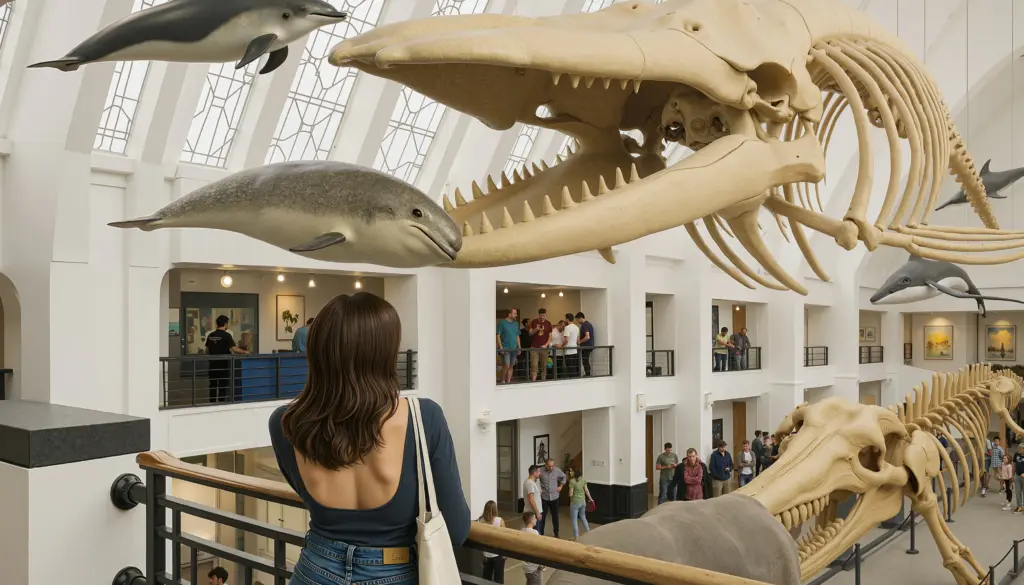
museum exhibits replicasBudget constraints force difficult decisions: display one impressive original or tell a more detailed story using multiple exhibits? Foam fabrication’s cost-effectiveness allows museums to choose “both”. Create replica antiquities for exhibits that complement authentic artifacts, filling gaps in the narrative without exhausting acquisition budgets.

Why museums choose Royal Foam Art Design for exhibits’ reproduction

Creating replicas of antiquities for exhibits that meet both scientific standards and public engagement requires special expertise. Royal Foam Art Design has experience honed through projects ranging from paleontological reconstructions to cultural heritage recreations.

Our specialists also understand the other requirements imposed by museums. The fabrication team works in accordance with conservation guidelines, ensuring that the materials won’t damage nearby authentic artifacts. Fire safety, accessibility, and building codes are considered at all stages of design and installation. These aren’t secondary issues, but comprehensive solutions that prevent problems and ensure a smooth approval process.

Fast production without compromising quality

Museum deadlines can be unforgiving. Grand openings are planned. School groups are booked. Sponsors are invited. Exhibits must be ready on time – not almost ready, but complete, tested, and polished.

Streamlined production workflows ensure that museum replicas of exhibits are delivered on schedule. In-house fabrication eliminates the need to wait for multiple subcontractors. Effective project management allows us to advance work simultaneously at all stages. The result is consistent delivery that institutions can depend on.

Scalable solutions: from small details to monumental installations

Museum needs vary enormously. A small historical society might need a dozen touchable artifact reproductions for an interactive discovery room. A major natural history museum might require a 40-foot dinosaur and its surrounding prehistoric environment.

Our production capabilities cover this entire spectrum. Small, intricate pieces receive the same attention to detail as massive centerpieces. Even with multiple projects, quality never slips. Whether it’s a single replica or elements for an entire gallery, production is carried out according to uniform standards.

Building long-term institutional partnerships

Royal Foam Art Design approaches working with museums as relationship-building, not just project fulfillment. Our specialists are ready not only to discuss all the details of a future project, but also to gain a deeper understanding of the institution’s mission and the strengths of a particular collection. When starting work, we understand exactly where the future exhibit replica will be located and what audience will be viewing it.

Feel free to contact us with your ideas. We’re ready for any creative challenges. Let’s work together to bring ancient history, art, scientific achievements, and the latest technologies closer to people.
Let's Get
Started

to discuss upcoming projects

    More services