

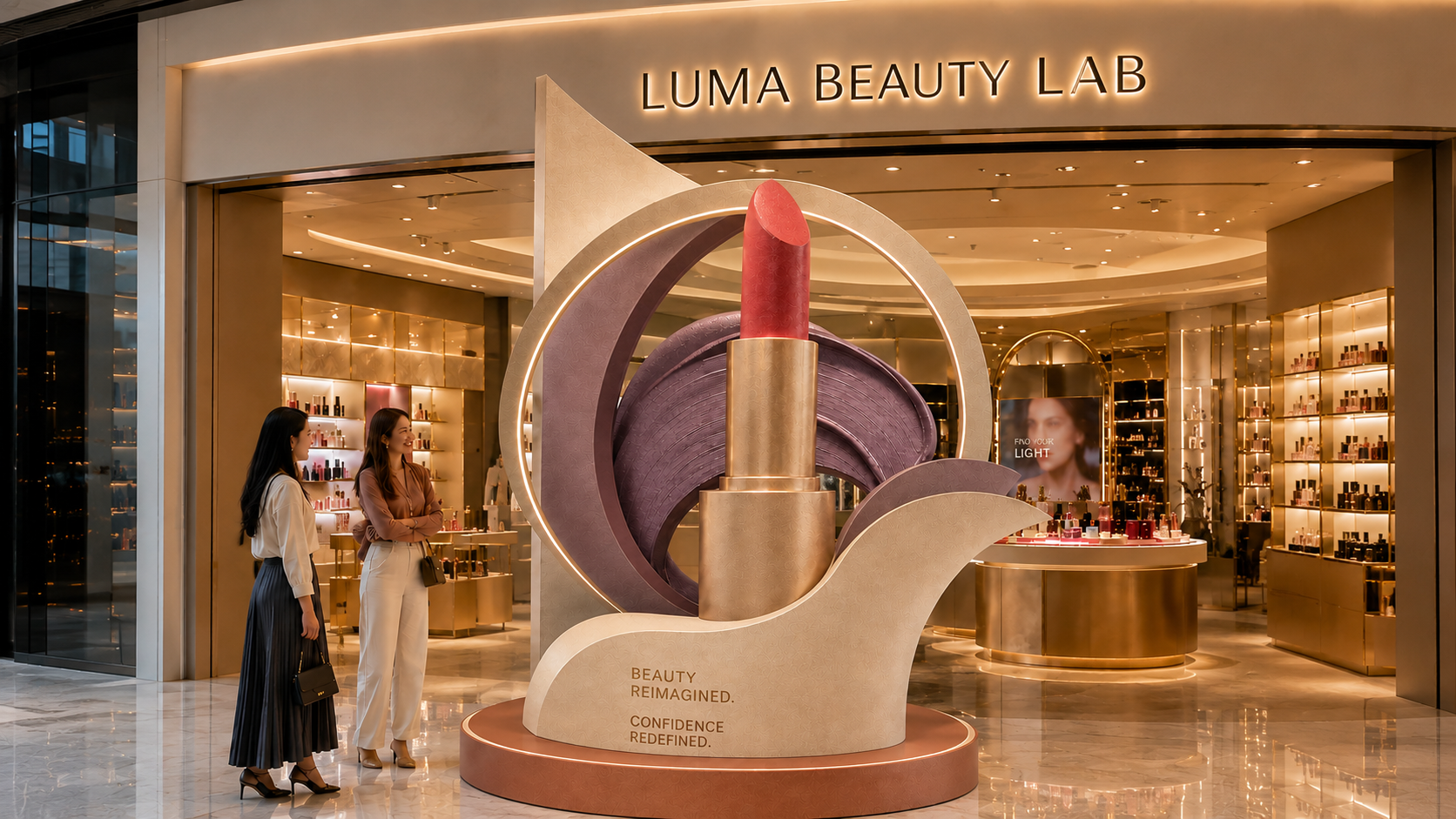
Brand Activation Props: Engineering Scalable 3D Installations for Real-World Engagement
In today’s saturated event and retail environments, visibility alone no longer guarantees impact. Brands compete not just for attention, but for interaction — for moments that audiences remember, photograph, and share. Yet most activation formats remain flat, temporary, and easily ignored. The challenge is not simply to be seen, but to create a physical experience that performs under real conditions.
At Royal Foam Art Design, brand activation props are not treated as decorative elements, but as engineered systems that translate creative concepts into scalable, production-ready structures. With over 15 years of experience in custom fabrication, CNC processing, and advanced coating technologies, we design installations that combine visual impact with material efficiency and operational reliability.
Materials & Engineering: Lightweight, High-Performance Systems
At the core of many activation builds is a lightweight EPS (expanded polystyrene) structure combined with a high-performance polyurea hard coat. This system allows the creation of large-scale geometries without the weight and logistical complexity of traditional materials.
- Weight Efficiency: Foam-based structures can be 5–10 times lighter than comparable solid wood or fiberglass builds. Large elements can often be handled without cranes or heavy lifting equipment.
- Durability & Precision: EPS enables precise CNC shaping of complex forms, while polyurea provides resistance to impact, weather exposure, and repeated handling. High-contact zones receive additional protective reinforcement.
A Hybrid Material Approach
Material selection is a balance between weight, structural integrity, surface detail, transport conditions, and installation methods:
- Primary Volume: EPS foam provides the main shape and structure.
- Structural Reinforcement: Materials such as plywood, aluminum, steel tubing, acrylic, or PVC are integrated where mounting precision or extra strength is required.
- High-Detail Components: Polyurethane casting with custom molds is used for elements requiring high surface definition, fine detail, or exact replication across multiple units.
Scalability, Formats & Mounting
Activation props vary widely in scale and format, from smaller elements under 3 feet to massive structures exceeding 10–16 feet in height. Typical builds include:
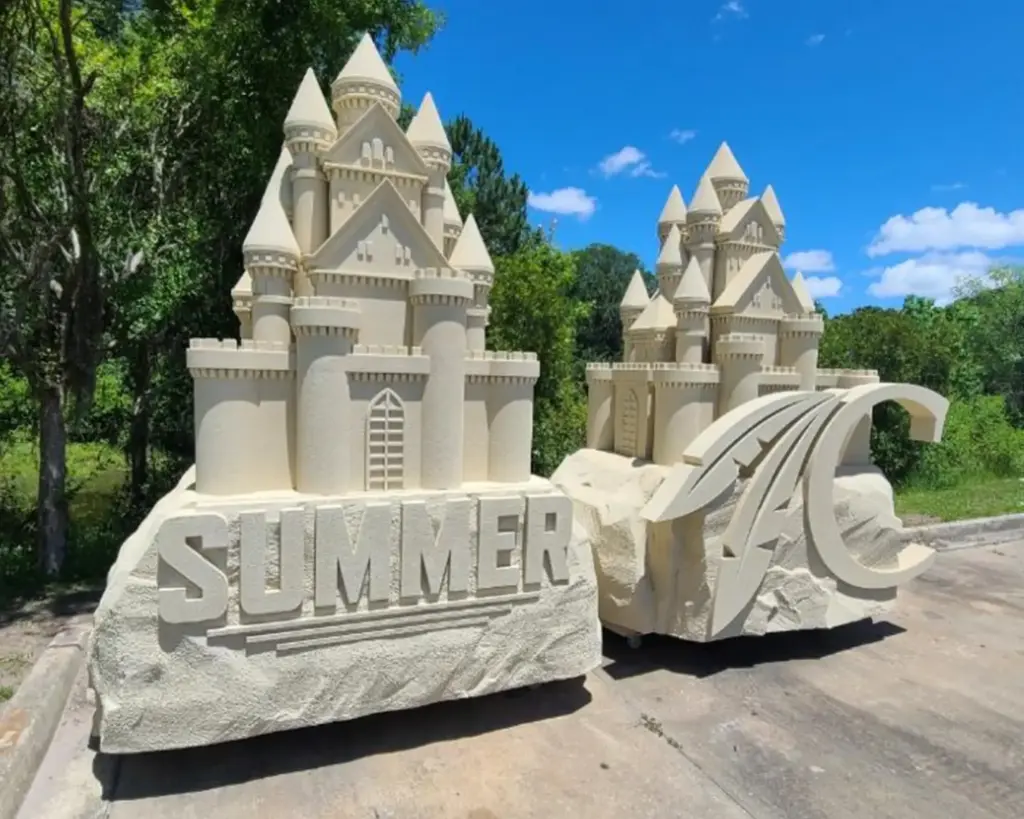
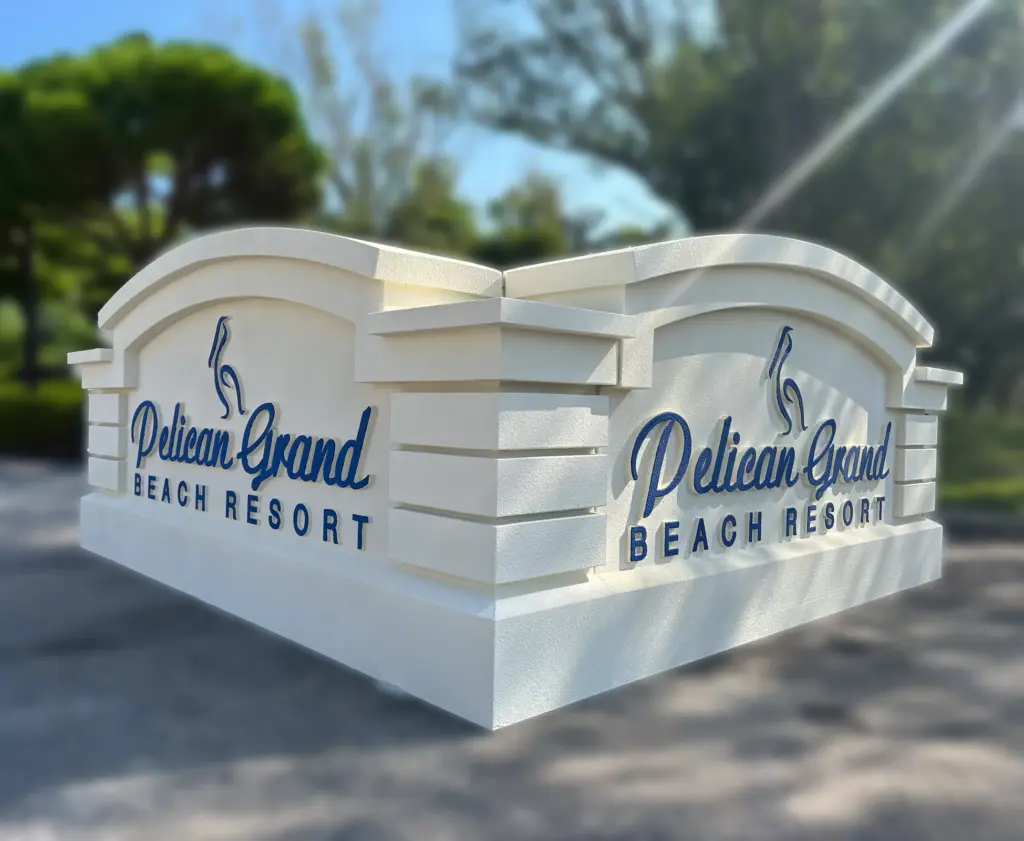
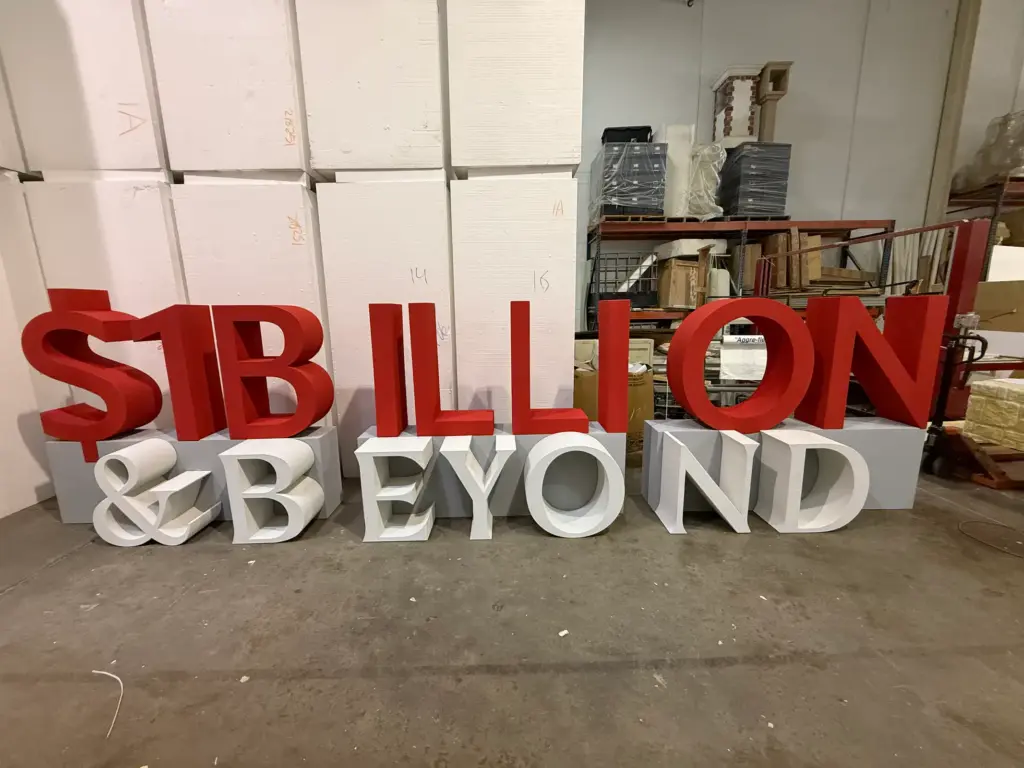
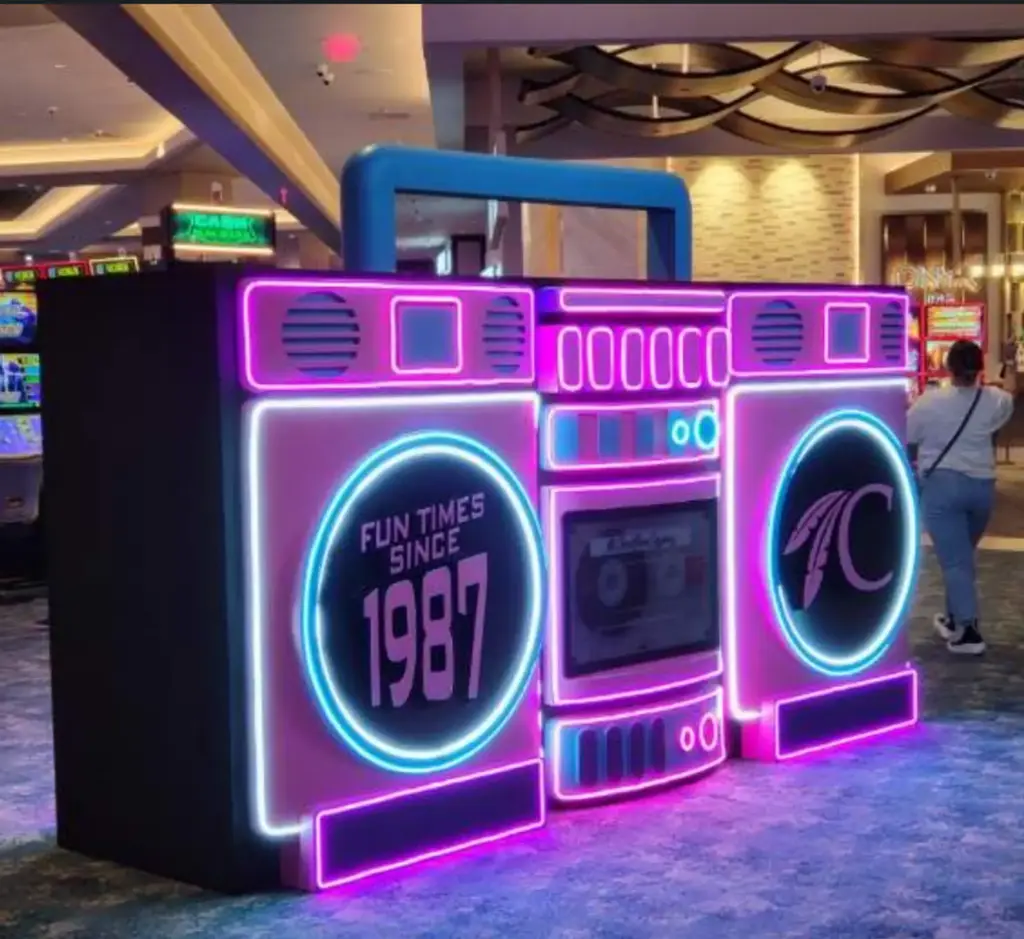
- Oversized logos & product replicas
- Brand mascots
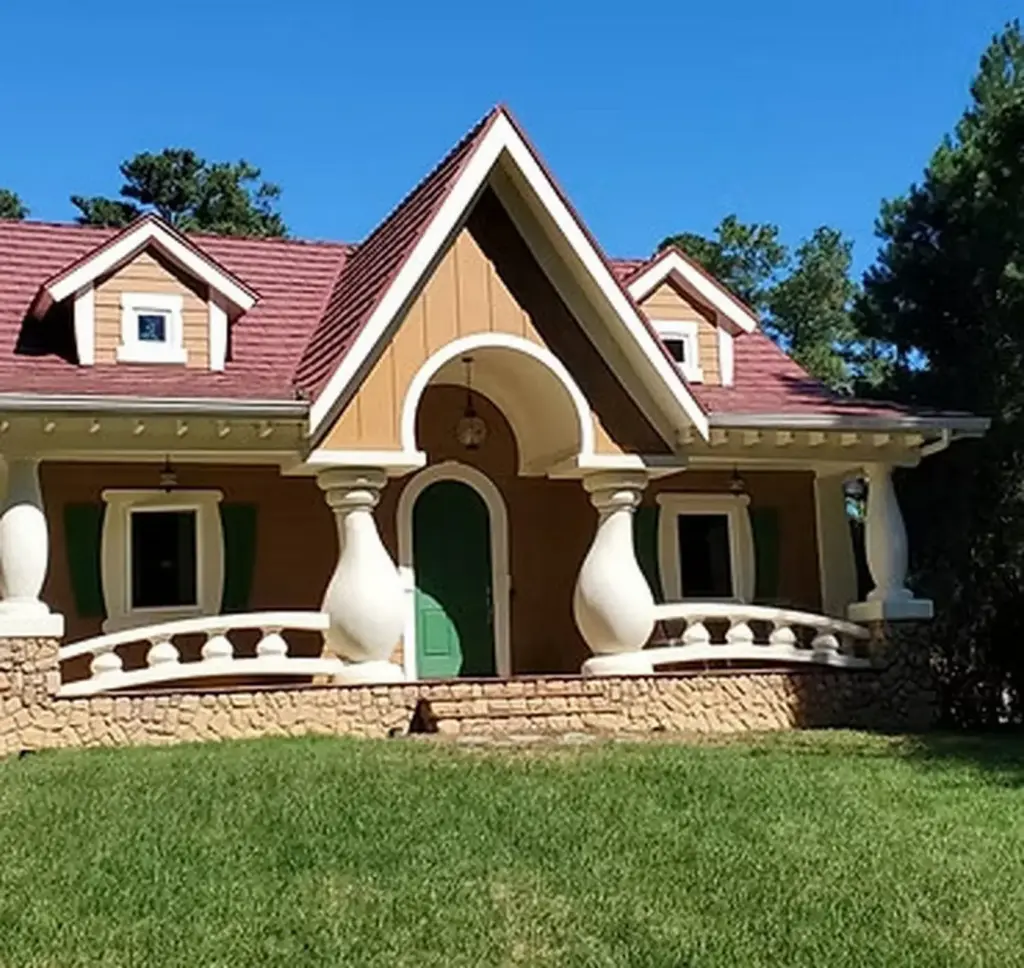
- Immersive branded environments
Structural Integration
From a structural perspective, installations can be freestanding, wall-mounted, suspended, or modular.
Logistics Note: Modular construction breaks large builds into transportable sections designed to fit through standard access routes, doors, freight elevators, and loading docks.
Depending on the environment, mounting options include:
- Floor Anchoring & Ballast: Concealed ballast systems or mechanical fastening ensure stability under public interaction.
- Suspended Elements: Engineered to comply strictly with rigging load requirements.
Production Workflow & Timelines
Every project follows a structured engineering workflow:
- Concept Development & CAD Modeling
- CNC Cutting or Mold Preparation
- Coating, Casting & Finishing
For medium-scale elements, production timelines typically range from 3–10 working days, depending on design complexity, surface finish, and coating cure times.
Value & ROI for Events and Campaigns
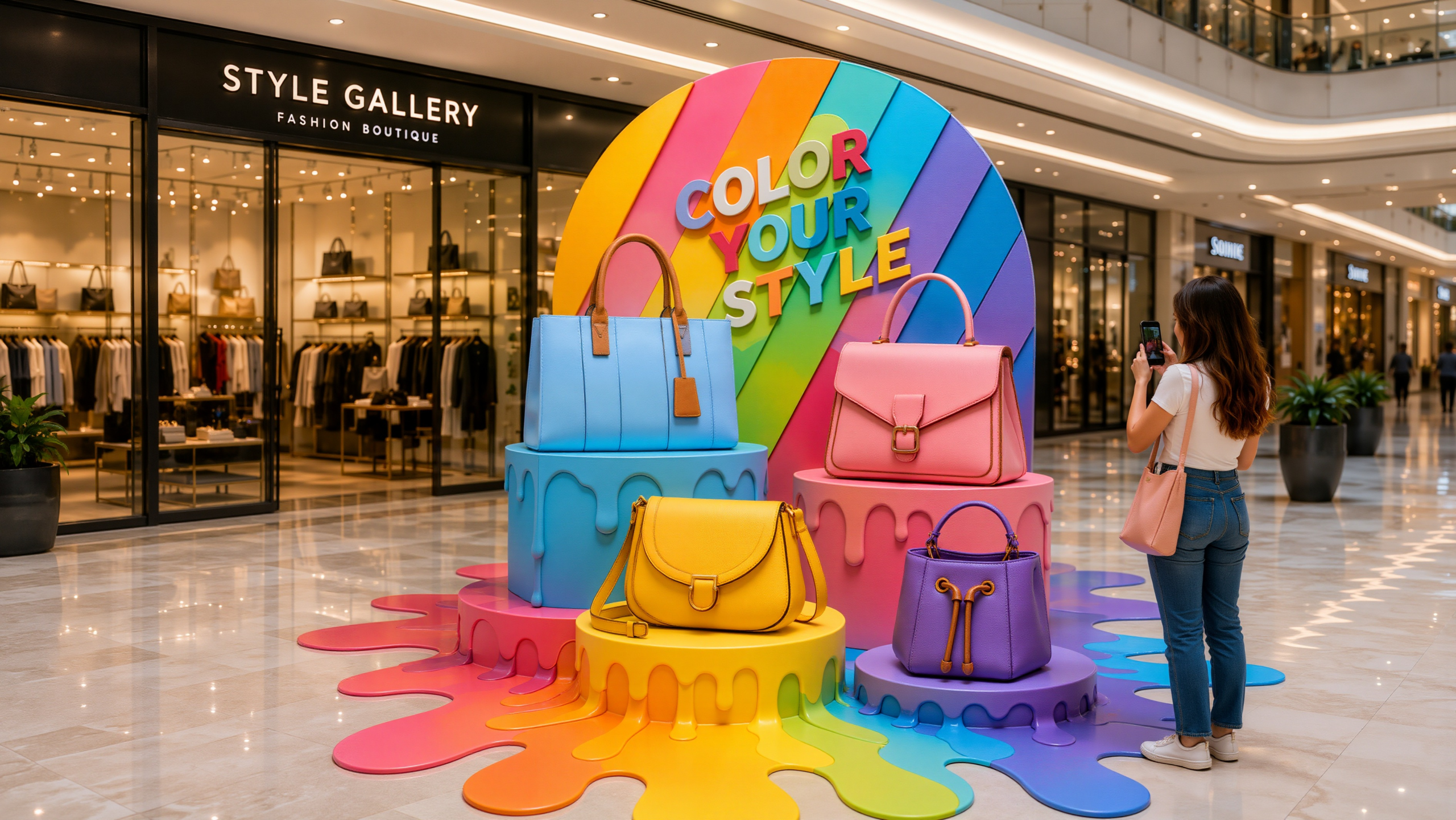
A three-dimensional object does more than communicate — it invites interaction. Visitors move around it, take photos, and share content, increasing dwell time and extending campaign reach beyond the physical location.
Key Business Advantages
- Reduced Logistics Costs: Lower weight significantly reduces handling and shipping expenses.
- Rapid On-Site Assembly: Modular design allows assembly within a single overnight window (6–12 hours).
- Scalability: Simplified production and installation allow tight campaign timelines and easy deployment across multiple locations.
Conclusion
Brand activation today is not about placing objects in space — it is about building experiences that function in real environments. By combining foam-based fabrication, polyurethane casting, hybrid construction, and engineered mounting methods, Royal Foam Art Design delivers activation props that are visually compelling, structurally sound, and logistically optimized.
Recommended Articles
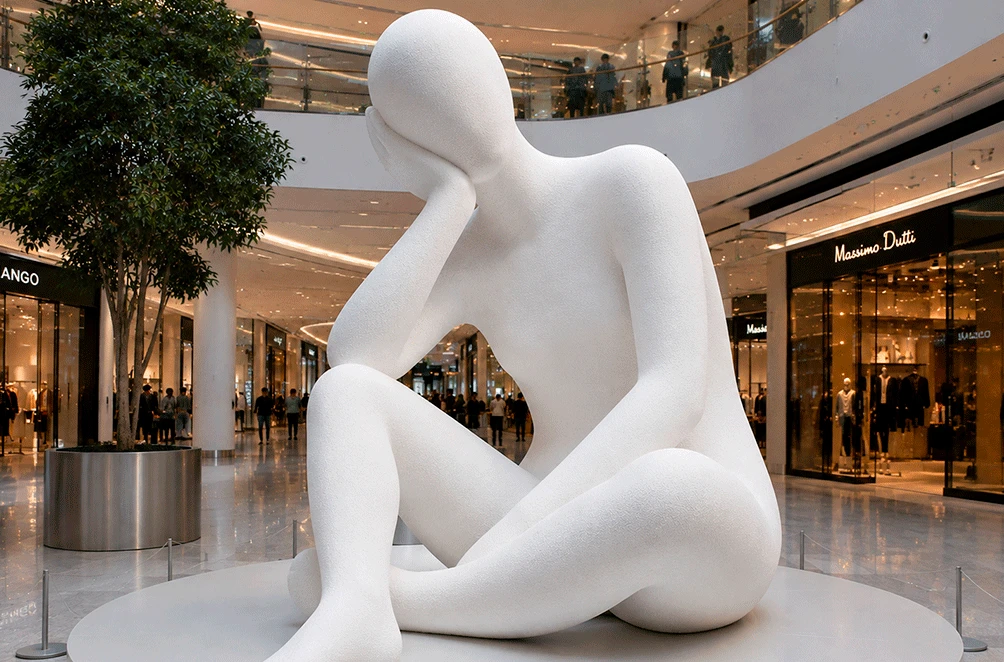
Custom Foam Characters: Lightweight Branded Figures & Themed Mascots for Commercial Environments
See the results
Retail Visual Merchandising: Custom Display Props & Lightweight Retail Installations for Brand-Driven Store Environments
See the results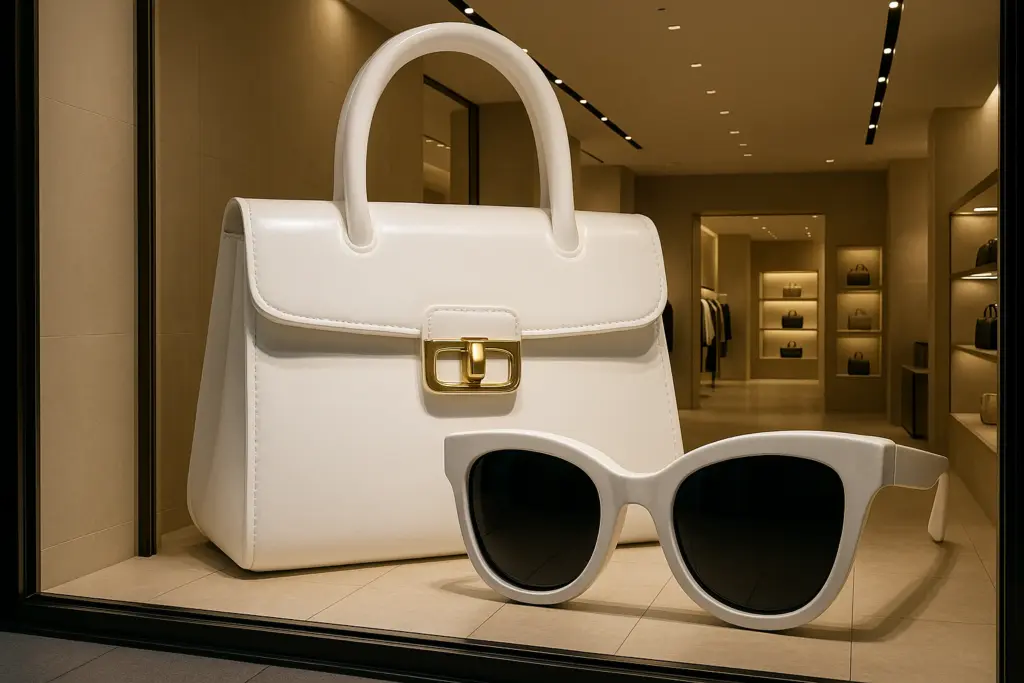
Custom Window Displays: Lightweight Storefront Props & Dimensional Retail Displays for Brand-Driven Windows
See the results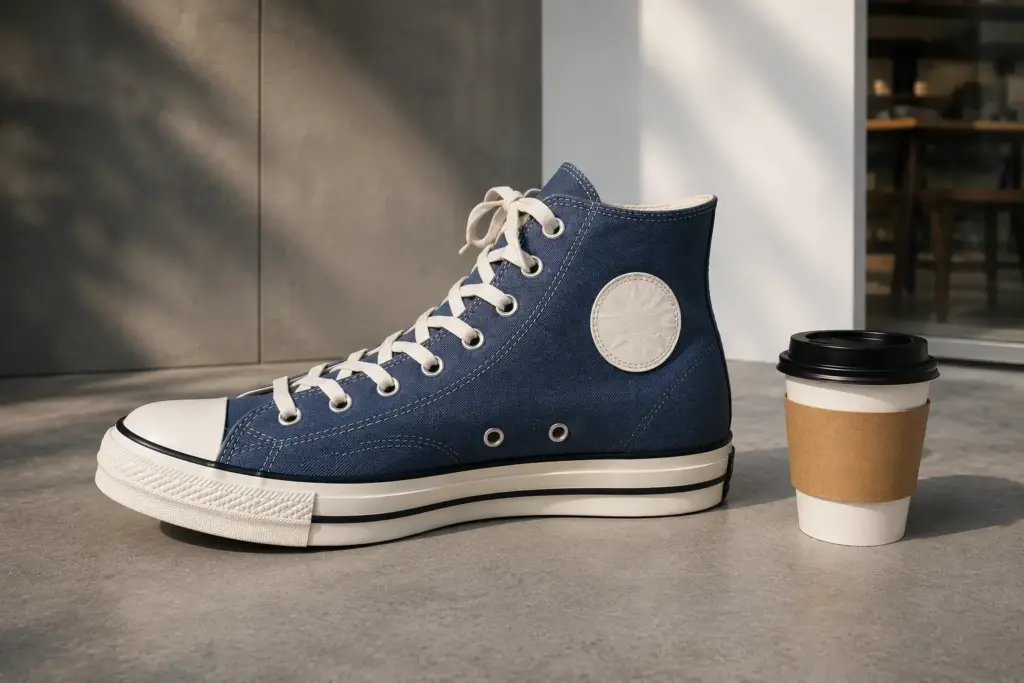
Mall Activation Props: Engineering High-Impact Installations for High-Traffic Environments
See the results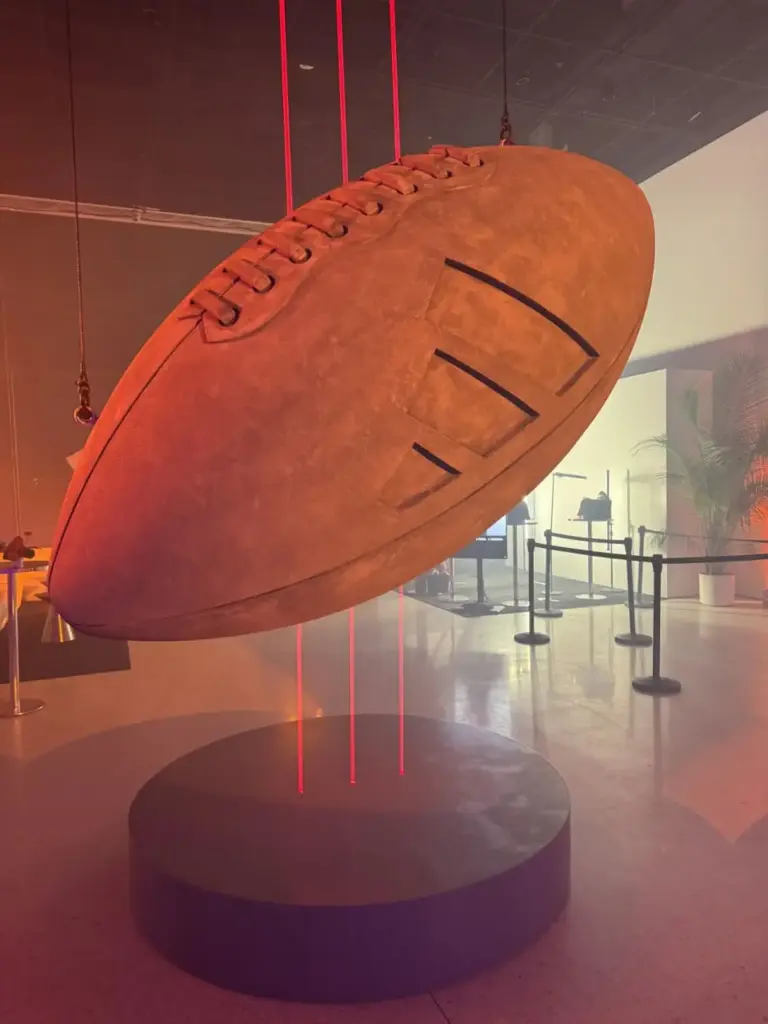
Brand Activation Props: Engineering Scalable 3D Installations for Real-World Engagement
See the results