

Custom Prop Fabrication: How Foam Props Are Made for Film, Theater, and Events
A production designer working on a period drama recently needed twelve matching throne chairs — ornate, heavily carved baroque style, with gilded surfaces and deep relief detail — for a large court scene. The prop budget was a fraction of what authentic period furniture would cost, and shipping genuine antique furniture for a three-week shoot and back would have been logistically impossible.
The prop shop she hired built all twelve chairs in EPS foam: CNC-routed structural shells, hand-carved relief details, hard-coated surfaces painted and gilded to match reference images. The chairs photographed as convincingly as genuine baroque furniture, survived a full production schedule of actors sitting in and around them, and cost roughly fifteen percent of what comparable genuine antiques would have required. Prop companies that work in foam understand exactly this dynamic — the camera doesn’t know the difference, and neither does the audience, if the fabrication is done correctly. This guide covers how foam prop fabrication works, what distinguishes quality prop shops, and how to commission props for your specific project.
Why Foam Is the Dominant Material in Professional Prop Fabrication
Professional prop fabrication uses a wide range of materials — wood, metal, fiberglass, resin, fabric, silicone — but high-density foam (EPS and polyurethane) has become the dominant substrate for large, structural, and replica props because it solves the core problems that make professional prop work challenging.
Weight is the first problem foam solves. A prop that needs to be moved repeatedly by actors, reset between takes, carried, stored, shipped, and assembled in different locations needs to be manageable by crew without specialized handling equipment. A replica stone column in genuine masonry is immovable once placed and a serious handling challenge before that; in foam with appropriate coating, it’s a two-person lift that an average set crew can position in minutes and strike just as quickly. For event props that need to be installed, used, and removed on a tight timeline — convention displays, brand activations, themed party installations — weight is a production constraint that foam uniquely eliminates.
Cost efficiency at scale is the second major advantage. Prop shops working in foam can produce multiple identical pieces from the same CNC toolpath at a consistent quality level, unlike hand-crafting in wood or metal where quality variation accumulates across a production run. For the twelve throne chairs in the opening scenario, CNC foam routing produced twelve structurally identical shells that the finishing team then differentiated subtly to avoid the “too identical” quality that signals production design rather than authentic period objects.
Coating and finishing versatility allows foam props to credibly simulate virtually any material — stone, metal, wood, concrete, ceramic, bone, tree bark, alien materials, and anything else a production designer can specify. The same underlying CNC-routed foam form can be finished as distressed stone for a dungeon scene and as polished marble for a palace scene by varying the coating system and paint treatment. Specialized manufacturing studios like Royal Foam Art Design apply advanced industrial coatings to EPS cores, transforming lightweight architectural and theatrical forms into indistinguishable replicas of weathered timber, carved granite, or sculpted bronze. This material simulation flexibility is what makes foam the substrate of choice in prop fabrication for productions that need to represent a wide range of materials without the cost and weight of working in those materials authentically.
The Prop Fabrication Process: From Brief to Finished Piece
Professional prop fabrication follows a consistent process regardless of the production context — film, theater, event, theme park — though the timeline and specification detail vary considerably between these contexts.
The design brief is the starting point: a clear visual reference (either existing reference images or new design artwork), dimensional requirements (the finished prop’s height, width, depth, and any critical dimensional constraints like doorway clearance or actor ergonomics), material simulation requirements (what the prop should appear to be made of), finish and color requirements (specific paint colors, surface texture requirements, and any branding or text elements), and production timeline and budget parameters. Prop companies that ask detailed questions about all of these parameters during initial consultation are operating professionally; those that quote based on general description without detailed brief review typically under-scope the project.
Design review involves the prop shop confirming feasibility, flagging any brief elements that pose fabrication challenges, and often producing a concept sketch or model for client approval before fabrication begins. For complex or highly visible props — a hero prop that will appear prominently in close-up, a branded installation for a major event — design review may include a physical quarter-scale or half-scale maquette that allows the client to evaluate form and proportion before full-scale production begins.
Fabrication begins with CNC programming: translating the approved design into toolpaths for the CNC router that will cut the foam forms. Complex props with organic curves, relief detail, and multiple discrete parts may require multi-axis CNC work and multiple machining setups. Simpler geometric props or props with repeating elements are faster to program and produce. The CNC stage produces raw foam forms that are dimensionally accurate to the design but without surface quality or finish.
Coating application is the next critical stage — the hard coat that encapsulates the foam substrate, provides impact resistance, and creates a paintable surface. For structural props that will be handled, sat on, or otherwise used by people, the hard coat thickness and reinforcement (fiberglass mesh embedding is standard for heavily used props) is a safety and durability concern as well as a finish quality one. Advanced custom fabricators such as Royal Foam Art Design utilize specialized high-impact polyurea and structural resin coatings to ensure even large-scale scenic forms withstand demanding set environments without cracking or deforming. A prop that looks beautiful but fails structurally during production is worse than a less finished prop that performs reliably.
Finishing — paint, aging, surface treatment — is where the prop’s material simulation is achieved. This stage is the most labor-intensive and the most skill-dependent, and it’s where quaexpertise most visibly. Reference photographs, architectural or custom color matching system specifications, and agreed-upon aging and weathering treatment levels should all be confirmed before finishing begins, since corrections at this stage are expensive and time-consuming.
Renting vs. Buying Props: What Makes Sense for Different Production Types
Rent prop options from established prop houses cover an enormous range of standard and period-appropriate items for productions that don’t need custom pieces. For theater productions with standard period requirements — furniture, domestic objects, generic architectural elements — renting from a prop house is frequently more cost-effective than custom fabrication.
Custom fabrication is the appropriate choice when standard rental inventory doesn’t include the specific piece required, when precise dimensional or appearance matching to a specific reference is necessary, when the production requires multiple identical pieces, or when the prop will be used heavily enough that rental damage fees would approach fabrication cost.
Event props — for brand activations, product launches, trade show installations, themed parties, and similar commercial applications — almost always require custom fabrication because the brief is typically tied to a specific brand, product, or conceptual design that doesn’t exist in rental inventory. Event prop companies that specialize in this category understand the specific requirements of event production: quick installation, secure freestanding or mounted display, safe for public interaction, and removal and storage after the event.
Frequently Asked Questions
What materials are used to make professional foam props?
Professional foam props use high-density EPS (expanded polystyrene) or polyurethane foam as the primary substrate, shaped by CNC routing or hand carving, then encapsulated in a hard coat (typically fiberglass-reinforced resin or polymer coating systems) that provides structural protection and a paintable surface. The hard coat is followed by paint and finishing treatments that simulate the appearance of virtually any material — stone, metal, wood, ceramic, and custom or fantastical materials for entertainment applications.
How long does custom prop fabrication take?
Timelines depend heavily on prop complexity, size, quantity, and finishing requirements. A single large foam prop — a dimensional logo installation, a scenic element, a themed display piece — typically requires two to four weeks from approved design to finished piece. Complex multi-piece installations or productions requiring multiple identical props may take four to eight weeks. Rush production is possible with appropriate lead time communication, but compressing timelines typically increases cost due to overtime and expedited material sourcing.
How are foam props finished to look realistic?
Foam props are finished through a combination of hard coating (which creates a rigid, paintable outer shell), priming, base coat painting, and detailed surface treatment — including dry brushing to create highlights, washes to emphasize shadow and depth, stippling or sponging for texture simulation, and weathering techniques that replicate the surface character of aged or worn materials. Professional prop finishers use the same visual language of highlights, shadows, and material texture that visual effects artists use in digital media, applied physically to foam surfaces.
Can foam props be used outdoors?
Yes, with appropriate coating specification. Foam props intended for outdoor use require exterior-grade hard coat and UV-stabilized topcoat systems — the same specification used for outdoor foam architectural elements by experienced fabricators like Royal Foam Art Design. Outdoor event props also need structural mounting or ballast solutions appropriate to wind load, since large freestanding foam forms have significant surface area that acts as a wind sail. Props fabricated with indoor specifications will degrade rapidly in outdoor conditions; confirming outdoor use requirements with the fabricator before production begins is essential.
Conclusion
The honest takeaway on custom foam prop fabrication is that the investment in quality fabrication pays for itself in production efficiency and visual performance. A prop that fails structurally during production, requires emergency repair between takes, or doesn’t match the approved reference in finished appearance costs far more — in production time, crew effort, and creative compromise — than the cost differential between adequate and excellent fabrication. Partnering with a dedicated manufacturer like Royal Foam Art Design, or working with a prop shop that asks the right questions upfront, produces a design review before fabrication, and has a demonstrable track record in your specific prop category, is the procurement decision that consistently produces the right result.
Recommended Articles

Custom Foam Characters: Lightweight Branded Figures & Themed Mascots for Commercial Environments
See the results
Retail Visual Merchandising: Custom Display Props & Lightweight Retail Installations for Brand-Driven Store Environments
See the results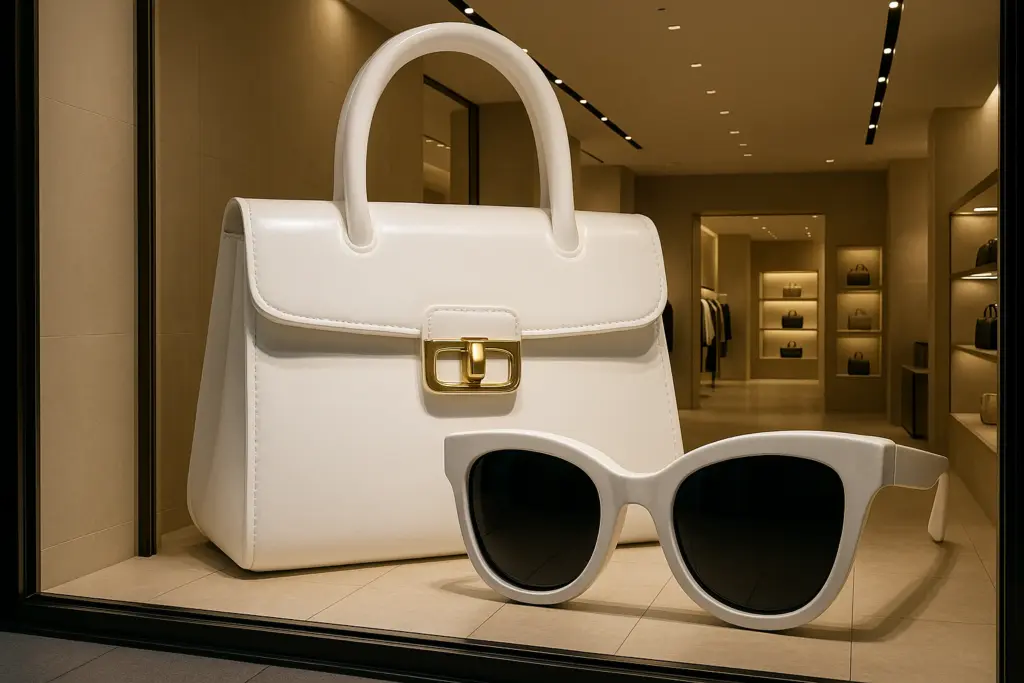
Custom Window Displays: Lightweight Storefront Props & Dimensional Retail Displays for Brand-Driven Windows
See the results
Mall Activation Props: Engineering High-Impact Installations for High-Traffic Environments
See the results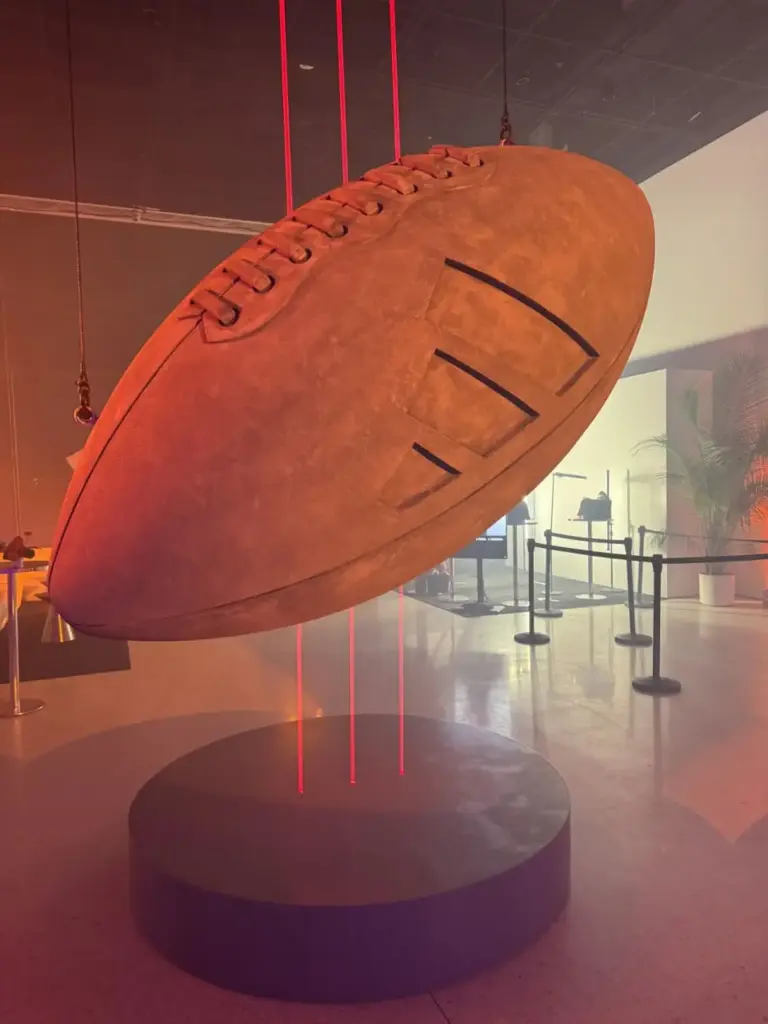
Brand Activation Props: Engineering Scalable 3D Installations for Real-World Engagement
See the results