

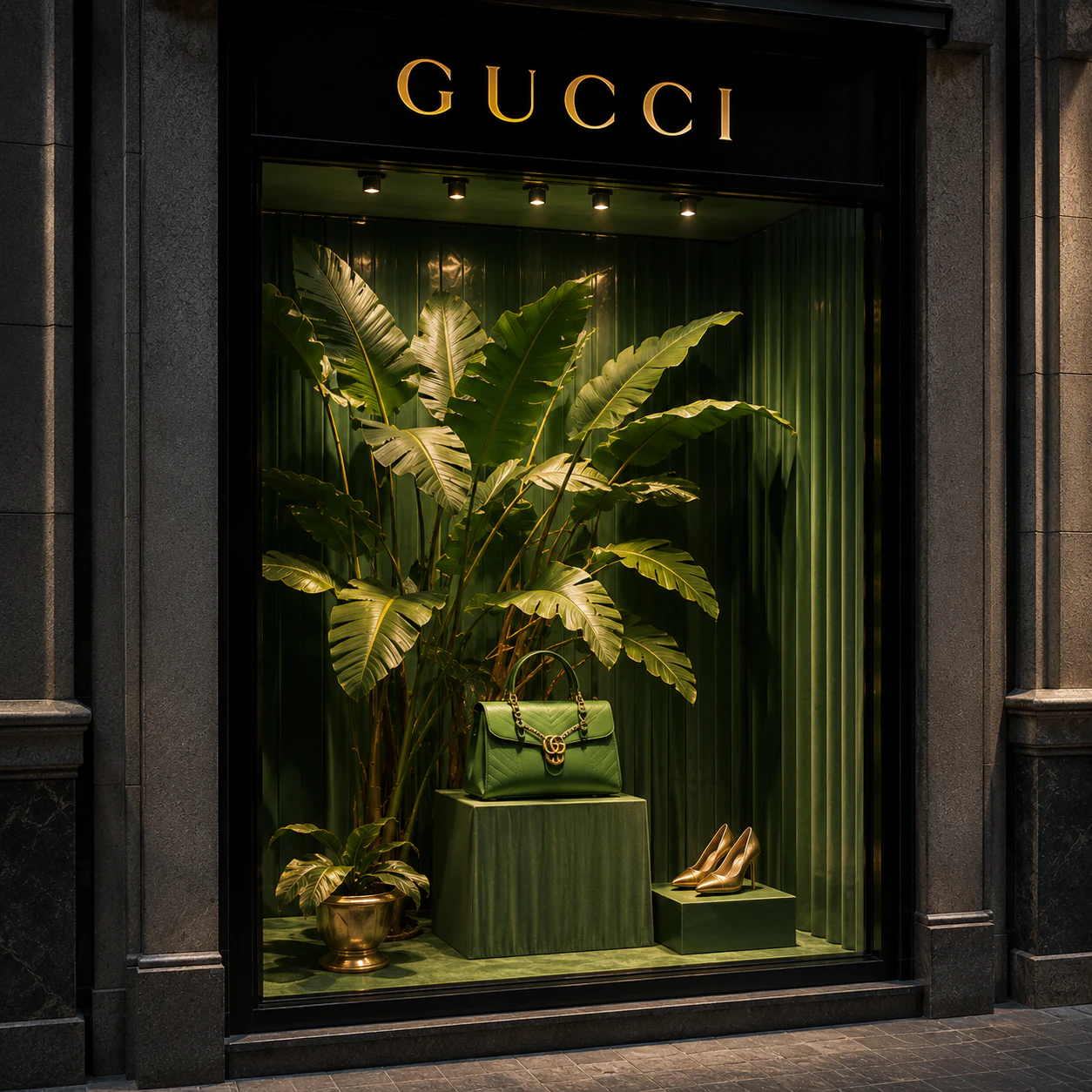
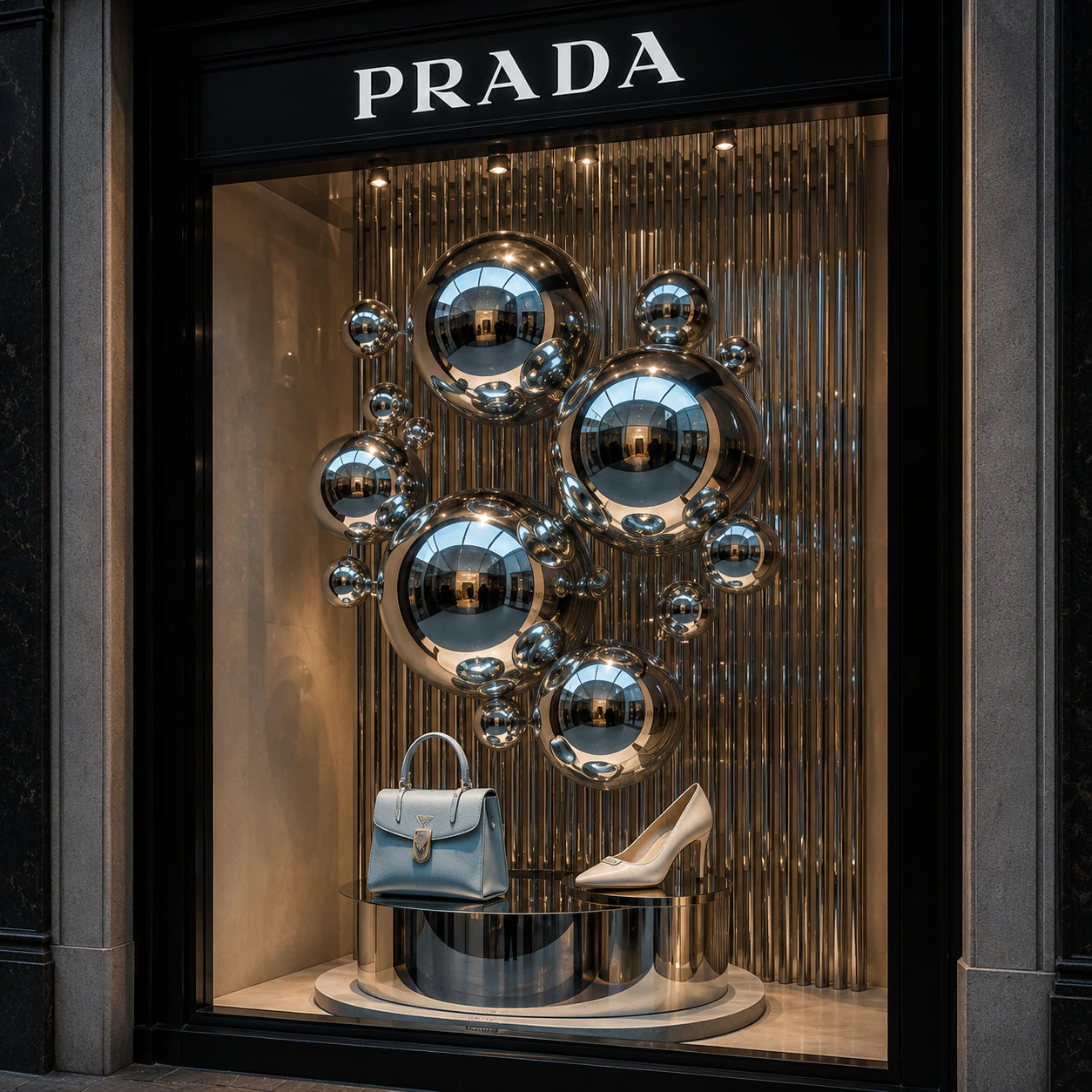
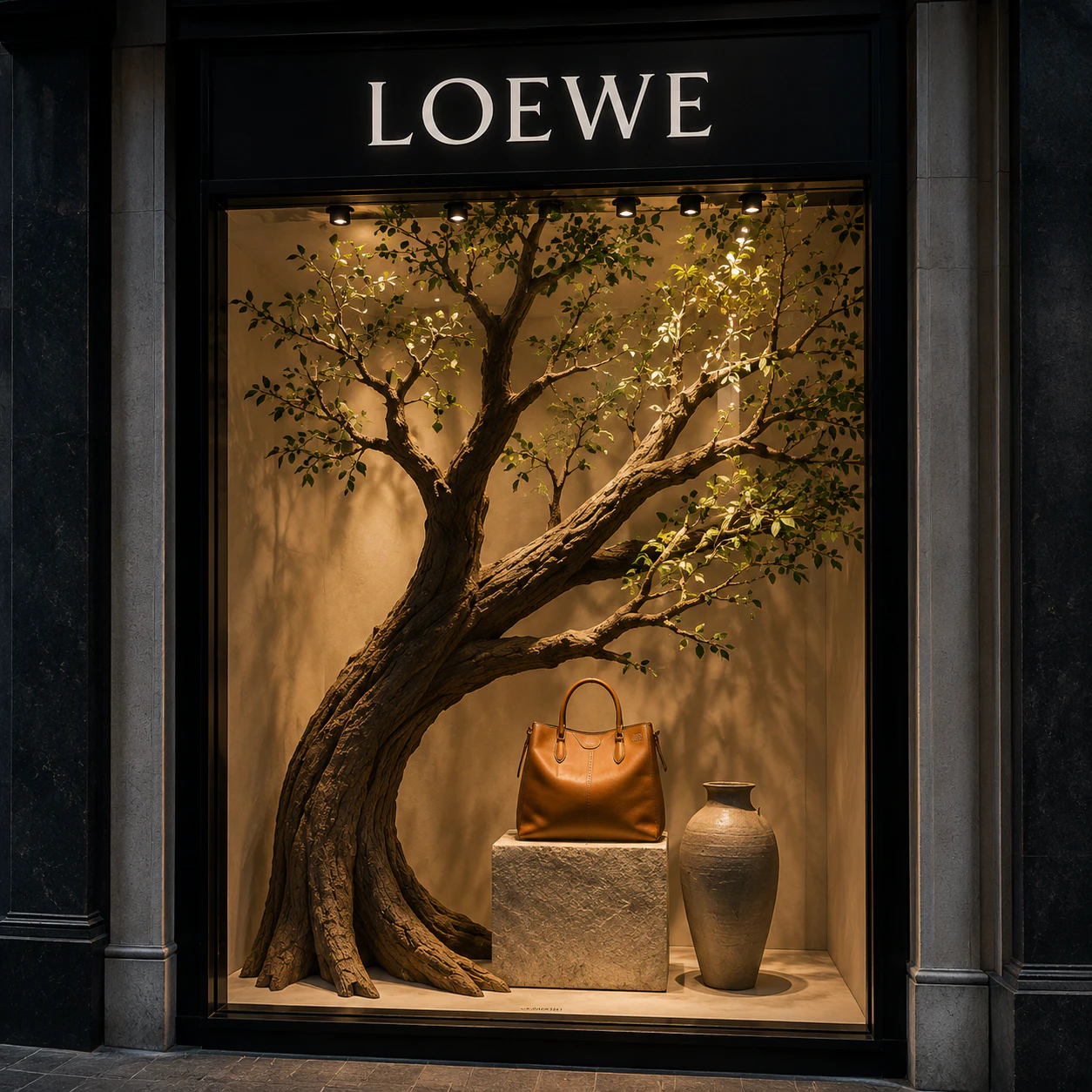
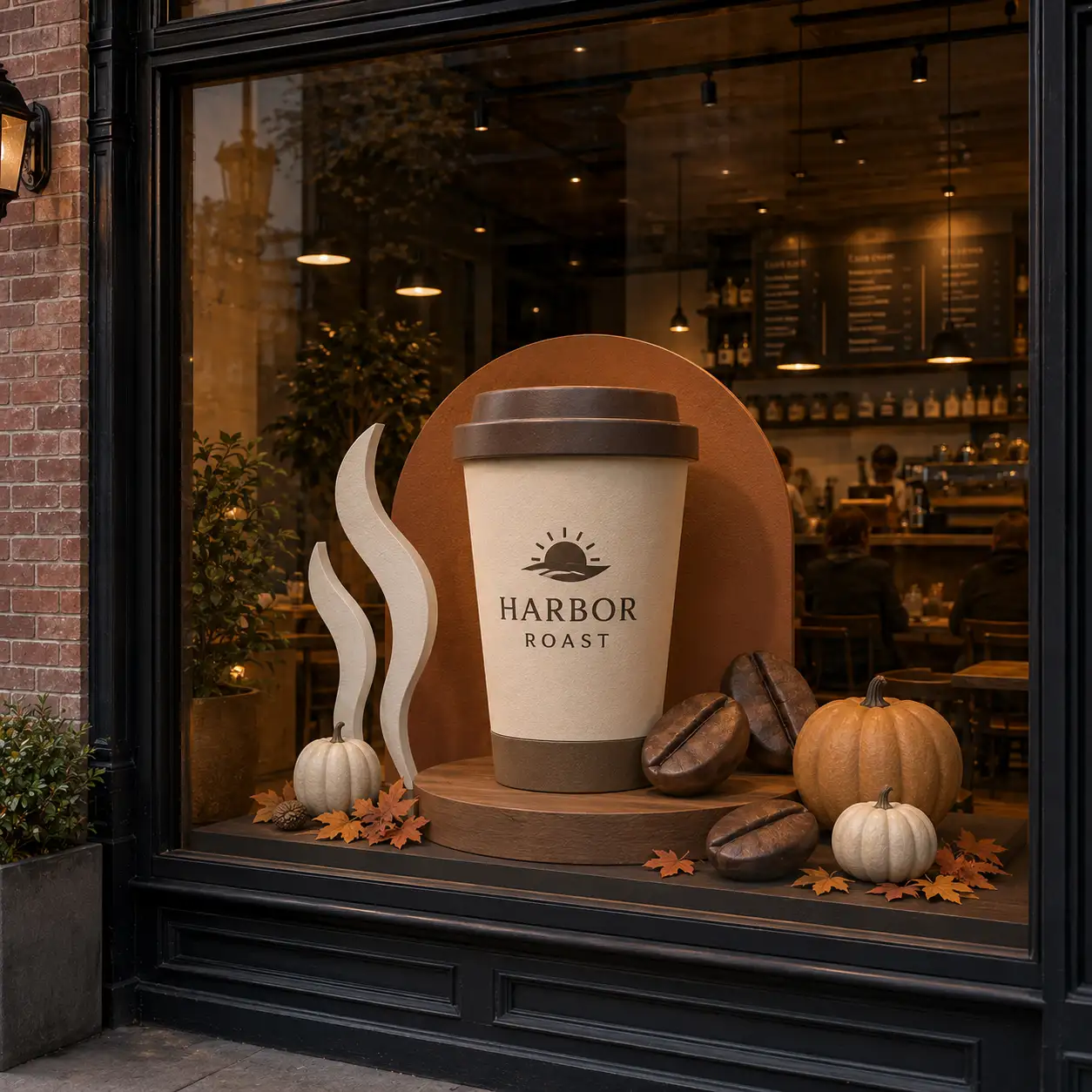

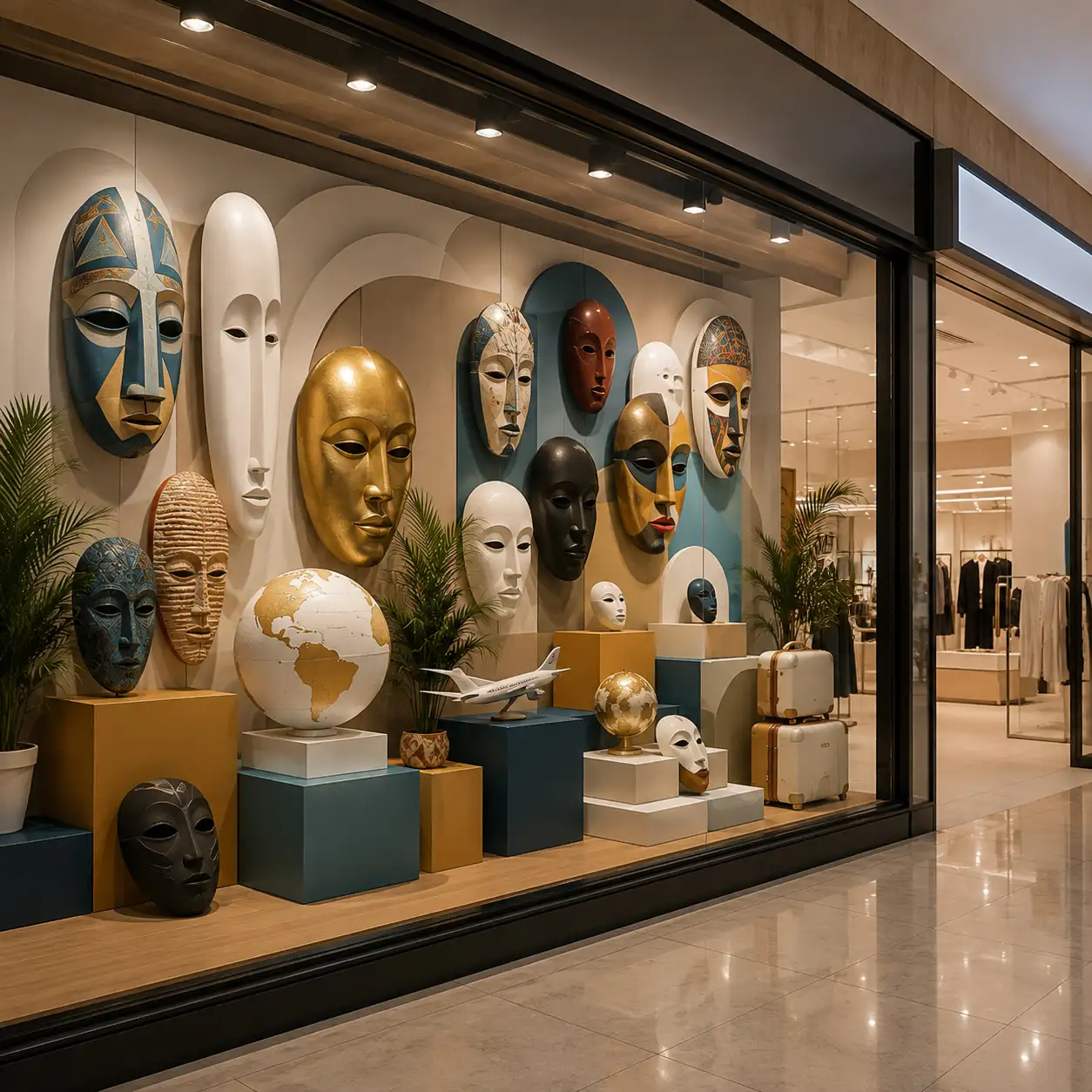
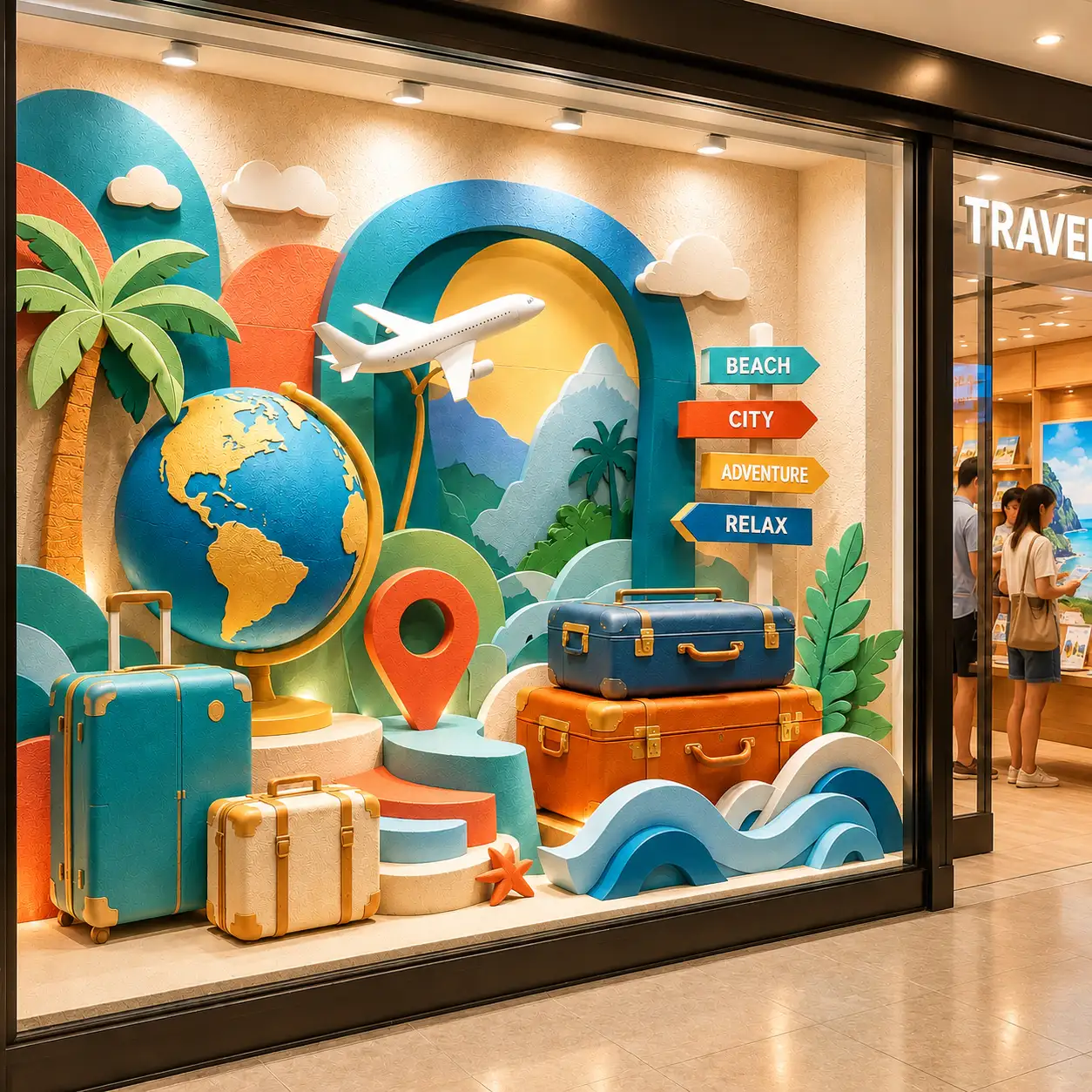
Custom Window Displays: Lightweight Storefront Props & Dimensional Retail Displays for Brand-Driven Windows
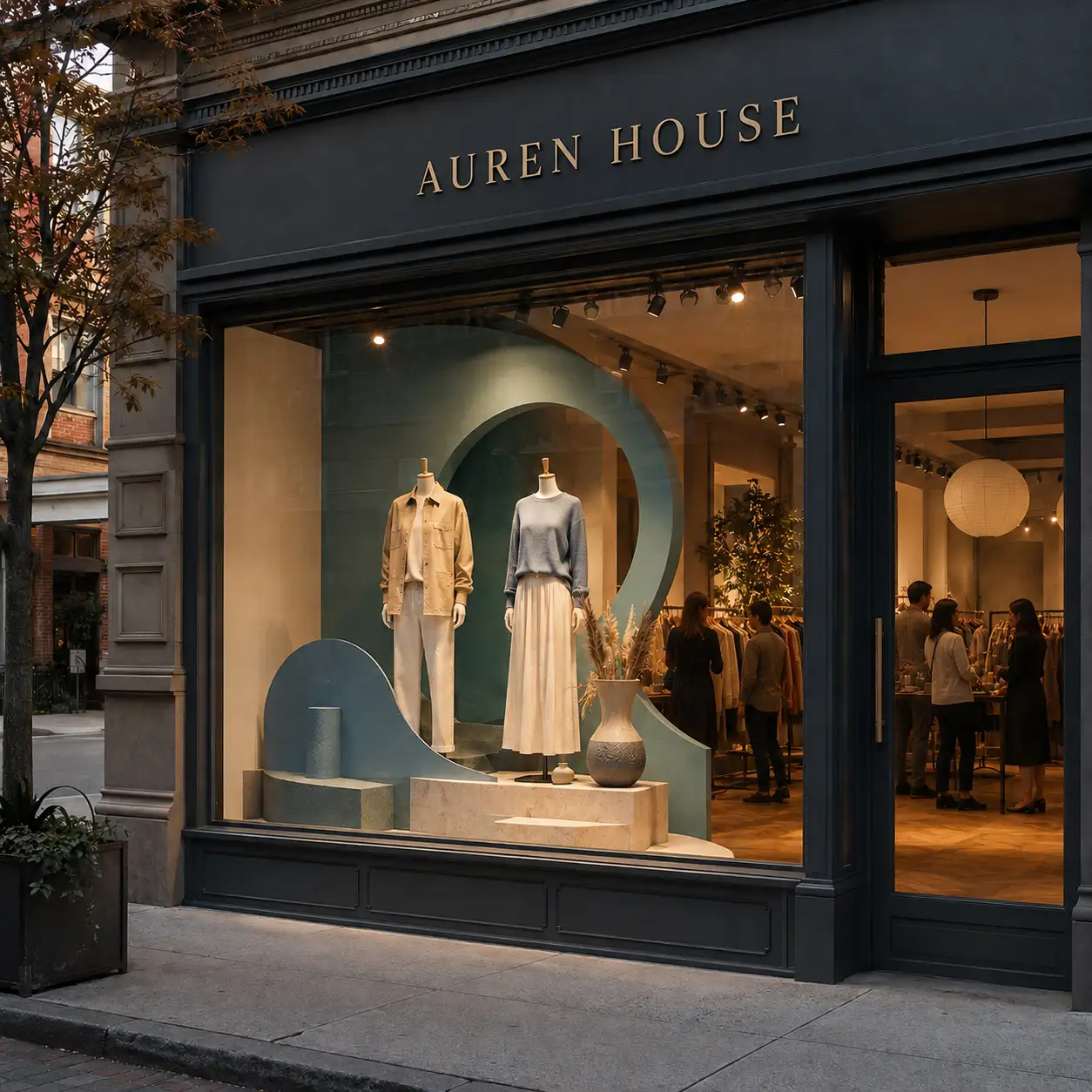
A storefront window is one of the few retail spaces that must work before the customer enters the store. It has to communicate from a sidewalk, mall corridor, or parking-lot approach; it must be readable through glass; and it has to create interest without relying on staff interaction. A strong window display is a controlled visual system built around distance, depth, lighting, product hierarchy, and installation speed.
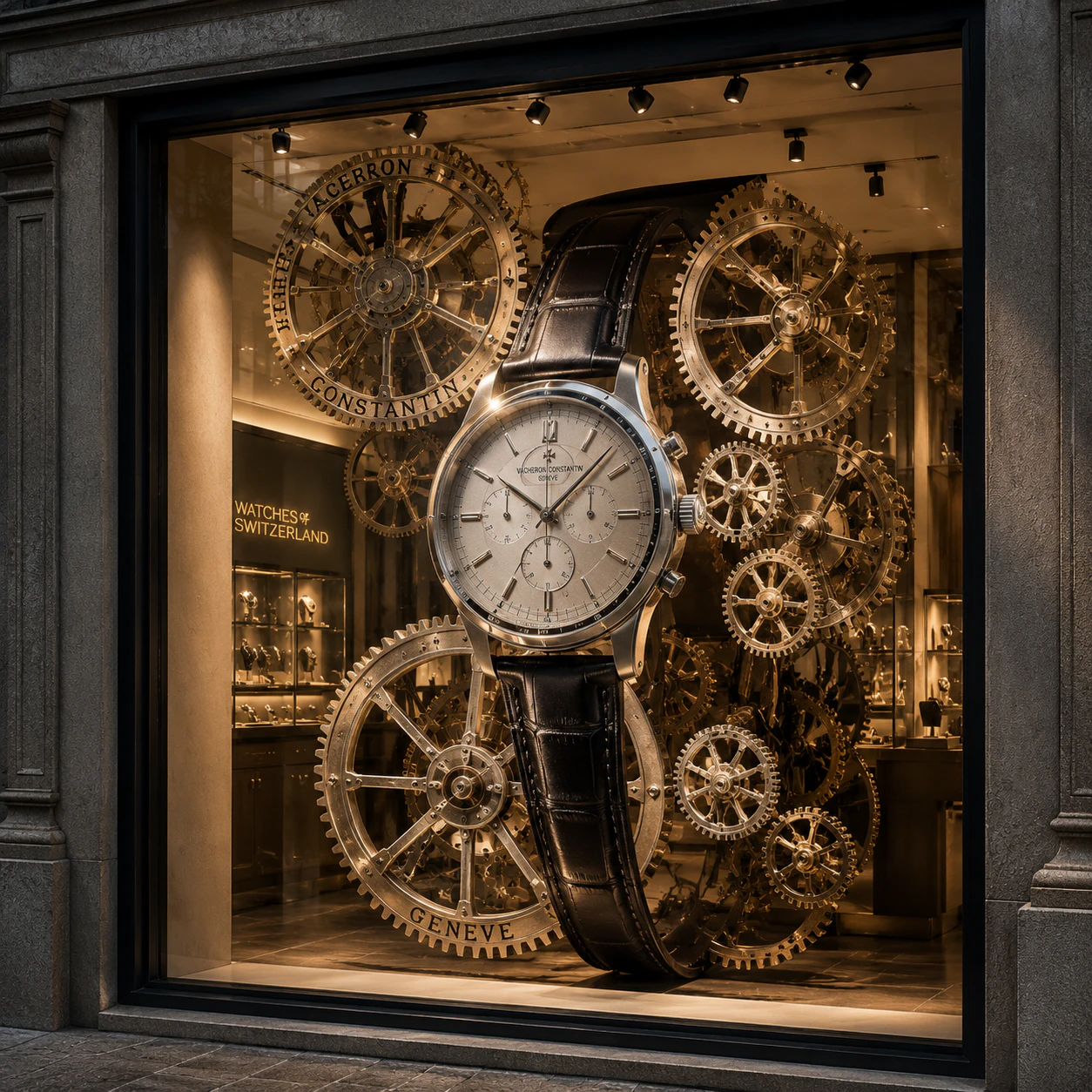
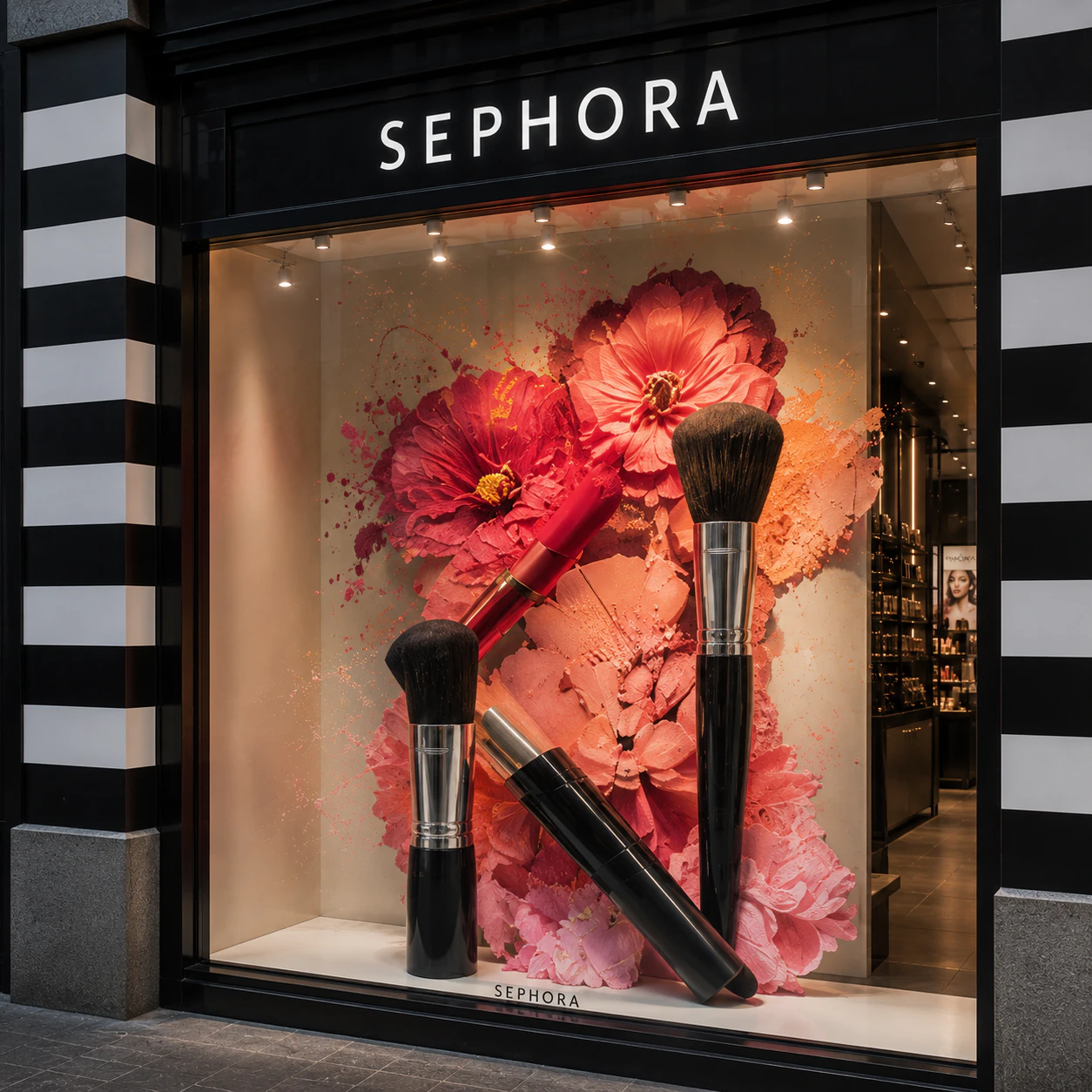
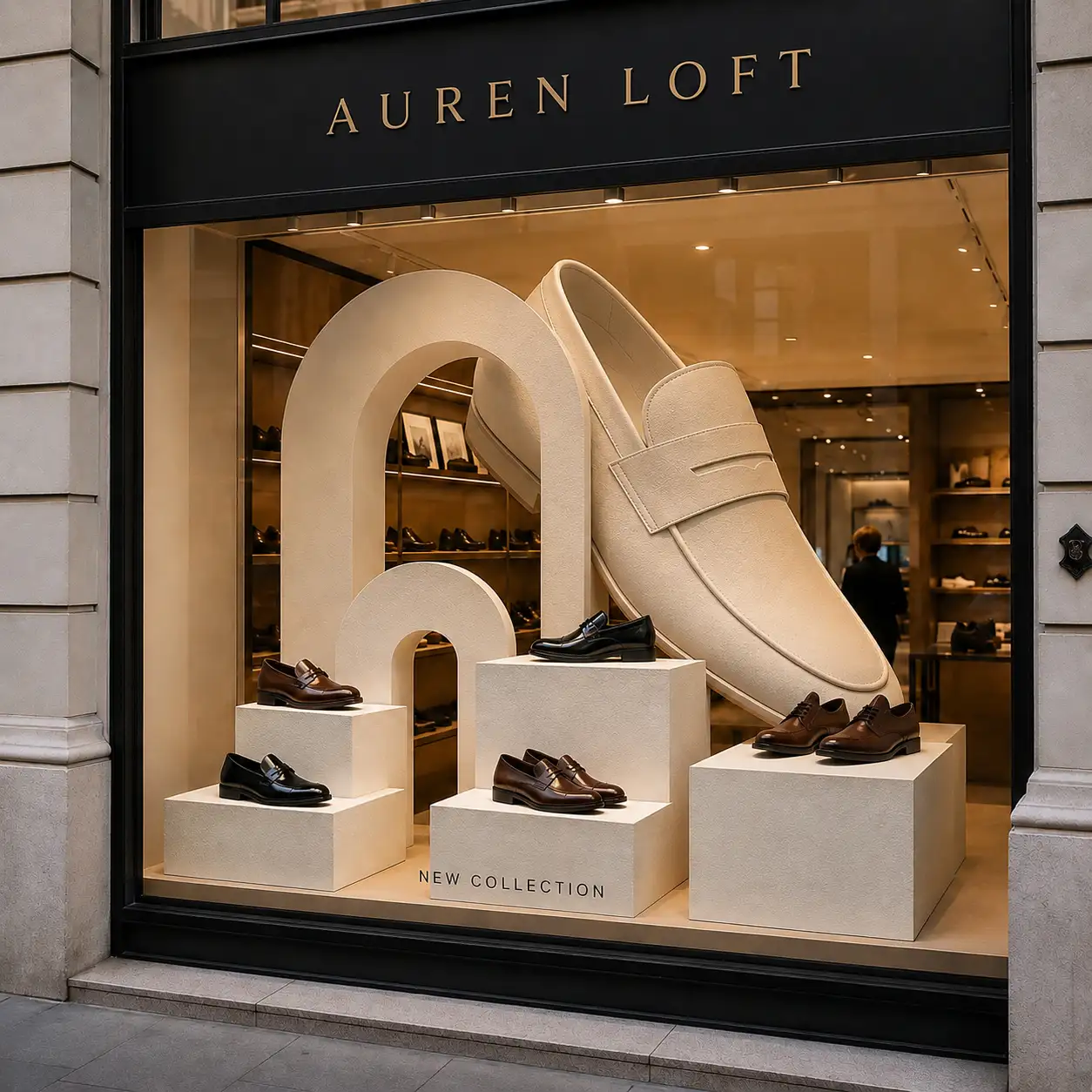
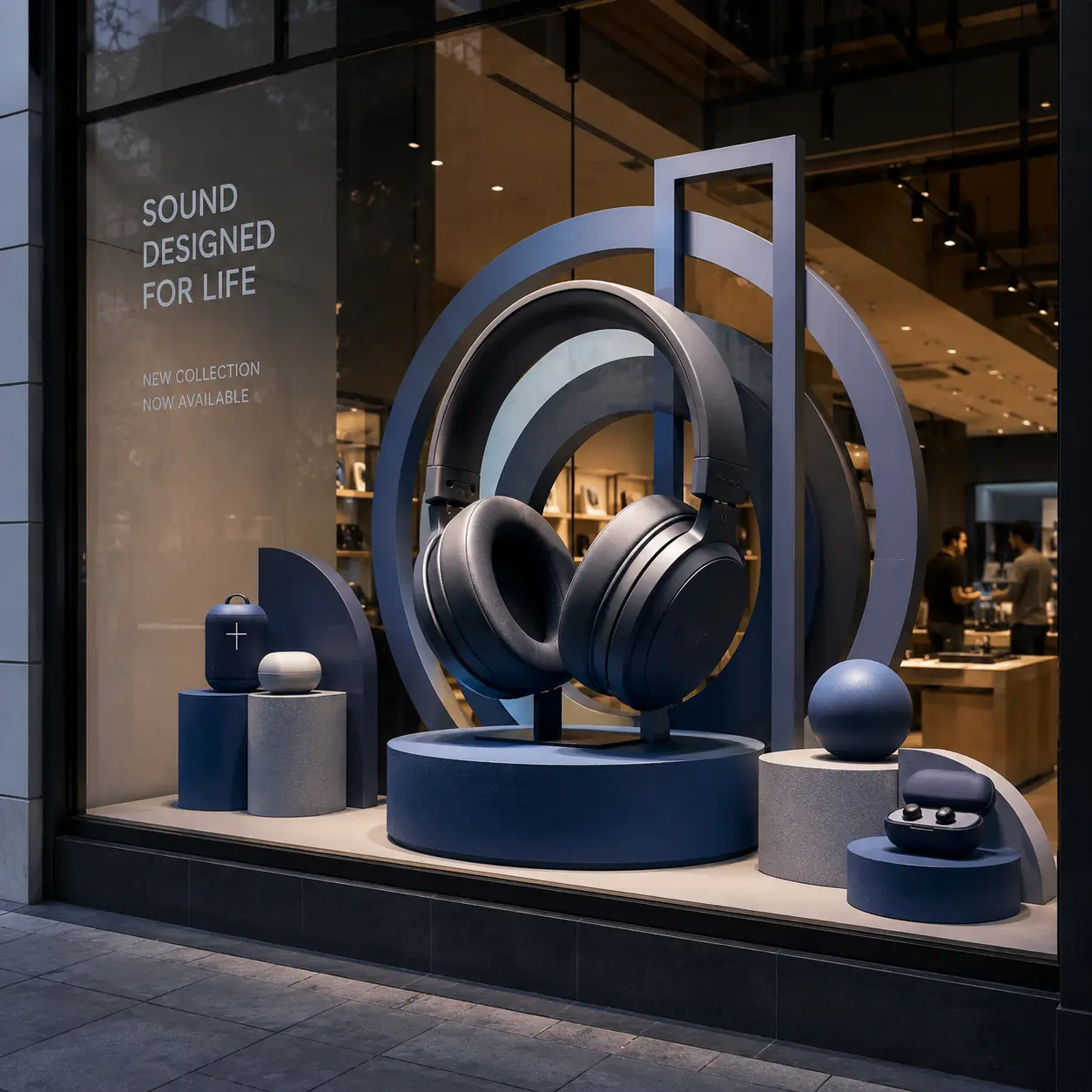
At Royal Foam Art Design, custom window displays are an engineered production category. We manufacture physical elements that help brands, retailers, agencies, and visual merchandising teams turn campaign ideas into dimensional storefront props:
- Oversized product replicas
- Seasonal display centerpieces
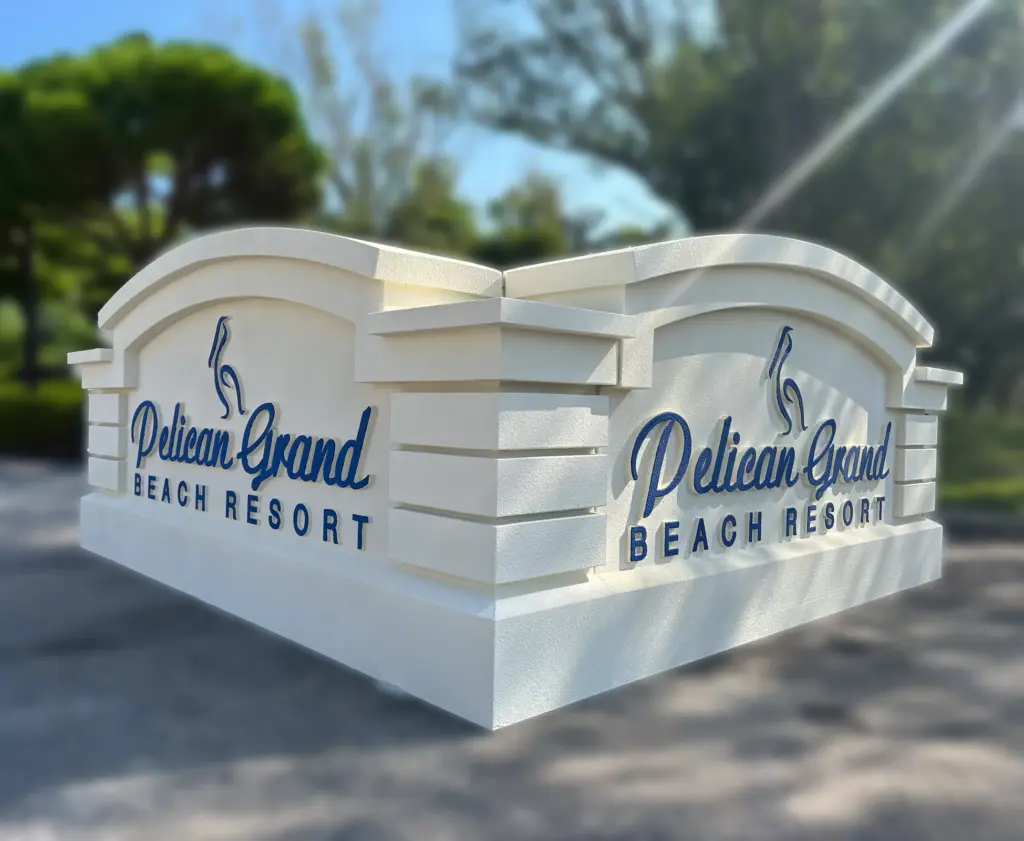
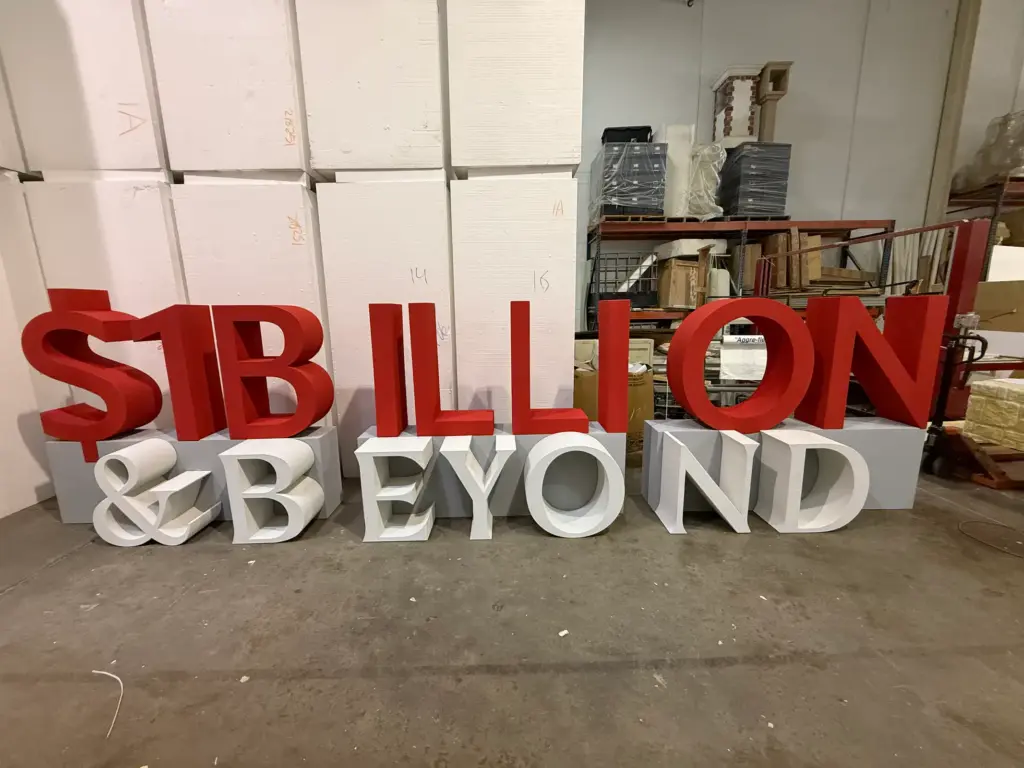
- Branded letters & dimensional logos
- Custom product podiums & plinths
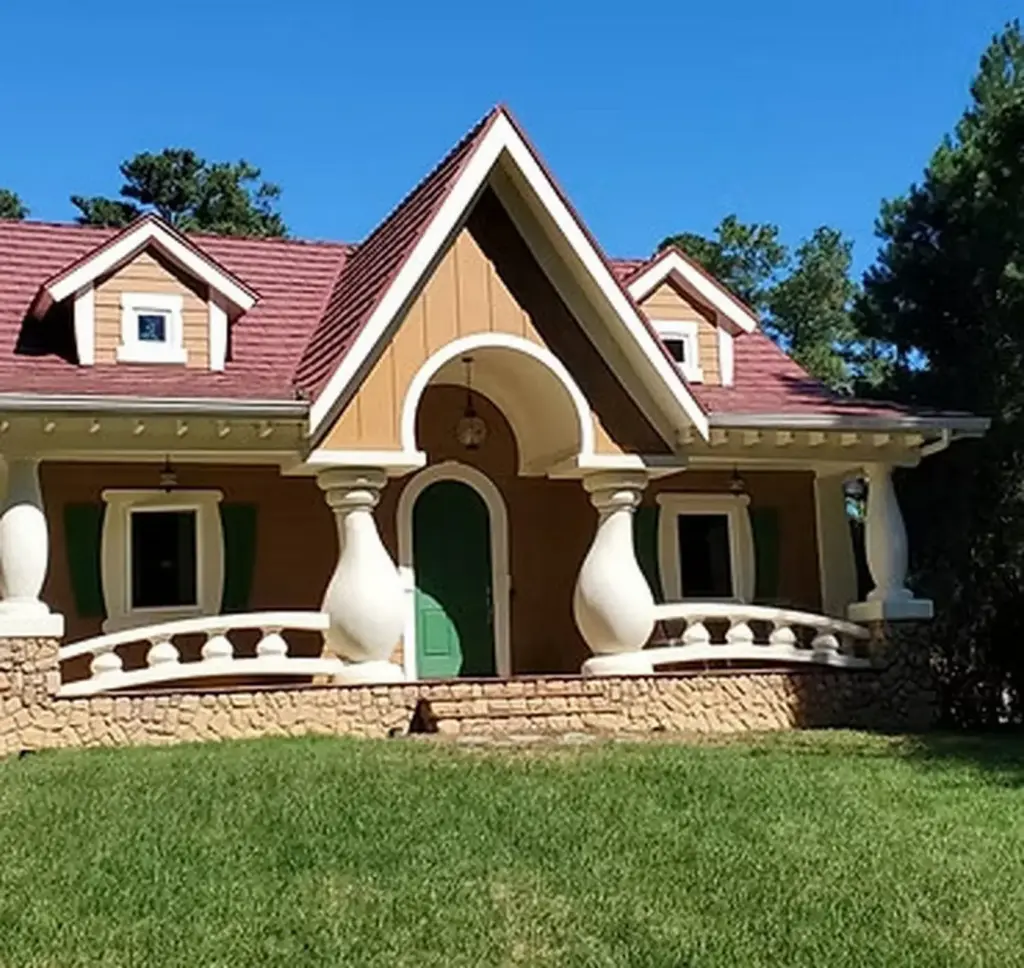
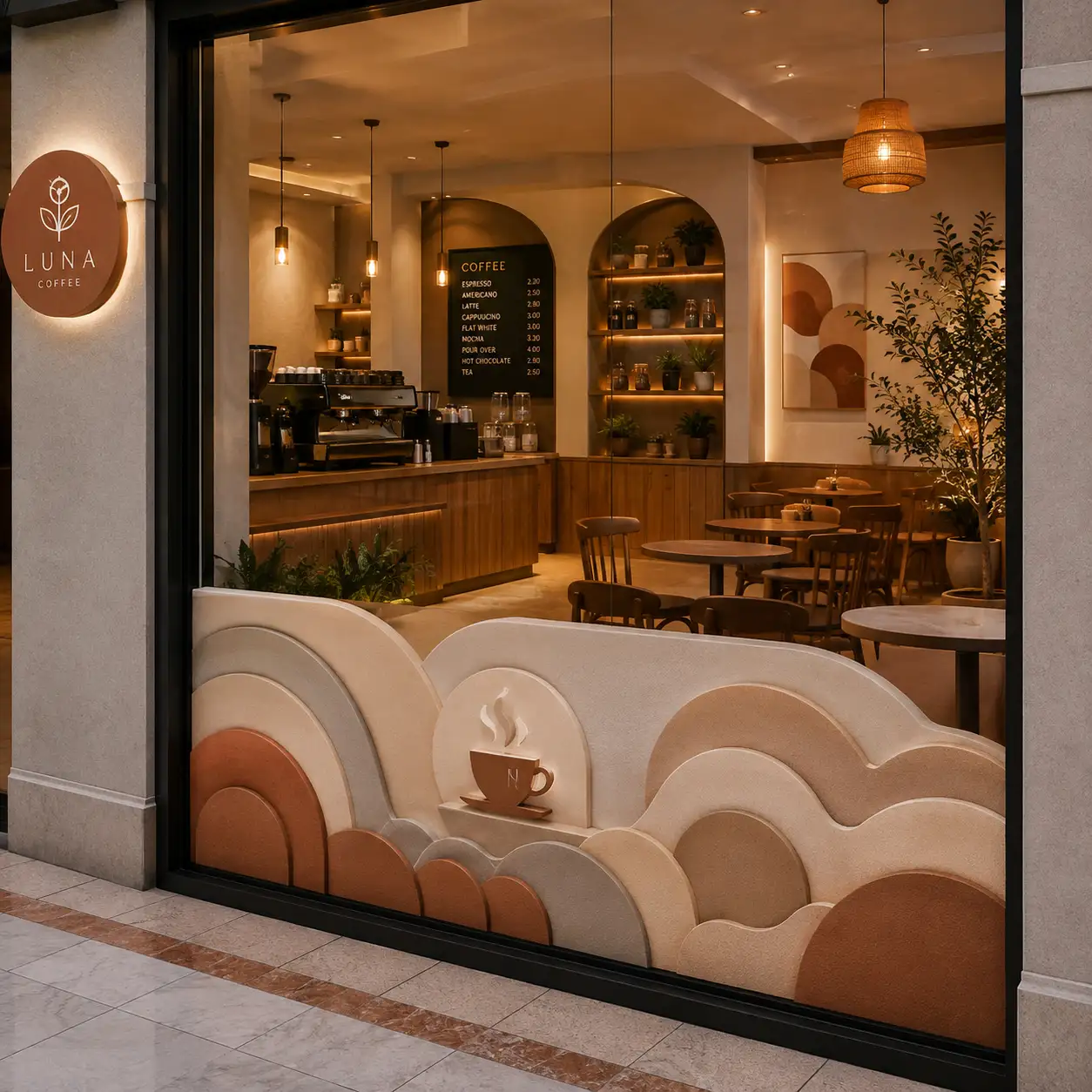
- Faux stone, wood, and brick textured surfaces
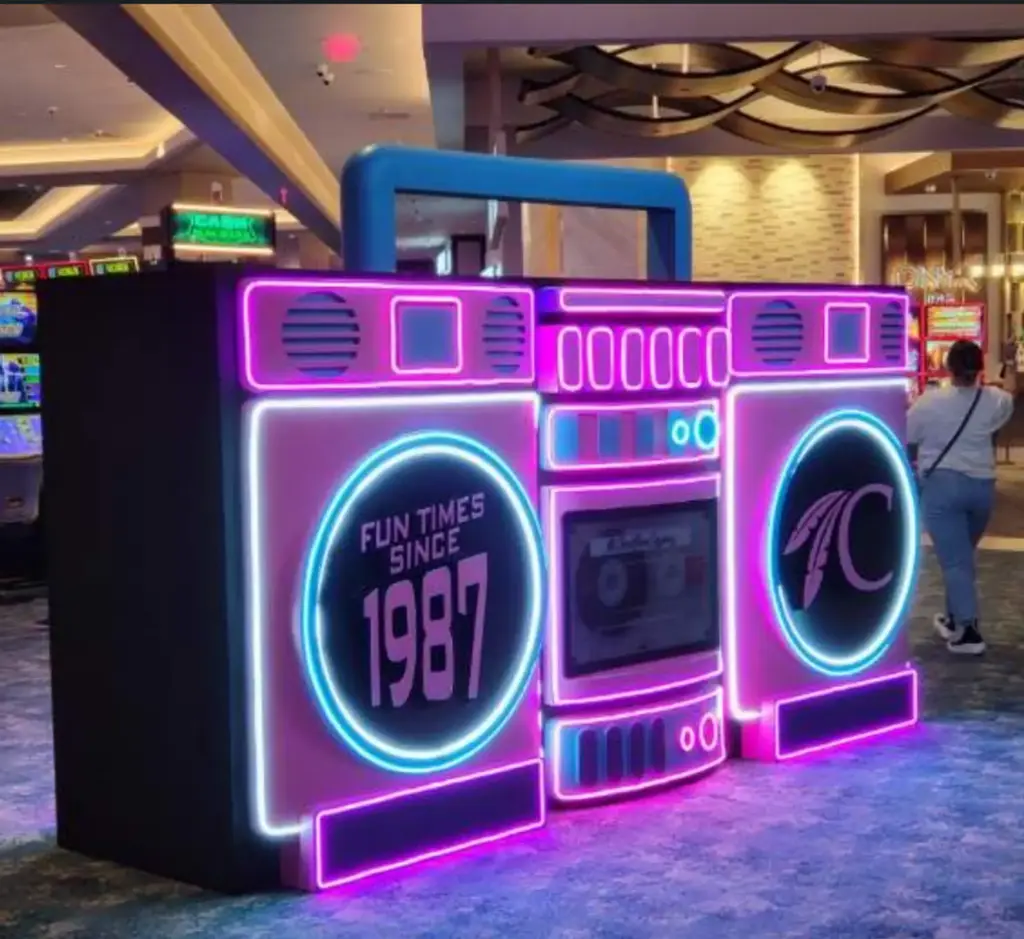
- Sculptural backdrops & lightweight retail display structures
Why Window Displays Need a Different Build Logic
A window display is viewed from multiple distances:
- 20–30 Feet Away: The customer notices silhouette, contrast, scale, and lighting.
- 6–10 Feet Away: Material finish, product placement, and fine detail become primary focus points.
- Up Close: The display must remain clean, seamless, and high-quality through glass, under bright retail lights, and from side viewing angles.
Visual Merchandising Note: Flat graphics alone rarely create impact. Dimensional props provide depth, elevated podiums raise products into sightlines, and faux textures establish environments without the heavy weight of real masonry or timber.
Custom Window Display Production Matrix
| Window Display Element | Typical Use | Royal Foam Art Design Production Method |
|---|---|---|
| Oversized Product Replicas | Hero product launches & focus points | CNC-shaped EPS, hard coat, custom paint |
| Product Podiums / Plinths | Product elevation and sightline hierarchy | Reinforced foam or hybrid base construction |
| Branded Letters & Logos | Campaign identity & messaging | Precise foam cutting, coating, color match |
| Faux Stone / Wood / Brick | Scene-building & realistic texturing | Lightweight textured foam panels |
| Seasonal Props | Holiday, spring, or promotional themes | Sculpted EPS, coating, custom finishing |
| Detailed Ornaments | Repeated high-precision features | Polyurethane casting |
Technical Planning: Size, Depth, and Sightlines
A window display should be designed around the physical window geometry, not only the creative brief. Key planning inputs include window width, glass height, available depth, ceiling clearance, lighting placement, product sightlines, and installation access.
Multi-Layer Depth Strategy
Because display depth can be limited, elements are engineered in distinct visual layers:
- Foreground: Product platforms and low podiums.
- Mid-Depth: Main sculptural props and hero elements.
- Background: Textured panels, backdrops, or dimensional graphics.
Weight & Modular Logistics
A stone or wood display made from real materials requires heavy labor, floor protection, and complex handling. A lightweight foam-based alternative creates the same visual mass at a fraction of the weight, enabling rapid overnight installation and easy seasonal changeovers. Large props are engineered in modular sections to pass through standard doors and corridors.
Materials & Engineering Choices
- EPS Foam Core: Serves as the primary core for large sculptural forms due to low weight and fast CNC shaping.
- Polyurea Hard Coat: Provides impact resistance, edge durability, and scratch protection against handling.
- Polyurethane Casting: Ideal when a display requires repeated small elements, fine details, or consistent brand icons across multiple store locations.
- Hybrid Reinforcements: Plywood, MDF, acrylic, PVC, internal steel tubing, base plates, and concealed ballast are integrated where extra structural stability or high-gloss accents are required.
Engineering Decision Guide
| Technical Need | Recommended Approach | Technical Reason |
|---|---|---|
| Large Visual Volume | EPS foam core | Low weight, fast CNC shaping |
| High-Touch Corners | Hard coat reinforcement | Superior edge durability |
| Repeated Details | Polyurethane casting | Exact unit-to-unit consistency |
| Glossy Retail Accents | Acrylic / PVC components | Crisp finish and clean, sharp lines |
| Stable Bases | Plywood / MDF reinforcement | Improved balance and support |
| Realistic Textures | Faux stone / wood / brick panels | Realistic visual effect without heavy weight |
Production Workflow & Multi-Store Campaigns
Projects move through a structured fabrication process:
- Retail Brief & CAD/3D Modeling: Reviewing window dimensions, lighting, and viewing angles.
- CNC & Hot-Wire Shaping: Machine-cutting EPS core structures.
- Casting, Coating & Sanding: Applying hard coats, polyurethane details, and surface preparation.
- Color Matching & Finishing: Exact brand color paint matching and specialized surface effects.
- Test Fitting & Delivery-Ready Packing: Part labeling, modular assembly tests, and protective packing.
Multi-Location Consistency: For rollout campaigns across 5 to 25+ stores, Royal Foam Art Design ensures exact dimensional replication, durable packing, and labeled parts for quick, error-free assembly.
Business Value for Brands and Retail Teams
- Sharper Storefront Visibility: Captures foot traffic attention and increases store entrance rates.
- Lower Operational Costs: Lightweight builds drastically reduce freight, labor, and installation complexity.
- Asset Reusability: Modular displays are built to be packed, moved, and reused for future campaigns or alternate store locations.
Conclusion
Custom window displays work best when visual merchandising, material selection, fabrication logic, and installation planning operate as a single system. Royal Foam Art Design delivers storefront props that look custom and substantial while remaining lightweight, durable, and optimized for real-world retail timelines.
Recommended Articles
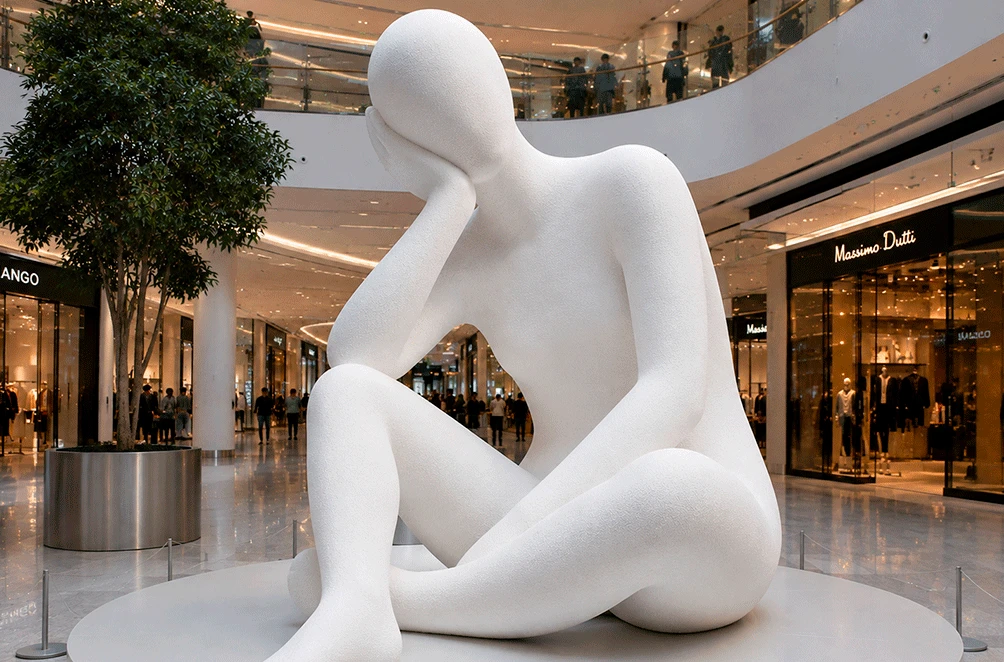
Custom Foam Characters: Lightweight Branded Figures & Themed Mascots for Commercial Environments
See the results
Retail Visual Merchandising: Custom Display Props & Lightweight Retail Installations for Brand-Driven Store Environments
See the results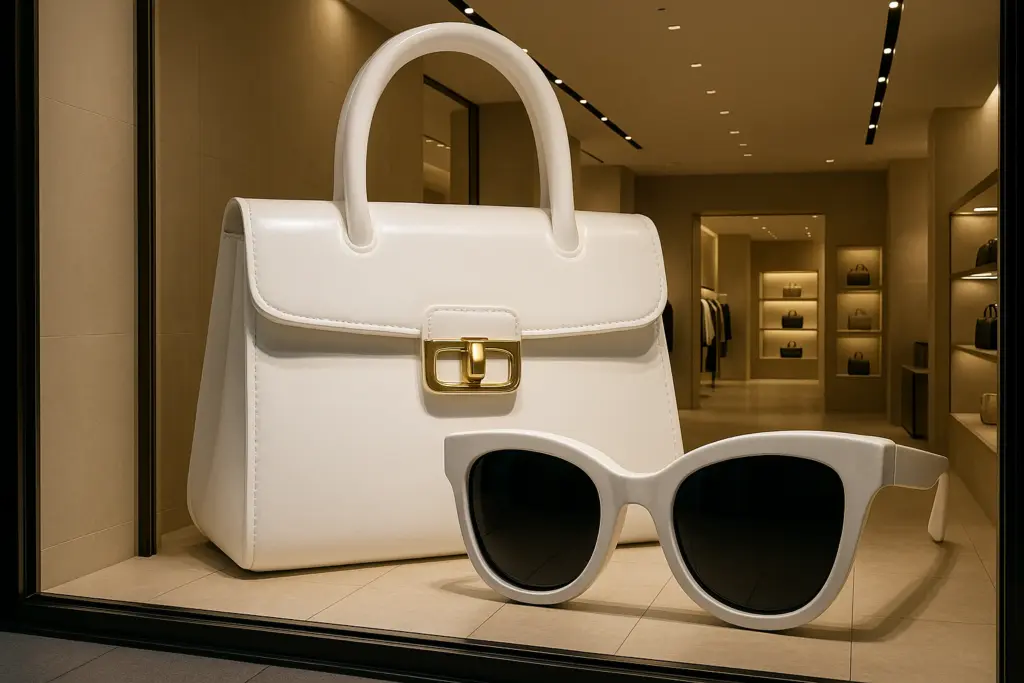
Custom Window Displays: Lightweight Storefront Props & Dimensional Retail Displays for Brand-Driven Windows
See the results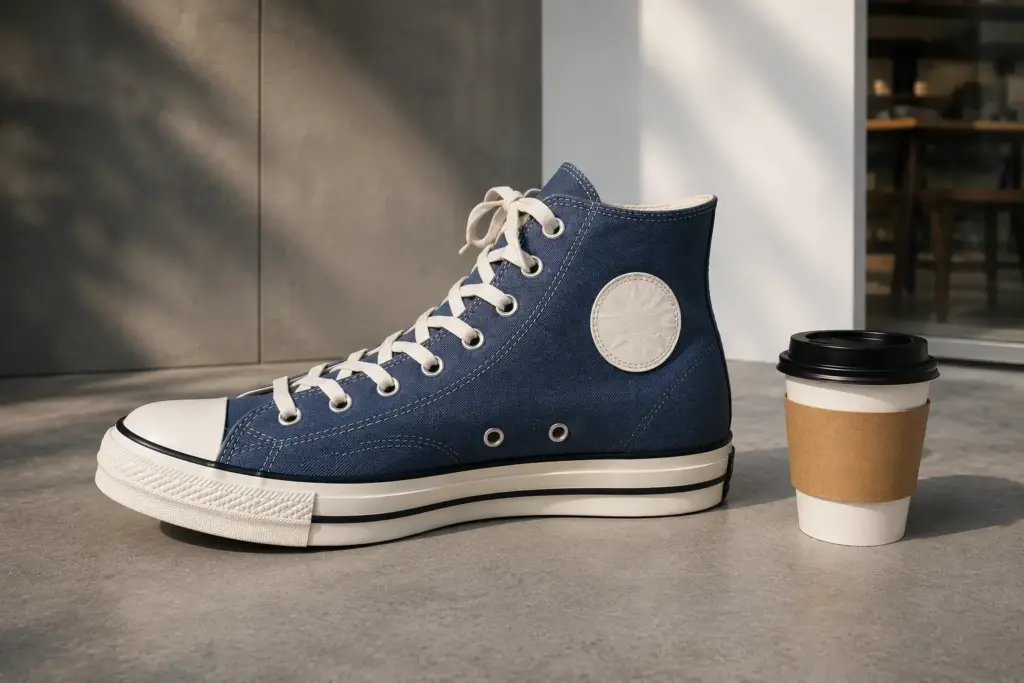
Mall Activation Props: Engineering High-Impact Installations for High-Traffic Environments
See the results
Brand Activation Props: Engineering Scalable 3D Installations for Real-World Engagement
See the results