



Mall Activation Props: Engineering High-Impact Installations for High-Traffic Environments
Shopping malls are not controlled event spaces. People move through them with no plan to stop, surrounded by storefront lighting, kiosks, escalators, sale graphics, seasonal décor, and digital screens. Attention is not given to a brand; it has to be engineered.
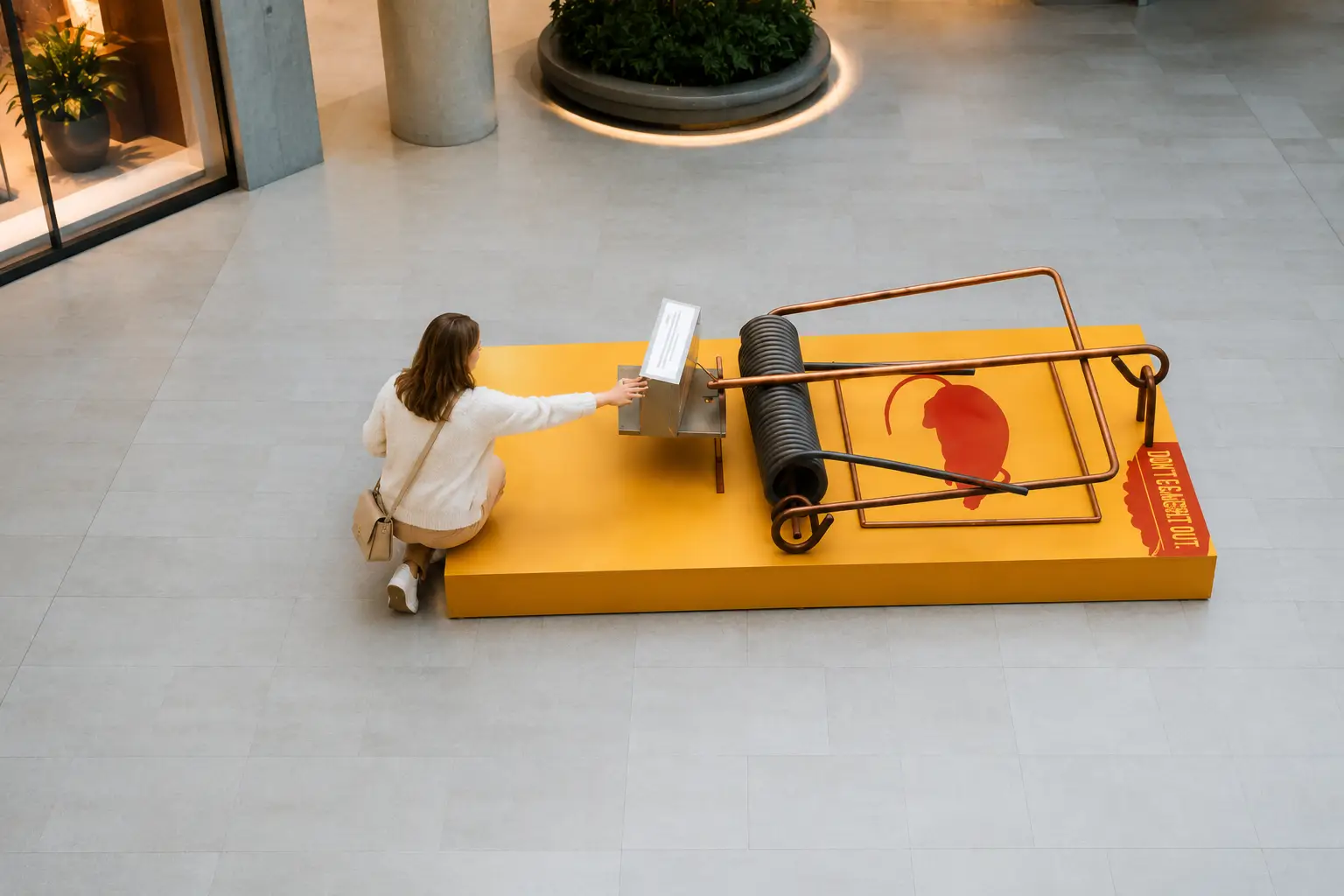
Mall activation props create a visual pause without interrupting circulation. A good installation must be readable from distance, safe to approach, stable in foot traffic, and practical for short installation windows. It is a temporary structure built for visibility, compliance, logistics, and public use.
What Are Mall Activation Props?
Mall activation props are custom elements used in shopping centers for product launches, pop-up campaigns, seasonal promotions, and photo-driven brand experiences:
- Oversized product replicas
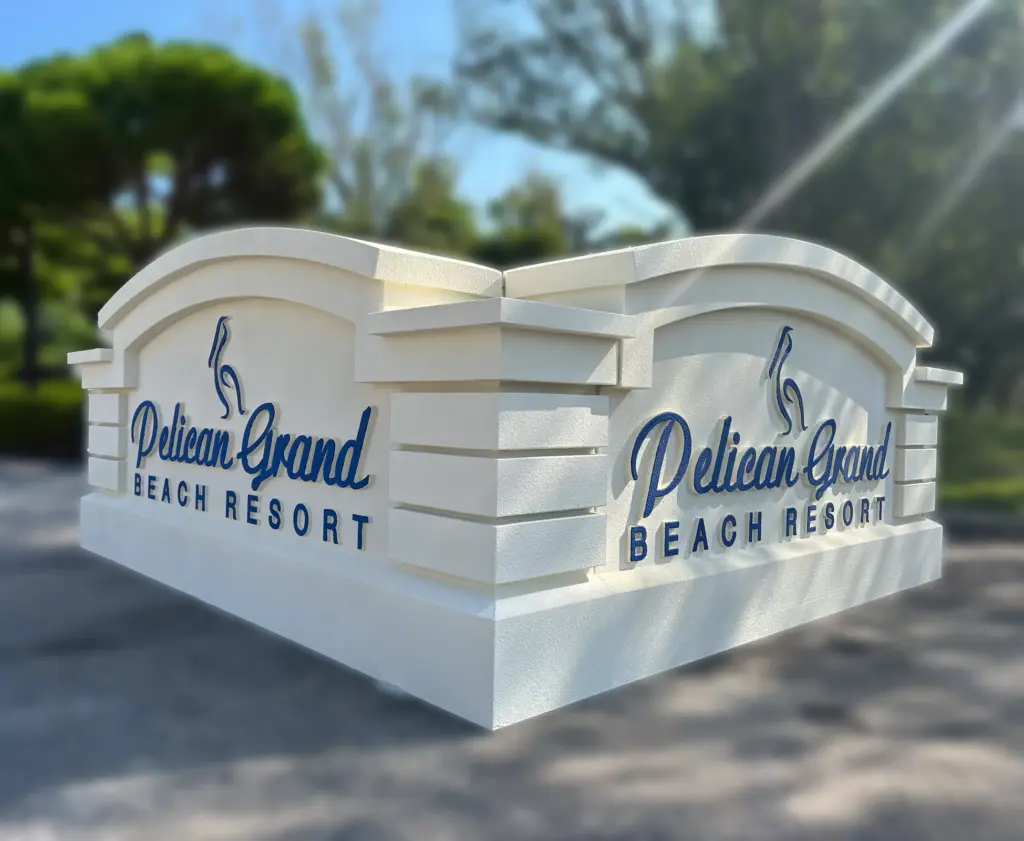
- Freestanding logos
- Themed centerpieces
- Photo zones & interactive displays
- Temporary retail sets
The key difference from general brand activation props is context. The prop must communicate the campaign in seconds, work from several angles, and tolerate public contact without creating a hazard.
Where They Are Used & Venue Constraints
Typical locations include central atriums, corridor intersections, pop-up zones, and storefront entrances.
- Atriums: Offer maximum visibility but often have height, floor-load, rigging, and fire-access limits.
- Storefronts: Must attract traffic without hiding tenant entrances.
- Pop-Up Zones: Require fast assembly and clean removal.
Compliance Note: Mall management checks more than appearance. Installations cannot reduce emergency egress, damage finished flooring, block tenant visibility, or create crowding near escalators, doors, or corridor intersections. Base footprint, queue behavior, and photo zones should be planned before fabrication.
Types of Mall Installations
- Freestanding Photo Zones: Require stable bases, clean camera angles, and durable surfaces where visitors may stand, lean, or touch.
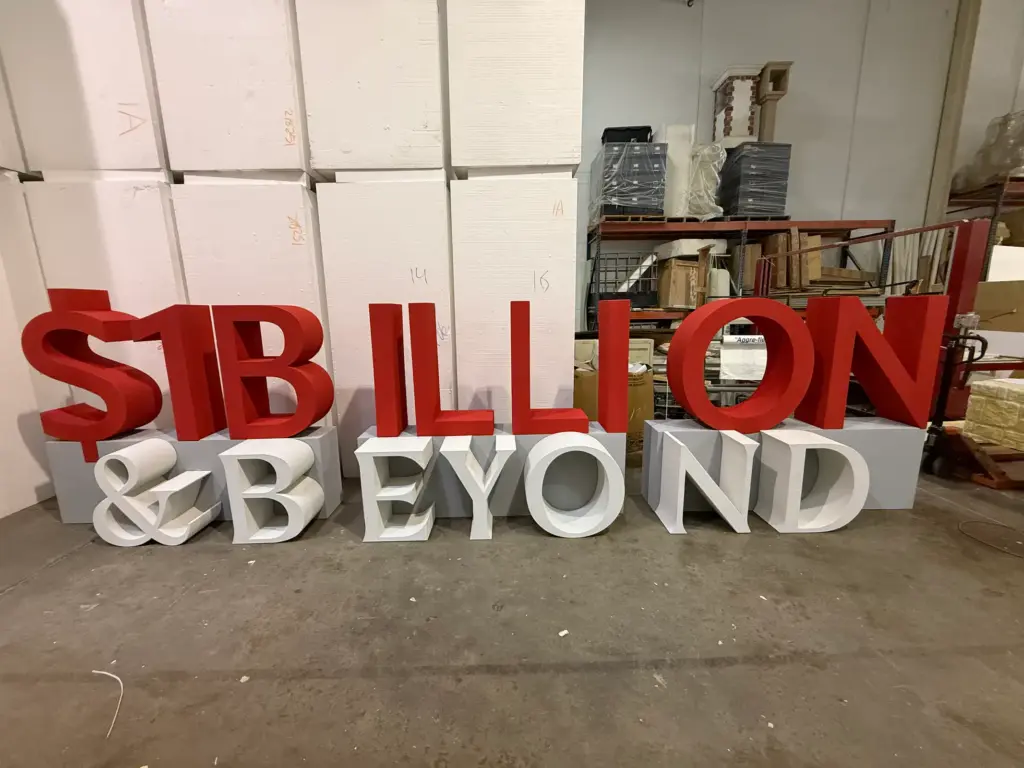
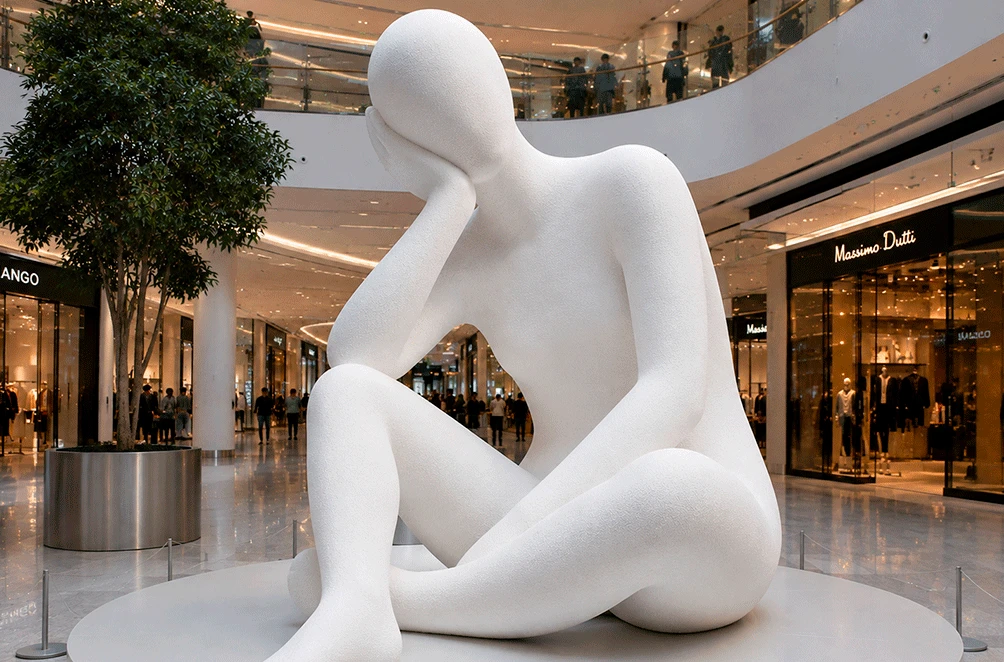
- Oversized Centerpieces: A giant sneaker, cosmetic bottle, gift box, character, or logo creates visibility across a large open area. The core challenge is scale without unnecessary weight.
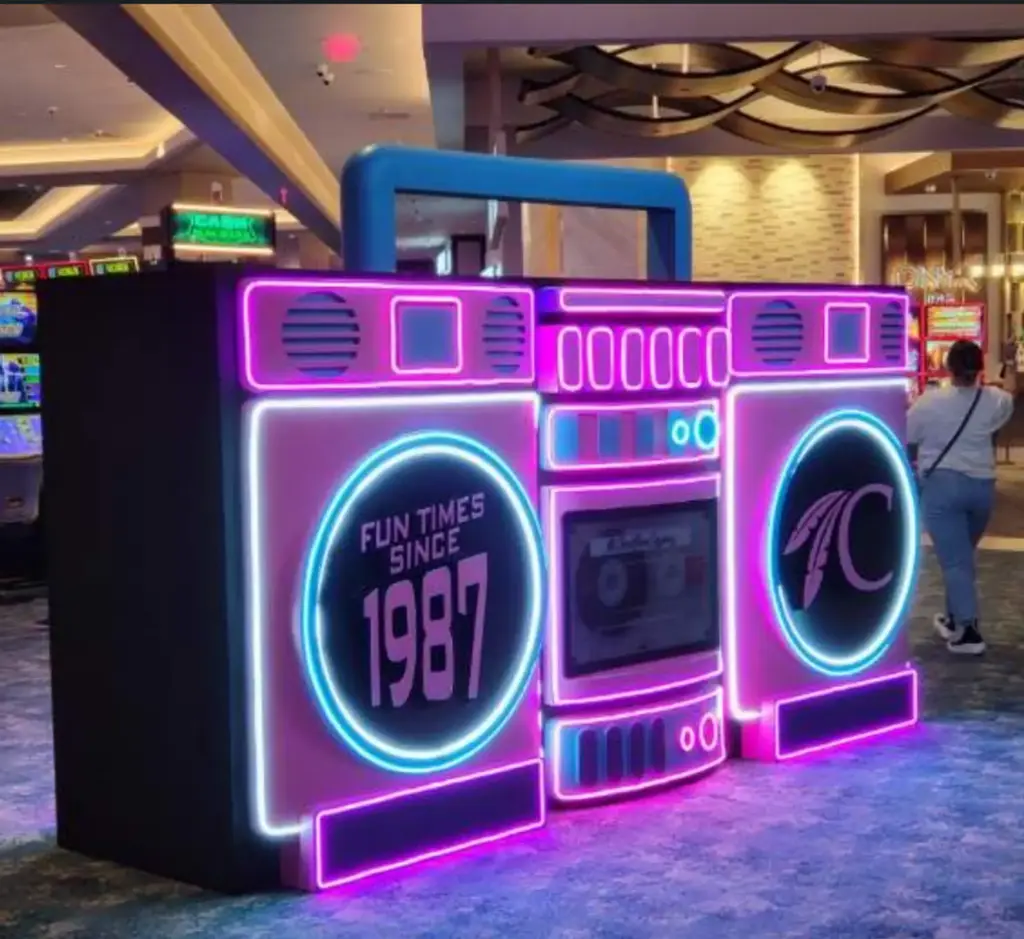
- Interactive Elements: Require reinforced contact points, rounded edges, controlled access, and proper clearance if visitors step inside, sit, press, open, or walk through the display.
- Modular Builds: The safest mall solution. Large props are split into sections that fit through loading docks, freight elevators, and service corridors.
Engineering Constraints & Public Safety
- Weight Efficiency: Heavy wood, concrete, thick fiberglass, or metal-heavy builds complicate delivery, labor, floor protection, and approval. EPS foam is practical because it creates large volume with low mass.
- Stability in Public Flow: Public movement is unpredictable — children touch displays, and visitors approach from all sides. Tall or narrow elements need a wider footprint, concealed ballast, internal reinforcement, or secure base connections.
- Fire Compliance & Speed: Coatings, paints, lighting, wiring, fabrics, and walk-through zones require strict compliance review. Since many malls permit installation only after closing, components must arrive finished, labeled, and ready for fast assembly.
Materials and Production Approach
Lightweight & Durable Base
EPS foam serves as a strong base material because it is lightweight, easy to shape, and ideal for oversized sculptural forms. It can be CNC-cut, hot-wire cut, coated, textured, and painted to match brand colors or product forms.
Protective Hard Coating
Hard coating — including polyurea or polyurethane systems — protects the foam surface from dents, scratches, edge damage, and repeated public contact. High-touch areas (corners, lower edges, and step-in points) receive stronger protection.
Hybrid Construction
In practice, EPS creates the main visual volume, while plywood, aluminum, steel tubing, PVC, acrylic, lighting, or polyurethane cast details are integrated where extra strength, precision, or mounting points are required.
Production & Business Reality
A reliable mall prop starts with comprehensive site information: access routes, ceiling height, freight elevator size, floor conditions, power access, mall rules, working hours, and security requirements.
Why Engineered Props Deliver ROI
- Capturing Organic Traffic: The prop converts existing foot traffic into attention, photos, social media conversations, and store visits.
- Reduced Overhead: Lightweight modular construction reduces crew time, delivery complexity, handling risk, and potential damage to mall finishes under tight installation deadlines.
Common Mistakes to Avoid: Overbuilding, using heavy materials, front-view-only design, poor pedestrian flow, visible modular seams, and interactions that slow traffic or require constant supervision.
Conclusion
Mall activation props work when creative design and engineering are planned together. The structure must stop attention without stopping traffic: large enough to be noticed, light enough to install efficiently, stable enough for public use, and practical enough for mall approval.
With EPS foam, CNC shaping, hard coating, hybrid reinforcement, and installation planning, Royal Foam Art Design builds mall props that fit high-traffic retail environments while giving brands a strong, shareable physical presence.
Recommended Articles
Custom Foam Characters: Lightweight Branded Figures & Themed Mascots for Commercial Environments
See the results
Retail Visual Merchandising: Custom Display Props & Lightweight Retail Installations for Brand-Driven Store Environments
See the results
Custom Window Displays: Lightweight Storefront Props & Dimensional Retail Displays for Brand-Driven Windows
See the results
Mall Activation Props: Engineering High-Impact Installations for High-Traffic Environments
See the results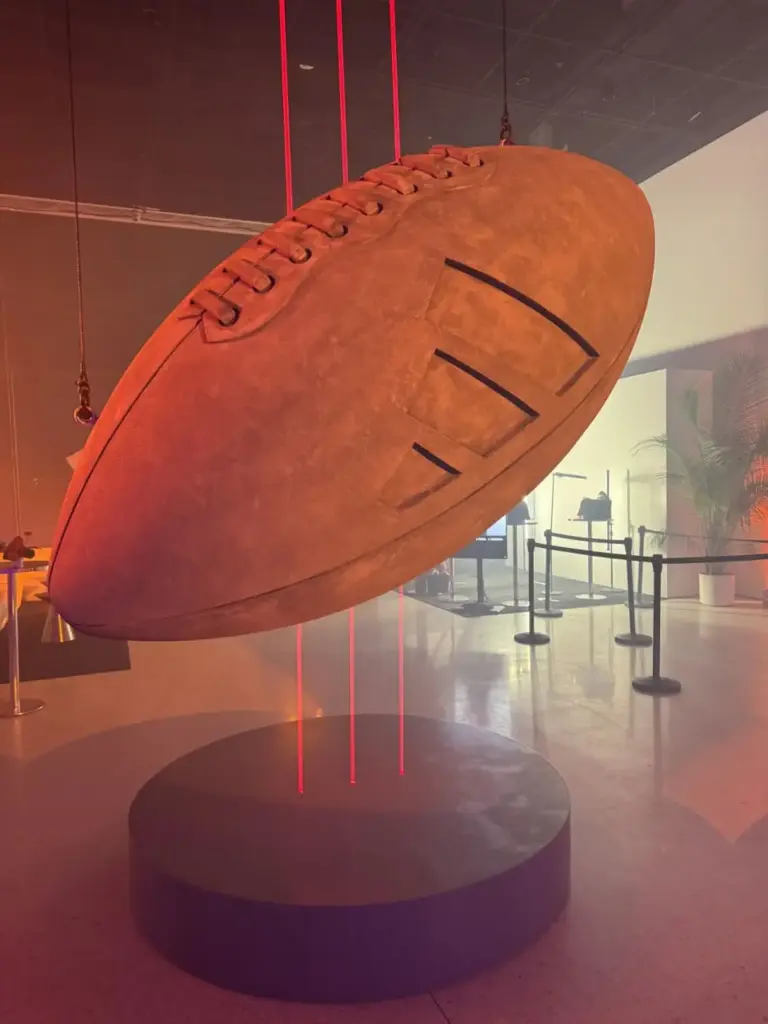
Brand Activation Props: Engineering Scalable 3D Installations for Real-World Engagement
See the results