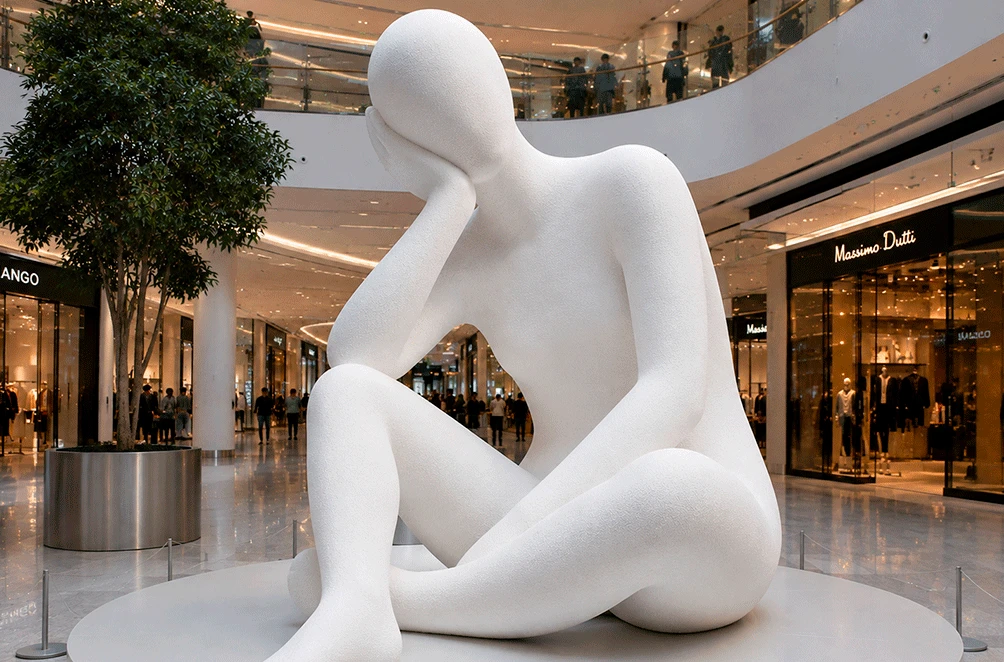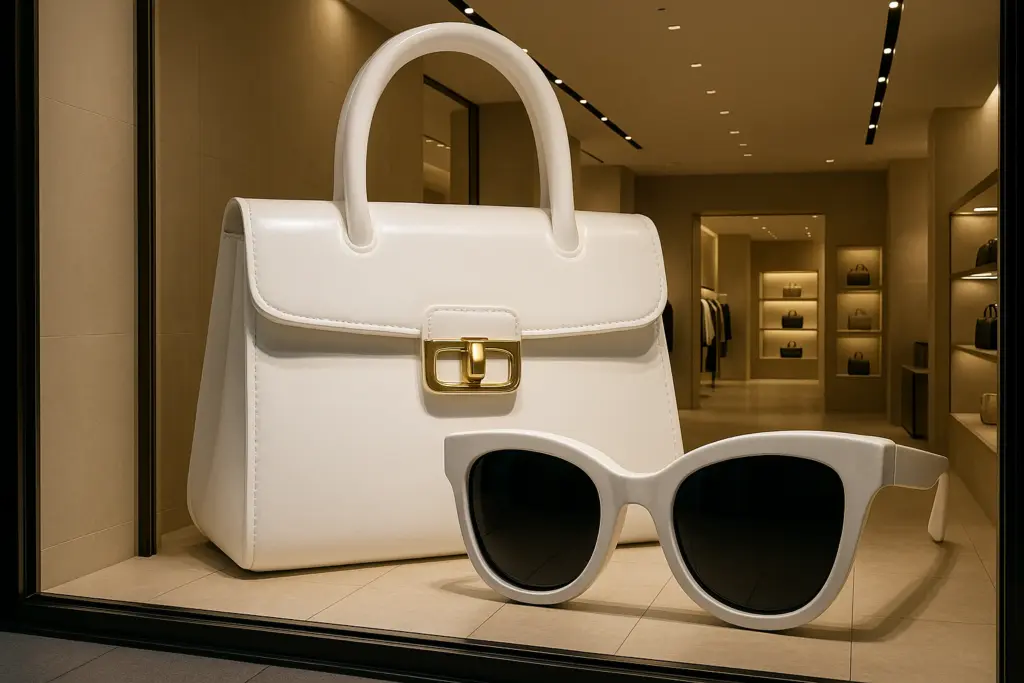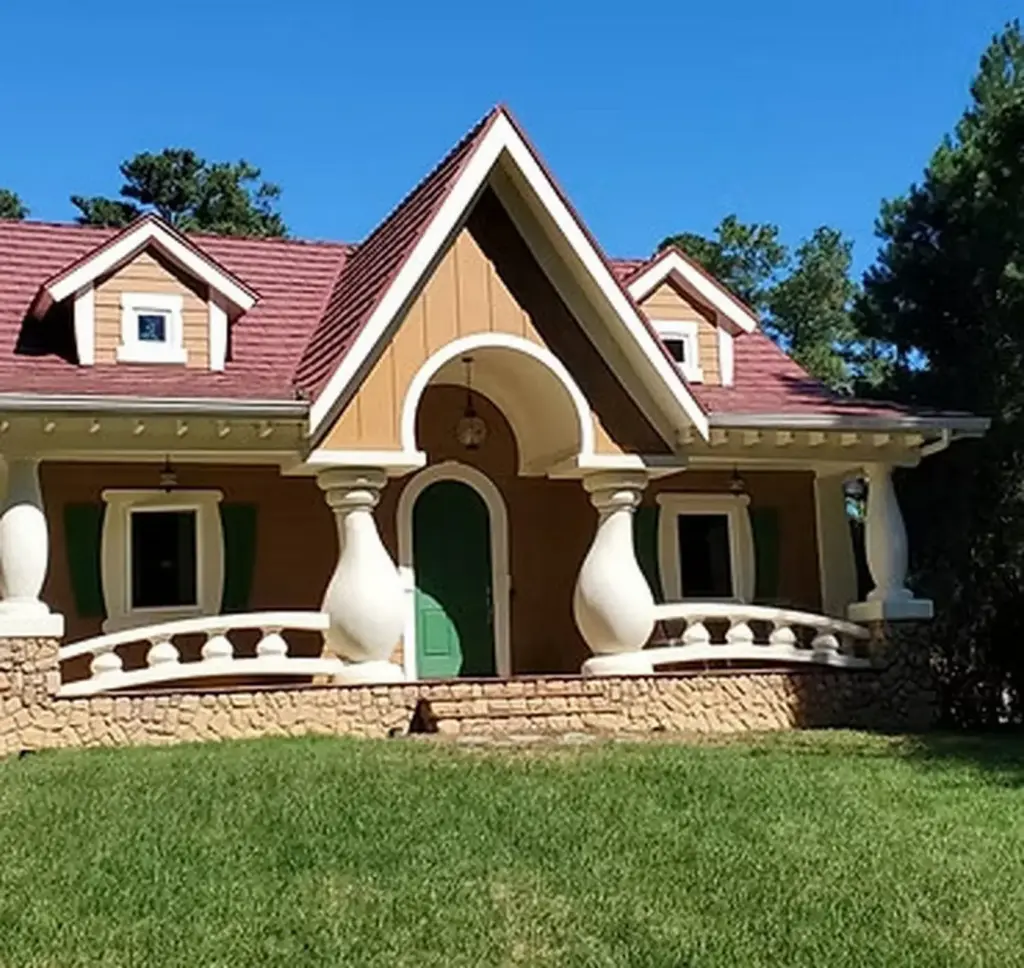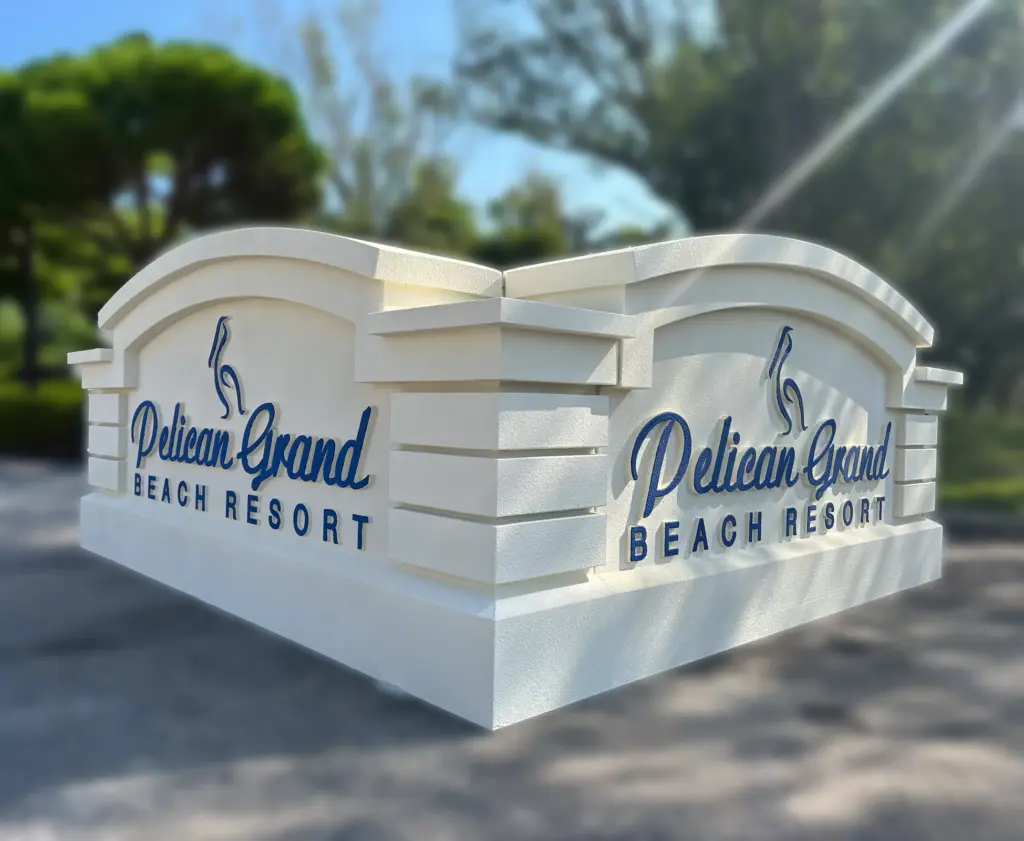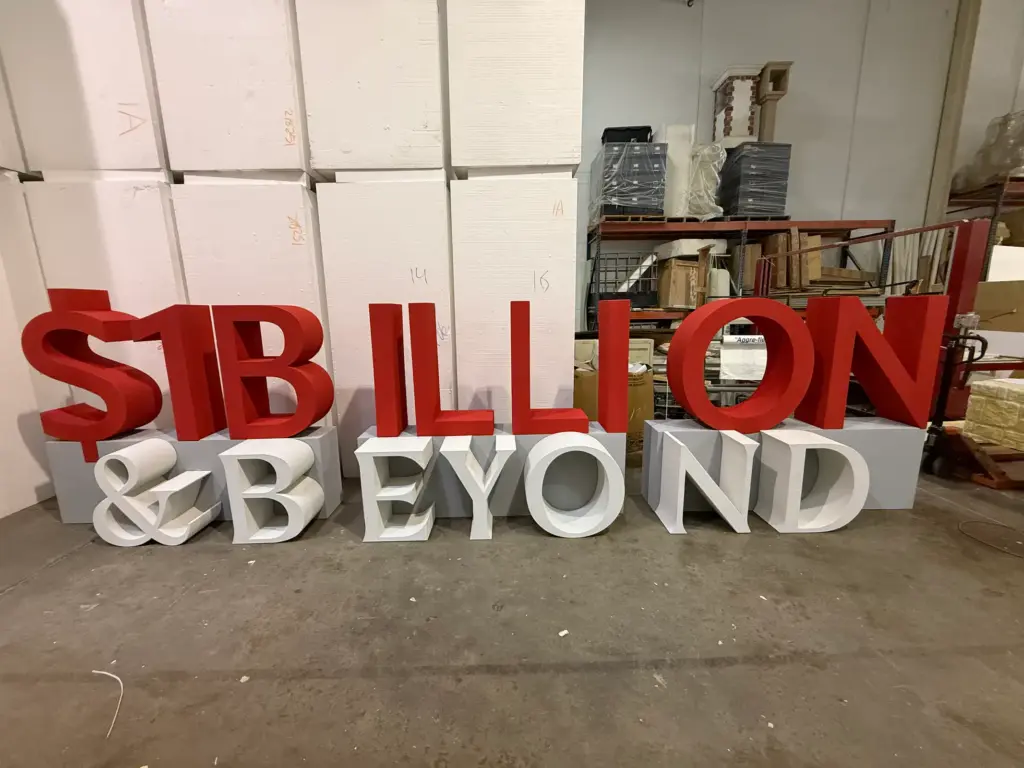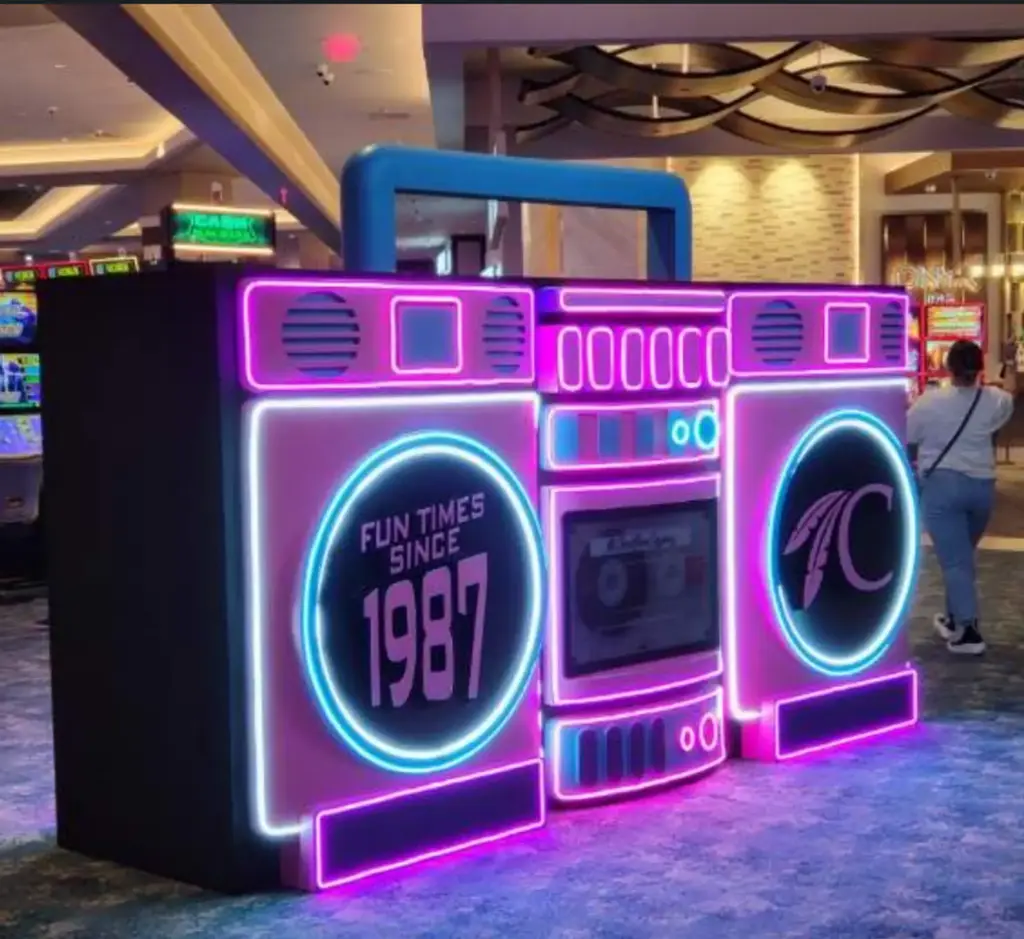

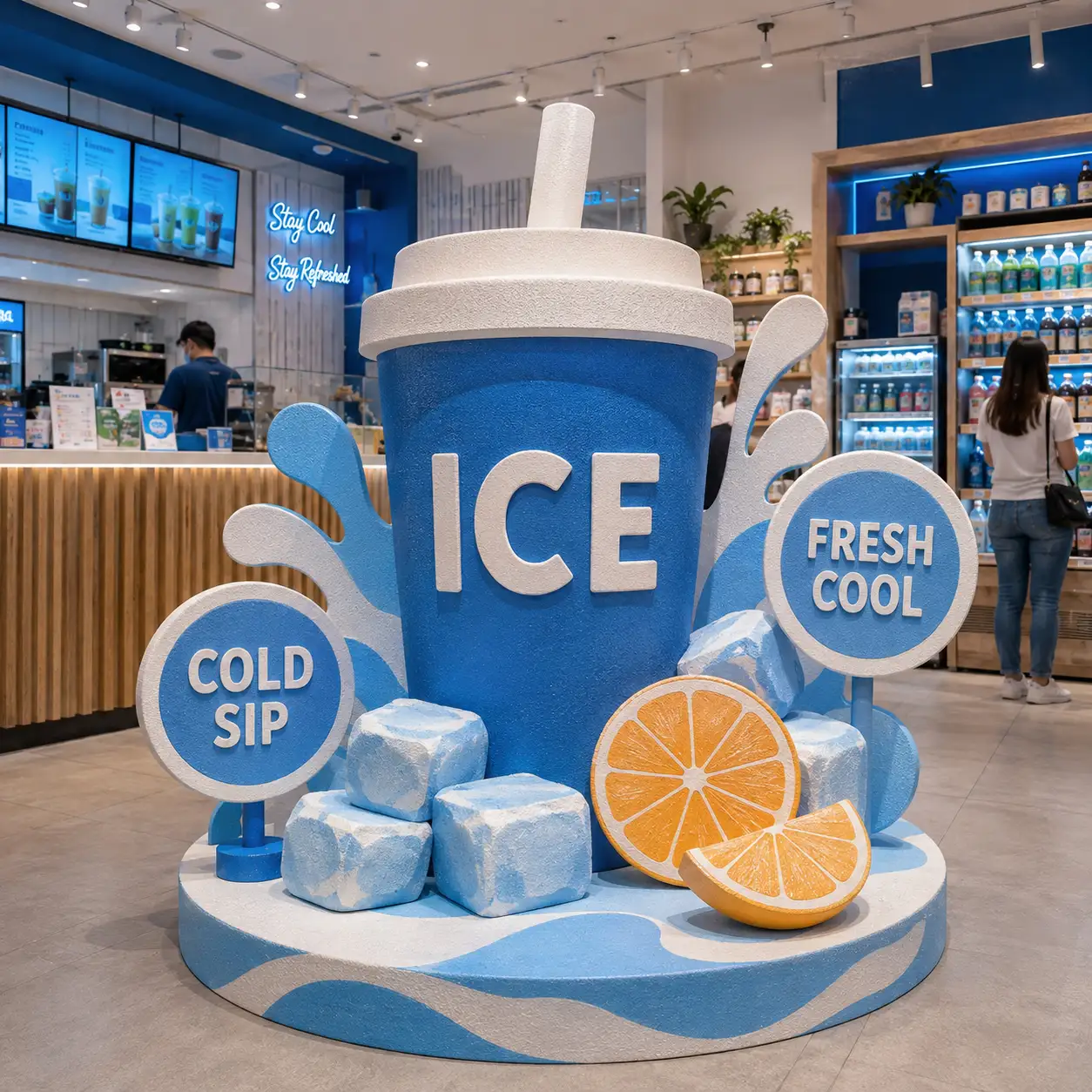
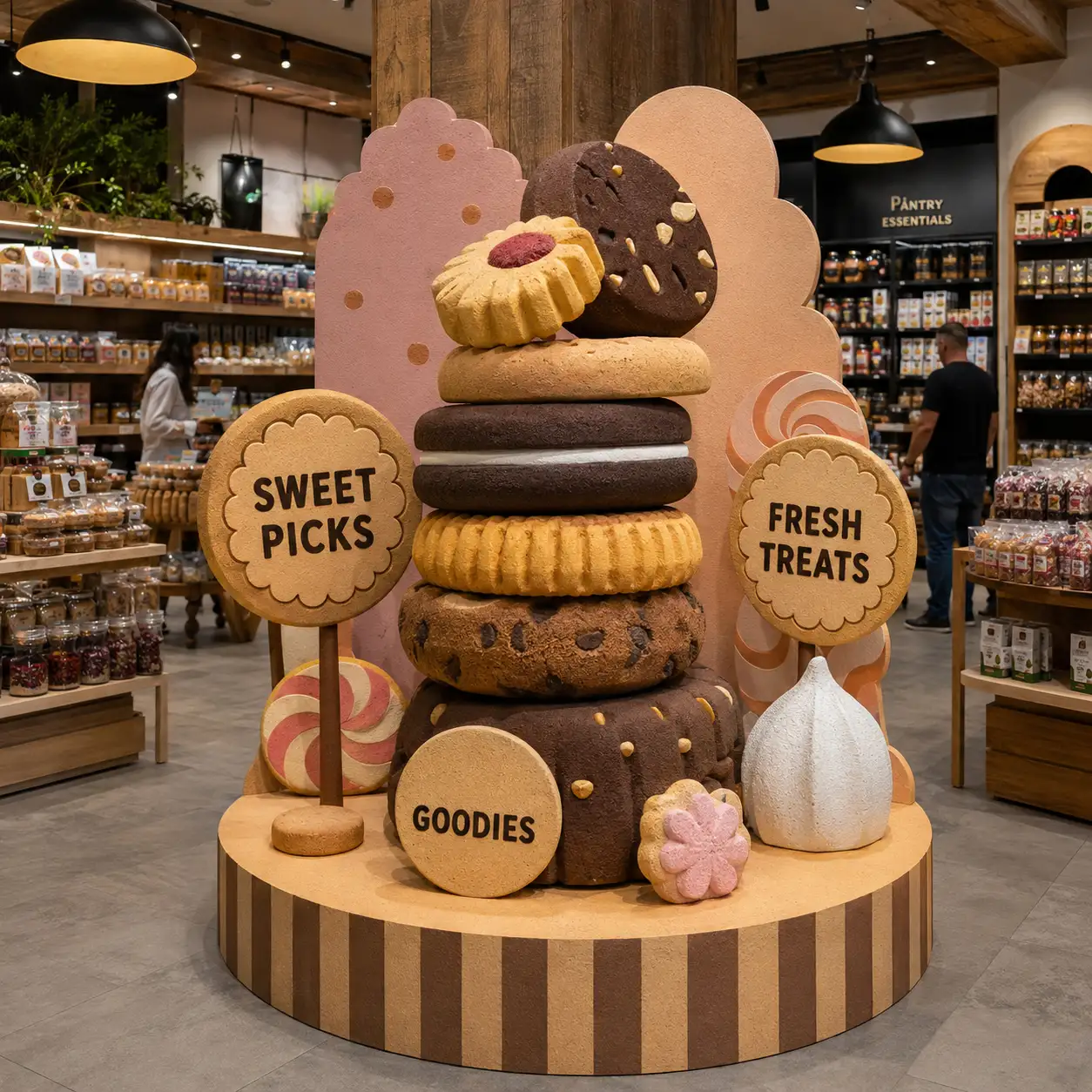

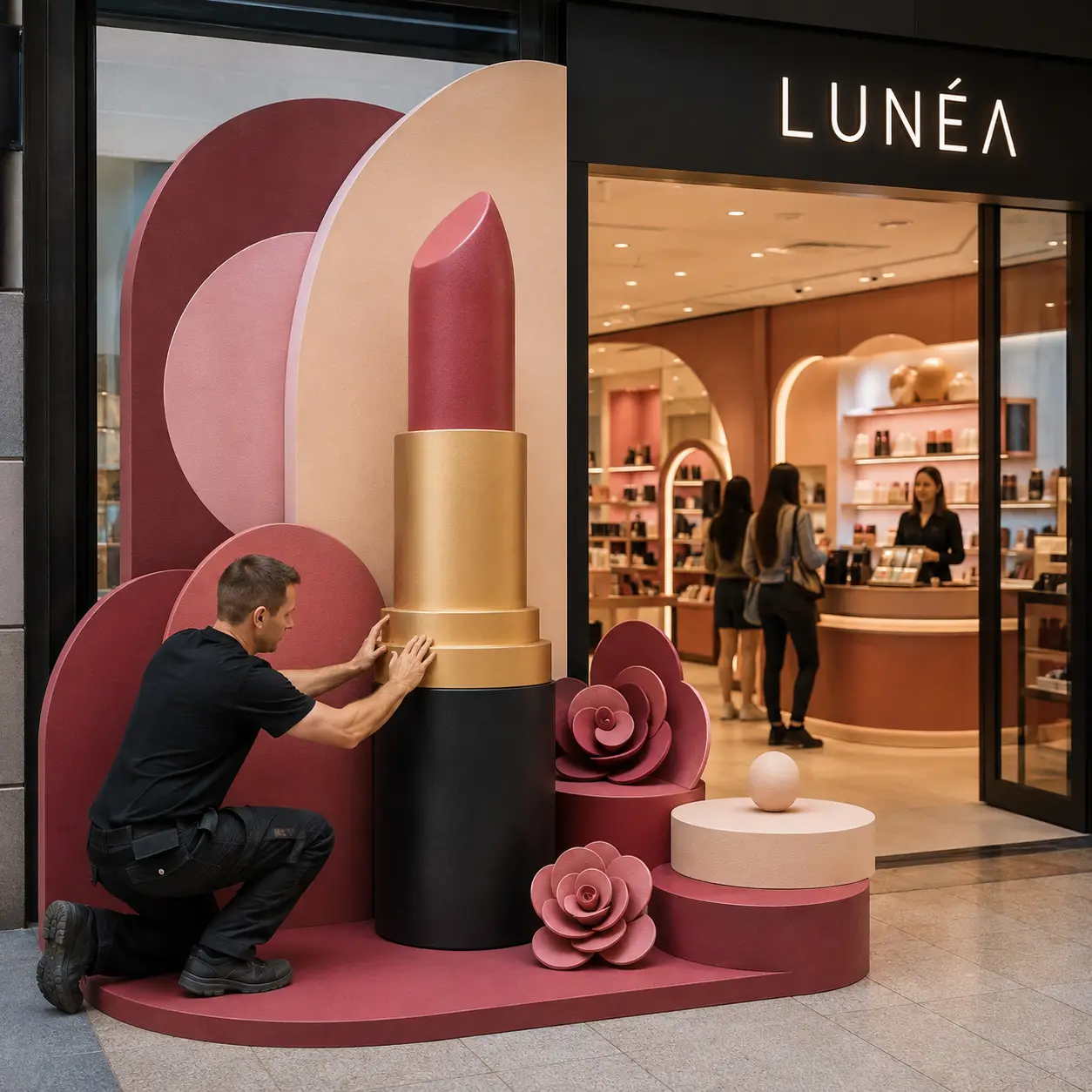
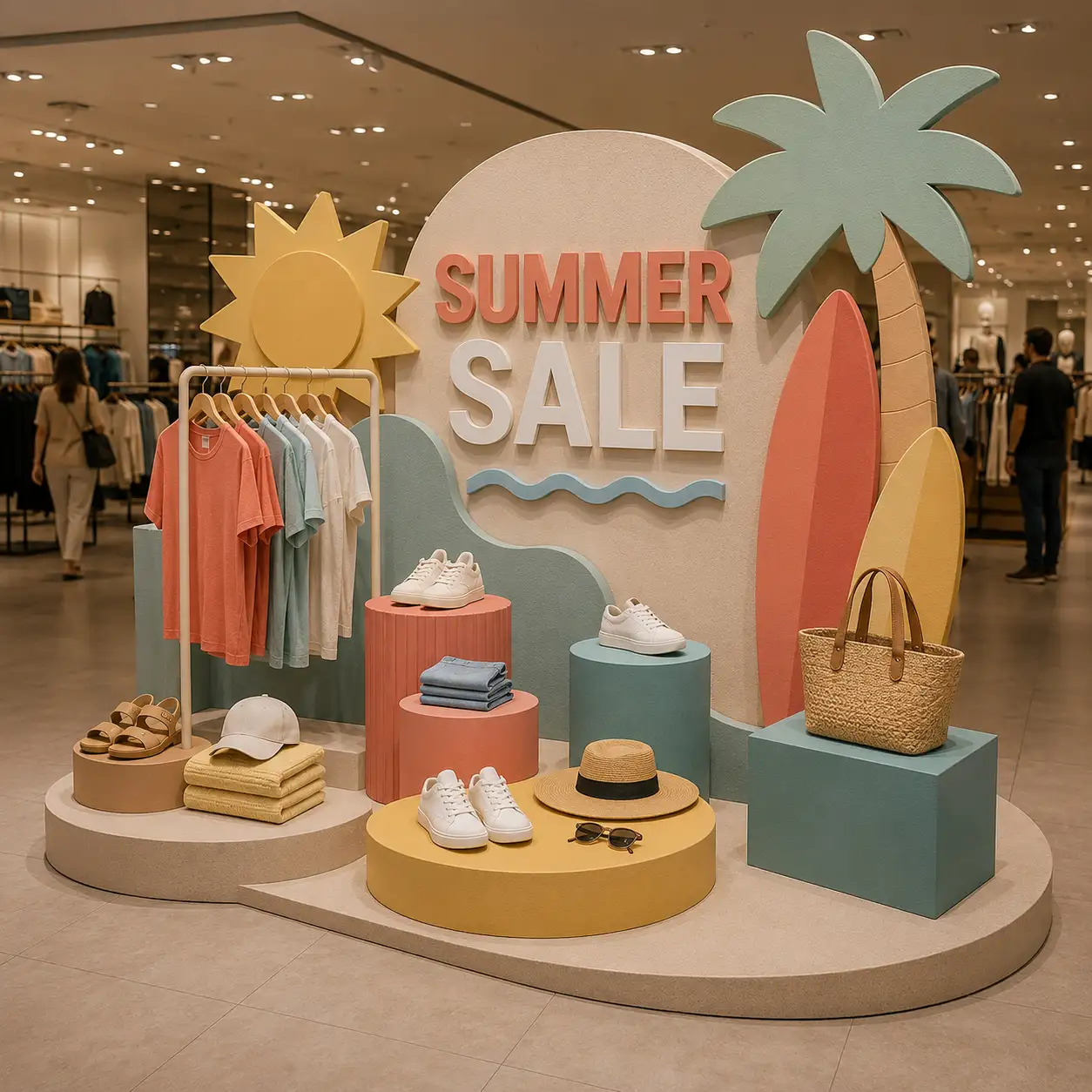

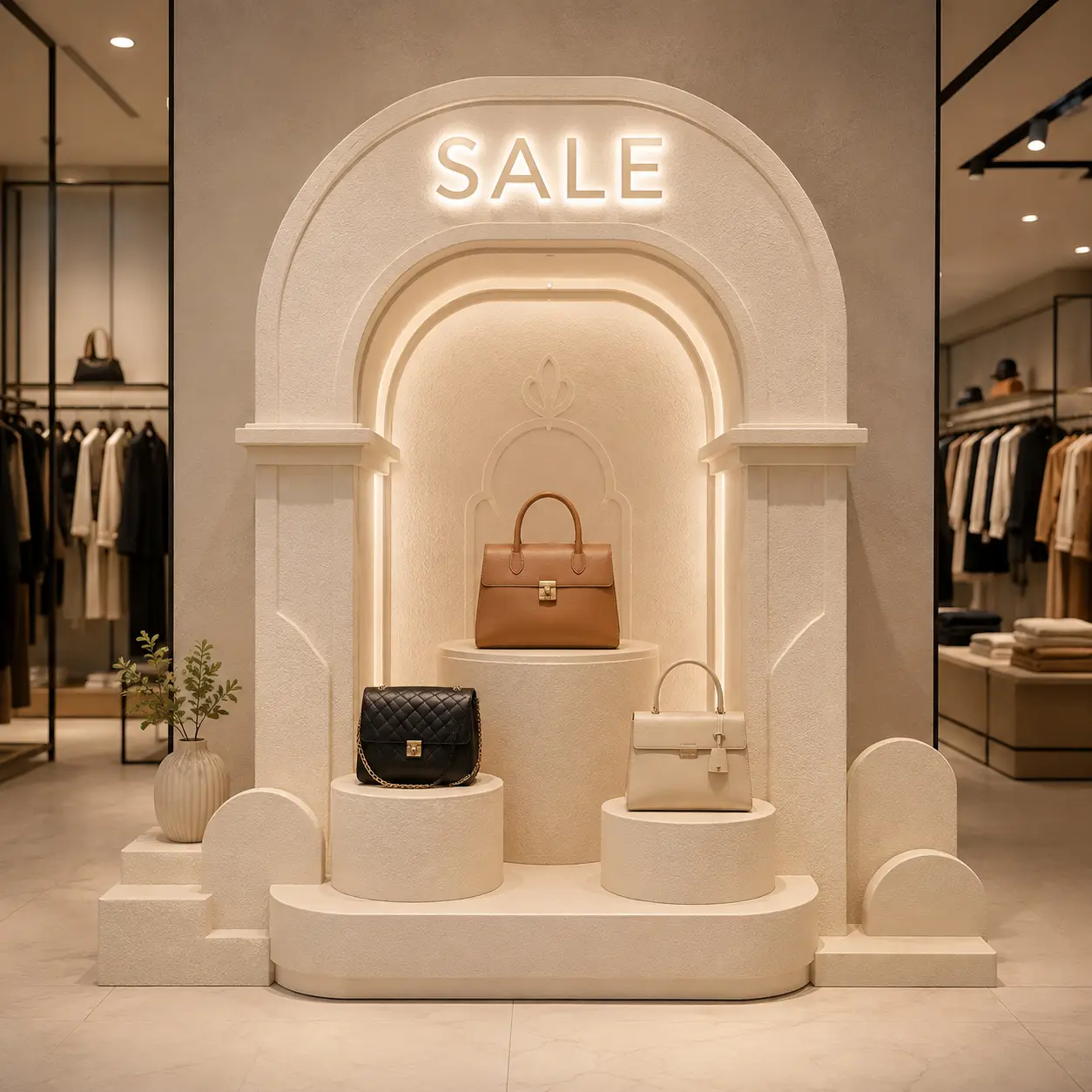
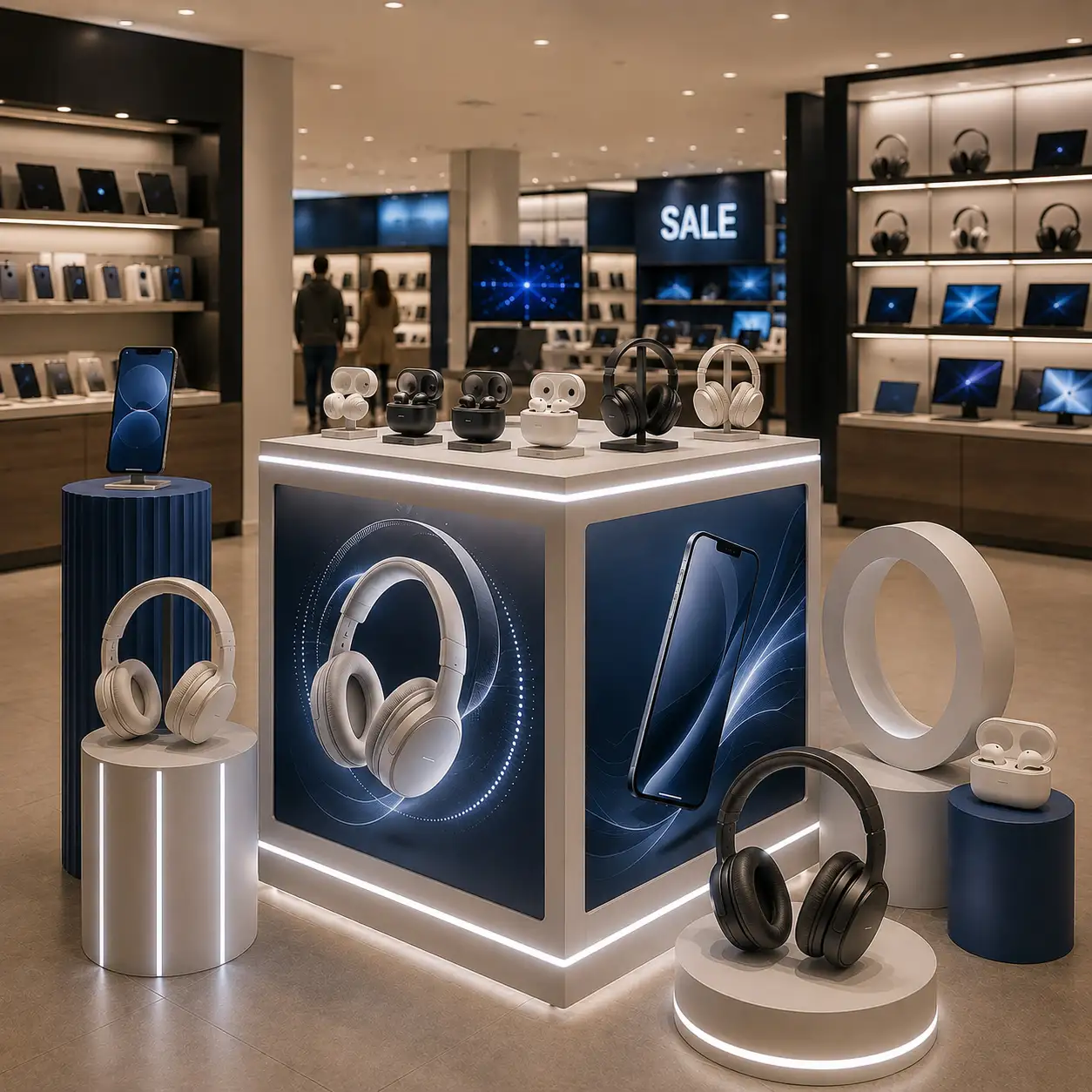
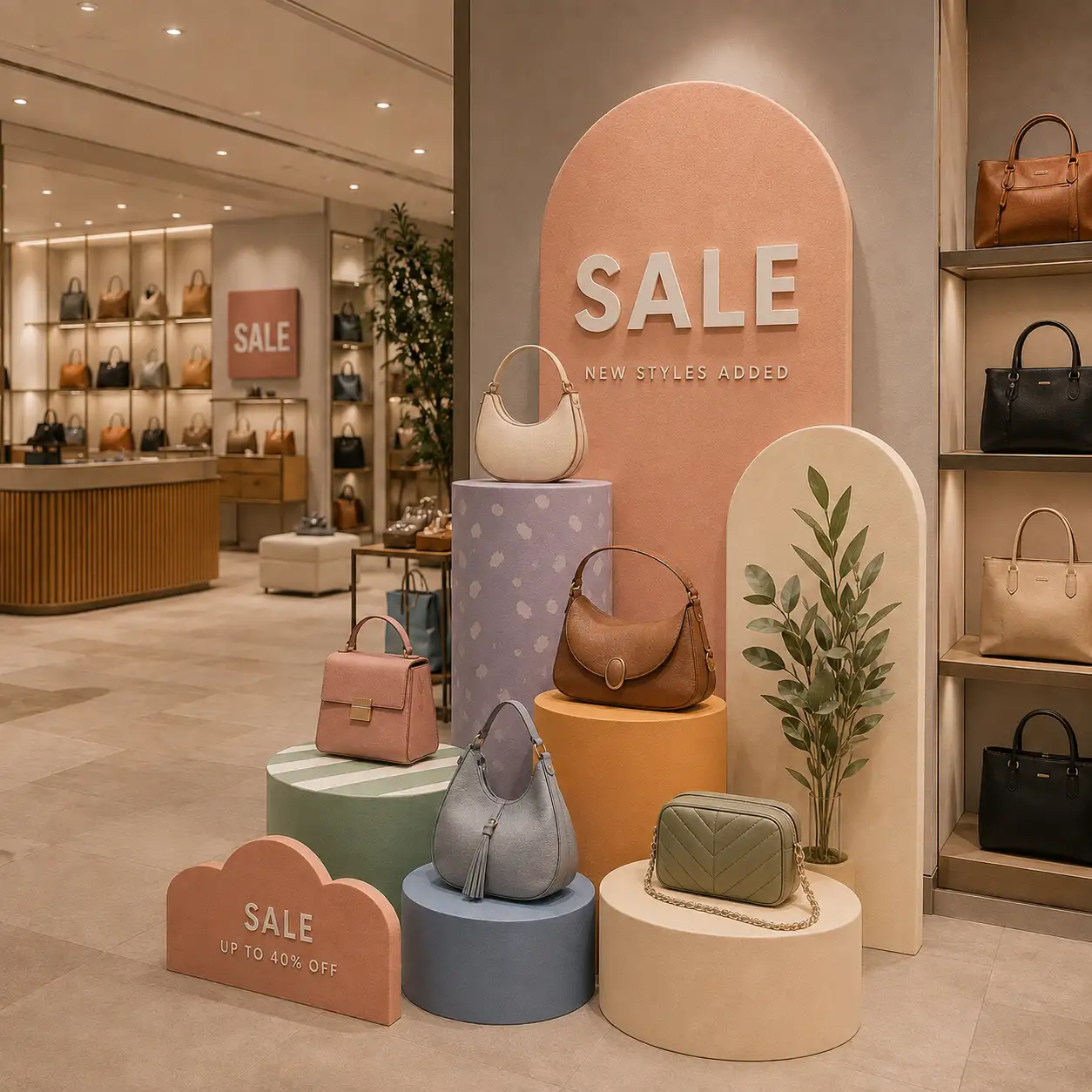


- Window display props
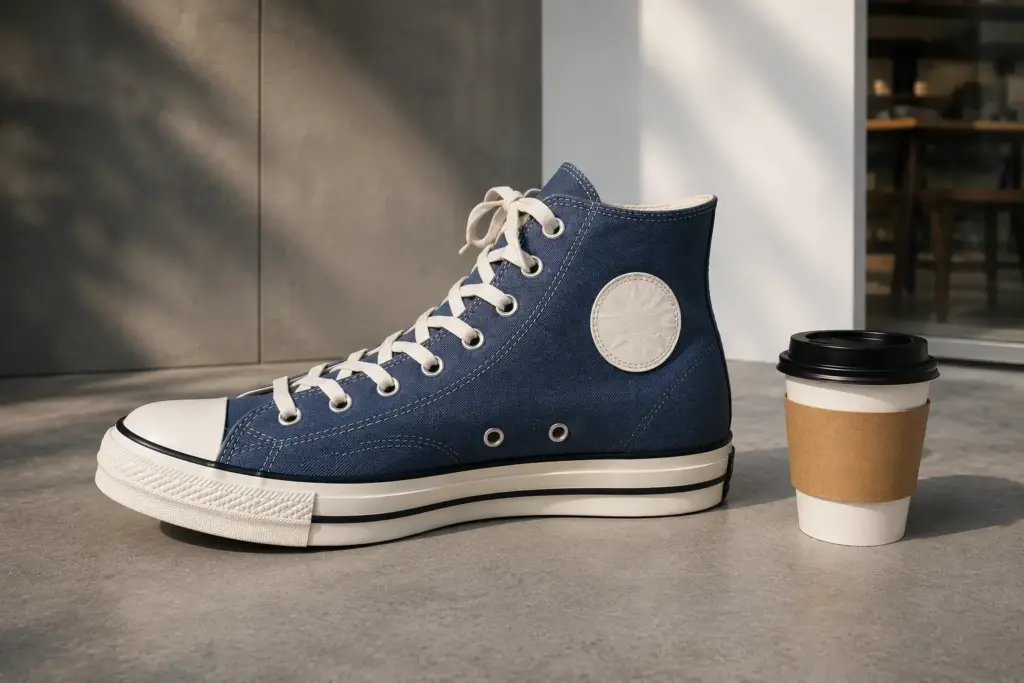
- Product replicas for hero launches
- Custom podiums and plinths
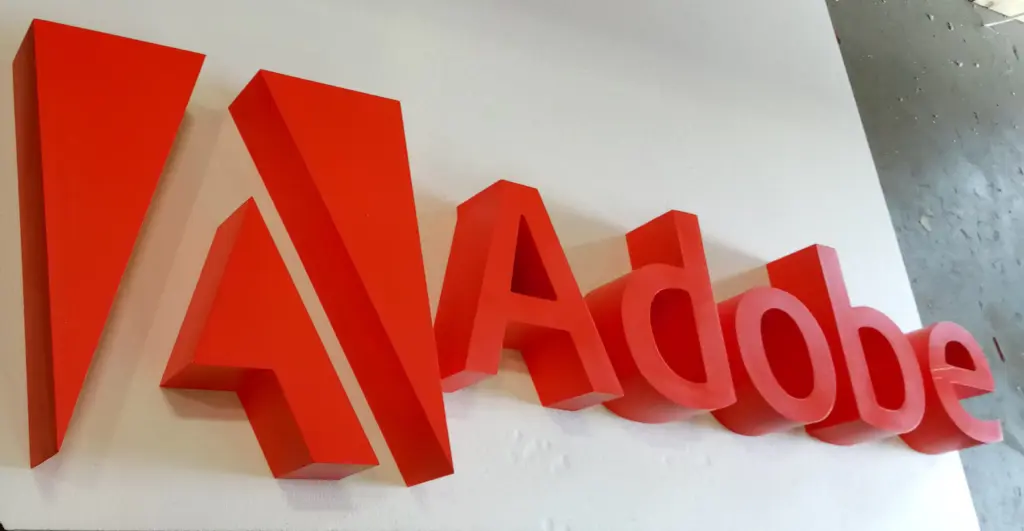
- Dimensional logos & branded letters
- Faux stone, brick, or wood textured surfaces
- Thematic sets for pop-ups and shop-in-shop zones
What It Means in Practice
Good visual merchandising gives products hierarchy. It tells the customer what to notice first, where to move next, and why a product feels premium, playful, technical, seasonal, or giftable. A flat graphic can carry a message, but a dimensional display can define a zone, frame a collection, lift a product, or create a storefront anchor.
Where Royal Foam Art Design Display Elements Are Used
Visual merchandising elements appear in storefront windows, flagship stores, department stores, pop-ups, showrooms, mall retail zones, shop-in-shop areas, product launch spaces, and seasonal campaigns.
Production Value: Royal Foam Art Design is most valuable when a project requires a custom physical presence: sculptural product replicas, lightweight themed sets, dimensional brand letters, textured panels, and display elements that install quickly without behaving like heavy millwork.
Visual Merchandising Element Matrix
| Element | Retail Use | Royal Foam Art Design Production Approach |
|---|---|---|
| Window Props | Seasonal storytelling | EPS foam, protective coating, custom paint |
| Product Replicas | Hero product launches | CNC shaping, polyurea hard coat |
| Podiums / Plinths | Product elevation & hierarchy | Reinforced lightweight build |
| Logos / Letters | Campaign identity & branding | Precision foam cutting, exact color matching |
| Thematic Sets | Pop-ups / shop-in-shop zones | Modular hybrid construction |
Design Logic: Hierarchy, Sightlines, and Store Flow
A retail display operates across multiple viewing distances:
- From Outside: Requires a strong, readable silhouette.
- From the Entrance: Creates a clear visual focal point.
- Up Close: Demands flawless finish quality, edge durability, and product clarity.
Engineering Sightlines & High-Touch Zones
Sightlines matter. A large prop should not hide merchandise, a podium should raise products without making them hard to reach, and a backdrop should add context without overpowering the offer. High-touch edges, corners, and lower contact sections receive reinforced coatings to endure public contact.
Materials and Fabrication Choices
- EPS Foam Core: Serves as the primary lightweight core for large retail forms, allowing fast CNC shaping, hot-wire cutting, and hand sculpting.
- Polyurea Hard Coat: Provides impact resistance, edge durability, and protection against dents, scratches, and handling.
- Polyurethane Casting: Essential for sharp profiles, repeated ornaments, small detailed features, and brand icons that require exact unit-to-unit consistency.
- Hybrid Reinforcements: Plywood, MDF, acrylic, PVC, internal steel tubing, base plates, hidden ballast, and mounting hardware are integrated depending on scale and stability needs.
Fabrication Decision Guide
| Method | Best For | Technical Advantage |
|---|---|---|
| EPS + Hard Coat | Large sculptural forms | Easy transport, low weight, and rapid installation |
| Polyurethane Casting | Repeated detailed elements | Sharp, highly consistent cast parts |
| Acrylic / PVC | Architectural & retail accents | Clean, high-precision lines and glossy finishes |
| Plywood / MDF | Bases & internal structural support | Superior stability and floor anchoring |
| Faux Textures | Stone, brick, and wood panels | Realistic visual effect at a fraction of real material mass |
Production Workflow & Retail Constraints
Every project follows a structured engineering pipeline:
- Brief & Concept Review: Assessing product type, campaign goals, dimensions, and customer contact levels.
- CAD / 3D Modeling: Digital shaping and modular segment planning.
- CNC Cutting & Mold Preparation: Machine shaping EPS cores or casting molds.
- Coating, Casting & Finishing: Hard coat application, sanding, color matching, and custom painting.
- Test Fitting & Protective Packing: Pre-assembly verification and delivery-ready packing.
Operational Efficiency: Retail campaigns run on strict deadlines. Lightweight modular construction allows rapid assembly within short installation windows (overnight or before store opening) without damaging retail finishes.
Business Value & Common Mistakes
Key Advantages
- Enhanced Visibility: Guides customer attention toward hero products and supports premium positioning.
- Reduced Logistics Overhead: Lightweight materials lower shipping, handling, and labor costs.
- Campaign Reusability: Modular, durable builds allow elements to be safely stored, refreshed, or reused across multiple store locations.
Mistakes to Avoid
- Treating visual merchandising as mere decoration rather than a tool for product hierarchy.
- Overbuilding with heavy millwork materials where lightweight foam builds perform better.
- Neglecting high-touch durability on lower display edges.
- Producing single-use displays that cannot be stored, transported, or reused.
Conclusion
Retail visual merchandising works best when creative direction, material selection, production engineering, and store operations are planned together. Royal Foam Art Design delivers display props that are visually compelling, durable, lightweight, and aligned with real-world campaign timelines.