


3D Logo & Branding Installations: Lightweight Dimensional Brand Architecture for Retail, Events, Offices, and Public Spaces
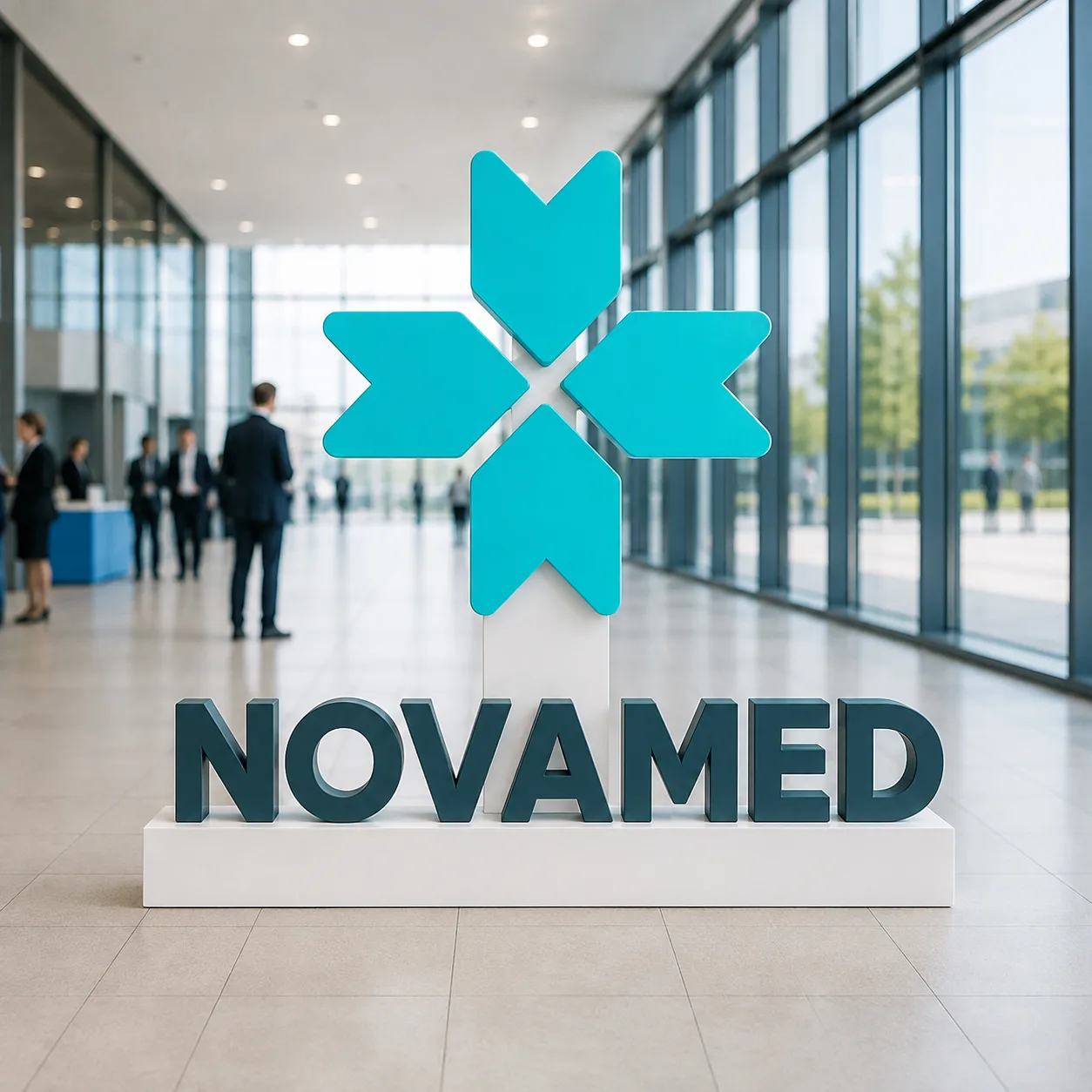
A flat logo identifies a brand. A three-dimensional logo gives that brand physical presence. In a retail store, corporate lobby, trade show booth, event entrance, stadium activation, hospitality environment, or branded office interior, a 3D logo becomes more than signage. It becomes a landmark, a photo point, a spatial anchor, and a piece of brand architecture.
The main challenge is that dimensional branding needs to look precise, premium, and permanent without becoming too heavy, too fragile, too expensive to install, or too difficult to transport. A large logo made from solid wood, MDF, acrylic, aluminum, steel, plaster, or resin can work in the right context, but once the size increases, the hidden costs grow quickly. Weight affects wall load, rigging, freight, crew size, installation time, storage, and site risk. EPS foam with polyurea hard coating solves many of those problems by delivering scale, depth, and brand accuracy with a much lighter structural burden.
A custom 3D branding installation may include oversized dimensional logos, freestanding letters, branded entrance features, suspended logo elements, wall-mounted dimensional marks, illuminated logo backdrops, step-and-repeat alternatives, corporate lobby emblems, trade show identity pieces, product-launch signage, branded sculpture, retail focal points, and multi-location brand kits. The right construction method depends on viewing distance, expected handling, indoor or outdoor placement, mounting method, finish quality, and reuse plan.
| 3D Branding Product | Common Use | Main Technical Priority |
|---|---|---|
| Freestanding logo / letters | events, photo ops, trade shows | base stability, low weight, clean finish |
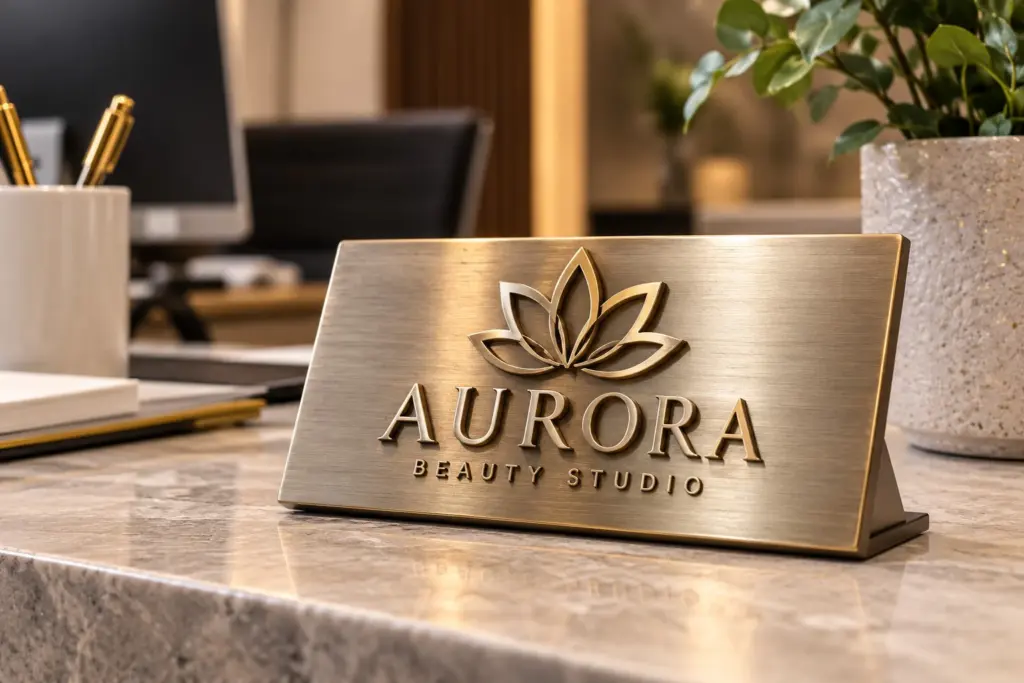
| Wall-mounted dimensional logo | lobbies, retail, offices | backing, fastening, shadow depth |
| Suspended brand element | event ceilings, booths, atriums | weight control, rigging points, load path |
| Illuminated 3D logo | retail, launches, hospitality | LED channels, diffusion, service access |
| Outdoor brand installation | plazas, entrances, campuses | UV, moisture, wind, coating durability |
| Multi-location brand kit | rollouts, tours, franchise systems | repeatability, packing, color consistency |
Material choice is the first technical decision. Fabrication-grade EPS foam commonly falls around 1.0–3.0 lb/ft³, while MDF may be around 40–50 lb/ft³, plywood around 30–45 lb/ft³, aluminum around 168 lb/ft³, and steel roughly 490 lb/ft³. A finished foam logo is not raw foam only. It may include polyurea hard coating, fiberglass reinforcement, plywood or PVC inserts, acrylic faces, LED modules, mounting plates, hidden ballast, threaded inserts, or protective topcoats. Even with those additions, EPS-based branding elements can often be 70–95% lighter than visually similar heavy-material builds.
That difference becomes critical at large scale. A 10-foot freestanding logo, 12-foot event wordmark, or 15-foot branded installation may need to move through freight elevators, loading docks, mall corridors, hotel lobbies, convention halls, or temporary event spaces. A lighter build can reduce handling labor by roughly 30–60% in many non-structural brand-display projects, depending on section size, access route, base design, mounting method, finish sensitivity, and whether the installation is modular or one-piece.
| Material | Strengths | Limitations for Large 3D Logos |
|---|---|---|
| EPS + polyurea | lightweight, scalable, customizable, repairable | needs correct coating and mounting design |
| MDF / plywood | rigid, familiar, easy to paint | heavy at scale, moisture-sensitive if not sealed |
| Acrylic | clean, glossy, good for faces and inserts | cracks under impact, expensive in thick sections |
| Aluminum | durable, premium, outdoor-capable | higher cost, fabrication complexity, weight |
| Steel | very strong, structural | excessive weight for many decorative brand elements |
| Fiberglass | durable, smooth, moldable | mold cost, repair complexity, longer tooling cycle |
| Solid plastic / resin | clean detail | heavy, costly, less practical for oversized volume |
Polyurea hard coating is one of the most important performance upgrades for EPS-based brand elements. It creates a tough protective shell that improves impact resistance, abrasion resistance, moisture resistance, and handling durability. For a low-contact indoor logo, the coating can be lighter and focused on surface smoothness. For a freestanding trade show logo, public photo-op, or outdoor installation, coating thickness and reinforcement should be increased at edges, corners, lower zones, and touch points. A practical hard-coat planning range is often about 2–10 mm, depending on size, exposure, interaction level, and finish requirements.
Brand accuracy is another critical factor. A 3D logo must respect proportion, geometry, spacing, color, edge profile, and finish. A flat logo file does not automatically translate into a buildable three-dimensional object. Thin strokes may need thickening. Sharp internal corners may need radius adjustments. Tall letters may need internal reinforcement or wider bases. Script logos may need hidden bridges, backing plates, or clear supports. Small registration errors become more visible when a logo is enlarged to 6, 10, or 15 feet.
The production process usually starts with vector artwork, brand guidelines, Pantone or RAL colors, site dimensions, placement photos, viewing distance, mounting requirements, and installation constraints. From there, the design moves into CAD layout, 3D modeling, proportional scaling, CNC routing, hot-wire cutting, hand finishing, sanding, coating, priming, color matching, final painting, test assembly, labeling, packing, and delivery preparation.
CNC cutting is especially useful for dimensional branding because logos depend on precision. It helps maintain repeatable curves, consistent letter thickness, clean bevels, accurate stroke widths, and aligned modular sections. Hand finishing still matters because real brand installations are often viewed up close. Edges must feel intentional, surfaces must be smooth, seams should be controlled, and the final sheen needs to match the brand environment.
| Production Step | Technical Purpose | Business Impact |
|---|---|---|
| Vector review | checks logo geometry and stroke thickness | prevents distorted brand marks |
| CAD / 3D modeling | converts flat artwork into buildable volume | improves approval accuracy |
| CNC cutting / routing | controls shape, depth, bevels, repeatability | supports multi-location consistency |
| Hard coating | protects foam core from dents and handling wear | increases durability and reuse value |
| Color matching | aligns paint with Pantone, RAL, or brand specs | protects brand identity |
| Test assembly | confirms seams, bases, alignment, and hardware | reduces install-day surprises |
Installation strategy should be selected before fabrication is complete. A freestanding logo may require a hidden base, removable ballast, steel or plywood reinforcement, wider footprint, or anti-tip planning. A wall-mounted logo may need cleats, threaded inserts, embedded plates, spacer standoffs, or substrate-specific fasteners. Suspended logos need weight documentation, internal load paths, rated rigging points, and coordination with venue rules. LED-integrated logos need wiring channels, access panels, power planning, diffusion material, serviceability, and heat-conscious layout.
Indoor and outdoor installations should not be built the same way. Indoor pieces usually prioritize finish quality, safe edges, stability, low weight, and brand accuracy. Outdoor pieces require stronger attention to UV exposure, moisture, wind, drainage, temperature swings, sealed seams, base anchoring, and topcoat durability. A logo that looks identical in renderings may need different coating systems and mounting hardware depending on whether it will sit inside a retail store or outside a corporate entrance.
| Mounting Method | Typical Technical Features | Key Planning Question |
|---|---|---|
| Freestanding | base plates, ballast, internal inserts, wide footprint | Will guests touch or lean on it? |
| Wall-mounted | cleats, spacers, embedded plates, backing board | What is the wall substrate? |
| Suspended | internal armature, rigging points, weight record | What is the approved load path? |
| Outdoor anchored | sealed coating, stronger base, UV topcoat | What wind and weather exposure is expected? |
| Modular / touring | labeled sections, hidden seams, repeatable joints | What is the largest section that can travel? |
| LED-integrated | wiring channels, acrylic diffusion, service panels | How will power and maintenance be accessed? |
The financial value of EPS-based 3D branding comes from more than fabrication cost. A lighter logo can reduce freight, lift equipment, crew size, installation hours, wall reinforcement, and damage risk. For event and trade show teams, that can mean faster load-in and easier strike. For retail or corporate teams, it can mean fewer building modifications. For agencies and brand managers, it means large visual ideas can be executed without turning the brand element into a heavy construction project.
Reusable branding is another major advantage. A foam-based logo can often be repaired, repainted, recoated, resized, rebranded, or adapted for future campaigns. A trade show logo may travel from city to city. A corporate event wordmark may be rebuilt with updated colors. A retail installation may be refreshed for a seasonal launch. When CNC files, paint recipes, coating notes, and assembly records are preserved, brands gain production consistency across multiple versions and locations.
There are also mistakes to avoid. Oversized logos should not be built only from a front-facing graphic file without considering depth, side profile, support, and viewing angle. Outdoor logos should not use indoor coating assumptions. Thin typography should not be enlarged without checking stability. High-gloss finishes should not be specified unless the surface preparation can support them. LED logos should not be designed after coating is complete. And freestanding letters should never be planned without base stability and public interaction in mind.
A strong 3D logo installation combines brand design, material science, fabrication accuracy, coating technology, and installation planning. EPS foam provides scale. Polyurea hard coating provides durability. CNC cutting provides precision. Hybrid reinforcement provides stability. Paint and finish systems provide brand alignment. Modular engineering provides transport and reuse value.
The final result should do more than display a logo. It should make the brand physically present, visually memorable, easier to photograph, practical to install, and economical to reuse. That is the real advantage of custom 3D Logo & Branding Installations: dimensional brand impact without the unnecessary weight, cost, and logistical friction of traditional heavy-material builds.
Recommended Articles
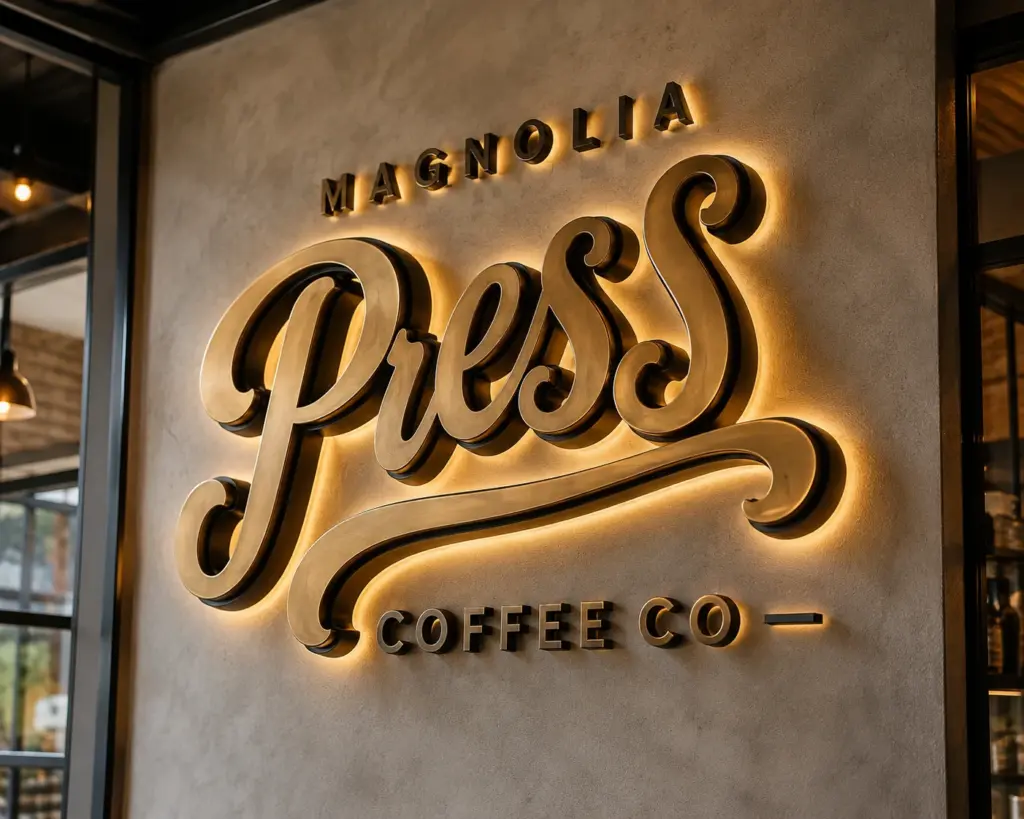
Outdoor LED Signs: Custom Illuminated Foam and HDU Signage for Storefronts, Hotels, Restaurants, and Monument Entrances
See the results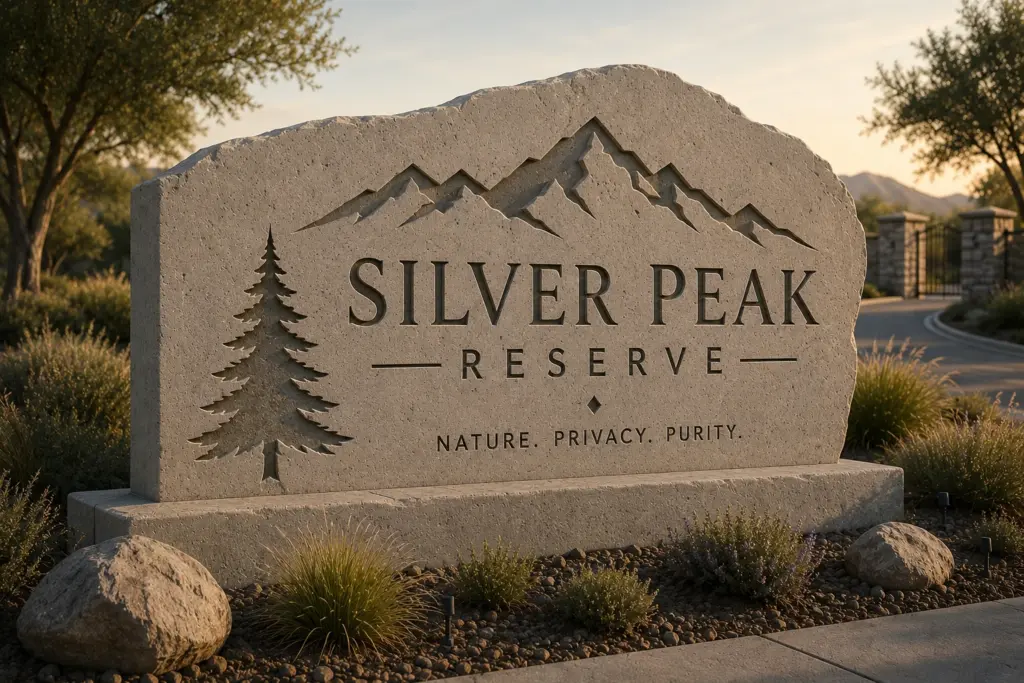
Molds for Cast Stone Signs: Master Patterns, Mold Fabrication, and Lightweight Stone-Look Monument Signage for Communities, Resorts, and Estates
See the results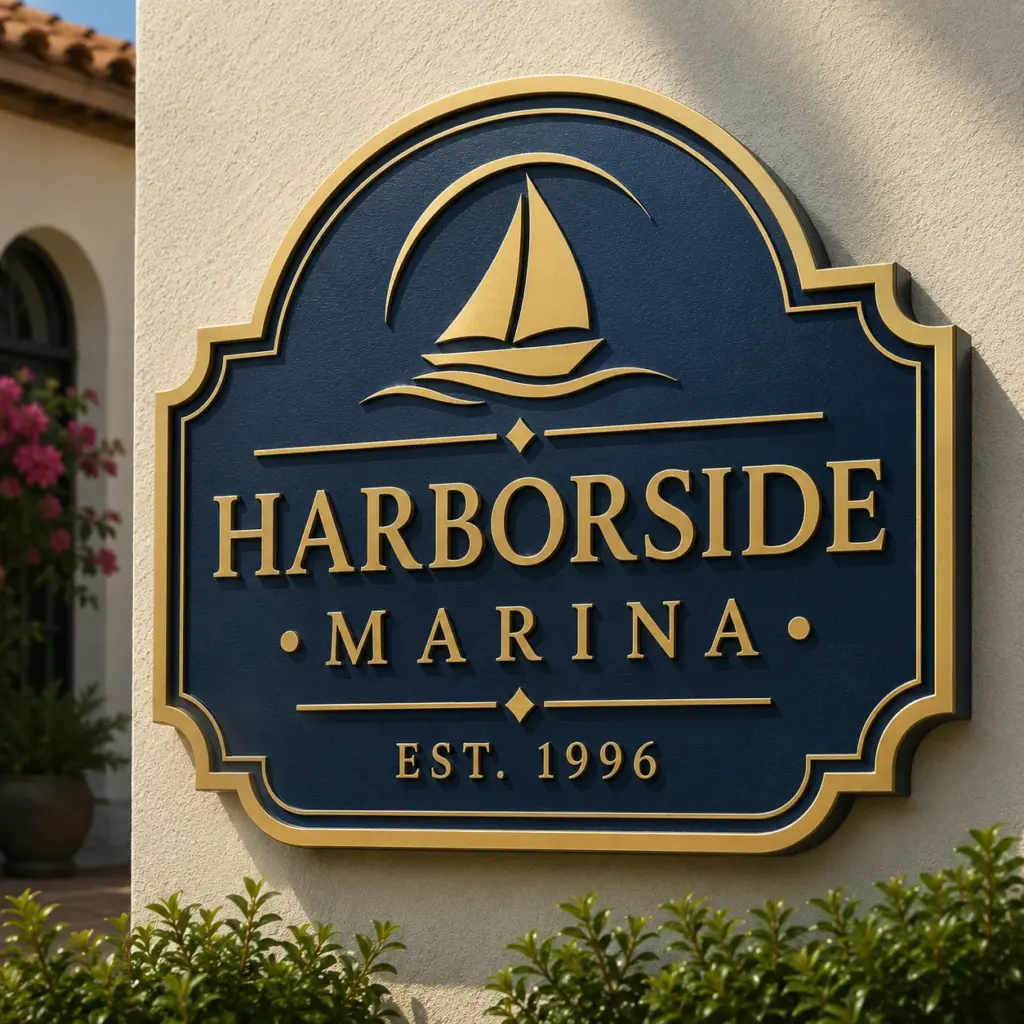
Sandblasted & V-Carved Signs: Lightweight HDU and Foam Dimensional Signage for Resorts, Clubs, Restaurants, and Private Estates
See the results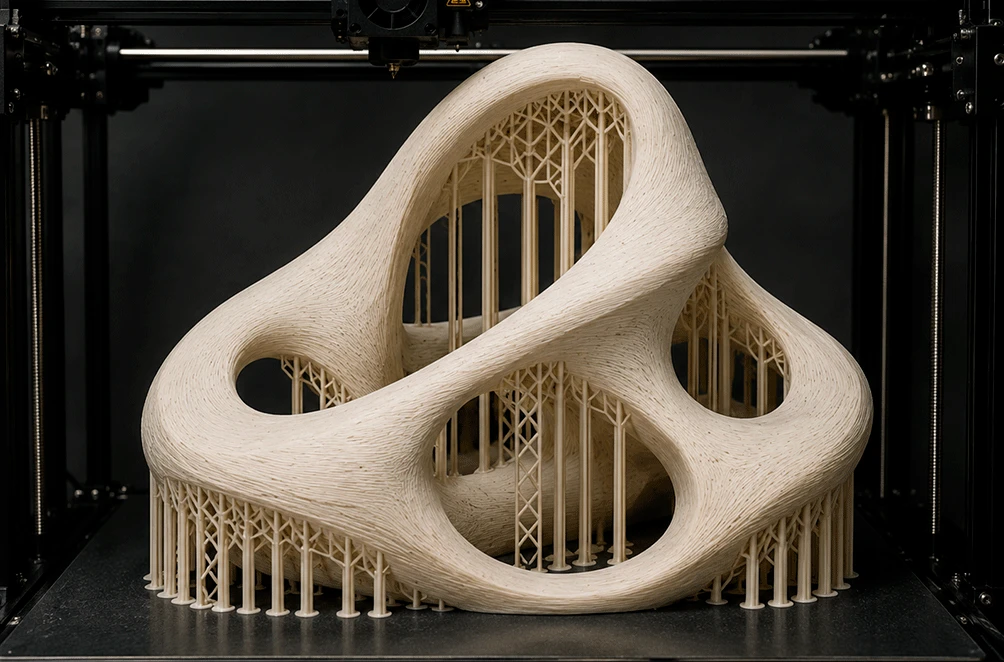
Industrial 3D Printing for Large-Scale Custom Fabrication: From Digital Model to Production-Ready Parts
See the results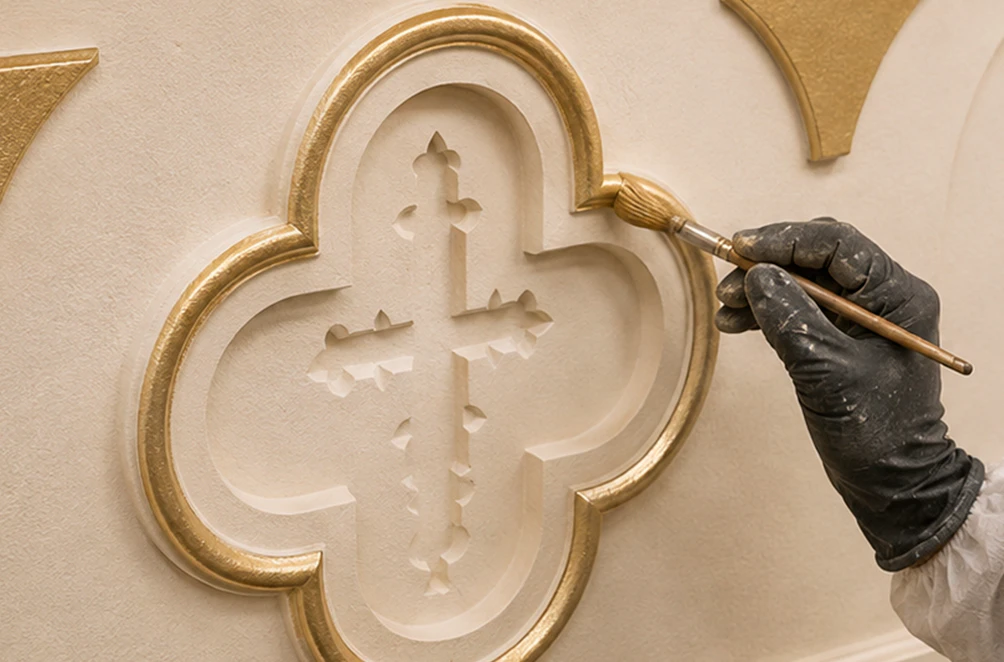
Designs for Places of Worship: Lightweight Architectural Elements for Sacred, Community, and Prayer Spaces
See the results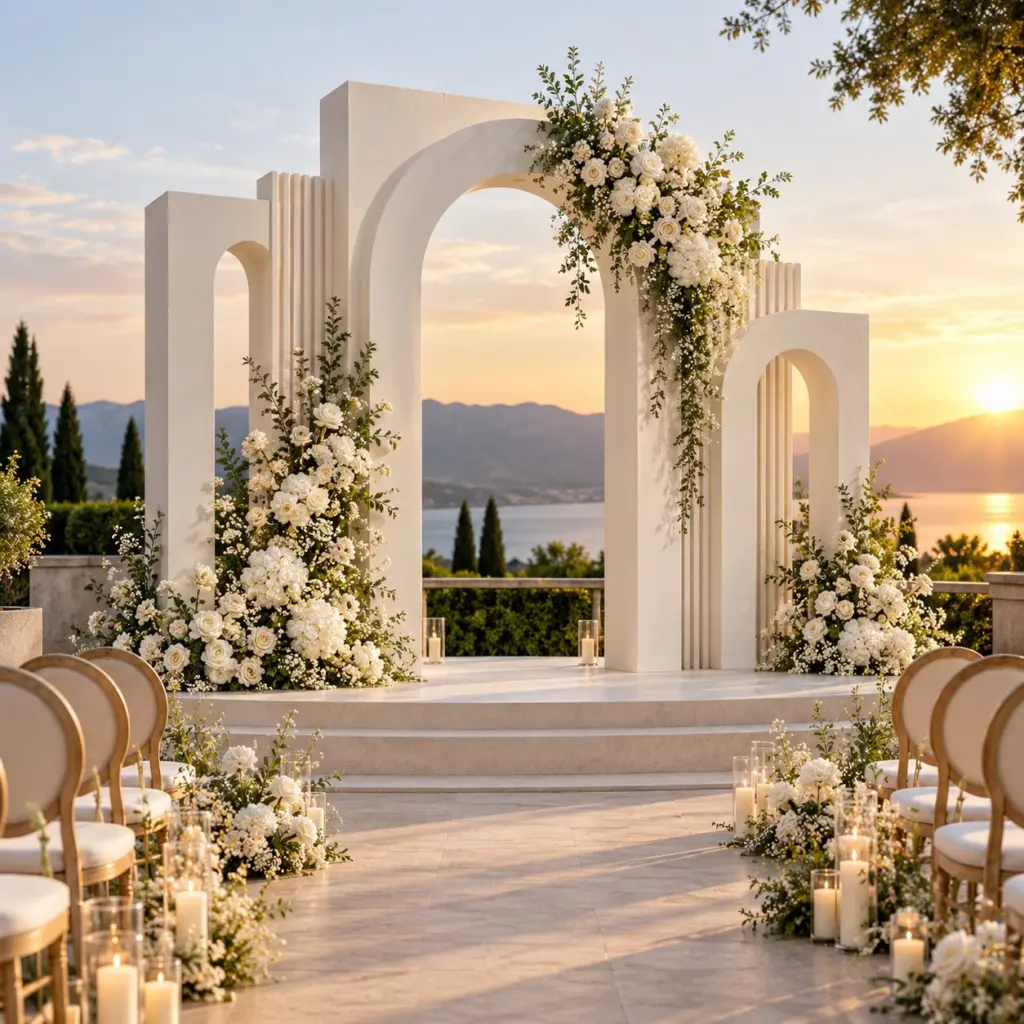
Wedding Arch Colonnades: Technical Fabrication for Luxury Ceremony Entrances, Aisle Architecture, and Event Spatial Design
See the results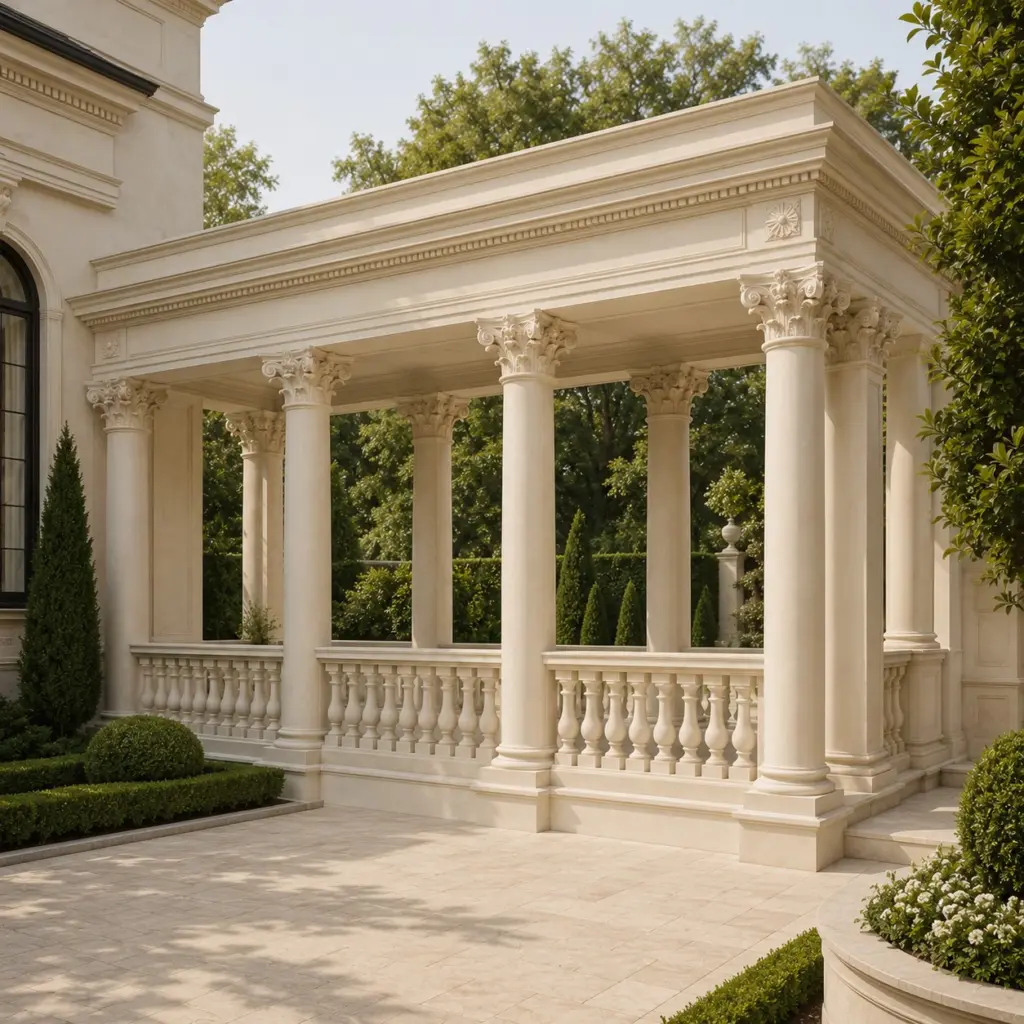
Architectural Shapes: Lightweight Custom Forms for Interiors, Exteriors, Homes, Buildings, and Branded Spaces
See the results
Foam Routed Signs: Precision-Cut Dimensional Signage for Lightweight, Custom, and Architectural Brand Environments
See the results
Foam Monument Signs: Lightweight Architectural Signage for Entrances, Campuses, Retail Plazas, and Brand Landmarks
See the results