
Industrial 3D Printing for Large-Scale Custom Fabrication: From Digital Model to Production-Ready Parts
Industrial 3D printing is no longer only a prototyping tool. For custom fabrication, events, commercial displays, architectural elements, product replicas, themed environments, and sculptural forms, it is a production method that can convert complex CAD geometry into physical parts without the same tooling burden required by molding, carving, or multi-step assembly. In technical language, 3D printing sits under additive manufacturing: parts are built from 3D model data by adding material layer by layer, while common industrial categories include material extrusion, vat photopolymerization, binder jetting, powder bed fusion, sheet lamination, material jetting, and directed energy deposition.
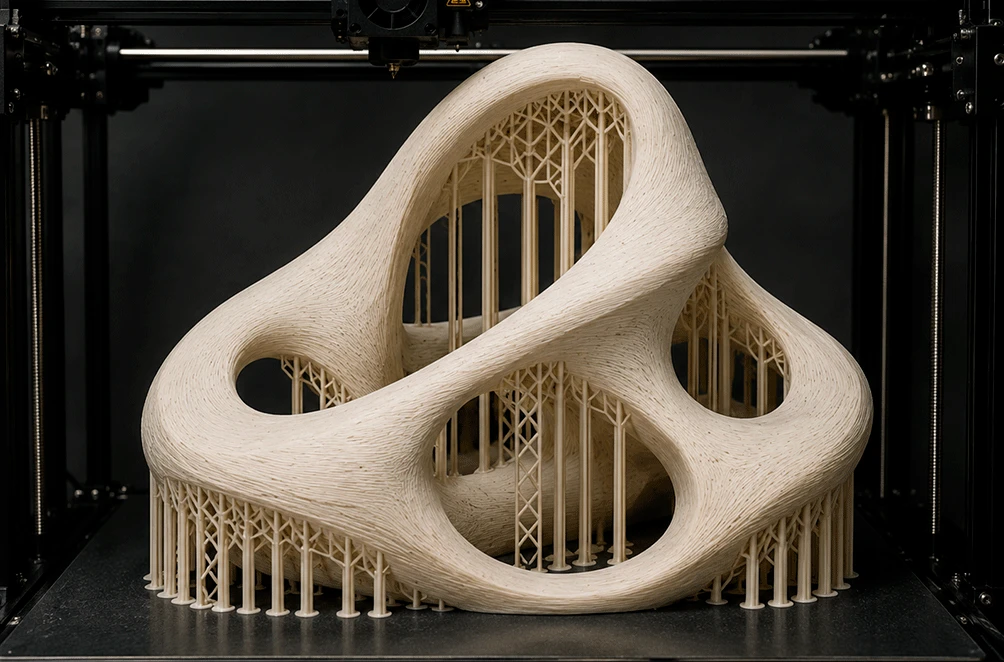
For Royal Foam Art Design’s work, the most relevant approach is large-format material extrusion, especially FDM/FFF-style printing and LFAM workflows, where thermoplastics are deposited in controlled layers to form large, lightweight shapes. The Royal Foam Art Design catalogue positions Industrial 3D Printing as a solution for projects that demand scale, speed, and design complexity. It specifically highlights large-format machines, custom slicing software, massive structures, components, display elements, repeatable production runs, finishing, assembly, and installation-ready results.
What Industrial 3D Printing Produces: Replicas, Sculptures, Molds, and Display Frames
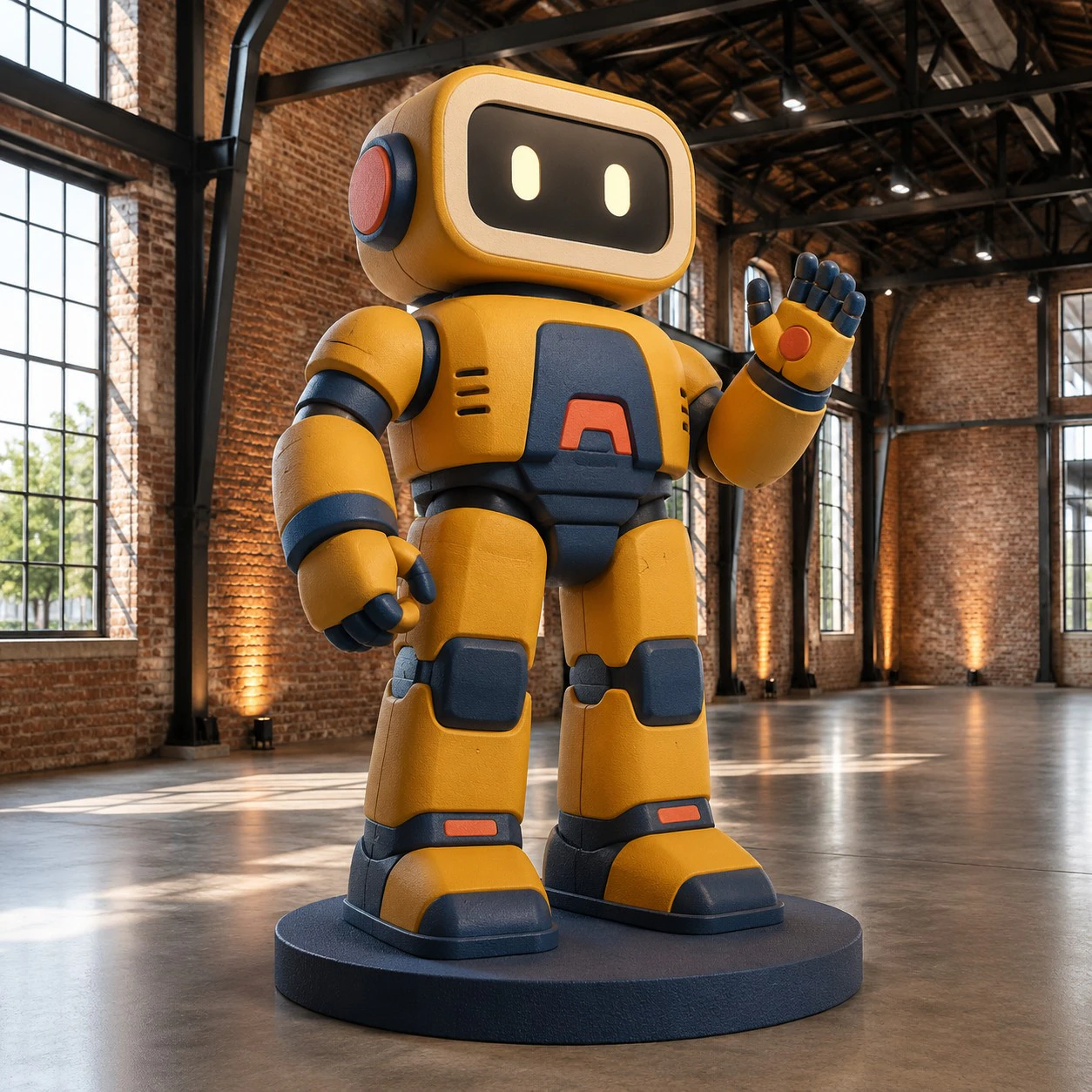
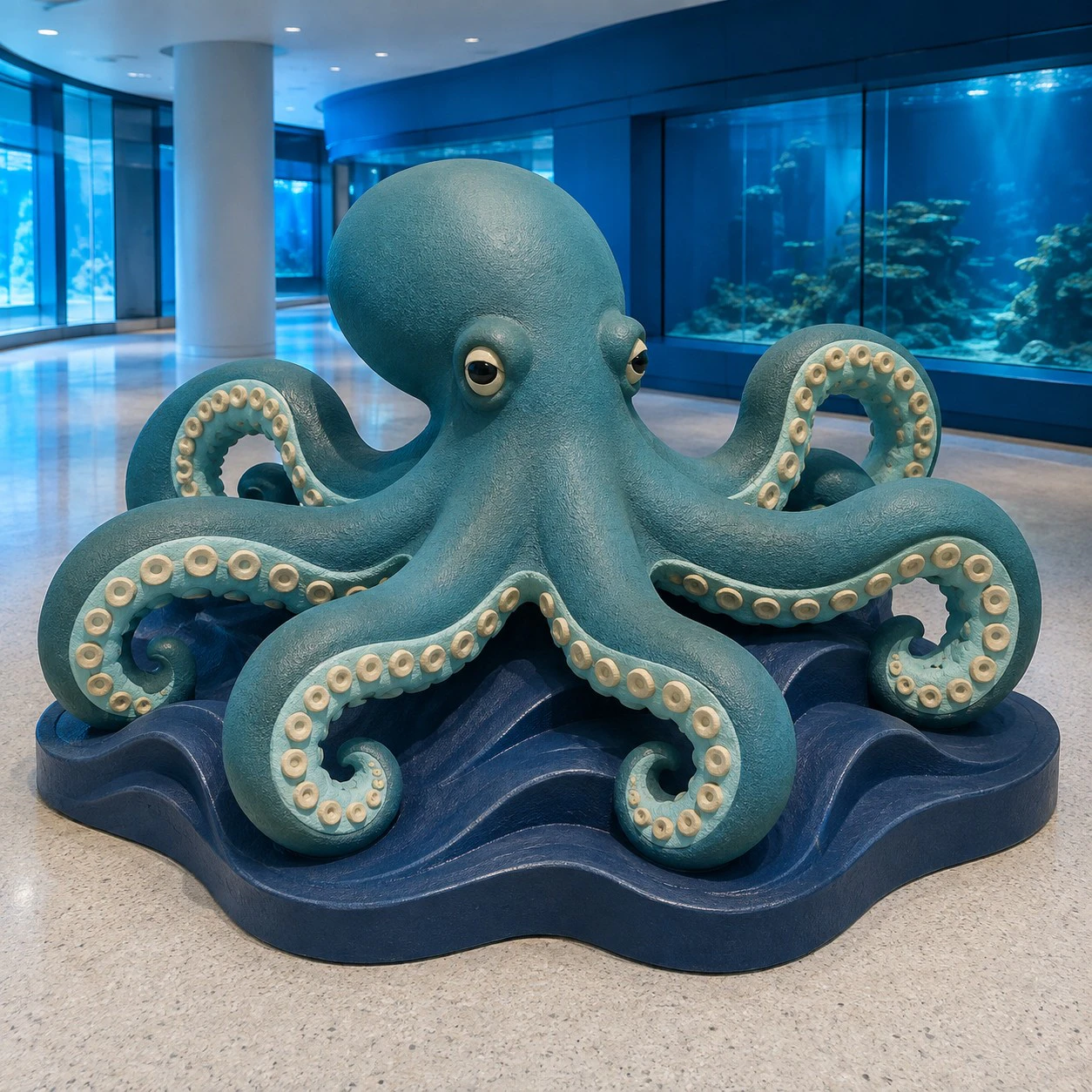
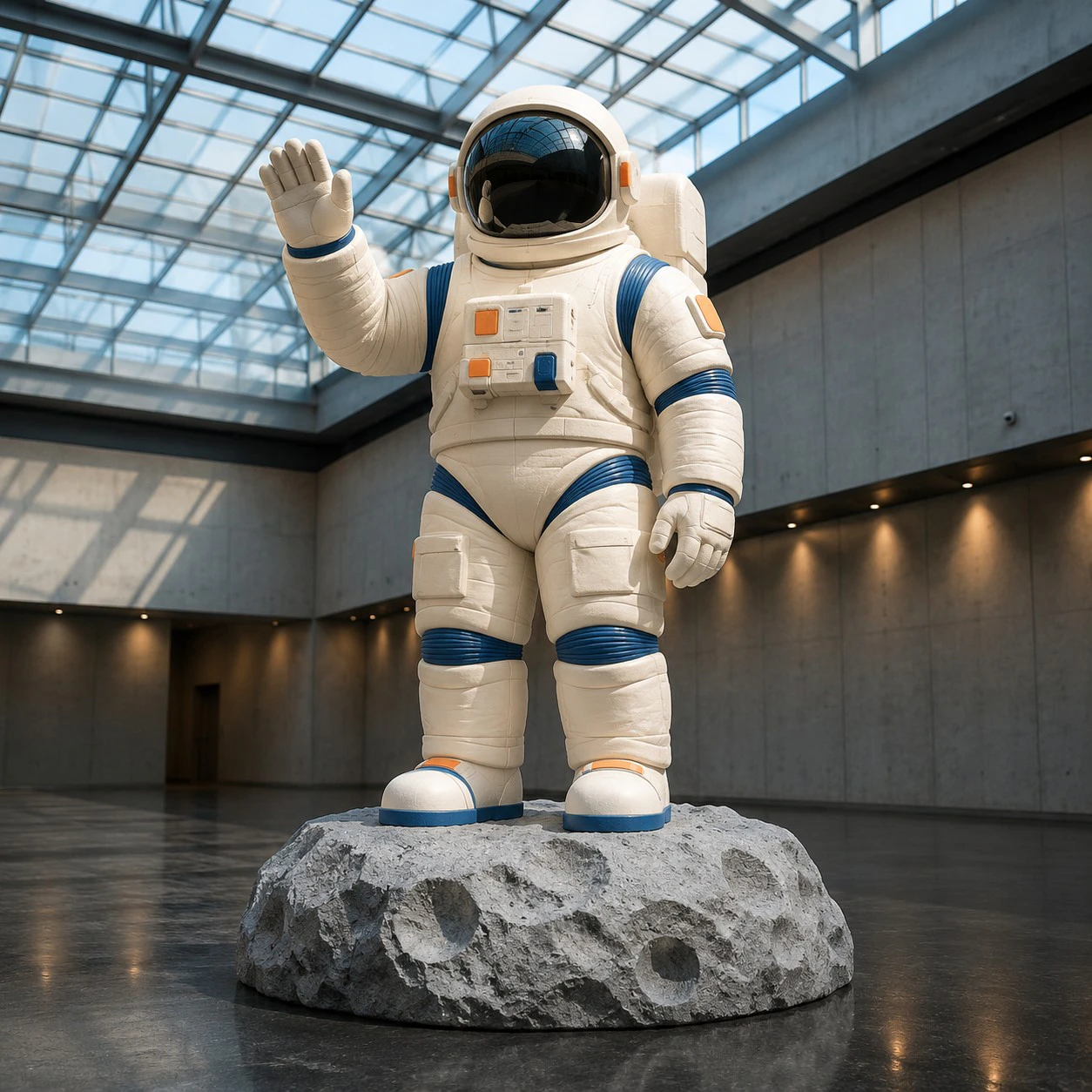
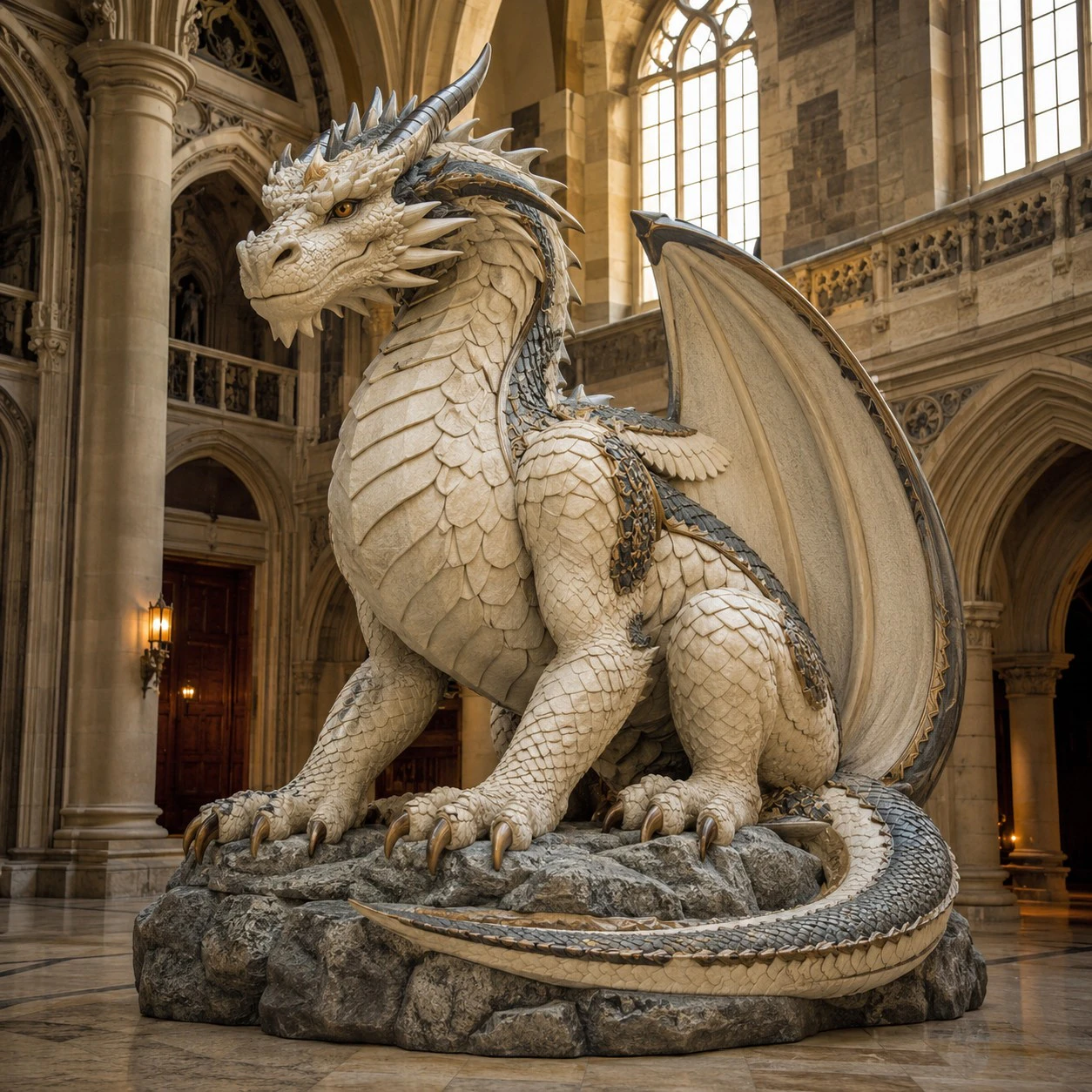
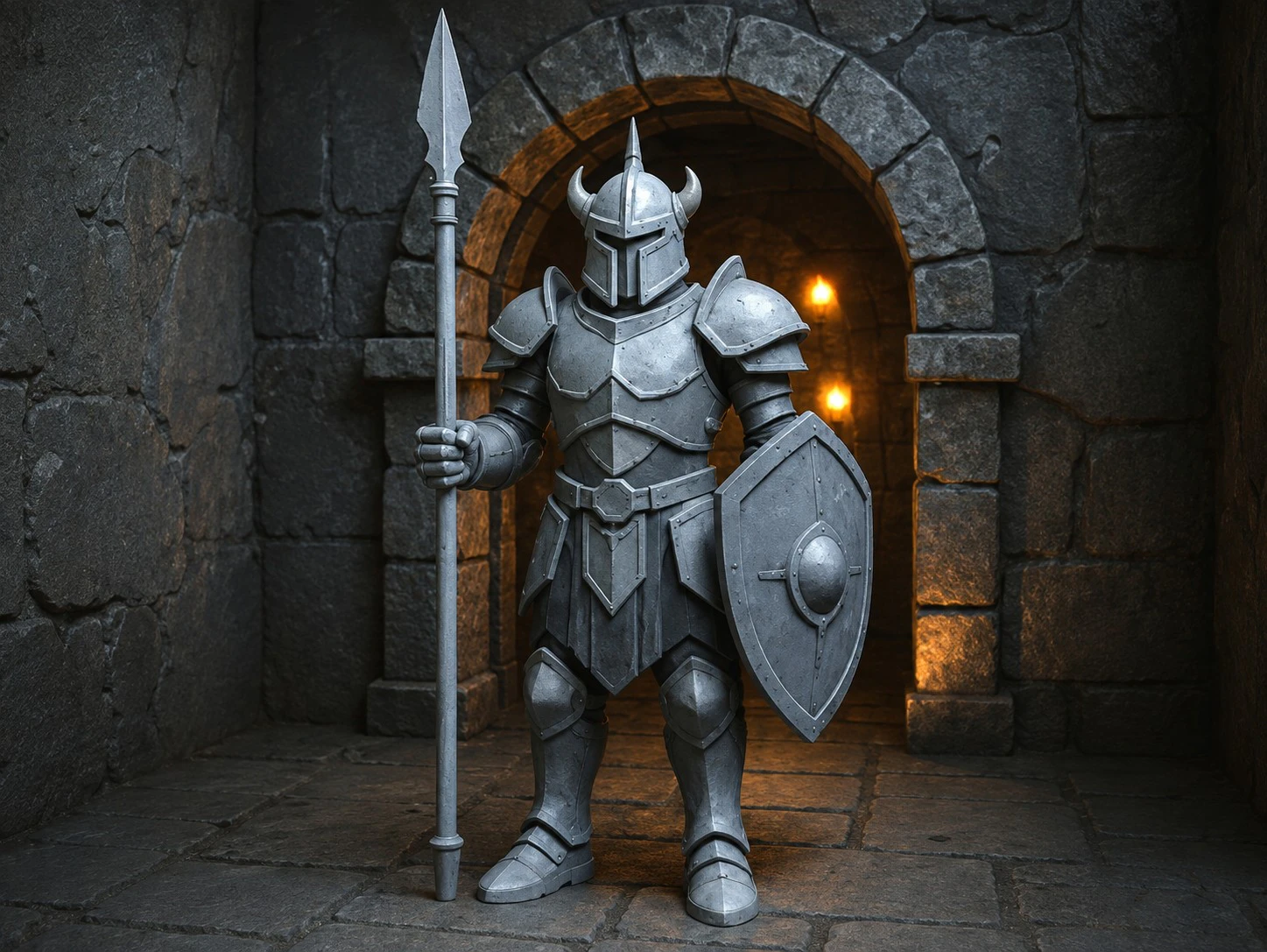
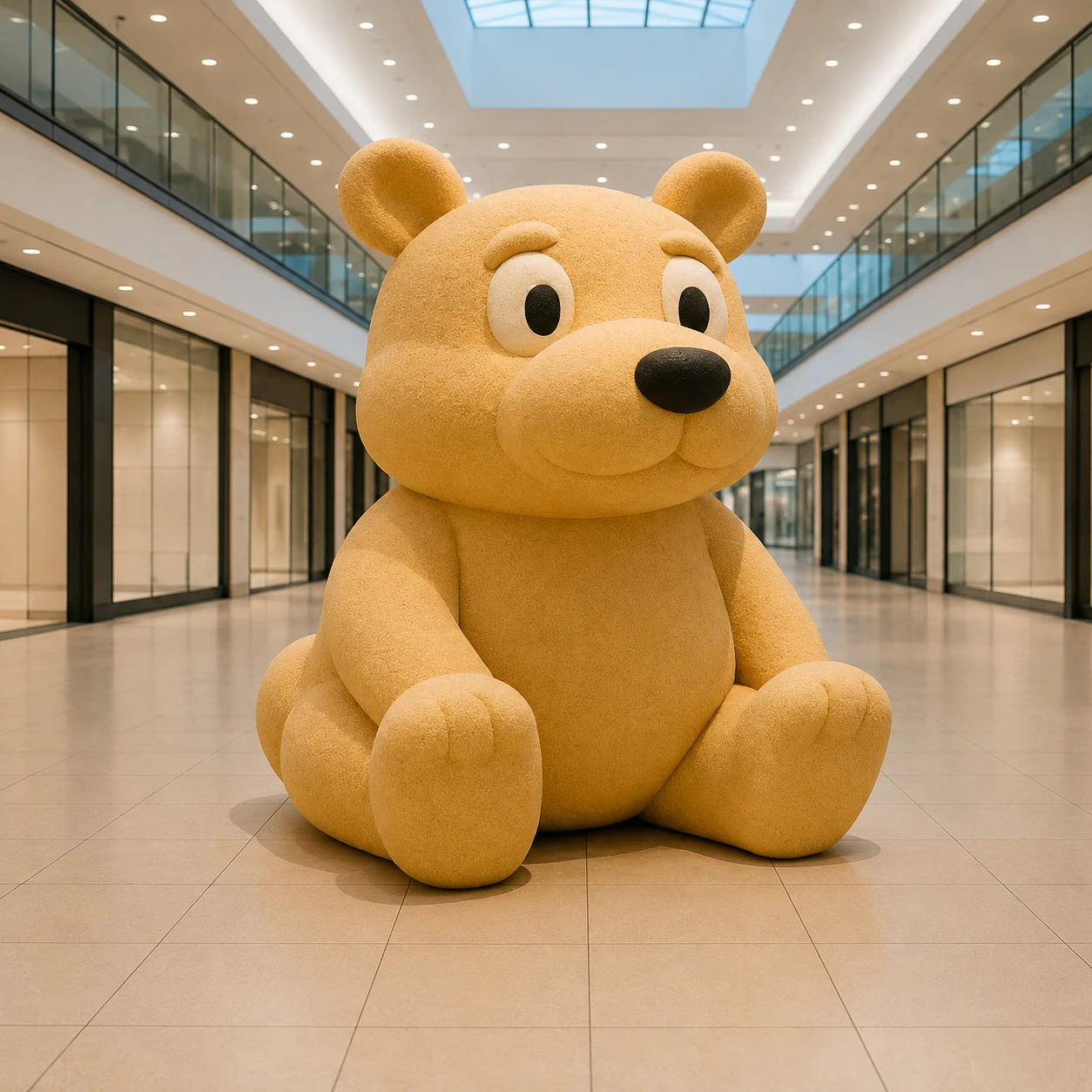
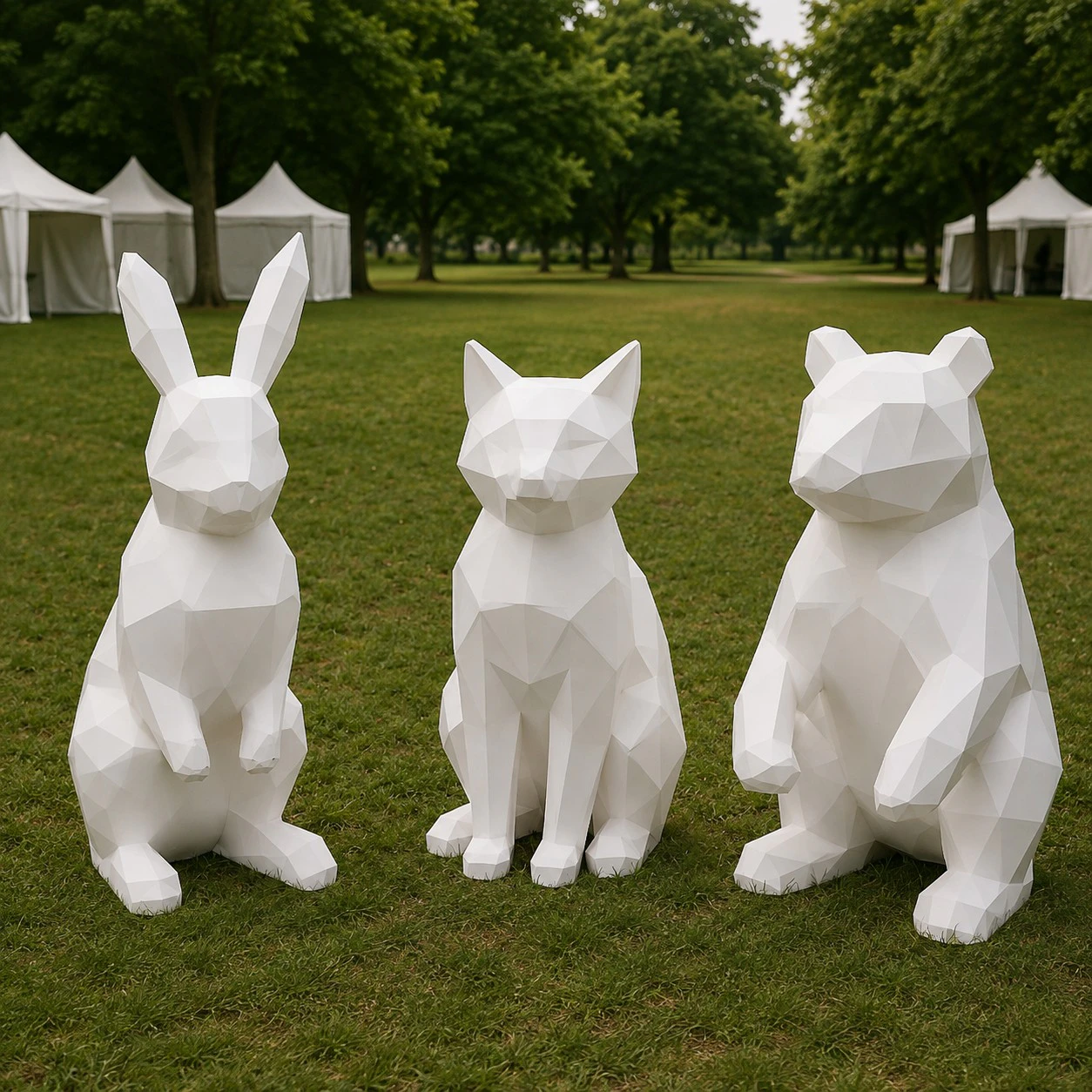
In custom fabrication, industrial 3D printing is strongest when the geometry is too complex for flat-sheet construction, too repetitive for hand sculpting, or too time-sensitive for traditional tooling. It can produce oversized product replicas, sculptures, molds, signage elements, display frames, architectural mockups, decorative shells, fixture components, dimensional prototypes, and modular scenic parts. The catalogue also notes applications across trade show environments, film sets, marketing activations, product prototyping, and commercial architecture.
| Product category | Typical use | Practical advantage |
|---|---|---|
| Oversized product replicas | Retail launches, brand activations, trade shows | Accurate form, scalable size, repeatable geometry |
| Sculptural props | Events, film, themed spaces, museums | Complex curves without full hand carving |
| Molds and tooling patterns | Casting, coating, vacuum forming, fiberglass | Faster master models and repeatable surfaces |
| Display frames and housings | Exhibits, kiosks, illuminated elements | Integrated cavities for LEDs, wiring, panels |
| Architectural components | Mockups, ornaments, custom shells | Digital precision and consistent modular parts |
3D Printing Materials and Technical Parameters: PLA, PETG, ABS, ASA, and Nylon
Material selection depends on size, required strength, heat exposure, finish quality, indoor/outdoor use, and whether the part is structural or mostly visual. Common industrial printing materials include PLA, PETG, ABS, ASA, nylon, polycarbonate, TPU, and fiber-filled composites such as carbon-fiber or glass-fiber reinforced nylon. For large-format display work, PETG and ASA are often practical because they balance printability, impact resistance, and finish quality. ASA is especially useful for exterior-facing pieces because it generally performs better under UV exposure than basic ABS. PLA is easy to print and useful for models, masters, and indoor decorative parts, but it is not ideal for heat-prone environments.
Large-Format Nozzle Size and Layer Height
Large-format extrusion uses bigger nozzles than desktop printing. A desktop printer may use a 0.4 mm nozzle and 0.12–0.30 mm layer height, while industrial large-format equipment may use nozzles from roughly 1–8 mm or more, with layer heights from about 0.5–5 mm depending on speed and surface requirements. This improves output rate but creates visible bead lines that must be planned for. If a part will be sanded, coated, skimmed, primed, or painted, a larger bead can be acceptable. If the part needs fine surface detail, smaller beads, secondary machining, or hybrid foam/CNC finishing may be better.
Material Comparison Table
| Material | Strengths | Limitations | Best use |
|---|---|---|---|
| PLA | Easy printing, low cost, good model detail | Low heat resistance, limited outdoor use | Prototypes, masters, indoor forms |
| PETG | Tougher than PLA, good layer bonding | Can string, needs finishing for premium surfaces | Displays, housings, indoor/outdoor protected use |
| ABS | Impact resistant, sandable | Warping, fumes, UV limitations | Painted components, production shells |
| ASA | UV/weather resistance, good exterior option | Requires controlled printing | Outdoor signage shells, exterior props |
| Nylon | Tough, flexible, abrasion resistant | Moisture-sensitive before printing | Functional brackets, repeated-use components |
| CF/GF composites | Stiffer, better dimensional stability | More abrasive, higher machine requirements | Lightweight structural skins, brackets, tools |
Printing Strategy: Geometry, Slicing, and Part Segmentation
The real engineering value of industrial 3D printing is not just the machine. It is the digital workflow. A successful project starts with CAD cleanup, wall thickness planning, part orientation, slicing, support strategy, seam location, infill selection, and assembly logic. Large pieces often need to be printed in sections several feet in size, then bonded, mechanically fastened, reinforced, sanded, filled, and coated. The catalogue specifically notes that parts can be printed individually up to several feet in size and then assembled seamlessly into massive final forms.
Shell Thickness, Infill, and Internal Channels
For visual components, shell thickness may range from 0.12–0.50 in depending on part size and use. Infill can range from 5–15% for low-stress visual props to 20–40% for handling, mounting, or repeated-use parts. Critical areas may require solid inserts, plywood or aluminum backing, threaded hardware, ribs, or embedded plates. A hollow printed sculpture can be several times lighter than a carved solid form and can also include internal channels for wiring, LEDs, sensors, speakers, or mounting points.
3D Print Surface Finishing and Coatings: Sanding, Polyurea, and Paint
A raw printed part is rarely the final product. Industrial 3D printing becomes production-ready through post-processing. Common finishing steps include support removal, sanding, gap filling, heat-set insert installation, bonding, seam blending, skim coating, primer, paint, clear coat, and sometimes polyurea or polyurethane protective coating.
The Royal Foam Art Design catalogue specifically lists B2B support after printing: sanding, gap filling, sealing, polyurea spray, primer, paint, assembly, mounting preparation, shipping coordination, and packaging. This matters because many clients do not only need a printed object; they need a presentation-ready asset that can arrive on site ready for installation.
| Finish option | Purpose | Typical application |
|---|---|---|
| Sanding + filler primer | Reduces layer lines | Product replicas, trade show pieces |
| Epoxy or skim coat | Smooths larger bead texture | High-end display surfaces |
| Polyurea / polyurethane | Adds impact and abrasion resistance | Props, outdoor pieces, high-contact assets |
| Automotive paint | Premium color and gloss control | Retail, product replicas, branded objects |
| Textured coatings | Stone, metal, wood, concrete effects | Scenic, architectural, themed environments |
Industrial 3D Printing vs EPS Foam, CNC Routing, Molding, and Traditional Fabrication
Industrial 3D printing is not automatically better than EPS foam, CNC routing, fiberglass molding, or plywood construction. The best method depends on geometry, quantity, finish, strength, and lead time. EPS foam is still highly efficient for very large volumes and sculptural mass, especially when coated with polyurea. CNC routing is excellent for clean repeated profiles and flat or relief surfaces. Fiberglass molding makes sense when many identical durable shells are needed. Industrial 3D printing becomes the stronger option when complex curves, internal cavities, digital repeatability, and low tooling cost matter.
| Method | Best advantage | Main limitation |
|---|---|---|
| Industrial 3D printing | Complex geometry, repeatability, internal cavities | Post-processing needed for premium finish |
| EPS foam + hard coat | Very large lightweight volume | Less ideal for thin functional details |
| CNC routing | Fast accurate cutting from blocks/sheets | Tool access limits deep undercuts |
| Fiberglass molding | Durable repeatable shells | Higher tooling cost and longer setup |
| Plywood/MDF build | Strong flat structures | Heavy, labor-intensive, less organic |
Tooling Cost, Sculpting Time, and Lead Time Savings
Depending on the part, industrial 3D printing may reduce tooling cost by 40–80% compared with creating traditional molds for a small run. It may reduce manual sculpting time by 30–60% on complex organic forms. For one-off or short-run projects, it can also compress design-to-part timelines because geometry can move directly from CAD to slicing to production. Large-scale AM research also notes that large-scale processes use higher material deposition rates to shorten production duration, but the design must account for process resolution and nozzle size.
Business Value of Industrial 3D Printing for B2B Clients
For event producers, agencies, retailers, architects, and fabrication teams, the value is practical. Industrial 3D printing allows rapid iteration: a small test model can be printed first, reviewed, adjusted, and then scaled to production. It also improves repeatability. If a project needs five matching product replicas, ten modular display housings, or a consistent branded element across several locations, the same digital file can drive repeat production. The catalogue makes the same point: 3D printing supports flexibility across prototyping and scaling because teams can quickly produce test models and then scale once the design is locked.
It also helps reduce material waste. Subtractive fabrication removes material from a block or sheet; additive fabrication places material only where the toolpath requires it, although supports, failed prints, and post-processing waste must still be managed. The strongest savings usually come from avoiding tooling, reducing hand labor, minimizing redesign delays, and improving consistency.
Common Risks and Planning Mistakes in Large-Format 3D Printing
The most common mistake is treating 3D printing as “press print and receive a finished object.” Industrial printing is a controlled production workflow. Designers must account for layer direction, anisotropic strength, warping, shrinkage, bead visibility, support removal, seam placement, tolerance stack-up, thermal behavior, and coating compatibility. Large parts also need shipping strategy: section size, crate design, lifting points, repair kits, labeling, and install sequence.
Another mistake is choosing printing when foam, CNC, or molding would be faster. A six-foot smooth sphere may be better as foam plus hard coat. A complex organic shell with hidden LED channels may be better printed. A repeated run of dozens of identical parts may justify a mold. Expert production planning chooses the method that matches the job, not the method that sounds most advanced.
Engineering Takeaway: From Digital Design to Physical Brand Experience
Industrial 3D printing is most valuable when it is treated as a full fabrication system: CAD, slicing, material selection, print orientation, reinforcement, finishing, coating, assembly, packaging, and installation. For Royal Foam Art Design, it expands what can be built: lightweight sculptures, detailed product replicas, architectural components, display elements, molds, shells, and modular production parts with repeatable accuracy.
The technology gives creative teams more freedom, but its real B2B value is operational: faster iteration, lower tooling burden, controlled repeatability, lighter assemblies, and better integration of lighting, mounting, and service access. When combined with EPS foam, CNC cutting, polyurea hard coating, painting, and traditional fabrication, industrial 3D printing becomes not just a production method, but a bridge between digital design and physical brand experience.
Recommended Articles

Outdoor LED Signs: Custom Illuminated Foam and HDU Signage for Storefronts, Hotels, Restaurants, and Monument Entrances
See the results
Molds for Cast Stone Signs: Master Patterns, Mold Fabrication, and Lightweight Stone-Look Monument Signage for Communities, Resorts, and Estates
See the results
Sandblasted & V-Carved Signs: Lightweight HDU and Foam Dimensional Signage for Resorts, Clubs, Restaurants, and Private Estates
See the resultsIndustrial 3D Printing for Large-Scale Custom Fabrication: From Digital Model to Production-Ready Parts
See the results
Designs for Places of Worship: Lightweight Architectural Elements for Sacred, Community, and Prayer Spaces
See the results
Wedding Arch Colonnades: Technical Fabrication for Luxury Ceremony Entrances, Aisle Architecture, and Event Spatial Design
See the results
Architectural Shapes: Lightweight Custom Forms for Interiors, Exteriors, Homes, Buildings, and Branded Spaces
See the results
Foam Routed Signs: Precision-Cut Dimensional Signage for Lightweight, Custom, and Architectural Brand Environments
See the results
Foam Monument Signs: Lightweight Architectural Signage for Entrances, Campuses, Retail Plazas, and Brand Landmarks
See the results