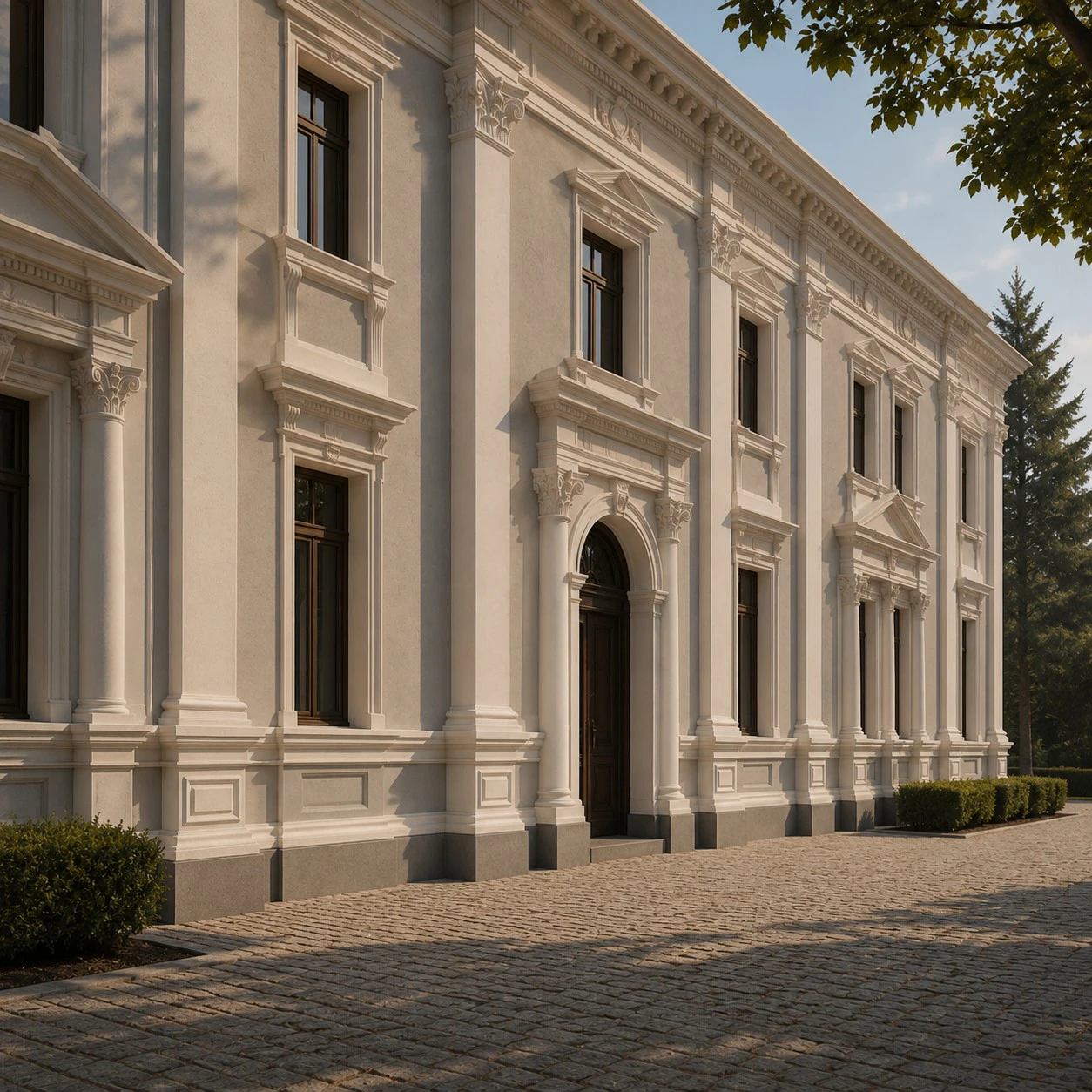
Architectural Shapes: Lightweight Custom Forms for Interiors, Exteriors, Homes, Buildings, and Branded Spaces
Architectural shapes are one of the most flexible categories in custom foam fabrication because they sit between design, construction, décor, and visual storytelling.
Where Architectural Foam Shapes Are Used: Homes, Buildings, and Branded Spaces
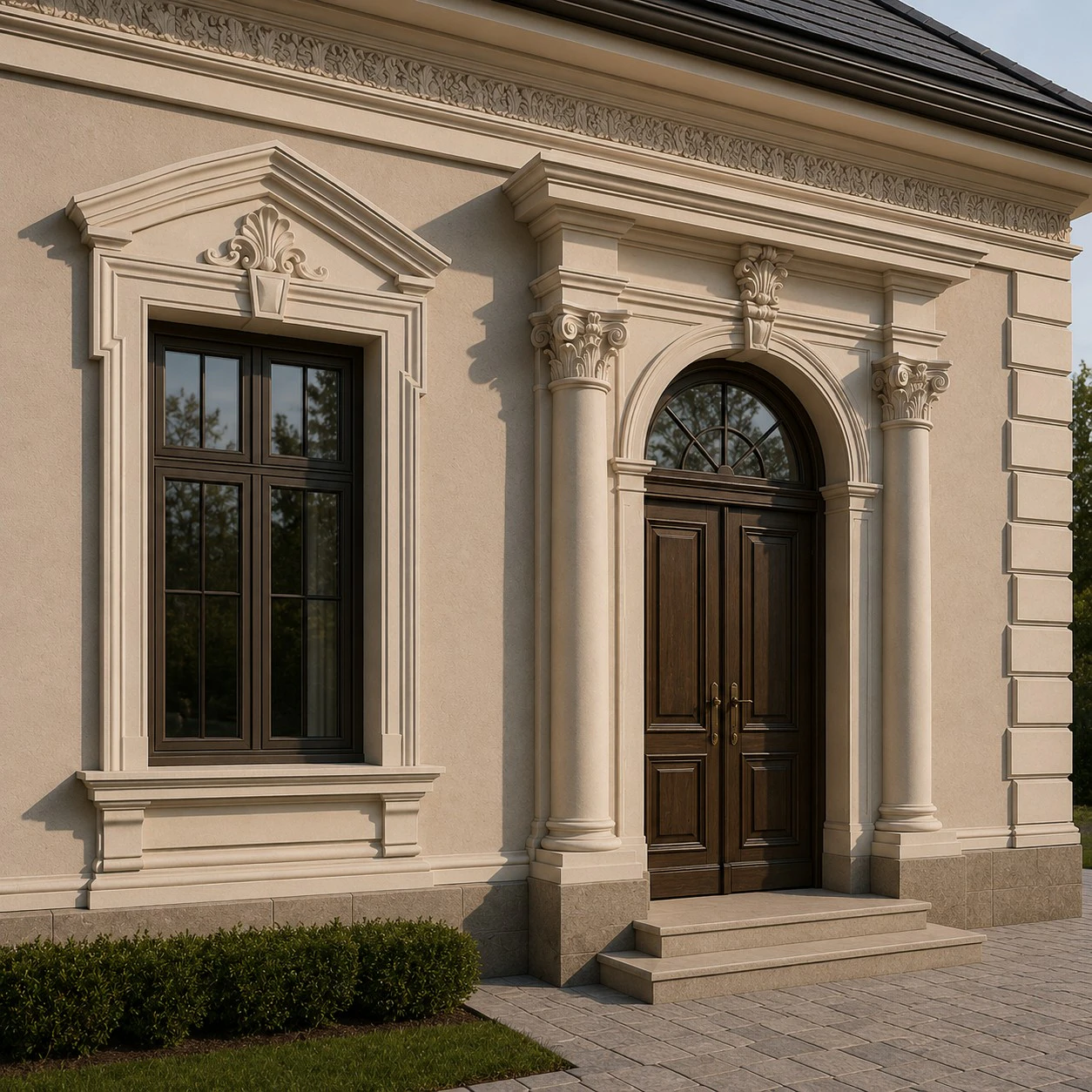
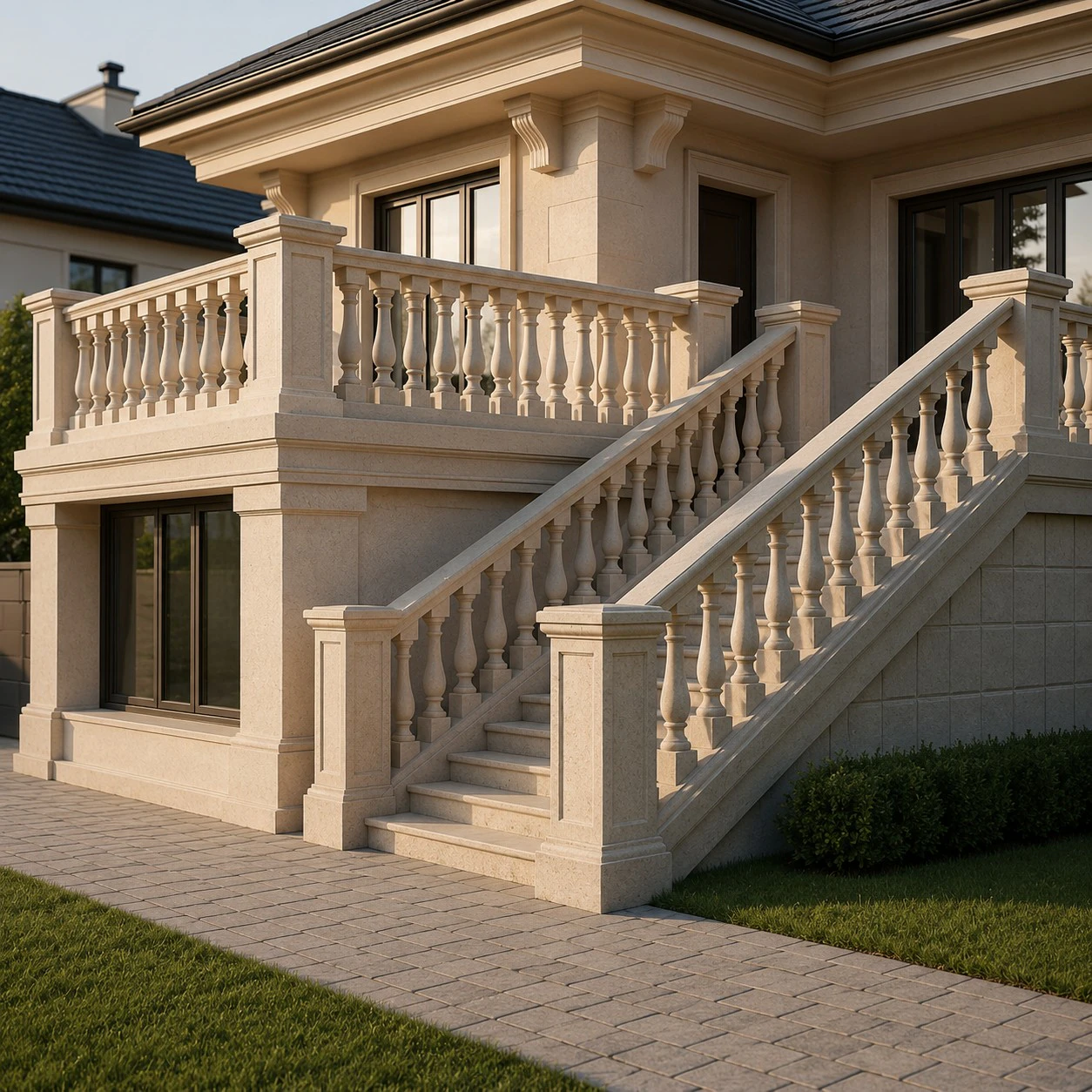
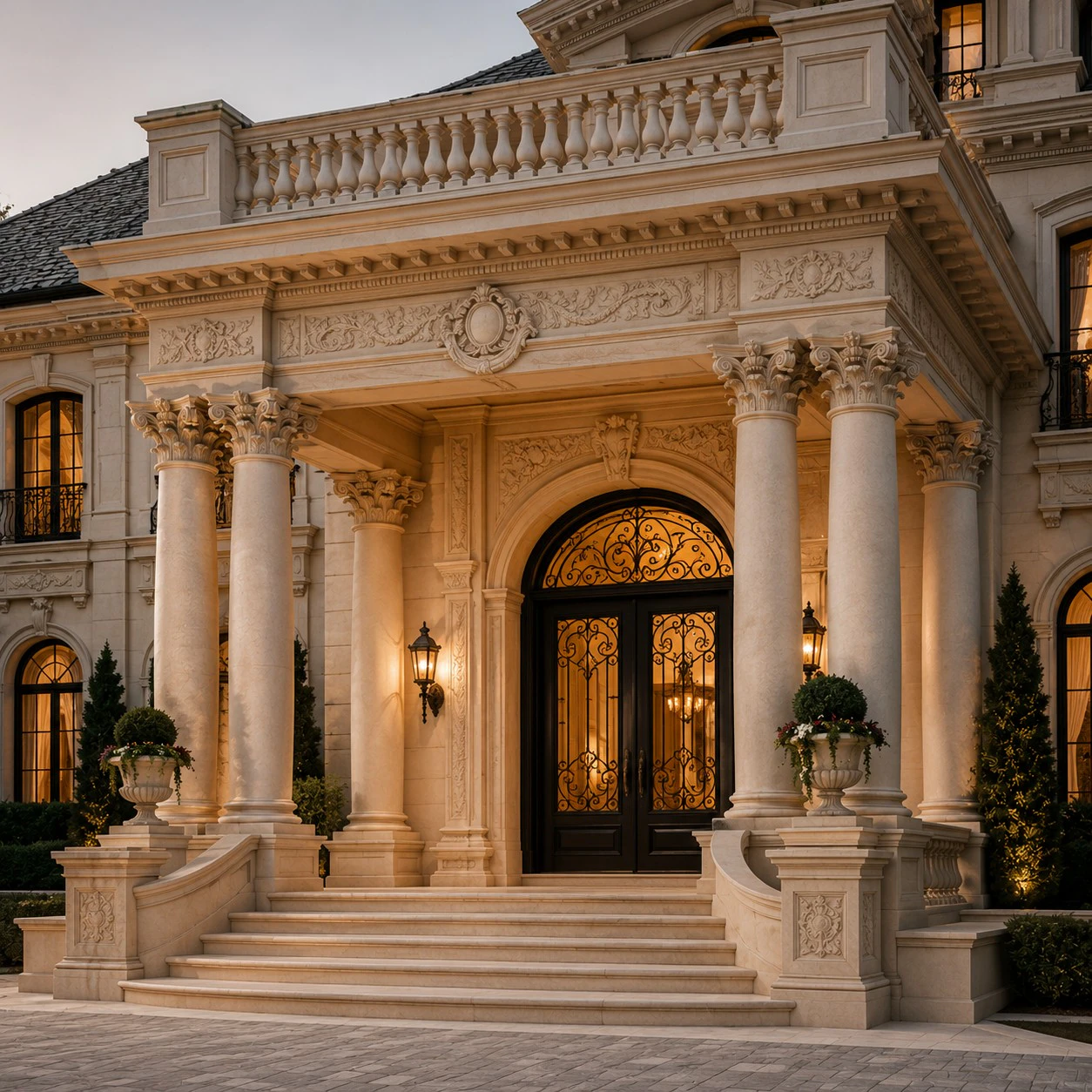
They are not limited to event props or temporary decorations. They can be used in private homes, apartments, commercial buildings, offices, retail spaces, restaurants, hotels, showrooms, reception areas, exterior façades, photo zones, stage sets, museums, trade shows, and branded environments. Their purpose is to create architectural character without always using heavy, expensive, or permanent construction materials.
Types of Architectural Shapes: Arches, Columns, Cornices, and Moldings
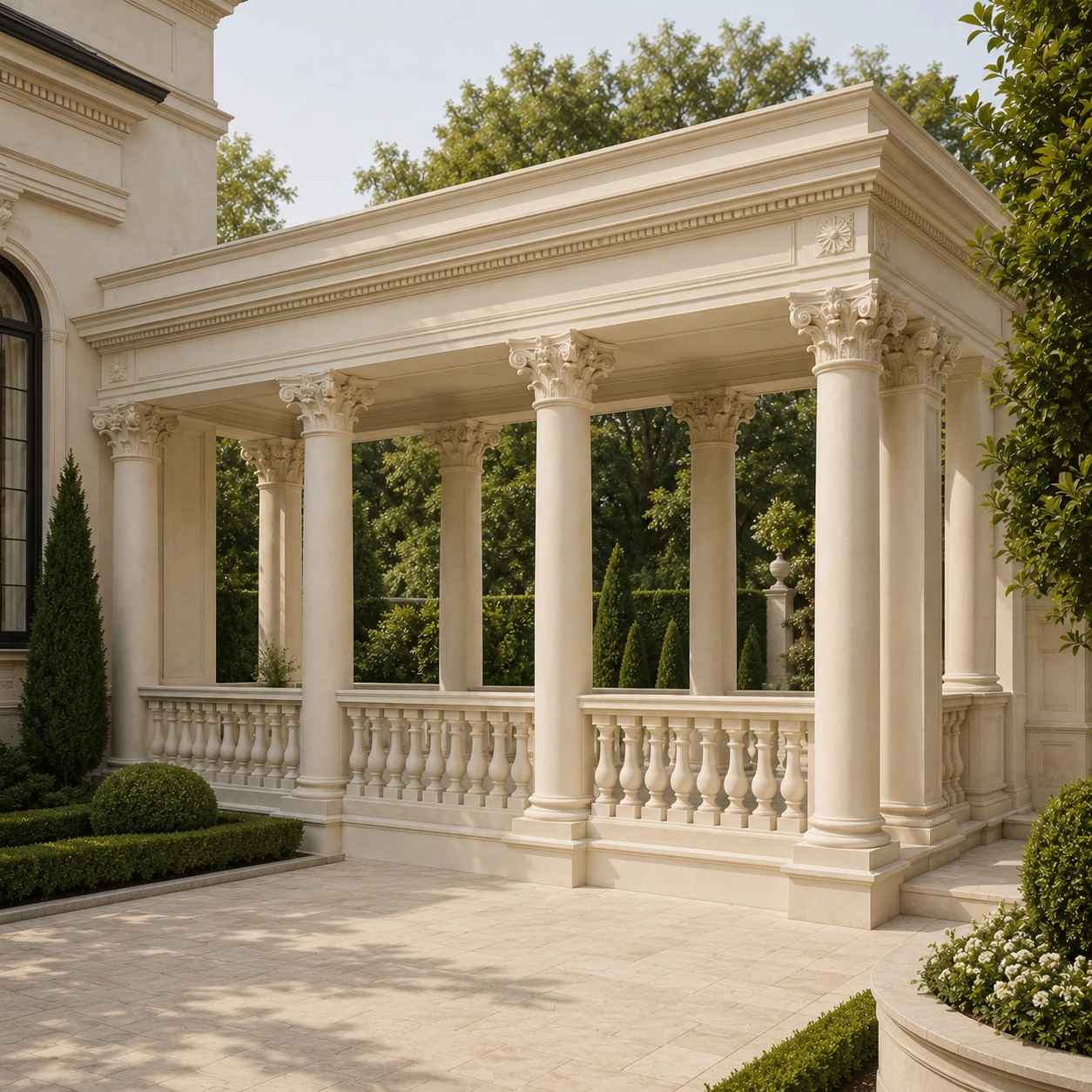
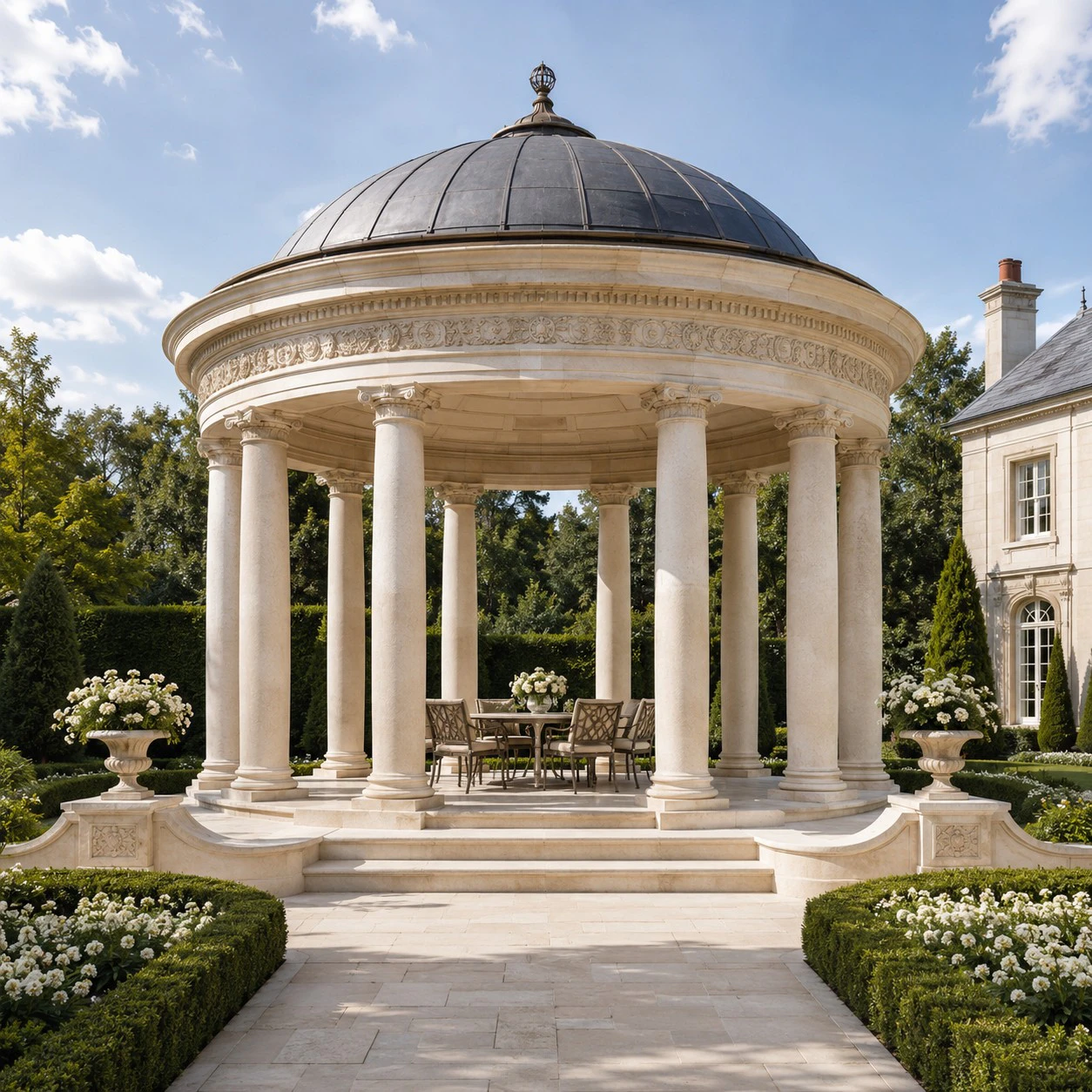
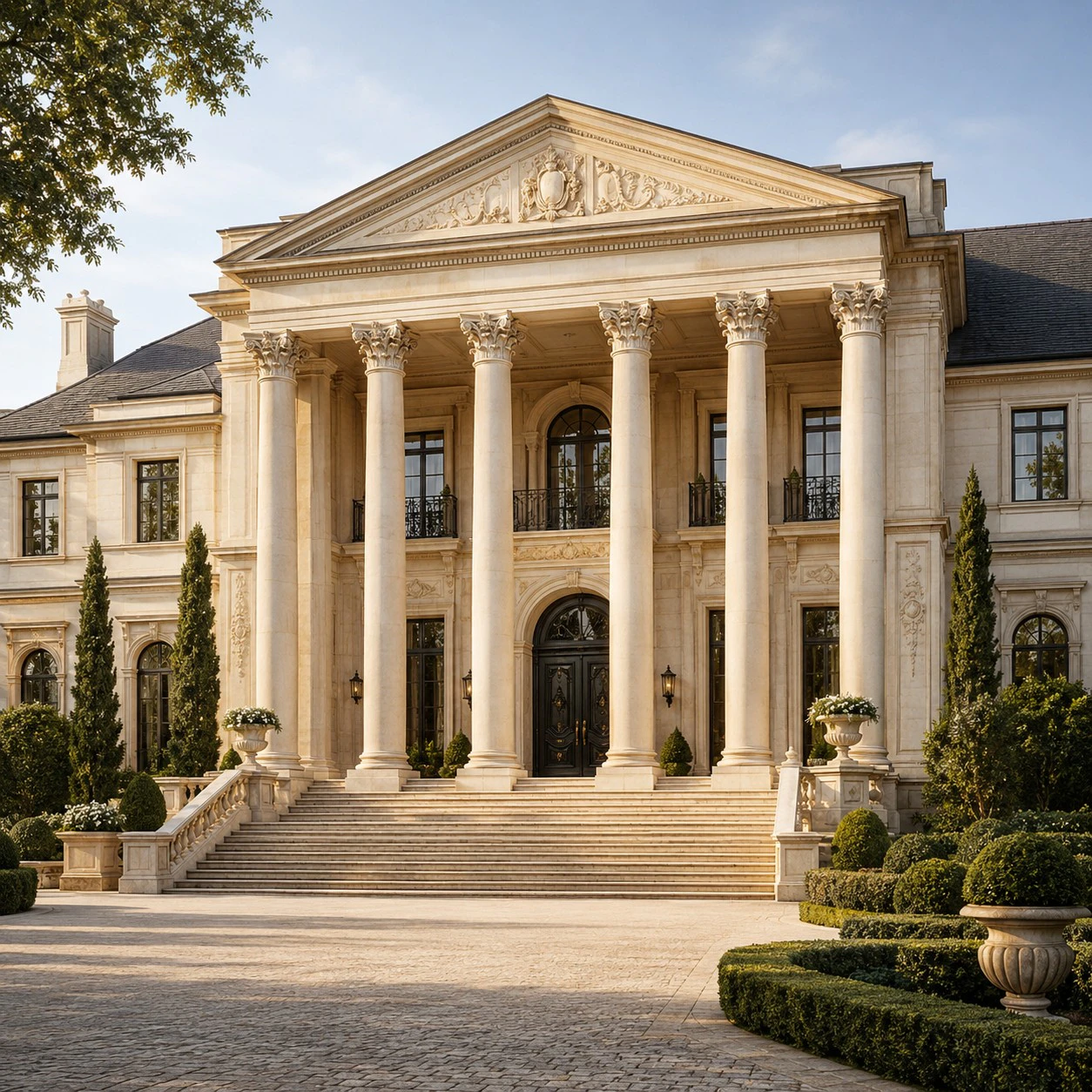
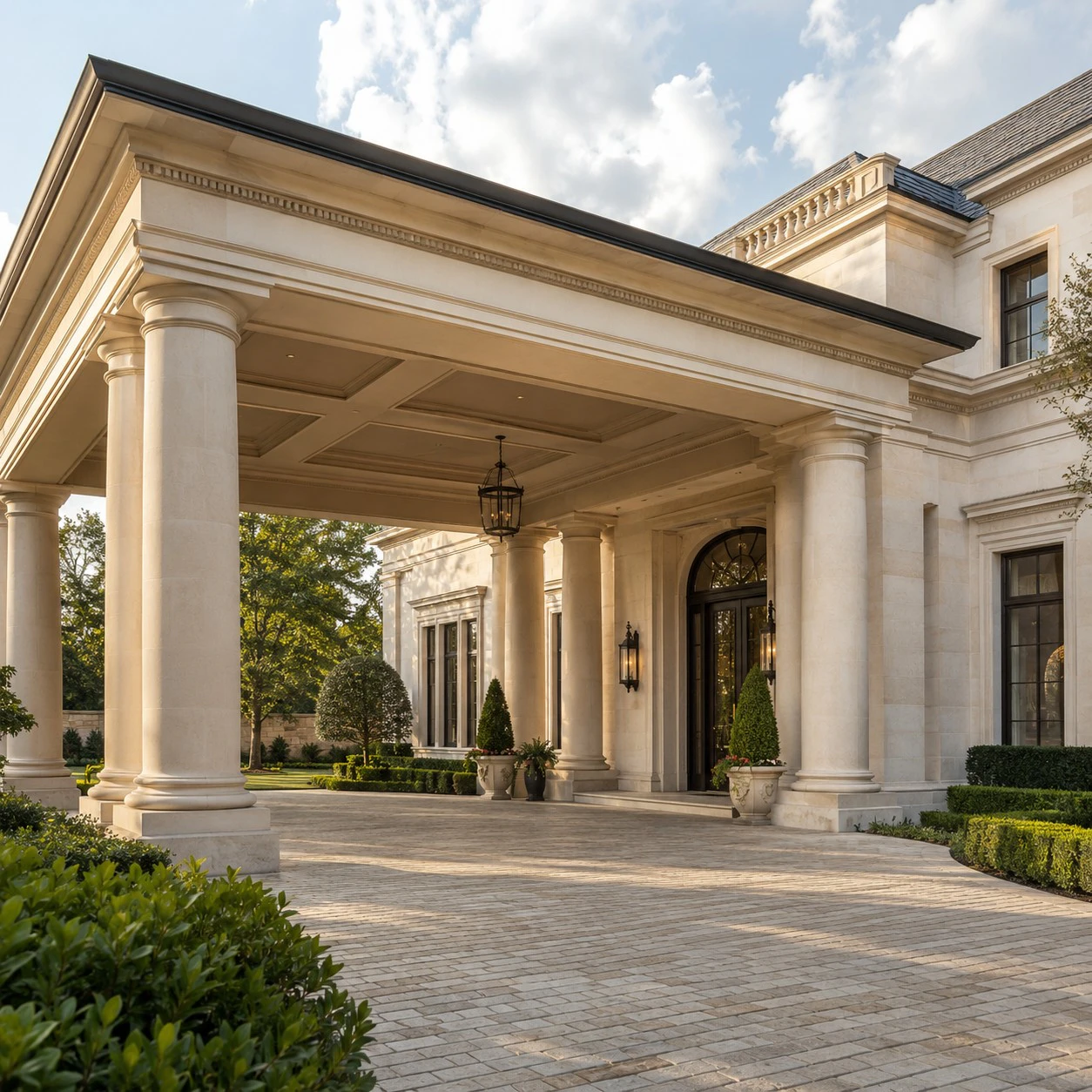
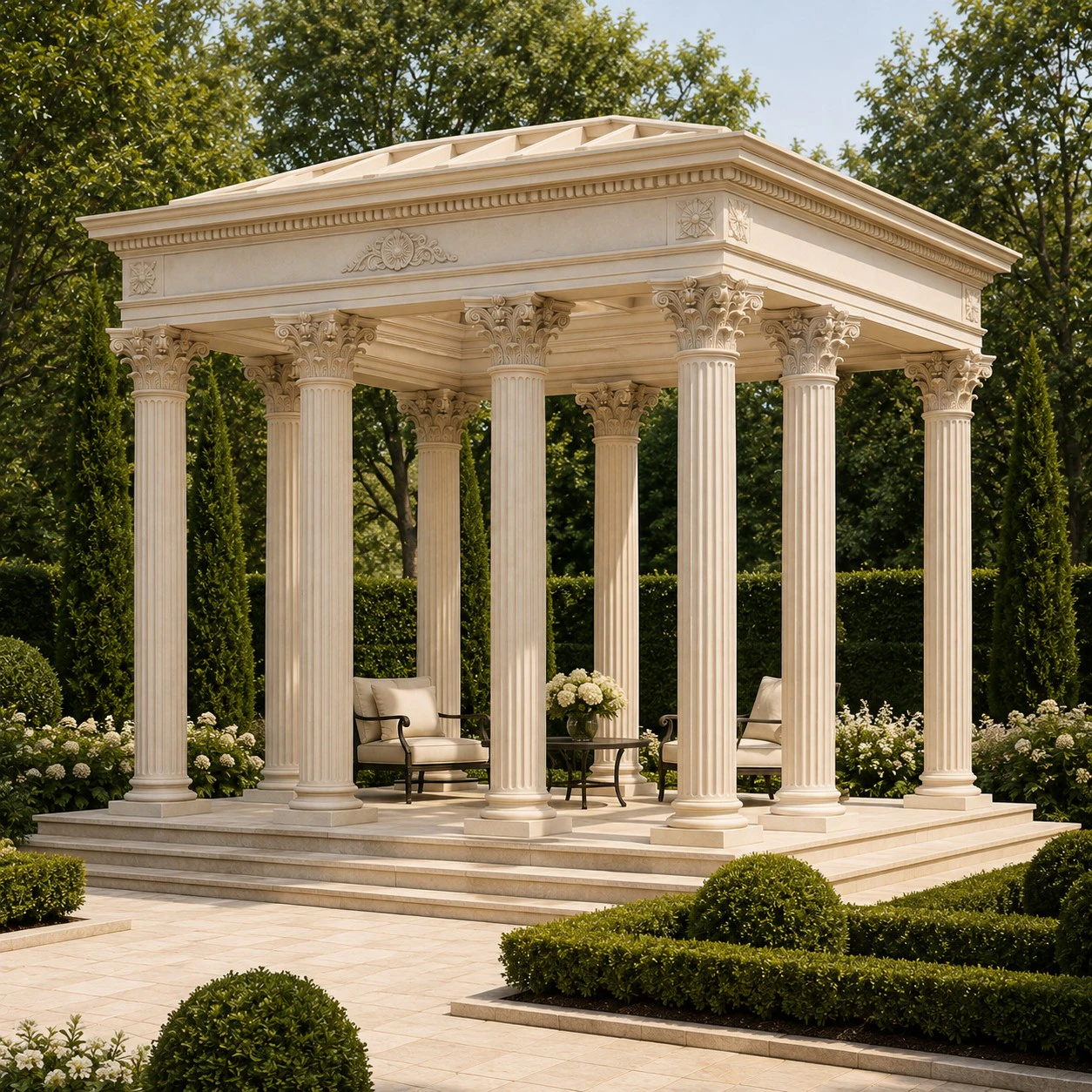
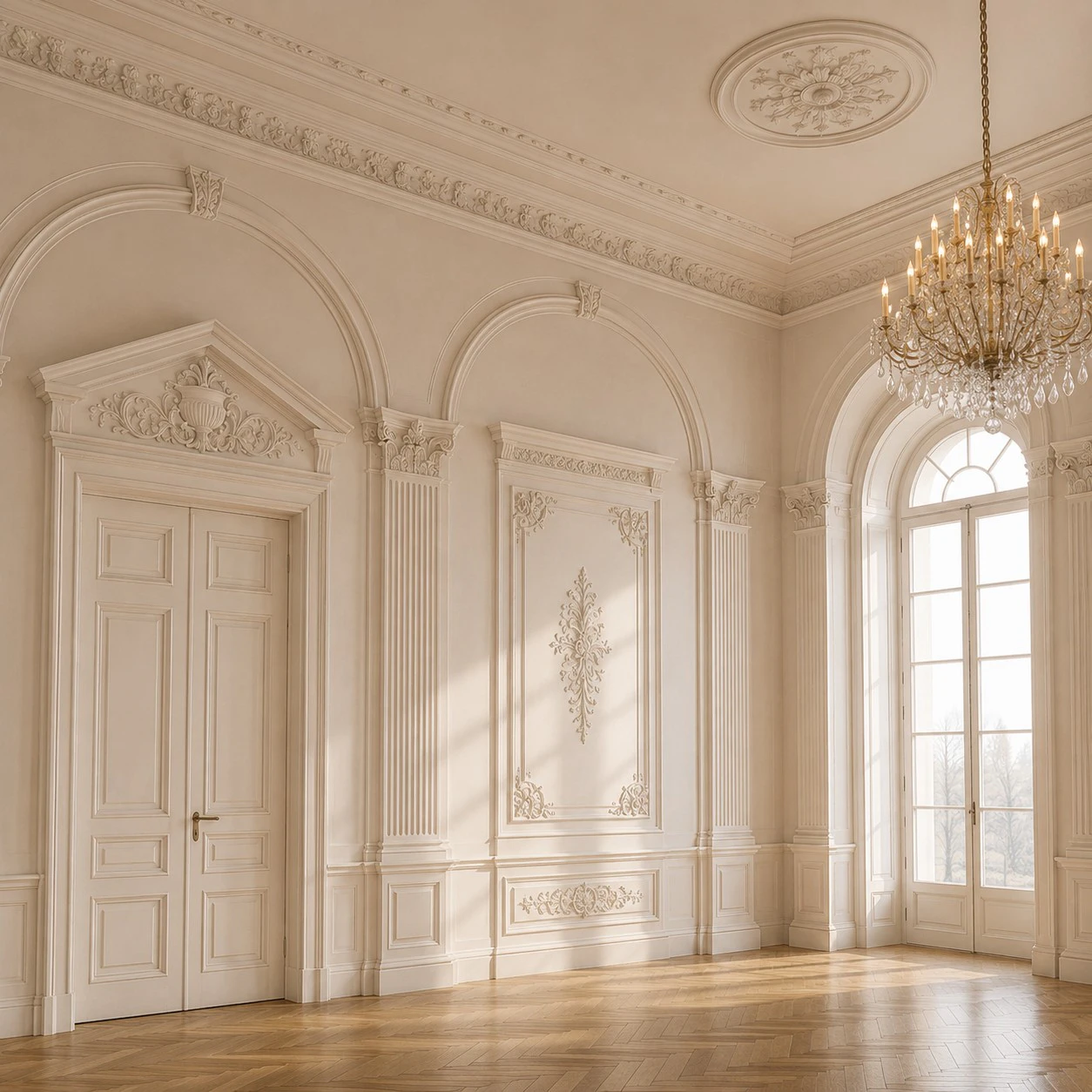
When we say “architectural shapes,” we can mean many different things: arches, columns, half-columns, pilasters, cornices, moldings, caps, domes, wall panels, relief textures, faux beams, plinths, pediments, decorative portals, geometric forms, façade accents, and custom sculptural elements.
The key idea is simple: these pieces help shape a space.
Interior Upgrades for Homes, Apartments, Hotels, and Restaurants
A plain wall can become a classical interior with columns and crown profiles. A retail display can feel more premium with sculptural wall relief. A private home can gain custom arches, ceiling accents, fireplace-style surrounds, decorative niches, or faux stone details without the cost and weight of real stone or plaster. An apartment can be visually upgraded with lightweight moldings, dimensional wall panels, or modern geometric shapes that do not require major construction. A hotel lobby or restaurant can use arches, columns, and textured panels to create atmosphere and identity.
Materials for Architectural Shapes: EPS Foam, HDU Foam, and Hybrid Construction
The main technical advantage comes from the material system.
Most architectural shapes are made from EPS foam, HDU foam, or a combination of both. EPS is excellent for large-volume shapes because it is extremely lightweight. That means we can create large arches, columns, façade pieces, oversized moldings, and sculptural forms without adding the kind of weight that would come from plaster, concrete, stone, or wood.
HDU is more useful when the design needs crisp detail. For example, if we need sharp molding profiles, carved ornament, fine relief, or clean close-view edges, HDU usually gives a smoother and more precise result. In many projects, the best solution is hybrid construction: EPS for the large body, HDU for detailed areas, plywood or aluminum inserts where hardware is needed, and a protective coating system over the surface.
Indoor vs Exterior Architectural Foam Elements
This is important because architectural foam is not just about cutting a shape. The finished product has to work in the real environment.
If the piece is going inside a private residence, apartment, office, or hotel interior, the main priorities are surface quality, seam control, paint finish, proportion, and how the shape reacts to light. If it is used on a building façade or exterior entrance, then weather resistance, UV stability, moisture protection, anchoring, and coating durability become much more important.
Fabrication: Hot-Wire Cutting, CNC Routing, and Hand Finishing
Fabrication can happen in several ways.
Straight profiles like cornices, trim, beams, and simple arches can often be made with hot-wire cutting. More detailed work, like relief panels, logos, decorative surfaces, or precise profiles, is better suited for CNC routing or CNC milling. Organic textures, aged stone effects, theatrical ruins, or hand-carved details may require sculptural finishing by hand.
After cutting, the surface is sanded, assembled, reinforced where needed, coated, primed, painted, and finished. This finishing stage is what turns foam into an architectural-looking product.
Hard Coating: Polyurethane and Polyurea Protection for Architectural Foam
The coating system is especially important.
Uncoated foam can dent easily. It can be damaged during transport, installation, or normal use. For protected interior pieces, primer and paint may be enough. But for high-contact areas, rental pieces, commercial spaces, exterior shapes, or elements used in public environments, a stronger coating is usually recommended. Polyurethane or polyurea-style hard coats can create a tougher shell over the foam, improving impact resistance, abrasion resistance, and moisture protection.
Finish Options: Faux Stone, Plaster, Marble, Wood, and Metal Effects
Finish options are almost unlimited.
Architectural shapes can be finished to look like smooth plaster, limestone, concrete, marble, wood, bronze, aged metal, stucco, brick, carved stone, or painted millwork. This is one of the biggest reasons these products are useful. A homeowner can get the look of custom plaster or stone without installing real masonry. A restaurant can create a Mediterranean, classical, modern, industrial, or luxury atmosphere without permanent reconstruction. A retail brand can build a complete immersive environment for a campaign, then remove it or reuse it later.
Scale, Proportion, and Design Planning
Scale and proportion are also critical.
A small molding can look elegant in an apartment, but disappear in a hotel lobby. A 7-foot arch may work beautifully in a private home or showroom, but feel too small in a large event hall. A façade panel needs enough depth to cast shadows and feel architectural. A wall relief viewed from 3 feet away needs cleaner detail than a stage piece viewed from 40 feet.
Practical Questions Before Fabrication
So the design should always begin with practical questions: Where will the piece be installed? How close will people stand? Is it temporary or permanent? Indoor or outdoor? Will people touch it? Will it support lighting, signage, florals, shelves, or hardware? How will it be mounted? How will it be transported? Will it need to be repaired or reused?
Mounting and Installation of Lightweight Architectural Elements
Mounting is another major part of the system.
Lightweight does not mean careless. Wall panels may use French cleats, Z-clips, screws into embedded backing, or construction adhesive depending on size and location. Tall columns, arches, or freestanding forms may need hidden bases, steel plates, aluminum frames, ballast, or mechanical anchors. For exterior or public-facing installations, the mounting method should be planned before fabrication, not improvised on site.
Foam vs Wood, Plaster, Concrete, and Fiberglass: Material Comparison
Compared with traditional materials, foam architectural shapes offer a different value.
Wood and MDF are familiar but heavier and more labor-intensive. Plaster is authentic but brittle and difficult to transport. Concrete and stone are permanent and prestigious, but heavy and expensive. Fiberglass is durable, but molds can be costly for one-off custom shapes. Foam with the right coating gives a strong balance: large scale, lower weight, custom geometry, faster production, easier installation, and excellent finish flexibility.
Common Mistakes in Architectural Foam Design
The biggest mistakes usually come from treating these pieces as simple décor instead of architectural systems. Poor planning can lead to visible seams, weak corners, dents, poor mounting, incorrect scale, unrealistic finishes, or damage during transport. The best results come when material, geometry, coating, finish, reinforcement, mounting, lighting, and installation are planned together.
Conclusion: Architectural Shapes for Homes, Commercial Interiors, and Events
The main takeaway is this: architectural shapes allow designers, homeowners, builders, event producers, and business owners to create the feeling of architecture without always building with traditional architectural materials.
For private homes, they can add arches, ceiling details, niches, fireplace surrounds, wall panels, and custom decorative features. For apartments, they can create lightweight interior upgrades without major construction. For commercial buildings and interiors, they can define entrances, lobbies, reception areas, restaurants, retail spaces, showrooms, and branded environments. For events and exhibitions, they can transform temporary spaces into complete visual worlds.
When properly designed and fabricated, architectural shapes give a space depth, rhythm, identity, and presence — while staying lighter, more flexible, and more practical than many traditional construction options.
Recommended Articles
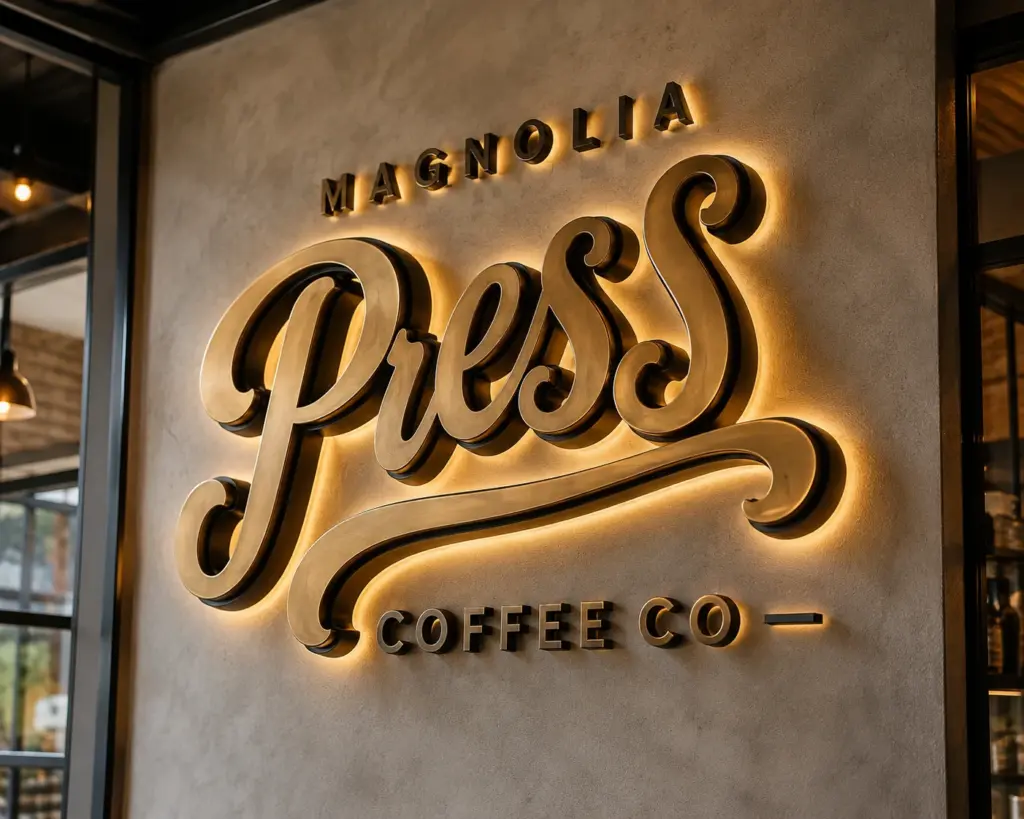
Outdoor LED Signs: Custom Illuminated Foam and HDU Signage for Storefronts, Hotels, Restaurants, and Monument Entrances
See the results
Molds for Cast Stone Signs: Master Patterns, Mold Fabrication, and Lightweight Stone-Look Monument Signage for Communities, Resorts, and Estates
See the results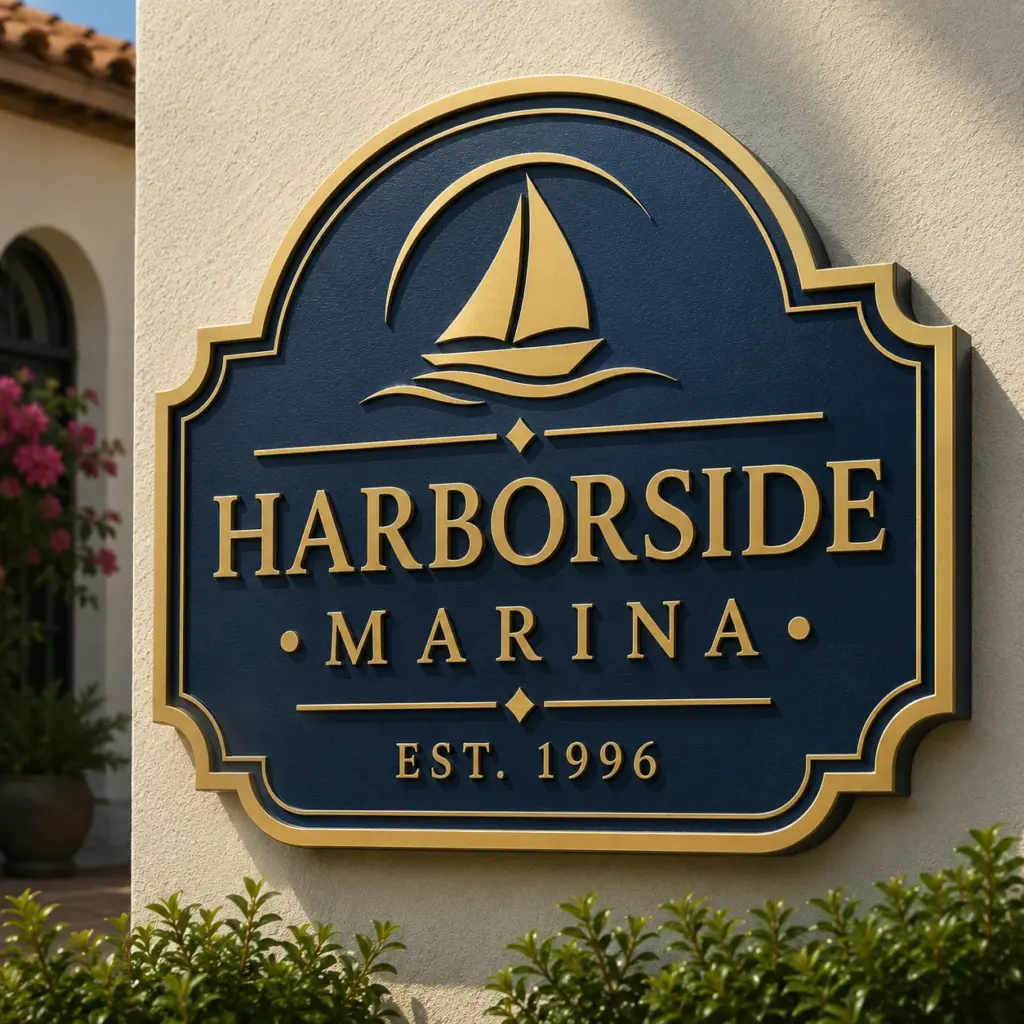
Sandblasted & V-Carved Signs: Lightweight HDU and Foam Dimensional Signage for Resorts, Clubs, Restaurants, and Private Estates
See the results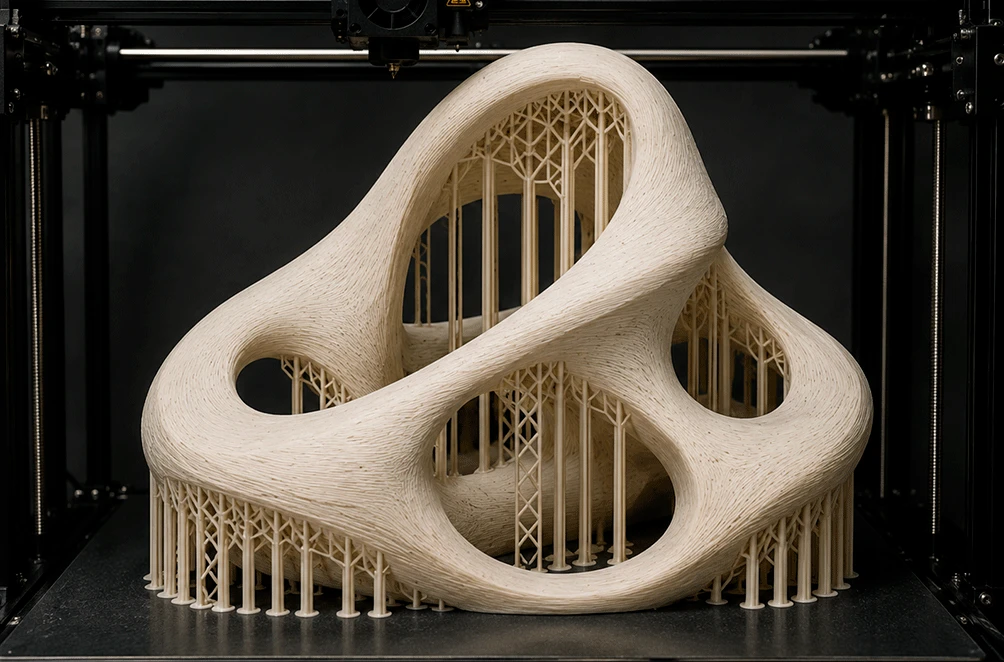
Industrial 3D Printing for Large-Scale Custom Fabrication: From Digital Model to Production-Ready Parts
See the results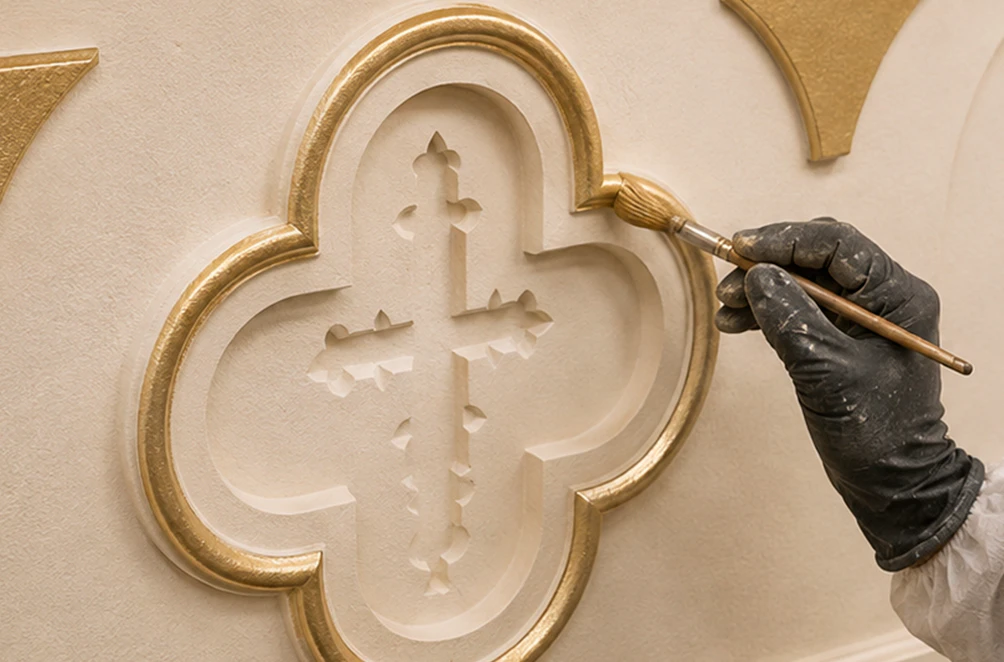
Designs for Places of Worship: Lightweight Architectural Elements for Sacred, Community, and Prayer Spaces
See the results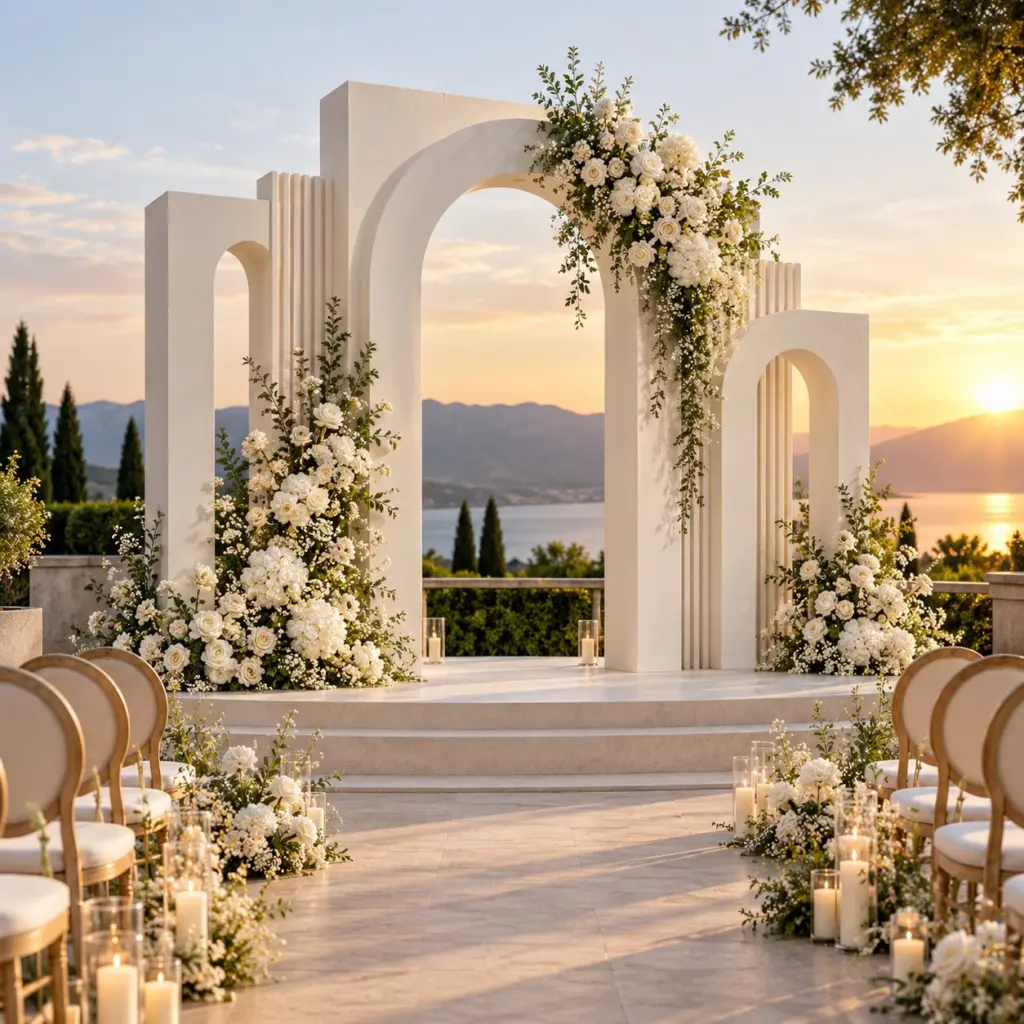
Wedding Arch Colonnades: Technical Fabrication for Luxury Ceremony Entrances, Aisle Architecture, and Event Spatial Design
See the results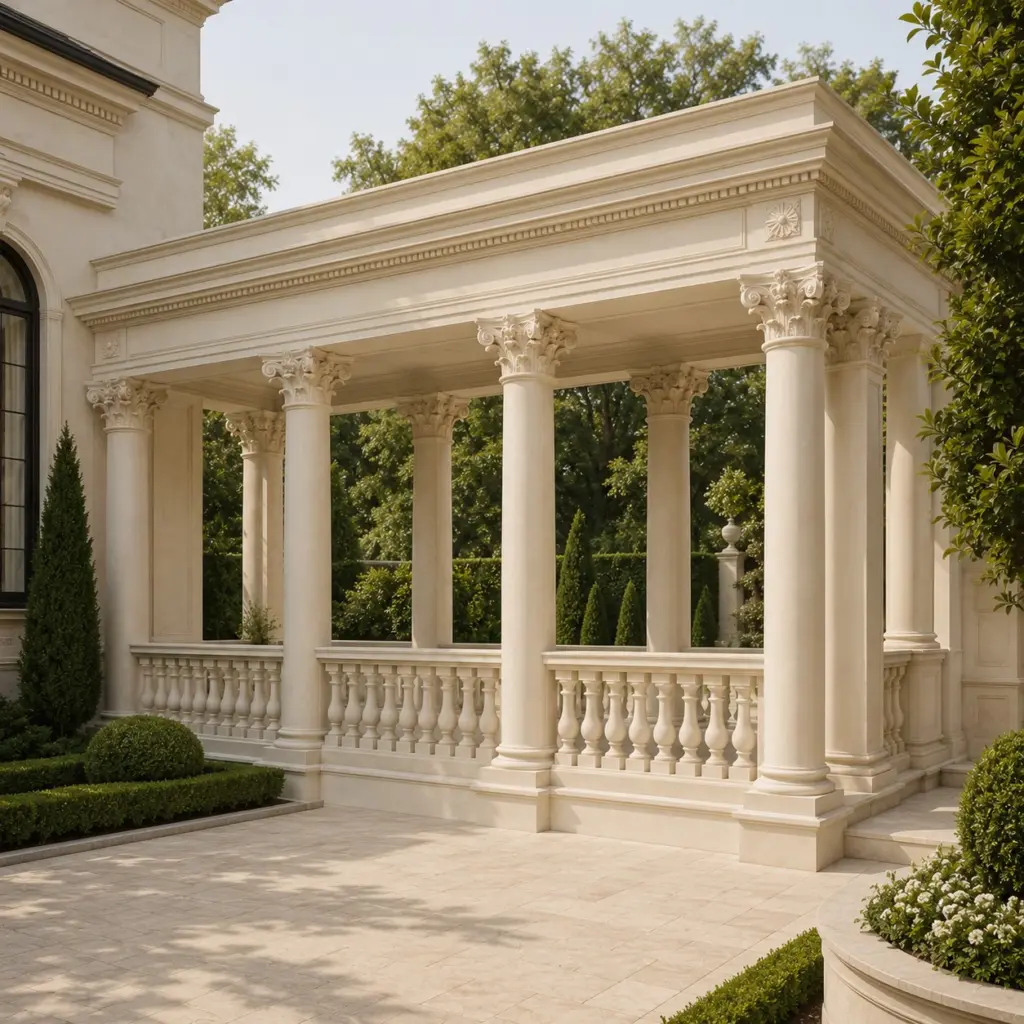
Architectural Shapes: Lightweight Custom Forms for Interiors, Exteriors, Homes, Buildings, and Branded Spaces
See the results
Foam Routed Signs: Precision-Cut Dimensional Signage for Lightweight, Custom, and Architectural Brand Environments
See the results
Foam Monument Signs: Lightweight Architectural Signage for Entrances, Campuses, Retail Plazas, and Brand Landmarks
See the results