
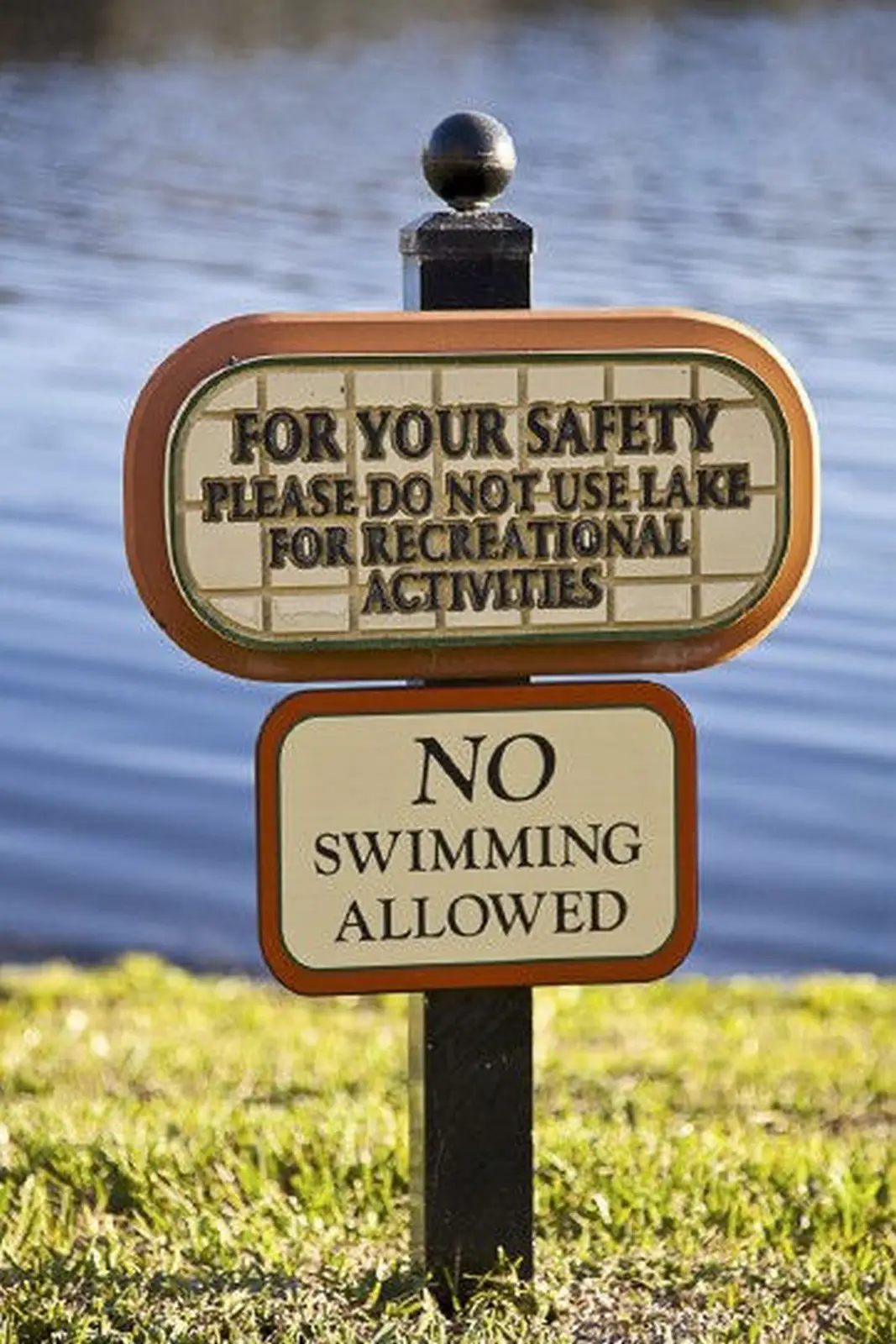
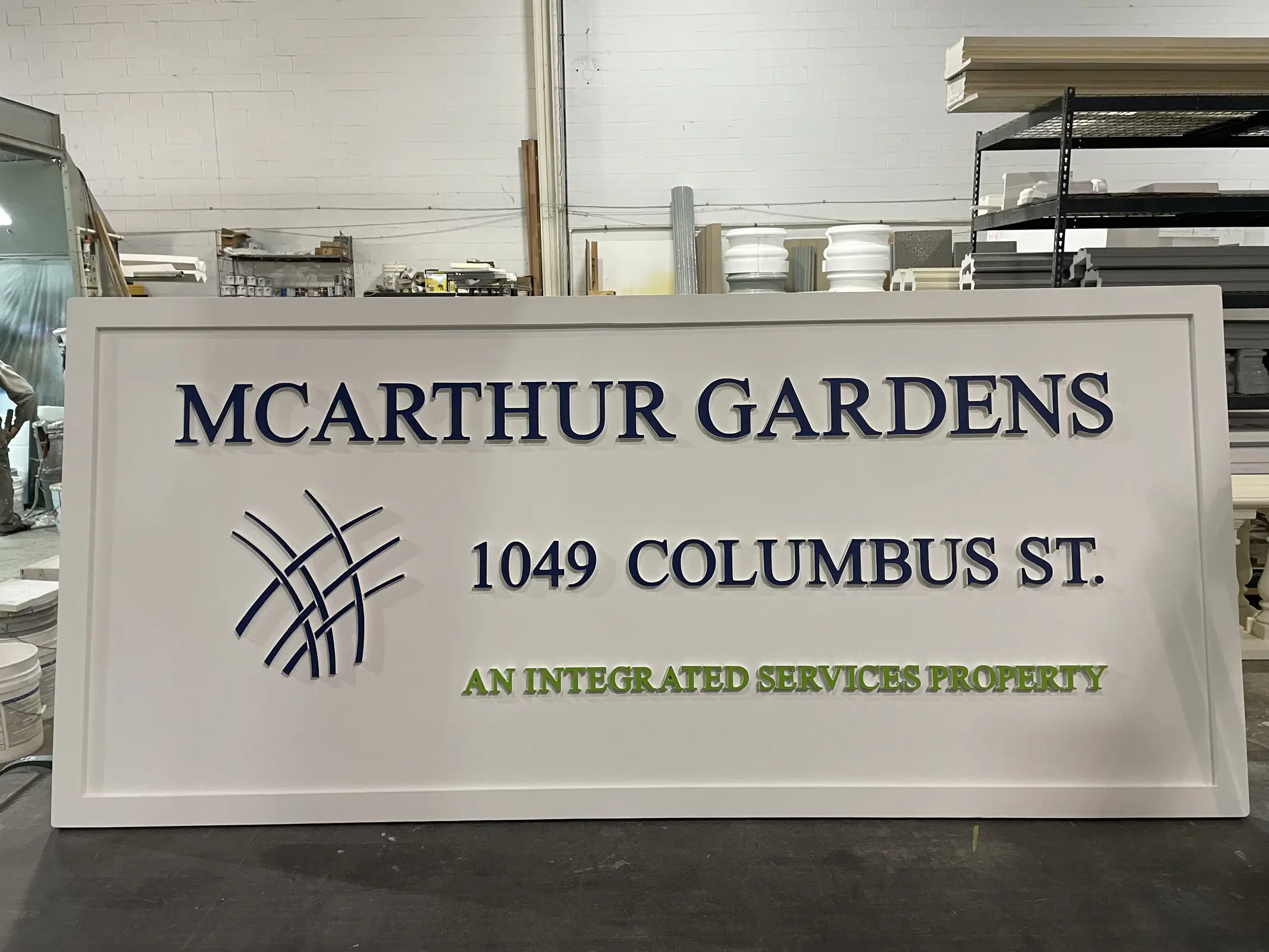

Foam Routed Signs: Precision-Cut Dimensional Signage for Lightweight, Custom, and Architectural Brand Environments
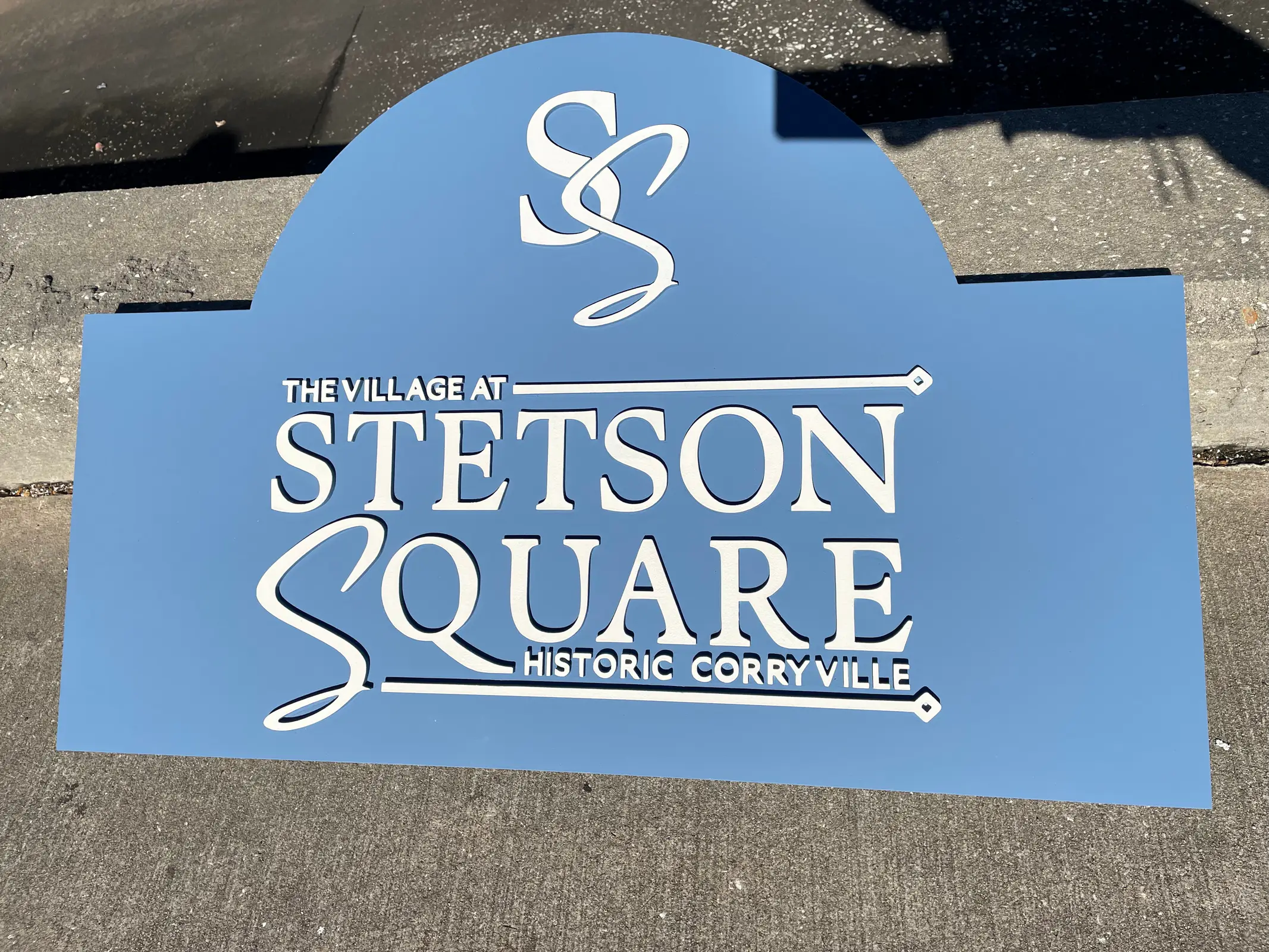
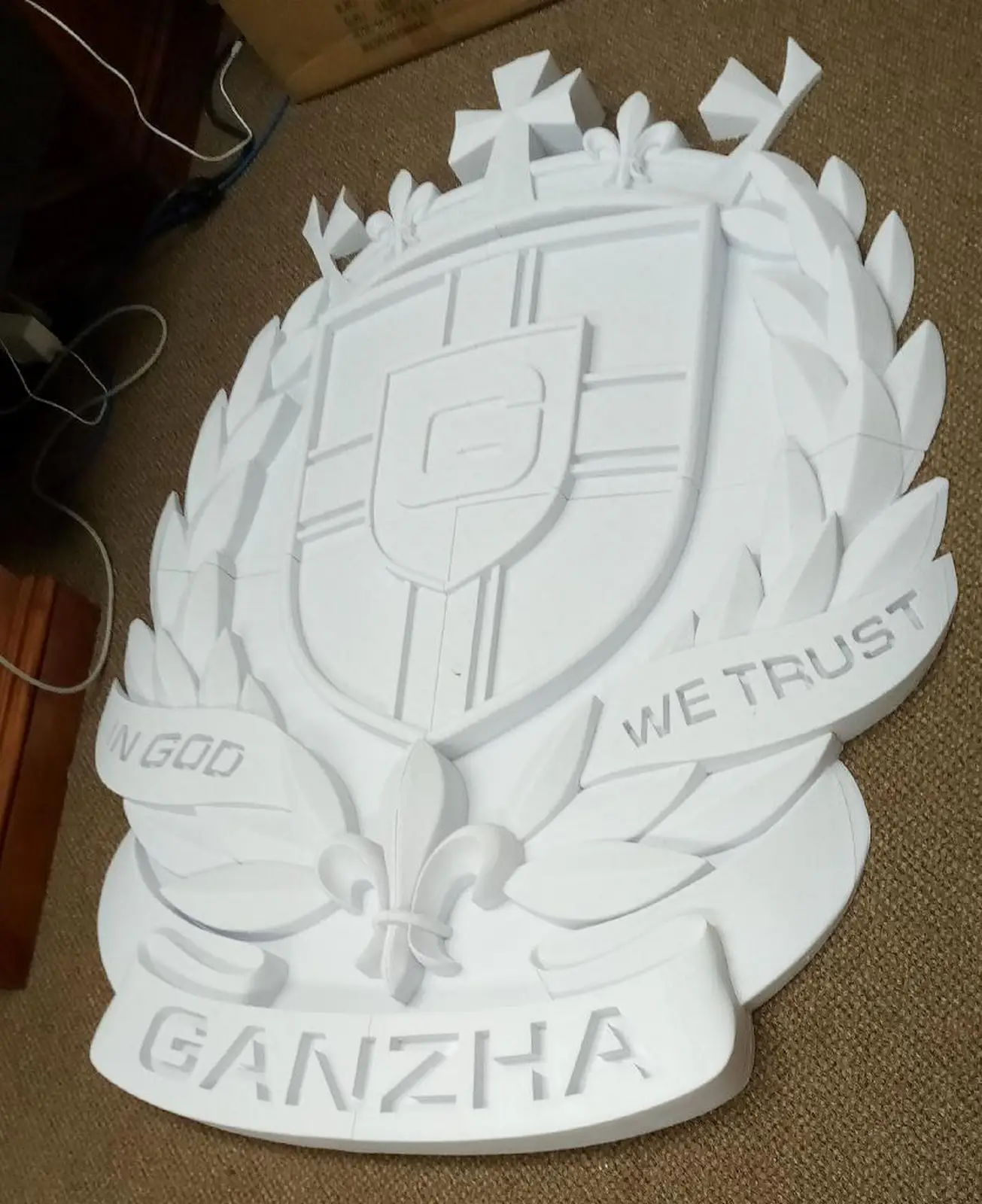
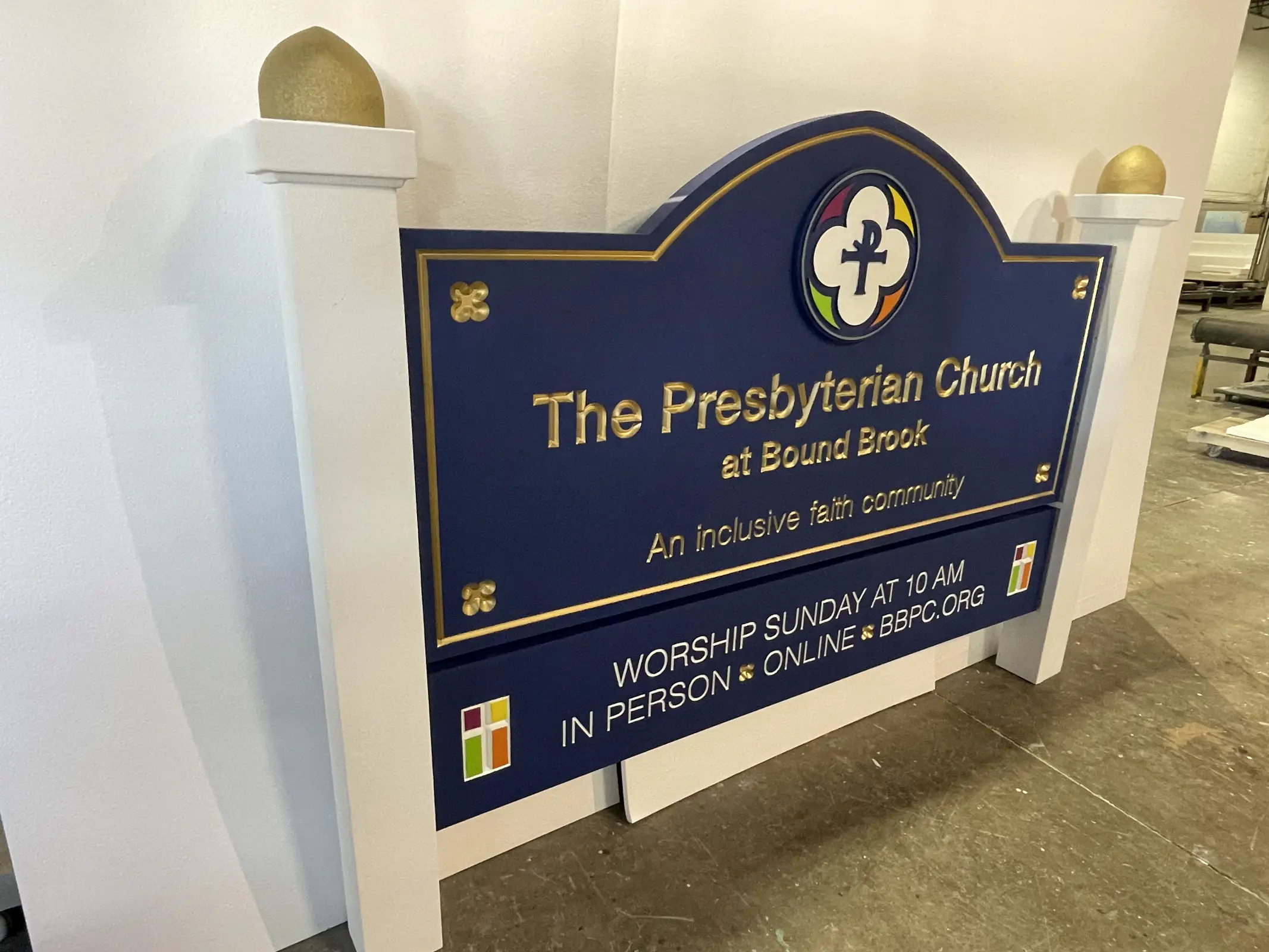
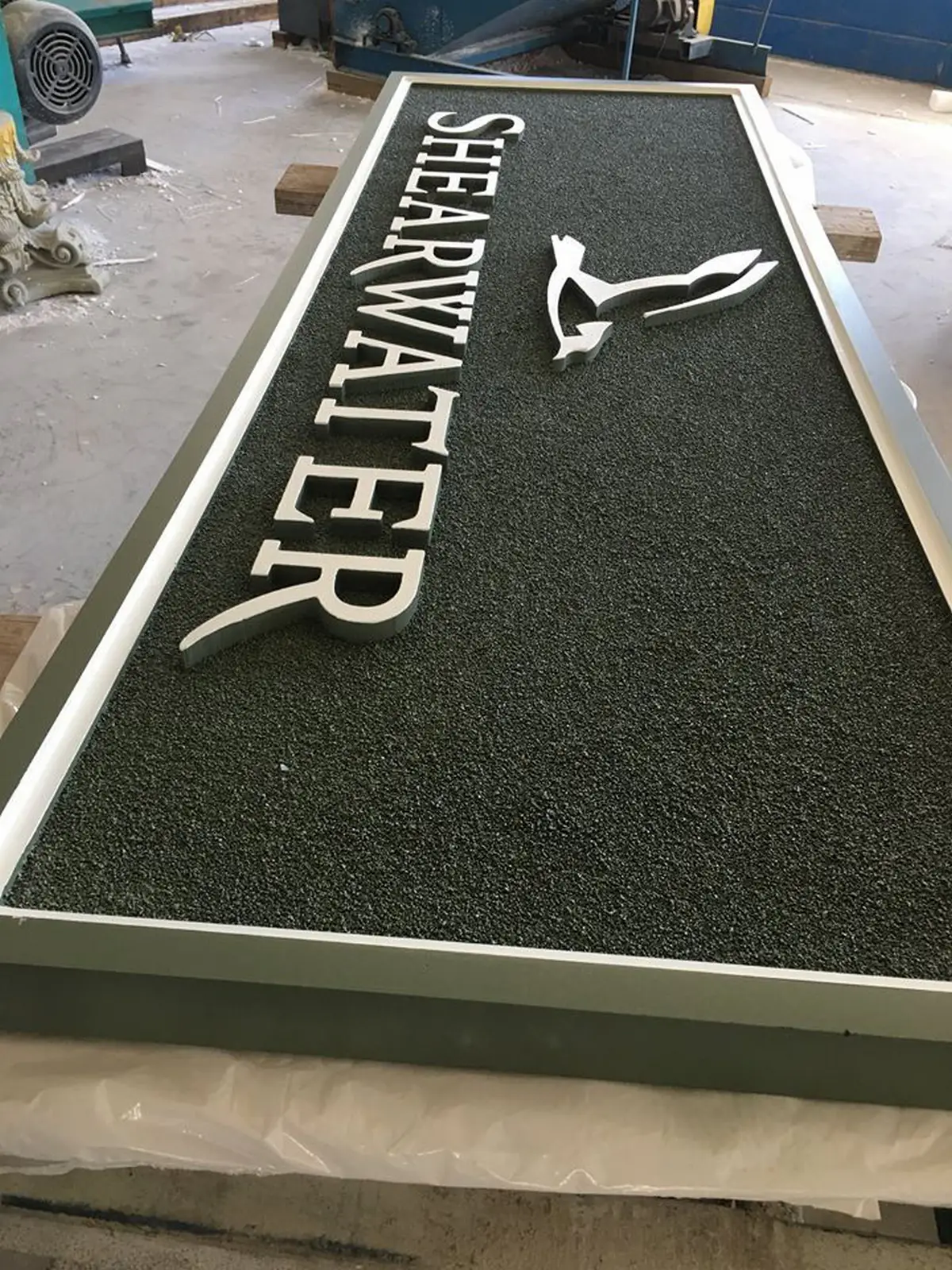
Foam Routed Signs sit at an important intersection between traditional signage, scenic fabrication, architectural branding, and cost-efficient dimensional design. They are not flat printed panels, and they are not heavy carved wood, metal, stone, or masonry systems. Their value comes from a more flexible production logic: a lightweight foam core is CNC-routed into precise letters, logos, relief graphics, dimensional panels, or textured sign faces, then finished with coatings, paint, protective shells, and mounting systems that make the final piece look far more substantial than its weight suggests.
In the Royal Foam Art Design catalogue, Foam Routed Signs are positioned as dimensional custom signs made with precision routing, detailed lettering, logo carving, high-density foam, UV-resistant finishes, protective shells, and options that mimic metal, stone, wood, or architectural materials while remaining easier to handle and install. The category is especially relevant for storefronts, reception areas, wayfinding, trade show displays, brand walls, outdoor signs, slogan panels, and decorative branded features.
What Foam Routed Signs Are: CNC-Routed Dimensional Signage
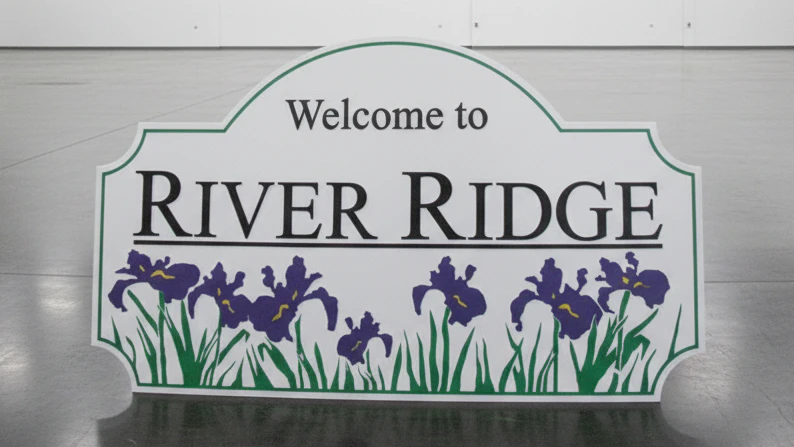
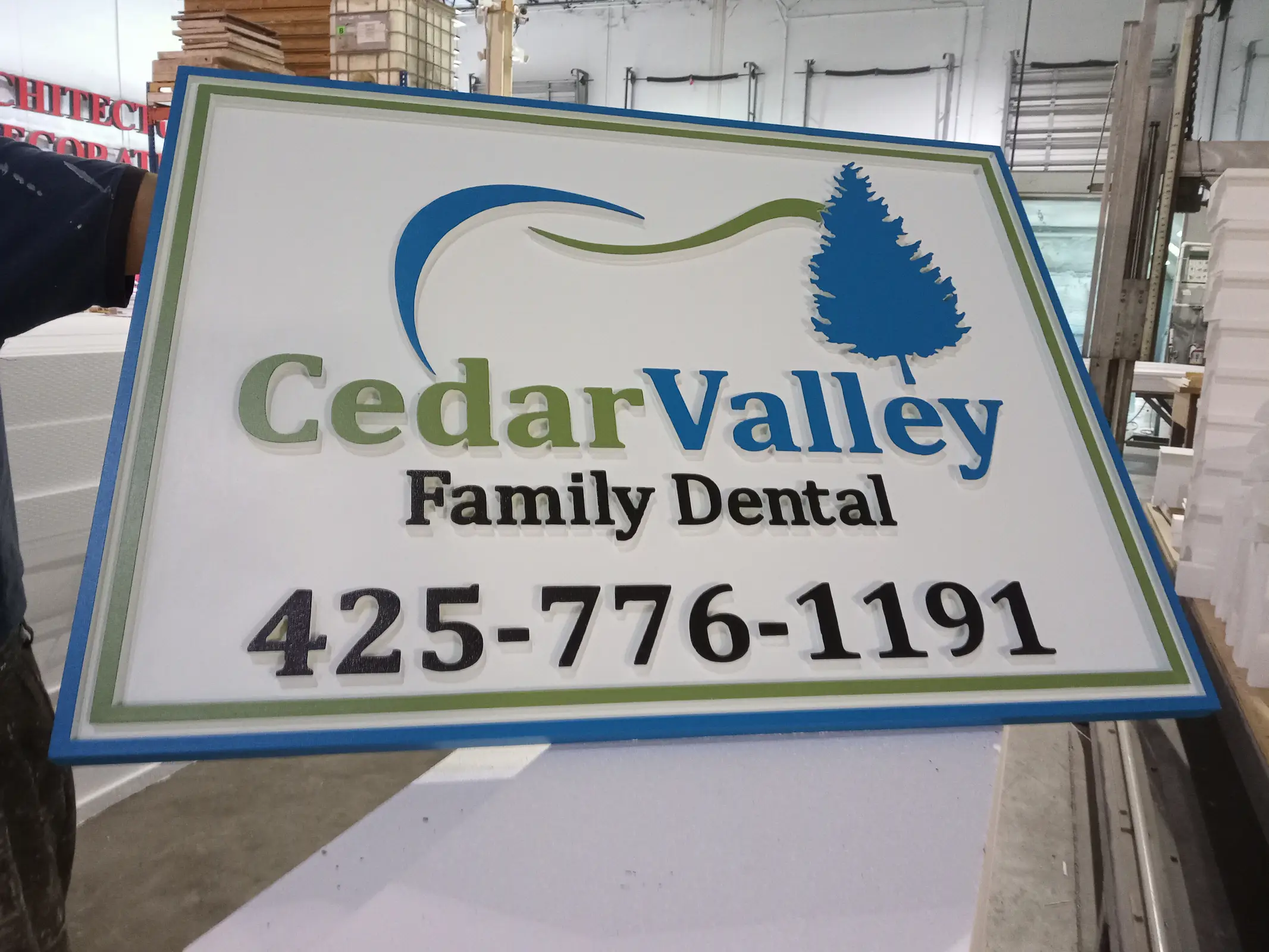
A foam routed sign is typically made by cutting or carving EPS, HDU, or another rigid foam substrate with CNC equipment. The routing process can create raised letters, recessed logos, beveled borders, dimensional backgrounds, engraved details, layered relief, and sculpted textures. Unlike a printed sign, the message has physical depth. Unlike a solid wood or stone sign, the structure remains light enough for easier installation, transport, and future repositioning.
EPS Foam Core: Lightweight Material and ASTM C578 Standards
EPS is often selected because it provides substantial visual volume at very low mass. Industry sources describe EPS as a lightweight material made largely of air; EPS Industry Alliance states that EPS is about 98% air and combines low weight with performance properties such as shock absorption and compressive strength. For technical specification and quality control, rigid cellular polystyrene is commonly discussed through standards such as ASTM C578, which covers cellular polystyrene boards and physical properties including compressive resistance, flexural strength, water absorption, dimensional stability, and oxygen index. Apparent density testing for rigid cellular plastics is also addressed by ASTM D1622.
Primary Use Cases for Custom Foam Signs
Foam routed signs work best when a project needs dimensional impact, custom shape, texture, and scale without heavy-material logistics.
| Use case | Typical routed format | Practical value |
|---|---|---|
| Storefront sign | raised logo, recessed background, faux stone or metal face | strong brand visibility with lower installation weight |
| Reception wall | dimensional logo panel or routed company name | premium first impression without heavy millwork |
| Wayfinding | routed arrows, room names, directional panels | durable dimensional navigation |
| Trade show display | modular routed logo or slogan wall | transportable, lightweight, fast setup |
| Restaurant / hospitality | faux wood, metal, stone, or carved brand mark | atmosphere, identity, photo value |
| Outdoor monument-style sign | foam core with hard coating and textured finish | architectural presence without stone or concrete weight |
The strongest applications are usually places where the sign must feel custom and architectural, but the client also needs speed, manageable installation, and cost control.
Materials and Core Construction: EPS, HDU, and Hybrid Foam Signs
Foam routed signage can be built from different foam types depending on required detail, size, edge sharpness, and durability.
| Material | Best use | Technical notes |
|---|---|---|
| EPS foam | large signs, thick panels, monument-style forms | very light, easy to shape, ideal for scale |
| HDU foam | crisp lettering, fine routing, close-view signage | denser, smoother, better for detailed edges |
| EPS + HDU hybrid | large sign with detailed face elements | balances cost, weight, and precision |
| Foam + plywood/metal inserts | mounting, bases, framed structures | improves attachment strength |
| Foam + acrylic/metal laminate | premium faces and mixed-material signs | adds contrast, reflectivity, or light integration |
Foam Density and Internal Reinforcement
Typical EPS densities for routed sign cores may fall around 1.0–3.0 lb/ft³, depending on size, coating, exposure, and whether the sign is primarily decorative or semi-architectural. HDU may be selected when the design has thin strokes, tight serif fonts, fine recessed lines, small logos, or close-view detail. For larger outdoor panels, internal blocking, aluminum rails, threaded inserts, plywood plates, or hidden frames may be added where mechanical fasteners or structural connection points are required.
CNC Routing and Design Precision
The routed-sign process starts with a clean vector file or CAD model. The quality of the digital file matters because the CNC router follows the geometry directly. Poor curves, bad spacing, weak stroke thickness, or low-resolution artwork can create problems in the final sign.
Production Workflow for CNC-Routed Foam Signs
A typical production workflow includes:
| Step | Purpose |
|---|---|
| Design / vector cleanup | protects logo accuracy, spacing, and proportions |
| CAD / CAM setup | defines toolpaths, routing depth, step-downs, and cut order |
| CNC routing | carves letters, logos, textures, bevels, and relief details |
| Sanding and edge cleanup | removes tool marks and prepares coating |
| Reinforcement / inserts | adds mounting strength where needed |
| Hard coating | protects foam against impact, moisture, abrasion, and weather |
| Priming and finishing | creates final color, texture, or material simulation |
| Test fit and labeling | supports installation accuracy and repeat use |
| Packing | protects edges, coatings, and routed detail in transit |
Routing Depth and Relief Height
Routing depth is a design decision. A shallow ⅛–¼ in relief can create subtle shadow for close-view interiors. A ½–1 in relief gives stronger dimensional contrast for reception walls and retail displays. Large exterior or monument-style signs may use deeper relief and thicker panels to make the sign readable from greater distance.
Coatings, Finishes, and Surface Effects for Foam Signs
The coating system is what converts a routed foam shape into a usable sign product. Uncoated foam is vulnerable to dents, abrasion, UV exposure, water intrusion, and handling damage. For interior controlled environments, sealed primer and paint may be sufficient. For outdoor, high-contact, or reusable signs, stronger coating systems are recommended.
Polyurea and Polyurethane Hard Coating
Polyurea and polyurethane-style coatings are often used in industrial and protective applications because they can provide abrasion resistance, waterproofing, fast-set performance, and substrate protection when properly specified and applied. Specialty Products, Inc. describes spray-applied polyurea elastomer coatings as protective systems used across substrates including foam, fiberglass, plastic, wood, concrete, and metal, with abrasion-resistance applications.
| Coating / finish | Best use | Practical result |
|---|---|---|
| Sealed primer + paint | indoor signs, short-term displays | clean finish, lower cost |
| Polyurethane coating | moderate durability and smoother finishing | improved surface protection |
| Polyurea hard coat | outdoor, high-contact, reusable signs | stronger impact and abrasion resistance |
| Textured coating | faux stone, stucco, concrete, woodgrain | architectural realism |
| Metallic paint / leafing | premium brand panels and logos | metal-like appearance at lower weight |
| UV-resistant clear coat | exterior and sun-exposed signs | color and surface protection |
Coating Thickness Guidelines
Coating buildup may range from 2–4 mm for protected interior signage to 4–10 mm for outdoor, public-facing, or high-contact installations, depending on expected exposure, handling, surface texture, and desired durability.
Indoor vs Outdoor Foam Routed Signs
Indoor routed signs prioritize surface finish, lighting interaction, wall integration, and close-view quality. A reception wall sign, for example, should have crisp edges, consistent paint, clean alignment, and controlled shadows. Since visitors often stand within 5–15 ft, small flaws in sanding, coating, or paint become visible.
Outdoor Signs: Weather Resistance and Building Code
Outdoor signs require more engineering. Weather exposure introduces UV, moisture, temperature movement, wind, dirt, impact, and mounting stress. For exterior use, the sign should be specified as a system: foam density, coating thickness, protective finish, fasteners, anchors, drainage logic, wall substrate, and maintenance plan. The 2024 International Building Code states that signs must be designed, constructed, and maintained in accordance with code, and sign placement should not interfere with required exit signs or official traffic signs.
| Environment | Main risk | Recommended strategy |
|---|---|---|
| Interior lobby | visible tool marks, poor alignment | fine routing, smooth coating, mounting template |
| Retail / restaurant | scuffs, cleaning, touch exposure | harder coating, satin finish, repairable paint |
| Trade show | transport damage, fast setup | modular panels, labeled hardware, edge protection |
| Outdoor storefront | UV, moisture, wind, dirt | UV-stable finish, hard coat, mechanical mounting |
| Monument-style sign | impact, anchoring, long-term exposure | reinforced core, thicker coating, engineered base |
Mounting, Installation, and Logistics of Lightweight Foam Signs
Foam routed signs can be wall-mounted, hung, framed, panel-mounted, standoff-mounted, rail-mounted, integrated into a monument base, or fabricated as freestanding structures. Small interior panels may be mounted with French cleats, Z-clips, VHB tape, silicone adhesive, or screws into backing. Larger signs should use mechanical fastening, embedded blocking, backer plates, or internal frames.
Weight Reduction and Installation Labor Savings
Because foam is light, installation can often require fewer people and less equipment than wood, MDF, metal, stone, or GFRC alternatives. Depending on size, access, and mounting complexity, foam-based signage may reduce finished weight by 70–95% compared with solid wood, plaster, concrete-style, or stone-look assemblies. Handling and installation labor may drop by 30–60% when the sign avoids cranes, heavy anchors, or large millwork crews. These savings depend on sign size, coating system, site access, substrate, weather exposure, and whether the installation is temporary or permanent.
Modular Transport and Packing
Transport is also simpler. Routed foam signs can often be built in modular sections, labeled, packed in protective crates, and assembled on site. This is especially useful for trade shows, retail rollouts, franchise locations, and event branding programs where repeatability matters.
Comparison With Traditional Sign Materials
| Material | Strengths | Limitations | Best use |
|---|---|---|---|
| Foam routed sign | lightweight, dimensional, customizable, textured | needs correct coating and mounting | custom branded signs, displays, architectural panels |
| HDU sign | crisp detail, smooth routing, durable | heavier and more expensive than EPS | close-view professional signage |
| Wood / MDF | familiar, paintable, solid | heavy, moisture-sensitive, can warp | indoor decorative signs |
| Acrylic | polished, modern, clean | limited texture, scratches, higher cost | premium flat-cut logos |
| Aluminum / steel | durable and precise | heavier, more expensive, more difficult to modify | permanent architectural signage |
| Concrete / stone | authentic mass and prestige | very heavy, costly, difficult to install | permanent monuments |
| Printed vinyl | fast and cheap | flat, lower perceived value | temporary graphics |
The advantage of routed foam is not that it replaces every material. Its advantage is that it can imitate or complement many materials while keeping the project lighter, faster, and more flexible.
Cost, Lifecycle, and Business Value of Foam Routed Signs
The economic logic is straightforward: routed foam signs allow businesses to buy visual volume without paying for heavy structural mass. For a brand manager, that means more dimensional presence and stronger photo value. For a contractor, it means easier handling and simpler installation. For a franchise or multi-location rollout, it means repeatable design files, controlled finishes, and modular deployment. For an event producer, it means faster setup and better reuse potential.
Lifecycle value improves when the sign is designed for repair. A good routed foam sign can be repainted, recoated, patched, or updated with new graphics. Modular panels can be stored and reused for future campaigns. Damaged edges can often be repaired more easily than cracked acrylic, dented metal, or chipped stone.
Common Mistakes and Planning Risks
The most common mistake is treating foam routed signage as “just foam.” The final product depends on the full system: foam density, routing detail, coating, finish, reinforcement, mounting, packaging, and installation. Other frequent mistakes include choosing fonts with strokes too thin for routing, ignoring viewing distance, using shallow relief for outdoor signage, selecting the wrong coating for exterior exposure, relying on adhesive where mechanical mounting is needed, skipping protective packaging, and failing to plan touch-up materials.
Over-Texturing and Legibility
Another risk is over-texturing. Faux stone, woodgrain, concrete, and metallic finishes can look impressive, but if texture conflicts with lettering readability, the sign loses its function. Design should always balance aesthetics with legibility.
Expert Takeaway: Engineered Dimensional Brand Signage
Foam Routed Signs are most effective when treated as engineered dimensional brand elements, not as inexpensive substitutes for traditional signage. Their value comes from precision routing, lightweight scale, protective coating, surface realism, installation flexibility, and the ability to produce custom shapes without heavy-material complexity.
When the design file is clean, the foam density is appropriate, the routing depth supports the viewing distance, the coating system matches the environment, and the mounting plan is solved before production, routed foam signage can deliver a premium architectural look with far less weight, faster installation, and greater creative freedom than many traditional sign materials.
For storefronts, lobbies, restaurants, events, trade shows, branded walls, and monument-style displays, Foam Routed Signs offer a practical balance: dimensional enough to feel substantial, light enough to install efficiently, and customizable enough to carry a brand’s identity with real physical presence.
Recommended Articles
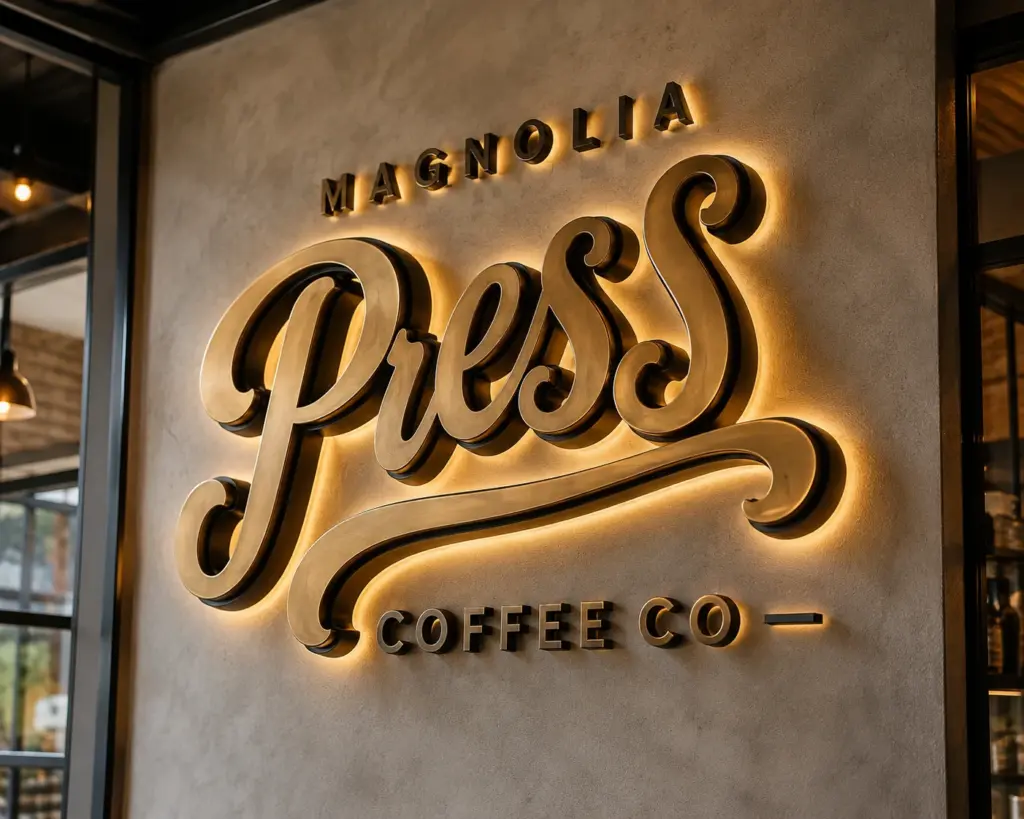
Outdoor LED Signs: Custom Illuminated Foam and HDU Signage for Storefronts, Hotels, Restaurants, and Monument Entrances
See the results
Molds for Cast Stone Signs: Master Patterns, Mold Fabrication, and Lightweight Stone-Look Monument Signage for Communities, Resorts, and Estates
See the results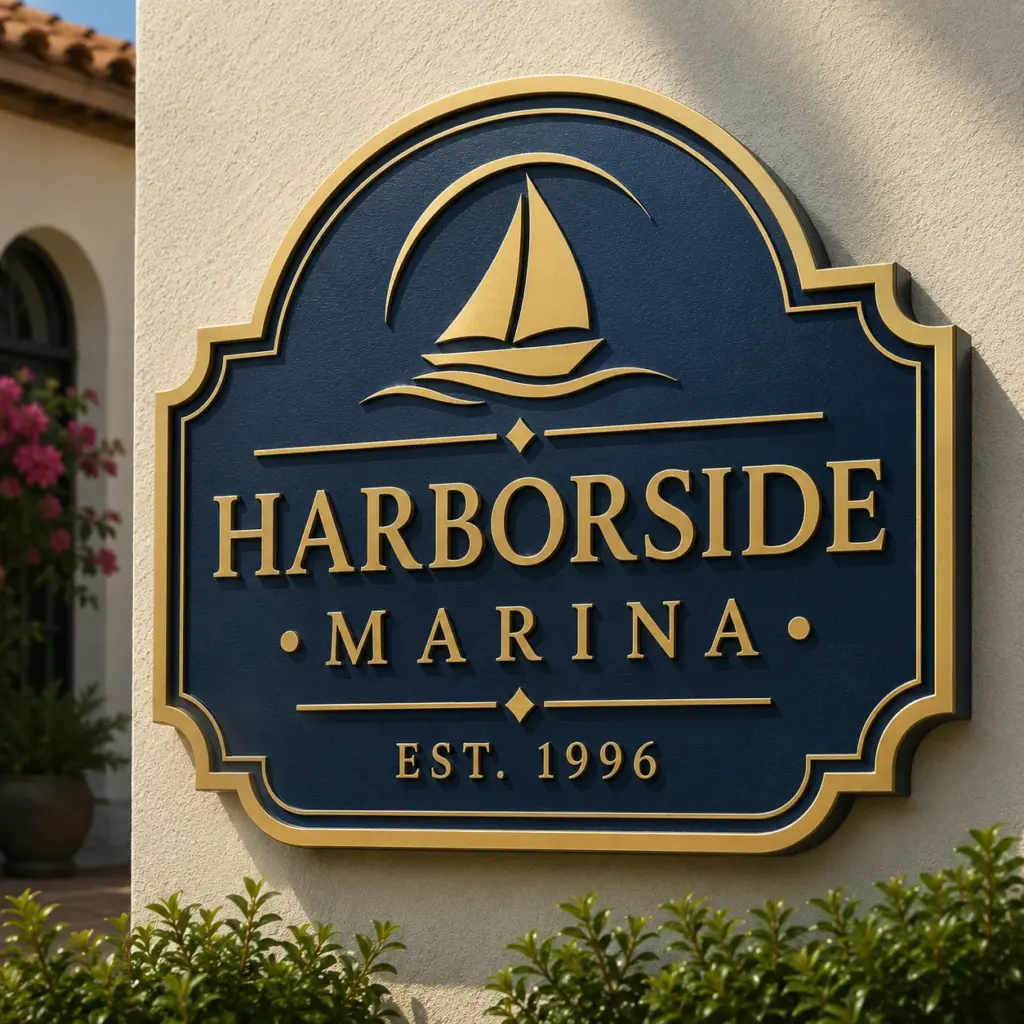
Sandblasted & V-Carved Signs: Lightweight HDU and Foam Dimensional Signage for Resorts, Clubs, Restaurants, and Private Estates
See the results
Industrial 3D Printing for Large-Scale Custom Fabrication: From Digital Model to Production-Ready Parts
See the results
Designs for Places of Worship: Lightweight Architectural Elements for Sacred, Community, and Prayer Spaces
See the results
Wedding Arch Colonnades: Technical Fabrication for Luxury Ceremony Entrances, Aisle Architecture, and Event Spatial Design
See the results
Architectural Shapes: Lightweight Custom Forms for Interiors, Exteriors, Homes, Buildings, and Branded Spaces
See the resultsFoam Routed Signs: Precision-Cut Dimensional Signage for Lightweight, Custom, and Architectural Brand Environments
See the results
Foam Monument Signs: Lightweight Architectural Signage for Entrances, Campuses, Retail Plazas, and Brand Landmarks
See the results