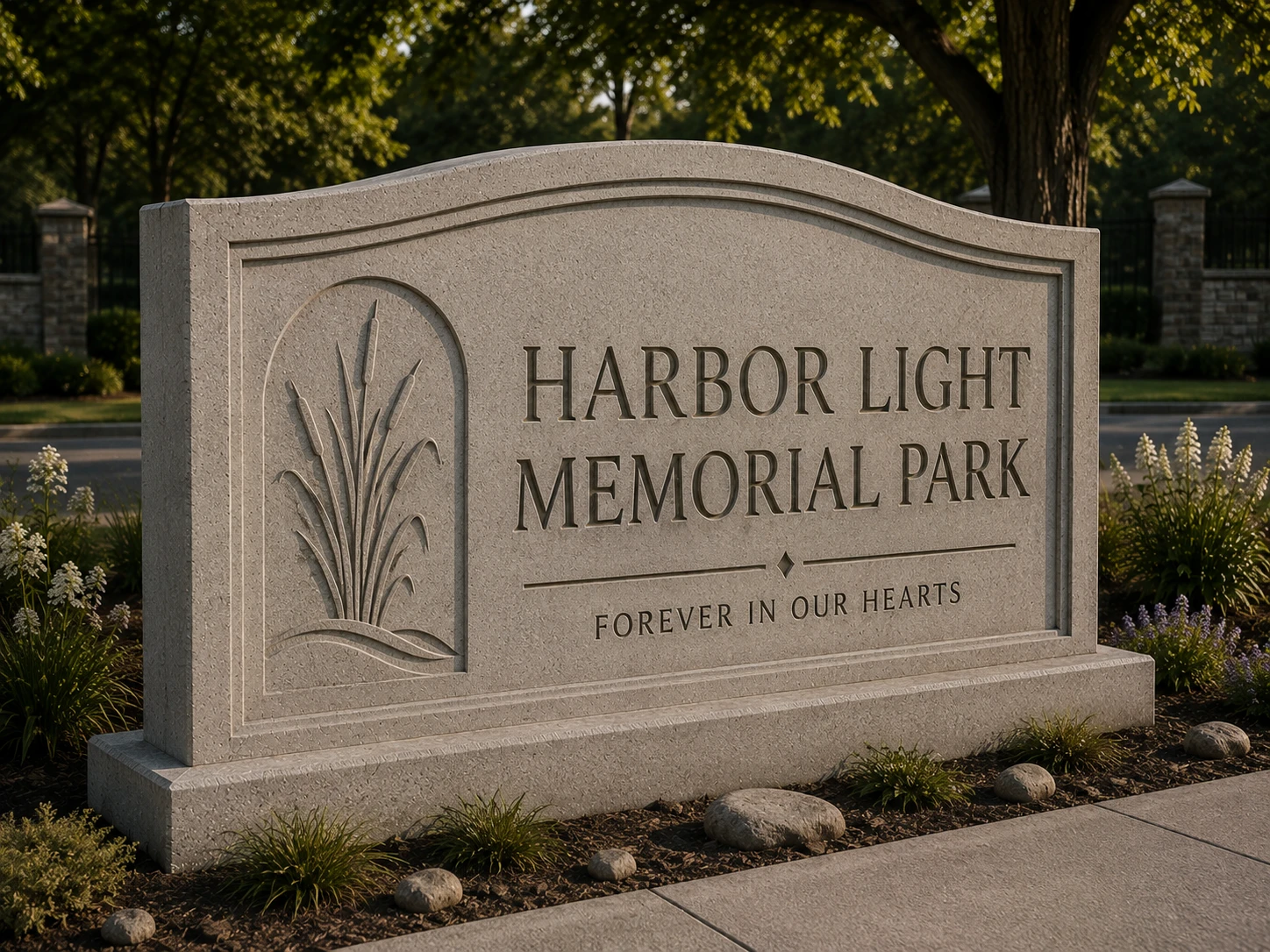
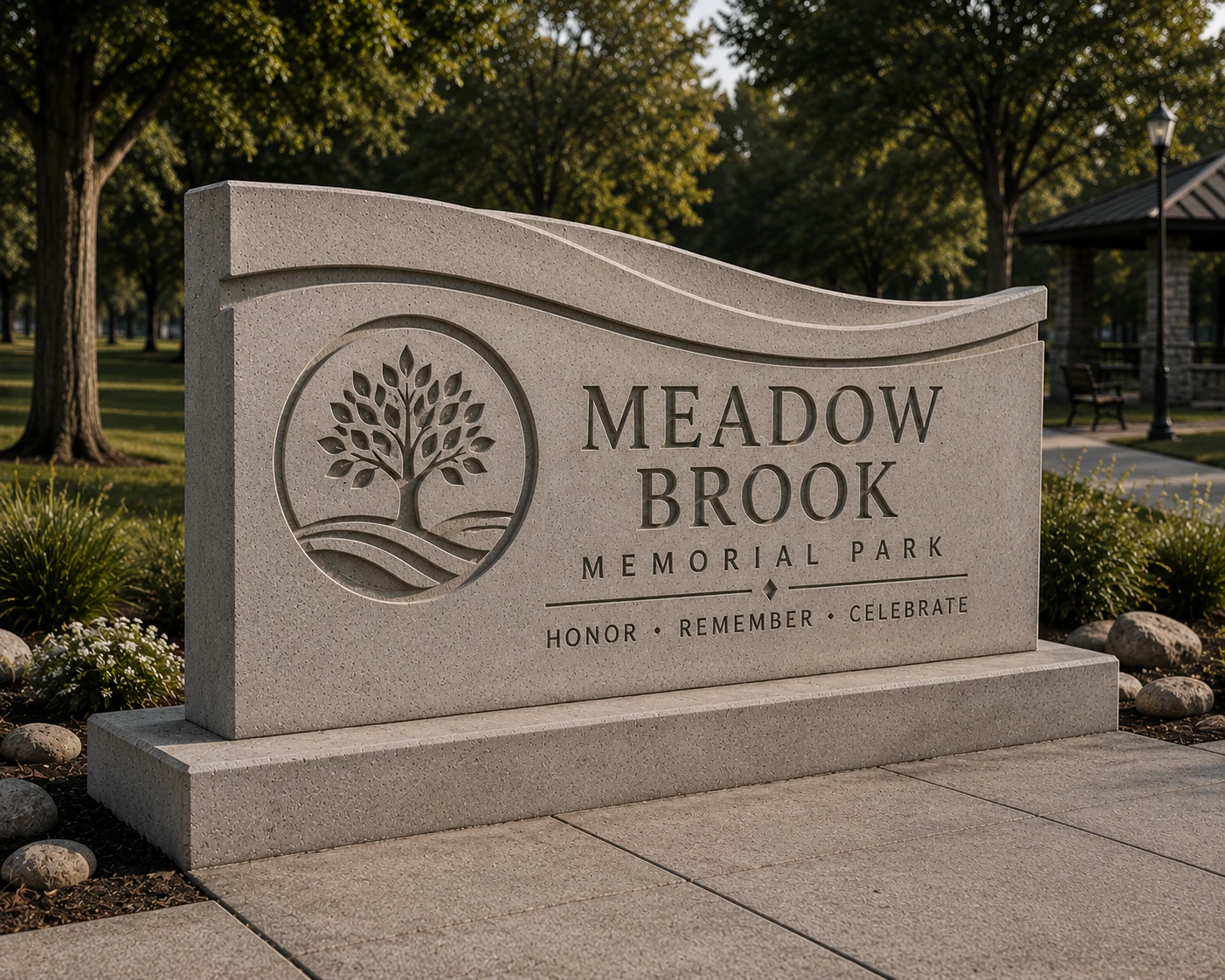
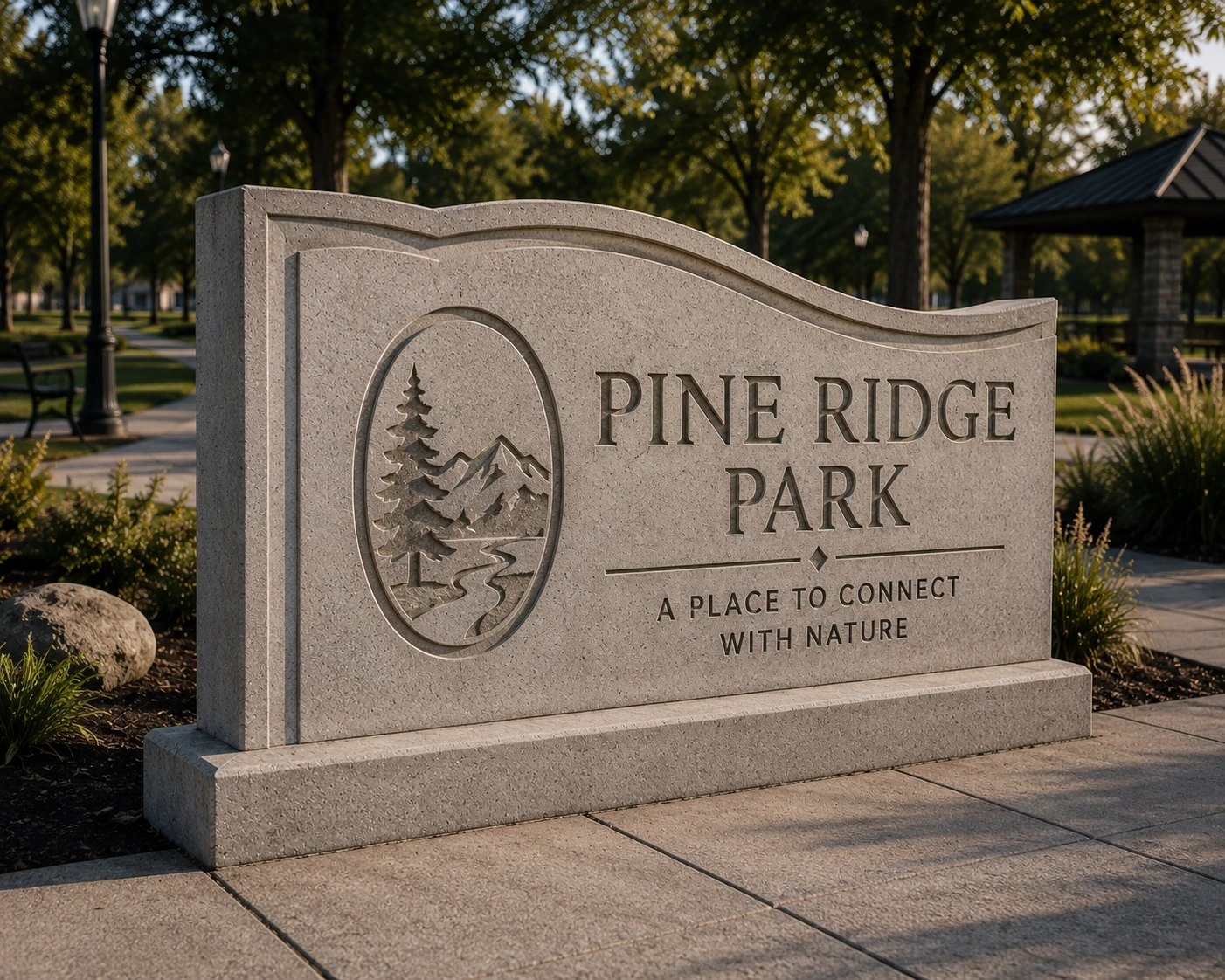
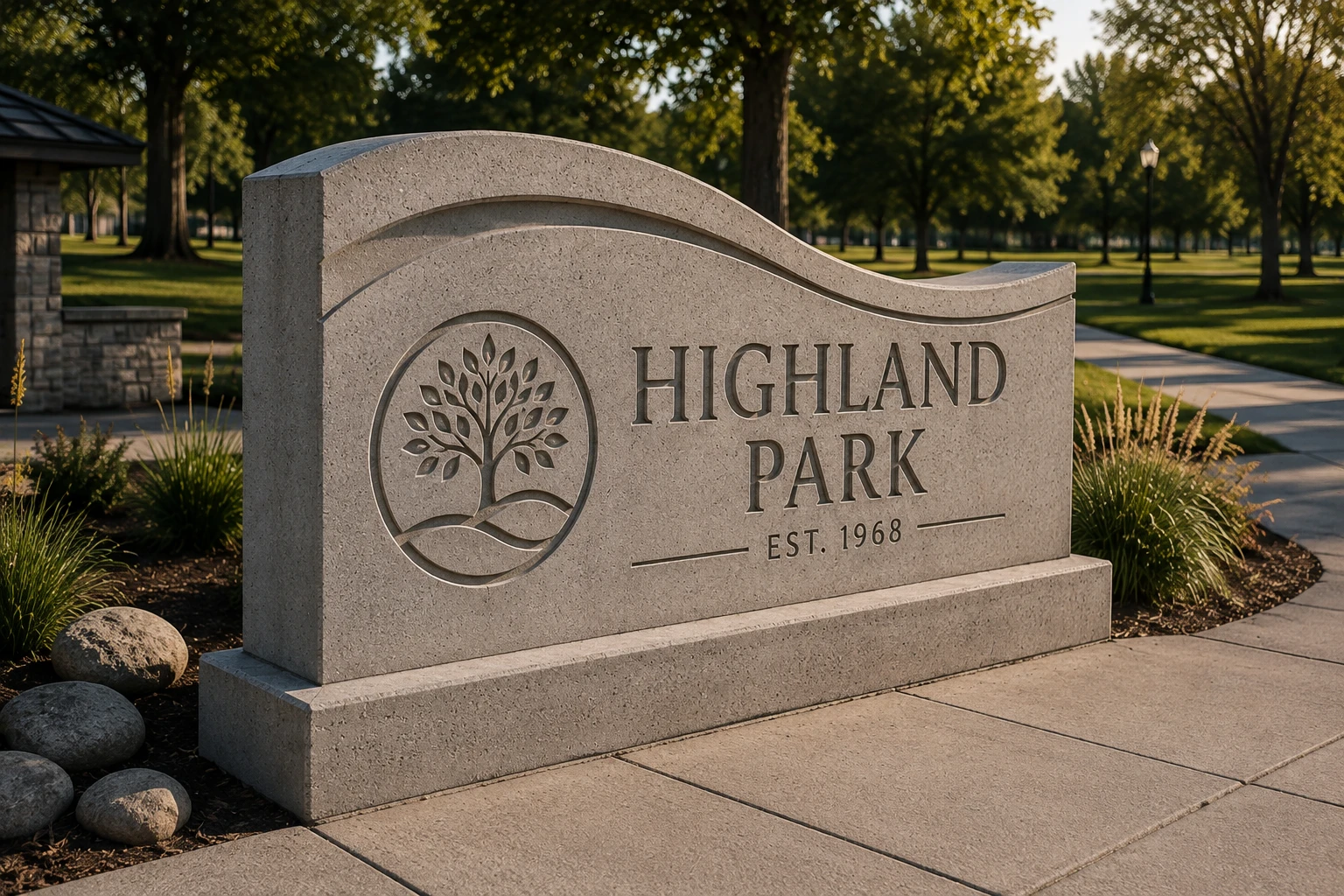
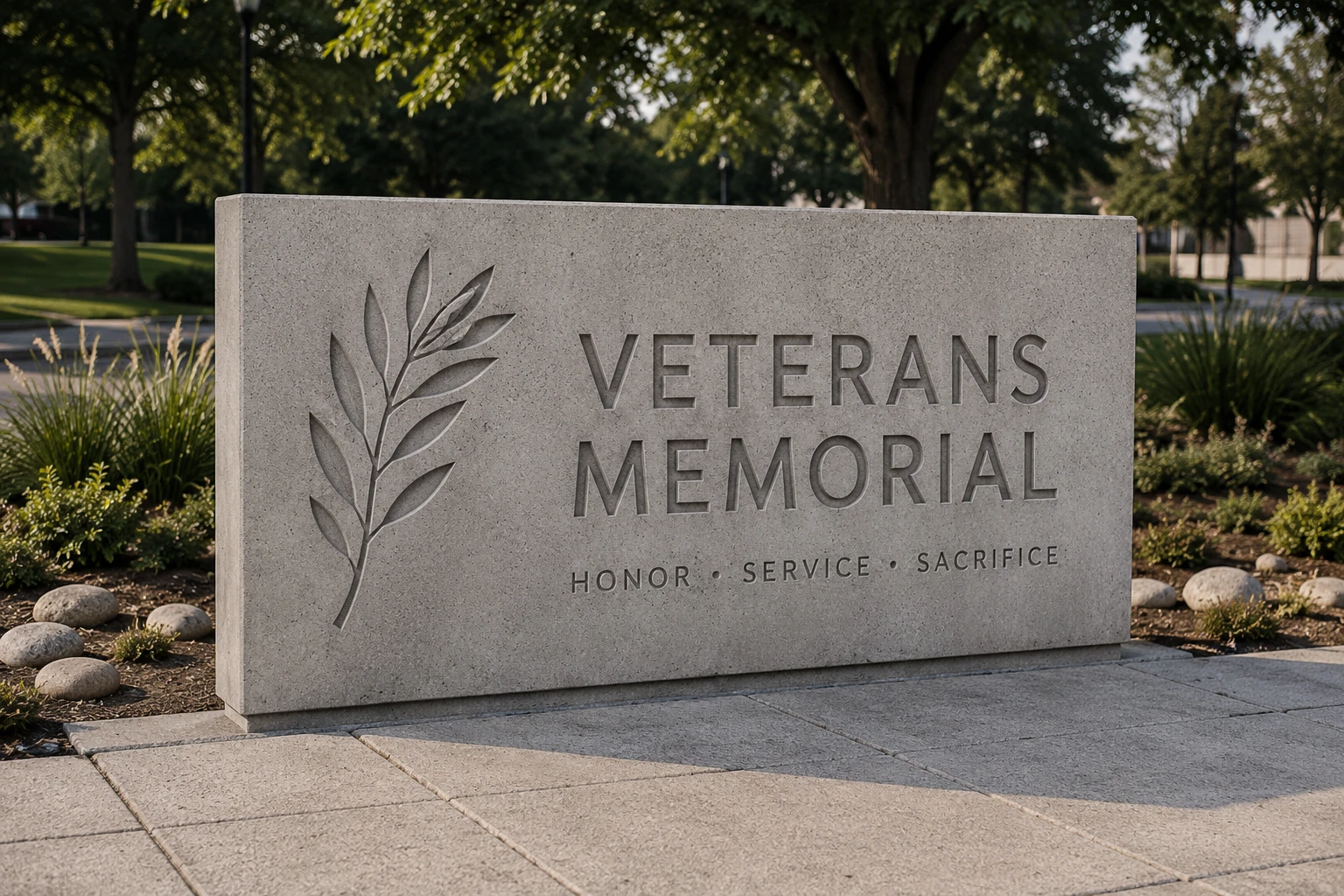
Molds for Cast Stone Signs: Master Patterns, Mold Fabrication, and Lightweight Stone-Look Monument Signage for Communities, Resorts, and Estates
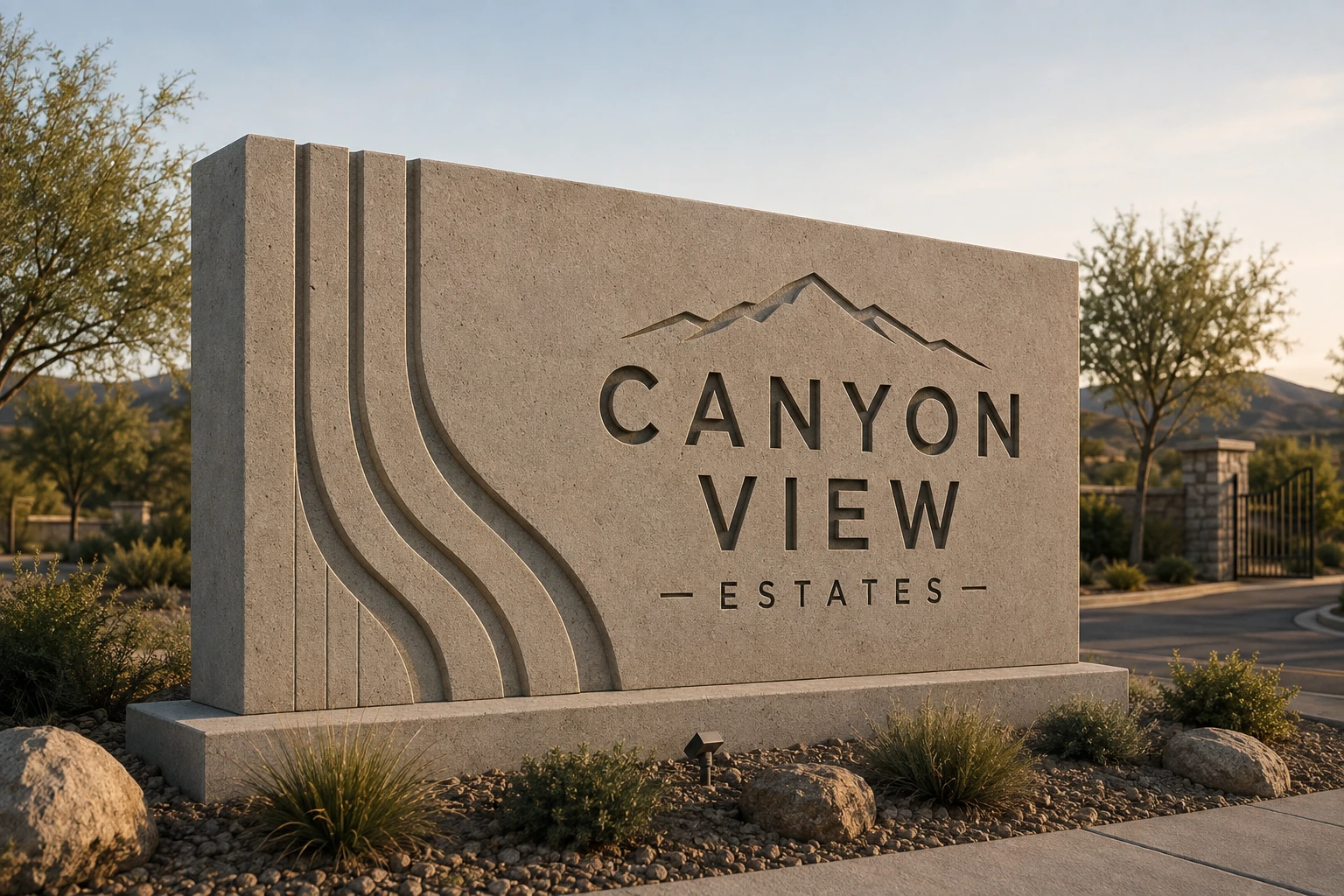
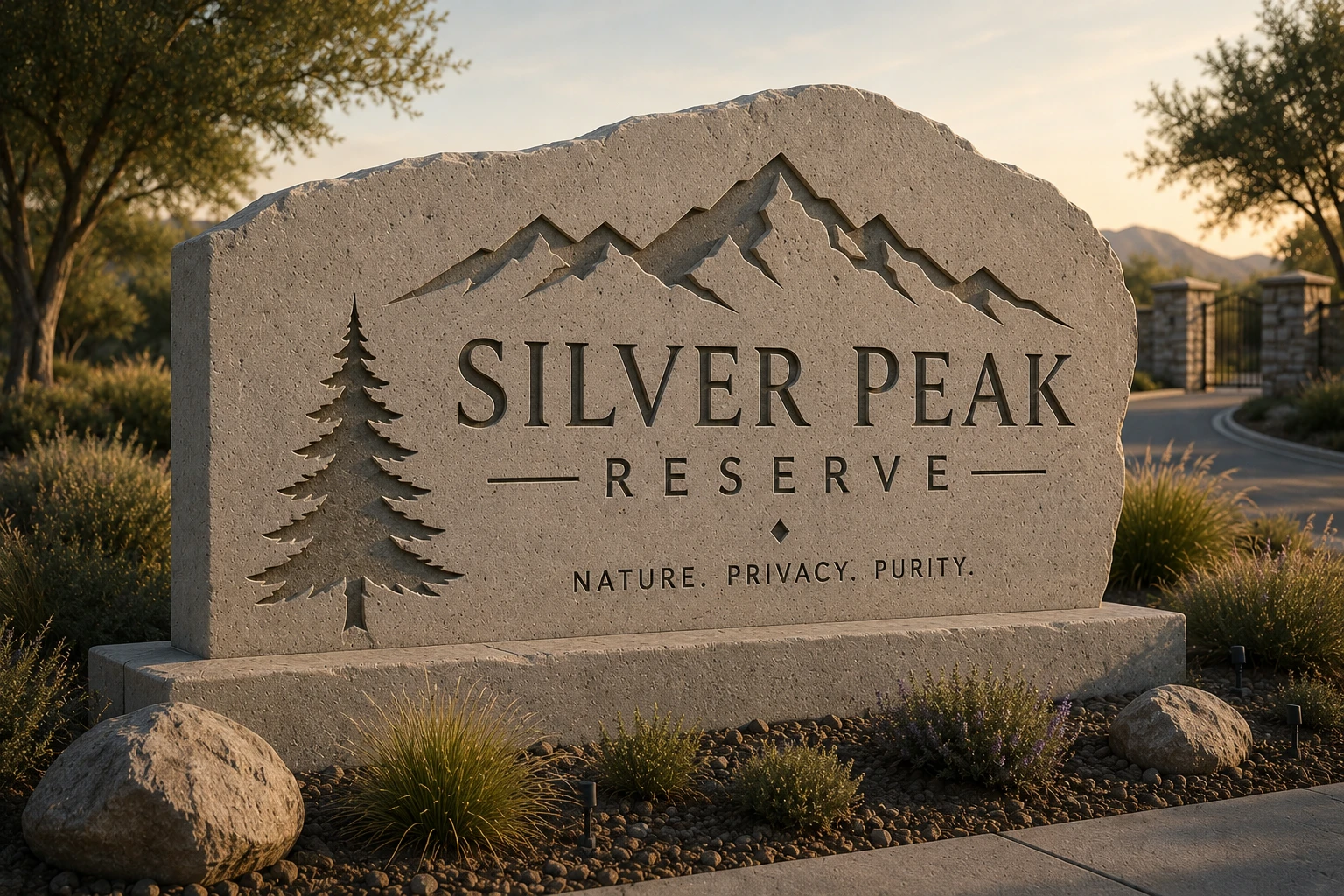
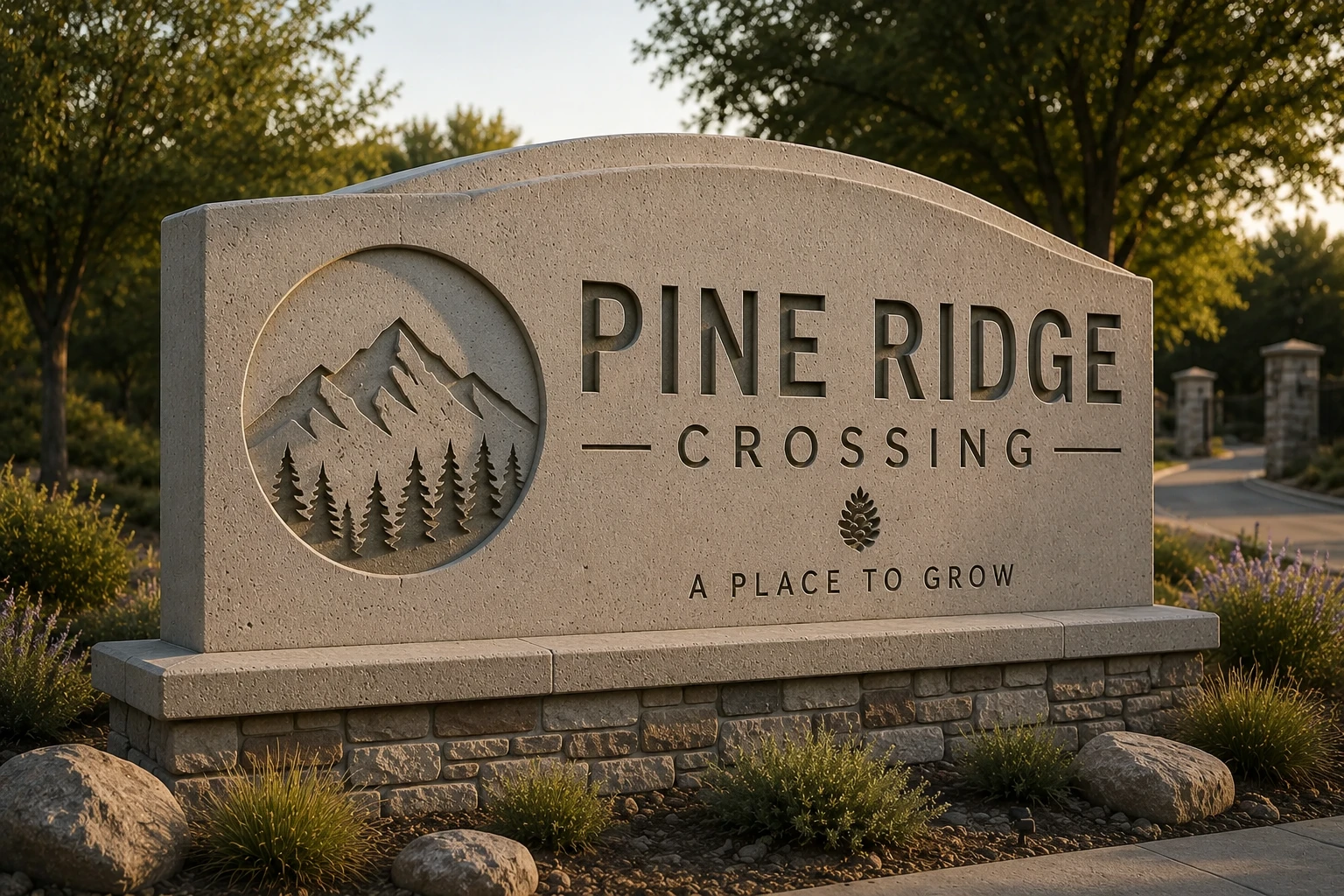
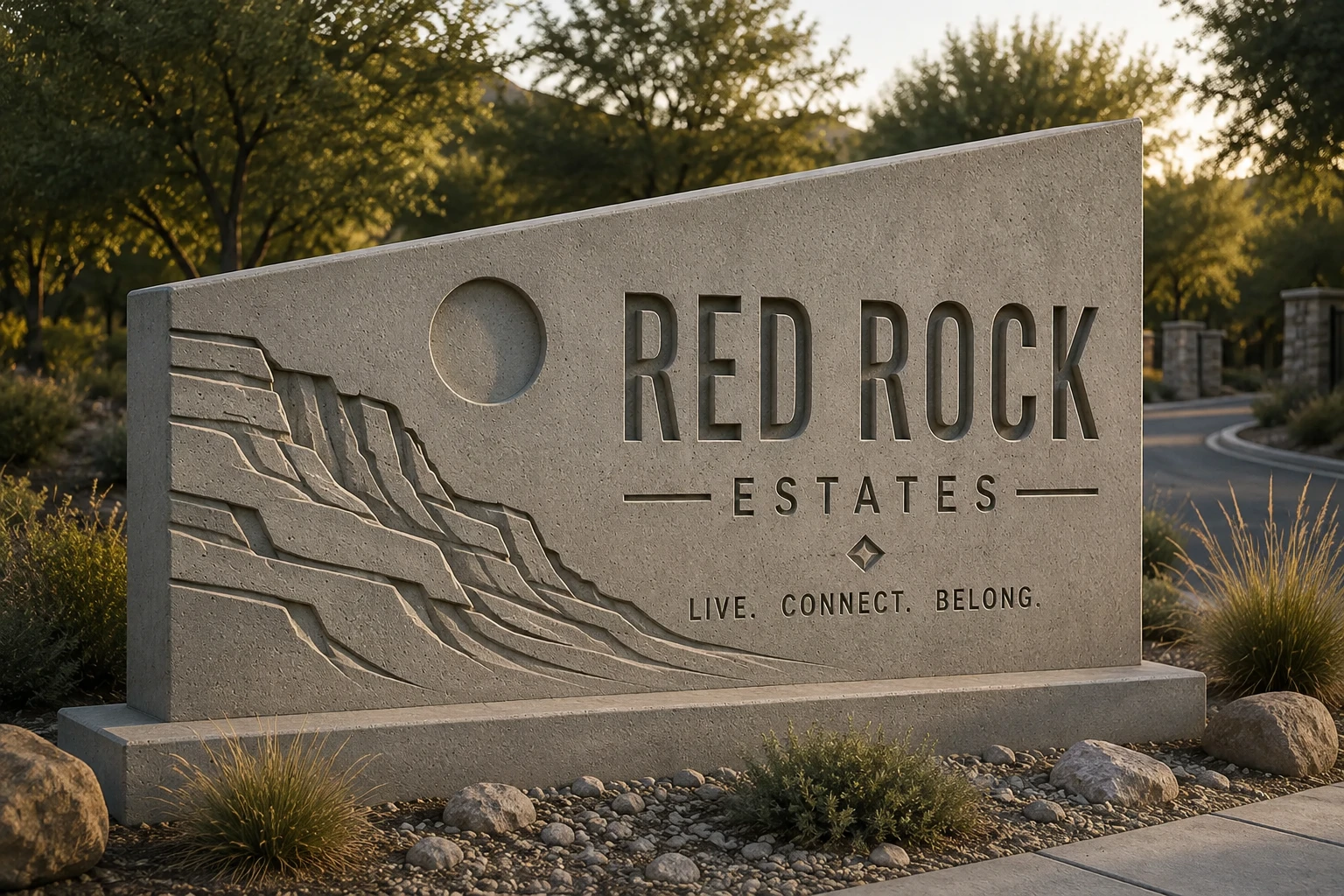
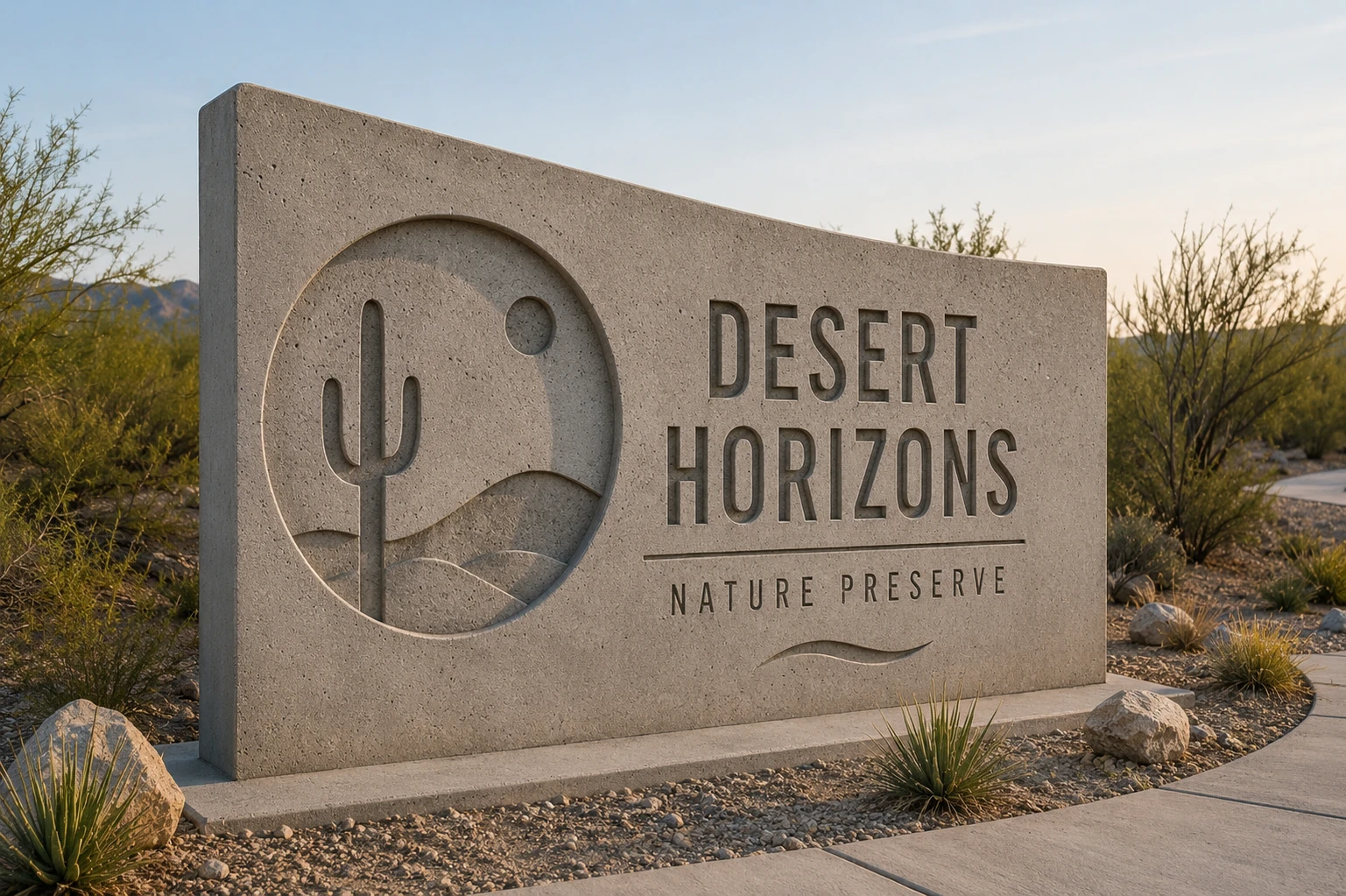
Molds for Cast Stone Signs are used when a sign needs the appearance of carved stone, limestone, concrete, architectural masonry, or sculpted relief, but the project requires lighter construction, controlled detail, repeatable production, and a custom shape. In this context, “cast stone” refers to the visual language of stone-style signage — raised lettering, carved borders, relief logos, textured surfaces, monument faces, plaques, and architectural panels — rather than necessarily using heavy cement-based cast stone.
For Royal Foam Art Design, this topic fits naturally into finished custom architectural signage because the company can produce both the mold-based fabrication system and the final stone-look sign product. This can include CNC-carved foam or HDU master patterns, mold-ready relief, reusable molds, molded sign faces, sculptural panels, protective coatings, faux stone finishes, reinforced mounting zones, and complete dimensional sign elements.
The goal is not simply to make a mold. The goal is to create a finished sign that has the authority and texture of stone, but with the practical advantages of modern lightweight fabrication.
What Molds for Cast Stone Signs Are: Master Patterns and Flexible Molds
A mold for a cast-stone-look sign is a negative form that captures the shape, texture, lettering, borders, and relief details of the final sign. The mold allows the same sign face, plaque, logo panel, or decorative architectural element to be reproduced with consistent geometry.
The mold is usually created from a master pattern. That master pattern may be CNC-routed from HDU, carved from foam, hand-sculpted, textured, sealed, hard-coated, and finished until it represents the exact surface that the final sign should have.
| Element | Role in production | Why it matters |
|---|---|---|
| Master pattern | positive model of the final sign | controls shape, lettering, texture, and relief |
| Mold box / containment | holds the mold material | prevents leakage and distortion |
| Flexible mold | captures carved detail and surface texture | allows clean release of the sign face |
| Rigid backing / mother mold | supports the flexible mold | prevents warping during production |
| Release strategy | separates casting from mold | protects both mold and finished part |
| Casting or molded material | creates the sign face or relief element | determines weight, durability, and finish |
| Finish system | creates stone, concrete, or limestone appearance | completes the architectural look |
A high-quality mold produces clean detail, sharp lettering, controlled texture, and repeatable results. A poor mold creates soft edges, trapped bubbles, warped surfaces, visible seams, and inconsistent sign faces.
Why Mold Quality Matters for Stone-Look Sign Production
The quality of a cast-stone-look sign depends heavily on the mold. If the master pattern has uneven letters, poor spacing, weak relief, rough tool marks, or bad texture, every molded part will repeat those problems.
A strong mold must capture detail while also releasing the finished part without damage. This is especially important when the sign includes raised lettering, recessed panels, crests, borders, deep relief, stone texture, or decorative ornament.
| Mold quality factor | Risk if ignored |
|---|---|
| Poor master pattern | every finished piece repeats the same defect |
| Weak mold support | warped or uneven sign faces |
| Wrong mold flexibility | tearing, distortion, or difficult release |
| No release strategy | damaged parts and shorter mold life |
| Poor air release | bubbles in letters, borders, and fine detail |
| Bad seam placement | visible lines in the finished sign |
| No test piece | production problems discovered too late |
For Royal Foam Art Design-style fabrication, the advantage is control over the master pattern. Foam and HDU can be cut, routed, shaped, textured, sealed, and refined before the mold is made. This gives the final sign a more accurate and intentional surface.
Material Systems for Stone-Look Signs: Polyurethane, Resin, EPS, and HDU
The important point is that a stone-look sign does not always need to be made from real stone or heavy cementitious cast material. Depending on the project, the final product can be created with lighter and more adaptable systems.
| Sign system | Best use | Practical advantage |
|---|---|---|
| Molded polyurethane / resin sign face | detailed decorative signs, plaques, logos | clean detail and controlled surface |
| Hard-coated foam sign | large lightweight stone-look signs | strong visual mass with low weight |
| HDU carved sign face | crisp lettering, borders, and relief | stable, sign-grade detail |
| EPS + HDU hybrid | large body with detailed carved face | balances scale, detail, and weight |
| Molded relief panel | repeated logos, crests, ornaments | consistent production |
| Faux stone finish system | limestone, concrete, sandstone, aged stone effects | realistic architectural appearance |
This flexibility is important. A private estate plaque, a resort sign, a golf club monument, a residential community entrance, and a branded retail installation do not all need the same construction method. The right system depends on size, exposure, viewing distance, installation method, weight limits, finish expectations, and budget.
Royal Foam Art Design can use mold-based fabrication, foam/HDU shaping, routed detail, hard coating, and faux stone finishing to create signs that look substantial and architectural without forcing the project into heavy masonry production.
Applications for Cast-Stone-Look Signs: Communities, Resorts, Golf Clubs, and Estates
Mold-based stone-look signage is valuable when the sign needs to feel permanent, established, architectural, and custom-made.
| Application | Typical sign format | Why it works |
|---|---|---|
| Residential communities | entrance monument panels | consistent stone texture and raised lettering |
| Golf clubs / country clubs | crest, property name, carved stone-look face | premium and traditional identity |
| Resorts / hotels | logo panels, wayfinding, monument signs | luxury arrival experience |
| Private homes / estates | family name, address plaque, driveway marker | personal and permanent-looking |
| Churches / schools | institution name, crest, donor signage | formal and established presence |
| Retail plazas | tenant monument panels | consistent style across multiple signs |
| Parks / public spaces | directional plaques and interpretive signs | natural stone appearance |
| Branded environments | sculptural stone-look logos or panels | strong visual and photo value |
Molds become especially useful when a design needs to be repeated. A community may need several matching entrance panels. A resort may need a full family of wayfinding signs. A retail center may need replaceable tenant panels with the same border and stone texture. A brand may need multiple stone-look logo pieces for a temporary or permanent environment.
Master Pattern Fabrication: CNC-Routed HDU, Foam Carving, and Hand Sculpting
The master pattern is the most important stage because it defines the final sign. If the master is not accurate, the mold cannot fix it. The mold only reproduces what already exists.
For Royal Foam Art Design, master patterns can be produced through CNC routing, foam carving, HDU machining, hand sculpting, texture work, and hard-coated surface preparation.
| Master pattern method | Best use | Result |
|---|---|---|
| CNC-routed HDU | lettering, logos, borders, plaques | clean sign-grade precision |
| CNC-milled foam | large relief and sculptural sign bodies | efficient large-scale shaping |
| Hand-sculpted foam | irregular stone, aged texture, organic relief | natural variation |
| Hard-coated master | repeated mold-making and sharper durability | stronger master surface |
| 3D model + CNC output | crests, emblems, ornaments | accurate digital-to-physical translation |
| Applied dimensional elements | letters, trim, logos, plaques | sharper or layered details |
A master pattern must also be designed for release. Deep undercuts, fragile raised details, extreme vertical walls, and very thin strokes can create problems during molding or demolding. Good design includes slight draft where needed, controlled relief depth, durable edge geometry, and smart seam placement.
Mold Construction and Detail Control
Most detailed sign molds use a flexible mold layer supported by a rigid backing. The flexible layer captures surface detail. The rigid support keeps the mold flat and stable during production.
| Mold component | Function |
|---|---|
| Flexible mold surface | captures lettering, stone texture, relief, and fine detail |
| Rigid mother mold | prevents sagging, bowing, and distortion |
| Mold box | controls the mold boundary and thickness |
| Release agent | protects the mold and finished piece |
| Venting / pour planning | reduces air pockets in fine detail |
| Registration keys | help align multi-part mold sections |
Mold design becomes more important as the sign becomes more dimensional. Raised letters, borders, deep textures, crests, and complex relief all create areas where air can trap or edges can tear. Proper mold geometry helps preserve detail and reduce production problems.
Design Rules for Molded Sign Detail: Relief Depth, Draft Angle, and Seam Placement
A cast-stone-look sign must be designed for real-world production, not only for appearance on screen. Fine details that look attractive in a rendering may become weak, unreadable, or difficult to release from a mold.
| Design factor | Recommendation | Why it matters |
|---|---|---|
| Letter stroke | avoid extremely thin raised details | reduces breakage and weak edges |
| Relief depth | match depth to viewing distance | improves shadow and readability |
| Draft angle | add release-friendly geometry where needed | helps demolding |
| Texture scale | keep stone texture below message hierarchy | preserves legibility |
| Seam placement | hide seams along borders or natural breaks | improves final appearance |
| Corners | soften or reinforce vulnerable areas | reduces chips |
| Air release | plan how material fills letters and detail | reduces bubbles |
| Mounting zones | add reinforced backs or inserts | improves installation strength |
For signs viewed from 10–40 feet, large readable forms matter more than tiny stone texture. For close-view plaques, texture, edge quality, and paint detail become more important. The design must match how the sign will actually be seen.
Stone-Look Finishing: Limestone, Concrete, Sandstone, and Aged Stone Effects
The finish is what makes the sign believable. A stone-look sign should not be treated as a flat gray object. Realistic stone appearance comes from texture, layered color, subtle variation, edge treatment, recessed shadows, mineral speckling, stains, dry-brushing, and the correct level of sheen.
| Finish style | Visual effect | Best use |
|---|---|---|
| Limestone look | warm, classic, refined | estates, communities, hospitality |
| Concrete look | modern, clean, architectural | offices, retail, urban environments |
| Sandstone look | natural, warm, textured | parks, resorts, exterior signage |
| Aged stone look | weathered and historic | churches, schools, themed environments |
| Smooth cast-stone look | formal and polished | institutional or corporate signage |
| Painted stone-look | controlled brand color | retail and branded environments |
The finish should support the message. If the texture is too aggressive, lettering becomes harder to read. If the color is too flat, the sign looks artificial. If the finish is too glossy, it may lose the natural stone effect. The best result balances realism with readability.
Installation and Practical Construction of Stone-Look Signs
Stone-look signs must be designed around the installation environment. Even when the product is lightweight, it still needs proper mounting, stable backing, and reinforced connection points.
| Installation method | Best use | Technical concern |
|---|---|---|
| Wall-mounted plaque | buildings, interiors, estates | backer strength and alignment |
| Monument face panel | communities, resorts, plazas | weather exposure and replaceability |
| Freestanding sign body | entrances, events, branded displays | base stability and wind |
| Post-mounted panel | parks, trails, directional signs | vibration and fastener strength |
| Integrated façade element | buildings and branded environments | substrate, anchors, and seams |
Exterior signs need additional planning: UV exposure, moisture, impact, drainage, cleaning, and repair access. Lower areas are especially vulnerable because they may be exposed to landscaping tools, shoes, sprinklers, soil, mulch, or standing water.
A lightweight stone-look system can reduce handling and installation challenges compared with real stone or heavy cast masonry, but the engineering logic still matters. Mounting should be planned before fabrication, not improvised after the sign is finished.
Business Value of Mold-Based Stone-Look Signage
Molds create value because they allow controlled repetition. Once the master and mold are built, a sign face, logo panel, plaque, border, crest, or decorative relief can be reproduced with consistent shape and detail.
| Advantage | Business value |
|---|---|
| Repeatability | matching signs across properties or locations |
| Detail control | logos, crests, borders, and relief stay consistent |
| Premium appearance | stone-like identity without ordinary flat signage |
| Custom texture | unique brand or property character |
| Weight flexibility | lightweight alternatives to heavy masonry |
| Repair and replacement | reproduce panels without redesigning |
| Scalable production | useful for communities, resorts, campuses, and plazas |
For Royal Foam Art Design, this creates a strong production path: digital file, master pattern, mold logic, molded or fabricated sign face, stone-look finish, reinforced mounting, and finished dimensional signage.
Common Mistakes and Risk Control in Cast Stone Sign Molding
The most common mistake is treating the mold as a simple container. In reality, the mold is a production tool, and every weakness affects the final product.
| Mistake | Result |
|---|---|
| weak master pattern | repeated defects in every piece |
| wrong mold material | tearing, distortion, or poor release |
| no rigid backing | warped sign faces |
| excessive undercuts | difficult demolding and broken detail |
| poor air release | bubbles in letters and borders |
| texture too aggressive | reduced readability |
| no reinforced mounting | installation problems |
| wrong coating for exposure | weather damage or surface failure |
| no test piece | defects found too late |
| poor finish planning | fake-looking stone surface |
Good planning starts with the end use: indoor or outdoor, permanent or temporary, close-view or road-facing, lightweight or heavy-looking, one piece or repeat production.
Expert Takeaway: Molds for Cast Stone Signs as a Complete Signage System
Molds for Cast Stone Signs should be understood as part of a complete stone-look architectural signage system. The mold controls detail, texture, repeatability, release, surface quality, and production efficiency. The finished sign depends on the full chain: master pattern, mold construction, material choice, coating, finish, reinforcement, mounting, and site conditions.
For Royal Foam Art Design, this category aligns strongly with complete custom architectural signage production: CNC-carved foam and HDU master patterns, mold fabrication, molded sign faces, sculptural relief, faux stone finishes, protective coatings, reinforced mounting zones, and finished dimensional sign products.
The value is not simply that the sign imitates stone. The value is that it can deliver stone-like authority, carved detail, architectural presence, and repeatable production while remaining lighter and more adaptable than real stone or heavy masonry.
For residential communities, resorts, golf clubs, estates, churches, schools, campuses, retail plazas, parks, and branded properties, mold-based stone-look signage offers a strong balance of craftsmanship, durability, visual permanence, and practical fabrication.
Recommended Articles
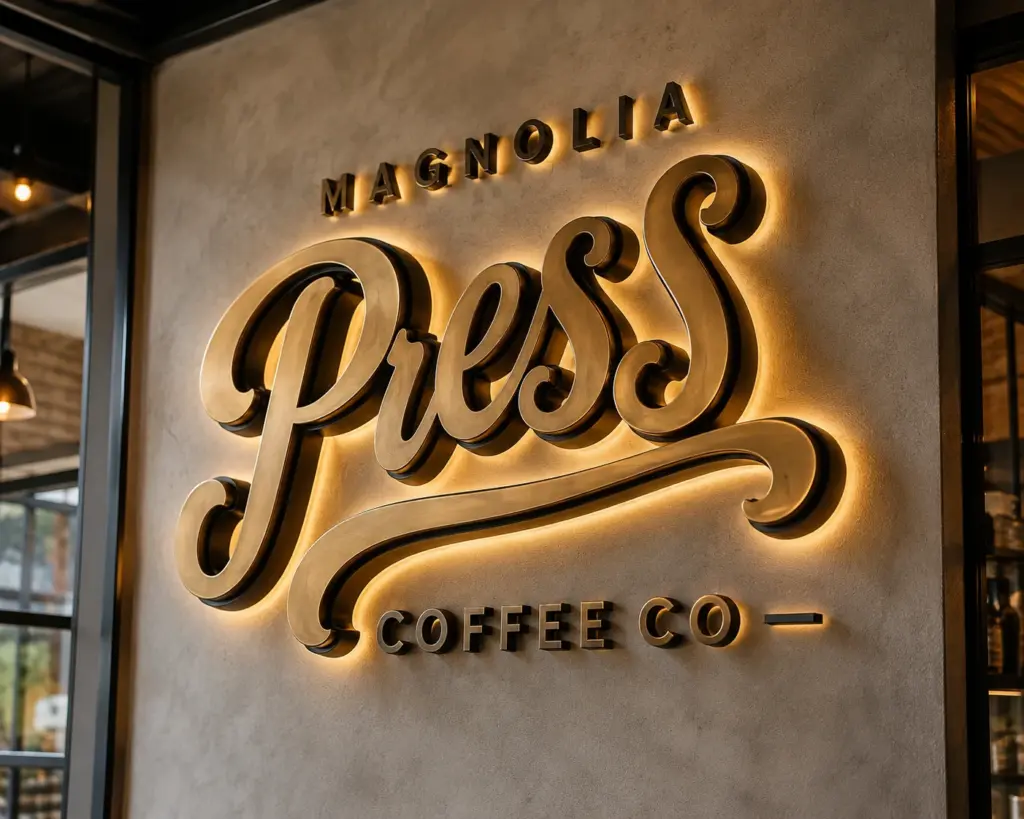
Outdoor LED Signs: Custom Illuminated Foam and HDU Signage for Storefronts, Hotels, Restaurants, and Monument Entrances
See the results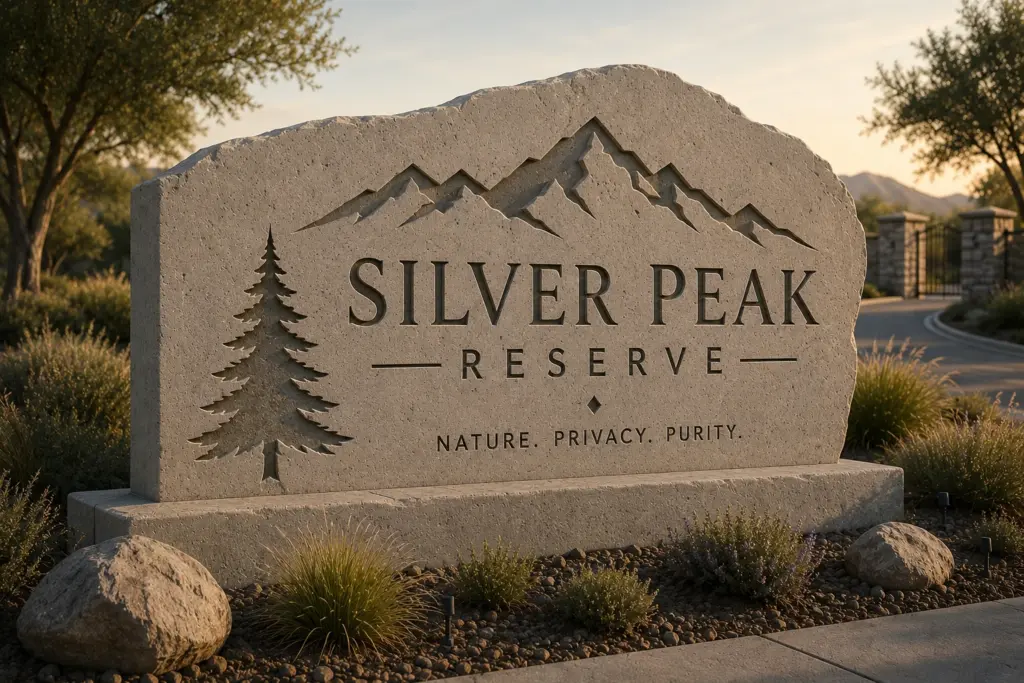
Molds for Cast Stone Signs: Master Patterns, Mold Fabrication, and Lightweight Stone-Look Monument Signage for Communities, Resorts, and Estates
See the results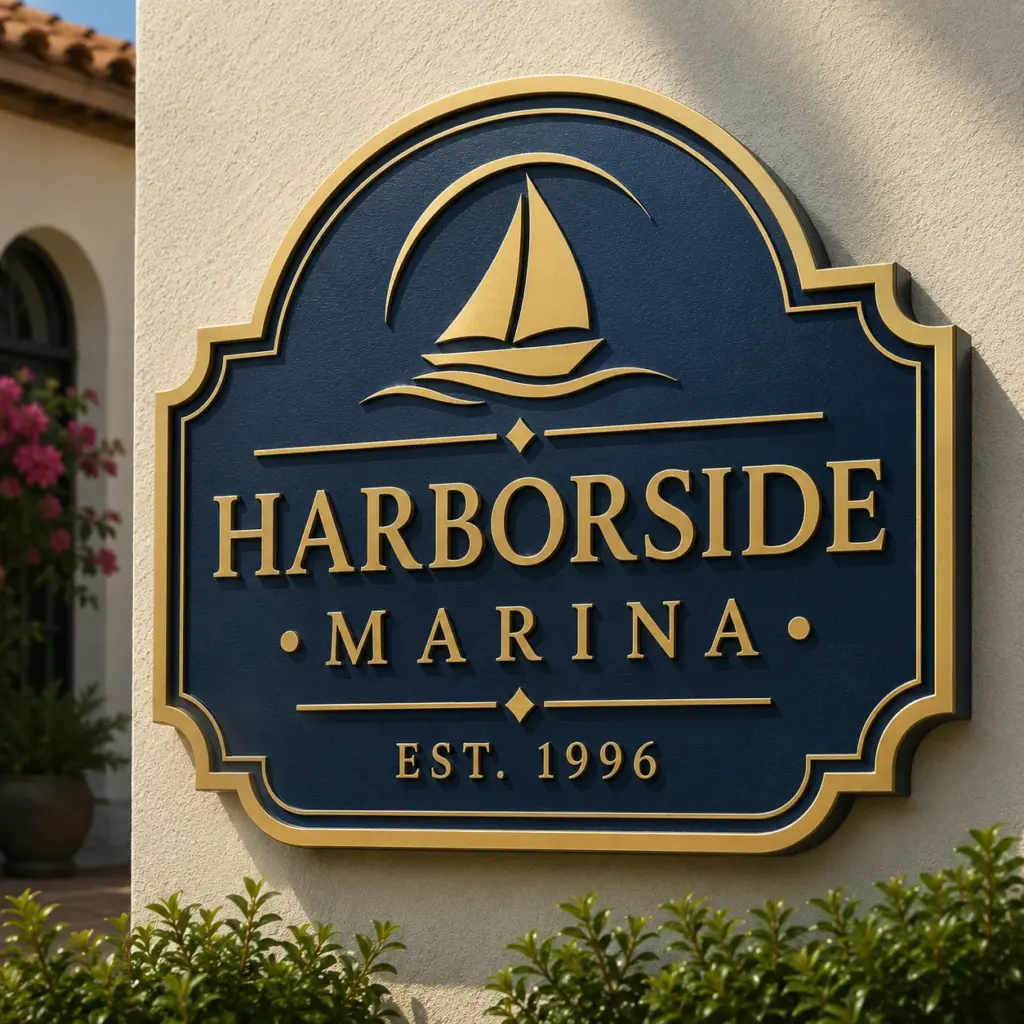
Sandblasted & V-Carved Signs: Lightweight HDU and Foam Dimensional Signage for Resorts, Clubs, Restaurants, and Private Estates
See the results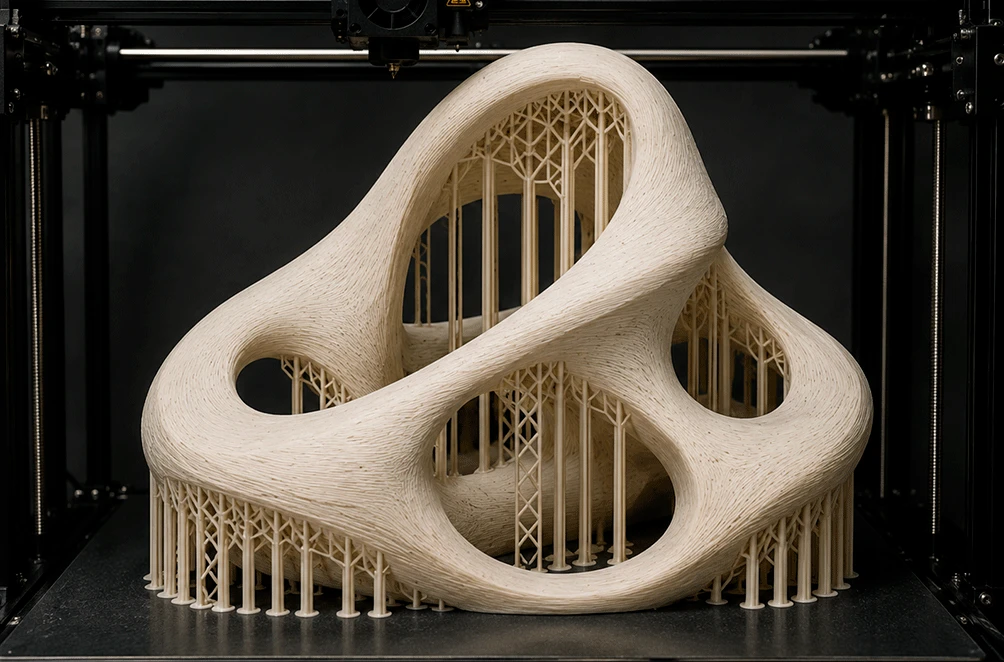
Industrial 3D Printing for Large-Scale Custom Fabrication: From Digital Model to Production-Ready Parts
See the results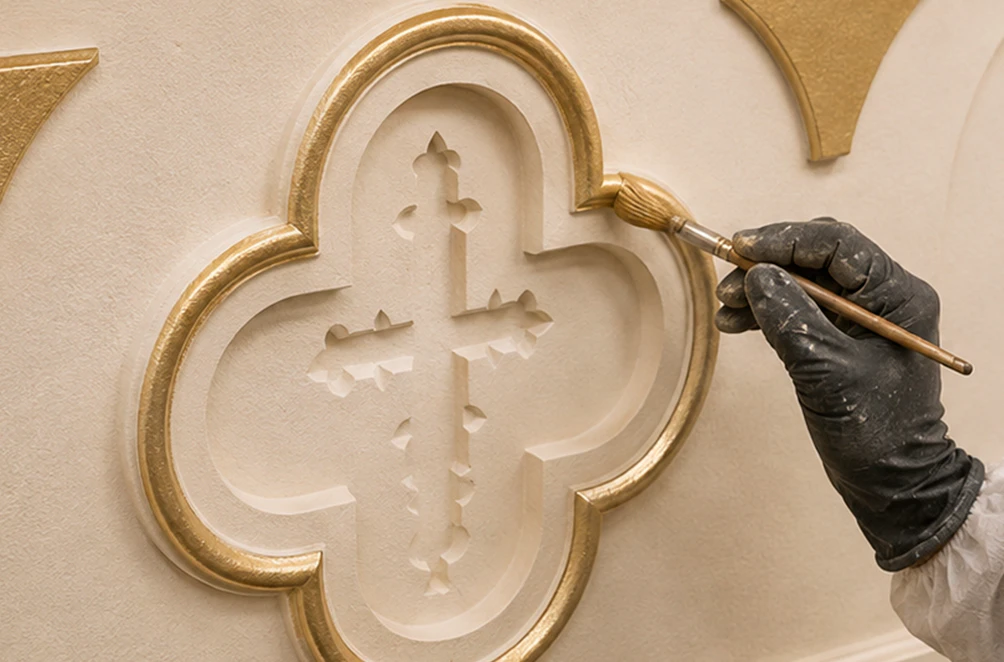
Designs for Places of Worship: Lightweight Architectural Elements for Sacred, Community, and Prayer Spaces
See the results
Wedding Arch Colonnades: Technical Fabrication for Luxury Ceremony Entrances, Aisle Architecture, and Event Spatial Design
See the results
Architectural Shapes: Lightweight Custom Forms for Interiors, Exteriors, Homes, Buildings, and Branded Spaces
See the results
Foam Routed Signs: Precision-Cut Dimensional Signage for Lightweight, Custom, and Architectural Brand Environments
See the results
Foam Monument Signs: Lightweight Architectural Signage for Entrances, Campuses, Retail Plazas, and Brand Landmarks
See the results