
Museum Exhibits & Replicas: Technical Fabrication for Accurate, Lightweight, and Durable Display Environments
Why Replicas Matter in Museum Environments
Museum exhibits succeed when knowledge becomes physically understandable. A visitor may read a label, but scale, texture, distance, weight, and form are what make history, science, and culture feel real. That is why museum replicas are not simple decorative objects. They are interpretive tools that must satisfy curators, designers, educators, installers, conservators, and public audiences at the same time.
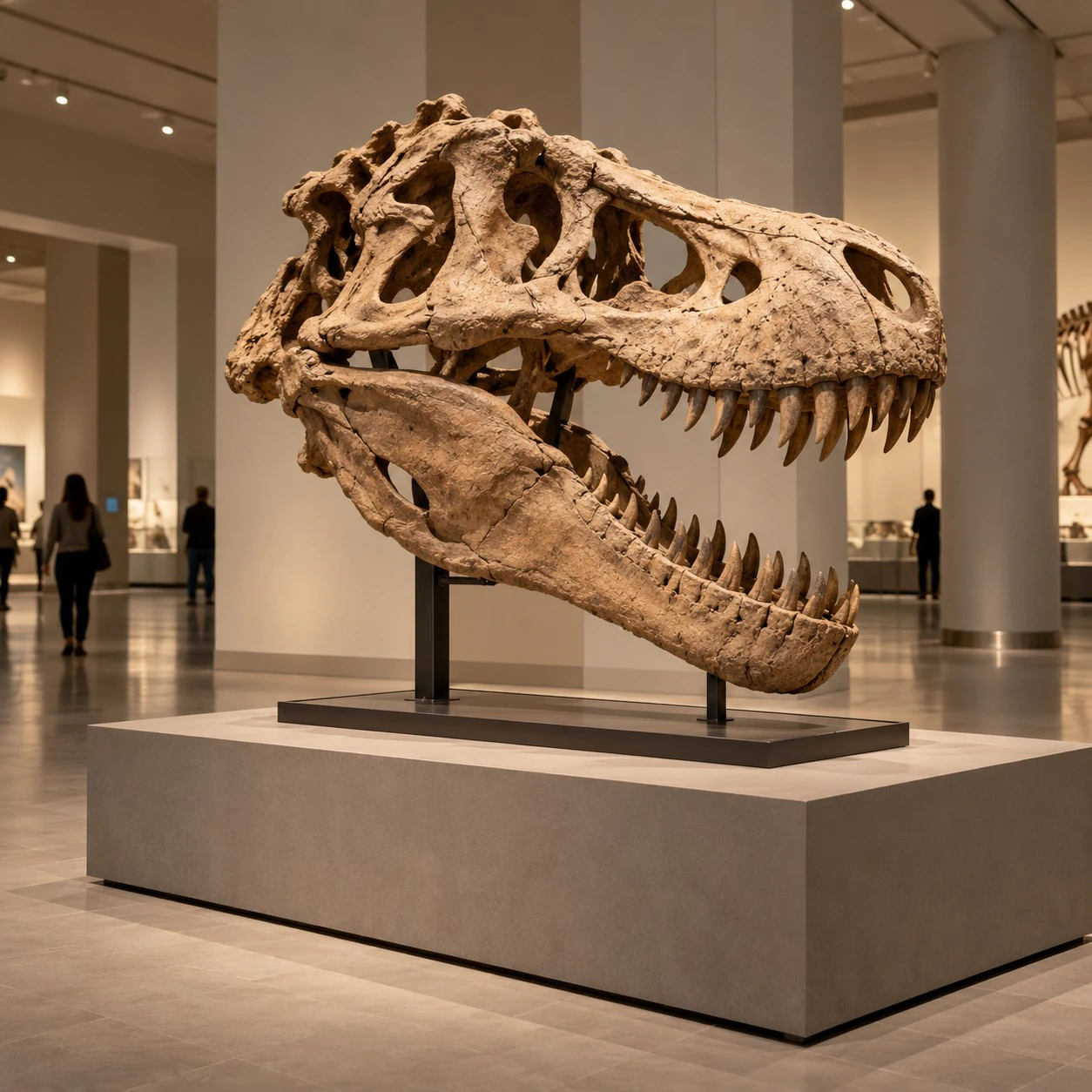
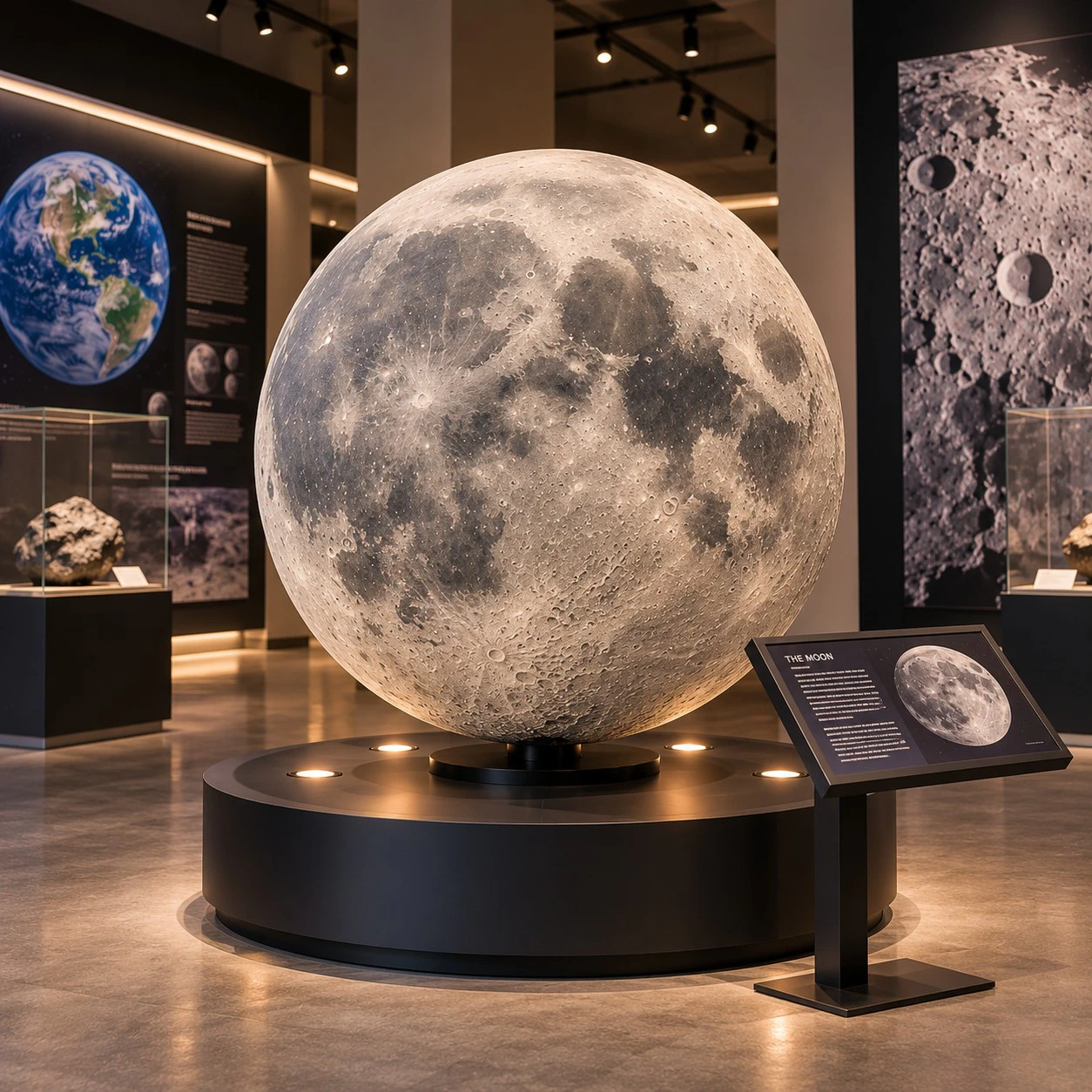
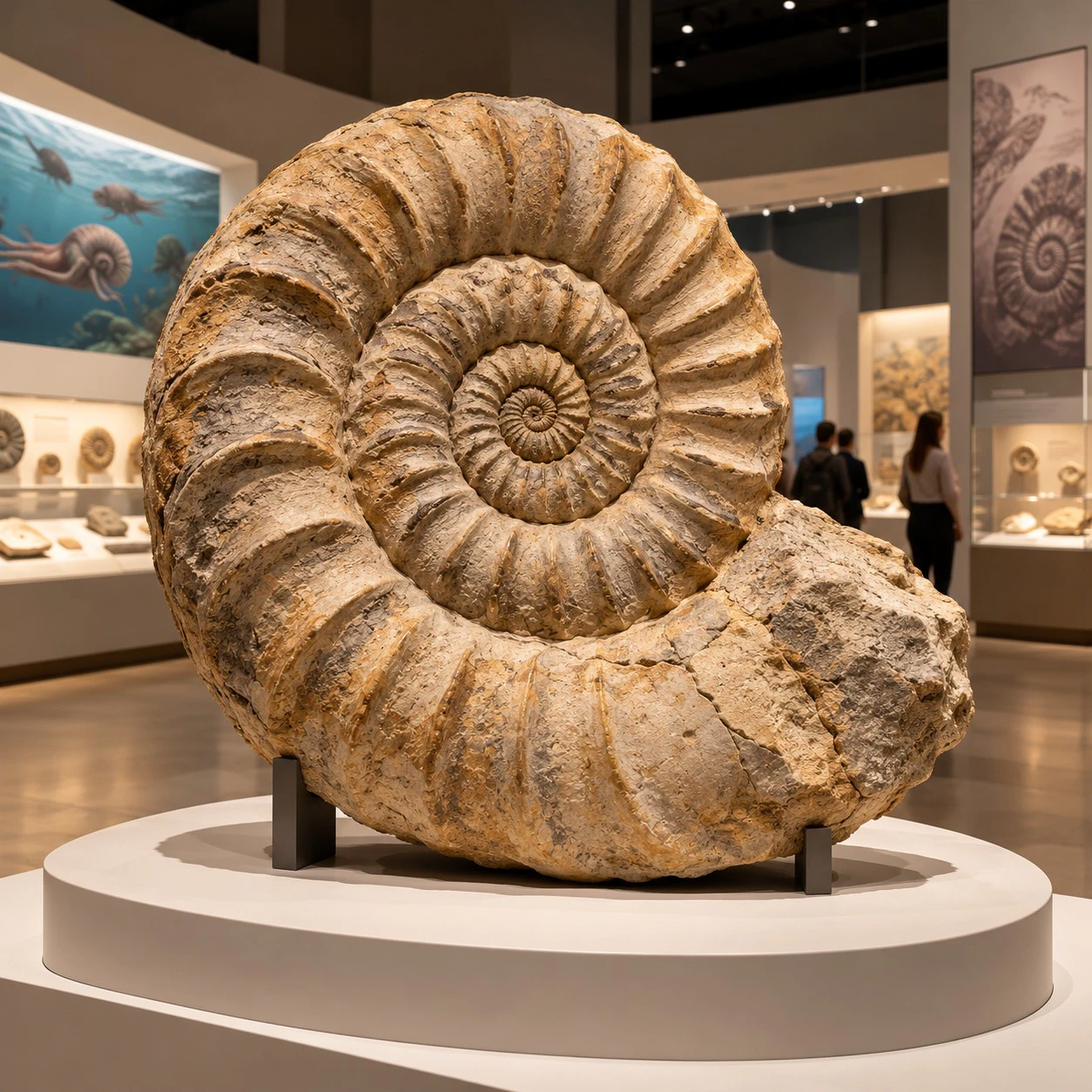
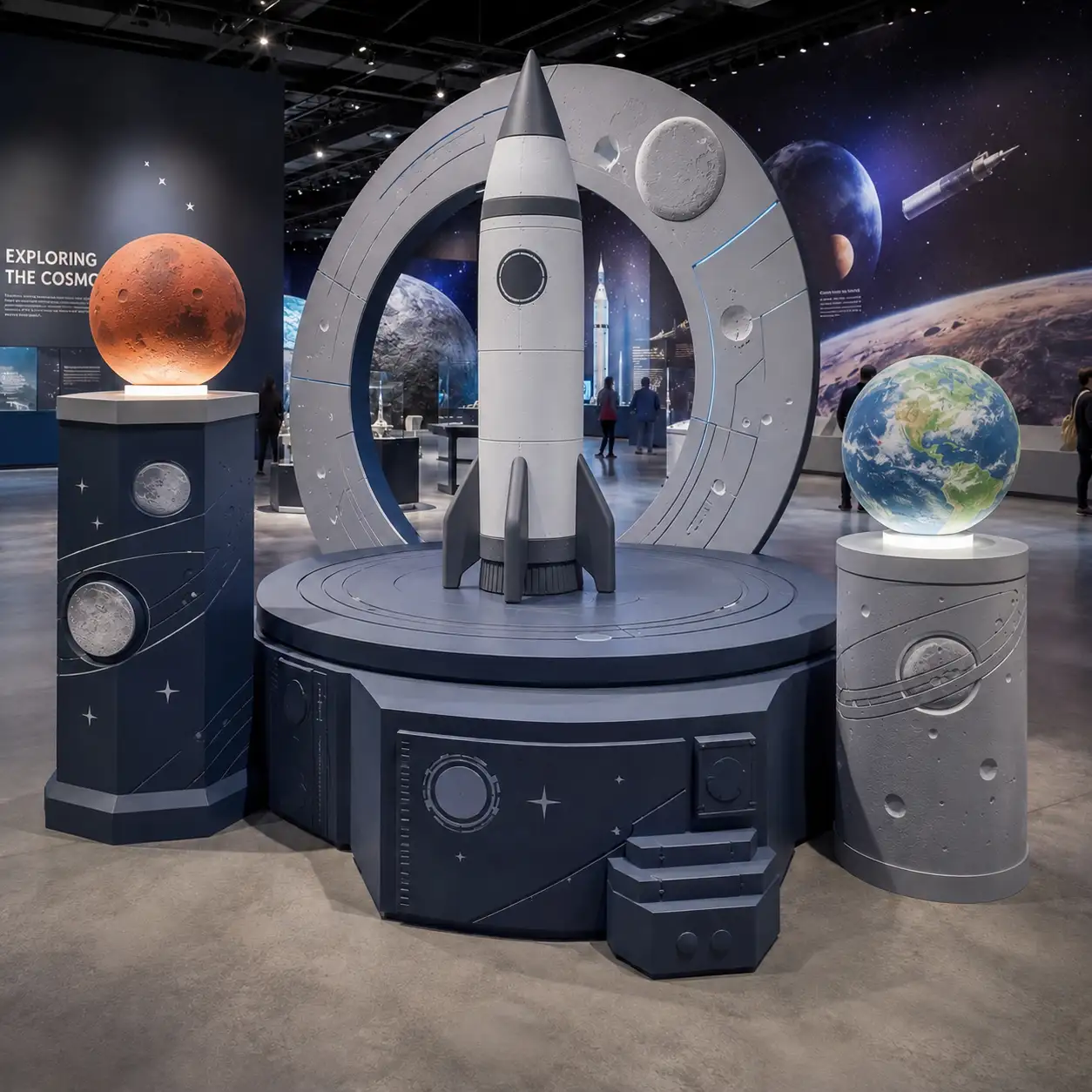
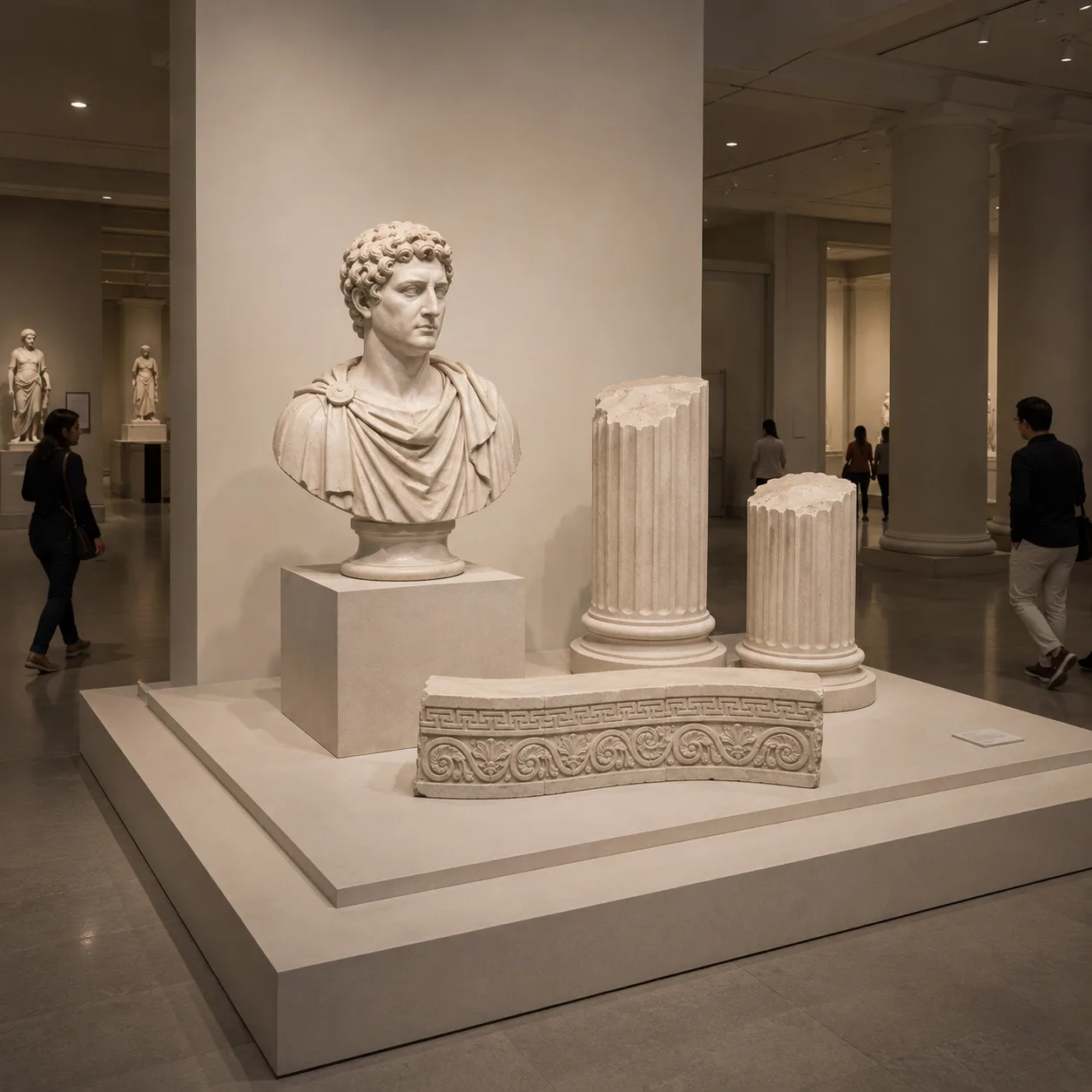
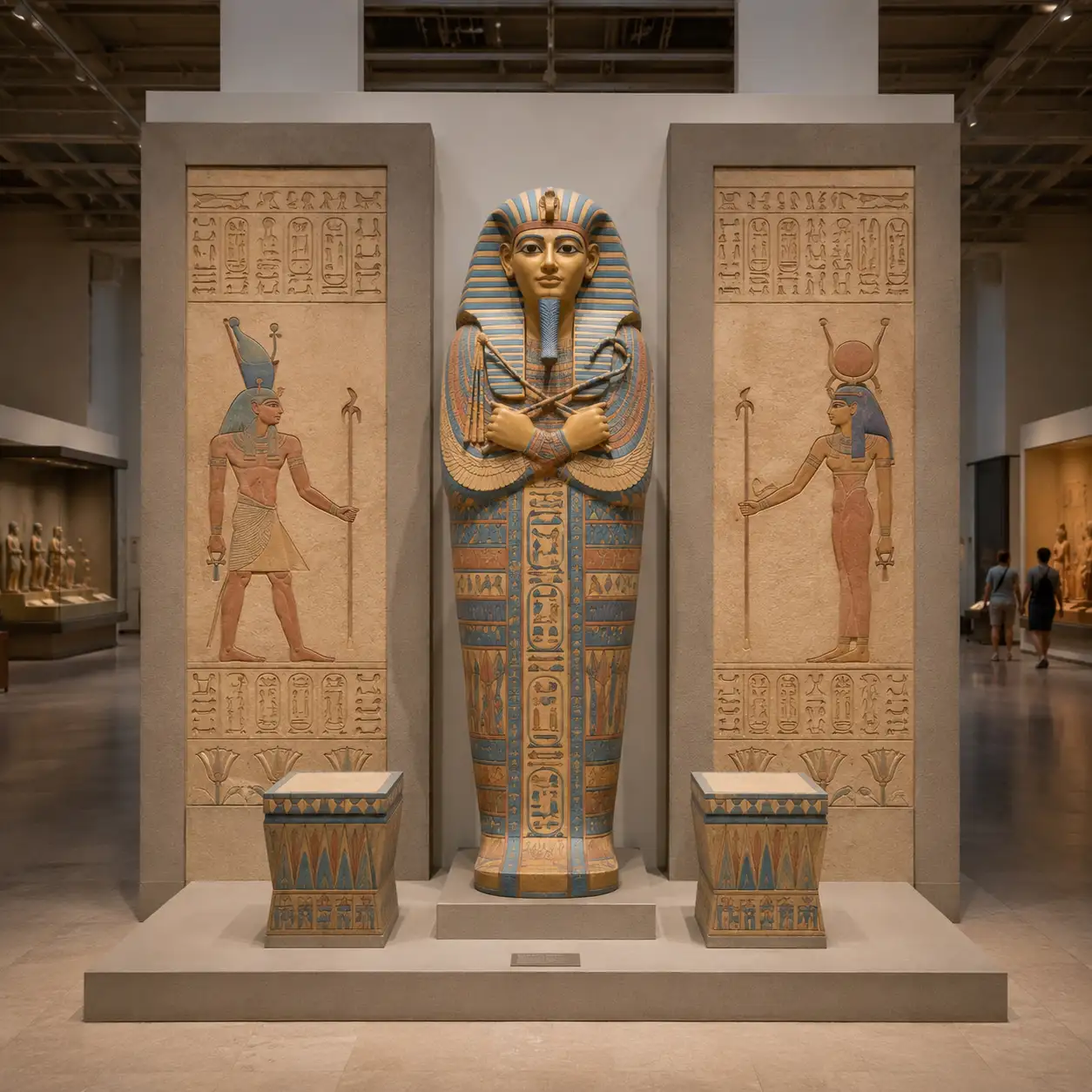
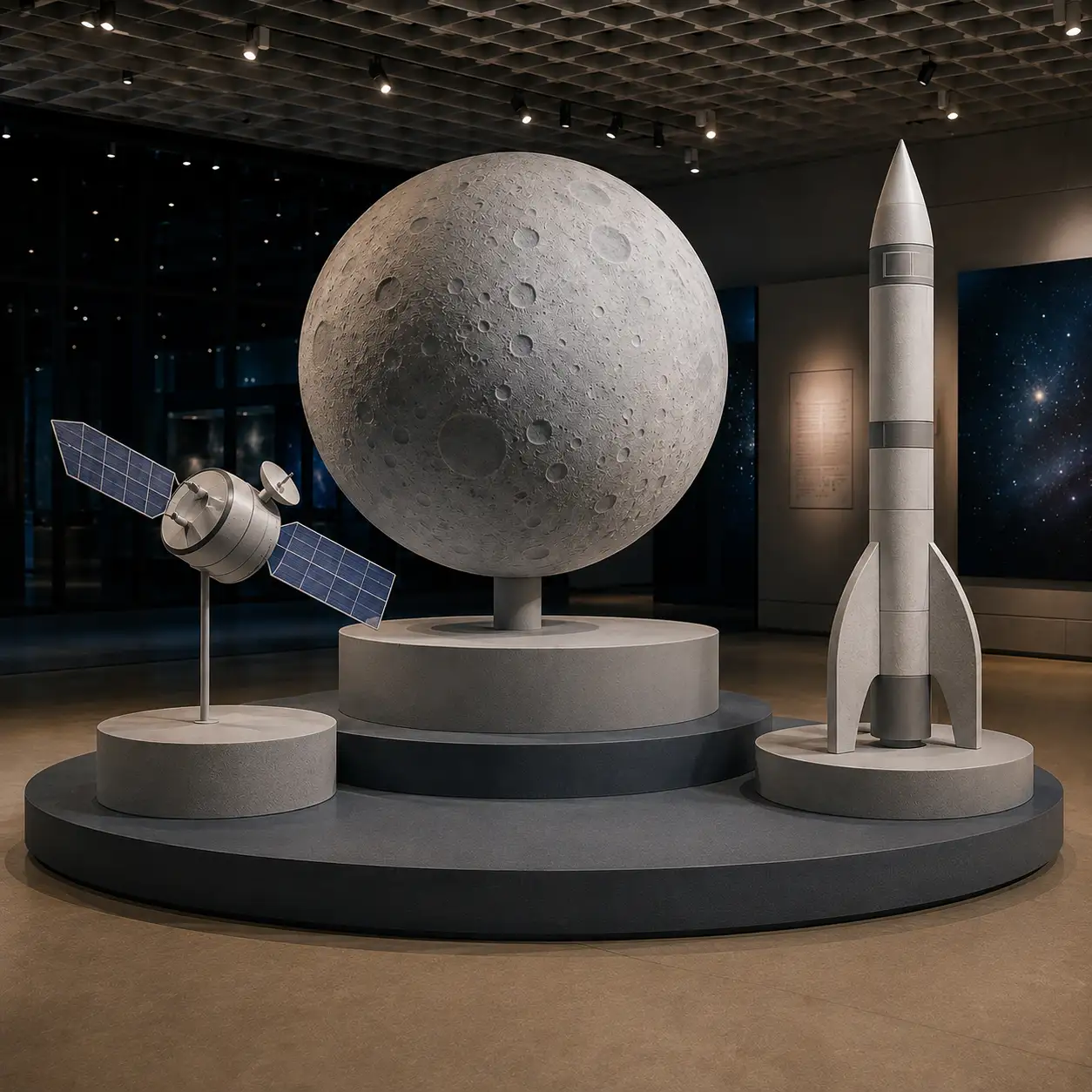
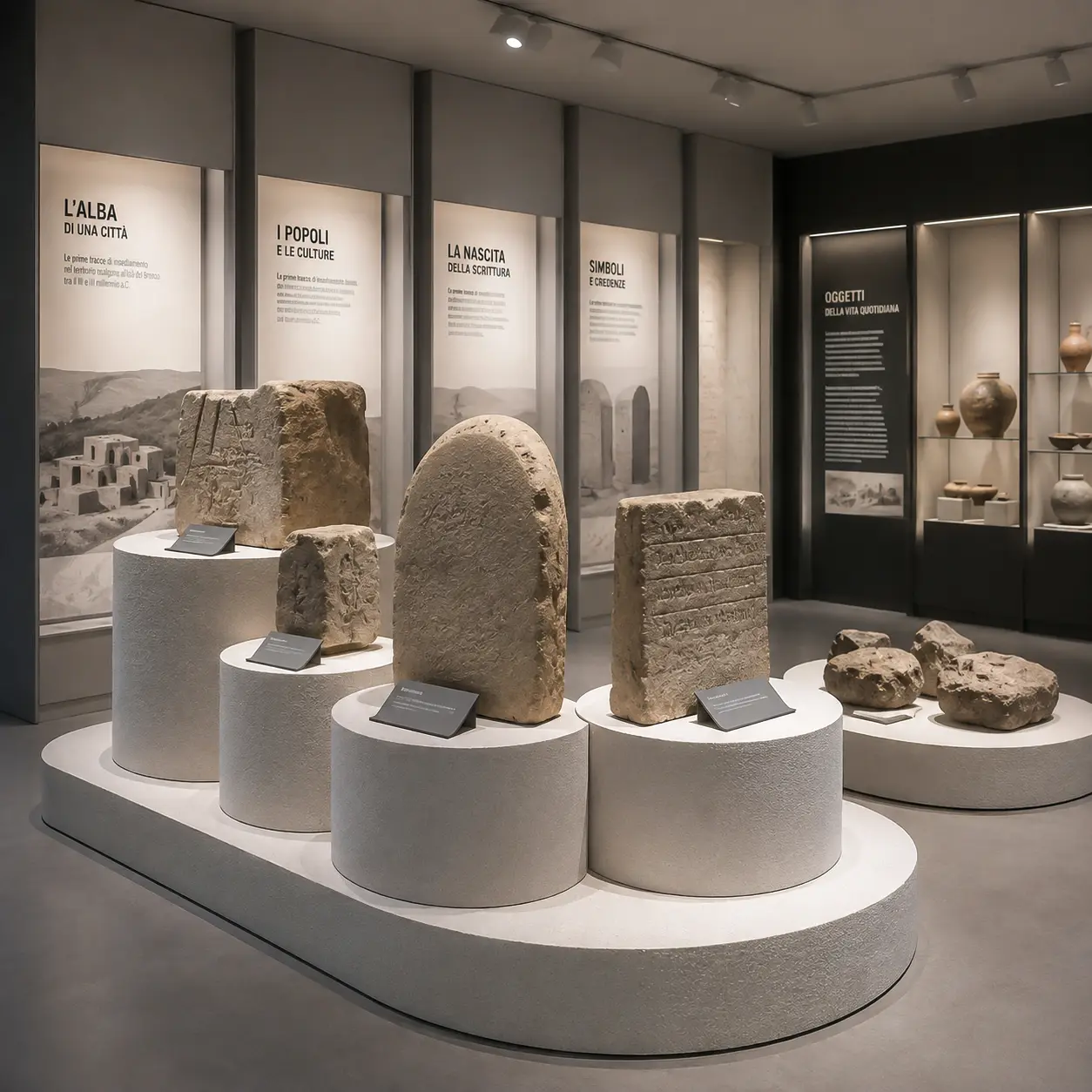
In Royal Foam Art Design’s catalogue, Museum Exhibits & Replicas are presented as museum-grade replicas and exhibit components that balance visual accuracy with lightweight versatility. The section includes examples such as life-sized forms, ancient artifact recreations, thematic installations, fossils, tools, sculpture, architectural environments, modular builds, collapsible elements, and interactive replicas for permanent, traveling, and touch-based exhibitions.
Original artifacts are often too fragile, rare, heavy, valuable, or climate-sensitive for constant public interaction. Replicas solve this problem by extending access without putting originals at risk. A well-built replica can communicate scale, material character, and historical context while remaining safe to handle, move, clean, repair, and reinstall.
For large objects such as statues, fossils, columns, architectural fragments, ship details, scientific models, or prehistoric animals, foam-based fabrication can often reduce finished weight by 70–95% compared with stone, plaster, cast concrete, or solid wood equivalents, depending on size, coating, reinforcement, and mounting method. This weight reduction can lower freight cost, simplify rigging, reduce floor-load concerns, and make traveling exhibitions more practical.
Material System: EPS, HDU, Coatings, and Reinforcement
Most large replicas begin with an EPS or HDU foam core. EPS is efficient for volume, large forms, and lightweight transport. HDU is better for sharper edges, fine carving, detailed relief, and high-density surface work. Typical EPS densities for exhibit fabrication are often around 1.0–3.0 lb/ft³, while denser foam, inserts, or hybrid materials may be used where contact, thin edges, or hardware loads are expected.
The foam core is usually protected with a hard-coat system. For protected display pieces, coating buildup may be around 2–3 mm. For touchable exhibits, traveling replicas, or high-contact surfaces, 4–6 mm is often more appropriate. In heavy-use areas, the build may include polyurea, polyurethane, fiberglass mesh, plywood backing, aluminum armatures, threaded inserts, or steel plates.
| Fabrication layer | Technical role | Museum benefit |
|---|---|---|
| EPS foam core | Lightweight volume and rough geometry | Large scale without excessive load |
| HDU foam | Dense detail and clean edge definition | Better carving, relief, and close-view fidelity |
| CNC / sculpting | Controlled geometry and repeatability | Accuracy from reference data or digital model |
| Polyurea / polyurethane coat | Impact and abrasion protection | Safer handling and longer service life |
| Inserts / armatures | Mounting, rigging, and stability | Cleaner installation and repeatable setup |
| Scenic finish | Patina, color, texture, material illusion | Historical credibility and visitor engagement |
Surface Accuracy and Material Illusion
A museum replica must be believable from close viewing distances. In many galleries, visitors may stand 2–3 ft from an object, so surface quality matters. The piece must not look theatrical unless the exhibit intentionally calls for that style. It needs controlled realism: stone grain, erosion, tool marks, fossil texture, bronze patina, ceramic irregularity, aged wood, or carved ornament.
Finishing may include sanding, skim coating, primer, layered paint, dry brushing, pigment washes, metallic aging, matte clear coats, UV-resistant coatings, or low-sheen protective finishes. For educational touch exhibits, the finish must also tolerate cleaning and repeated contact. For gallery lighting, color stability matters because UV exposure and heat from fixtures can change the appearance of poor coatings over time.
Material Comparison for Museum Replicas
| Material / Method | Strengths | Limitations | Best use |
|---|---|---|---|
| EPS + hard coat | Very light, scalable, repairable | Requires correct coating for touch use | Large statues, fossils, walls, scenic forms |
| HDU foam | Higher detail, cleaner edges | Higher material cost than EPS | Relief, artifacts, ornaments, close-view pieces |
| Fiberglass | Durable shell, good for repeated molds | Tooling cost, harder field repair | Repeated exhibit shells, outdoor replicas |
| Resin casting | Fine detail, strong small parts | Heavy or brittle at large scale | Small artifacts, bones, plaques, fragments |
| Plaster / concrete-look | Authentic mineral feel | Heavy, fragile, difficult to ship | Static small-scale display objects |
| Wood / MDF | Strong flat structure | Heavy, moisture-sensitive if unsealed | Internal frames, bases, cabinetry |
| 3D printing | Digital precision, complex geometry | Layer lines, post-processing required | Masters, complex details, mold patterns |
The strongest projects often use a hybrid approach: EPS for large volume, HDU for detail, plywood or aluminum for hidden structure, resin or 3D printing for small high-detail parts, and polyurea or polyurethane for surface protection.
Production & Application Logic for Diverse Exhibits
Permanent, Traveling, and Interactive Exhibits
Museum fabrication must be planned around use conditions. A permanent gallery object may prioritize fidelity and concealed mounting. A traveling exhibit needs modularity, crating logic, and fast reassembly. An interactive exhibit must prioritize safe edges, cleanable surfaces, replaceable wear zones, and ADA-conscious access.
| Exhibit type | Main priority | Recommended build logic |
|---|---|---|
| Permanent gallery | Visual authority and stability | Hidden mounts, durable finish, low maintenance |
| Traveling exhibit | Weight, packing, repeatability | Modular sections, labeled hardware, crate-ready sizes |
| Touch exhibit | Safety and cleanability | Rounded edges, stronger coating, repairable surface |
| Children’s / science center | High interaction | Replaceable parts, washable coating, reinforced zones |
| Pop-up museum | Fast install and storage | Collapsible build, lightweight panels, simple mounting |
For traveling exhibits, modules should be sized around access routes, crate dimensions, freight limits, and installation crew capacity. A large object broken into 3–6 ft sections is often easier to move, protect, and reinstall than one oversized monolithic piece.
Production Workflow
A museum replica begins with reference control: photos, scans, drawings, dimensions, curator notes, and interpretive goals. The workflow then moves through CAD or 3D modeling, CNC cutting, hot-wire cutting, sculpting, assembly, reinforcement, hard coating, texture refinement, priming, painting, test fit, labeling, crating, and installation planning.
For curatorial environments, accuracy is not only about appearance. The piece must support the exhibit narrative. A fossil replica, for example, may need accurate bone scale and surface erosion, while an architectural fragment may need correct relief depth, edge damage, and material coloration. If visitors can touch the piece, hand-contact zones should be reinforced and finished differently from non-contact areas.
Best Practices & Operational Value
Common Planning Risks
The most common mistake is choosing a material that looks authentic but creates operational problems. Real stone, plaster, or concrete may feel credible, but the weight can complicate rigging, floor loading, transport, and future relocation. Another mistake is using a finish that looks good under studio lighting but fails under gallery lighting or repeated cleaning.
Other risks include visible section seams, weak mounting points, sharp visitor-facing edges, lack of service access, poor crate planning, over-textured surfaces that collect dust, and finishes that are too theatrical for a museum context. A strong museum replica should be convincing, but also stable, maintainable, cleanable, and safe.
Practical B2B Value
For museums, exhibit designers, and cultural institutions, foam-based replicas reduce the practical burden of large-scale storytelling. They may reduce installation labor by 30–60% compared with heavier alternatives, depending on access, rigging, and mounting method. They can also reduce crating weight, simplify storage, shorten installation windows, and make educational interaction safer.
The best museum replicas do not replace originals in cultural value. They protect originals while expanding public access. They allow visitors to understand size, form, texture, and context without exposing real artifacts to damage. When engineered correctly, Museum Exhibits & Replicas become durable educational assets: accurate enough for curators
Recommended Articles

Outdoor LED Signs: Custom Illuminated Foam and HDU Signage for Storefronts, Hotels, Restaurants, and Monument Entrances
See the results
Molds for Cast Stone Signs: Master Patterns, Mold Fabrication, and Lightweight Stone-Look Monument Signage for Communities, Resorts, and Estates
See the results
Sandblasted & V-Carved Signs: Lightweight HDU and Foam Dimensional Signage for Resorts, Clubs, Restaurants, and Private Estates
See the results
Industrial 3D Printing for Large-Scale Custom Fabrication: From Digital Model to Production-Ready Parts
See the results
Designs for Places of Worship: Lightweight Architectural Elements for Sacred, Community, and Prayer Spaces
See the results
Wedding Arch Colonnades: Technical Fabrication for Luxury Ceremony Entrances, Aisle Architecture, and Event Spatial Design
See the results
Architectural Shapes: Lightweight Custom Forms for Interiors, Exteriors, Homes, Buildings, and Branded Spaces
See the results
Foam Routed Signs: Precision-Cut Dimensional Signage for Lightweight, Custom, and Architectural Brand Environments
See the results
Foam Monument Signs: Lightweight Architectural Signage for Entrances, Campuses, Retail Plazas, and Brand Landmarks
See the results