Reception Area Displays: Technical Design for Branded First Impressions and Durable Lobby Environments
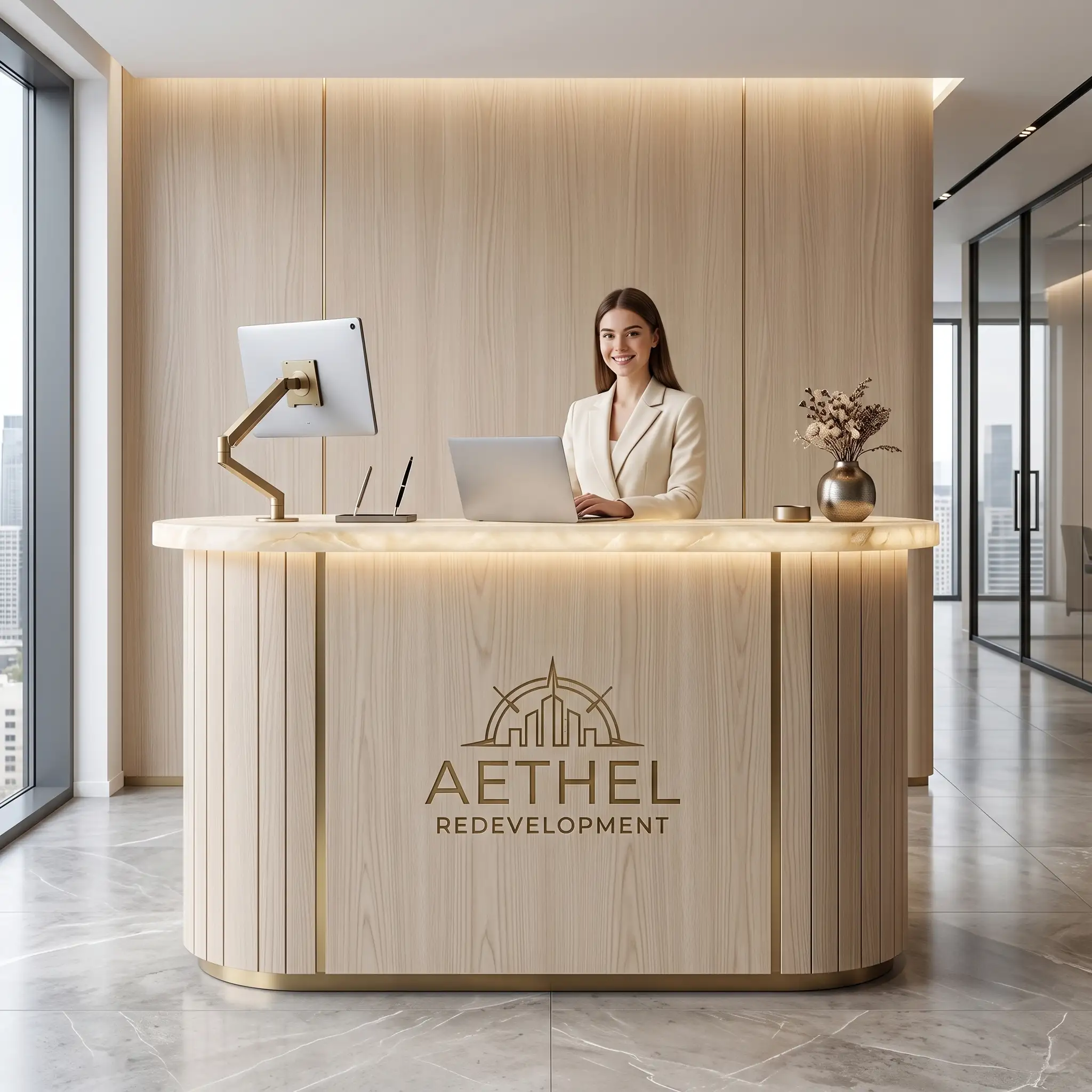
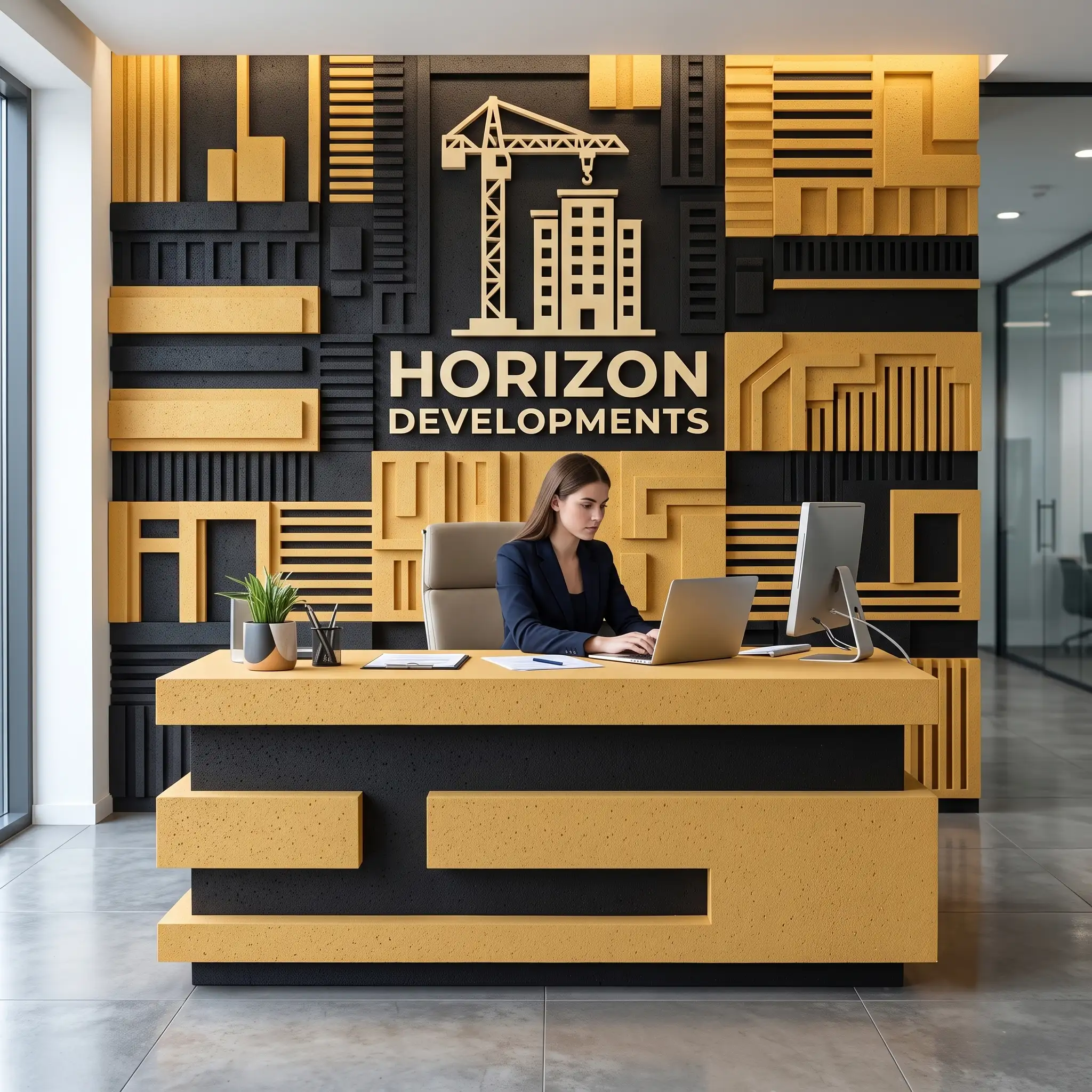
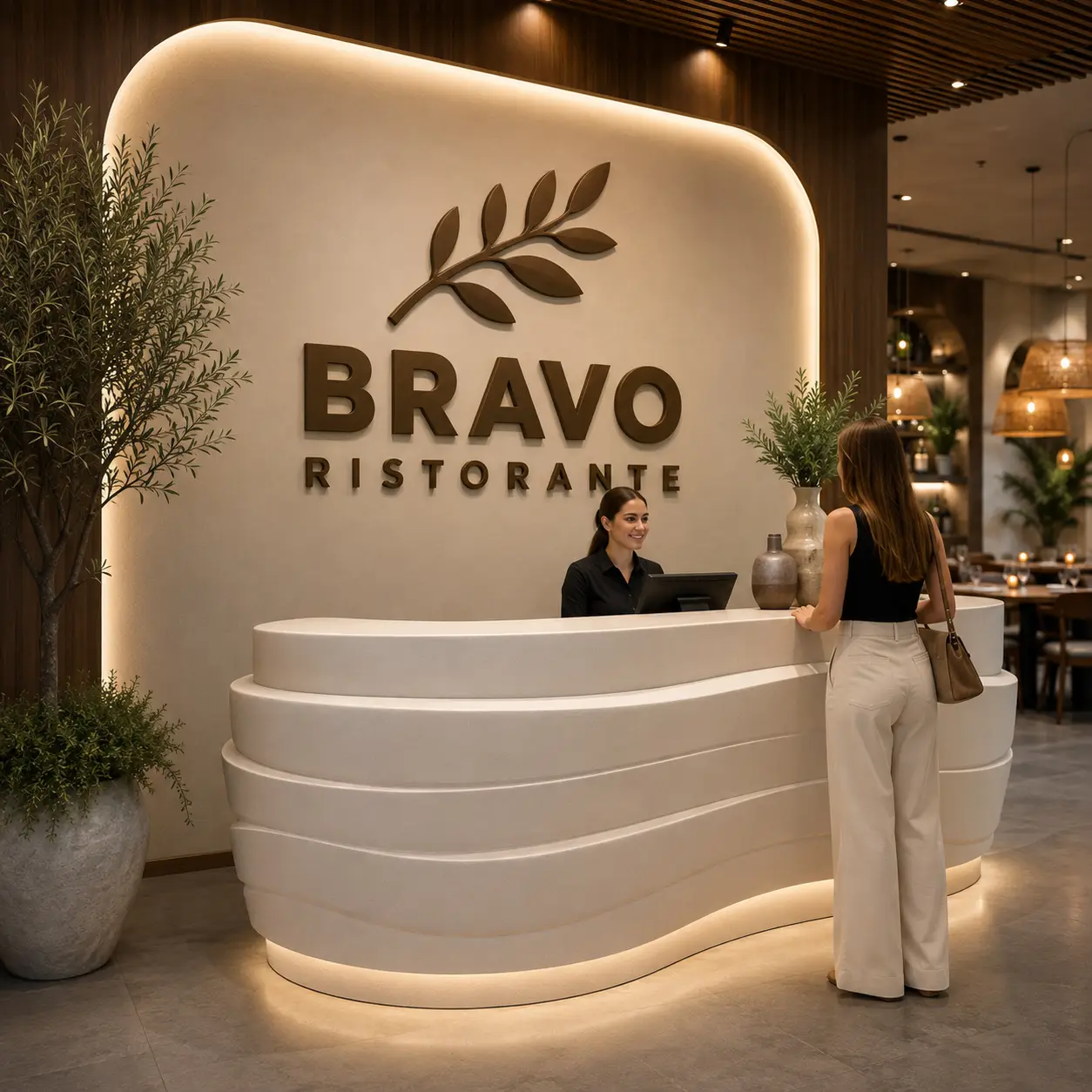
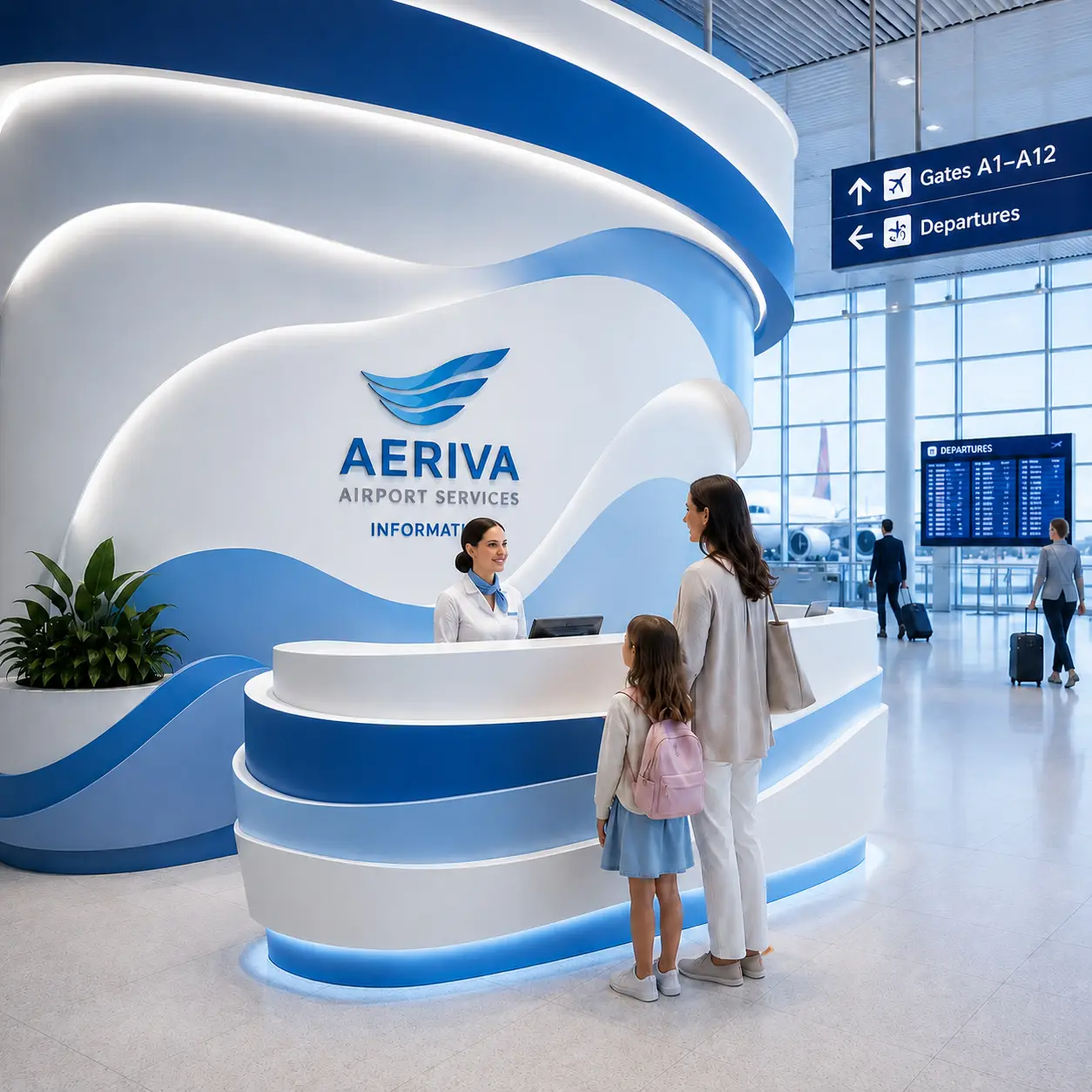
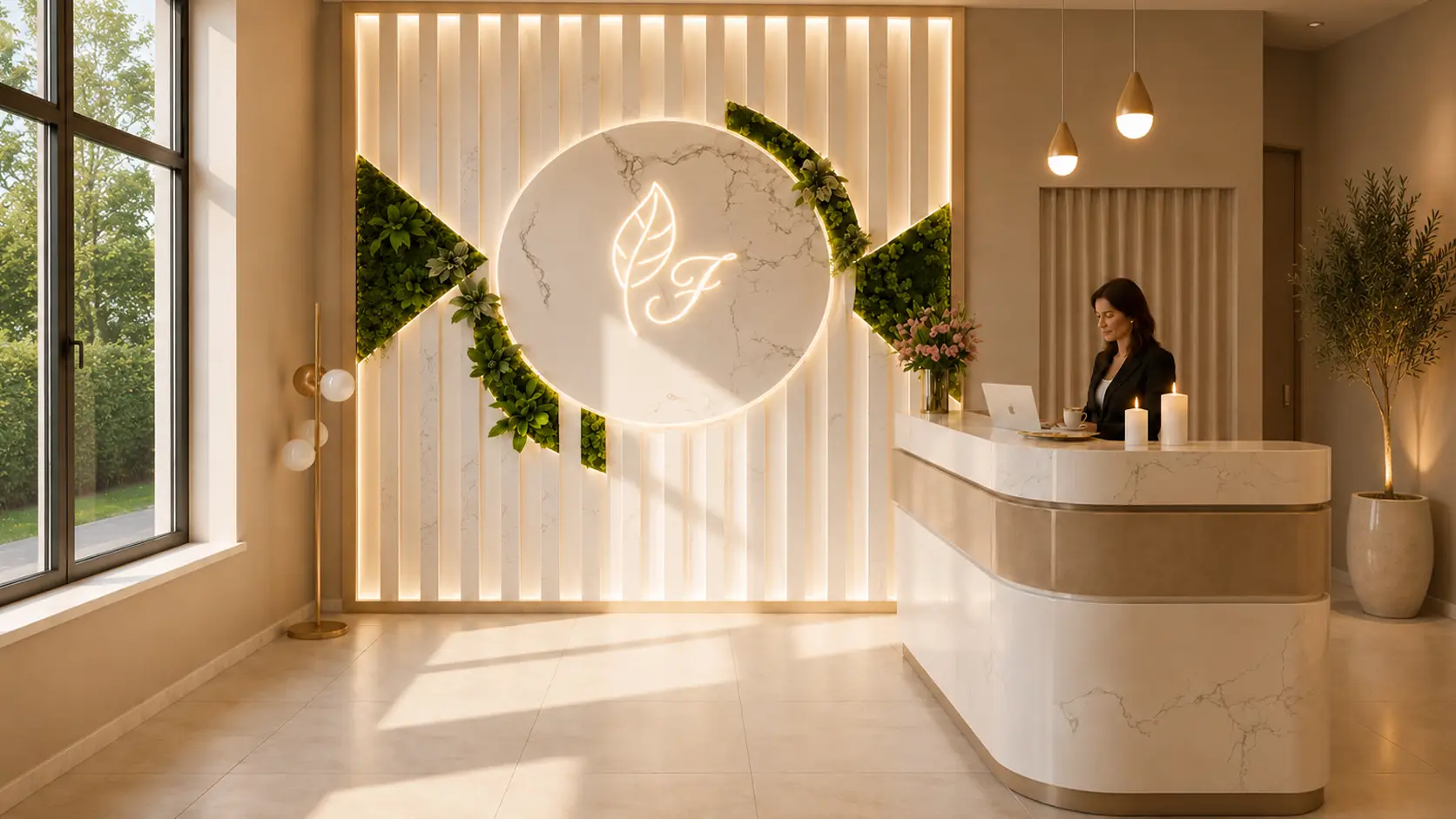
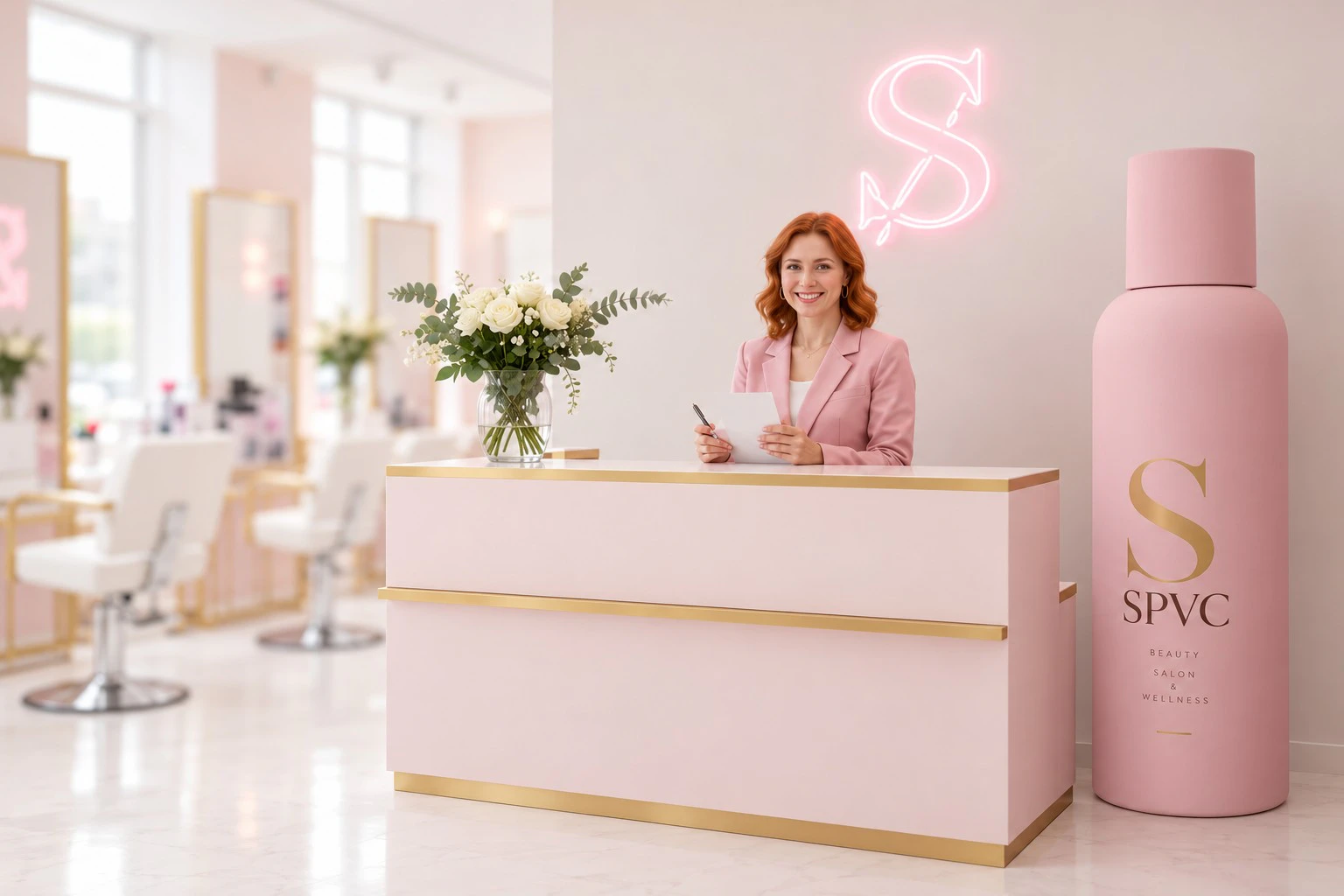
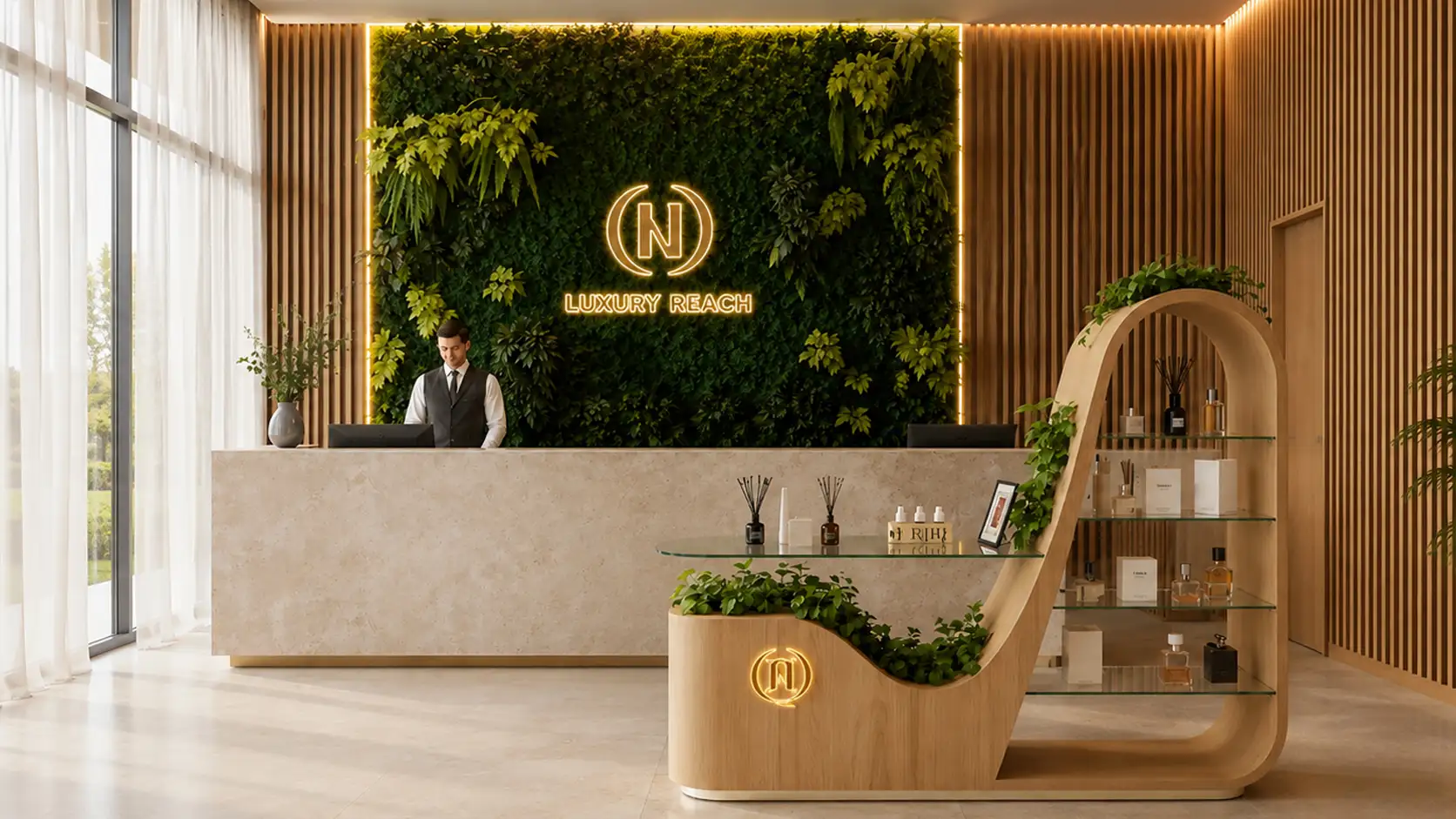
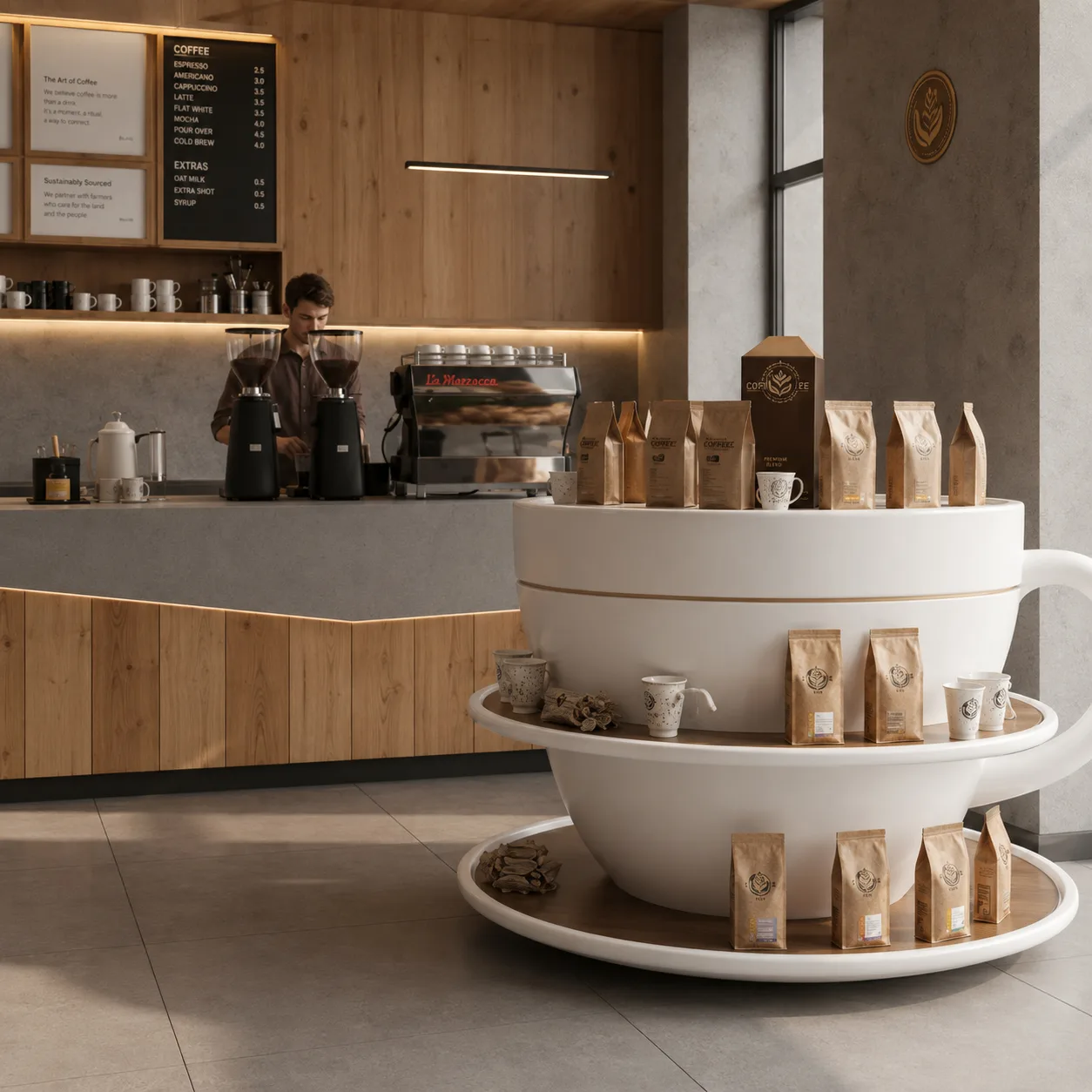
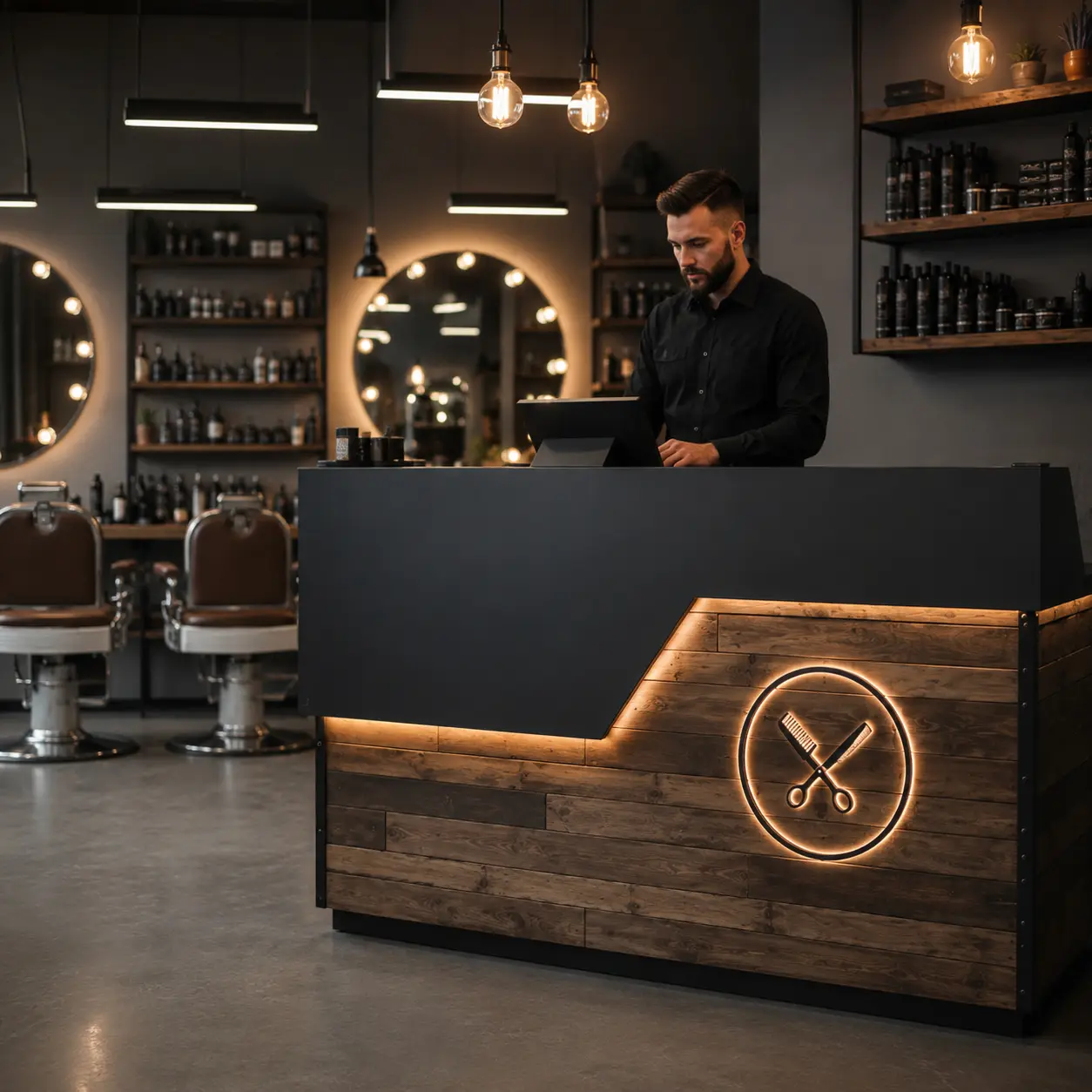
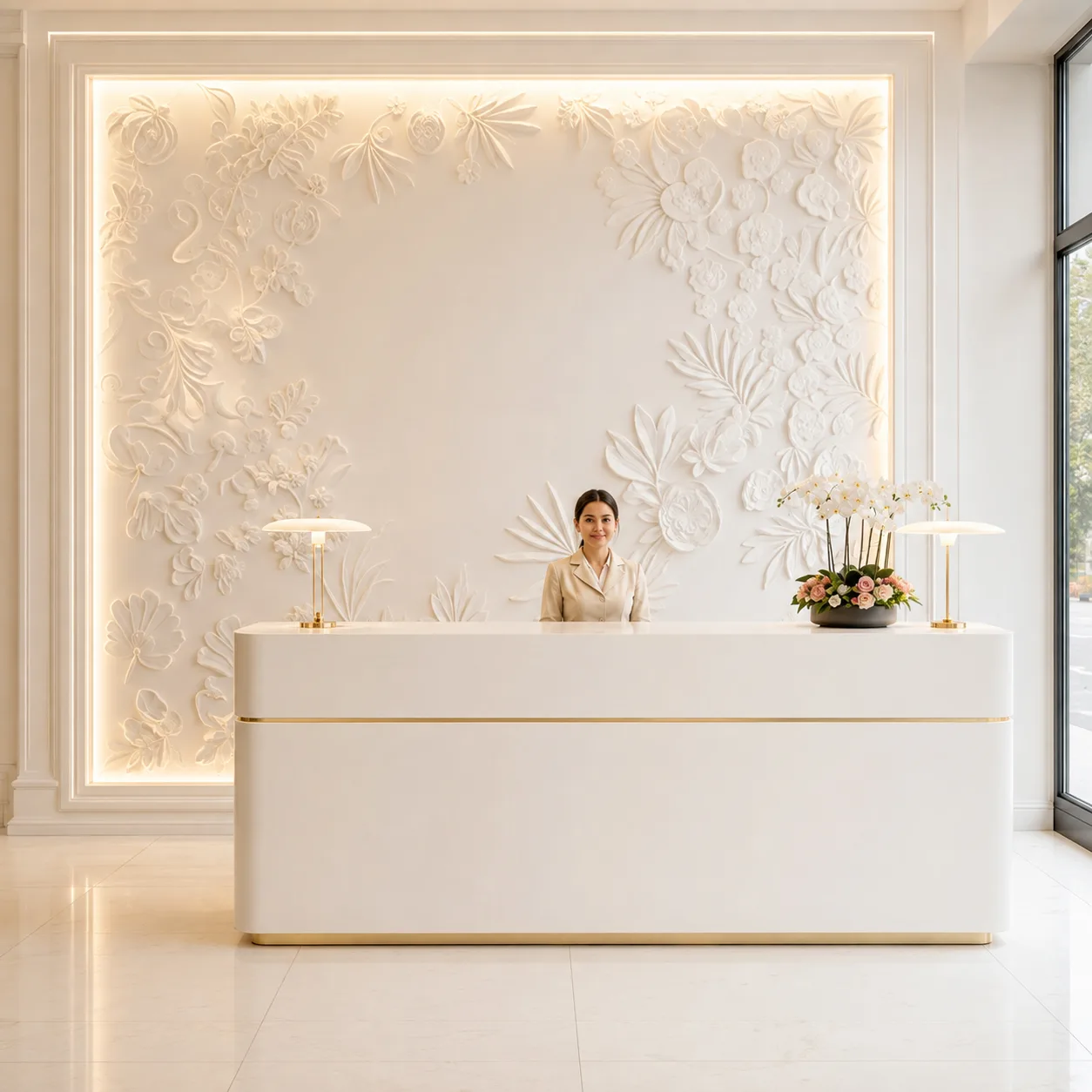
Reception areas are not just waiting spaces. They are brand-stage environments where first impressions are shaped by scale, material, lighting, visibility, and spatial confidence. In the Royal Foam Art Design catalogue, Reception Area Displays are positioned as custom branded lobby features that transform reception spaces into statement environments through dimensional logos, sculptural focal points, branded message walls, and integrated display elements. The catalogue also emphasizes large-scale foam forms, custom finishes, brand color matching, lighting integration, removable or modular options, and durable solutions for high-traffic interiors.
A high-performing reception display must solve five problems at once: brand recognition, architectural fit, durability, installation safety, and long-term maintenance. It cannot be treated as a flat graphic. It is a built environment element that must work with the wall substrate, reception desk height, visitor sightlines, ceiling lighting, cleaning routines, and daily traffic patterns.
Core Display Types and Practical Functions
Reception displays may include dimensional logos, halo-lit letters, sculptural feature walls, textured backdrops, desk-front accents, freestanding lobby icons, modular brand walls, layered acrylic-and-foam assemblies, or LED signage. The best format depends on entry path, desk position, and whether the display must read from 6 ft, 15 ft, or 30 ft away.
| Display type | Best use | Practical function |
|---|---|---|
| Dimensional logo | Corporate, medical, agency, hospitality lobbies | Clear brand identification from the entry path |
| Feature wall | Premium offices, showrooms, hotels | Adds architectural depth and visual authority |
| Halo-lit letters | Tech, finance, healthcare, luxury brands | Improves visibility without visual clutter |
Material Engineering and Fabrication Strategy
Materials, Coatings, and Build Logic
EPS foam creates large visual volume without excessive weight. For reception environments, EPS densities around 1.0–3.0 lb/ft³ work well for large shapes, while HDU foam is better for crisp letter edges, thin profiles, relief patterns, or close-view details. A typical build may combine EPS or HDU, CNC cutting, polyurea or polyurethane hard coat, primer, paint, clear coat, acrylic diffusers, LED channels, inserts, standoffs, Z-clips, French cleats, plywood backers, or hidden aluminum reinforcement.
Coating strategy should follow exposure level. Protected wall décor may use a 2–3 mm hard-coat buildup. Touch-prone zones near desks, seating, elevators, or corridors may need 4–6 mm coating, harder clear coat, denser foam, or replaceable panels. Freestanding displays need base stability, anti-tip planning, and protected edges because they are more likely to be touched or bumped.
| Component | Technical role | Reception-area value |
|---|---|---|
| EPS core | Large lightweight volume | Lower wall load and faster install |
| HDU foam | Sharp profiles and detail | Cleaner close-view logo quality |
| Polyurea / polyurethane | Impact and abrasion resistance | Better durability in traffic zones |
| Acrylic / LEDs | Light diffusion and premium effect | Halo glow, edge lighting, visibility |
Finish, Color, and Lighting Strategy
Finish selection should match the brand and the interior. A law firm may need satin bronze, matte black, or stone-like restraint. A healthcare lobby may need warm neutrals, soft curves, cleanable coatings, and lower-glare lighting. A hotel or showroom may use metallic finishes, gloss accents, faux stone, ribbed wall texture, or sculptural forms. A creative studio may use bold color, oversized typography, or abstract geometry.
Colors can be matched to Pantone, RAL, Sherwin-Williams, Benjamin Moore, or supplied brand standards. Finish options include matte or satin paint, automotive gloss, brushed-metal effects, faux concrete, stone texture, woodgrain, metallic leaf, printed overlays, embedded acrylic, and clear-coated touch zones. For lighting, 2700–3000K creates a warm hospitality feel; 3500–4000K reads cleaner and more corporate. Halo lighting should avoid glare and light spill, and power supplies should remain serviceable.
Spatial Integration and Material Performance
Scale, Sightlines, and Interior Integration
A reception display must be sized for the room, not just the logo file. A small logo on a 20-ft wall can disappear. A glossy sign opposite glass can create glare. A low-contrast finish can vanish against a similar wall color. Dimensional logos often need 1–4 in of depth, depending on size and lighting, to cast visible shadow and feel intentional. Larger sculptural walls may project 3–12 in or more, but they must not interfere with circulation, ADA paths, desk clearance, or cleaning access.
| Planning factor | What to check |
|---|---|
| Viewing distance | Does it read clearly from entry, desk, and waiting area? |
| Wall substrate | Drywall, studs, plywood backing, glass, millwork, or masonry |
| Lighting | Glare, shadows, LED color temperature, service access |
Comparison With Traditional Materials
| Method | Strengths | Limitations | Best use |
|---|---|---|---|
| Foam + hard coat | Lightweight, sculptural, customizable | Needs proper coating in touch zones | Logos, feature walls, desk fronts |
| Acrylic | Clean, luminous, modern | Scratches and limited sculptural depth | LED diffusers and premium letters |
| Metal | Durable and high-end | Heavy and costly at large scale | Thin logos, plaques, trim |
| MDF / millwork | Strong flat construction | Heavy and moisture-sensitive if unsealed | Built-ins and cabinet-like forms |
| Stone / plaster look | Premium visual language | Heavy or fragile in real material | Luxury texture without structural load |
Foam-based displays can often reduce finished weight by 70–90% compared with stone, plaster, or solid MDF sculptural equivalents. On large walls or curved desk fronts, that can reduce installation labor by 30–50%, especially when heavy blocking, multi-trade coordination, or complex rigging can be avoided.
Commercial Value and Risk Prevention
Buyer Logic and Risk Control
The economic buyer wants a permanent brand asset without turning the lobby into a construction project. The technical buyer wants clear mounting, light weight, serviceable LEDs, predictable installation, and low maintenance. The end user experiences a lobby that feels professional and aligned with the company’s identity.
The main risks are practical: weak substrate, wrong logo scale, visible wires, glare, poor contrast, over-glossy touch surfaces, dust-catching texture, inaccessible LED components, visible seams, and finishes that clash with flooring, millwork, or wall color. These risks should be solved before fabrication, not during installation.
Conclusion
Reception Area Displays work best when brand design, fabrication engineering, lighting, and interior architecture are planned together. Done correctly, they become durable first-impression assets: bold enough to be remembered, light enough to install efficiently, and refined enough to feel permanent within the space.
Recommended Articles
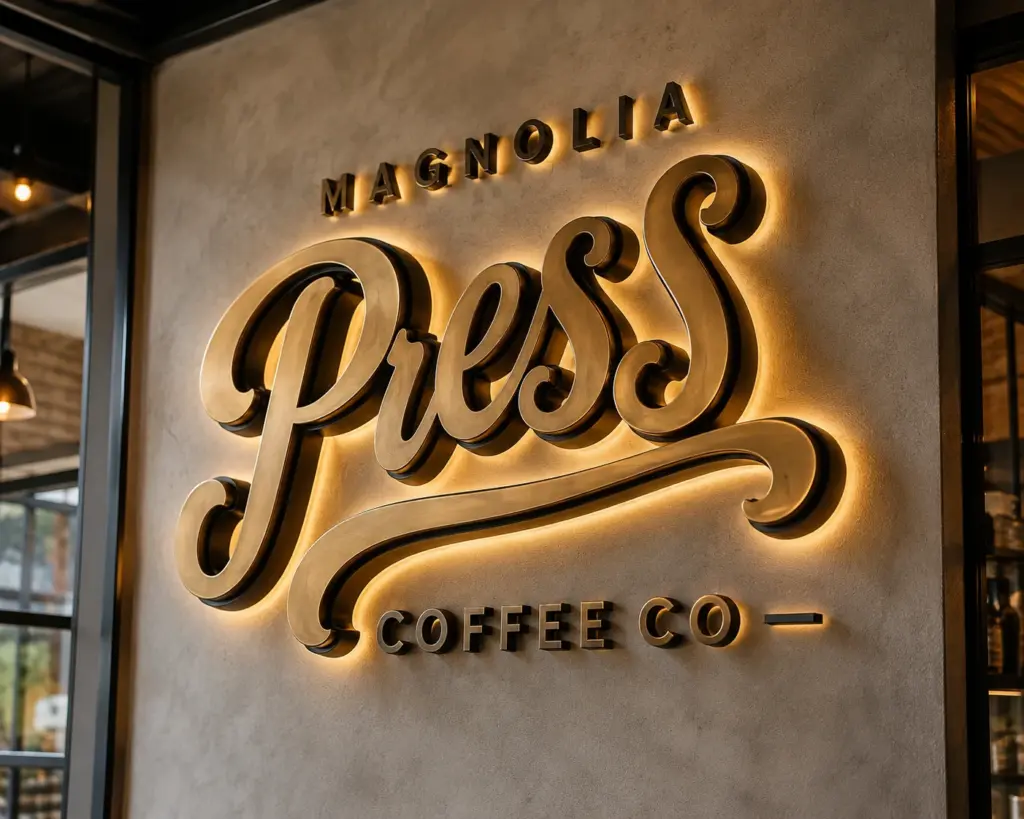
Outdoor LED Signs: Custom Illuminated Foam and HDU Signage for Storefronts, Hotels, Restaurants, and Monument Entrances
See the results
Molds for Cast Stone Signs: Master Patterns, Mold Fabrication, and Lightweight Stone-Look Monument Signage for Communities, Resorts, and Estates
See the results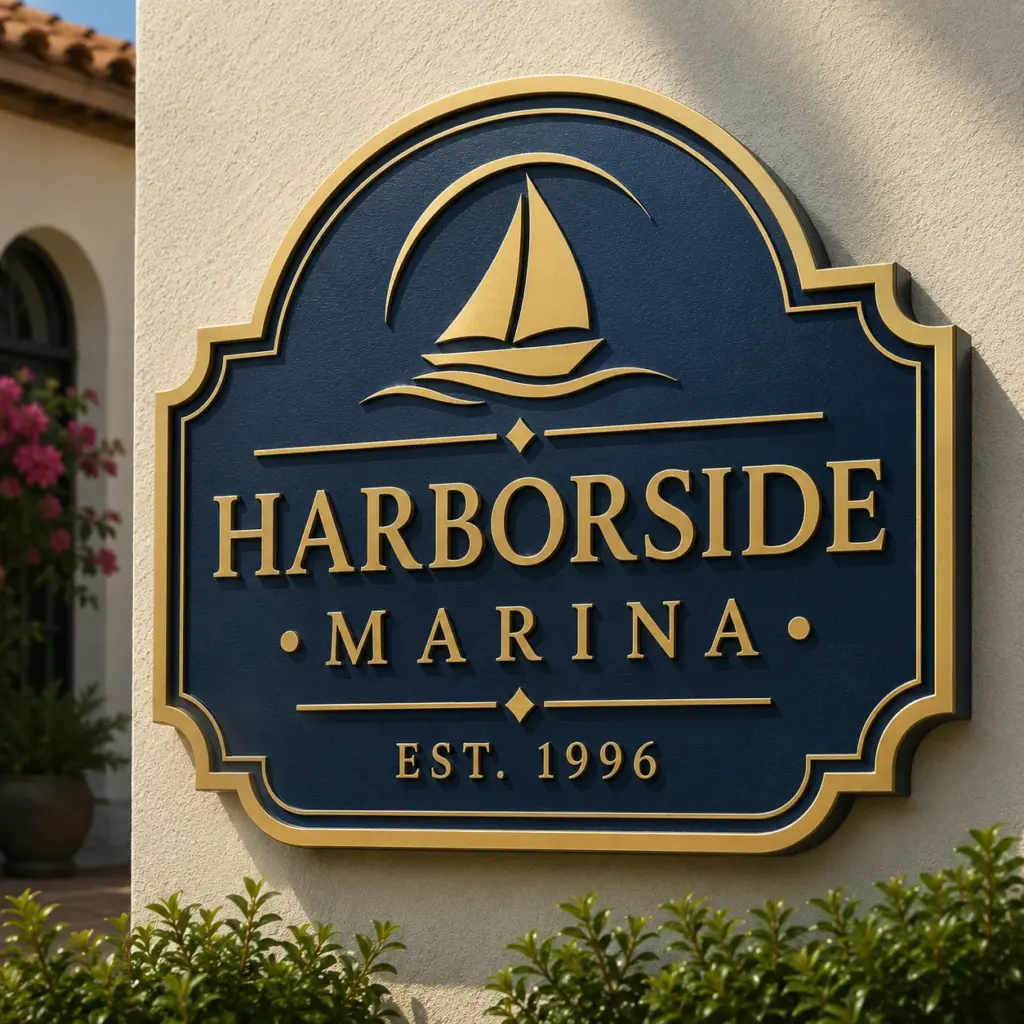
Sandblasted & V-Carved Signs: Lightweight HDU and Foam Dimensional Signage for Resorts, Clubs, Restaurants, and Private Estates
See the results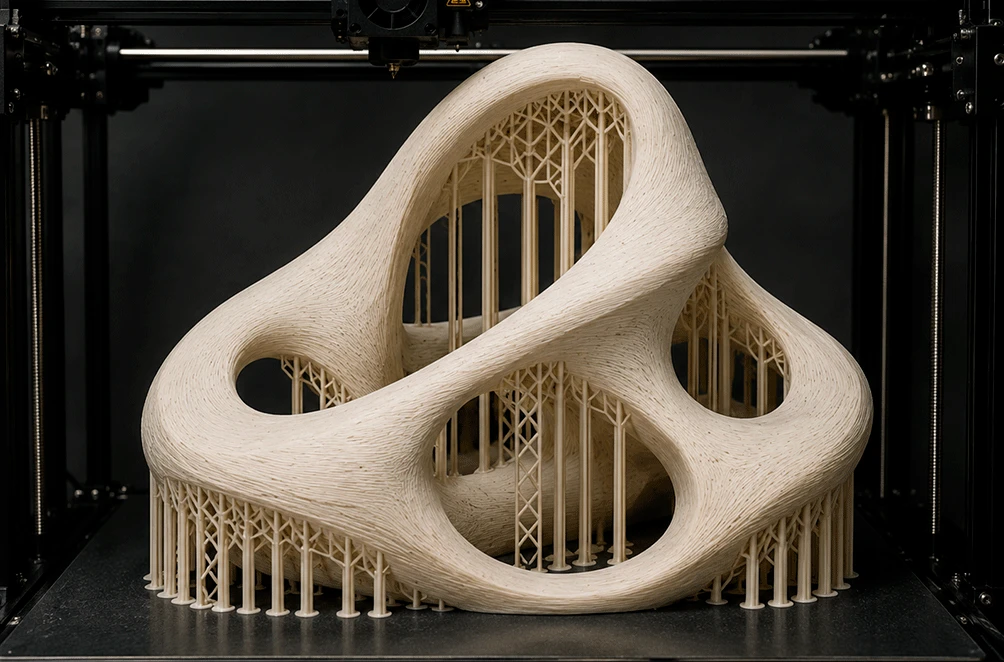
Industrial 3D Printing for Large-Scale Custom Fabrication: From Digital Model to Production-Ready Parts
See the results
Designs for Places of Worship: Lightweight Architectural Elements for Sacred, Community, and Prayer Spaces
See the results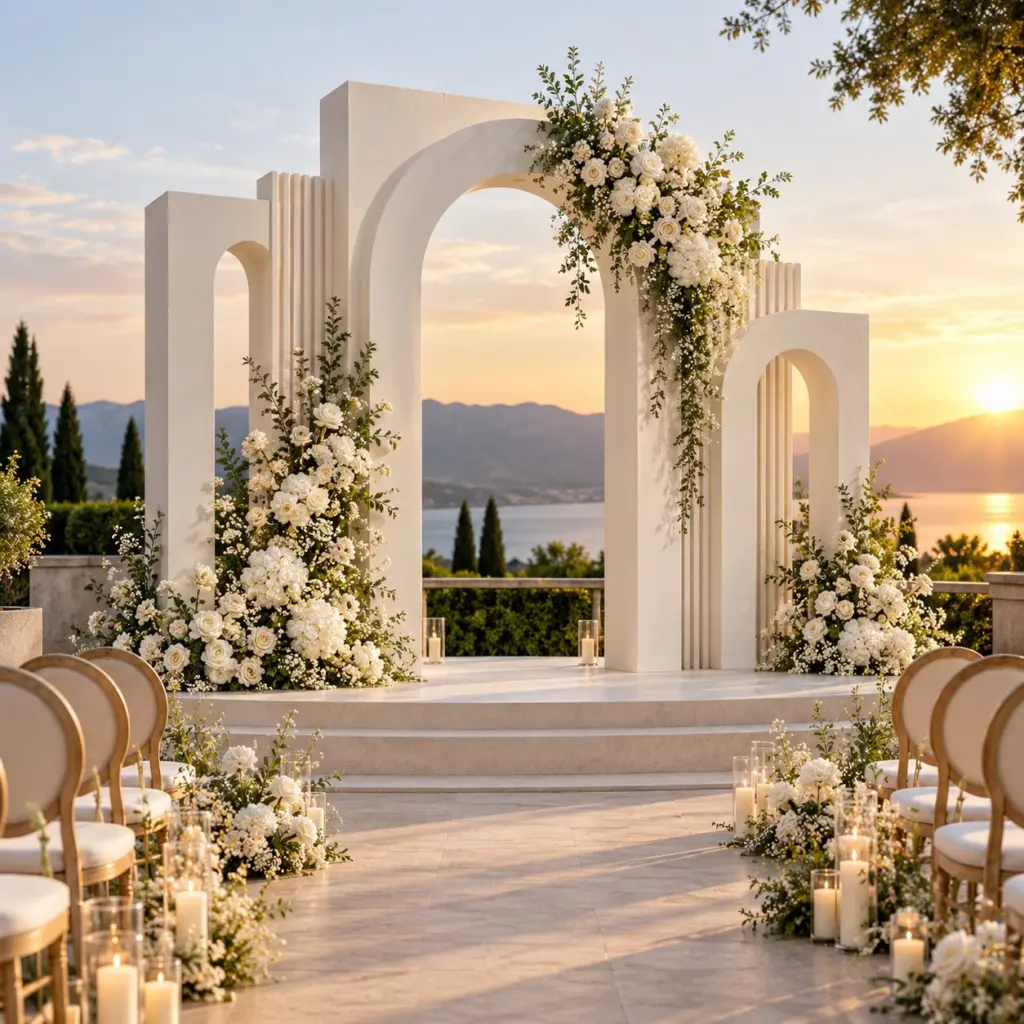
Wedding Arch Colonnades: Technical Fabrication for Luxury Ceremony Entrances, Aisle Architecture, and Event Spatial Design
See the results
Architectural Shapes: Lightweight Custom Forms for Interiors, Exteriors, Homes, Buildings, and Branded Spaces
See the results
Foam Routed Signs: Precision-Cut Dimensional Signage for Lightweight, Custom, and Architectural Brand Environments
See the results
Foam Monument Signs: Lightweight Architectural Signage for Entrances, Campuses, Retail Plazas, and Brand Landmarks
See the results