

Retail Interior Installations: Technical Fabrication for Branded, Flexible, and High-Impact Store Environments
Retail interiors are no longer just product containers. They are controlled brand environments where atmosphere, navigation, merchandising, lighting, materials, and social-media moments influence how customers move, what they notice, and how long they stay. In the Royal Foam Art Design catalogue, Retail Interior Installations are positioned as lightweight, high-impact foam solutions that transform stores into memorable brand destinations through statement displays, immersive visual environments, oversized product replicas, sculptural fixtures, hanging installations, interactive zones, and flexible retail elements.
A strong retail installation must solve several problems at once: visual impact, merchandise support, shopper flow, durability, fast installation, safety, and brand consistency across one or many locations. It must also respect real retail constraints: ceiling heights, lease rules, mall requirements, fire/life-safety review, ADA circulation, sprinkler clearance, lighting conditions, overnight install windows, and future campaign changes.
What Retail Interior Installations Include
Retail interior installations can include ceiling-hung sculptures, branded wall features, product-display islands, oversized hero products, seasonal pop-up sets, try-on zone backdrops, checkout features, fitting-room accents, queue-line displays, interactive photo moments, suspended clouds, dimensional patterns, and modular fixture skins. The catalogue highlights the same practical direction: foam gives brands the freedom to build fast, large, and on-brand installations that would often be too heavy or expensive with traditional materials.
| Installation type | Retail purpose | Practical options |
|---|---|---|
| Statement display | Stops shoppers and frames hero products | oversized product, sculptural icon, seasonal focal point |
| Ceiling installation | Adds visual depth without using floor space | clouds, branches, abstract forms, suspended logos |
| Branded wall / zone | Creates identity and photo value | relief panels, product story wall, logo backdrop |
| Product display fixture | Supports merchandising | plinths, risers, modular shelves, themed islands |
| Pop-up environment | Short-term campaign impact | lightweight panels, fast assembly, reusable sections |
Materials, Coatings, and Structural Logic
EPS foam is valuable in retail because it creates volume at low weight. Typical EPS densities for interior scenic and display work often fall around 1.0–3.0 lb/ft³, while HDU foam is better for crisp edges, thin profiles, detailed carving, premium close-view surfaces, and repeated handling. A retail build may also combine plywood, aluminum tube, acrylic, LED strips, printed graphics, fabric, laminate skins, magnets, threaded inserts, and hidden steel plates where load or hardware demands it.
Coating should follow use. Protected overhead elements may need only a light sealed finish. Touch-prone displays, plinths, queue-line features, or fixture skins may need 2–6 mm of hard coat, depending on impact exposure. High-contact elements near checkout, fitting rooms, stroller paths, or movable fixtures may need stronger clear coat, sacrificial skins, replaceable panels, or denser substrate.
| Component | Technical role | Retail value |
|---|---|---|
| EPS core | Large lightweight volume | Big visual scale without heavy loads |
| HDU zones | Detail and edge quality | Better close-view finish |
| Polyurea / polyurethane | Impact and abrasion resistance | Longer life in traffic zones |
| Acrylic / LEDs | Light and product emphasis | Premium glow, edge light, focal visibility |
| Inserts / armatures | Mounting and connection | Safer hanging, cleaner assembly |
Store Planning & Design Execution
Store Planning: Flow, Sightlines, and Access
Retail installations must be planned from the customer path, not only from the concept rendering. A display must read from the entrance, from the main aisle, and from the decision point near the product. In a mall store or flagship environment, sightlines from 15–40 ft can determine whether a shopper even notices the installation. Large overhead elements should add identity without blocking wayfinding, sprinklers, cameras, exit signs, or lighting tracks.
Accessibility and circulation are not optional. ADA standards require accessible walking surfaces to provide 36 in minimum clear width in most accessible routes, with additional requirements around turns and door openings. That means sculptural retail elements, queue displays, freestanding props, and photo-zone builds must be positioned without reducing required circulation paths.
Finish, Color, Lighting, and Brand Expression
Retail finishes are often more expressive than corporate lobby finishes. A beauty brand may need gloss white, pearl, blush, chrome, translucent acrylic, or soft gradient color. A sneaker store may use concrete texture, matte black, neon accents, LED edge lighting, or industrial finishes. A luxury store may need satin metallics, stone-like textures, warm neutrals, ribbed relief, or low-sheen sculptural surfaces. A children’s retail concept may call for saturated colors, soft shapes, rounded edges, and washable clear coats.
Color can be matched to Pantone, RAL, Sherwin-Williams, Benjamin Moore, or brand standards. Lighting can include backlit logos, internal glow, edge-lit acrylic, cove lighting, LED strips, programmable RGB, or warm/cool white. Retail displays often combine ambient, task, and accent lighting; accent lighting is specifically used to highlight objects or interior features, while task lighting supports functional visibility.
| Finish strategy | Best use | Risk to manage |
|---|---|---|
| Matte / satin paint | Premium walls, fixtures, low glare | scuffing in touch zones |
| Gloss / automotive finish | beauty, tech, luxury product moments | fingerprints and scratches |
| Faux stone / concrete | fashion, lifestyle, architecture-driven retail | weight illusion must stay clean |
| Metallic / chrome effect | premium branding, hero product areas | glare and finish consistency |
| Washable clear coat | high-touch and children’s retail | chemical compatibility |
Material Comparisons and Commercial Performance
Comparison With Traditional Retail Build Methods
| Method | Strengths | Limitations | Best use |
|---|---|---|---|
| Foam + hard coat | Lightweight, sculptural, fast to install | needs correct coating in touch zones | hero displays, walls, ceiling forms |
| Millwork / MDF | strong flat fixtures | heavy, slower, less organic | cabinetry, shelving, permanent retail |
| Metal | durable, premium | costly and heavy for large shapes | brackets, trim, thin elements |
| Acrylic | clean and luminous | scratches, brittle edges, limited volume | lightboxes, signs, transparent accents |
| Fiberglass | durable shells | tooling cost, less flexible for short runs | repeated forms, outdoor-style shells |
Foam-based retail installations can reduce finished weight by 70–90% versus stone, plaster, or solid millwork equivalents, depending on size and coating. They can also reduce installation labor by 30–50% on large sculptural or suspended features, especially where overnight installation, limited access, or mall coordination makes heavy construction impractical.
Buyer Logic, Lifecycle, and Risks
The economic buyer wants campaign impact without a construction-heavy budget. The visual merchandising team wants flexible storytelling, hero-product focus, and strong photography. The technical buyer wants low weight, safe mounting, replaceable parts, fire/life-safety compliance, serviceable lighting, and predictable install time. The store team wants durability, cleanability, and minimal disruption.
Common risks include overbuilding with heavy materials, blocking circulation, ignoring sprinkler or exit-sign clearance, choosing glossy finishes for high-touch zones, hiding LED power supplies without service access, creating dust-catching textures, using weak hanging points, or designing a display that looks good in one flagship store but cannot scale across multiple locations.
Conclusion
Retail Interior Installations work best when brand storytelling, merchandising, materials, lighting, and operational logistics are designed together. Foam fabrication gives brands a practical way to build large, expressive, reusable environments without the weight and cost burden of traditional construction. When engineered correctly, these installations do more than decorate a store: they guide attention, support product discovery, create photo-ready moments, and turn retail space into a memorable brand destination.
Recommended Articles
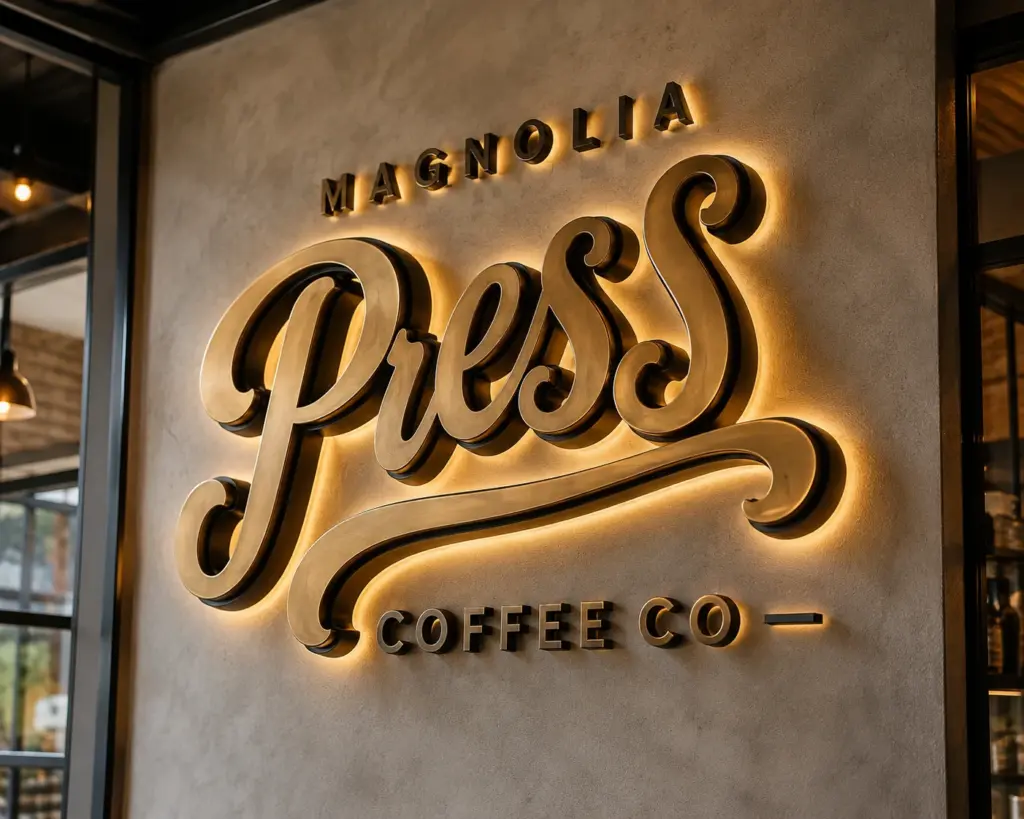
Outdoor LED Signs: Custom Illuminated Foam and HDU Signage for Storefronts, Hotels, Restaurants, and Monument Entrances
See the results
Molds for Cast Stone Signs: Master Patterns, Mold Fabrication, and Lightweight Stone-Look Monument Signage for Communities, Resorts, and Estates
See the results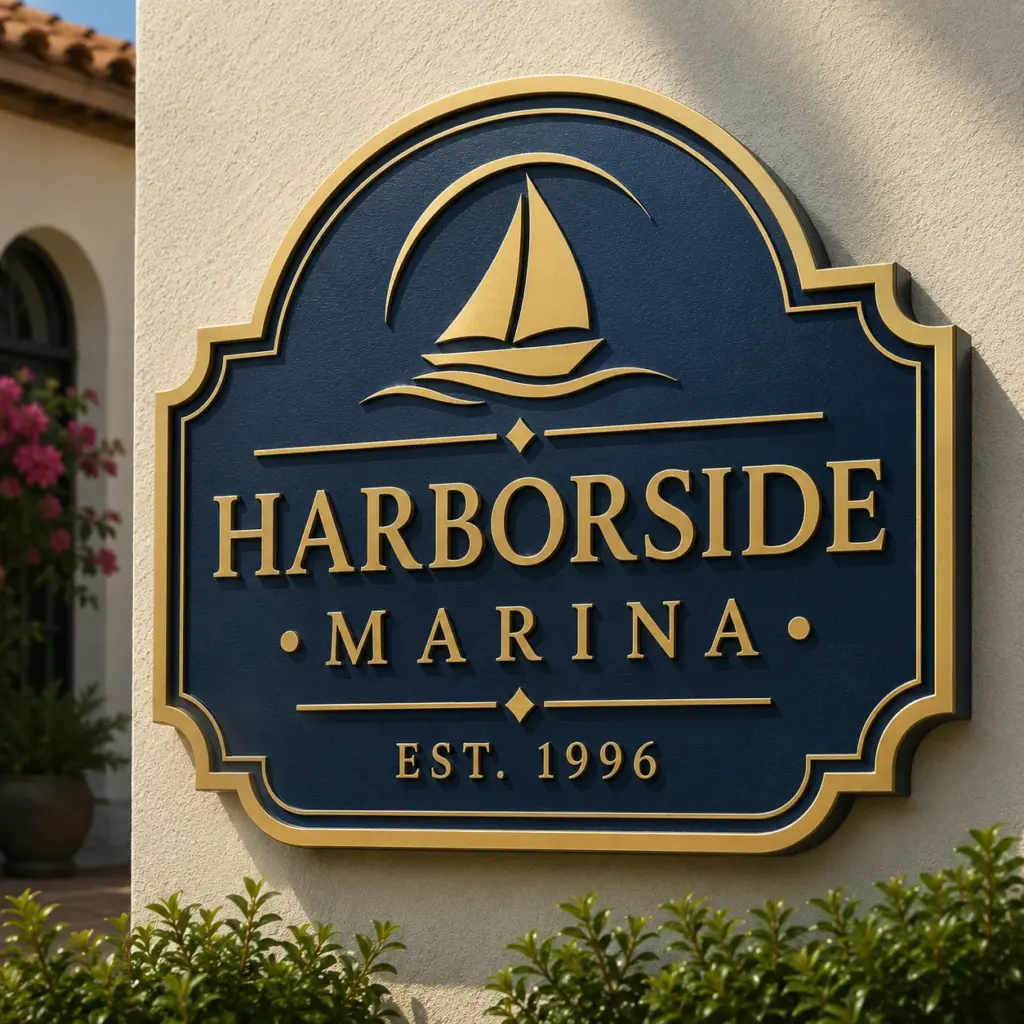
Sandblasted & V-Carved Signs: Lightweight HDU and Foam Dimensional Signage for Resorts, Clubs, Restaurants, and Private Estates
See the results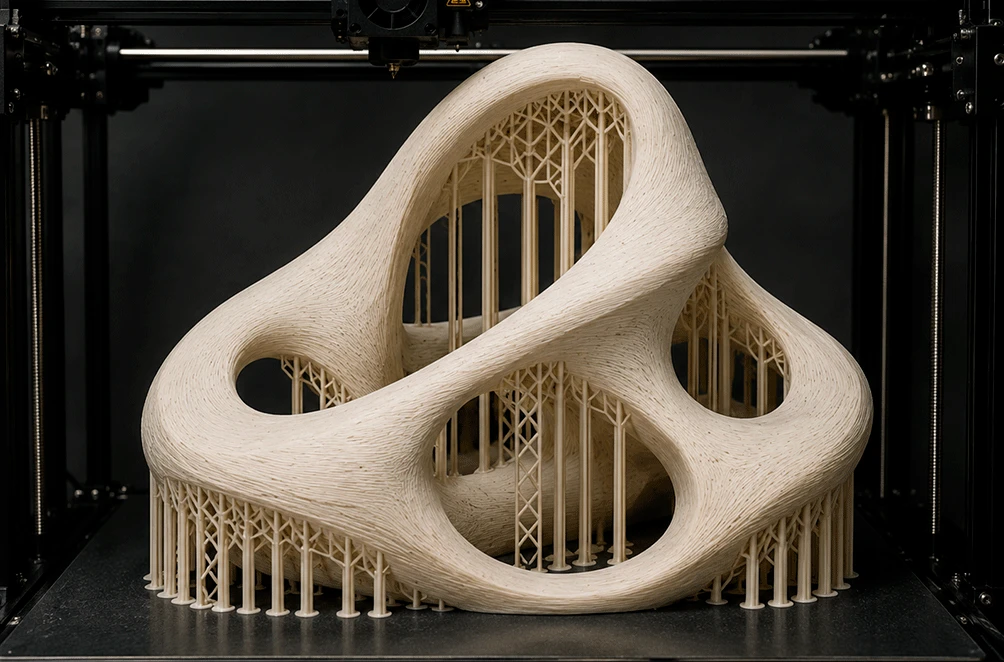
Industrial 3D Printing for Large-Scale Custom Fabrication: From Digital Model to Production-Ready Parts
See the results
Designs for Places of Worship: Lightweight Architectural Elements for Sacred, Community, and Prayer Spaces
See the results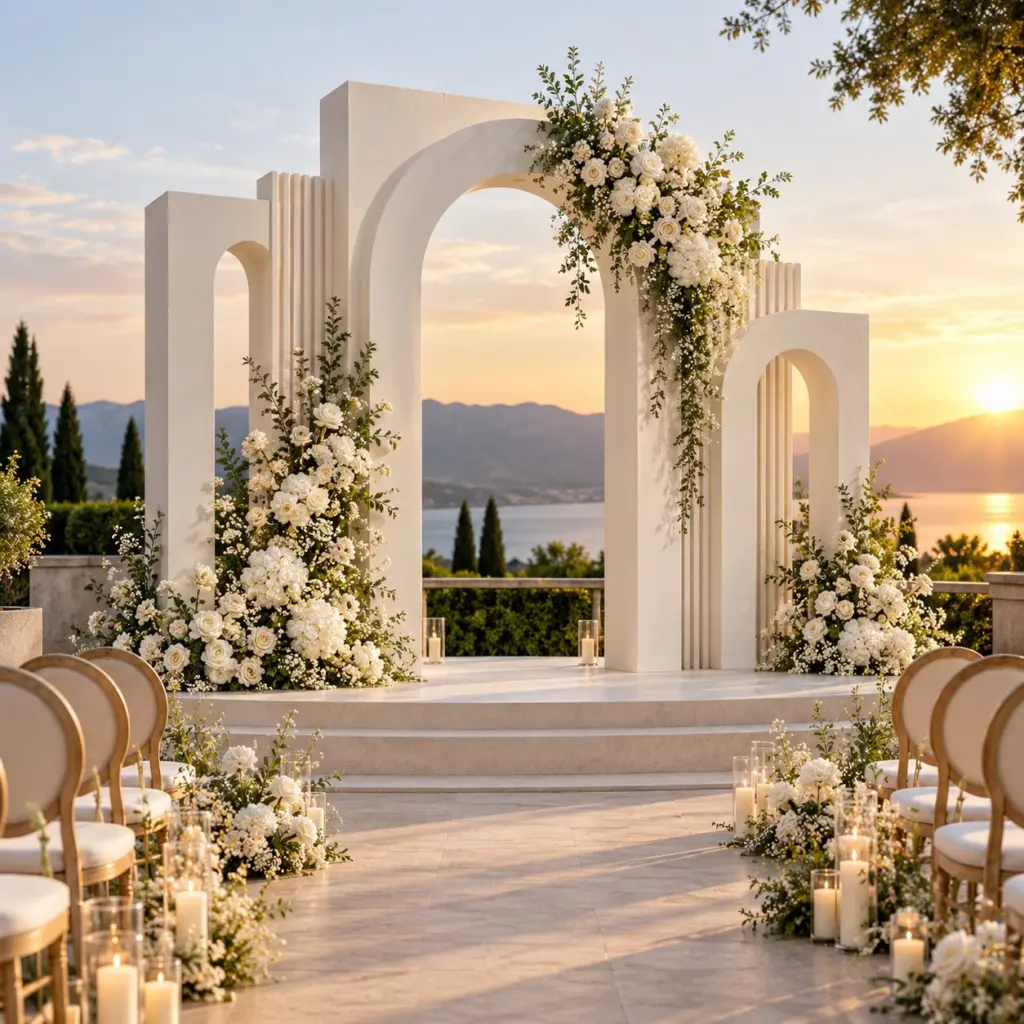
Wedding Arch Colonnades: Technical Fabrication for Luxury Ceremony Entrances, Aisle Architecture, and Event Spatial Design
See the results
Architectural Shapes: Lightweight Custom Forms for Interiors, Exteriors, Homes, Buildings, and Branded Spaces
See the results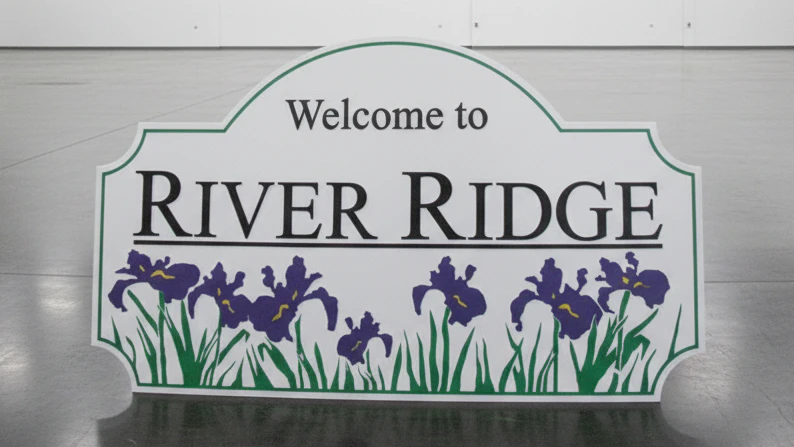
Foam Routed Signs: Precision-Cut Dimensional Signage for Lightweight, Custom, and Architectural Brand Environments
See the results
Foam Monument Signs: Lightweight Architectural Signage for Entrances, Campuses, Retail Plazas, and Brand Landmarks
See the results