












Oversized Foam Letters & Logos: Technical Fabrication for High-Visibility Brand Installations
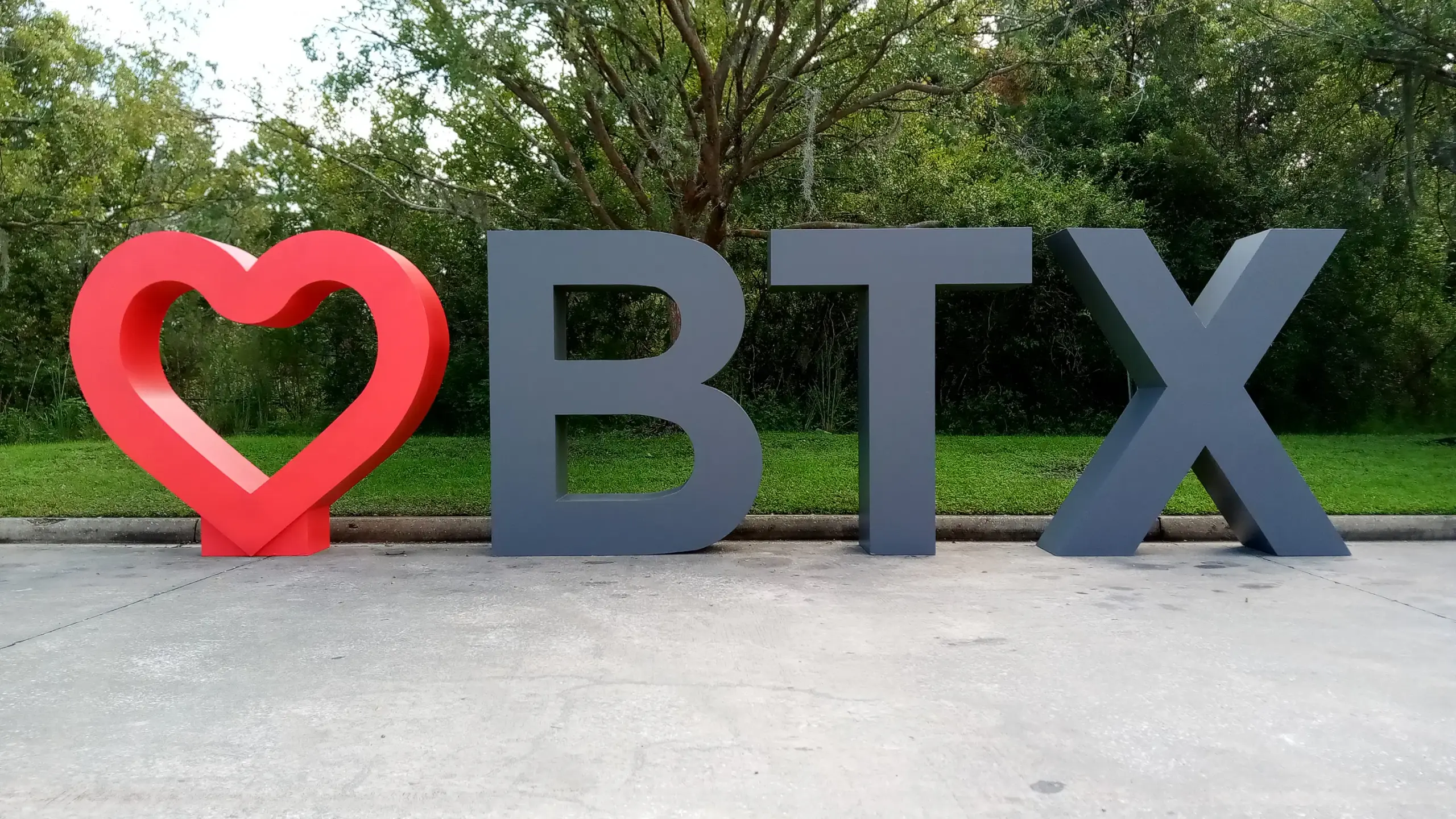
Oversized foam letters and logos are not simply enlarged signage. They are physical brand landmarks engineered for visibility, photography, mobility, and environmental impact. In event spaces, headquarters, retail interiors, trade shows, campuses, sponsorship zones, and social-media activations, scale changes how a brand is perceived. A logo that might feel ordinary on a screen becomes architectural when it stands 4 ft, 8 ft, or 10 ft tall.
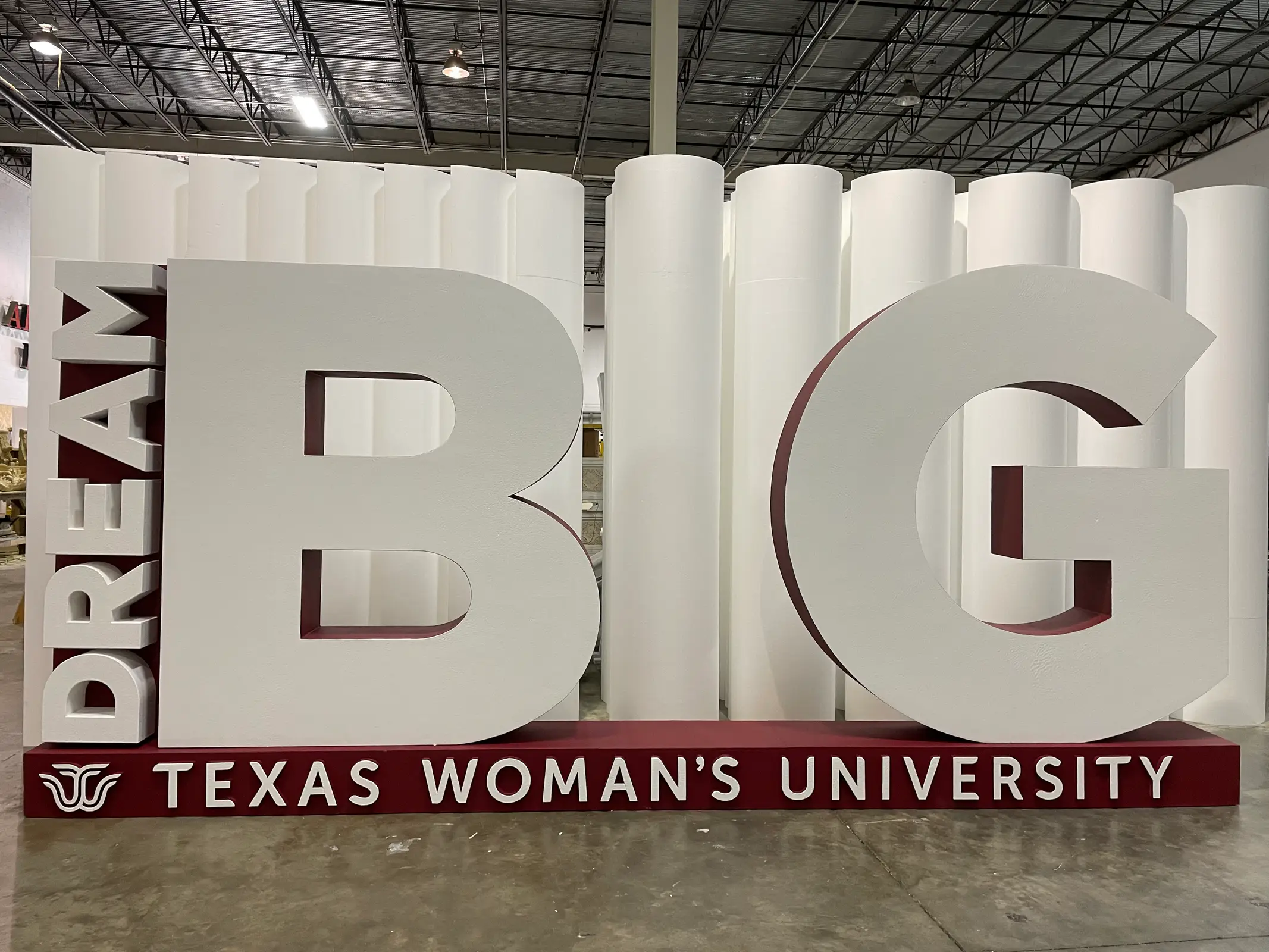
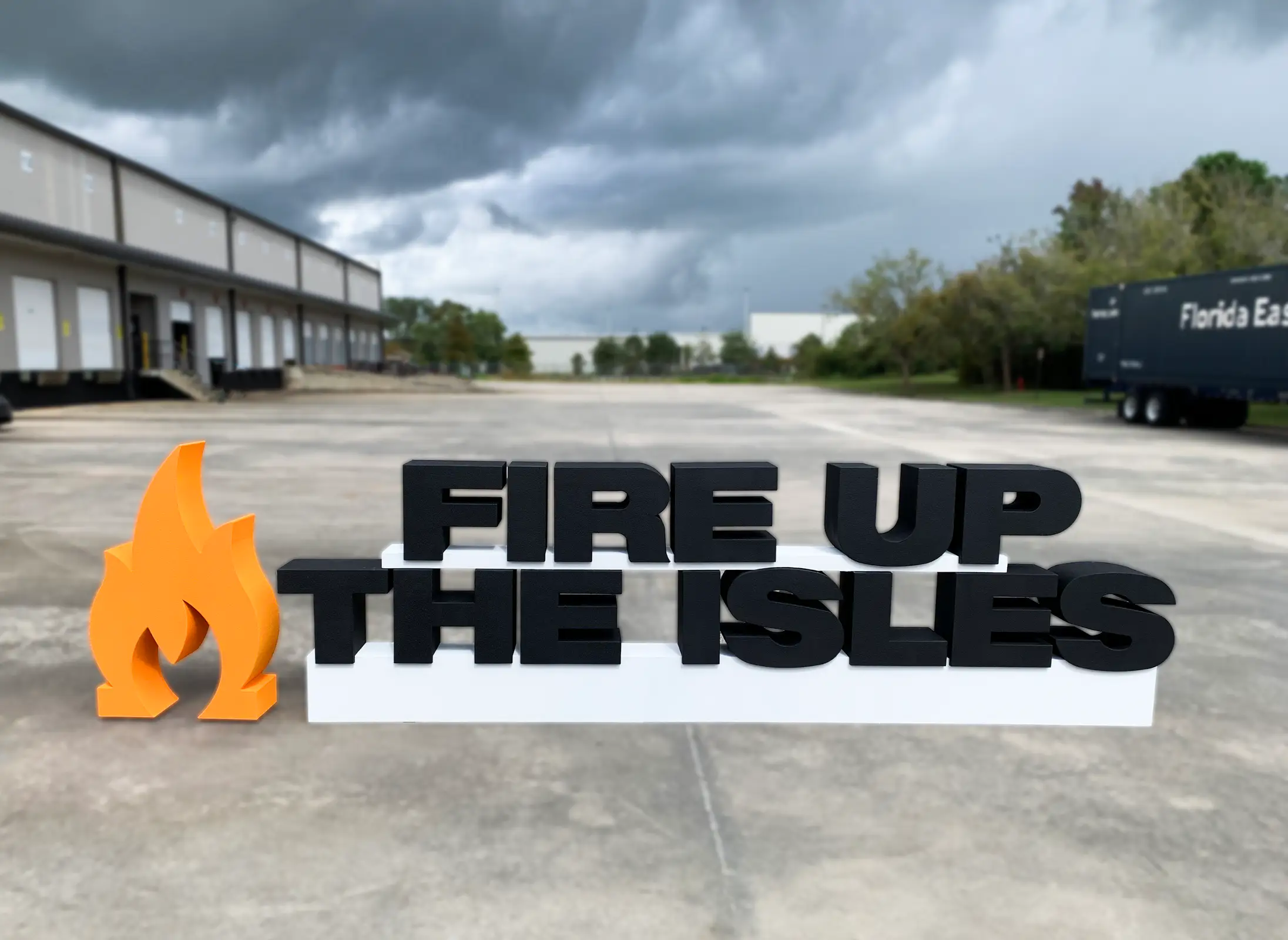
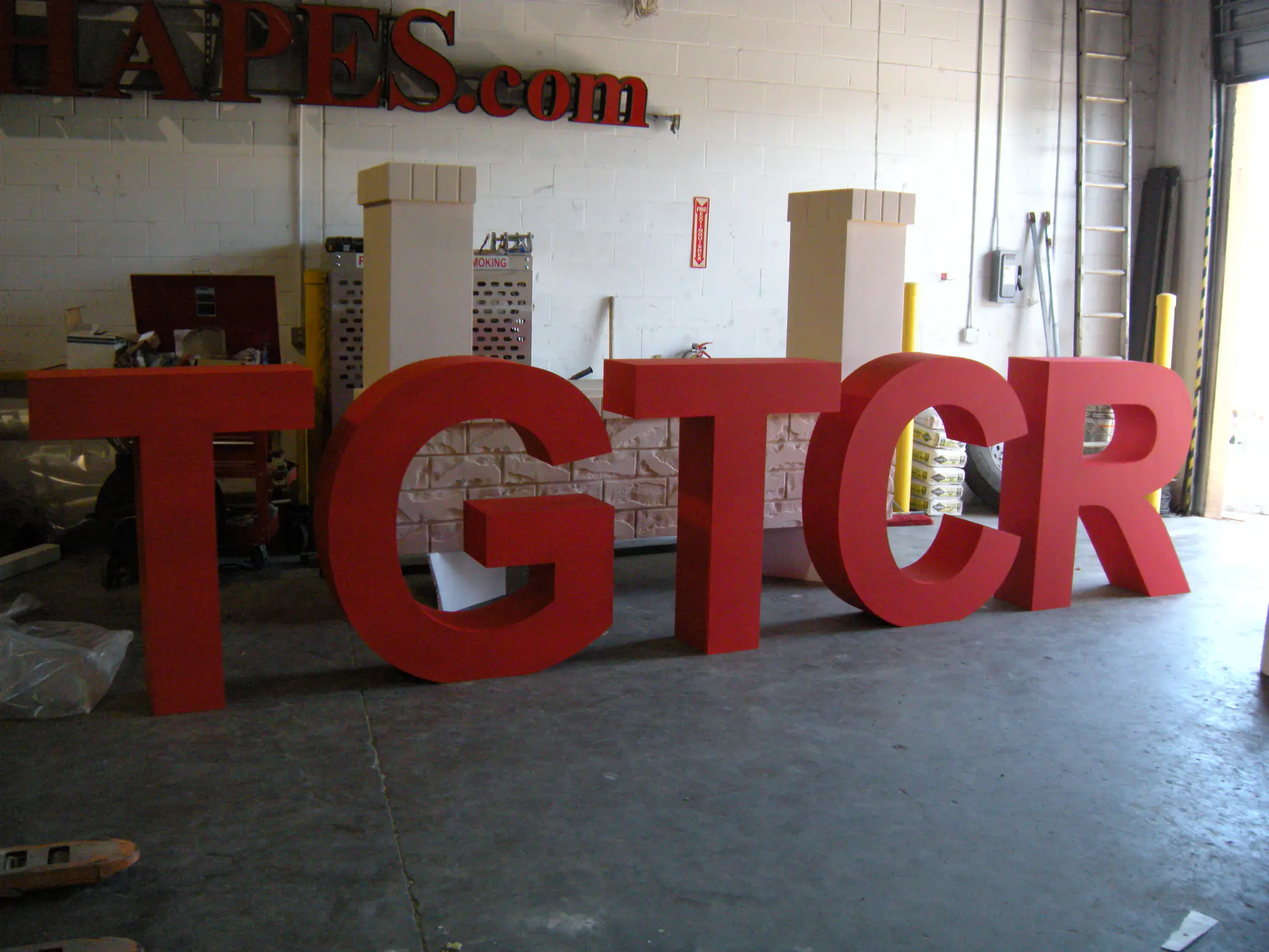
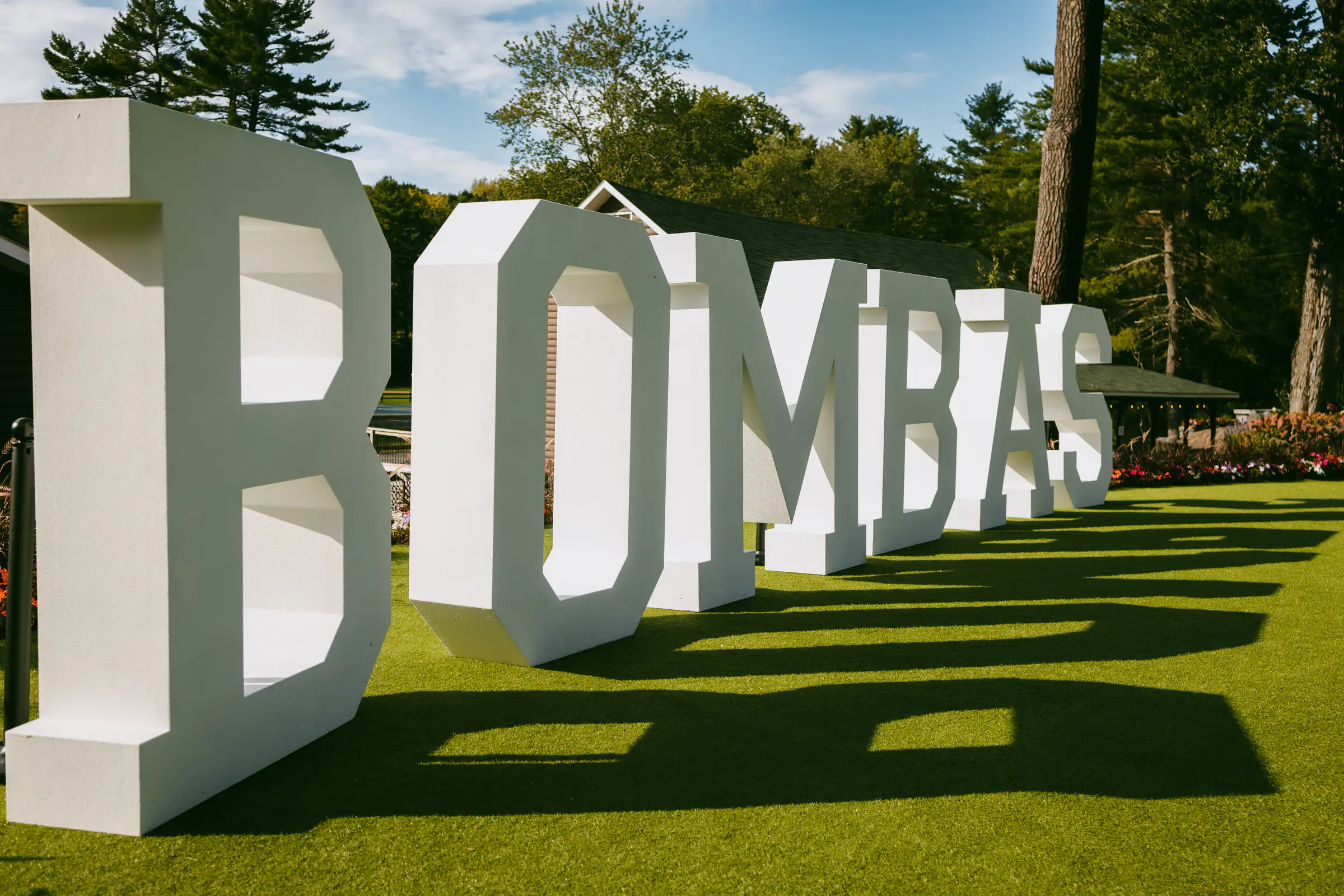
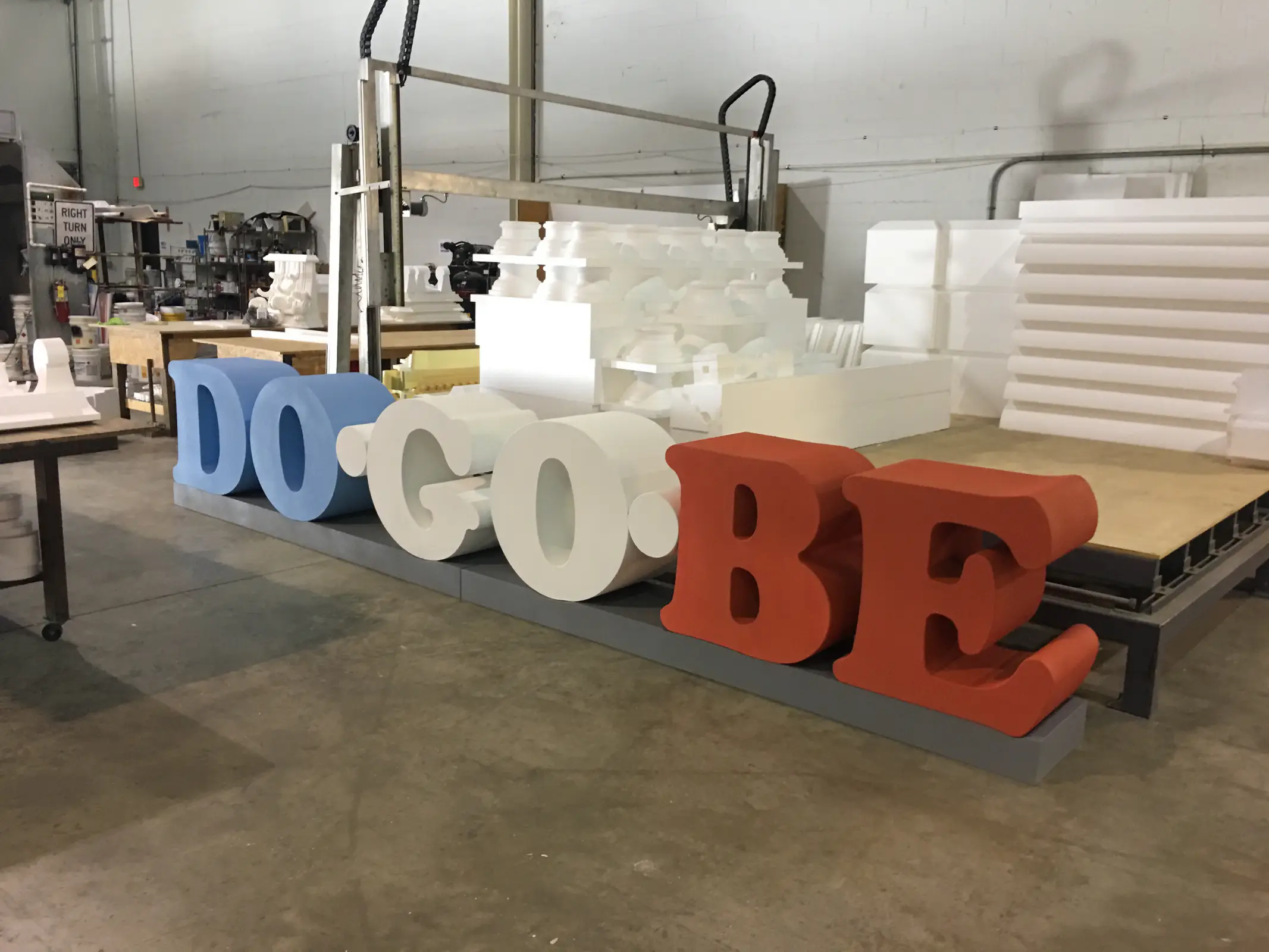
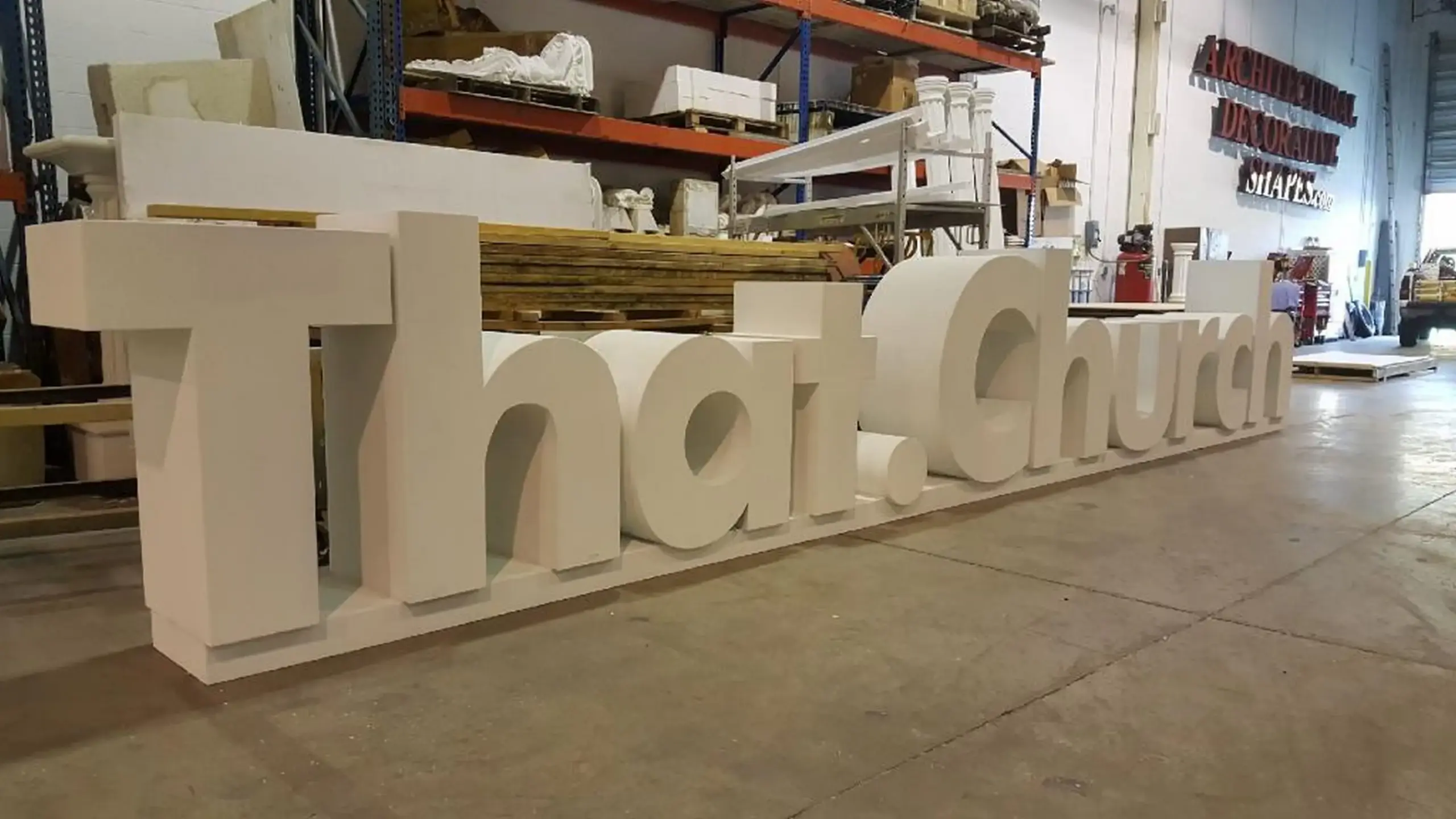
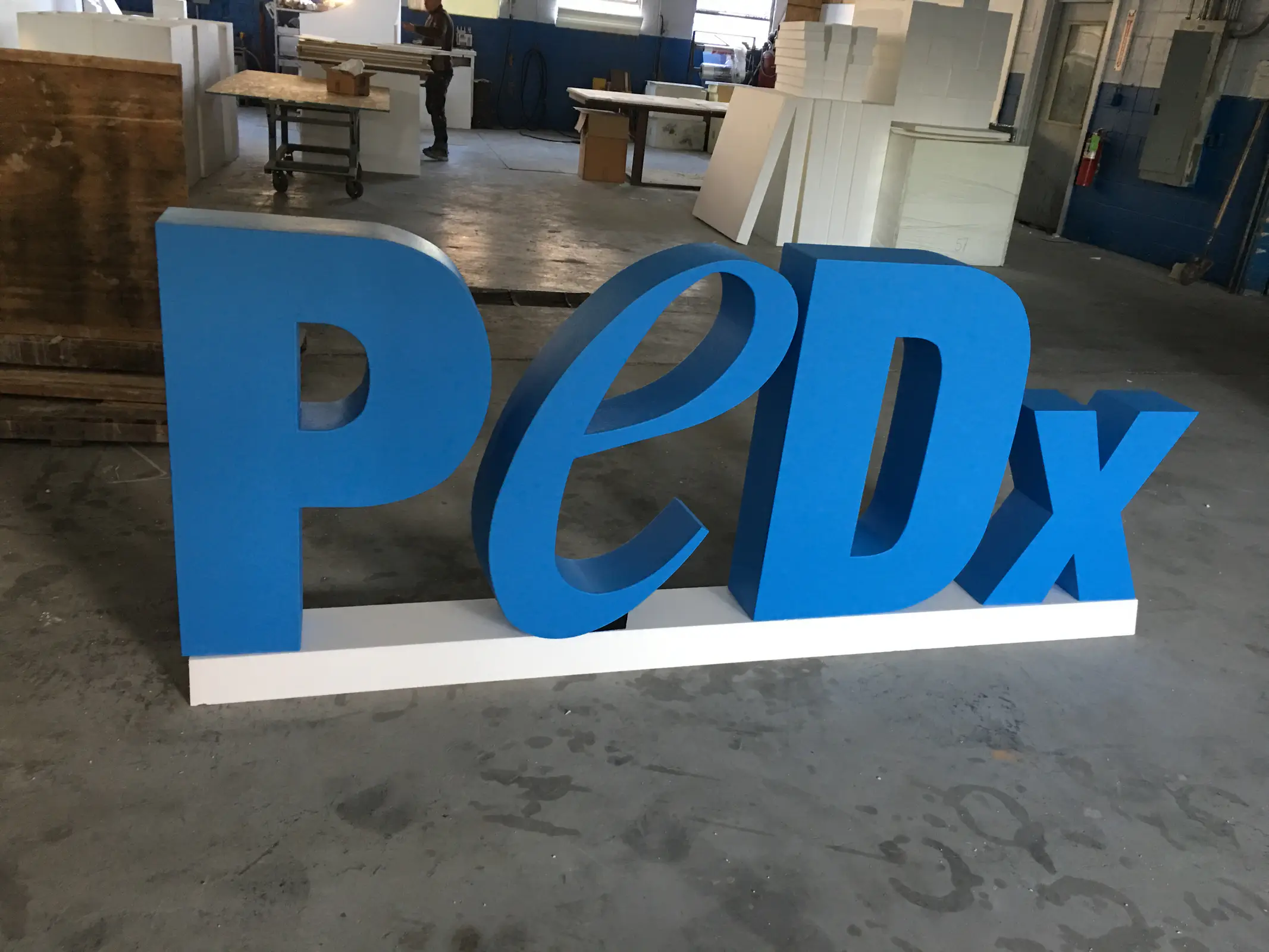
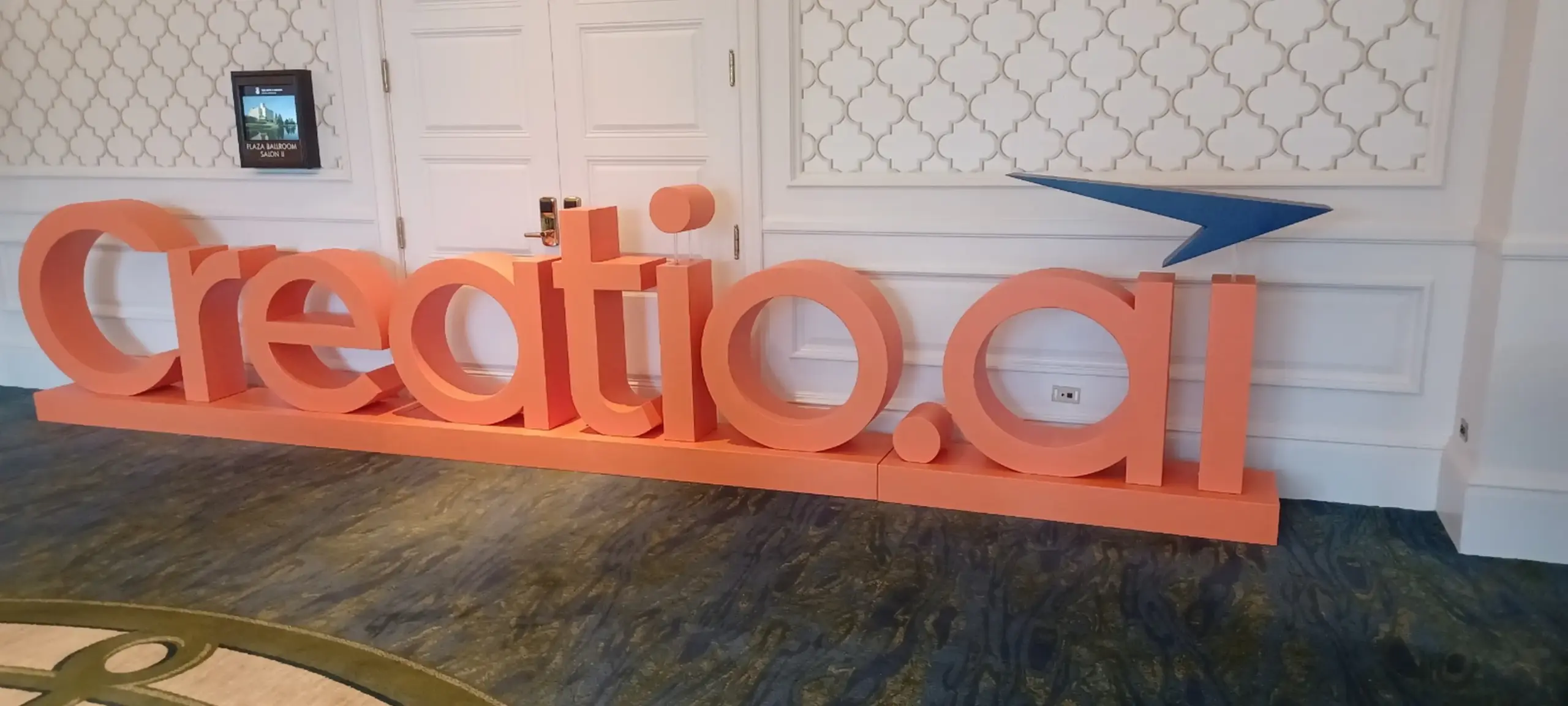
Royal Foam Art Design’s catalogue positions oversized foam letters and logos as larger-than-life branded elements that command attention while remaining lightweight, movable, and memorable. The catalogue also emphasizes custom fonts, logo shapes, colors, textures, material simulations, indoor/outdoor use, high-density EPS foam, weatherproof coating, mounting options, and production from smaller tabletop displays to large outdoor installations.
What Oversized Foam Letters and Logos Are Used For
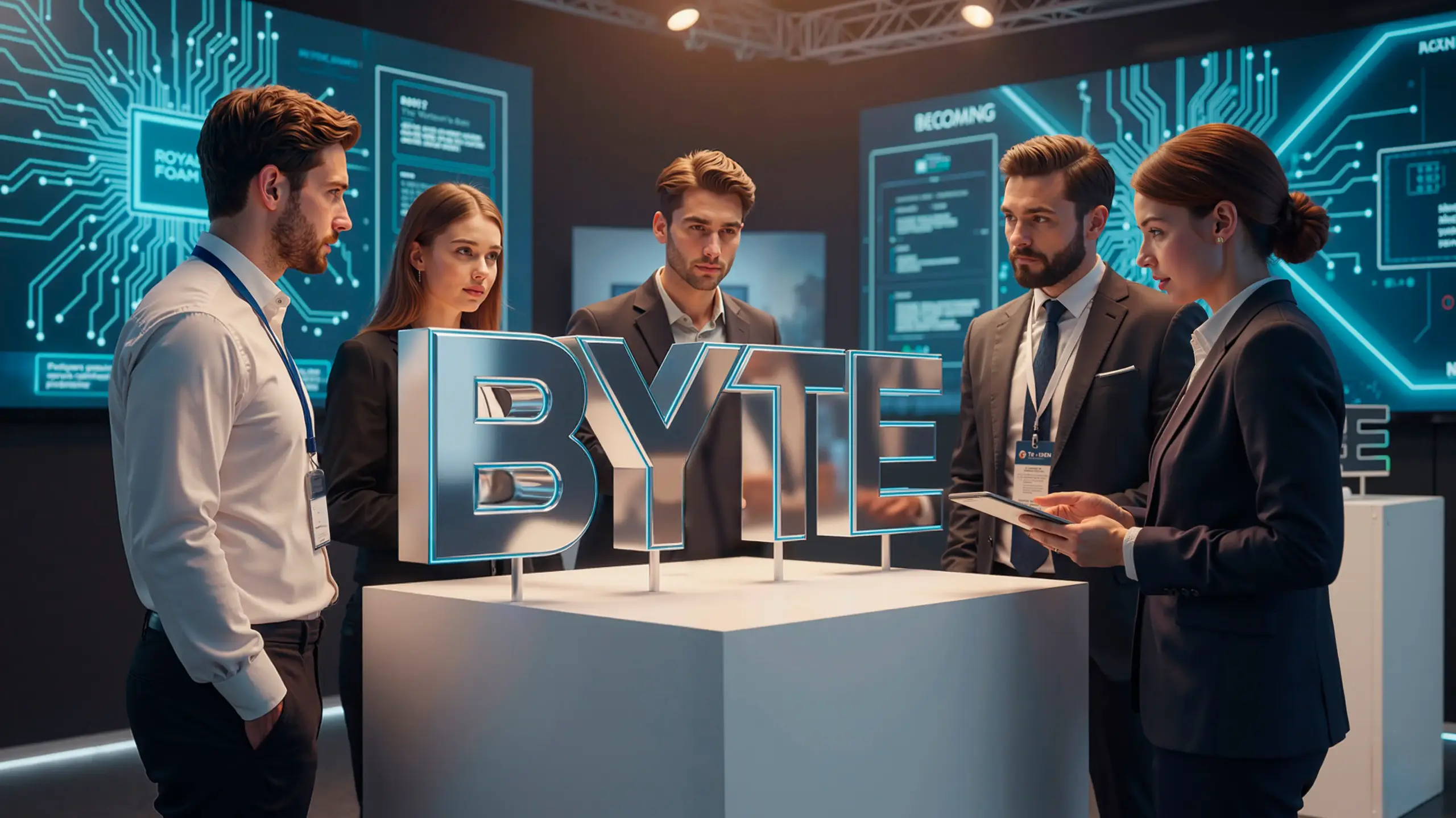
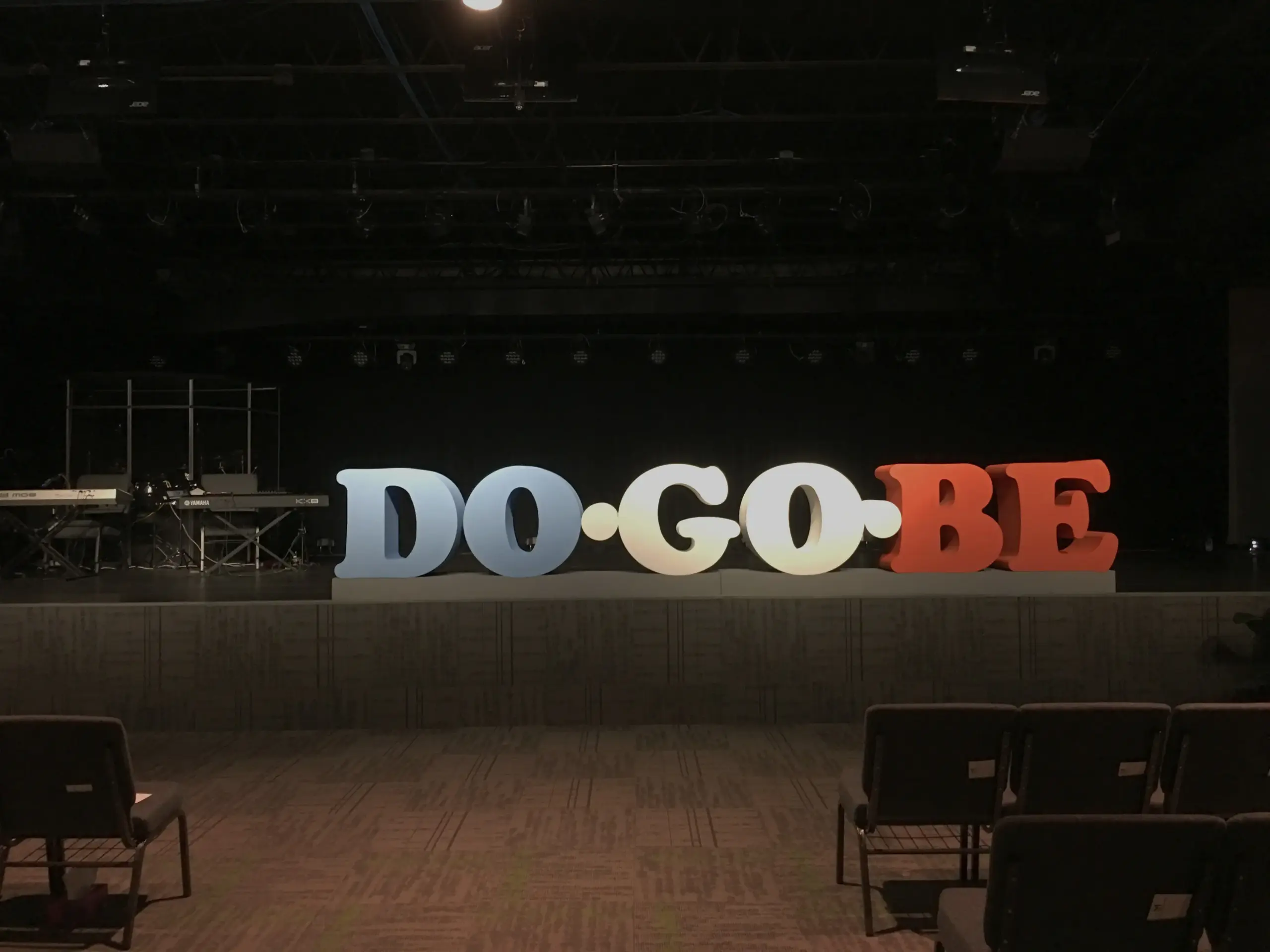
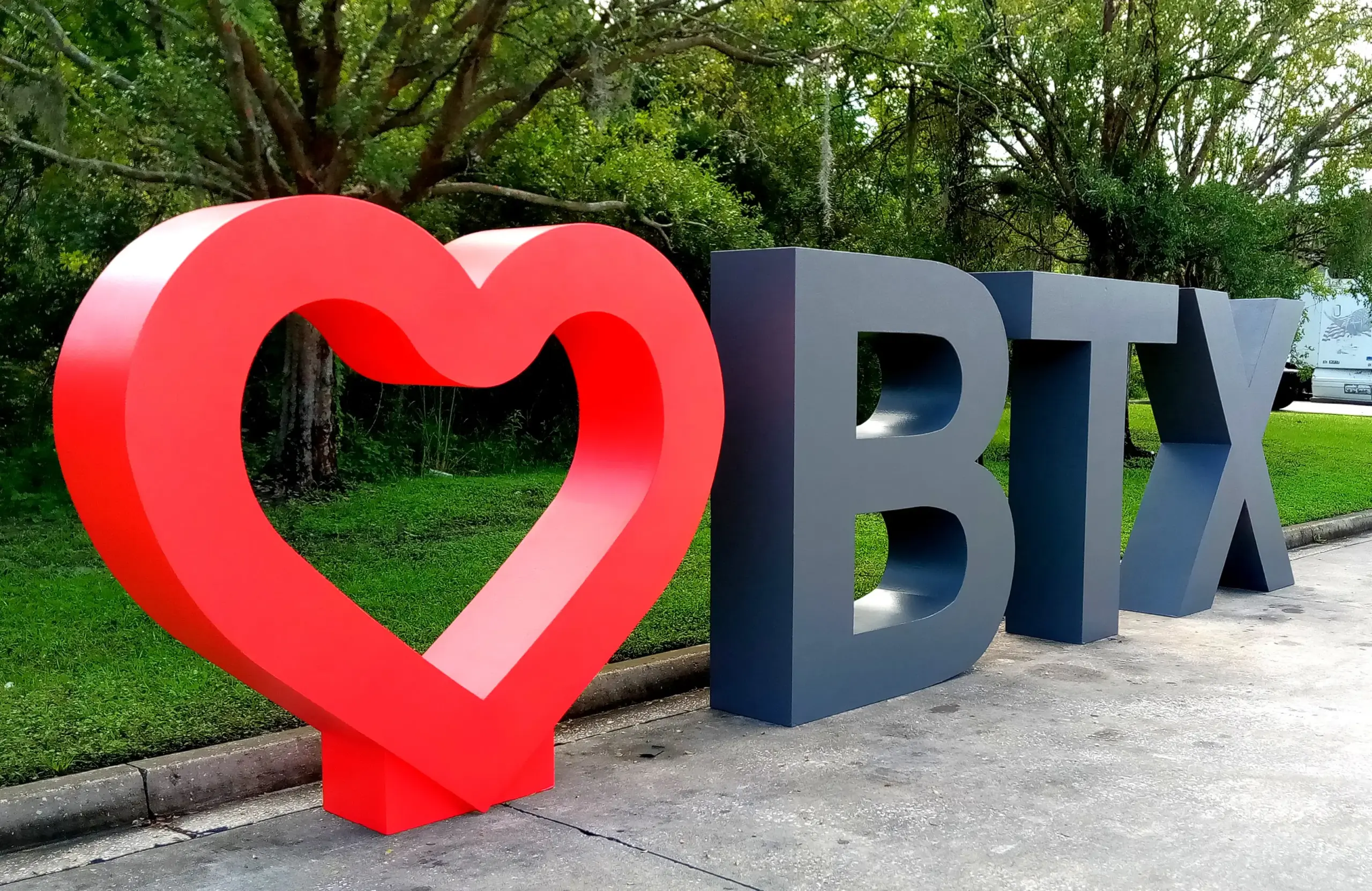
The main function is instant recognition. Oversized letters work when a brand, hashtag, event name, product launch, or campaign phrase needs to become a focal point. Common applications include event entrances, step-and-repeat zones, corporate anniversaries, trade show booths, retail campaigns, campus signage, race villages, music festivals, hospitality properties, mall displays, and outdoor sponsorship placements.
| Use case | Typical format | Practical value |
|---|---|---|
| Event entrance | 4–8 ft freestanding letters | Creates a clear arrival moment |
| Trade show booth | dimensional logo or product name | Improves visibility across aisles |
| Retail / mall campaign | hashtag, logo, hero word | Builds photo value and traffic |
| Corporate HQ | outdoor or lobby monument | Reinforces permanent brand presence |
| Social media activation | oversized phrase or icon | Encourages interaction and sharing |
Materials, Scale, and Structural Logic
EPS foam is the core material because it produces large volume at low weight. For oversized letters, densities around 1.0–3.0 lb/ft³ are common depending on size, durability requirements, edge detail, and coating system. HDU foam may be used for sharper details, thin strokes, crisp logos, or smaller close-view components. Typical letter heights can range from 2–3 ft for tabletop or booth displays to 6–10 ft for outdoor, event, or headquarters installations.
Thickness matters. A 3 ft tall letter may only need 6–10 in of depth for stability and visual mass, while 6–8 ft letters may need 12–24 in of depth, depending on wind exposure, base design, and whether the letters are freestanding or supported by a hidden frame. For wide logos, internal blocking, aluminum tube, plywood plates, threaded inserts, or steel base connections may be required.
| Component | Technical role | Benefit |
|---|---|---|
| EPS foam core | Large lightweight volume | Lower freight and easier handling |
| HDU details | Crisp edges and fine logo shapes | Better close-view quality |
| Polyurea / polyurethane coat | Impact, abrasion, and weather protection | Longer outdoor and event life |
| Internal reinforcement | Mounting and load control | Safer freestanding or wall-mounted use |
| Base / ballast system | Stability and wind resistance | Better outdoor performance |
Coatings, Finishes, and Environmental Performance
Coatings, Finishes, and Brand Accuracy
The finish determines whether oversized letters look like temporary props or professional branded assets. Protected indoor pieces may use a sealed primer and paint system. Higher-contact or outdoor pieces should use a stronger hard-coat system such as polyurea or polyurethane. Coating thickness may range from 2–3 mm for protected indoor display to 4–6 mm for outdoor, high-contact, or reusable event installations.
Finishing options include matte paint, satin paint, gloss automotive-style finish, metallic effects, faux stone, faux concrete, woodgrain, glitter, gradient color, vinyl graphics, printed overlays, LED integration, and clear-coated brand colors. Color can be matched to Pantone, RAL, Sherwin-Williams, Benjamin Moore, or provided brand standards. For camera-facing installations, contrast and sheen must be tested under actual lighting because high-gloss surfaces can create glare, while low-contrast colors may disappear in photos.
Indoor, Outdoor, and Mobile Builds
Indoor letters prioritize clean finish, stability, and easy placement. Outdoor letters require stronger coating, UV-resistant paint, moisture protection, wind planning, and base engineering. Mobile event letters require modular sections, manageable weights, repairability, labeled hardware, and transport-safe packaging.
| Environment | Primary risk | Recommended strategy |
|---|---|---|
| Indoor event | handling damage, scuffs | sealed finish, touch-zone protection |
| Outdoor plaza | wind, moisture, UV | hard coat, ballast, UV-resistant paint |
| Trade show | freight and setup time | modular parts, light weight, fast assembly |
| Retail campaign | repeat resets | repairable surfaces, reusable sections |
| Headquarters | long-term exposure | engineered base, stronger finish, maintenance plan |
Wind is one of the most important outdoor planning factors. Tall letters behave like vertical panels. Even lightweight foam can become unstable if the base is undersized. For temporary outdoor installations, ballast, ground plates, hidden steel, or mechanical anchoring may be needed, especially for letters above 5–6 ft tall or wide logo forms with large surface area.
Material Comparison & Commercial ROI
Comparison With Traditional Signage Materials
| Method | Strengths | Limitations | Best use |
|---|---|---|---|
| Foam + hard coat | Lightweight, large, sculptural, photo-friendly | Needs proper base and coating outdoors | Oversized letters, logos, hashtags |
| Acrylic | Clean, luminous, premium | Heavy and costly at large thickness | smaller lit letters, faces, diffusers |
| Metal | durable and permanent | heavy, expensive, harder to move | permanent plaques, frames, trim |
| MDF / plywood | strong and low-cost indoors | heavy, moisture-sensitive | indoor flat letters and short-term props |
| Inflatable signage | very light, fast setup | less premium, needs air support | temporary outdoor attention pieces |
Foam can reduce finished weight by 70–90% compared with thick MDF, plaster, stone-look, or solid sculptural alternatives. This can reduce crew size, freight cost, and install time. For touring events, that difference can determine whether letters travel in standard crates or require special equipment.
Buyer Logic and Common Risks
The economic buyer wants maximum visibility without excessive freight, rigging, or construction cost. The event producer wants fast setup, stable placement, and good camera presence. The marketing team wants brand accuracy, photo value, and reuse. The technical buyer wants safe bases, strong coatings, repairable surfaces, and clear installation instructions.
Common mistakes include undersized bases, thin letter depth, poor wind planning, weak connection points, glossy finishes that glare in photos, colors that do not match brand standards, visible seams, lack of repair kit, and designs that are too large to fit through doors, elevators, loading docks, or trade show freight paths.
Conclusion
Oversized Foam Letters & Logos are most effective when treated as engineered brand structures, not just enlarged graphics. The best builds combine correct foam density, letter depth, coating thickness, base design, brand color accuracy, transport planning, and site-specific installation logic. Done correctly, they create scale, visibility, and interaction while staying lightweight, durable, movable, and cost-effective.
They work because they turn a name, logo, or phrase into a physical destination. For events, retail spaces, campuses, corporate headquarters, and social-media activations, that physical presence can make the brand easier to find, photograph, remember, and share.
Recommended Articles
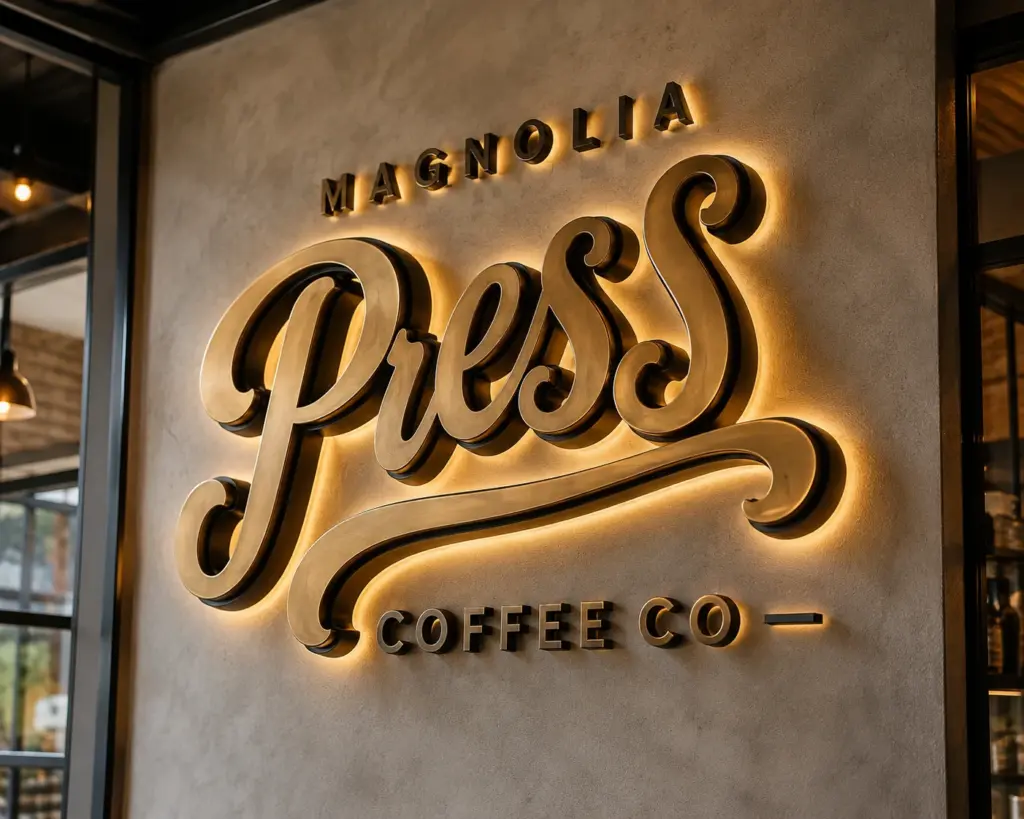
Outdoor LED Signs: Custom Illuminated Foam and HDU Signage for Storefronts, Hotels, Restaurants, and Monument Entrances
See the results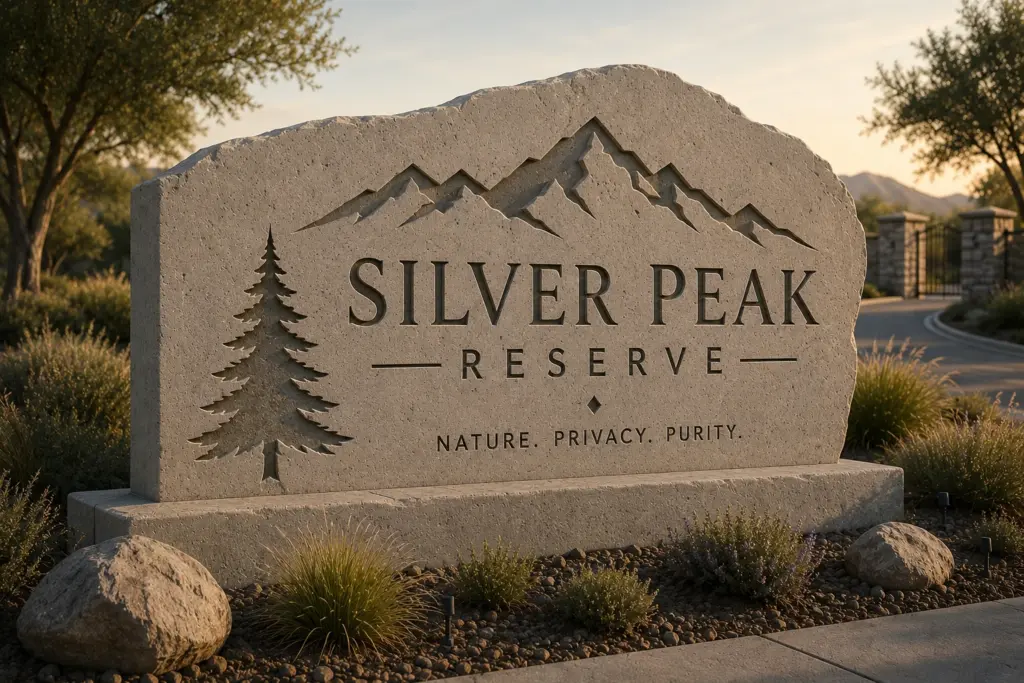
Molds for Cast Stone Signs: Master Patterns, Mold Fabrication, and Lightweight Stone-Look Monument Signage for Communities, Resorts, and Estates
See the results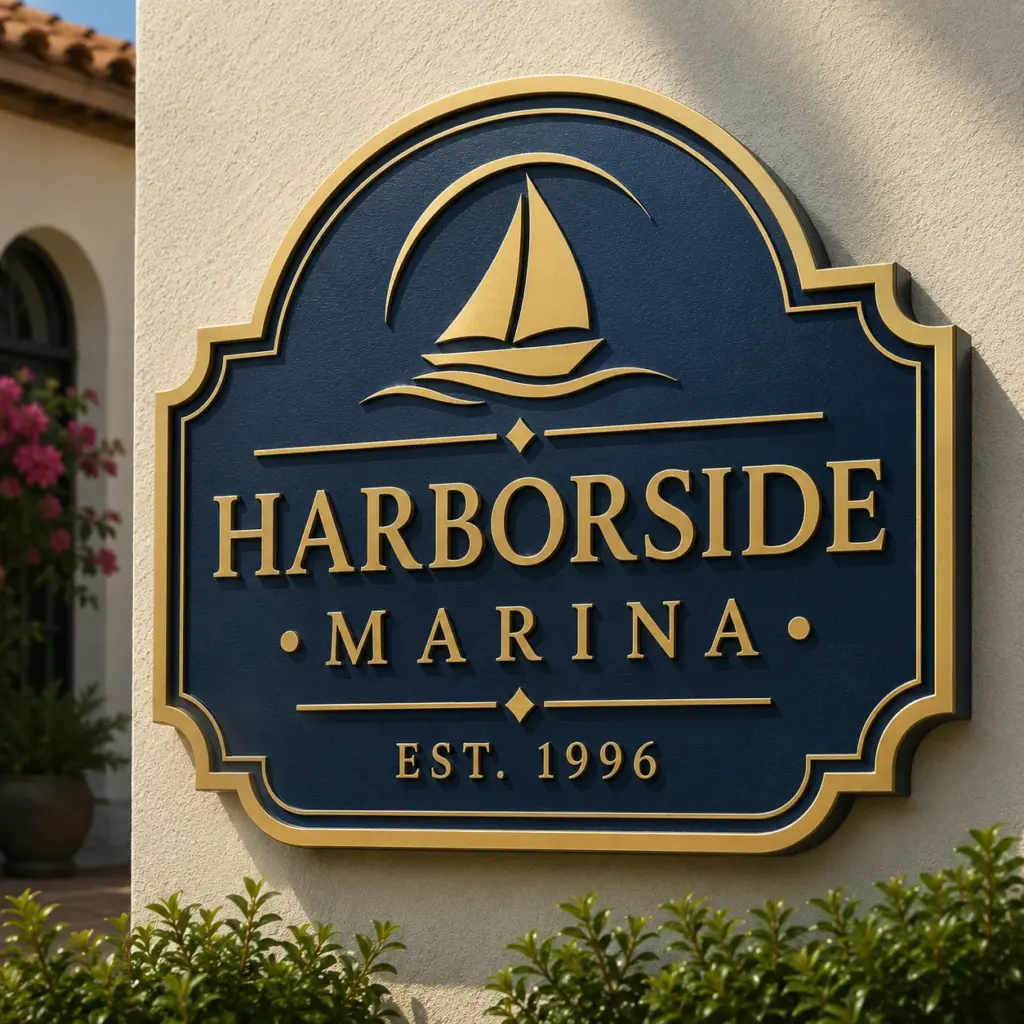
Sandblasted & V-Carved Signs: Lightweight HDU and Foam Dimensional Signage for Resorts, Clubs, Restaurants, and Private Estates
See the results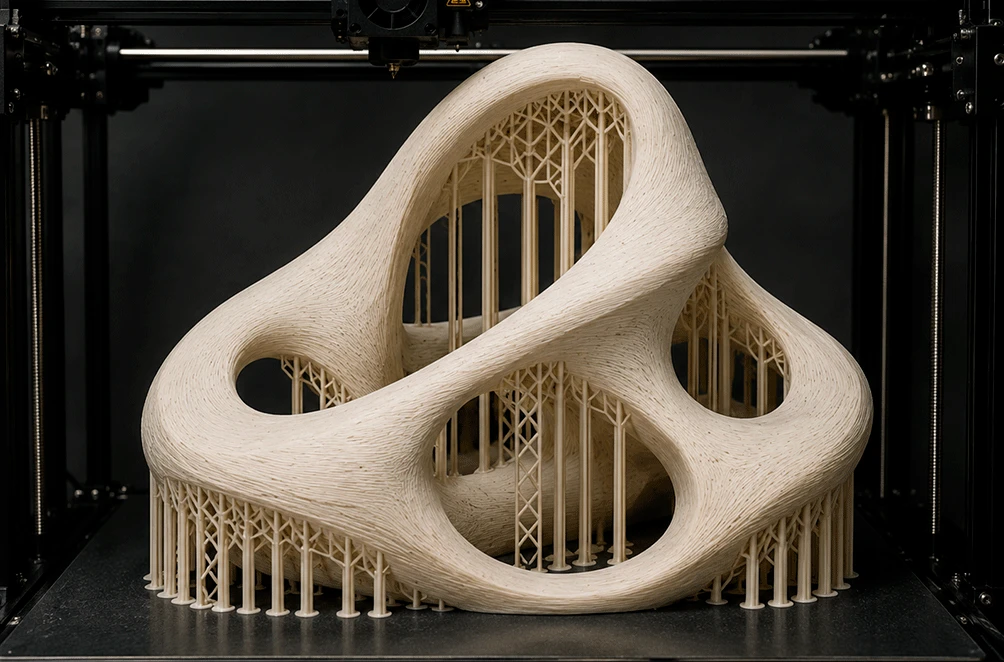
Industrial 3D Printing for Large-Scale Custom Fabrication: From Digital Model to Production-Ready Parts
See the results
Designs for Places of Worship: Lightweight Architectural Elements for Sacred, Community, and Prayer Spaces
See the results
Wedding Arch Colonnades: Technical Fabrication for Luxury Ceremony Entrances, Aisle Architecture, and Event Spatial Design
See the results
Architectural Shapes: Lightweight Custom Forms for Interiors, Exteriors, Homes, Buildings, and Branded Spaces
See the results
Foam Routed Signs: Precision-Cut Dimensional Signage for Lightweight, Custom, and Architectural Brand Environments
See the results
Foam Monument Signs: Lightweight Architectural Signage for Entrances, Campuses, Retail Plazas, and Brand Landmarks
See the results