Floating Pool Letters: Technical Fabrication for Luxury Pool Events, Brand Moments, and Water-Based Visual Installations
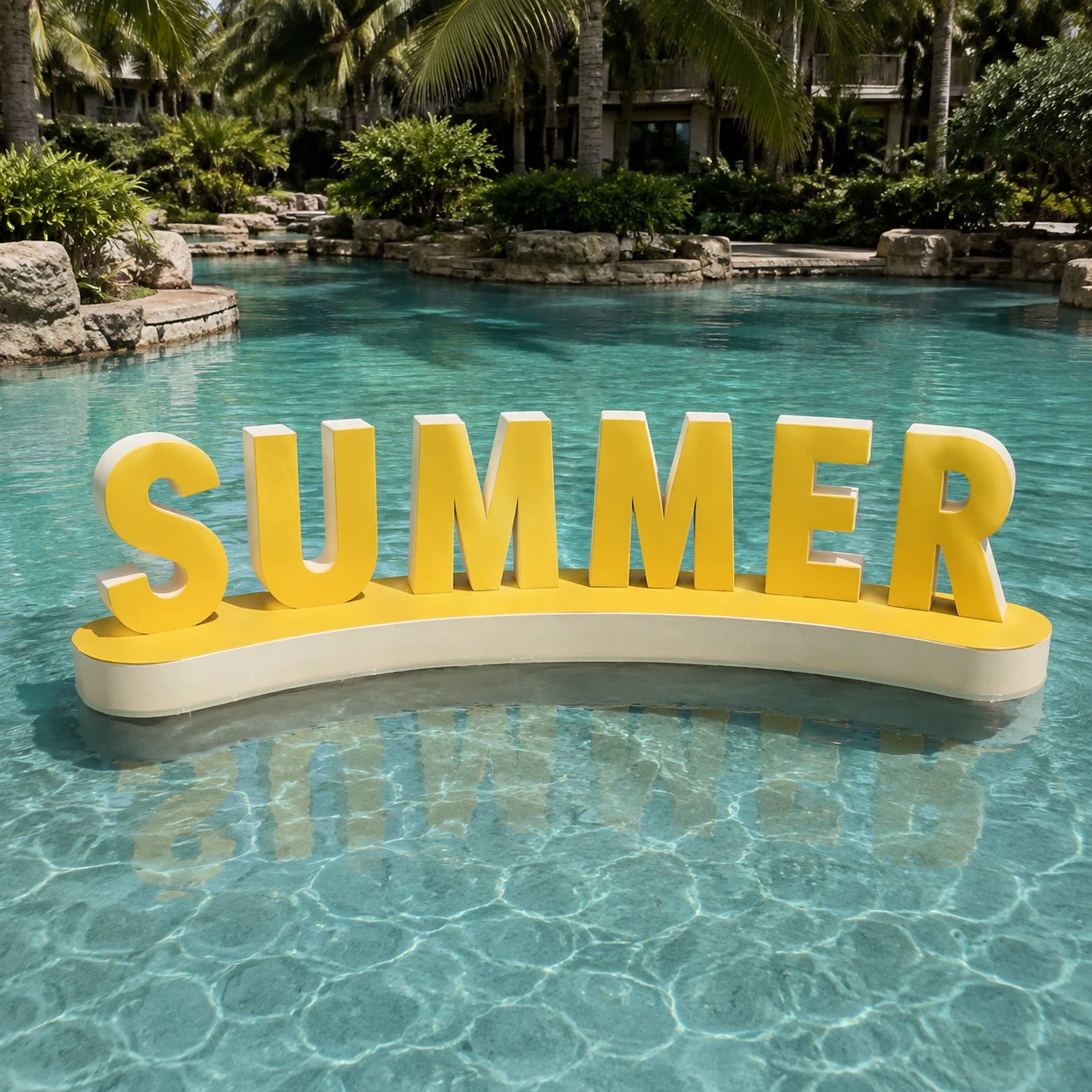
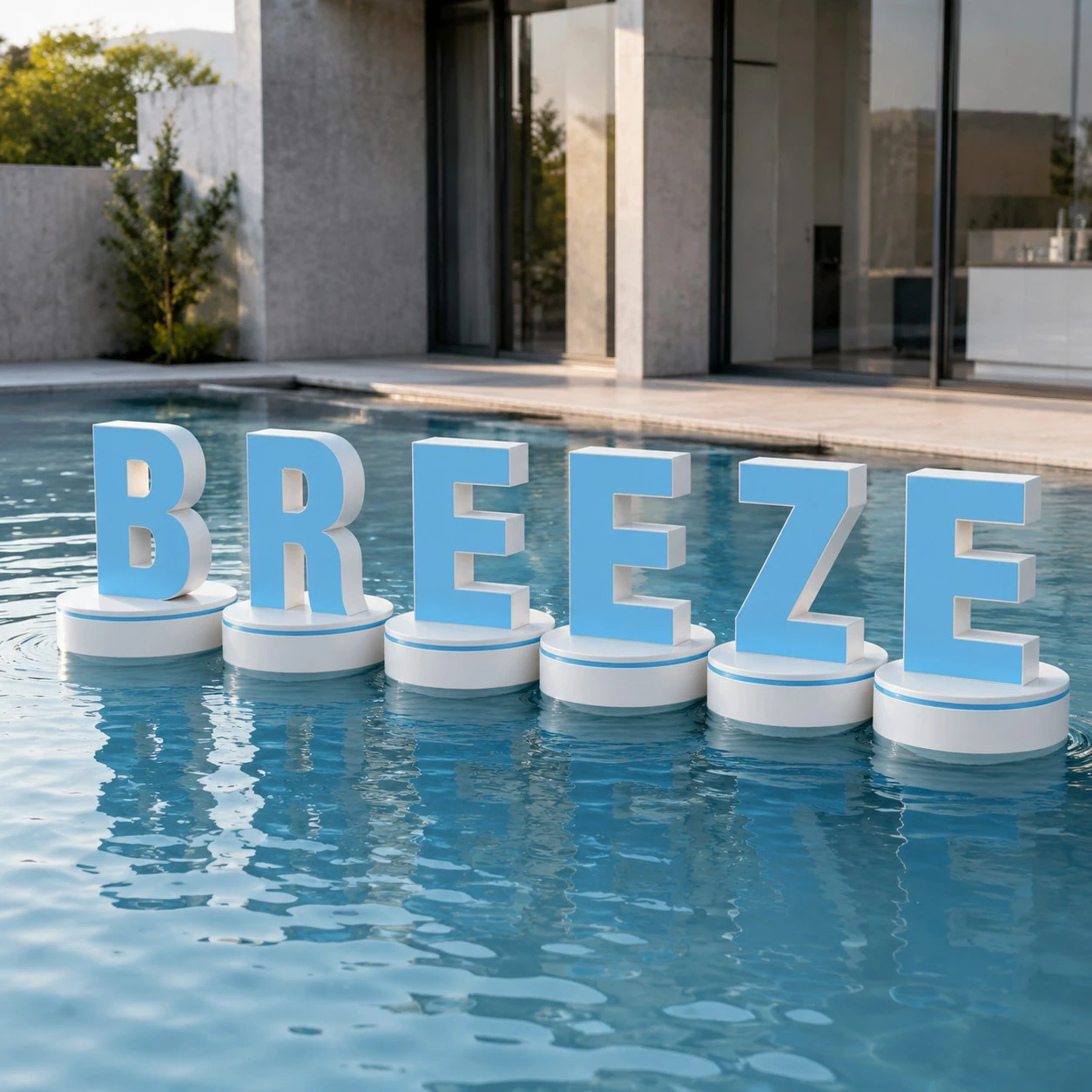
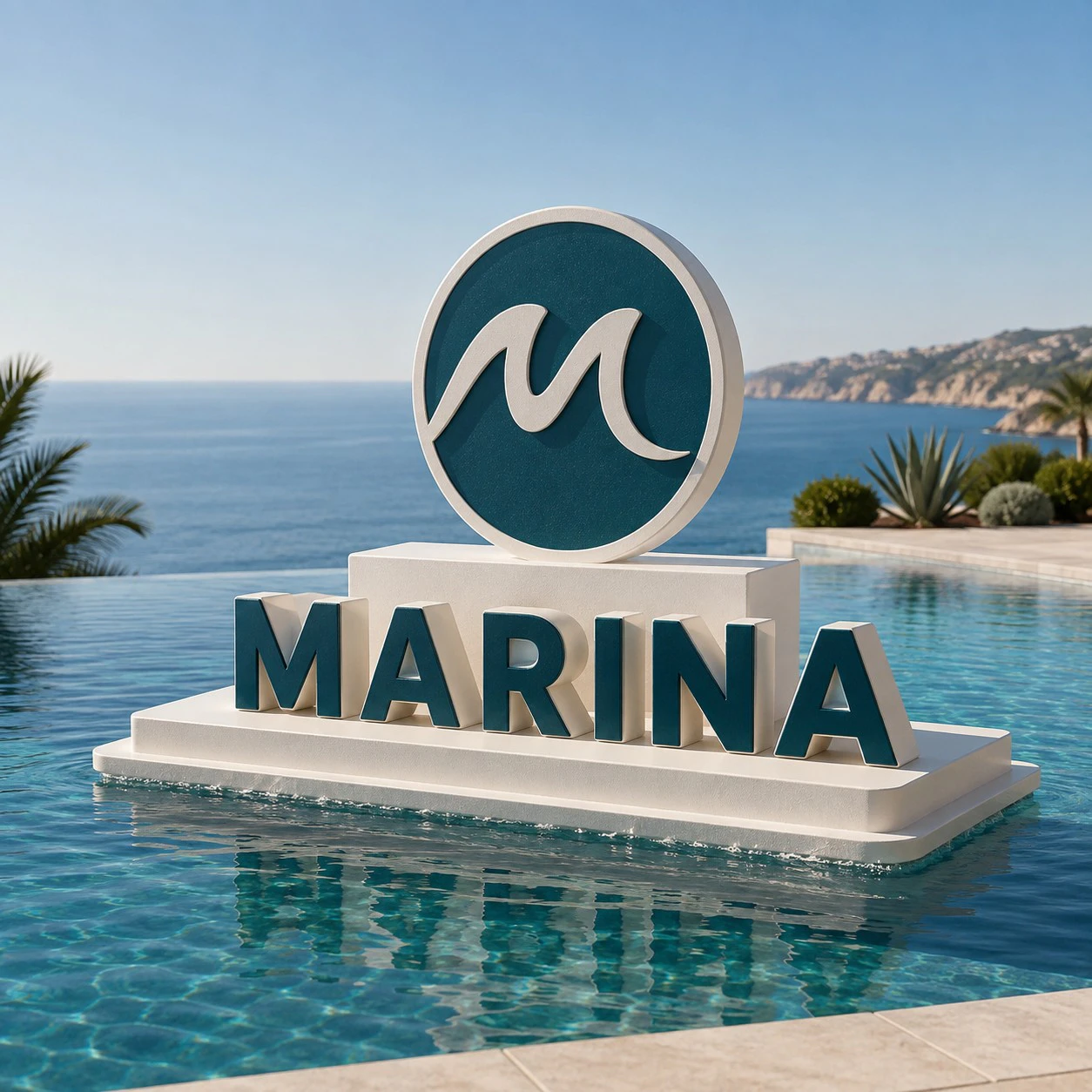
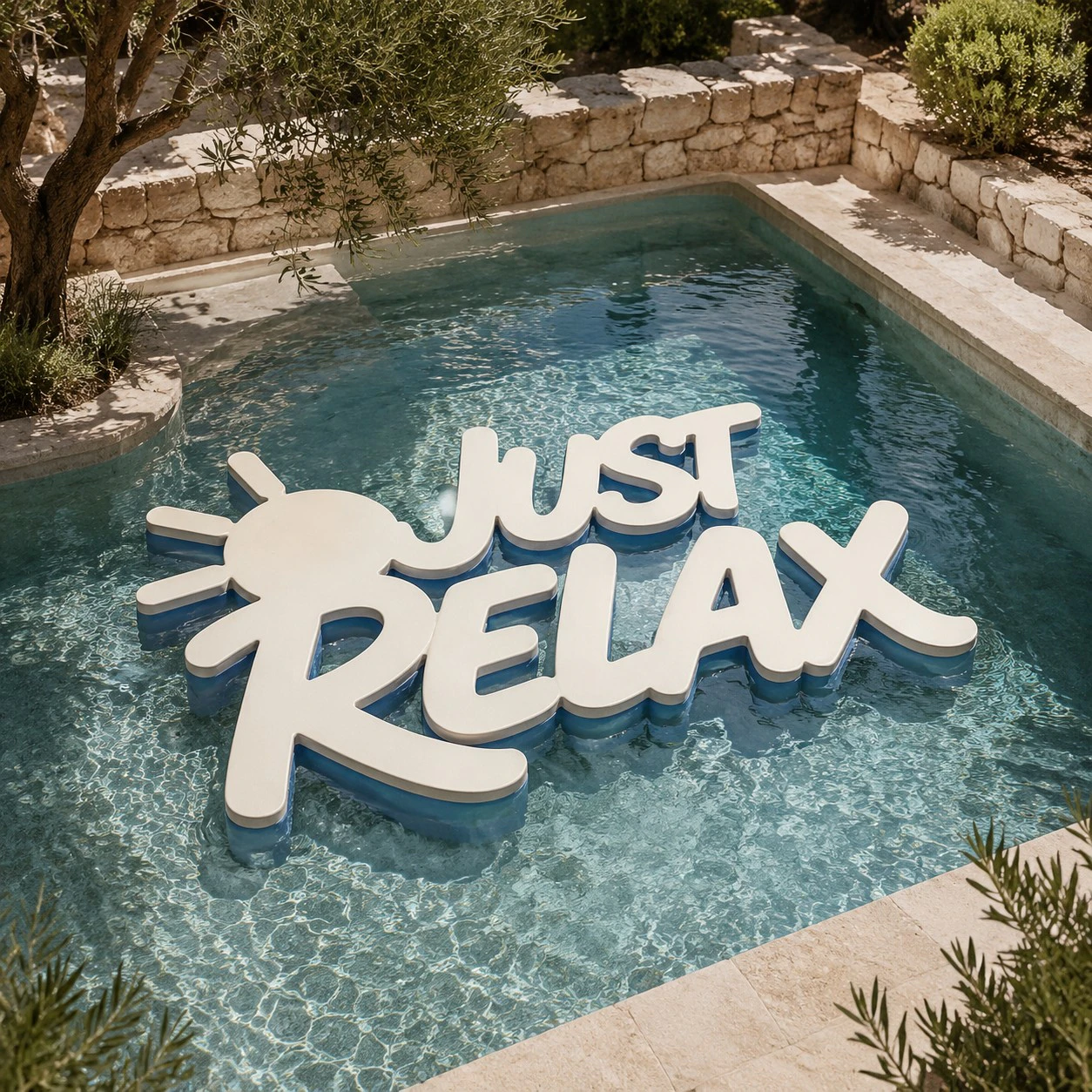
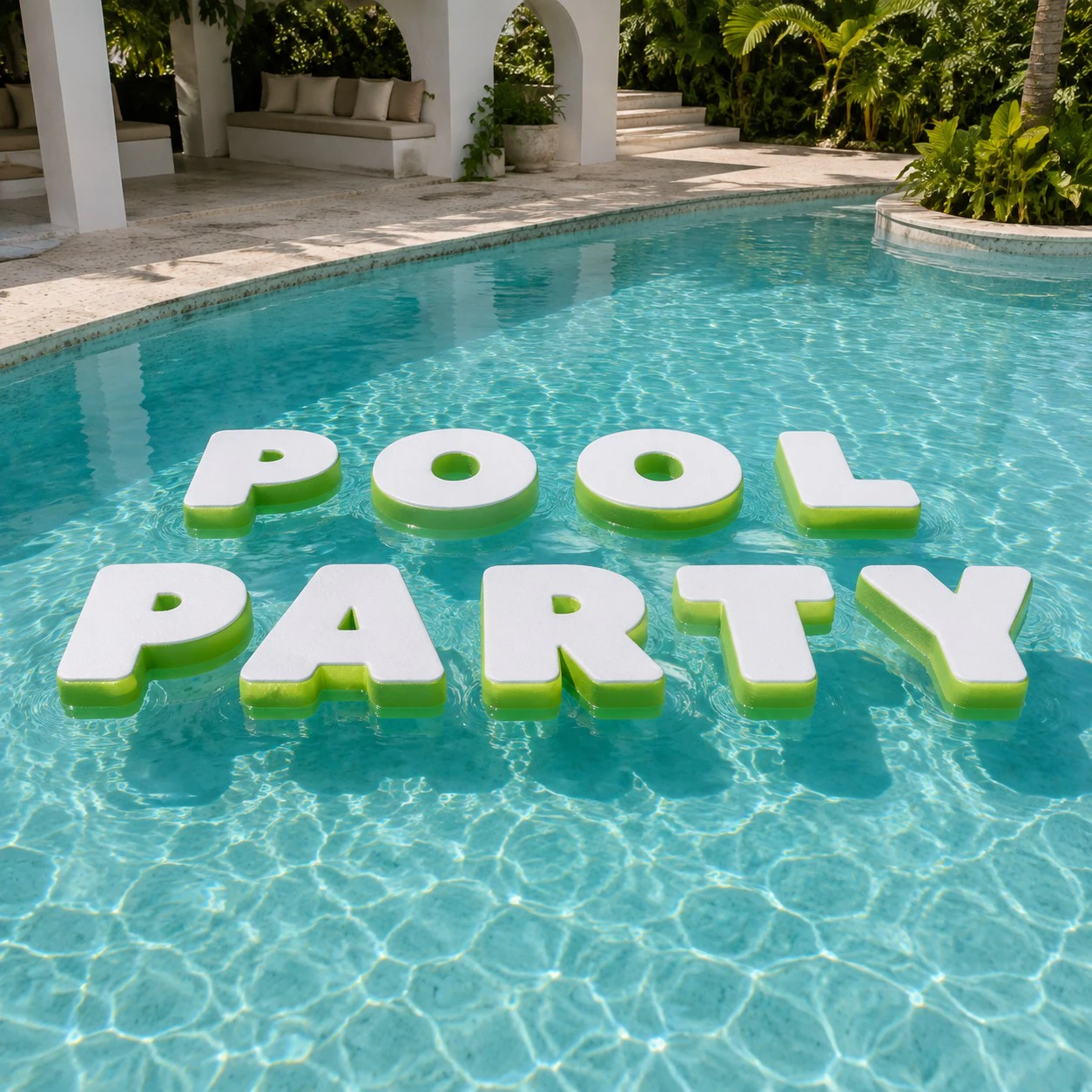
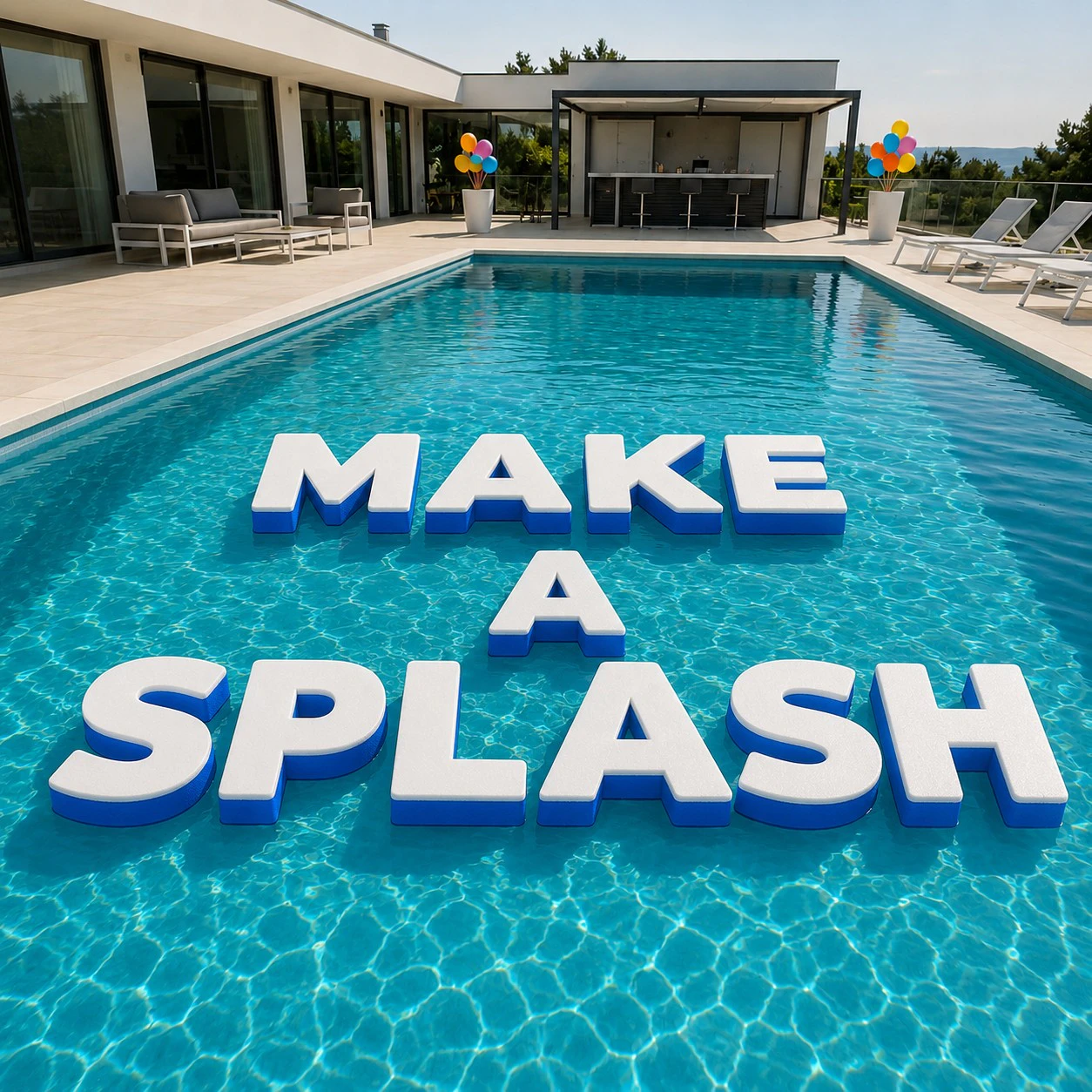
Floating Pool Letters are not ordinary event décor placed near water. They are water-surface branding elements engineered to float, stay visually readable, resist moisture exposure, and create a high-impact photo moment from an otherwise unused part of the venue. In luxury weddings, hotel openings, resort activations, private parties, influencer events, film shoots, product reveals, and brand launches, the pool becomes more than background. It becomes the visual center of the event.
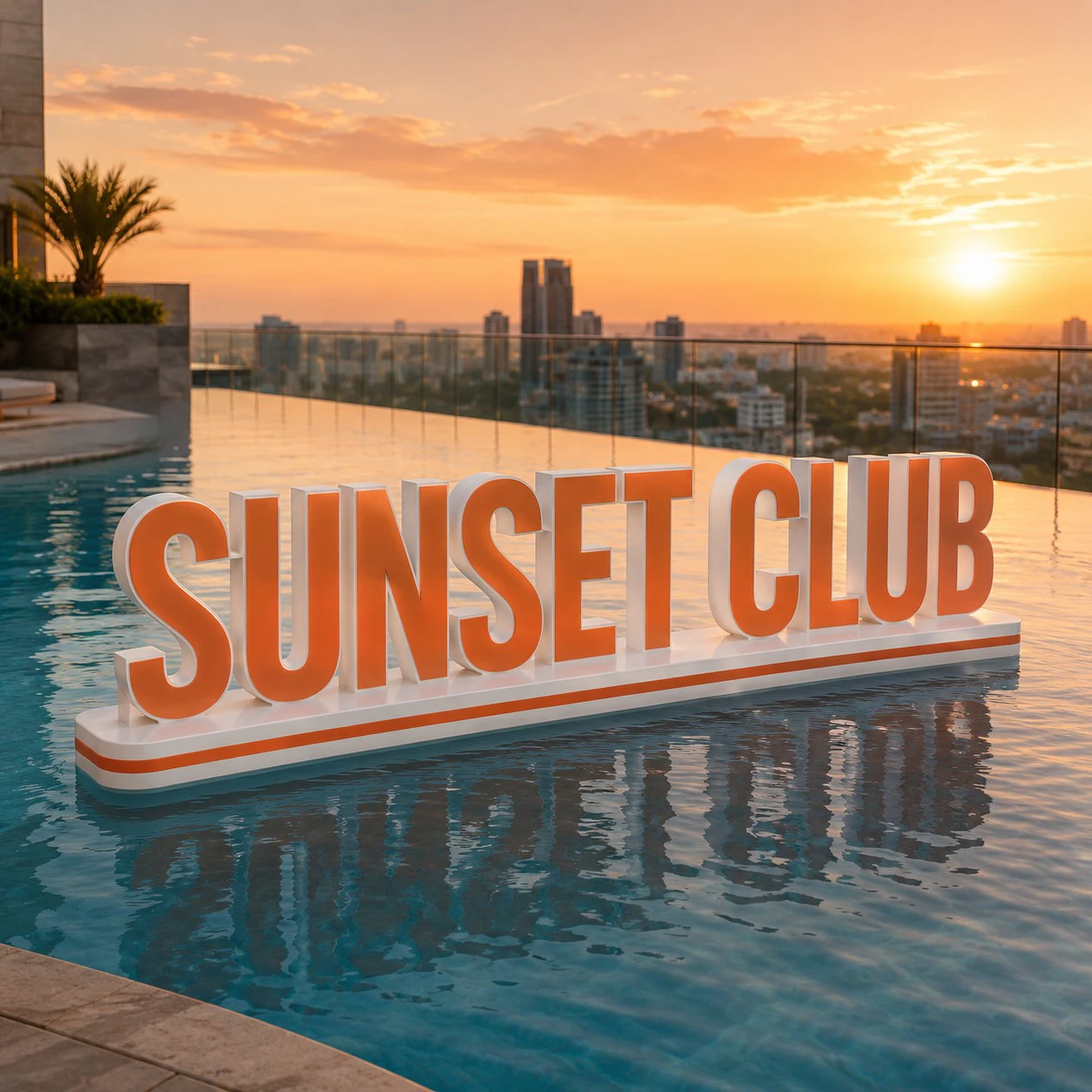
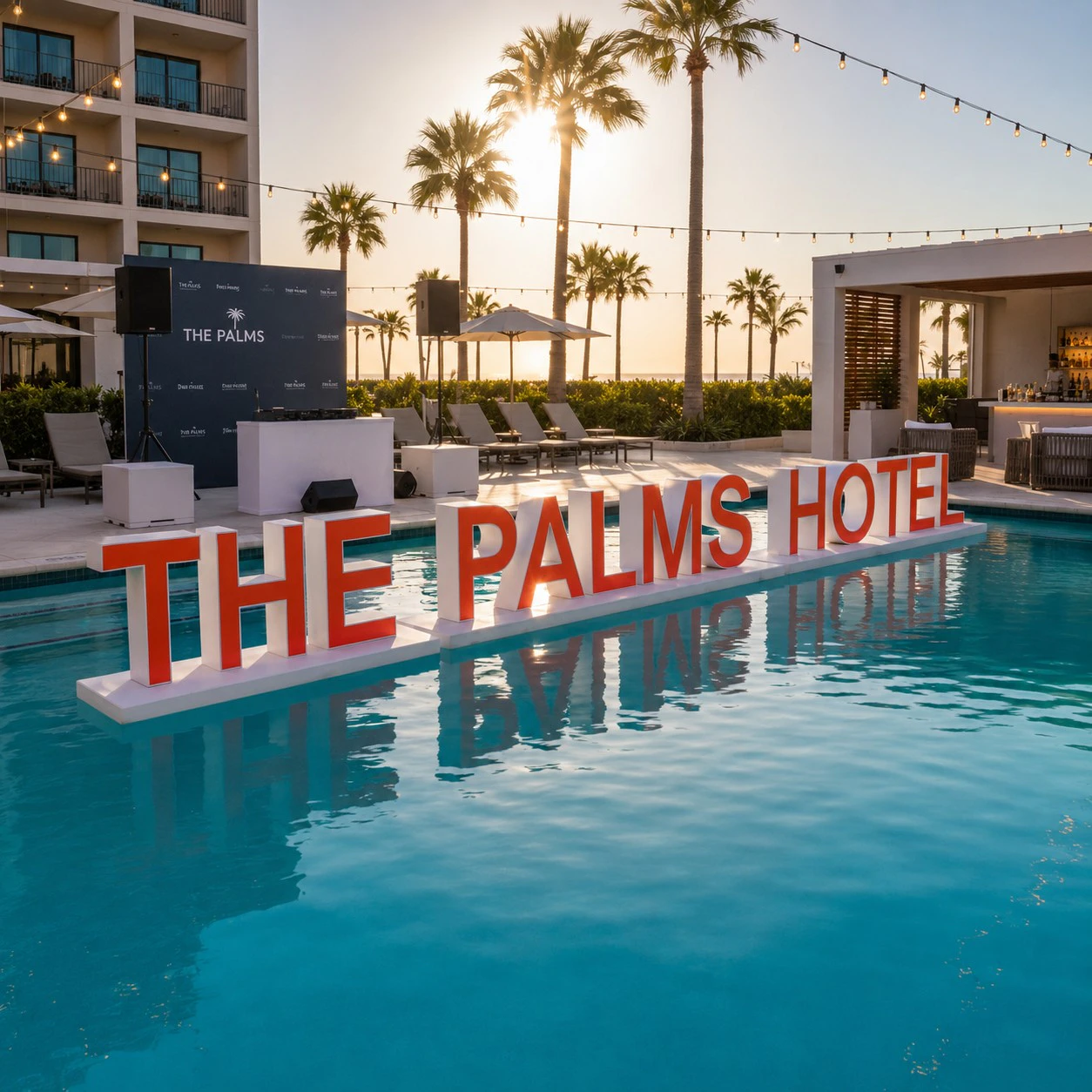
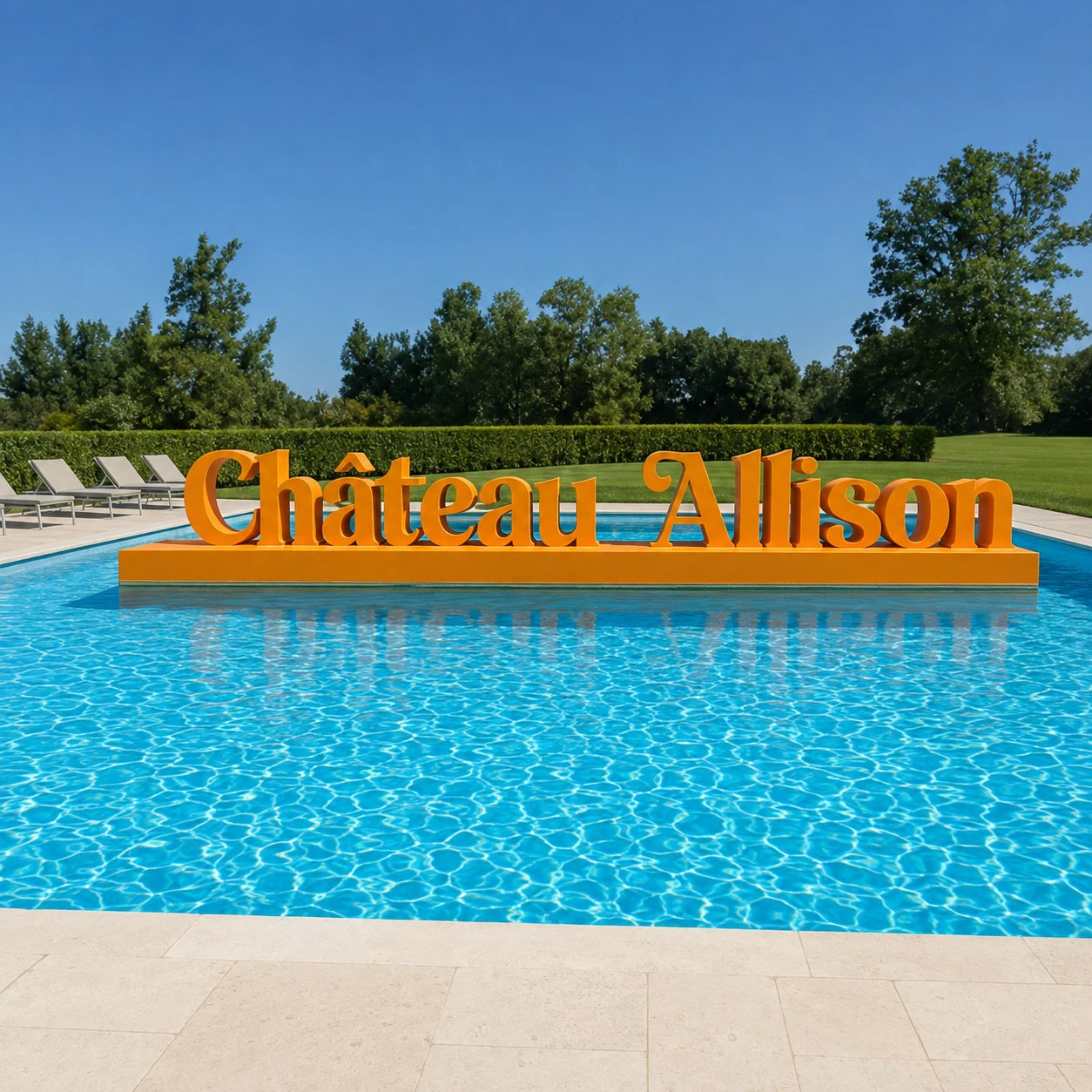
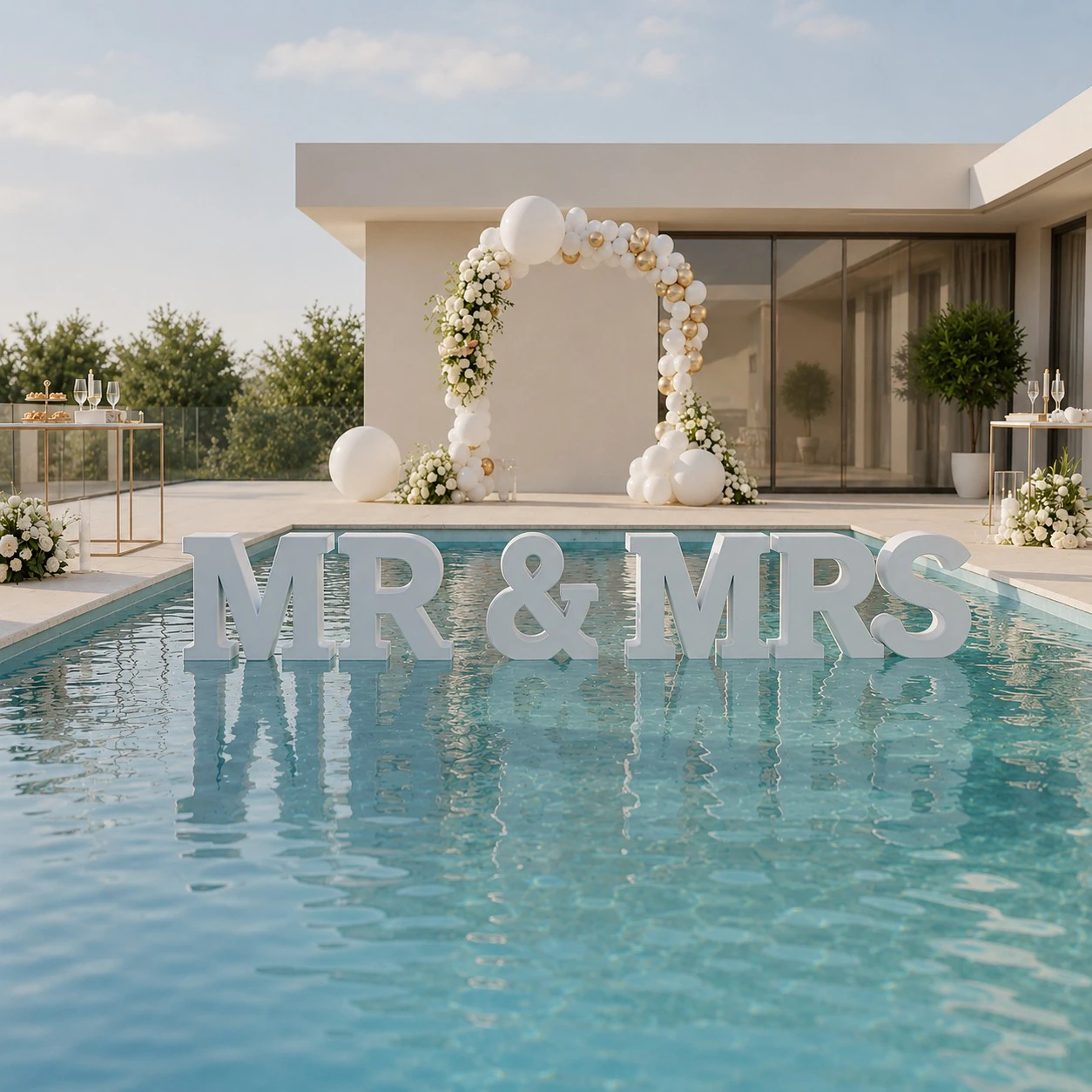
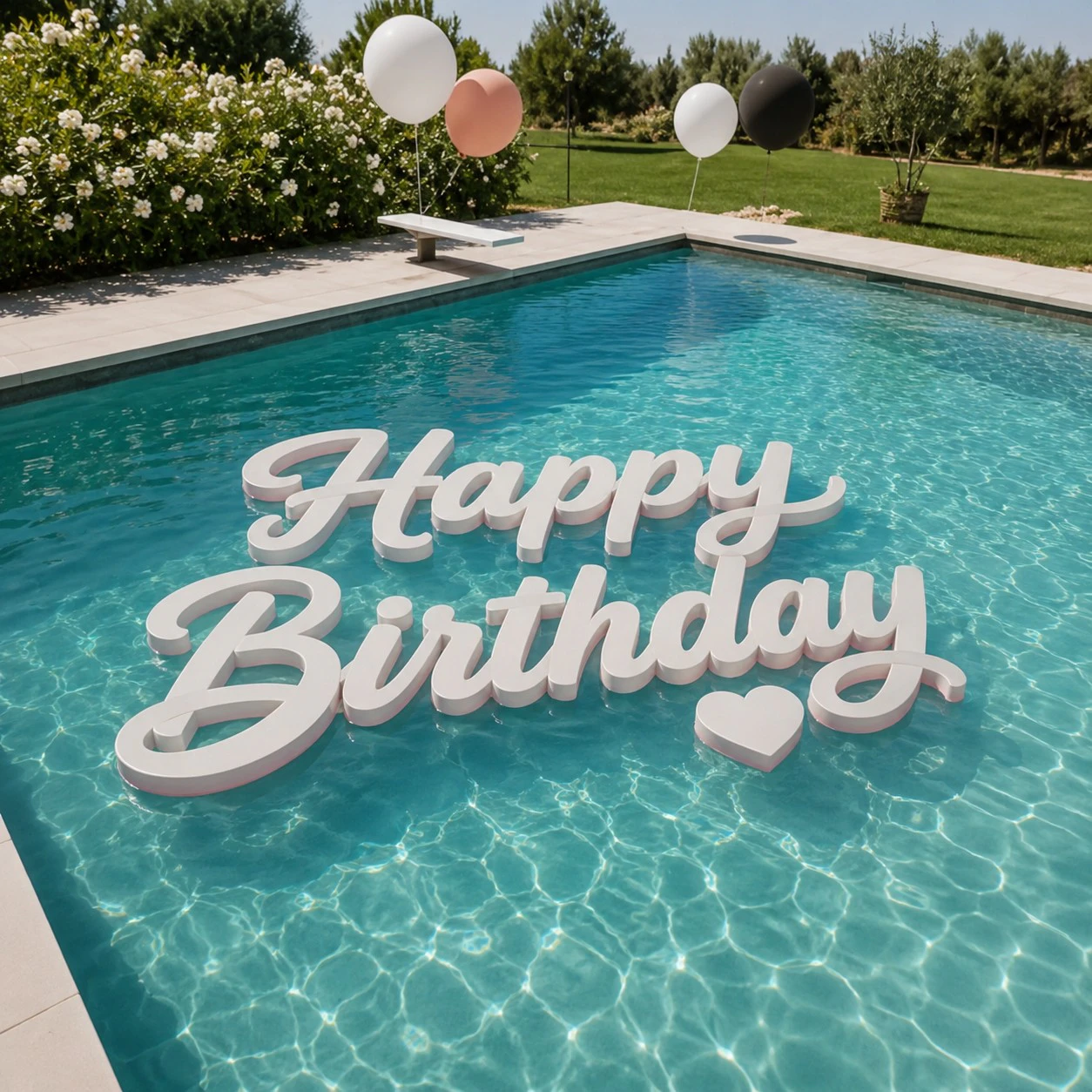
Royal Foam Art Design’s catalogue presents Floating Pool Letters as custom foam elements designed to float gracefully on water, transforming pools into event canvases. The catalogue highlights floating letters and logos for weddings, luxury brand launches, hotel openings, influencer events, film shoots, product reveals, and large-scale private parties, with options for custom size, shape, font, color, LED underlighting, floral garlands, and decorative accents.
Why Floating Pool Letters Work
A pool naturally attracts attention because it reflects light, architecture, people, and movement. Floating letters use that surface as a visual stage. A message that might feel ordinary on a wall becomes cinematic when reflected in water. This is why pool letters work especially well for camera-facing events: they create brand visibility, atmosphere, and social-media content without taking up floor space.
| Event type | Typical message | Practical value |
|---|---|---|
| Wedding / private party | initials, names, “Happy Birthday” | Personal focal point and photo feature |
| Hotel / resort opening | property name or campaign phrase | Luxury atmosphere and arrival impact |
| Brand launch | logo, product word, hashtag | High-share visual centerpiece |
| Influencer event | short phrase or icon | Strong camera background and content value |
| Film / photo shoot | custom script or symbol | Controlled visual storytelling |
Material System and Technical Performance
Buoyancy, Weight, and Water Resistance
The main material requirement is controlled buoyancy. Closed-cell EPS foam is commonly used because it provides high volume at very low weight and naturally supports flotation. Typical EPS densities for this category may range around 1.0–2.0 lb/ft³ when maximum buoyancy is important, while denser foam or local reinforcement may be used for sharper details, thin strokes, or repeated handling.
A floating element must stay upright and readable. That means the design cannot be judged only from the front view. Thickness, center of gravity, submerged depth, letter shape, water movement, and wind exposure all matter. For small floating script pieces, thickness may be around 3–6 in. For larger block letters, logos, or connected phrases, 6–12 in thickness may be more appropriate to improve flotation, stiffness, and visual presence.
| Technical factor | Why it matters |
|---|---|
| Foam density | Controls weight, buoyancy, and handling |
| Letter thickness | Improves floating stability and edge visibility |
| Coating system | Protects against water, chlorine, salt, and abrasion |
| Connection method | Keeps letters aligned and prevents drifting |
| Anchor / tether system | Controls placement in pool or open water |
Coatings, Finishes, and Pool Chemistry
Water exposure changes fabrication priorities. Floating Pool Letters must resist absorption, swelling, peeling, and finish breakdown. A sealed coating system is essential. For light indoor pool use or short events, sealed primer and marine-grade paint may be enough. For higher-end, repeat-use, outdoor, chlorinated, or saltwater conditions, a stronger polyurethane or polyurea coating is usually more appropriate.
Coating thickness may range from about 2–3 mm for short-term controlled use to 4–6 mm for repeat-use, outdoor, or high-contact event environments. Chlorinated pools, saltwater pools, heat, humidity, UV exposure, and handling during setup all affect the finish. Matte white is popular because it photographs cleanly against blue water, but finishes may also include pearl, satin, gloss, metallic, rose gold, pastel tones, brand colors, glitter, or vinyl/applied graphics.
| Finish option | Best use | Risk to manage |
|---|---|---|
| Matte white | weddings, luxury parties, clean photography | scuffs during handling |
| Pearl / satin | premium private events and hotel settings | color consistency in reflections |
| Metallic / rose gold | luxury brand moments | glare and coating durability |
| Brand color match | launches and corporate events | contrast against water |
| LED glow / underlighting | evening events | waterproofing and power safety |
Design Execution and Water-Surface Control
Lighting, Reflection, and Visibility
Floating Pool Letters must be designed for how they will be seen: from poolside, balcony, drone, camera lens, or event entrance. High contrast is important. White letters on blue water usually read clearly during daytime. At night, lighting must be planned carefully because the water may reflect, distort, or hide the message.
LED underlighting, waterproof battery packs, poolside uplighting, floating light modules, or external event lighting can all be used, but electrical safety must be handled professionally. For evening events, warm white lighting around 2700–3000K creates a luxury hospitality mood, while 3500–4000K feels cleaner and more modern. RGB lighting can support brand color, but it must not reduce legibility.
Installation, Anchoring, and Event Control
The biggest practical challenge is keeping the letters where they belong. Even lightweight foam can drift because of wind, pool jets, people moving nearby, or water circulation. For controlled placement, floating letters may need clear monofilament, discreet tethers, weighted pool-safe anchors, hidden connector bars, magnetic or mechanical internal connections, or modular linking systems.
| Situation | Recommended control method |
|---|---|
| Still pool, short event | light tethering or connected letters |
| Outdoor pool with wind | weighted anchors and alignment lines |
| Long phrase / script | connected backing system or hidden spine |
| Evening event | lighting plan plus anchor plan |
| Repeat installation | labeled modules, storage plan, repair kit |
No rigging should damage pool tile, coping, liners, waterproofing, or filtration systems. Pool-safe materials and careful setup are critical. Event crews should confirm pool depth, skimmer locations, jets, wind direction, waterline access, and whether guests will enter the pool.
Material Comparisons and Operational ROI
Comparison With Alternative Pool Décor
| Method | Strengths | Limitations | Best use |
|---|---|---|---|
| Floating foam letters | custom, dimensional, readable, reusable | needs anchoring and coating | names, logos, hashtags, event messages |
| Floating balloons | festive and fast | drift, deflate, less premium | casual parties, soft atmosphere |
| Floral floats | elegant and organic | fragile, short lifespan | weddings, luxury styling |
| Vinyl pool decals | flat and graphic | limited dimensional effect, install constraints | temporary branding on pool floors |
| LED floating spheres | strong lighting effect | less message-specific | ambient night décor |
Floating foam letters deliver a rare combination: they are dimensional, lightweight, customizable, photo-friendly, and reusable. They can often be installed with minimal venue disruption and no heavy equipment, as long as size, anchoring, and coating are planned correctly.
Buyer Logic and Risk Control
The economic buyer wants high visual impact without building a large scenic structure. The planner wants a luxury centerpiece that feels custom but does not complicate the venue. The brand team wants a message guests will photograph and share. The technical team wants buoyancy, coating durability, safe anchoring, clean transport, and fast removal after the event.
Common mistakes include making letters too thin, ignoring wind, using finishes that cannot tolerate chlorine or saltwater, failing to plan tethers, choosing colors with poor water contrast, hiding lighting systems without waterproof access, and building pieces too large to move through gates, pool areas, or service corridors.
Conclusion
Floating Pool Letters are most successful when they are treated as engineered water-surface installations, not simple foam cutouts. The right build balances buoyancy, thickness, coating, visibility, anchoring, lighting, transport, and event conditions. When planned correctly, they turn a pool into a controlled visual platform: elegant enough for weddings and resorts, bold enough for launches and influencer events, and practical enough to install, remove, store, and reuse.
The result is high-impact branding with low structural burden. The message does not just sit near the water — it floats, reflects, photographs, and becomes part of the event memory.
Recommended Articles
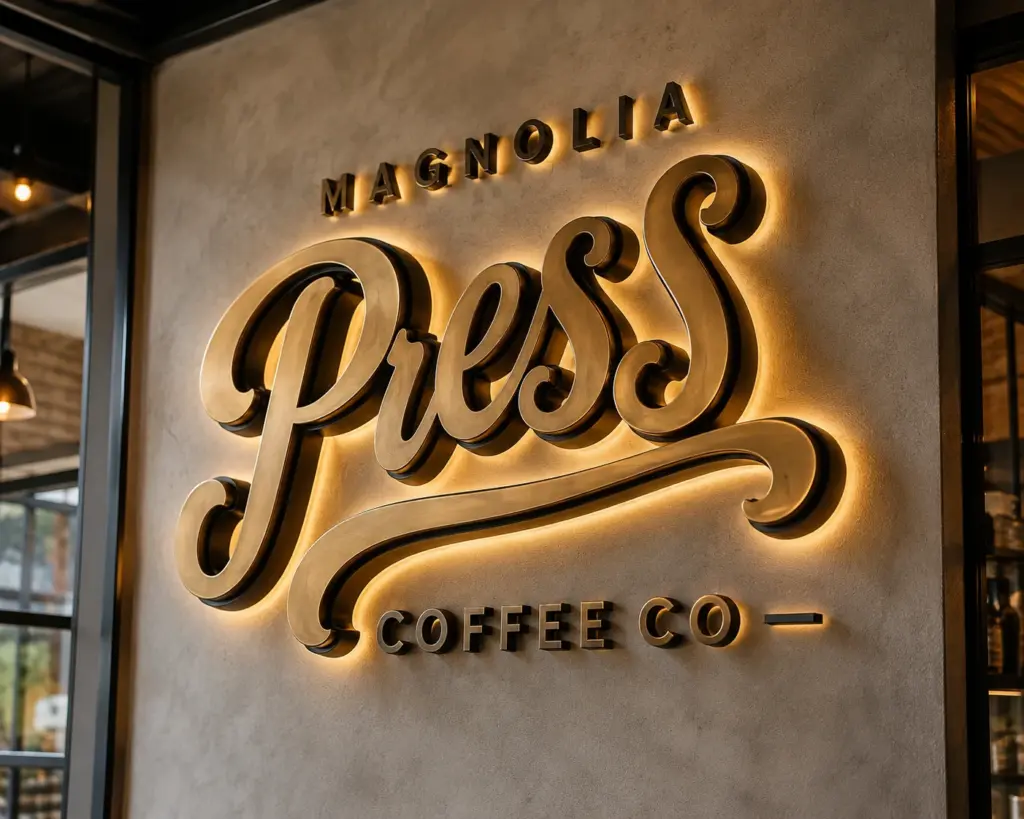
Outdoor LED Signs: Custom Illuminated Foam and HDU Signage for Storefronts, Hotels, Restaurants, and Monument Entrances
See the results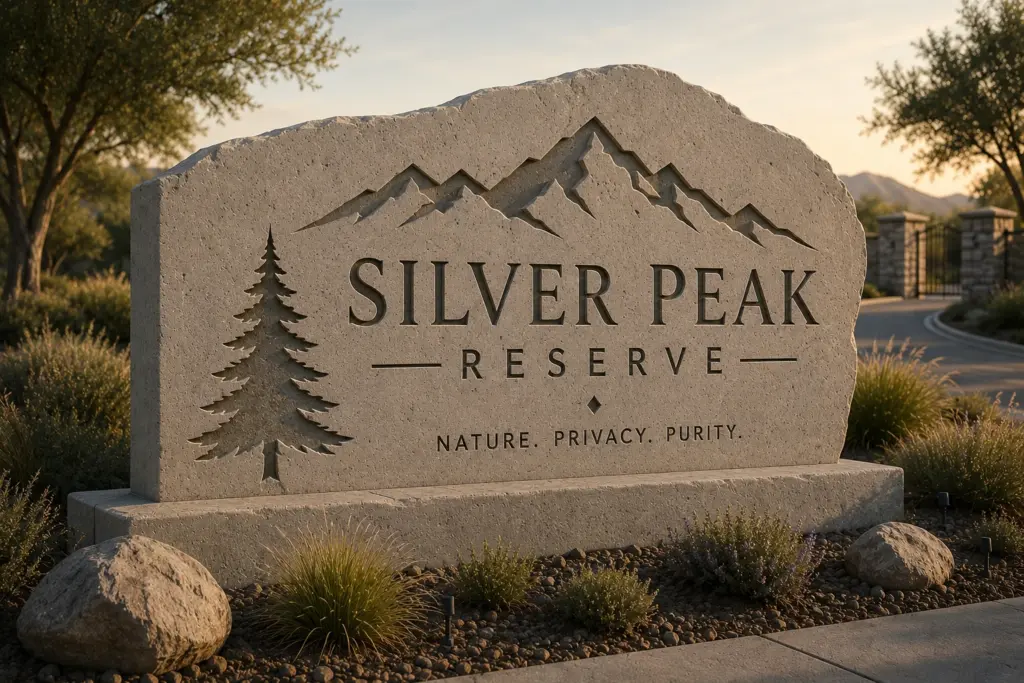
Molds for Cast Stone Signs: Master Patterns, Mold Fabrication, and Lightweight Stone-Look Monument Signage for Communities, Resorts, and Estates
See the results
Sandblasted & V-Carved Signs: Lightweight HDU and Foam Dimensional Signage for Resorts, Clubs, Restaurants, and Private Estates
See the results
Industrial 3D Printing for Large-Scale Custom Fabrication: From Digital Model to Production-Ready Parts
See the results
Designs for Places of Worship: Lightweight Architectural Elements for Sacred, Community, and Prayer Spaces
See the results
Wedding Arch Colonnades: Technical Fabrication for Luxury Ceremony Entrances, Aisle Architecture, and Event Spatial Design
See the results
Architectural Shapes: Lightweight Custom Forms for Interiors, Exteriors, Homes, Buildings, and Branded Spaces
See the results
Foam Routed Signs: Precision-Cut Dimensional Signage for Lightweight, Custom, and Architectural Brand Environments
See the results
Foam Monument Signs: Lightweight Architectural Signage for Entrances, Campuses, Retail Plazas, and Brand Landmarks
See the results