Foam Monument Signs: Lightweight Architectural Signage for Entrances, Campuses, Retail Plazas, and Brand Landmarks
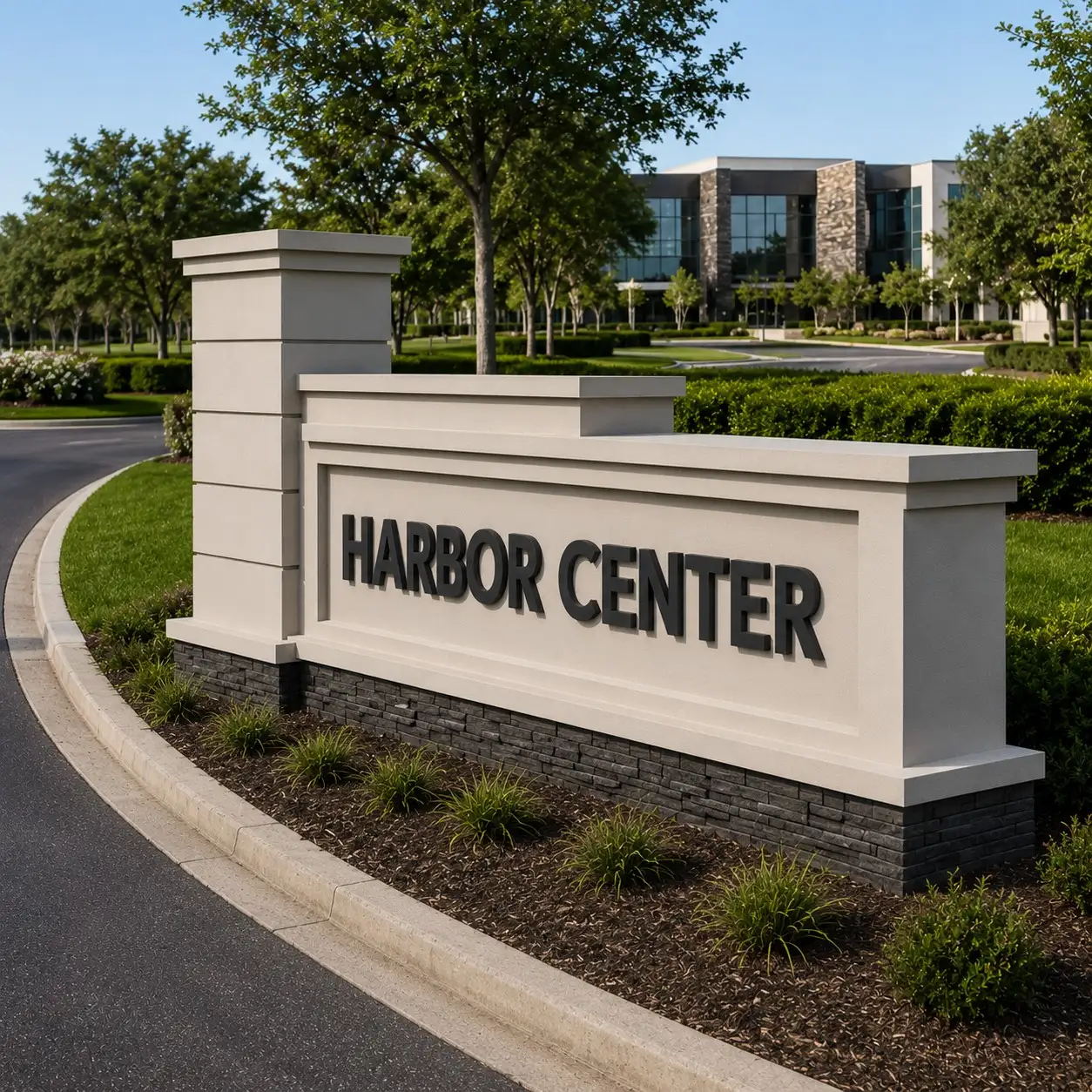
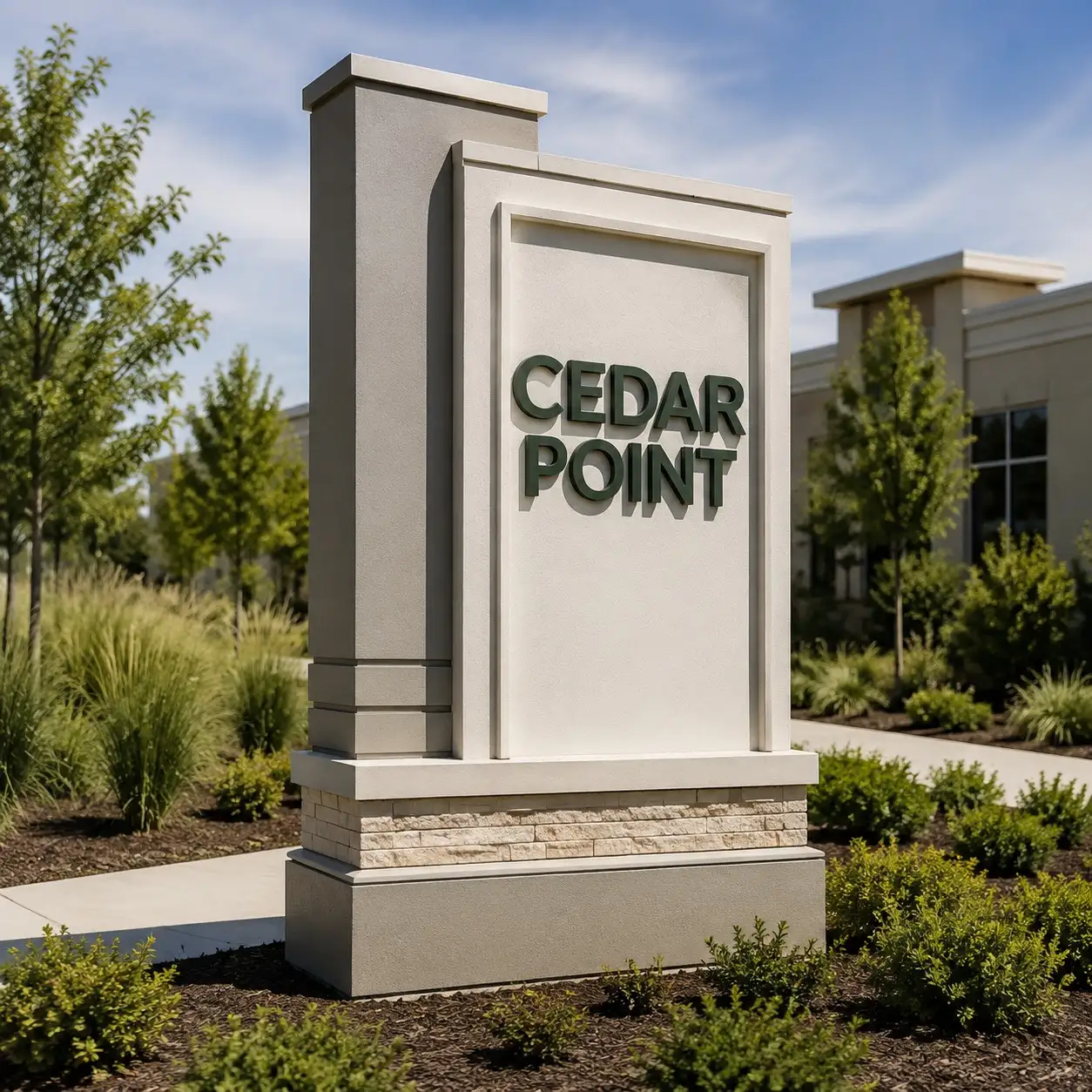
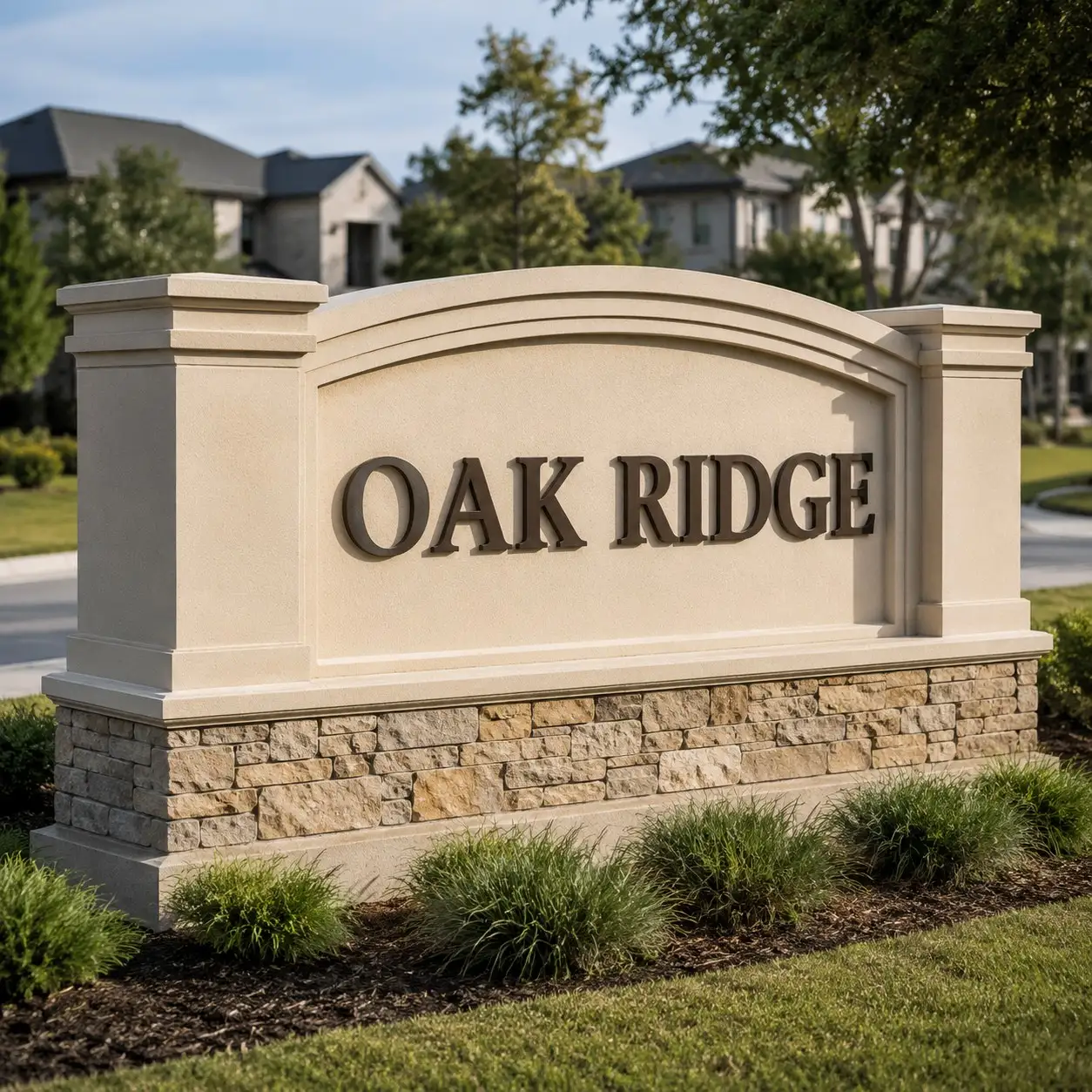
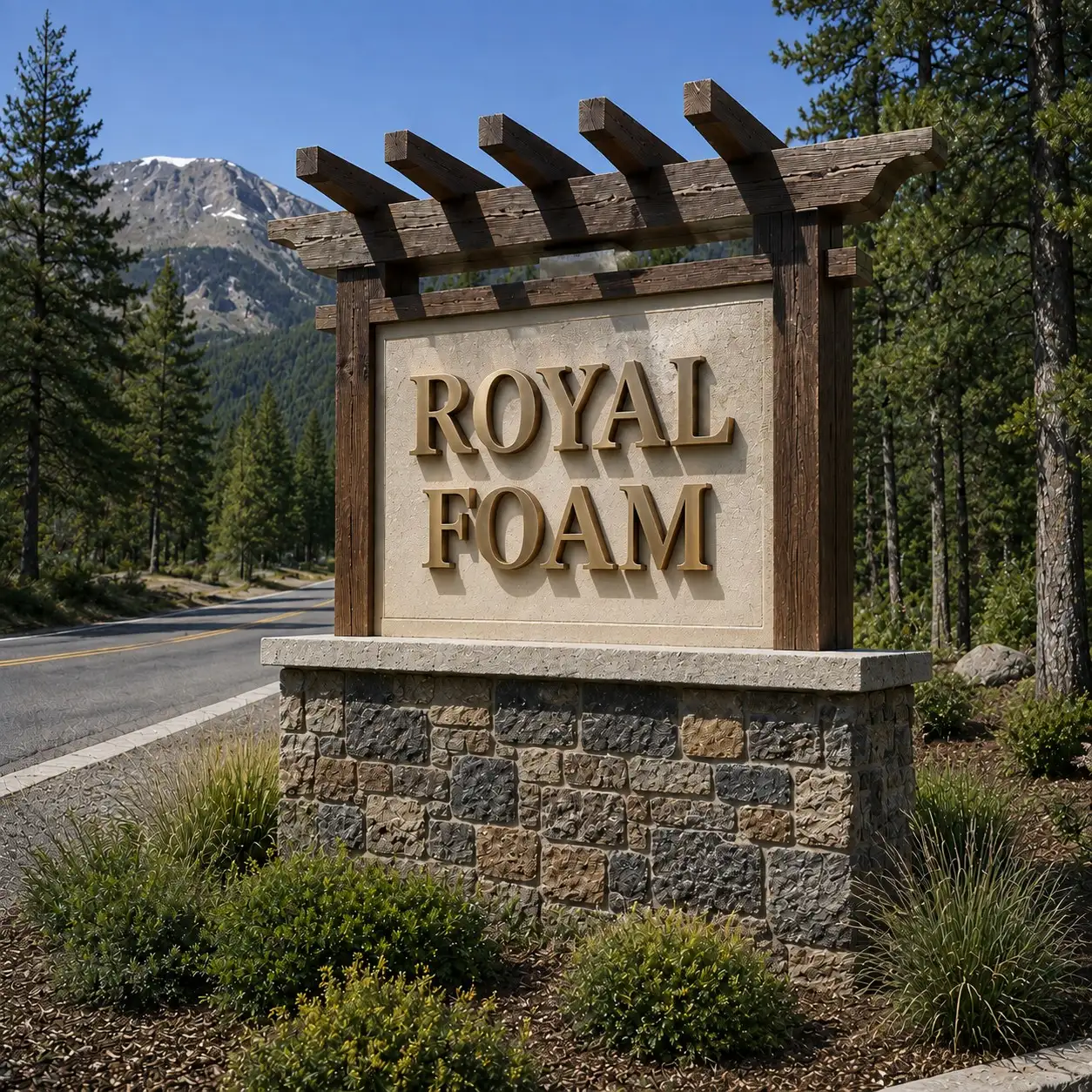
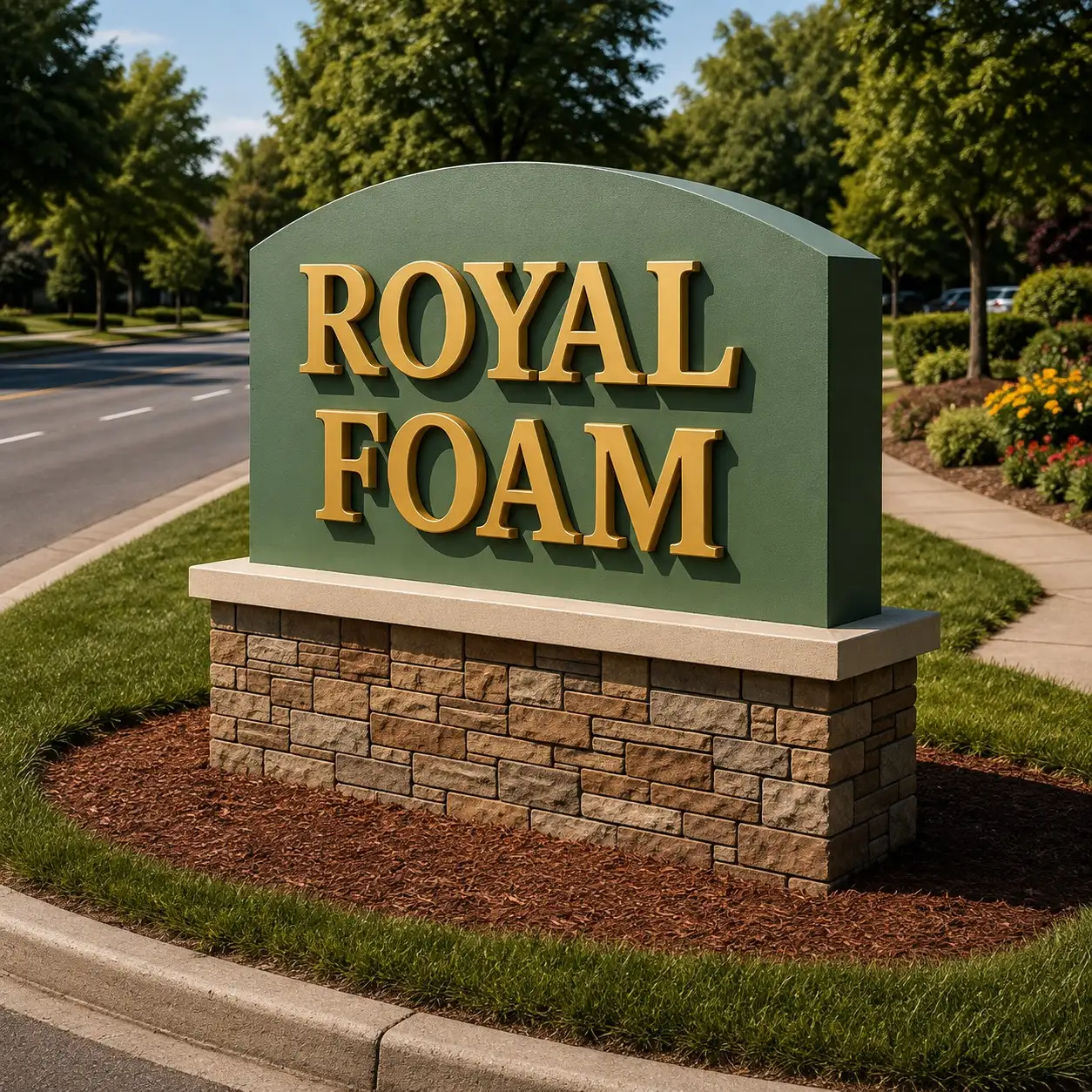
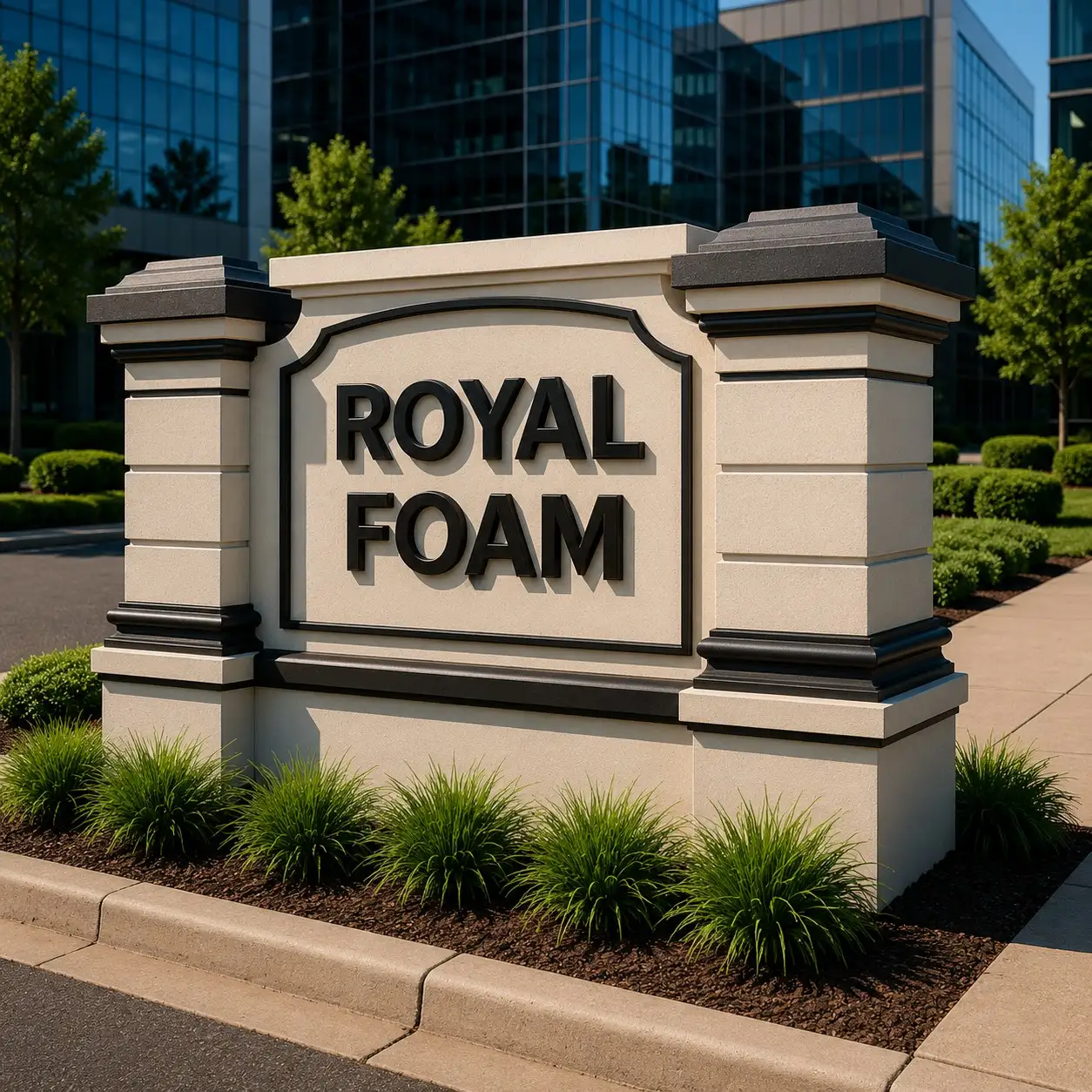
Foam Monument Signs are dimensional entrance signs designed to create the visual authority of stone, concrete, stucco, brick, carved wood, or architectural metal without the full weight, cost, and installation burden of traditional construction materials. They are used when a business, venue, residential community, campus, church, hotel, medical office, retail plaza, or event property needs signage that feels permanent, grounded, and architectural — but still benefits from lightweight fabrication, custom shaping, faster installation, and flexible finishing.
A monument sign is different from a wall sign or freestanding foam prop. It is meant to mark a place. It usually sits near an entrance, driveway, property line, pedestrian path, parking approach, gate, courtyard, or building frontage. Its job is not only to show a name. It establishes arrival, reinforces property identity, improves wayfinding, supports curb appeal, and gives the location a more finished professional presence.
Foam-based monument signage is valuable because it can deliver substantial visual mass while remaining dramatically lighter than masonry, cast concrete, stone, or heavy millwork. Expanded polystyrene is a lightweight material; the EPS Industry Alliance describes EPS as approximately 98% air, which explains why large scenic and architectural-looking forms can be fabricated with low dead load compared with traditional solid materials.
What Foam Monument Signs Are
A Foam Monument Sign is typically a freestanding or base-mounted sign structure built from EPS foam, HDU foam, internal reinforcement, protective coatings, scenic finishes, and mounting systems. The foam creates the large architectural volume; reinforcement handles connection points and stability; coatings protect the surface; and finishing creates the final visual character.
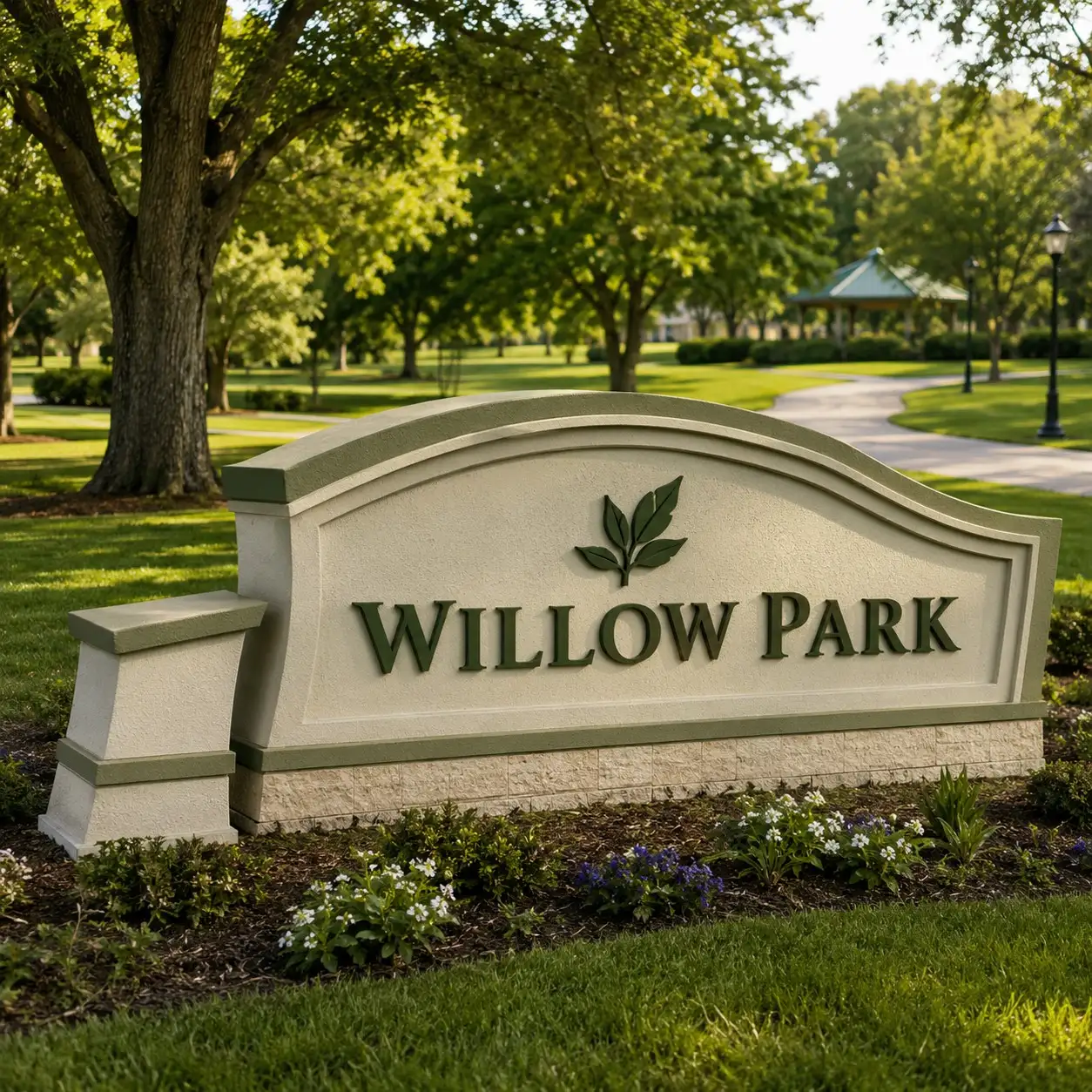
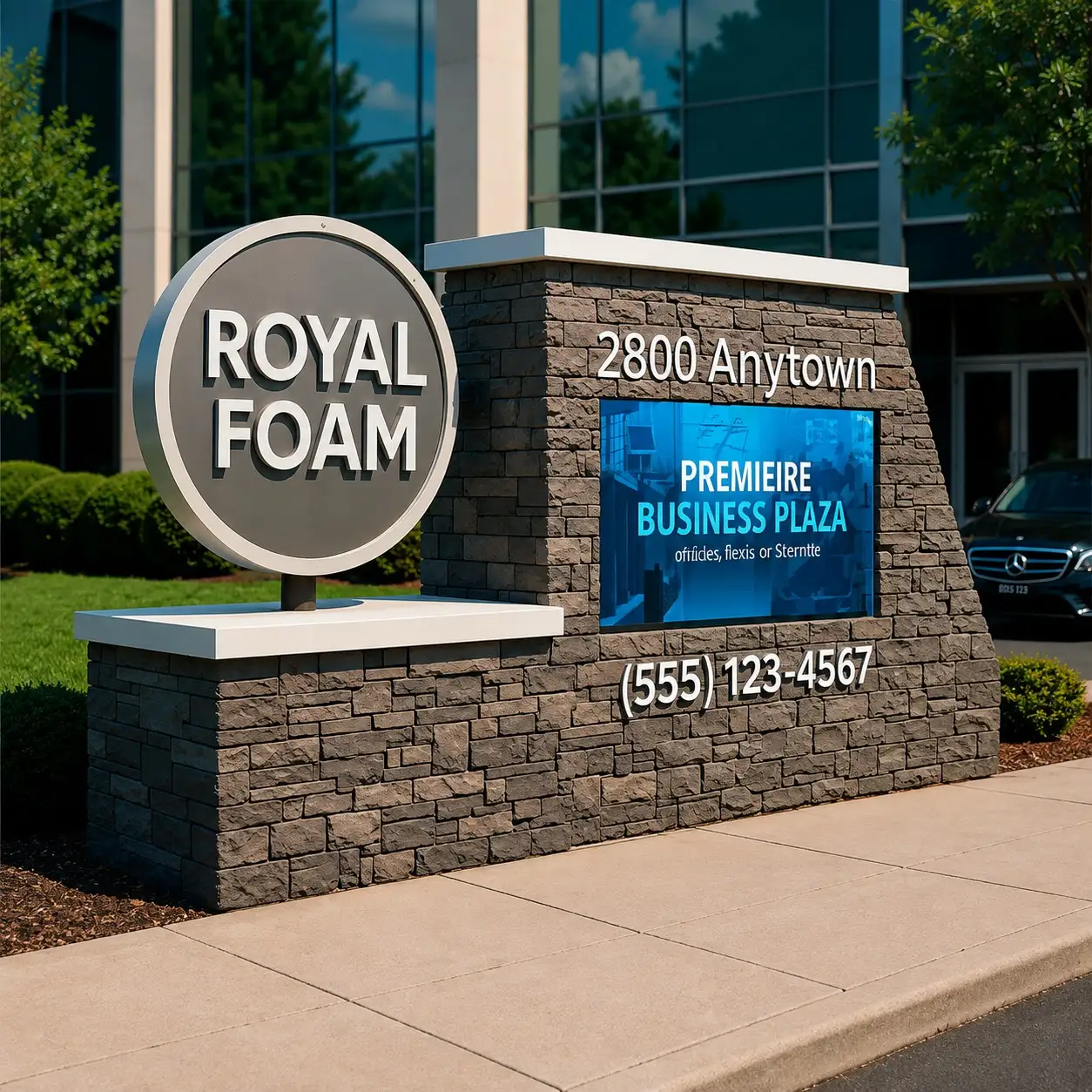
These signs may imitate limestone, concrete, stucco, marble, brick, carved wood, stacked stone, sandstone, oxidized metal, painted masonry, or smooth modern architectural panels. They may include routed letters, dimensional logos, acrylic or metal faces, LED lighting, address numbers, tenant panels, directional arrows, decorative caps, column ends, plinth bases, and removable brand panels.
| Monument sign type | Typical format | Practical value |
|---|---|---|
| Business entrance sign | low freestanding sign with logo and address | marks arrival and improves curb appeal |
| Retail plaza sign | larger base with tenant panels | supports multiple brands and wayfinding |
| Residential community sign | stone-look or stucco-look entrance monument | creates neighborhood identity |
| Campus / institutional sign | durable architectural sign near walkway or road | improves navigation and authority |
| Hotel / hospitality sign | refined monument with lighting and landscape integration | creates premium arrival experience |
| Event / temporary property sign | lightweight freestanding monument-look piece | creates architectural presence without permanent construction |
The strongest Foam Monument Signs are not “foam signs” in the visual sense. They are engineered lightweight sign systems that use foam as the core and protective finishing as the performance layer.
Core Materials and Structural Logic
The material system should be selected based on size, outdoor exposure, mounting method, expected lifespan, finish, and whether the sign is temporary, semi-permanent, or long-term.
| Material / layer | Technical role | Practical benefit |
|---|---|---|
| EPS foam core | creates large volume at low weight | reduces transport and installation burden |
| HDU foam details | crisp routed lettering, trim, relief, caps | improves close-view precision |
| Plywood / aluminum inserts | reinforcement at connection points | gives fasteners something solid to hold |
| Steel base plates / internal frame | stability and anchoring | improves wind and impact resistance |
| Polyurea / polyurethane hard coat | protective shell | improves impact, abrasion, and moisture resistance |
| UV-resistant paint / clear coat | exterior finish protection | improves color stability and weather performance |
EPS is often used for large-volume monument bodies because it is efficient for mass, shape, and thickness. HDU is better for detailed faces, routed letters, crisp trim, or small relief elements. A hybrid approach is often best: EPS for the main body, HDU for detail zones, plywood or aluminum inside connection areas, and steel or engineered bases where anchoring and wind resistance matter.
Rigid cellular polystyrene is commonly evaluated under ASTM C578, which covers physical properties such as compressive resistance, flexural strength, water absorption, water vapor permeance, dimensional stability, and oxygen index. This matters because monument signs are not just decorative objects; they face real environmental loads, handling loads, and installation stresses.
Scale, Dimensions, and Viewing Distance
Monument signage must be designed around how it will be seen: from a sidewalk, parking lot, driveway, road, campus path, golf cart route, or vehicle approach. A sign that looks large in a workshop may feel undersized near a wide road or building façade.
Common practical ranges:
| Application | Typical sign size | Viewing distance |
|---|---|---|
| Small office / clinic | 3–5 ft wide × 2–4 ft high | 10–40 ft |
| Business entrance | 5–8 ft wide × 3–5 ft high | 25–75 ft |
| Residential community | 6–12 ft wide × 4–7 ft high | 50–150 ft |
| Retail plaza | 8–16 ft wide × 6–12 ft high | 75–250 ft |
| Campus / institutional | 6–14 ft wide × 4–8 ft high | 50–200 ft |
| Temporary event monument | 4–10 ft wide × 3–7 ft high | 20–100 ft |
Letter height is a major readability factor. For close pedestrian viewing, 3–6 in letters may be enough. For driveway or parking-lot viewing, 8–12 in letters are often more practical. For road-facing signs, 12–24 in or larger letters may be needed depending on speed, contrast, font, lighting, and viewing angle.
| Letter height | Best use | Notes |
|---|---|---|
| 3–4 in | pedestrian / close entrance | works for small offices or interior courtyard signs |
| 6–8 in | driveway / slow vehicle approach | good balance for business entrances |
| 10–12 in | parking lot / campus path | stronger readability at medium distance |
| 16–24 in+ | road-facing monument | requires high contrast and clean typography |
The sign body itself must have enough mass around the letters. If the panel is too small or the base is too thin, the monument loses authority. A good monument sign usually needs a strong base, enough side margin, visible thickness, and a top cap or edge detail that makes the piece feel architectural rather than like a flat board standing in the ground.
CNC Routing, Relief, and Detail Options
Foam monument signs can be CNC-routed, layered, carved, sculpted, coated, and finished to create a wide range of architectural effects. Routing can create raised letters, recessed letters, beveled borders, stone joints, decorative panels, address blocks, logos, tenant panels, and relief textures.
| Detail type | Technical method | Visual effect |
|---|---|---|
| Raised letters | routed background or applied HDU/foam letters | stronger shadow and readability |
| Recessed letters | CNC-carved letter pockets | carved stone or engraved appearance |
| Faux stone joints | routed grooves and textured coating | masonry-like realism |
| Beveled border | CNC profile routing | premium framed sign face |
| Tenant panels | removable inserts or framed panels | updateable multi-tenant signage |
| Address numbers | applied metal/PVC/acrylic or routed numerals | functional wayfinding |
| Logo relief | routed or layered foam/HDU | dimensional brand identity |
Routing depth should follow viewing distance. A ⅛–¼ in relief may work for close-view lobby or courtyard signs, but outdoor monument signs often need ½–1 in or deeper visual relief to remain readable in sunlight and shadows. For large road-facing monuments, applied dimensional letters may outperform shallow recessed carving because they cast stronger shadows and read better at distance.
Coatings and Exterior Performance
The coating system is one of the most important decisions in Foam Monument Signs. Unprotected foam is not suitable for outdoor monument use. The foam core must be sealed and protected from impact, moisture, UV exposure, abrasion, landscaping equipment, dirt, insects, and repeated weather cycles.
For controlled temporary or indoor monument-style displays, primer and paint may be enough. For outdoor or long-term signs, a stronger hard coat is recommended. Polyurea and polyurethane-style coatings are used in many protective applications because they can provide abrasion resistance, waterproofing, and substrate protection when properly specified and applied.
| Coating / finish | Best use | Practical result |
|---|---|---|
| Primer + exterior paint | short-term or protected exterior | lower cost, moderate durability |
| Polyurethane coating | moderate outdoor durability | smoother surface and improved protection |
| Polyurea hard coat | long-term exterior / high-contact areas | stronger impact and abrasion resistance |
| Cementitious texture coat | stucco / stone / masonry look | realistic architectural finish |
| Elastomeric coating | movement and weather tolerance | helps resist cracking in some applications |
| UV-resistant clear coat | sun-exposed finishes | improves color and surface longevity |
Coating thickness may range from 2–4 mm for protected decorative signs to 4–8 mm for outdoor monument signs, and sometimes heavier in high-contact areas such as bases, corners, and edges. Bases are especially vulnerable because they are exposed to shoes, landscaping tools, sprinklers, mulch, water splash, and maintenance crews.
Finish Options and Architectural Styles
Foam Monument Signs are most convincing when the finish supports the setting. A sign at a coastal resort should not feel like a corporate office plaque. A medical office sign should not look like a wedding prop. A residential community monument should feel integrated with landscaping and architecture.
| Finish style | Visual language | Best use |
|---|---|---|
| Smooth stucco | clean, architectural, modern | offices, clinics, communities |
| Faux limestone | warm, classic, premium | residential entrances, hospitality |
| Faux concrete | minimal, contemporary | modern commercial properties |
| Faux stacked stone | landscape-integrated, substantial | residential, parks, campuses |
| Faux brick | traditional and familiar | schools, churches, older districts |
| Faux wood | natural, rustic, hospitality | retreats, restaurants, outdoor venues |
| Metallic accents | premium, branded, high-contrast | corporate and retail signs |
Color contrast matters. A stone-textured sign with low-contrast lettering may look elegant up close but fail at distance. For functional signage, the background, letter color, shadow, lighting, and texture must all support readability. Heavily textured stone finishes should be used carefully behind small letters because texture can compete with typography.
Mounting, Anchoring, and Wind Considerations
A monument sign is a freestanding exterior object, so anchoring must be treated seriously. Lightweight foam reduces dead load, but wind can still create overturning force. A large foam sign may weigh far less than concrete, but its broad face can still act like a sail.
Mounting options may include:
| Mounting method | Best use | Notes |
|---|---|---|
| Embedded posts | semi-permanent exterior signs | posts connect sign to ground or footing |
| Steel base plate | hardscape or temporary base | useful where drilling or footing is limited |
| Concrete footing connection | long-term exterior installations | strongest for permanent signs |
| Hidden frame | large signs / wide spans | improves rigidity and anchoring |
| Weighted plinth | temporary event or short-term use | avoids ground penetration |
| Landscape-integrated base | communities and hospitality | hides ballast or footing visually |
For exterior signs, wind exposure, soil condition, local code, sign height, face area, and installation duration all matter. The 2024 International Building Code includes provisions for signs under special construction; signs must be designed, constructed, and maintained in accordance with code, and sign placement must not interfere with required exit signs or official traffic signs. For permanent outdoor monument signs, local permitting, zoning, setbacks, sign area limits, electrical rules, and sometimes stamped engineering may apply.
Lighting Integration
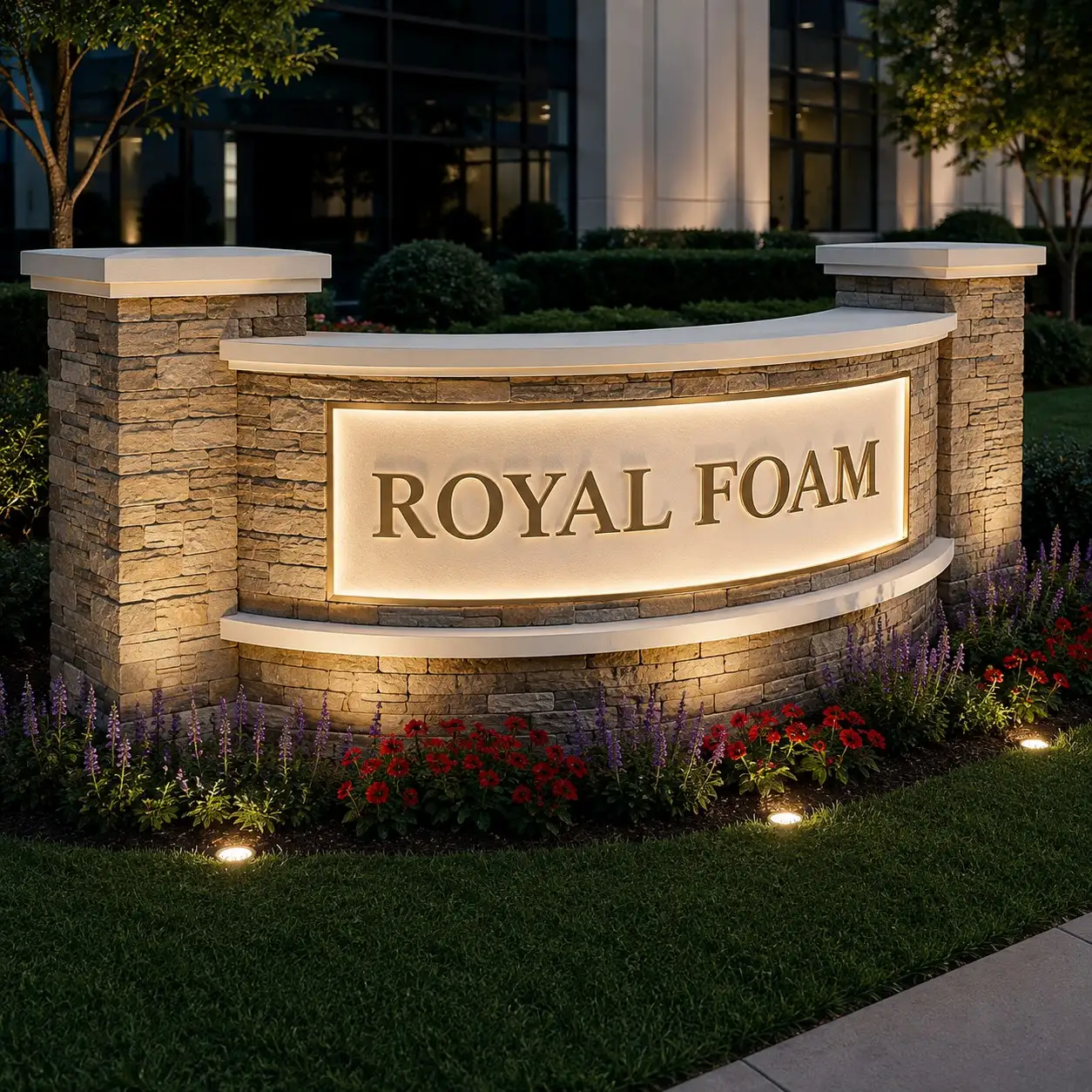
Foam Monument Signs may be non-illuminated, externally lit, halo-lit, face-lit through acrylic inserts, or paired with landscape lighting. Lighting changes the sign’s value significantly because monument signs often need visibility at dusk, night, or early morning.
| Lighting method | Best use | Technical concern |
|---|---|---|
| Landscape uplights | stone/stucco monument signs | glare, shadow, fixture placement |
| Backlit logo panel | premium business entrances | service access and waterproofing |
| Halo-lit letters | corporate / hospitality signs | standoff depth and wall texture |
| Internally lit acrylic panel | tenant or retail signs | wiring, diffusion, weather sealing |
| Solar fixtures | remote or temporary signs | brightness and reliability limits |
Warm white light around 2700–3000K works well for hospitality, residential, and stone-look signs. Neutral white around 3500–4000K can feel cleaner for corporate, medical, retail, or modern commercial sites. Lighting must be planned with the finish: rough stone casts heavy shadows, polished elements can glare, and low-contrast lettering may disappear without correct light placement.
Comparison With Traditional Monument Sign Materials
| Material system | Strengths | Limitations | Best use |
|---|---|---|---|
| Foam + hard coat | lightweight, custom, fast, realistic finishes | needs proper coating and anchoring | custom monument signs, temporary and semi-permanent displays |
| Masonry / brick | authentic, durable, permanent | heavy, slow, costly, site construction required | long-term property monuments |
| Concrete / GFRC | strong, architectural | heavy, mold/tooling or site work required | permanent commercial signs |
| Stone veneer | premium, landscape-integrated | heavy, skilled labor, higher cost | residential and hospitality entrances |
| Aluminum cabinet | durable, sign-industry standard | less sculptural, more commercial look | tenant panels and lit signs |
| HDU panel | crisp routing, outdoor sign-grade | less large-volume mass than EPS | smaller carved professional signs |
| Wood | warm, natural | moisture, rot, warping | rustic or protected settings |
Foam monument signs are strongest when the project needs architectural presence, custom shape, and reduced logistical complexity. They may not replace true masonry for every permanent civic project, but they are extremely useful when the client wants the look of mass without the full construction process.
Lifecycle, Maintenance, and Repair
A properly designed Foam Monument Sign can be maintained, repaired, refinished, and updated. This is a major advantage over many traditional sign materials. Damaged corners can often be patched. Surface coatings can be sanded and repainted. Tenant panels can be replaced. Address numbers can be updated. Landscaping damage can be repaired without rebuilding a masonry structure.
Maintenance should include:
| Maintenance item | Recommended frequency |
|---|---|
| Visual inspection for cracks, chips, or coating wear | quarterly or seasonally |
| Cleaning dirt, pollen, sprinkler residue, and pollution | as needed |
| Checking anchors, base condition, and movement | after storms / annually |
| Inspecting lighting, wiring, and waterproofing | semi-annually |
| Touch-up paint or clear coat | as surface wear appears |
| Landscape clearance around base | ongoing |
The most vulnerable zones are lower corners, base edges, sign caps, seams, lettering edges, and areas hit by sprinklers or landscaping tools. For long-term performance, the bottom edge should be sealed well and preferably raised or protected from constant wet soil contact.
Cost and Business Value
Foam Monument Signs create business value by reducing the gap between “temporary sign” and “architectural sign.” They can give a property a more finished identity without the cost, schedule, and site disruption of masonry or cast concrete.
Potential advantages include:
| Advantage | Business impact |
|---|---|
| Lower weight | easier transport, handling, and installation |
| Custom shaping | more design freedom than standard sign cabinets |
| Faux material finishes | architectural look at lower logistical burden |
| Faster fabrication | shorter timeline than masonry construction |
| Modularity | easier updates, repairs, or future rebranding |
| Lighting compatibility | improved nighttime visibility |
| Repairability | lower replacement pressure after minor damage |
Compared with stone, concrete, plaster, or heavy millwork, foam-based sign systems can often reduce finished weight by 70–95%, depending on coating, internal reinforcement, base design, and finish. This can reduce crew size, freight complexity, installation equipment, and site disruption.
Common Mistakes and Risk Control
The most common mistake is designing the sign only as a graphic, not as an outdoor object. Monument signs must be readable, stable, weather-resistant, maintainable, and compatible with the site.
| Mistake | Result |
|---|---|
| sign body too thin | looks temporary, weak, or panel-like |
| letters too small | poor readability from vehicles |
| low color contrast | elegant up close but unreadable at distance |
| shallow routing | weak shadow and poor outdoor legibility |
| weak coating | dents, cracks, water intrusion, UV wear |
| no anchoring plan | instability under wind or contact |
| base sitting in wet soil | moisture damage and coating failure |
| no service access for lighting | expensive maintenance later |
| over-textured face | letters compete with background |
| ignoring local sign code | permitting or installation problems |
A strong specification should define sign size, letter size, viewing distance, foam density, coating system, finish, anchors, base design, lighting, maintenance access, and site conditions before fabrication begins.
Expert Takeaway
Foam Monument Signs are most effective when treated as lightweight architectural sign systems, not decorative foam props. Their value comes from combining volume, texture, custom shape, protective coatings, stable anchoring, and site-specific design into one controlled package.
The best projects balance three requirements: visual authority, technical durability, and installation practicality. A monument sign must look substantial, withstand its environment, and remain manageable to fabricate, transport, install, maintain, and repair.
When properly engineered, Foam Monument Signs can deliver the arrival impact of masonry or architectural signage with far less weight, more design flexibility, faster production, and better adaptability for branding updates. For business entrances, communities, hotels, campuses, retail plazas, churches, medical offices, and event properties, they offer a practical way to turn a location into a recognizable landmark.
Recommended Articles
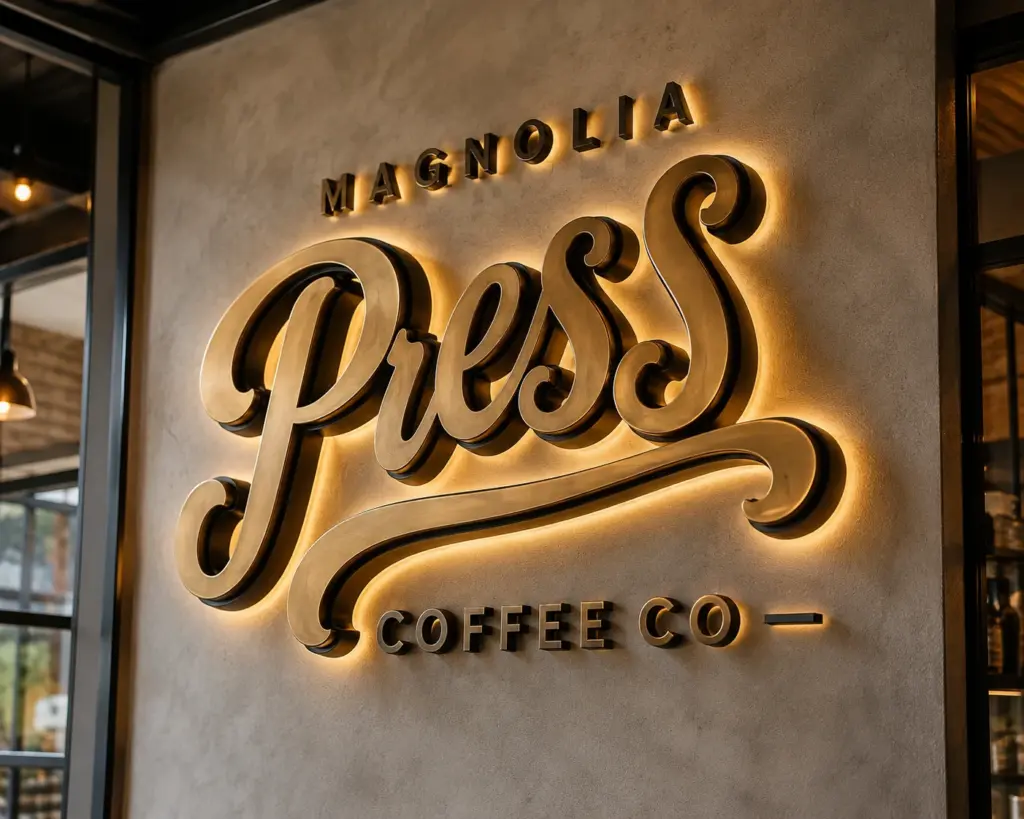
Outdoor LED Signs: Custom Illuminated Foam and HDU Signage for Storefronts, Hotels, Restaurants, and Monument Entrances
See the results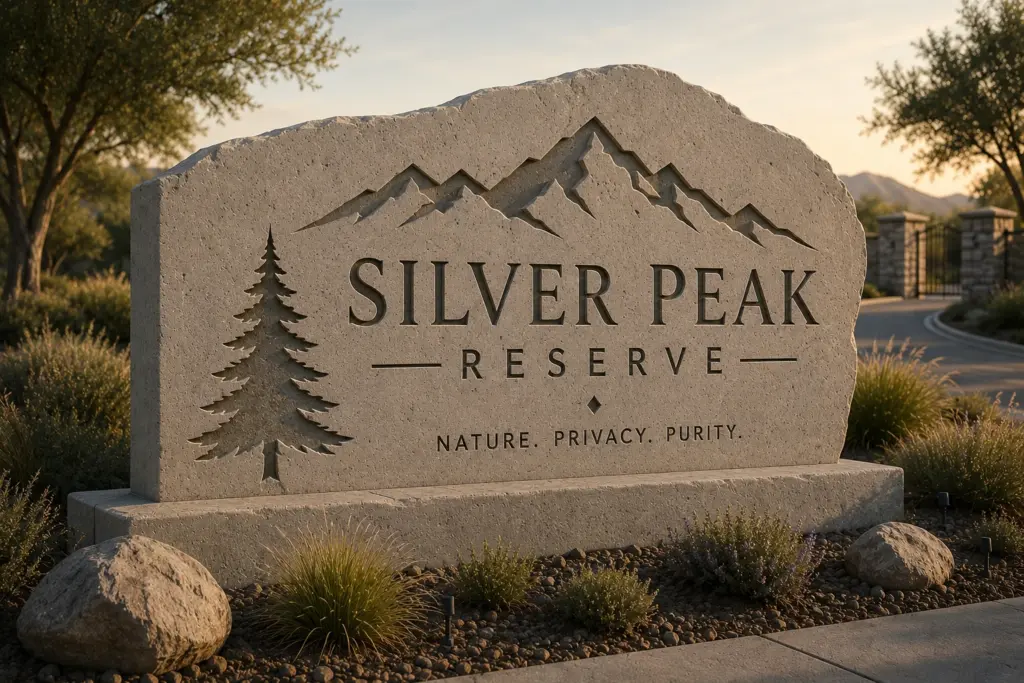
Molds for Cast Stone Signs: Master Patterns, Mold Fabrication, and Lightweight Stone-Look Monument Signage for Communities, Resorts, and Estates
See the results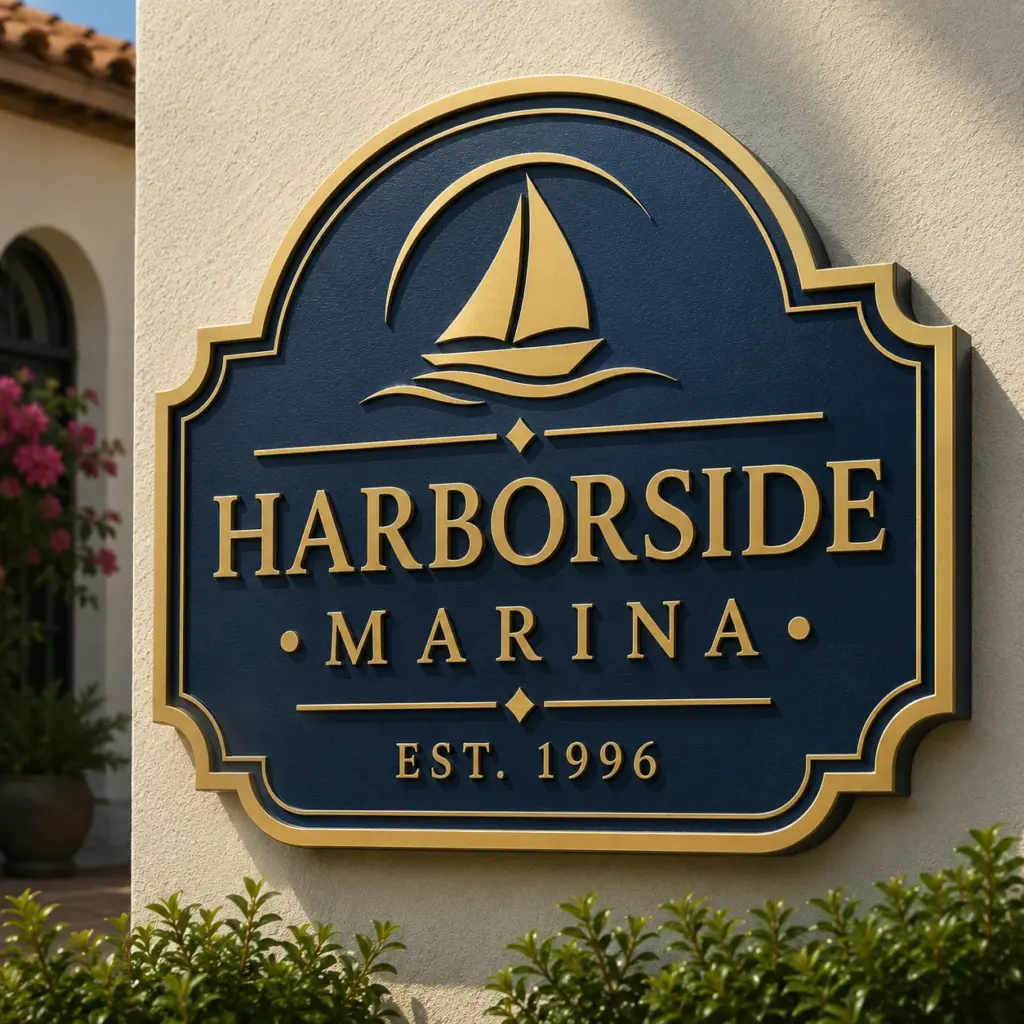
Sandblasted & V-Carved Signs: Lightweight HDU and Foam Dimensional Signage for Resorts, Clubs, Restaurants, and Private Estates
See the results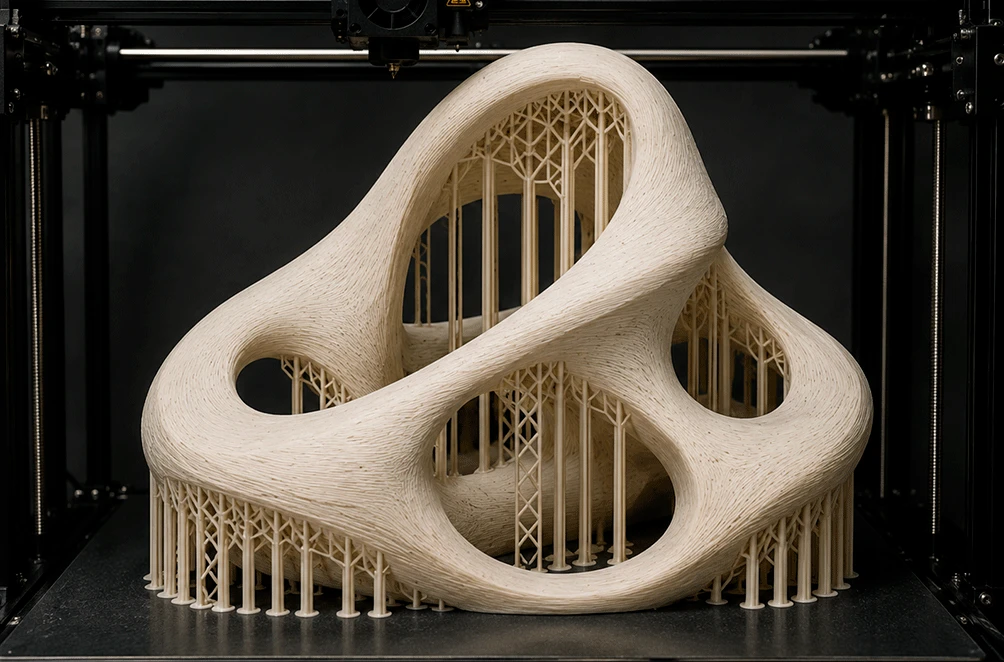
Industrial 3D Printing for Large-Scale Custom Fabrication: From Digital Model to Production-Ready Parts
See the results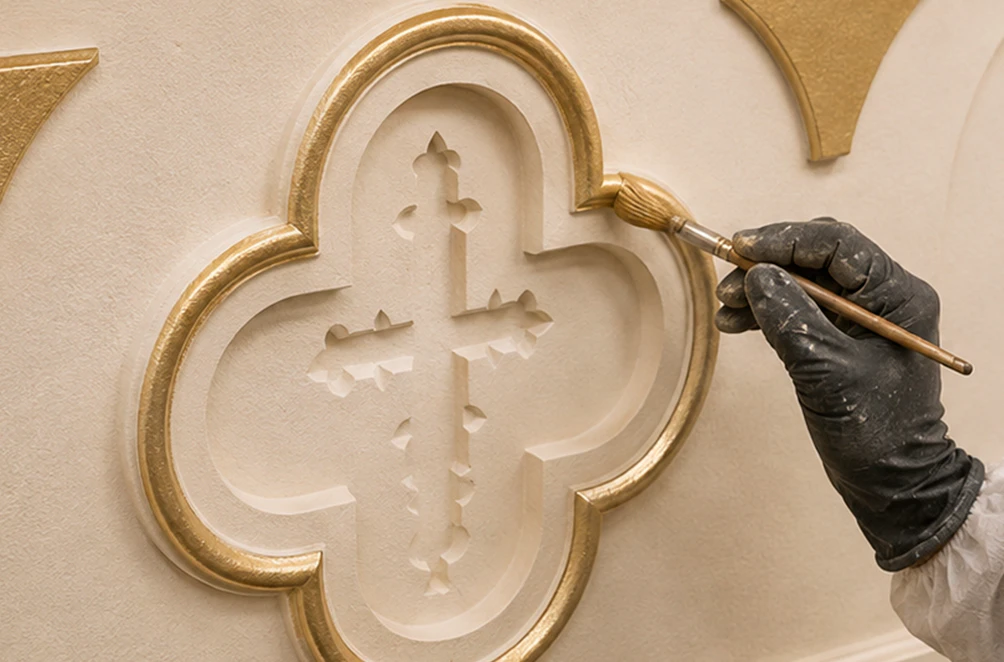
Designs for Places of Worship: Lightweight Architectural Elements for Sacred, Community, and Prayer Spaces
See the results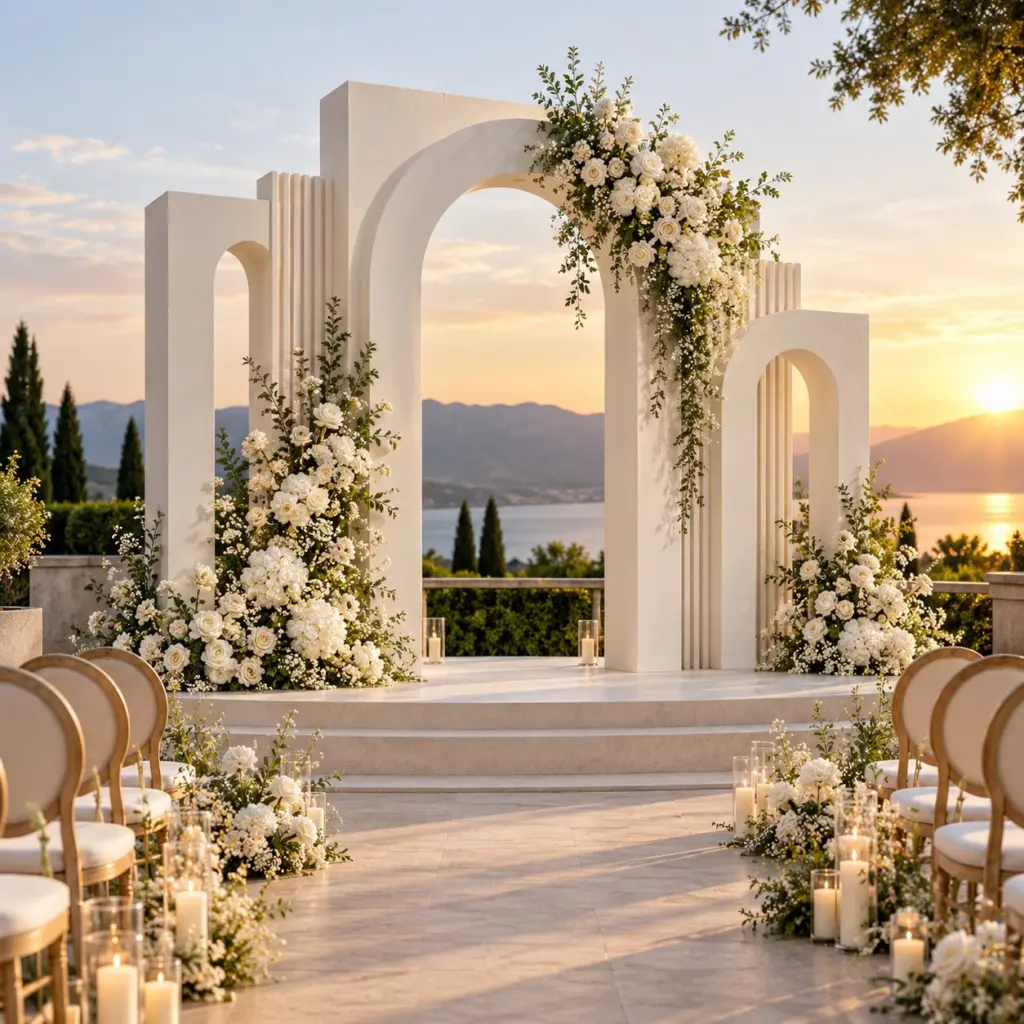
Wedding Arch Colonnades: Technical Fabrication for Luxury Ceremony Entrances, Aisle Architecture, and Event Spatial Design
See the results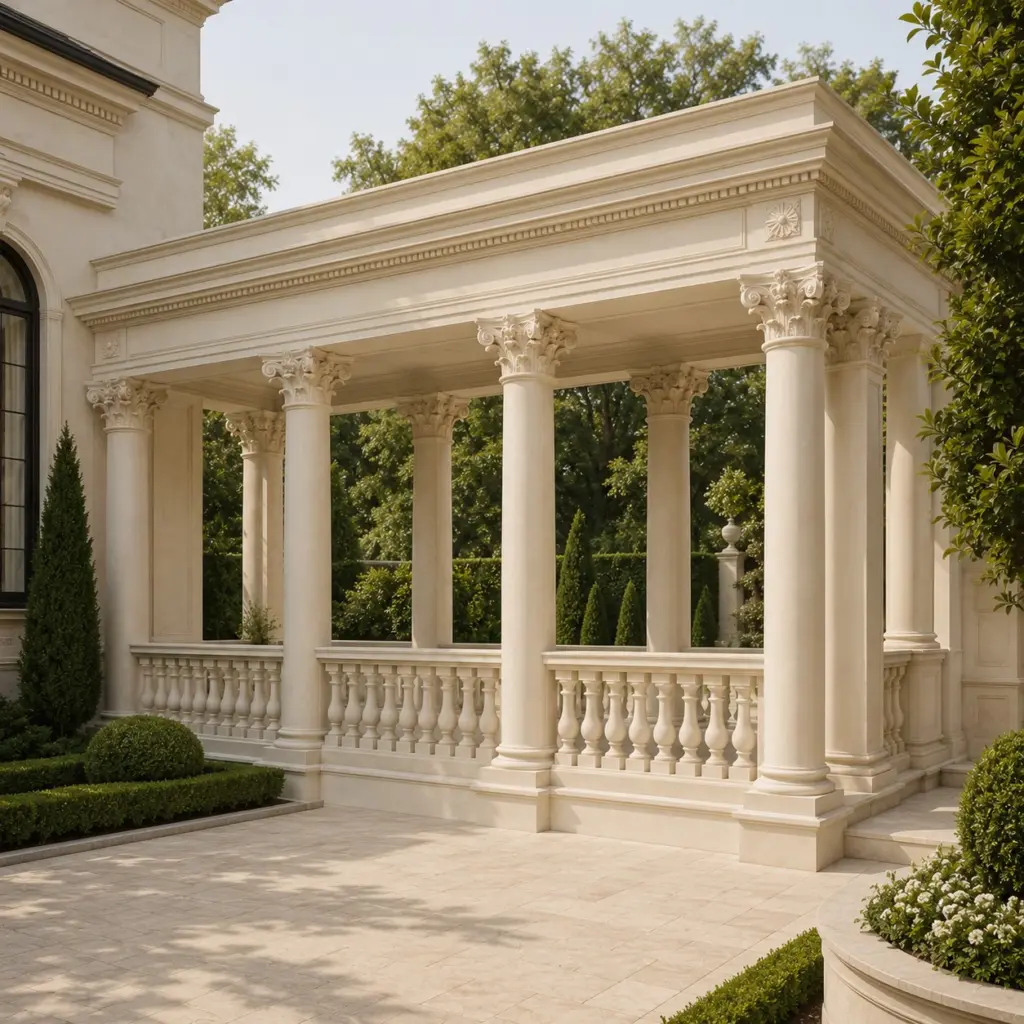
Architectural Shapes: Lightweight Custom Forms for Interiors, Exteriors, Homes, Buildings, and Branded Spaces
See the results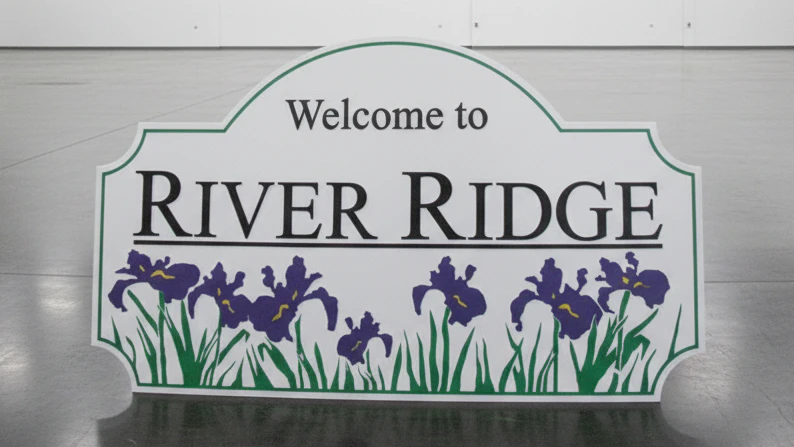
Foam Routed Signs: Precision-Cut Dimensional Signage for Lightweight, Custom, and Architectural Brand Environments
See the results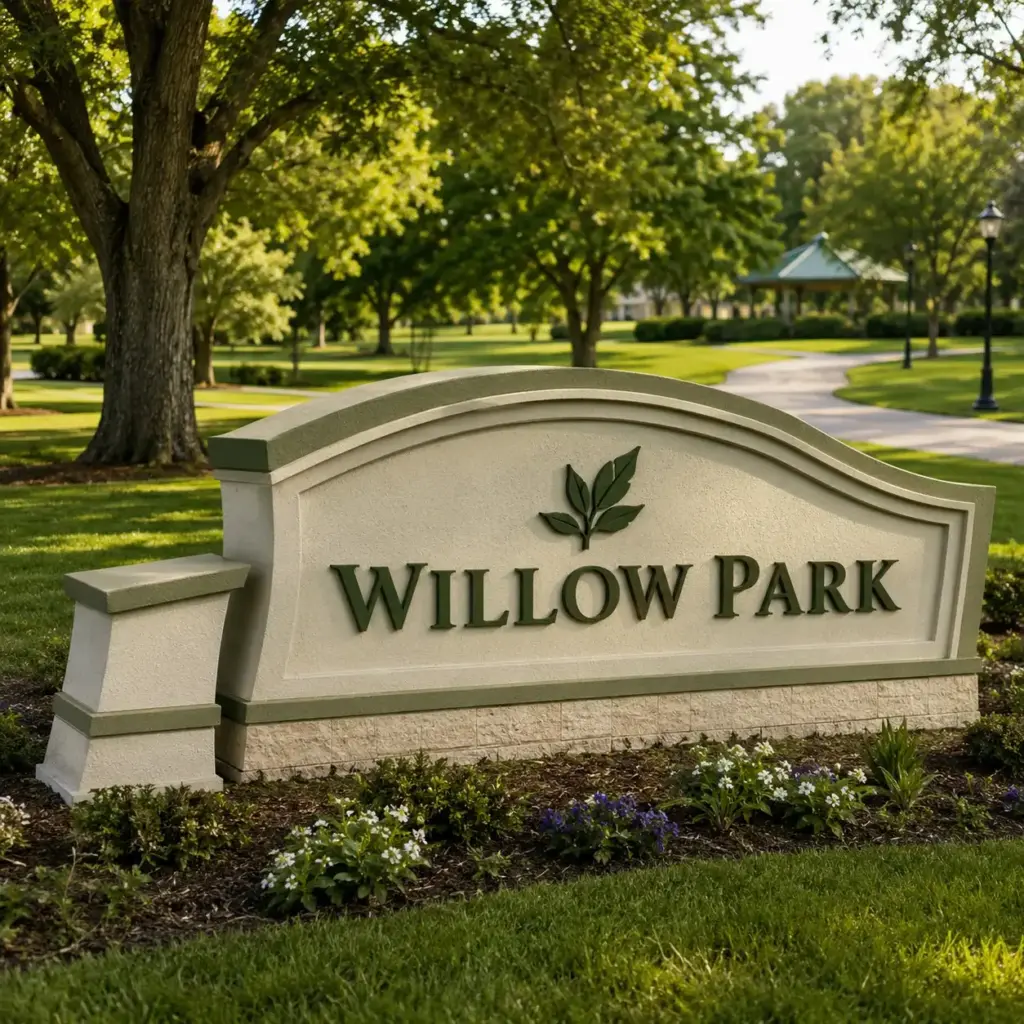
Foam Monument Signs: Lightweight Architectural Signage for Entrances, Campuses, Retail Plazas, and Brand Landmarks
See the results