



Custom Foam Sculptures: Lightweight Sculptural Fabrication for Branded, Themed, and Public Visual Environments
Custom foam sculptures are built to turn an idea, character, mascot, artistic form, or themed concept into a physical three-dimensional object without the weight and handling burden of traditional sculptural materials.
This category is different from signage, retail fixtures, monument signs, or standard display props. A foam sculpture is primarily about form, volume, silhouette, character, emotion, and sculptural presence. It may support a brand, event, museum exhibit, themed interior, hospitality space, retail environment, seasonal installation, or photo moment — but the product itself is a sculpted object.
For Royal Foam US, foam sculpture is a specific fabrication category, not a general label for every foam-based product. The Royal Foam catalog lists Foam Sculptures as a separate category alongside product replicas, foam characters, trade show displays, museum exhibits, and other specialized products, which confirms that sculpture should be treated as its own product type.
The Business Problem: Sculptural Ideas Become Heavy Quickly
Businesses want sculptural pieces because they create emotion and presence: a 7-foot mascot for a family brand, an abstract lobby centerpiece, a themed creature for an entertainment space, a seasonal sculpture for a retail atrium, or a large branded form for a photo environment. The challenge is that conventional sculpture materials quickly become difficult to manage.
Plaster, cast stone, concrete, carved wood, fiberglass, resin, steel, and mixed-metal fabrication can all be used for sculpture, but they often create the same problems: high weight, longer lead times, difficult freight, larger install crews, floor-load concerns, harder rigging, and higher damage risk during handling.
EPS foam changes that equation. ASTM C578 EPS categories commonly list densities from roughly 0.75 to 3.0 lb/ft³, while normal-weight concrete is commonly around 140–150 lb/ft³, and steel is far heavier than both. (geofoamconcepts.com)
The Weight & Logistics Advantage: A finished Royal Foam sculpture is not raw foam only. Coatings, reinforcement, bases, lighting, hardware, and ballast add weight. Still, for non-structural sculptural work, an EPS-based build can often be 70–95% lighter than a visually similar sculpture made from plaster, cast stone, concrete, or metal-heavy fabrication. That reduction affects delivery, crew size, setup speed, site access, and storage.
What Makes Foam Sculpture Different
A product replica aims to reproduce an item accurately. A sign communicates information. A retail display supports merchandise. A foam sculpture is different: it is shaped to create a visual, artistic, or emotional effect.
That may mean an oversized organic form, a stylized mascot, a decorative object, a fantasy element, a dimensional art piece, a creature, a character-driven figure, or a brand-inspired abstract sculpture. The sculpture does not always need to be perfectly realistic. Sometimes it needs exaggerated proportions, smooth curves, carved texture, expressive detail, or a finish that feels playful, premium, rustic, futuristic, or theatrical.
Royal Foam’s role is to translate that creative direction into a buildable sculptural object that still works in the real world: it must fit through access points, stand safely, survive handling, meet finish expectations, and arrive ready for use.
Typical Custom Foam Sculpture Applications
Custom foam sculptures are used when a business needs a physical form that people can immediately recognize, photograph, approach, or remember.
| Sculpture Application | Common Business Use | Practical Design Priority |
|---|---|---|
| Mascots and characters | Family brands, entertainment, events | Expression, proportions, durability |
| Abstract lobby pieces | Hospitality, offices, branded interiors | Shape, finish quality, stability |
| Themed creatures / fantasy forms | Attractions, immersive spaces, campaigns | Detail, texture, safe contact zones |
| Seasonal sculptural centerpieces | Retail, malls, holiday programs | Fast setup, reuse, modular storage |
| Brand-inspired sculptural forms | Photo moments, launches, experiential spaces | Silhouette, color matching, visibility |
These examples stay within the Foam Sculptures category because the core value is the sculpted form itself — not the sign function, product display function, or architectural system around it.
How Royal Foam Builds Custom Foam Sculptures
The process usually starts with references, sketches, brand direction, or a 3D concept. From there, Royal Foam can block out the primary form using CNC cutting, hot-wire shaping, routing, or robotic/hand sculpting processes. The Royal Foam expert-article structure emphasizes CNC, coatings, EPS density, hard-coat thickness, ASTM standards, production workflow, and engineering recommendations as important parts of technical content.
CNC cutting helps with scale, symmetry, repeatability, and controlled geometry. Hand sculpting is used where the sculpture needs artistic refinement: organic transitions, facial features, character expression, carved textures, soft curves, or intentionally imperfect surfaces.
After shaping, the sculpture moves into sanding, coating, reinforcement, and finishing. Polyurea or polyurethane-based hard coating helps protect the foam surface from dents, edge damage, handling, and production wear. Depending on exposure and use, hard-coat systems may be specified in different thickness ranges; Royal Foam’s technical guidance references 2–10 mm as a useful hard-coat planning range.
Polyurethane casting is useful when a sculpture includes repeated ornaments, sharper decorative features, brand icons, trim pieces, or small details that need consistent geometry. Hybrid construction may include plywood, MDF, PVC, acrylic, lighting components, internal reinforcement, base plates, hidden ballast, or mounting hardware.
Finish Options and Surface Realism
The finish is what determines whether a foam sculpture feels like a premium object, a theatrical prop, a playful character, or a realistic environment piece. Royal Foam can support smooth painted finishes, matte or gloss coatings, metallic effects, faux stone, faux wood, faux brick, rustic textures, clean brand-color finishes, and high-detail sculptural surfaces.
For close-view interiors, sanding, coating smoothness, color consistency, and seam control matter more. For stage or event sculptures viewed from 20–50 feet away, silhouette and bold surface reads may be more important than tiny detail. For themed spaces, carved texture and faux finish realism can carry the entire experience.
Indoor vs Outdoor Foam Sculptures
Indoor foam sculptures usually prioritize finish quality, stability, customer contact, fire-related requirements, and clean placement. They may be used in lobbies, retail spaces, event halls, photo zones, museums, hospitality interiors, or branded environments.
Outdoor foam sculptures require additional planning. UV exposure, moisture, wind, temperature swings, base stability, drainage, and coating durability become more important. Outdoor pieces may need stronger topcoats, better sealed seams, reinforced bases, weather-aware finishes, and a more conservative anchoring plan.
This is why the same sculpture concept may need different construction depending on placement. A low-contact indoor mascot and an outdoor seasonal sculpture may look similar in a rendering, but they should not be built the same way.
Installation, Labor, and Cost Impact
The hidden cost of sculpture is often not the sculpture itself. It is freight, lifting, on-site labor, access limitations, damage risk, and time on site. A heavy plaster, concrete-like, stone-like, or metal-heavy sculpture may require more crew members, carts, hoists, rigging, floor protection, and staging time.
Labor Efficiency: Because foam sculptures reduce mass significantly, they can often be handled with smaller crews and simpler equipment. For many non-structural indoor or event-based sculpture projects, modular foam construction can reasonably reduce handling and installation labor by 30–60% compared with heavy traditional builds. The exact number depends on size, access route, base design, rigging requirements, finish sensitivity, and whether the piece is one section or modular.
A 10-foot sculpture, for example, may be designed in two or three sections so it can move through doors, freight elevators, loading docks, trade show aisles, or mall service corridors. This makes the setup more predictable and lowers the risk of damaging the sculpture or the site.
Engineering Notes for Foam Sculptures
Large foam sculptures still require engineering discipline. Tall pieces may need a wider footprint or hidden ballast. High-touch areas need stronger coating. Narrow vertical forms need stability planning. Outdoor sculptures may require UV-resistant topcoats, weather-aware finishes, and better moisture protection. Public-facing sculptures should avoid sharp exposed edges and unstable bases.
Client decisions should be made around five practical questions: where the sculpture will be placed, how close people will get, whether it is temporary or long-term, whether it must travel or be stored, and how much interaction it will receive.
Business Value
Custom foam sculptures help businesses create strong physical presence without committing to the mass, cost, and logistical burden of conventional materials. They are useful for events, themed interiors, hospitality spaces, retail moments, museums, seasonal displays, photo environments, and brand experiences where a sculpted object must be large, expressive, and commercially feasible at the same time.
For Royal Foam clients, the value is concrete: large scale with reduced handling burden, faster form development, modular transport, controlled finishing, and a build process that fits real commercial schedules.
Conclusion
Custom foam sculptures are not a general name for every foam product. They are sculptural objects built around shape, character, artistic presence, and dimensional impact.
Royal Foam US brings this category into real production through EPS foam shaping, CNC cutting, hand sculpting, hard coating, polyurethane casting, hybrid reinforcement, texture work, painting, and delivery-ready preparation. The result is a sculptural object that can look large, expressive, and substantial while remaining manageable to transport, install, protect, and adapt for commercial timelines.
Recommended Articles
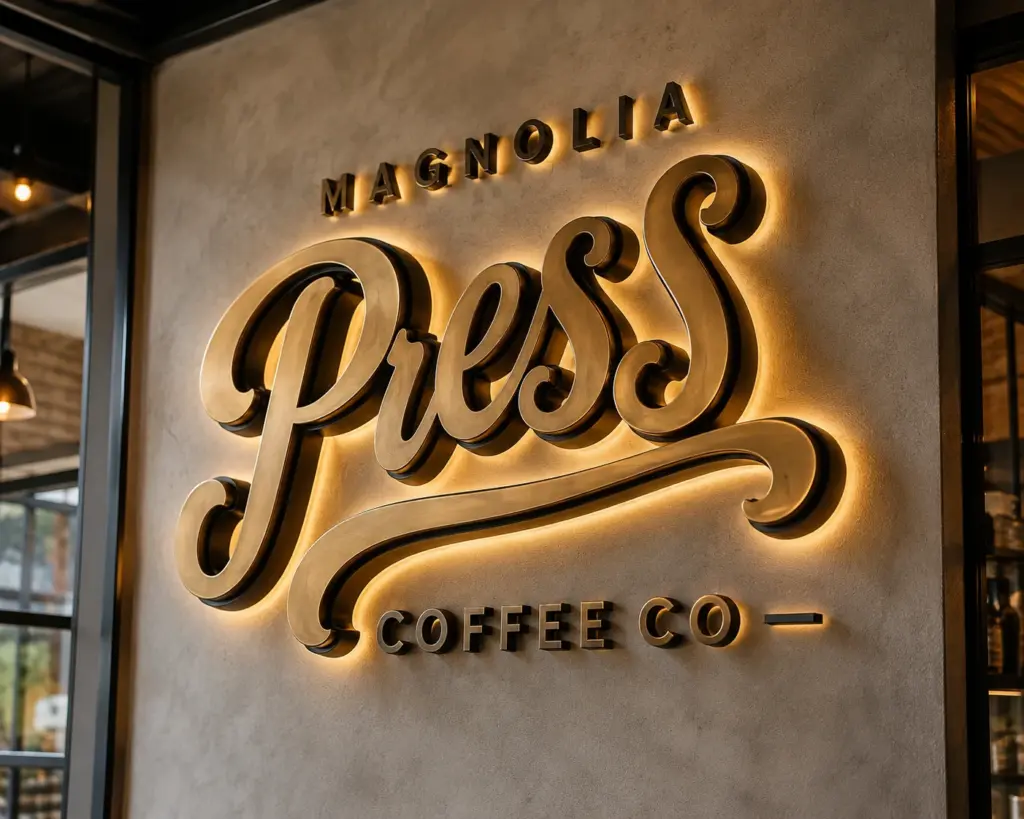
Outdoor LED Signs: Custom Illuminated Foam and HDU Signage for Storefronts, Hotels, Restaurants, and Monument Entrances
See the results
Molds for Cast Stone Signs: Master Patterns, Mold Fabrication, and Lightweight Stone-Look Monument Signage for Communities, Resorts, and Estates
See the results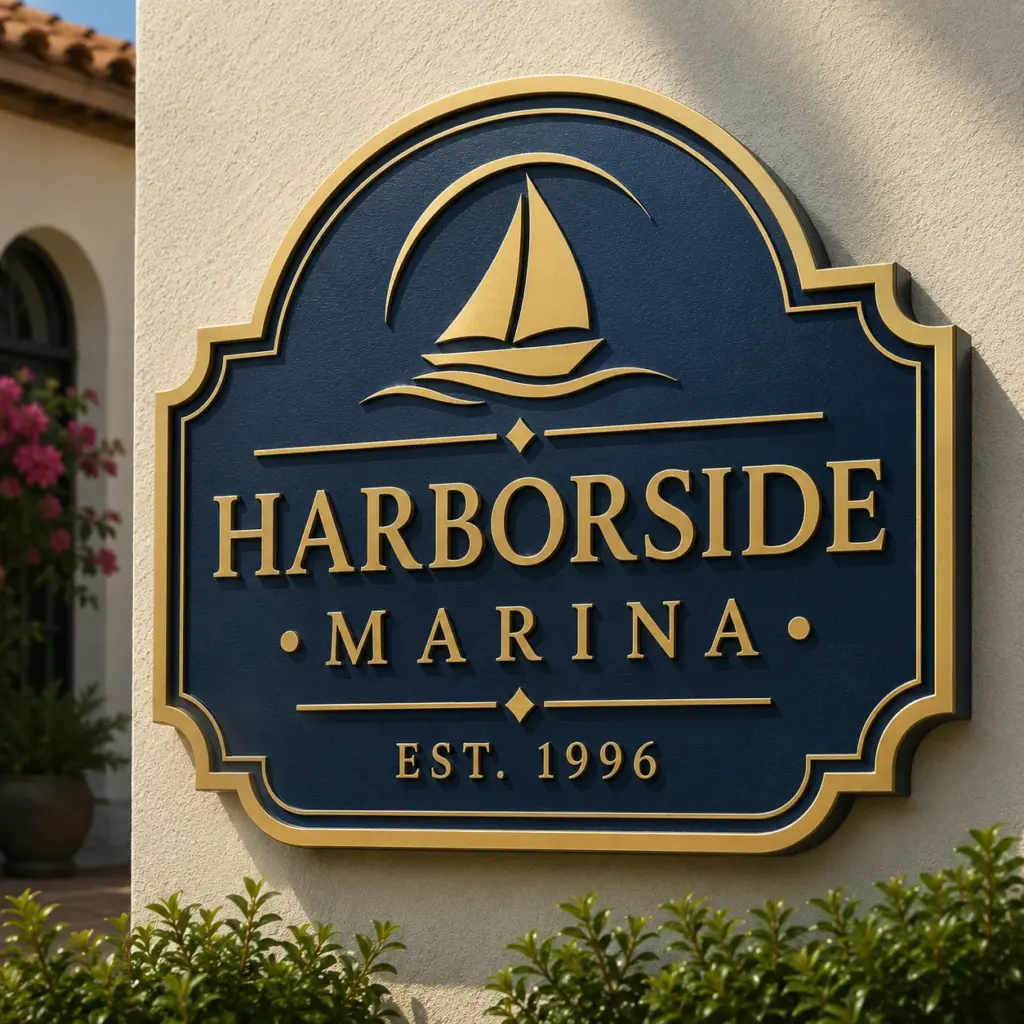
Sandblasted & V-Carved Signs: Lightweight HDU and Foam Dimensional Signage for Resorts, Clubs, Restaurants, and Private Estates
See the results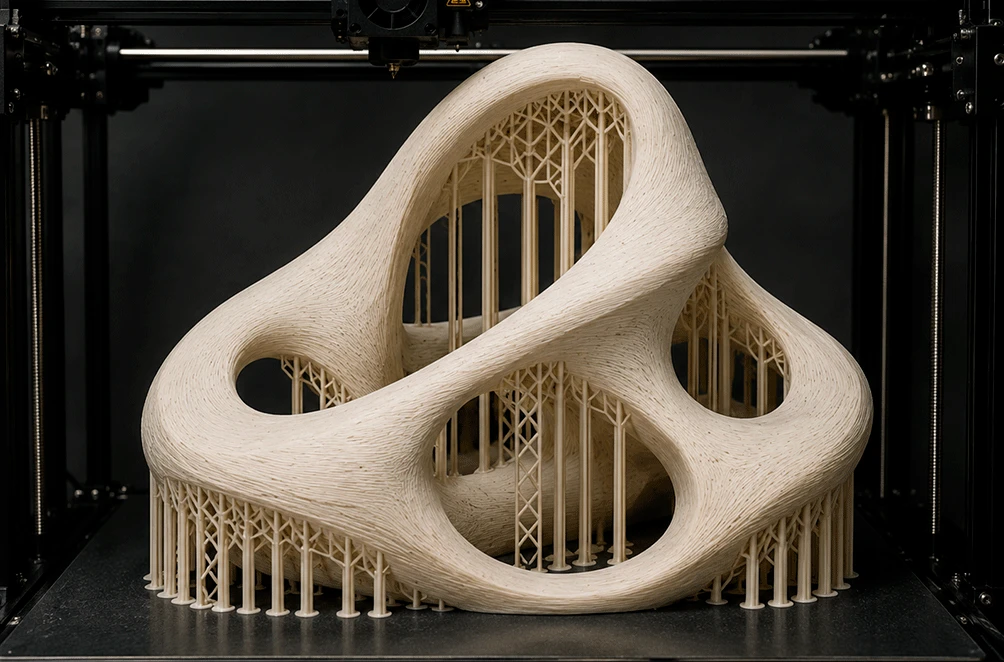
Industrial 3D Printing for Large-Scale Custom Fabrication: From Digital Model to Production-Ready Parts
See the results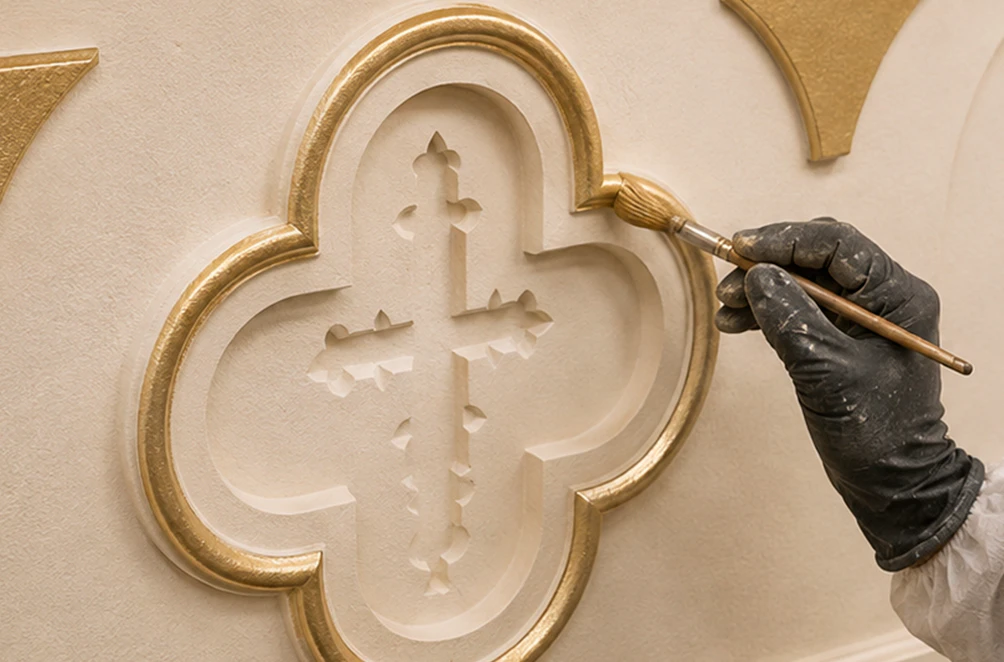
Designs for Places of Worship: Lightweight Architectural Elements for Sacred, Community, and Prayer Spaces
See the results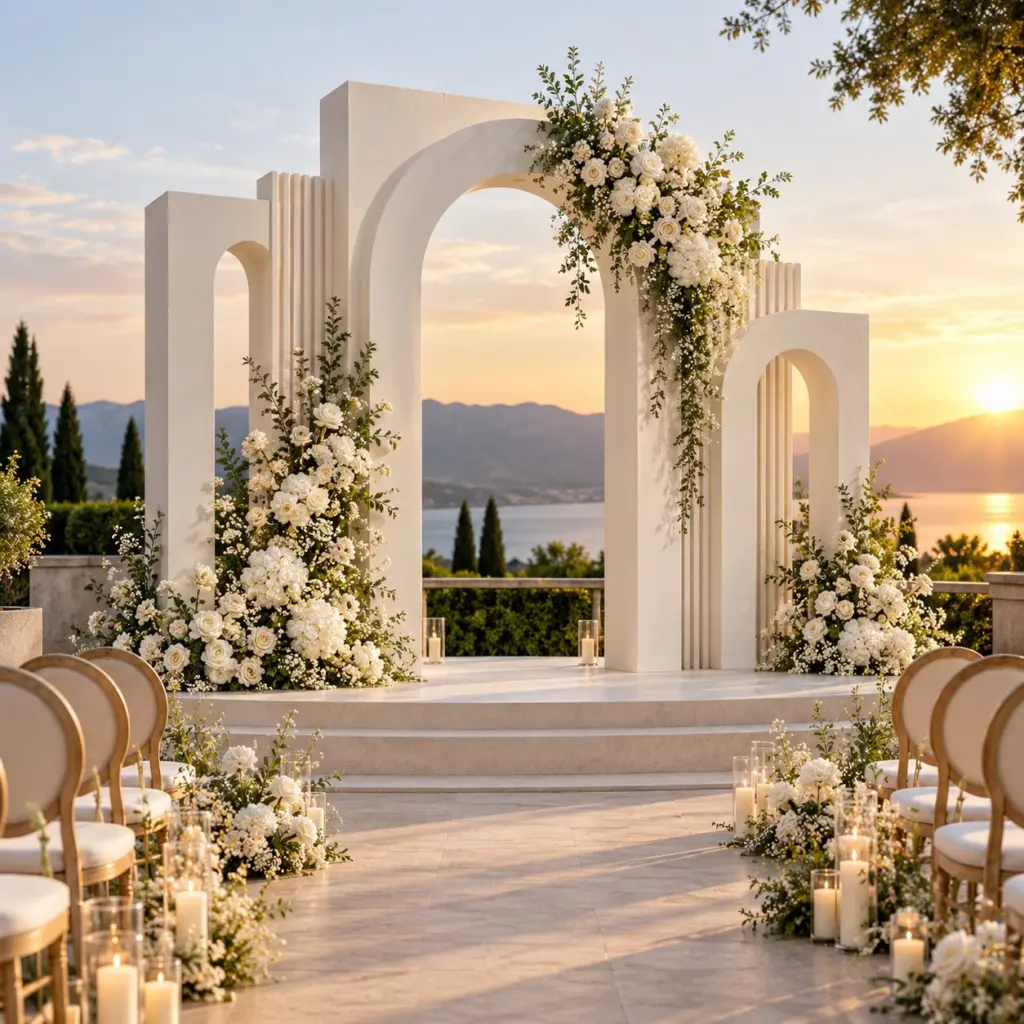
Wedding Arch Colonnades: Technical Fabrication for Luxury Ceremony Entrances, Aisle Architecture, and Event Spatial Design
See the results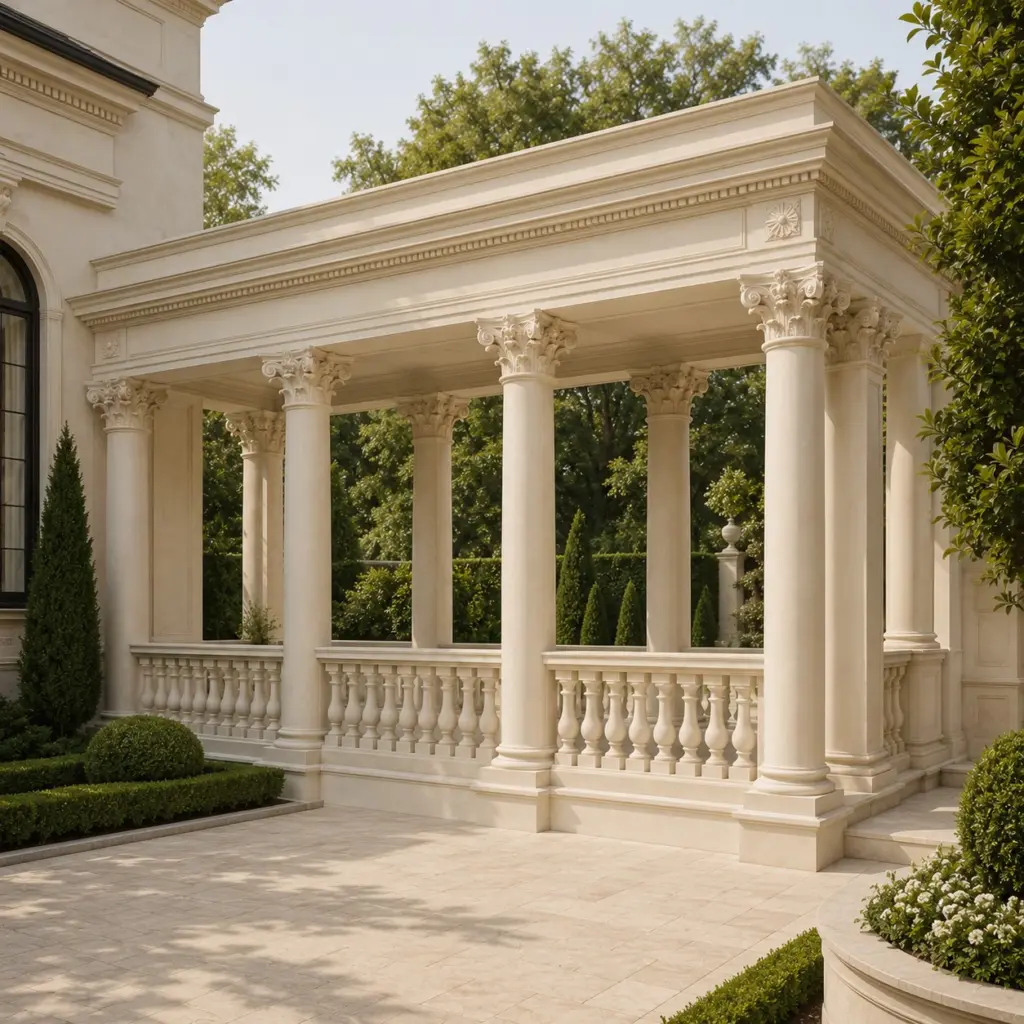
Architectural Shapes: Lightweight Custom Forms for Interiors, Exteriors, Homes, Buildings, and Branded Spaces
See the results
Foam Routed Signs: Precision-Cut Dimensional Signage for Lightweight, Custom, and Architectural Brand Environments
See the results
Foam Monument Signs: Lightweight Architectural Signage for Entrances, Campuses, Retail Plazas, and Brand Landmarks
See the results