

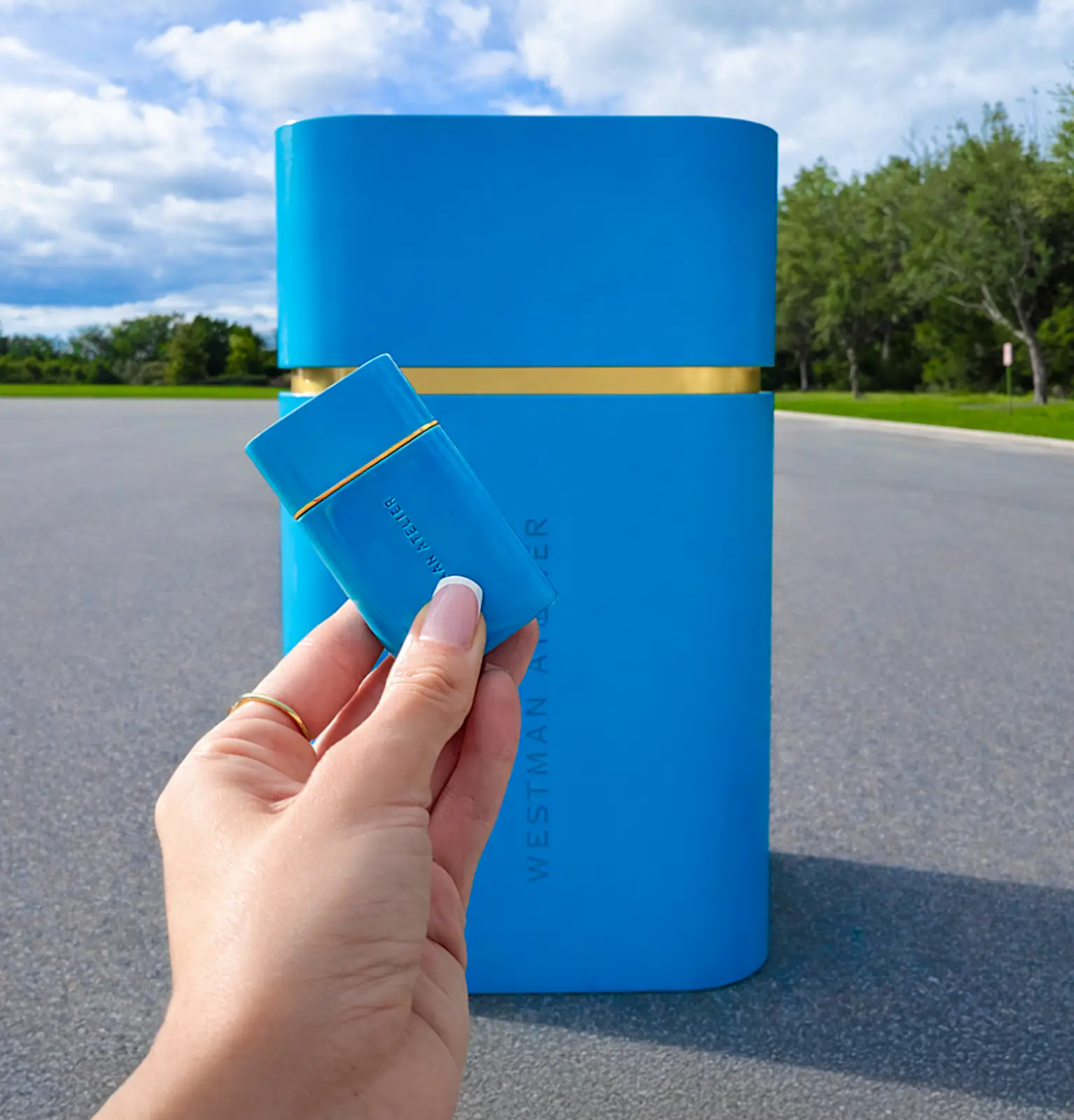
Custom Oversized Foam Product Replicas: Scaling Real Products into High-Impact Brand Installations
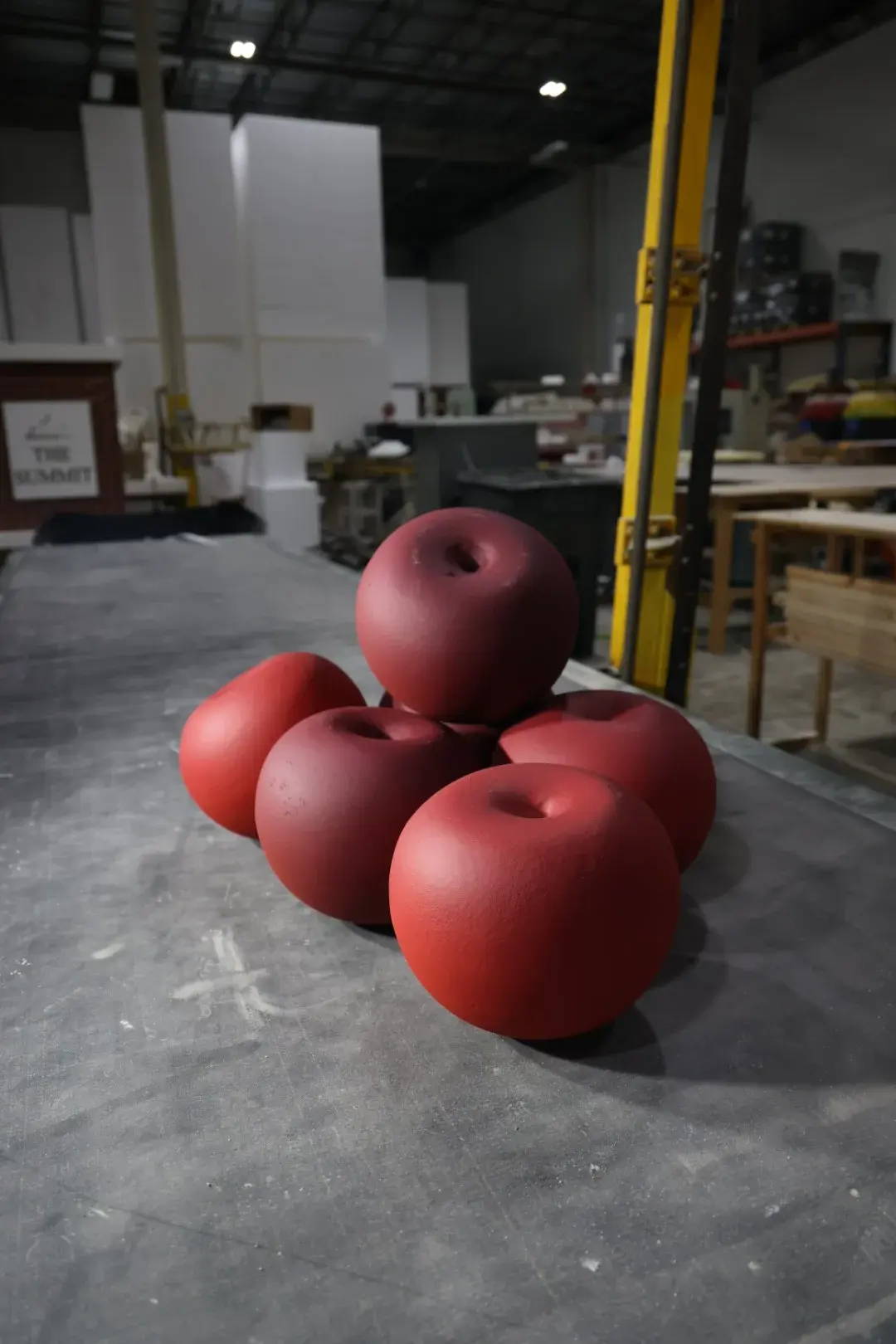
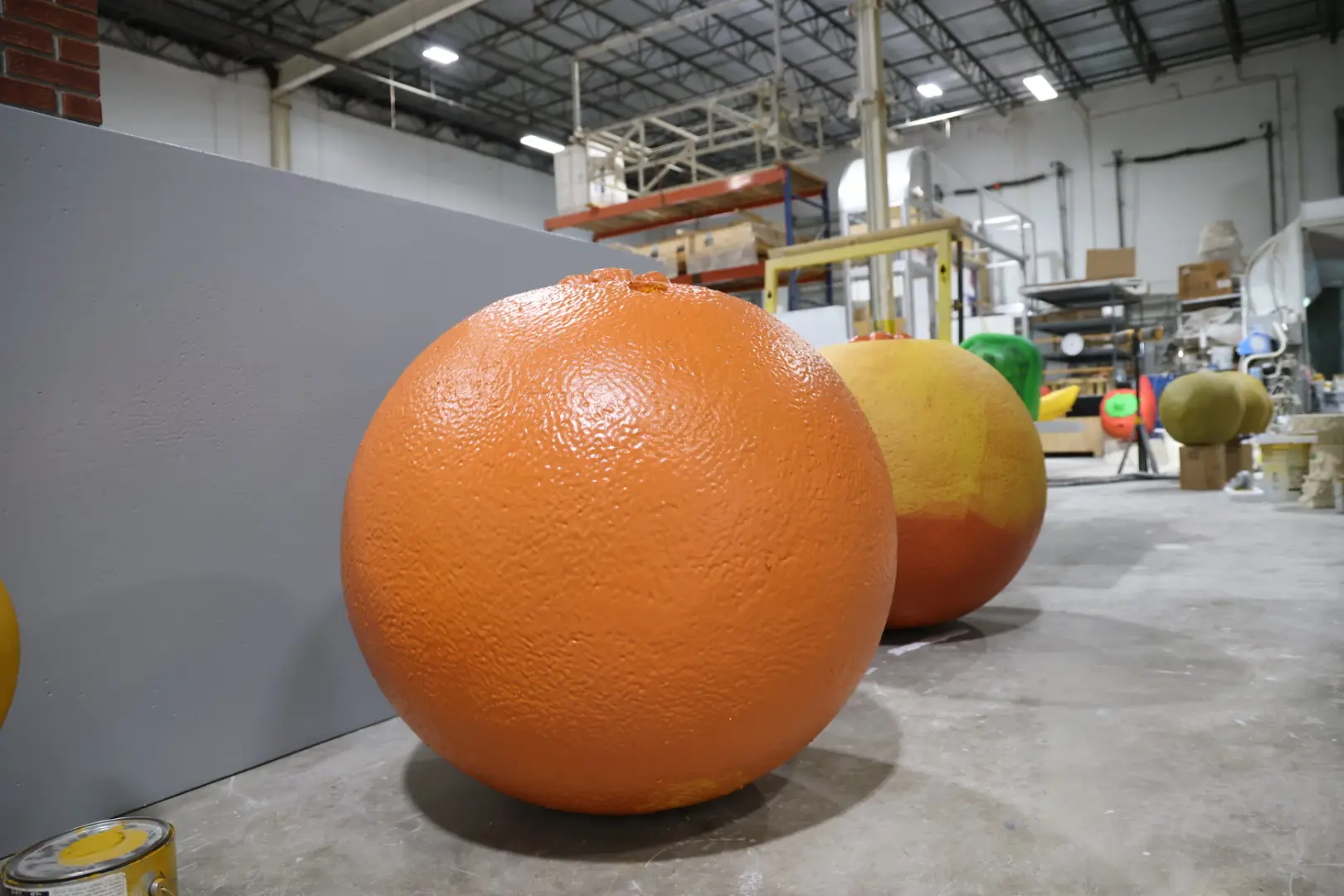
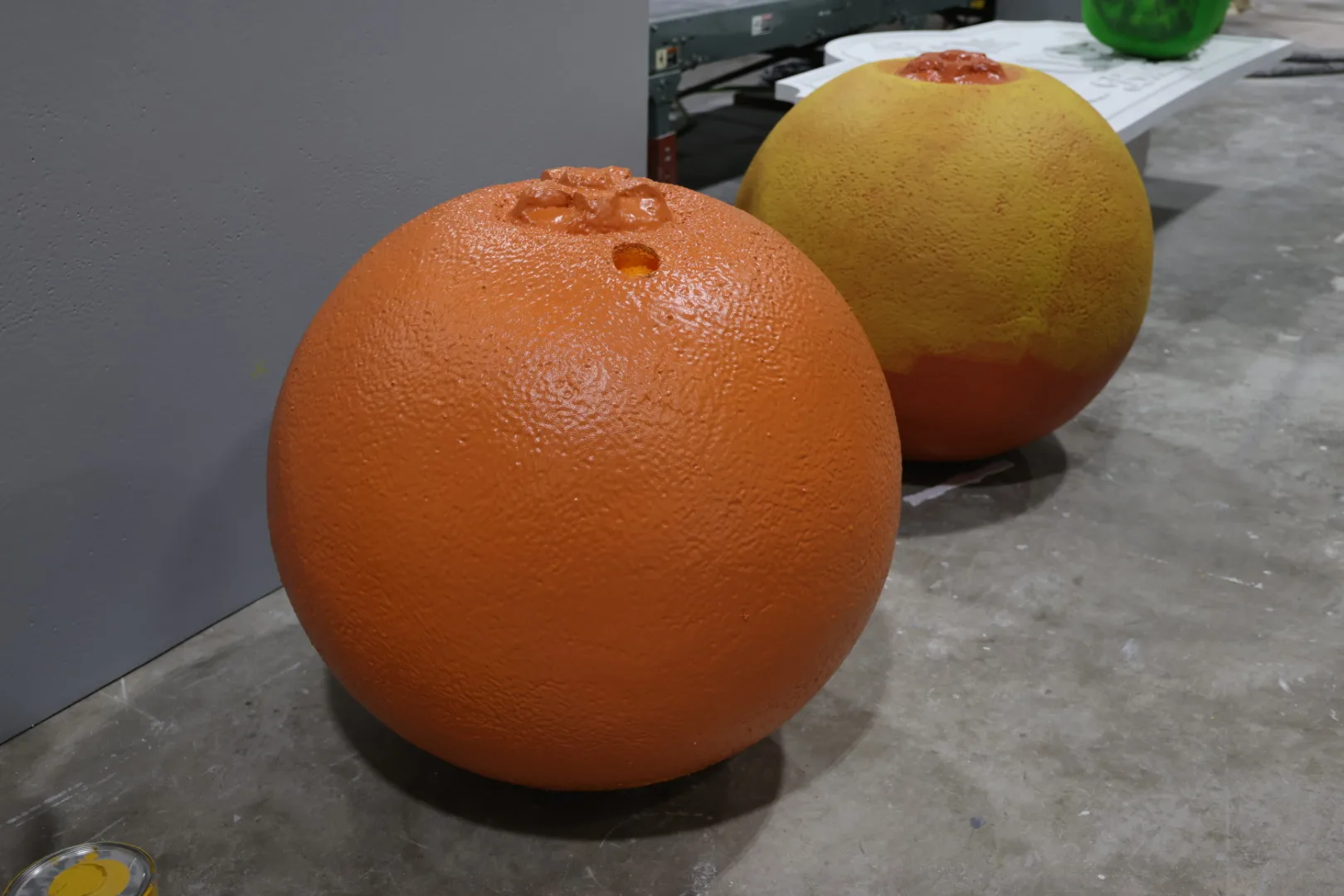
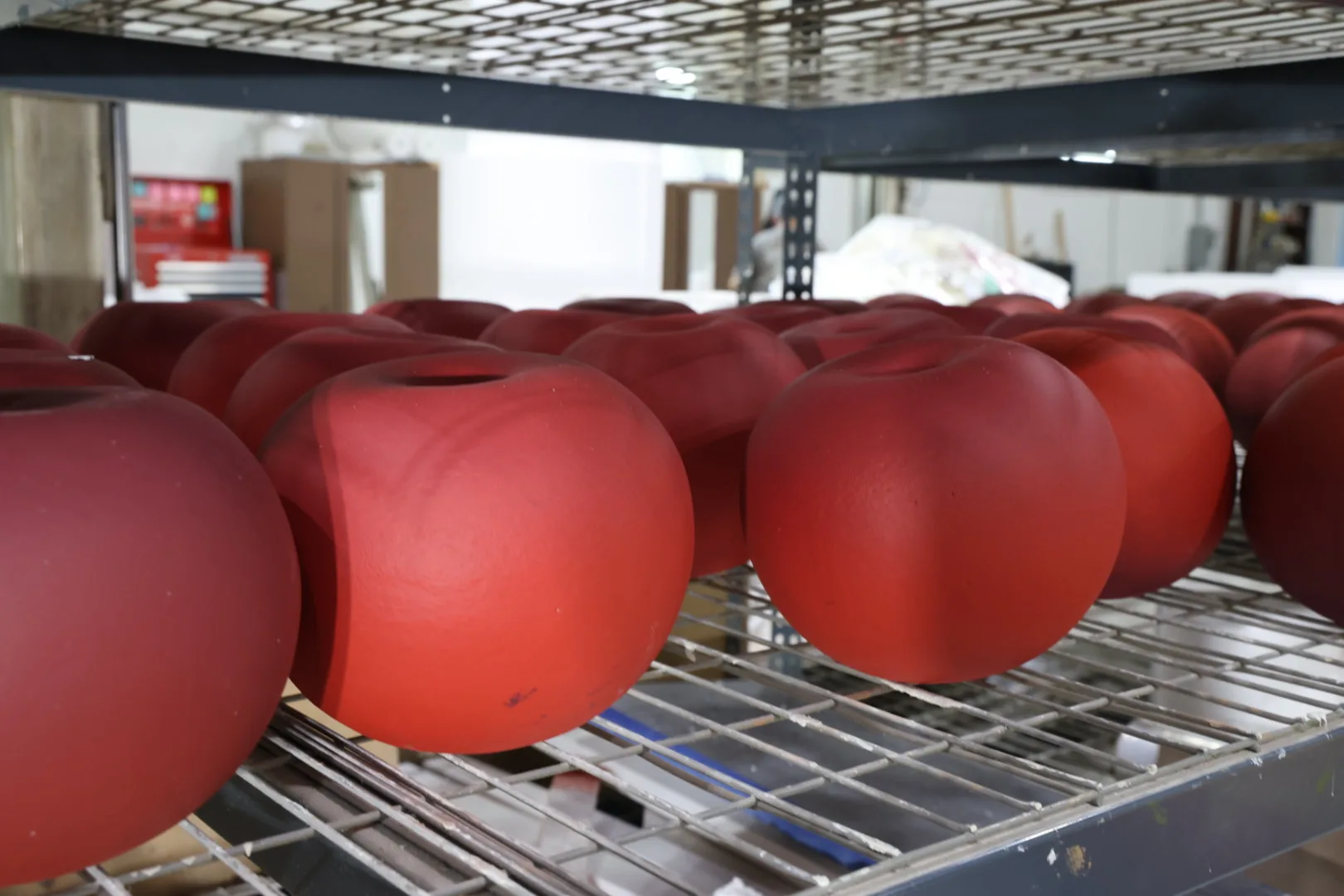
Custom oversized foam product replicas are built to take a real product and enlarge it into a recognizable, brand-accurate physical object. This category is different from foam sculptures, foam characters, or general props. A sculpture can be artistic or abstract. A character is built around personality. A product replica is judged by accuracy, proportion, finish quality, color, logo placement, and instant brand recognition.
For Royal Foam US, oversized product replicas are a dedicated fabrication category. The goal is not just to make something “big.” The goal is to scale a product so it still feels like the original item, only with stronger visibility in retail, event, trade show, pop-up, mall, or brand activation environments.
Why Businesses Use Oversized Product Replicas
Brands use oversized product replicas when a real product is too small to carry the message in a large space. A cosmetic tube, beverage can, sneaker, perfume bottle, food package, supplement container, phone, tool, or consumer product may look strong in advertising but disappear inside a trade show hall, mall atrium, launch event, or retail activation.
An oversized replica turns the product itself into the focal point. Instead of relying only on banners, screens, or flat graphics, the brand creates a large physical object that people can see from a distance, approach, photograph, and remember.
Common uses include product launches, brand activations, retail displays, storefront windows, pop-ups, trade shows, mall activations, photo zones, experiential campaigns, and touring promotional events.
What Makes a Product Replica Different
A product replica is not just a large decorative object. It has to preserve the product’s design language at a larger scale. That means studying the original product carefully: silhouette, proportions, curves, cap details, logo size, label placement, color, texture, edge radius, and surface finish.
A beauty product may require a smooth matte finish and metallic details. A beverage can needs clean cylindrical geometry and accurate graphics. A sneaker may need sculpted panels, sole geometry, texture, and stitching cues. A packaged product needs crisp edges, clear branding, and correct color blocks.
| Replica Type | Common Use | Main Production Priority |
|---|---|---|
| Cosmetic products | Beauty launches, retail displays | Smooth finish, color accuracy |
| Beverage cans / bottles | Events, pop-ups, festivals | Scale, cylindrical precision |
| Sneakers / apparel items | Retail, product launches | Shape, texture, detail |
| Packaged goods | Trade shows, sampling campaigns | Logo, label, edge clarity |
| Tech / tools / devices | Demos, exhibitions | Geometry, proportion, finish |
The Business Problem: Scale Creates Risk
The main challenge with oversized product replicas is that small details become more visible when enlarged. A slightly wrong curve, simplified cap, distorted label, or inaccurate color can make the replica feel off-brand. In product replica work, “almost right” is often not good enough.
There are also operational problems. Large replicas made from wood, fiberglass, resin, metal, plaster, or solid plastic can become heavy, expensive to ship, slow to install, and difficult to reuse. EPS foam helps solve this because it creates large visual volume without unnecessary mass.
EPS foam commonly falls in the low-density range of roughly 0.70–2.40 lb/ft³, depending on grade. By comparison, normal-weight concrete is commonly around 140–150 lb/ft³, and steel is much heavier.
The Weight & Logistics Advantage: A finished Royal Foam replica is not raw foam only; hard coating, reinforcement, acrylic, PVC, base systems, hardware, lighting, or hidden ballast can add weight. Even then, EPS-based product replicas can often be 70–95% lighter than visually similar heavy-material builds.
That reduction affects freight, handling, crew size, installation time, storage, and reuse.
Labor Efficiency: For many indoor, event, retail, or trade show replicas, modular foam construction can also reduce handling and installation labor by roughly 30–60%, depending on size, access route, base design, finish sensitivity, and whether the piece is one solid form or segmented.
Royal Foam Production Approach
A custom oversized product replica usually starts with product references: photos, dimensions, packaging files, brand guidelines, CAD files, or a physical sample. From there, Royal Foam translates the original product into a scaled fabrication plan.
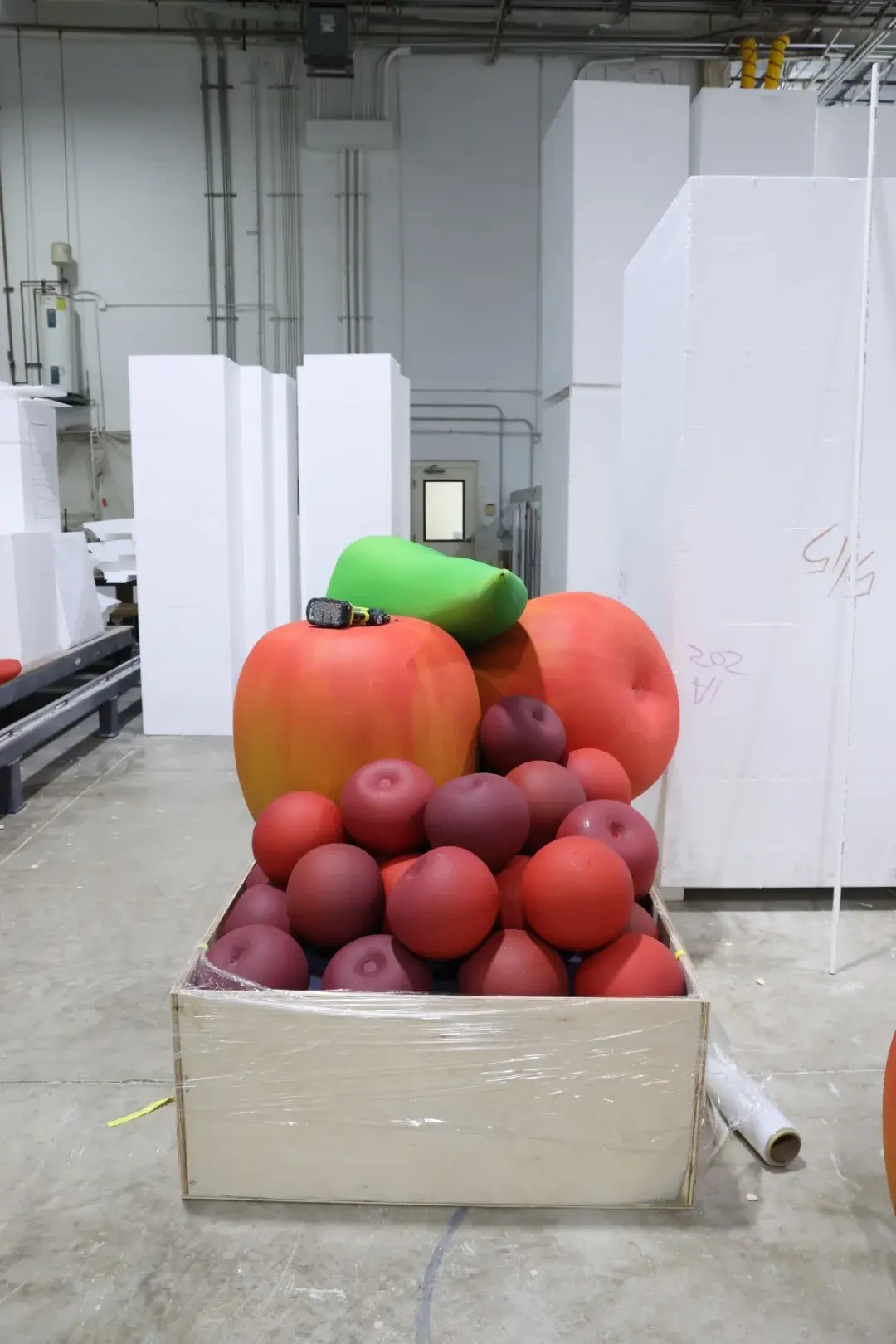
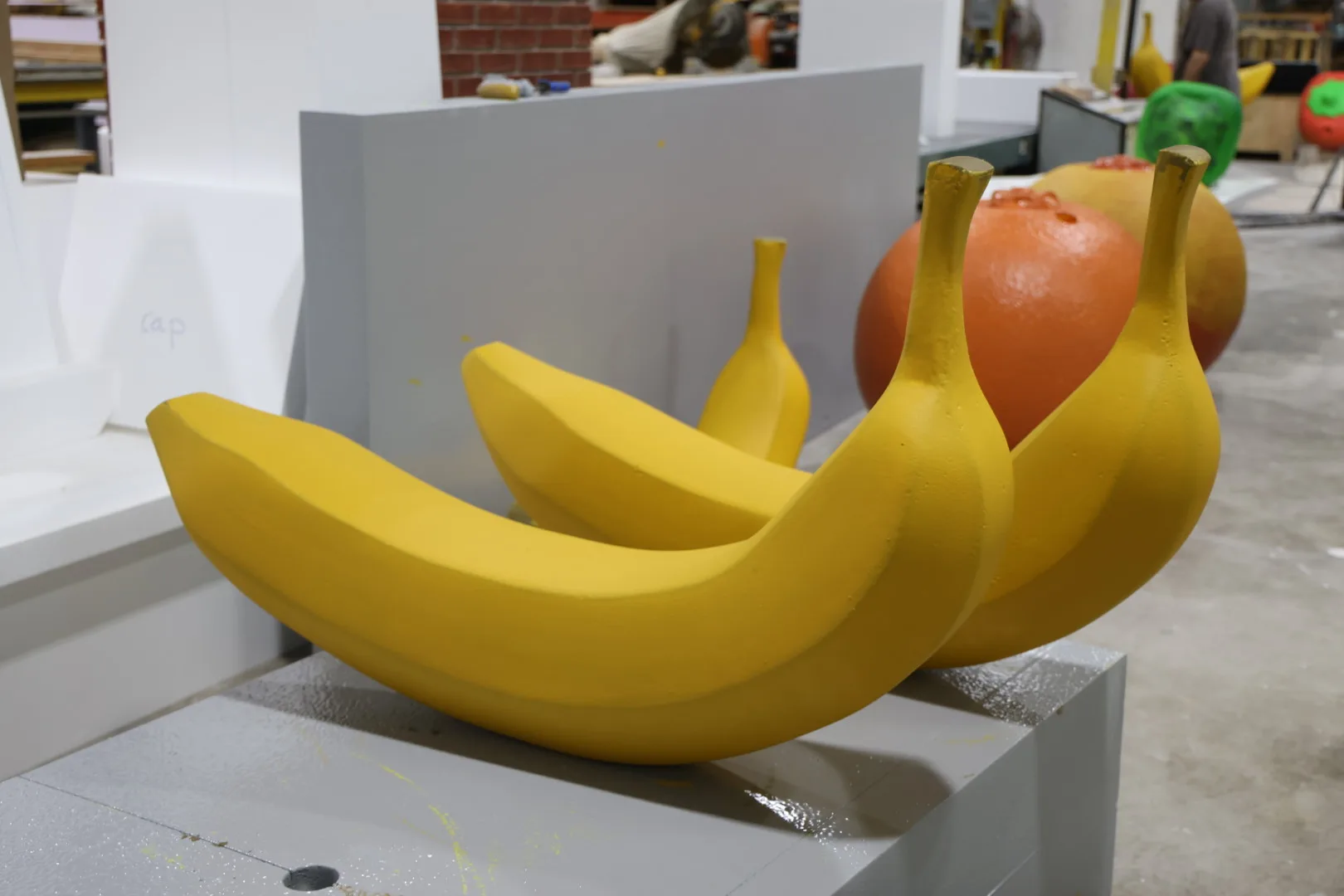
The workflow may include 3D modeling, proportional scaling, CNC foam cutting, hot-wire shaping, routing, hand finishing, sanding, hard coating, polyurethane casting, painting, color matching, graphic integration, test assembly, packing, and delivery-ready preparation.
CNC cutting is useful for controlled geometry and repeatable forms. Hand finishing is important for subtle curves, soft transitions, product texture, and premium details. Polyurethane casting can support repeated caps, buttons, trim rings, raised icons, small brand elements, or details that need sharper consistency than carved foam alone.
Hybrid construction may include plywood, MDF, PVC, acrylic, lighting components, internal reinforcement, base plates, mounting hardware, clear supports, or hidden ballast. The method depends on size, finish, expected interaction, transport plan, indoor or outdoor placement, and reuse requirements.
Finish, Graphics, and Brand Accuracy
Finish quality is critical because the replica represents the product’s identity. Paint matching, surface smoothness, sheen level, logo placement, label alignment, seam control, and detail consistency all matter.
A premium cosmetic replica can fail if the surface looks rough. A beverage replica can fail if the label wraps incorrectly. A sneaker replica can fail if the sole geometry feels simplified. A packaged-goods replica can fail if the corners, graphics, or color blocks look inaccurate.
This is why oversized product replica work needs both fabrication knowledge and brand sensitivity. The object is not only a prop; it is a physical version of the product’s visual identity.
Installation and Reuse
Large replicas often need to be built in sections. A 10-foot bottle, 8-foot sneaker, or oversized package may need to move through loading docks, freight elevators, storefront doors, mall corridors, trade show aisles, or backstage access points. Modular construction makes transport and installation more predictable.
Reusable replicas also need practical planning: stronger coating, reinforced contact points, labeled sections, durable packaging, repairable finishes, and clear assembly logic. For touring campaigns or multi-location activations, this can turn a one-time display into a repeatable brand asset.
Common Mistakes
- Treating a product replica like a generic oversized prop. A replica must preserve product identity. Wrong proportions, weak finish, inaccurate colors, simplified details, or distorted graphics can reduce brand value.
- Ignoring logistics until the end. If the replica cannot fit through the access route, stand safely, ship efficiently, or assemble quickly, the design is not production-ready.
- Overbuilding with heavy materials when the piece is not structural. In many marketing environments, visual accuracy and handling efficiency matter more than unnecessary material mass.
Business Value
Custom oversized foam product replicas help brands make their product impossible to miss. They improve visibility, support storytelling, create photo moments, and give campaigns a strong physical anchor.
For Royal Foam clients, the value is both visual and operational: accurate scaling, large-format impact, reduced weight, faster fabrication, controlled finishing, modular transport, easier installation, and reuse across events, retail environments, trade shows, and activations.
Conclusion
Custom oversized foam product replicas are not general props. They are brand-accurate enlarged products built around proportion, finish, recognition, and real-world execution.
Royal Foam US brings this category into production through EPS foam shaping, CNC cutting, hard coating, polyurethane casting, hybrid reinforcement, painting, graphic integration, finish matching, and delivery-ready preparation. The result is a product replica that looks substantial, recognizable, and campaign-ready while remaining manageable to transport, install, protect, and reuse.
Recommended Articles
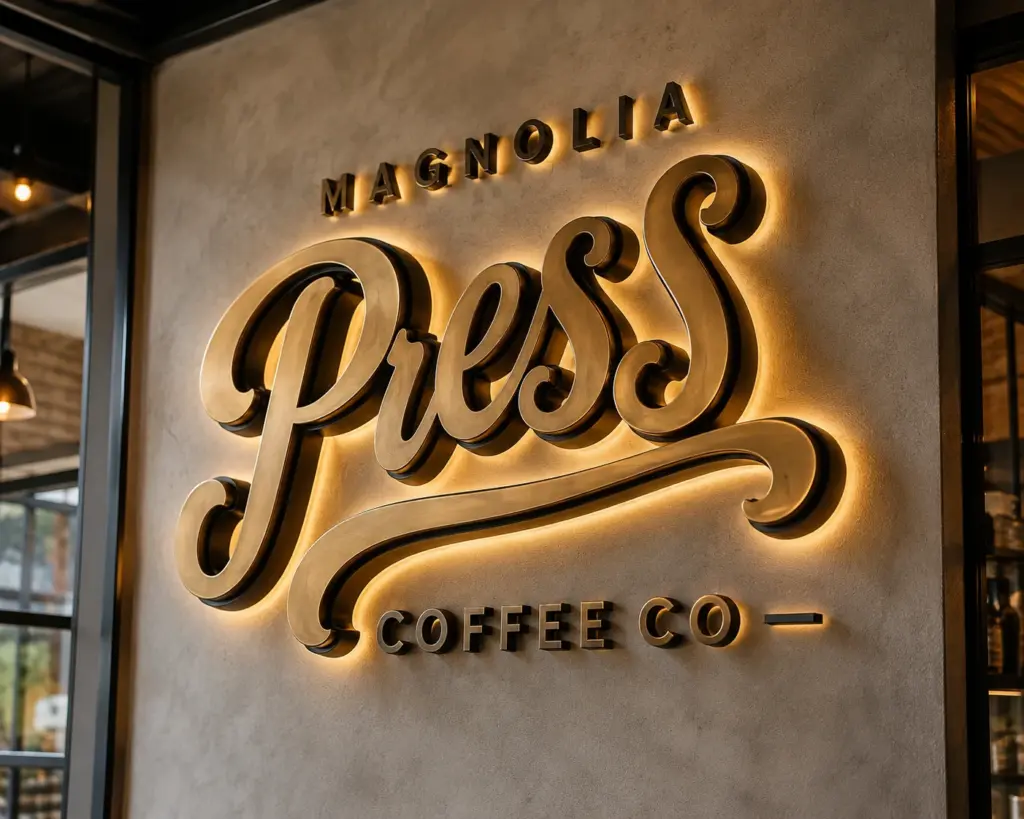
Outdoor LED Signs: Custom Illuminated Foam and HDU Signage for Storefronts, Hotels, Restaurants, and Monument Entrances
See the results
Molds for Cast Stone Signs: Master Patterns, Mold Fabrication, and Lightweight Stone-Look Monument Signage for Communities, Resorts, and Estates
See the results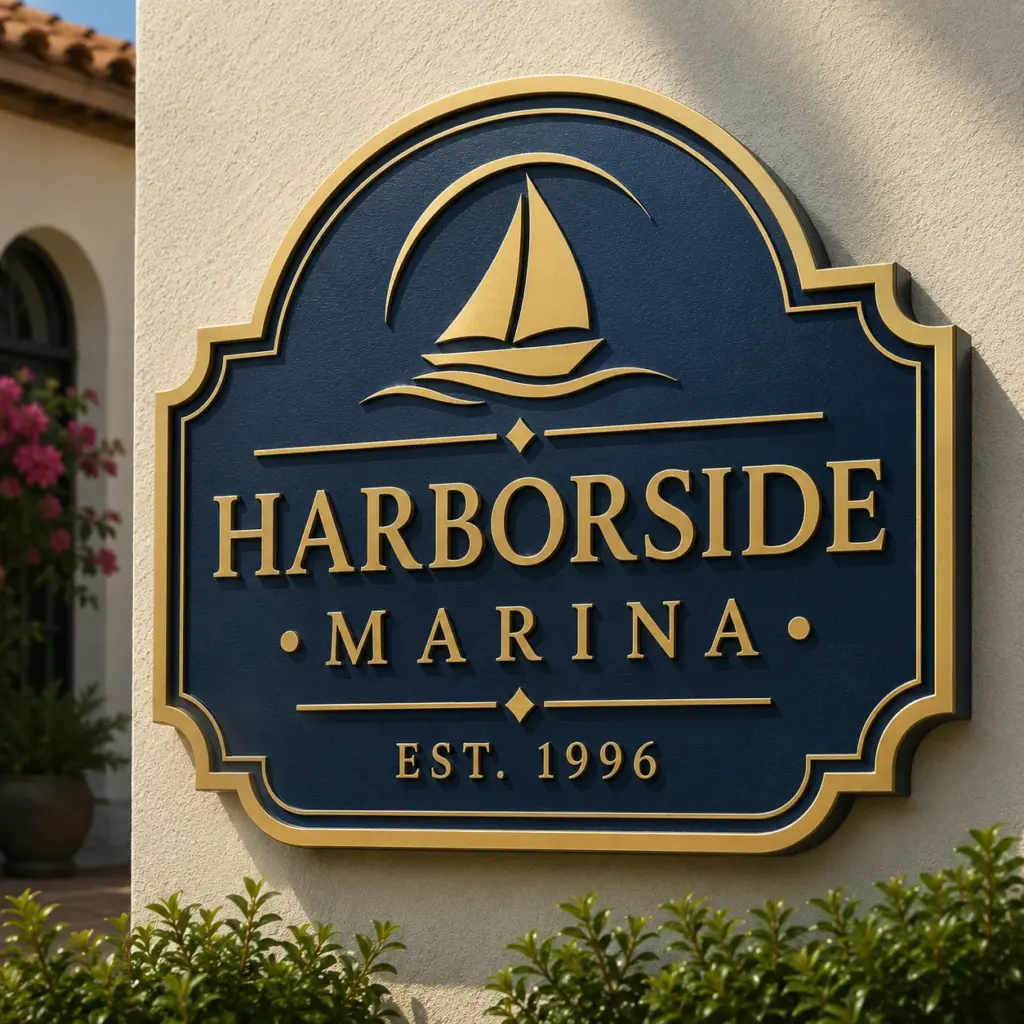
Sandblasted & V-Carved Signs: Lightweight HDU and Foam Dimensional Signage for Resorts, Clubs, Restaurants, and Private Estates
See the results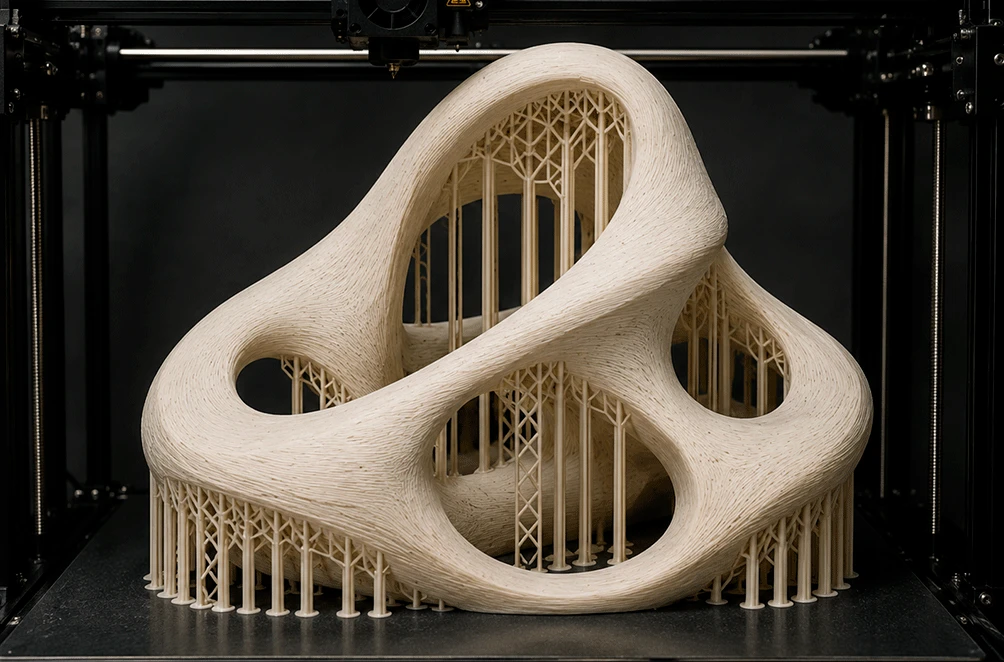
Industrial 3D Printing for Large-Scale Custom Fabrication: From Digital Model to Production-Ready Parts
See the results
Designs for Places of Worship: Lightweight Architectural Elements for Sacred, Community, and Prayer Spaces
See the results
Wedding Arch Colonnades: Technical Fabrication for Luxury Ceremony Entrances, Aisle Architecture, and Event Spatial Design
See the results
Architectural Shapes: Lightweight Custom Forms for Interiors, Exteriors, Homes, Buildings, and Branded Spaces
See the results
Foam Routed Signs: Precision-Cut Dimensional Signage for Lightweight, Custom, and Architectural Brand Environments
See the results
Foam Monument Signs: Lightweight Architectural Signage for Entrances, Campuses, Retail Plazas, and Brand Landmarks
See the results