Escape Room & Theme Park Props: Technical Design, Materials, and Production Logic for Immersive Environments
Escape rooms and theme park environments depend on credibility. Guests do not simply look at the set; they touch it, photograph it, lean near it, reset it, and judge it at close range. That is why props for this category must do more than decorate. They need to support storytelling, safe interaction, repeated handling, hidden electronics, fast installation, cleaning, repair, and sometimes seasonal reconfiguration.
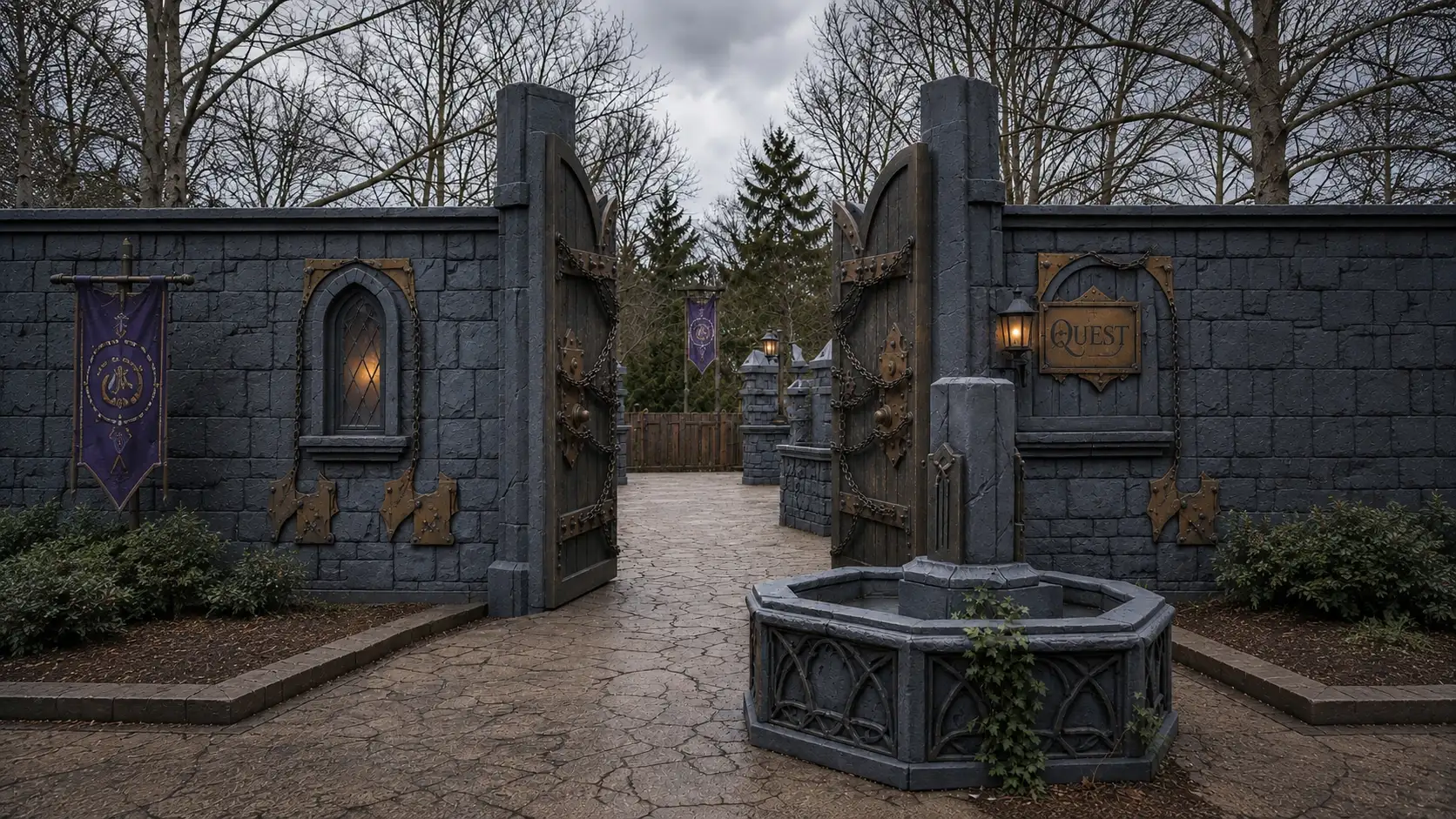
In the Royal Foam Art Design catalogue, the Escape Room & Theme Park Props section presents this category as immersive scenic fabrication that helps turn spaces into believable worlds through lightweight, durable, customizable foam. The same section emphasizes that themed props must support tactile interaction, hidden surprises, rapid scene changes, and repeat use—not just visual effect from a distance.
What This Category Includes
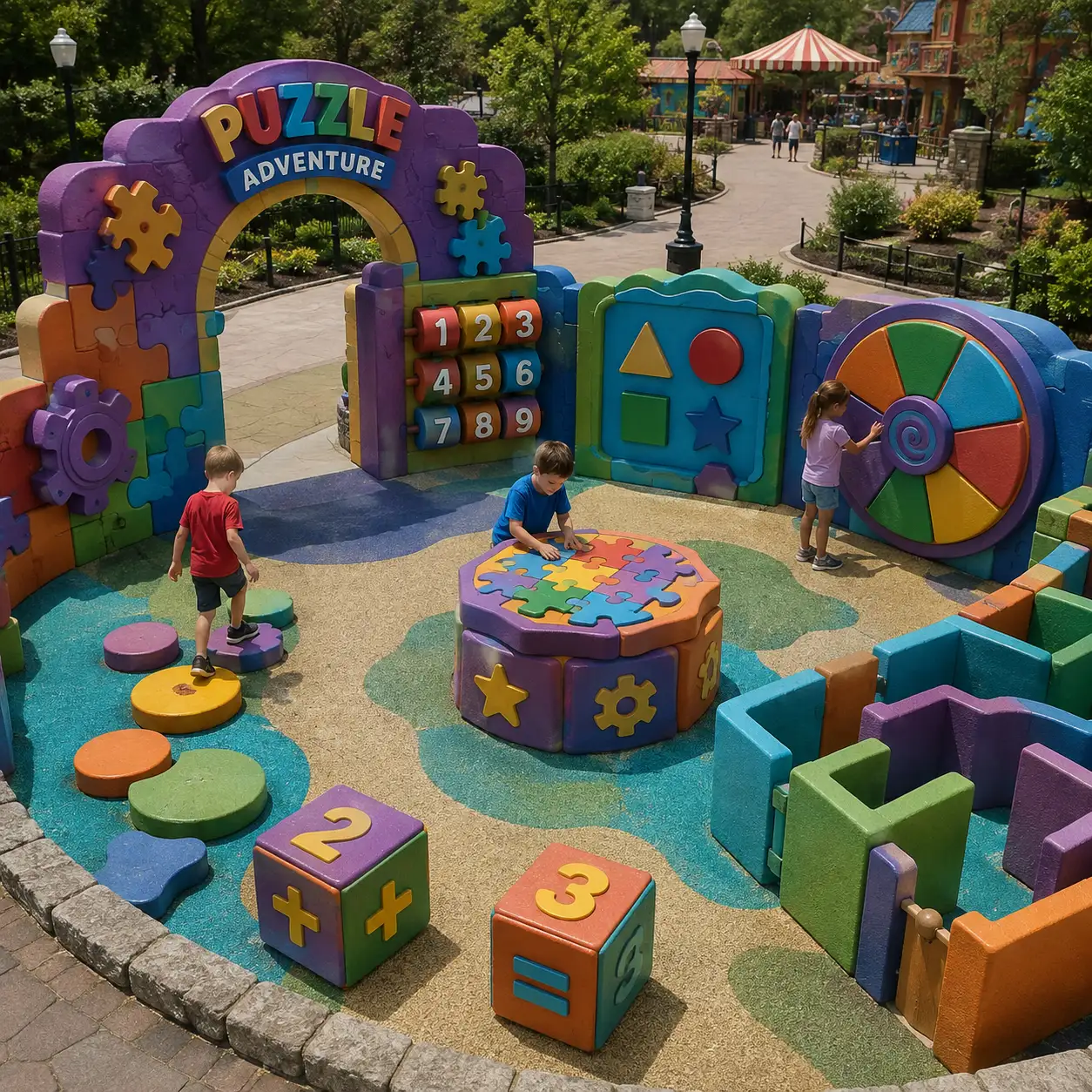
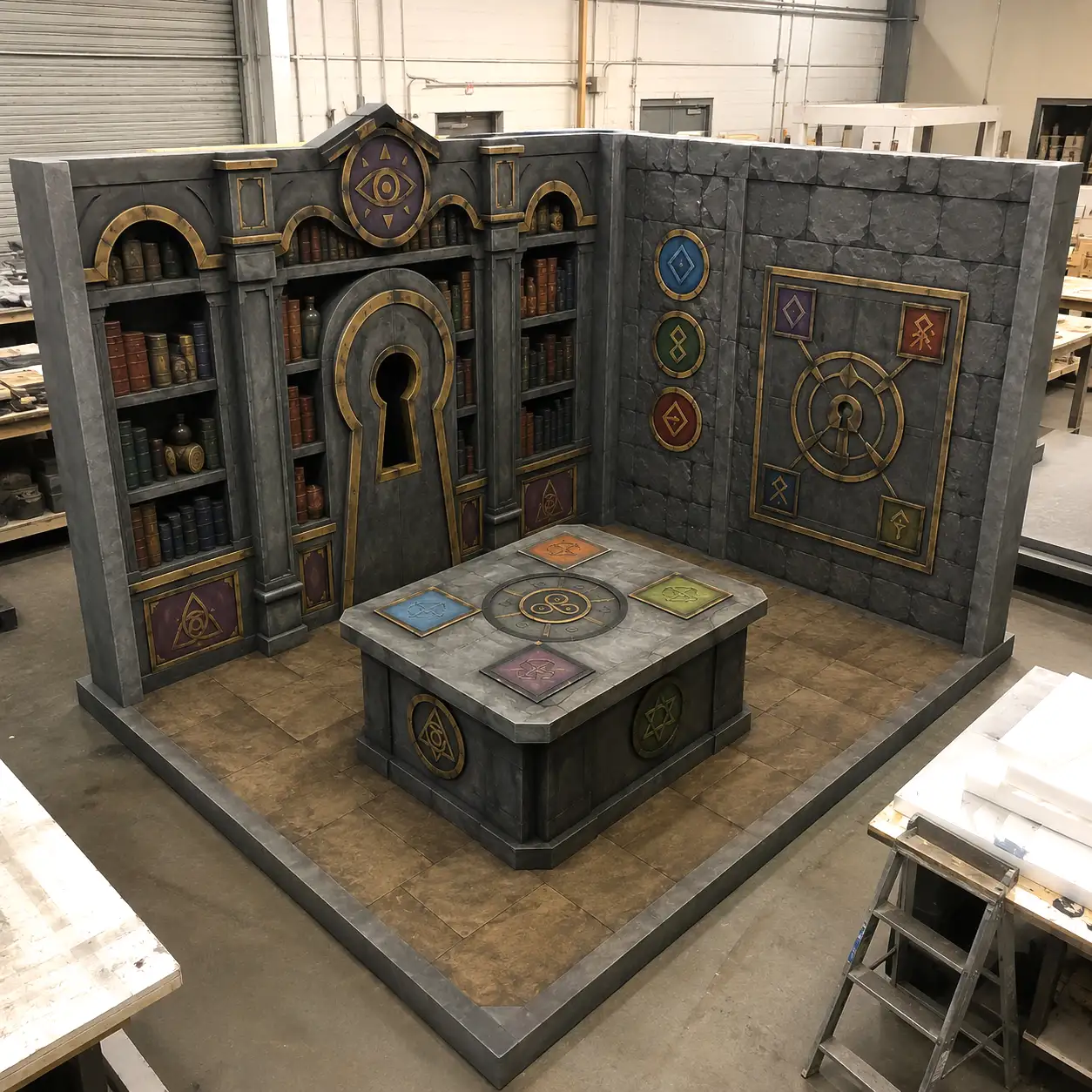
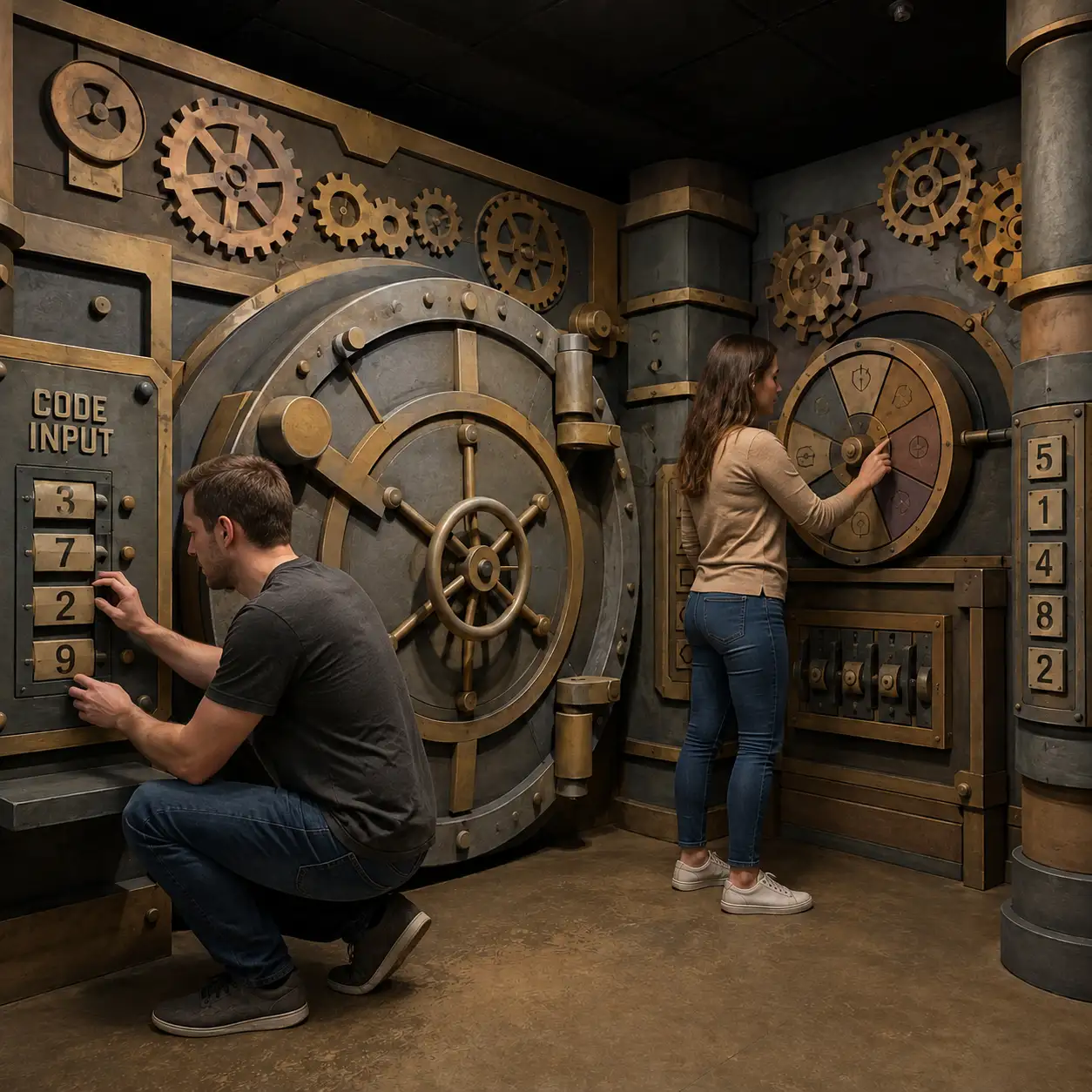
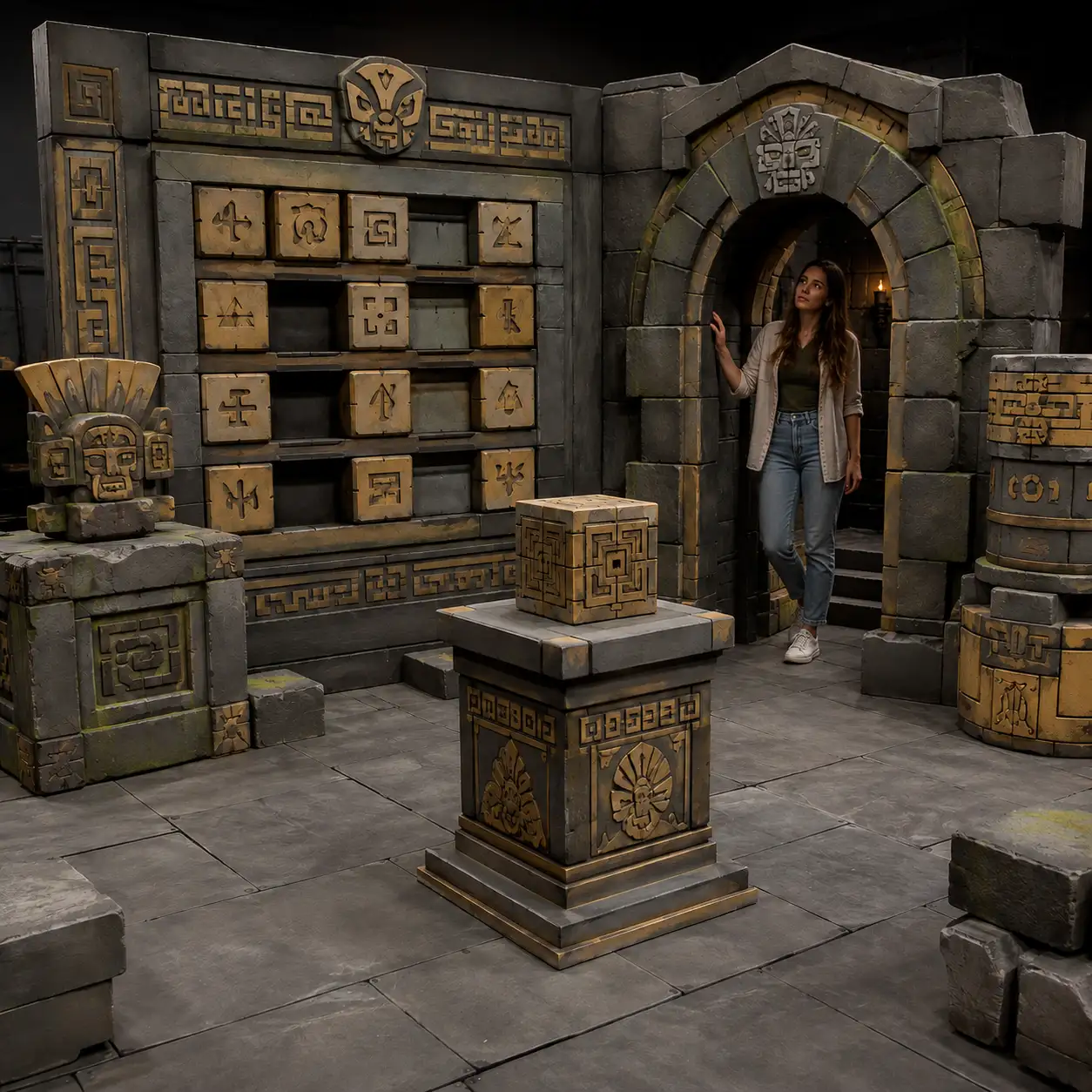
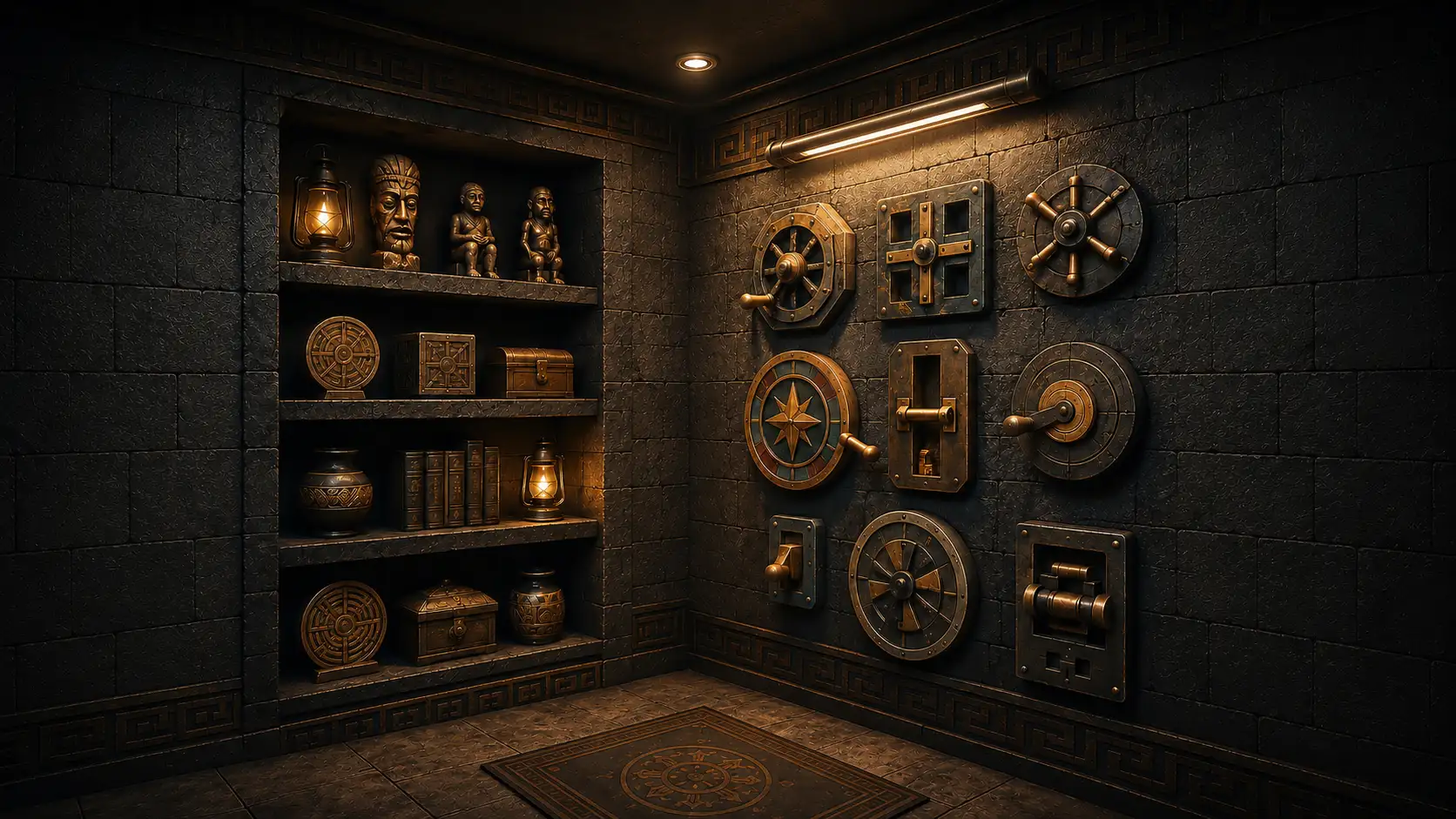
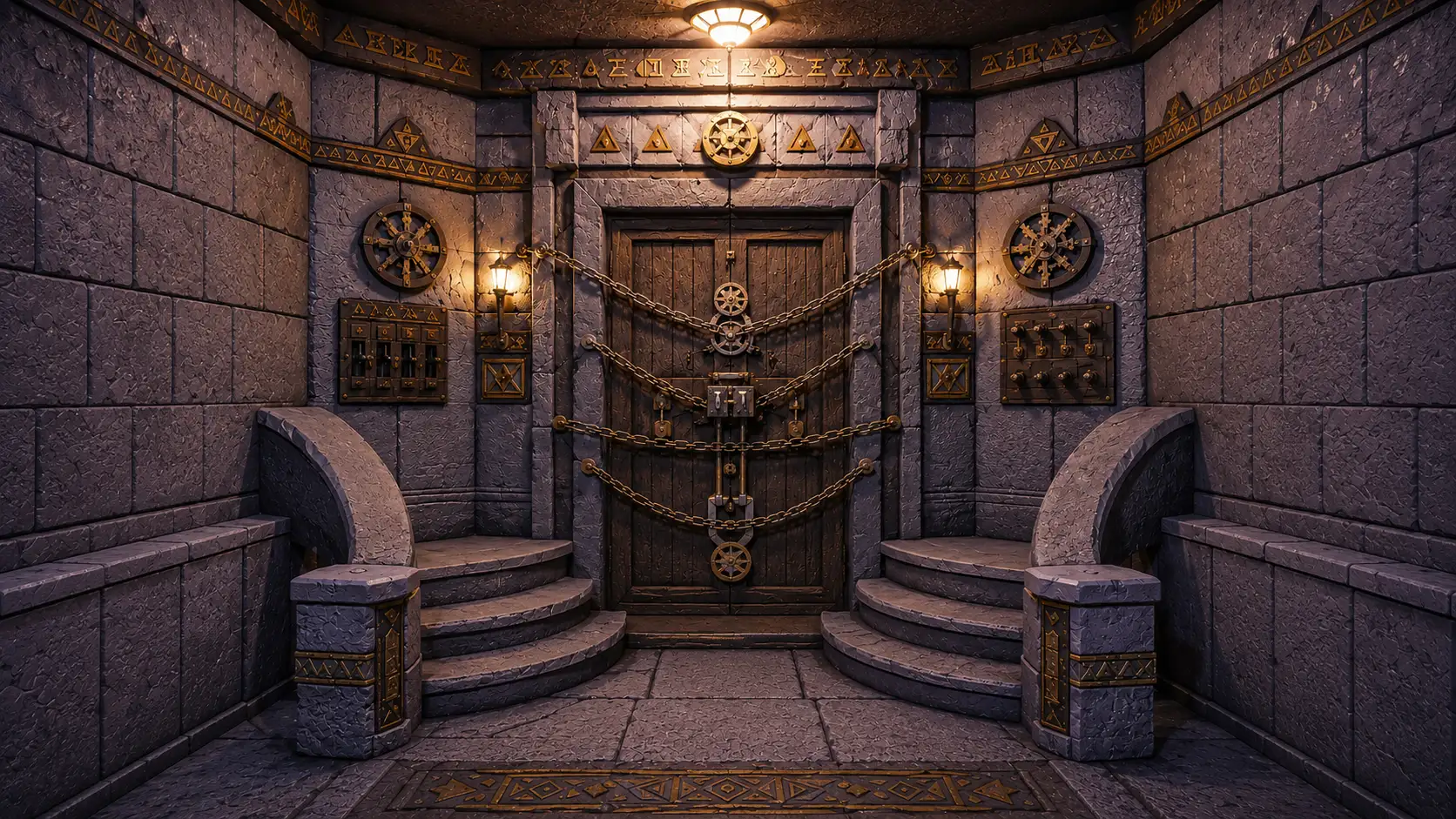
This category can include puzzle walls, faux doors, dungeon blocks, industrial control panels, laboratory equipment, stone ruins, sci-fi capsules, treasure chests, oversized artifacts, themed signage, portal frames, queue-line decor, photo-op structures, and modular scenic panels. In theme parks, these pieces guide guest flow and build the world around a ride or attraction. In escape rooms, they may also become part of gameplay: a carved “stone” pedestal may hide a magnet, an aged bookshelf may conceal wiring, or a control panel may trigger LED clues, sound cues, RFID readers, or mechanical reveals.
| Product type | Function | Variants | Practical value |
|---|---|---|---|
| Puzzle walls / panels | Hide clues, doors, electronics | stone, brick, wood, lab, sci-fi | Transforms a room without heavy construction |
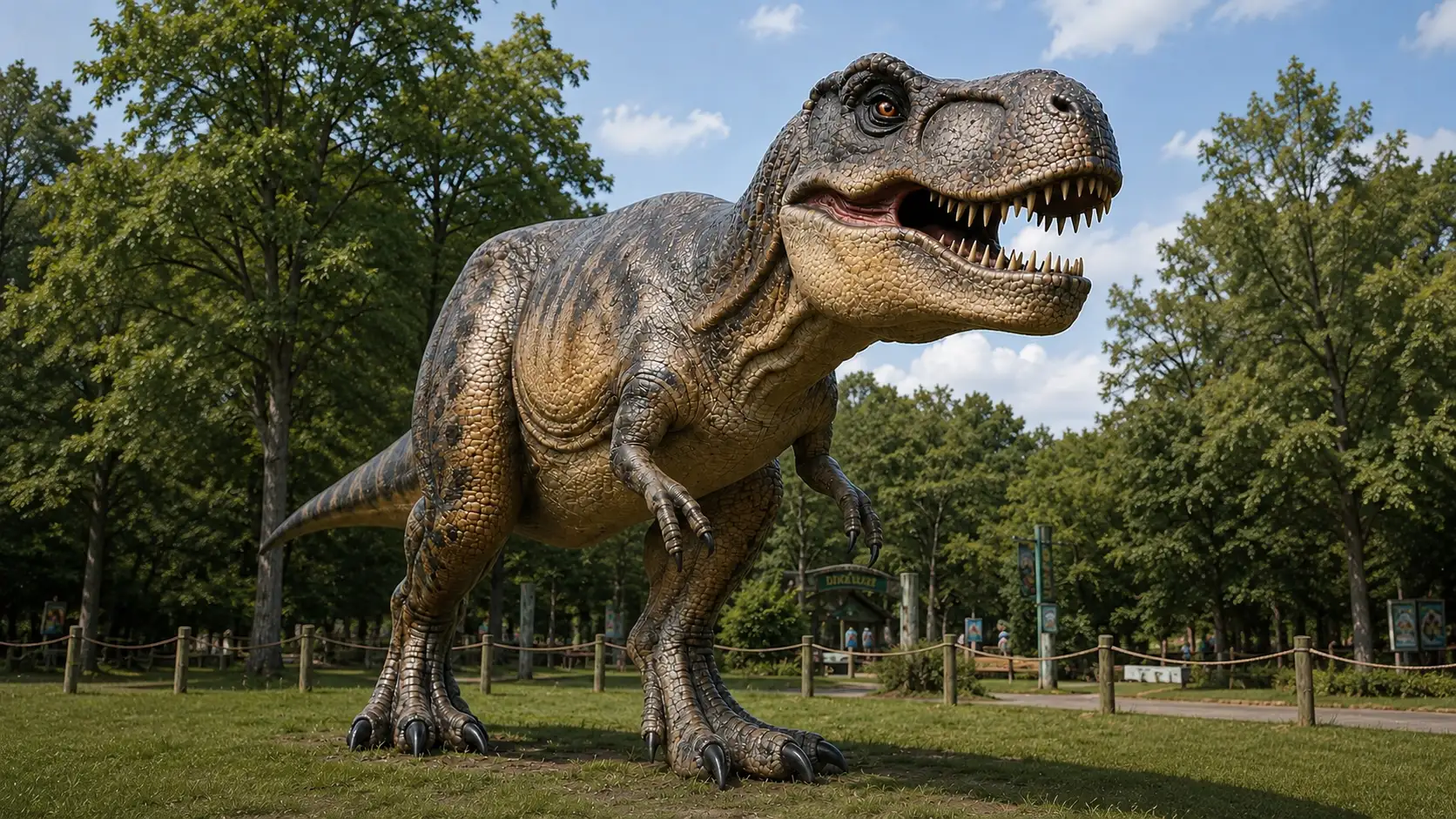
| Artifact props | Story objects and photo moments | relics, crystals, keys, idols, crates | High impact at manageable weight |
| Control panels | Gameplay interaction | industrial, military, steampunk, spaceship | Allows buttons, LEDs, sensors, speakers |
| Themed structures | Scale and traffic guidance | arches, portals, towers, facades | Creates size without structural overload |
| Repeat-use photo props | Social sharing and brand recall | oversized icons, character elements | Durable guest-facing marketing asset |
Material System: EPS Foam + Hard Coating
EPS foam is effective because it creates large volume with low weight. Typical scenic EPS densities are often around 1.0–3.0 lb/ft³, depending on detail, handling, and coating requirements. Lower-density EPS can work for large background forms; higher-density EPS or HDU foam may be better for thin profiles, sharp edges, carved ornaments, or high-contact props. The article structure file identifies EPS density around 1.0–3.0 lb/ft³ and hard-coat thickness around 2–10 mm as useful technical reference ranges.
The foam core needs a protective system. A polyurea hard coat, polyurethane coating, FRC-style hard coat, elastomeric finish, or hybrid coating may be used depending on exposure. A 2–3 mm buildup can suit protected decorative surfaces. A 4–6 mm coating is better for touched surfaces and movable pieces. A 6–10 mm coating with embedded mesh, plywood backing, metal inserts, or internal framing may be used for guest contact, outdoor exposure, casters, hinges, or frequent transport.
| Layer | Purpose | Common options |
|---|---|---|
| Foam core | Lightweight shape and volume | EPS, HDU, CNC-cut foam, hand-sculpted foam |
| Reinforcement | Local strength | plywood ribs, aluminum tube, threaded inserts, steel plates |
| Hard coat | Impact and abrasion resistance | polyurea, polyurethane, FRC, hybrid systems |
| Texture | Scenic realism | faux stone, rust, brick, aged wood, plaster, brushed metal |
| Finish | Color and cleanability | acrylic paint, elastomeric paint, metallic, clear coat |
Design Variety: Theme, Color, Texture, and Function
Escape rooms and attractions need coherent visual systems, not random props. A haunted hotel may use cracked plaster, aged bronze, candle soot, faux carved wood, and dusty fabric textures. A laboratory room may require gloss white panels, translucent acrylic inserts, warning graphics, LED channels, and hidden speakers. A pirate or adventure attraction may need faux stone, weathered timber, rope details, treasure finishes, and metallic aging. A sci-fi environment can use smooth bevels, glowing seams, metallic paints, and modular wall panels.
Color can be matched to Pantone, RAL, brand palettes, or scenic references. Finishes may be matte for stone, satin for painted metal, high-gloss for futuristic props, or clear-coated for cleaning. Function should drive finish choice: a hand-height puzzle surface needs smoother texture and stronger coating; a high overhead set piece can use deeper relief and heavier aging because guests will not touch it.
Comparison With Traditional Materials
Wood, MDF, fiberglass, resin, plaster, concrete-style assemblies, and metal all have legitimate uses. But many immersive props are visual mass, not load-bearing architecture. EPS with hard coating can often reduce finished weight by 70–95% compared with carved wood, plaster, MDF assemblies, concrete-look systems, or steel-framed scenic pieces, depending on scale, coating, and reinforcement. This may reduce freight cost, crew size, installation risk, and reset time.
| Material | Strengths | Limitations | Best use |
|---|---|---|---|
| EPS + hard coat | Very light, sculptable, fast to install | Needs correct coating in high-touch zones | Scenic walls, rocks, oversized objects |
| MDF / plywood | Strong flat panels | Heavy, moisture-sensitive unless sealed | Doors, service panels, internal frames |
| Fiberglass | Durable repeatable shells | Higher tooling cost, harder repair | Repeated production runs, outdoor skins |
| Resin casting | Fine detail | Heavy or brittle at large scale | Keys, coins, ornaments, small artifacts |
| Metal | Structural strength | Heavy and expensive for scenic volume | Brackets, bases, frames, guarded elements |
Production Workflow and Interactive Testing
From Design to CNC Milling and Sculpting
A professional workflow starts with use case: Will guests touch it? Does it hide electronics? Will it travel? Does it reset every hour? Does it fit through a door, freight elevator, or backstage corridor? From there, the typical process is concept review, dimension planning, CAD or 3D modeling, CNC routing, hot-wire cutting, robotic shaping or hand sculpting, sanding, reinforcement, coating, texture work, priming, painting, test assembly, labeling, packing, and installation guidance. The production workflow integrates CAD, CNC milling, robotic shaping, polyurethane spray, hard coat, texture coating, and specialized equipment logic.
Gameplay Integration and Electronic Testing
For escape rooms, testing matters as much as finishing. A puzzle prop should be checked for reach distance, reset speed, latch access, light leaks, cable access, and failure points. A hidden electronics bay should be serviceable without dismantling the room. A high-use clue object should have replaceable contact areas or sacrificial finish layers.
Logistics, Safety, and Operational Planning
Installation, Guest Safety, and Environmental Exposure
Guest-facing props need safe edges, stable bases, concealed fasteners, and predictable behavior under contact. Freestanding pieces may need weighted bases, floor plates, outriggers, or wall ties. Wall-mounted pieces require substrate review: drywall, plywood backing, CMU, metal studs, and scenic walls all behave differently. Suspended props require rigging review, not guesswork.
Planning should account for loading docks, access routes, door width, ceiling height, egress clearance, ADA circulation, sprinkler clearance, fire/smoke requirements, cleaning routines, and emergency service access. Outdoor or semi-outdoor props need UV-resistant top coats, moisture-resistant coatings, drainage details, sealed penetrations around LEDs, and wind-aware anchoring. Interactive, high-traffic entertainment props are subject to severe wear and tear, requiring modular reconfiguration, lighting, sound effects, and dedicated production support from blueprint to opening night.
Lifecycle ROI and Maintenance Value
The business value is operational. Lighter props can often reduce handling and installation labor by 30–60%, depending on size, access, rigging, and mounting method. Modular components can reduce replacement or refresh cost by 30–50% over repeated room updates because surfaces can be repaired, recoated, repainted, or re-skinned instead of fully rebuilt. In an escape room, saving five minutes of reset time per session can become a real revenue and staffing advantage. In a theme park queue, modular scenic elements can allow overnight updates without closing an entire area.
Best Practices and Production Guidance
Common Planning Mistakes
The biggest mistake is designing only for the camera. A prop that photographs well but fails under touch becomes an operational problem. Other common errors include using the same coating thickness everywhere, hiding electronics without service access, ignoring transport limits, leaving sharp corners in guest paths, and overbuilding with heavy materials when visual mass is the real goal.
Expert Takeaway
Escape Room & Theme Park Props sit between scenic art, fabrication engineering, guest psychology, and daily operations. EPS foam with the right hard-coat system allows producers to build believable worlds at scale while controlling weight, installation time, maintenance, and refresh cost. The best props are not just impressive objects; they are durable storytelling tools designed for touch, safety, reset speed, repair, and repeat use.
Recommended Articles
Outdoor LED Signs: Custom Illuminated Foam and HDU Signage for Storefronts, Hotels, Restaurants, and Monument Entrances
See the results
Molds for Cast Stone Signs: Master Patterns, Mold Fabrication, and Lightweight Stone-Look Monument Signage for Communities, Resorts, and Estates
See the results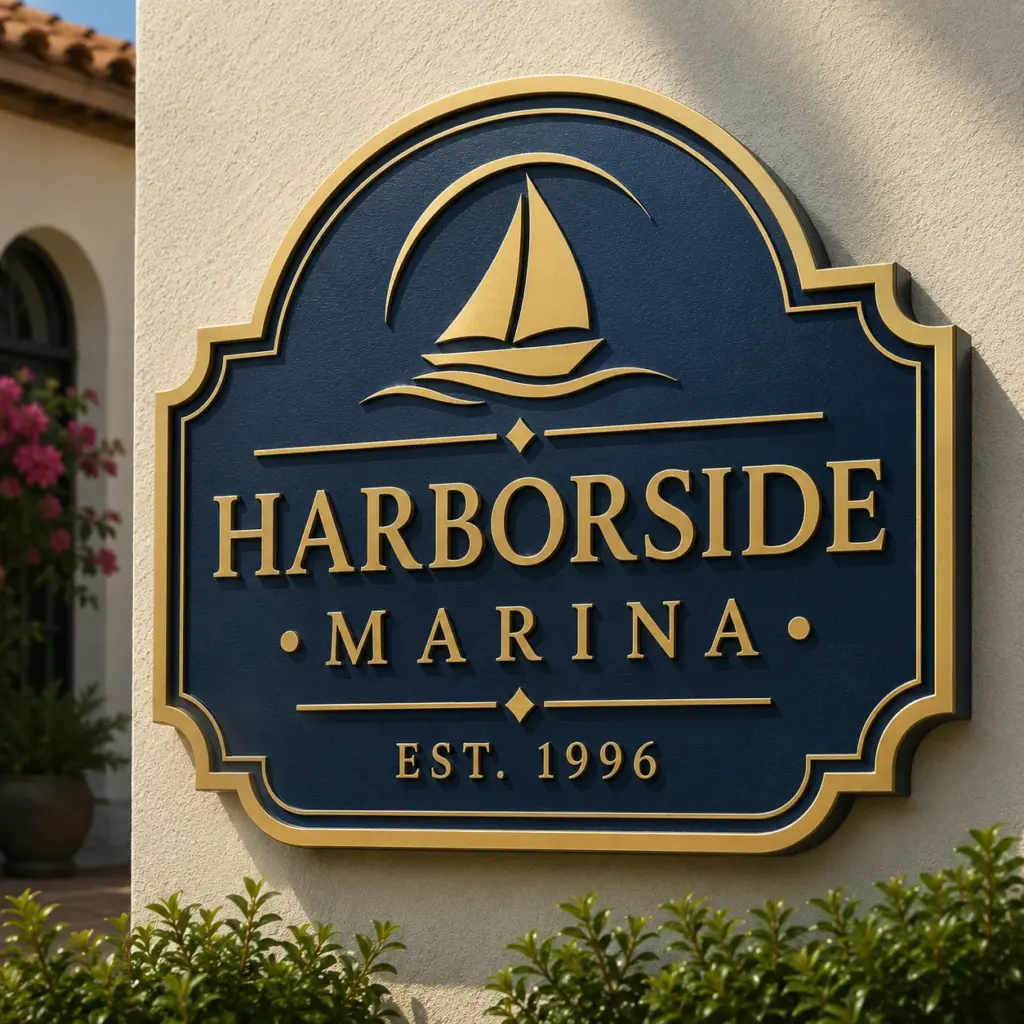
Sandblasted & V-Carved Signs: Lightweight HDU and Foam Dimensional Signage for Resorts, Clubs, Restaurants, and Private Estates
See the results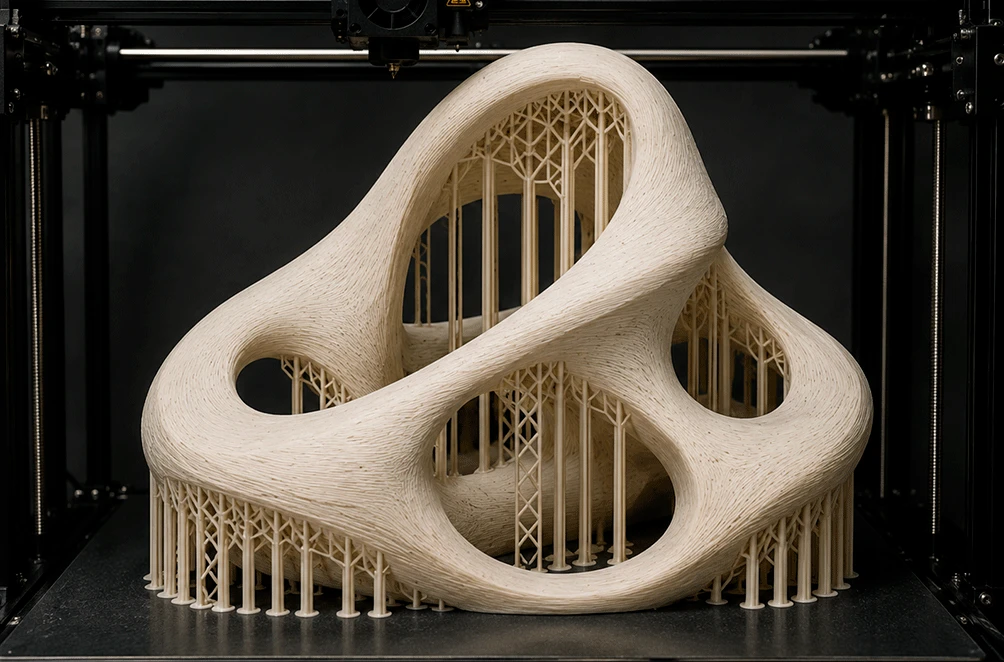
Industrial 3D Printing for Large-Scale Custom Fabrication: From Digital Model to Production-Ready Parts
See the results
Designs for Places of Worship: Lightweight Architectural Elements for Sacred, Community, and Prayer Spaces
See the results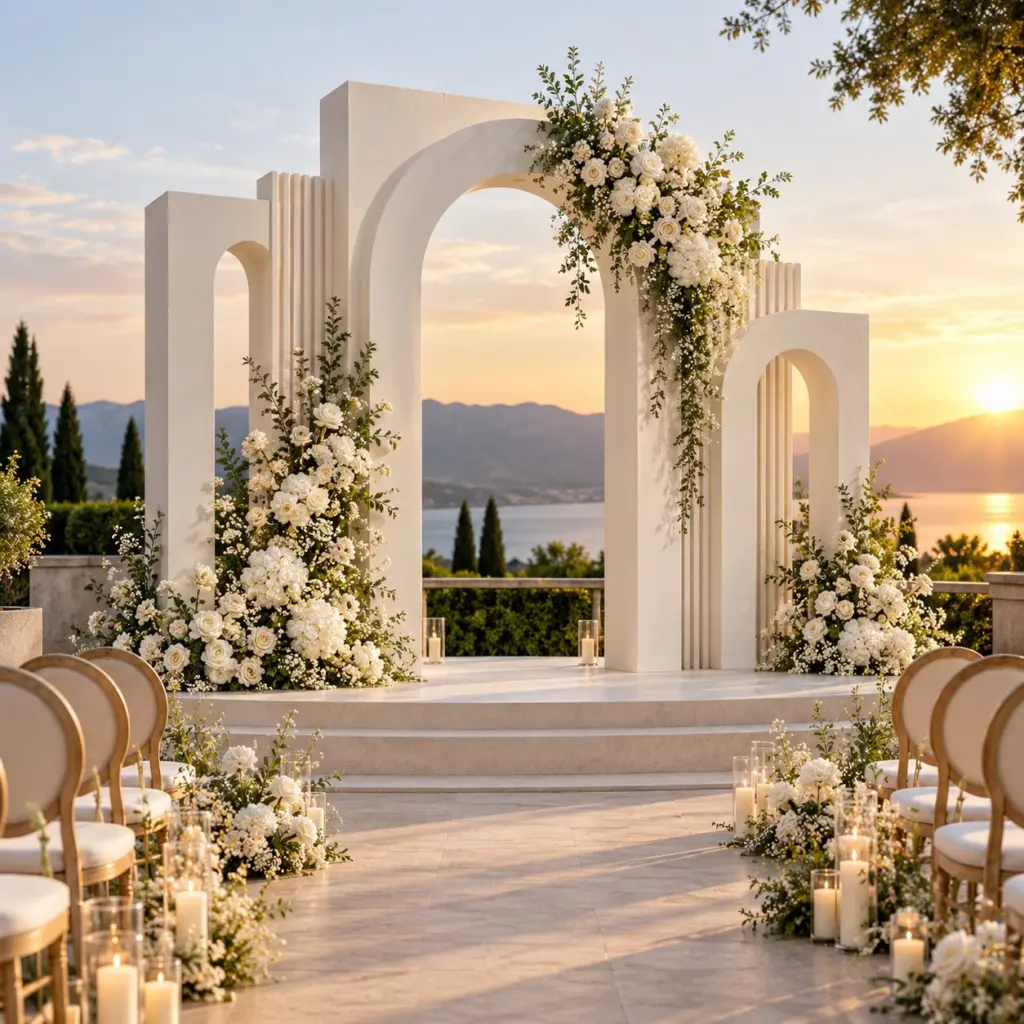
Wedding Arch Colonnades: Technical Fabrication for Luxury Ceremony Entrances, Aisle Architecture, and Event Spatial Design
See the results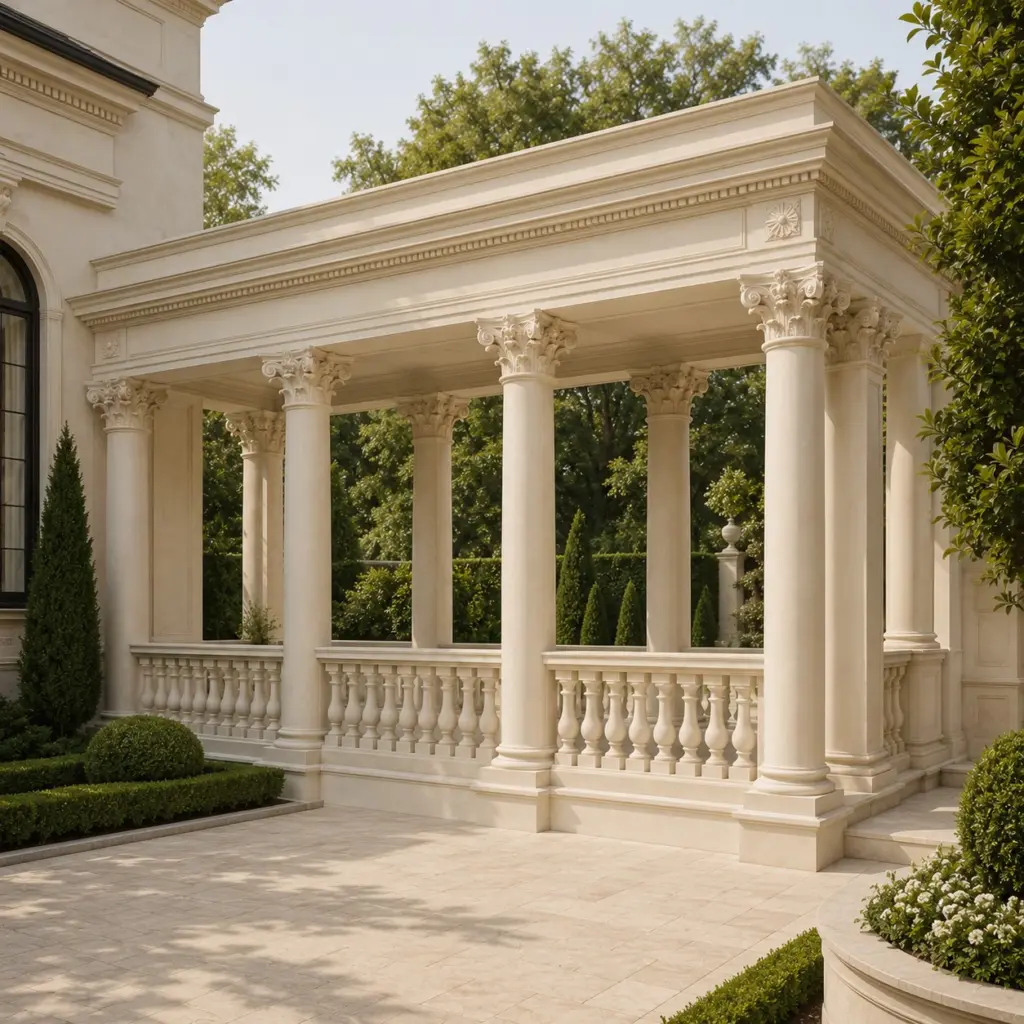
Architectural Shapes: Lightweight Custom Forms for Interiors, Exteriors, Homes, Buildings, and Branded Spaces
See the results
Foam Routed Signs: Precision-Cut Dimensional Signage for Lightweight, Custom, and Architectural Brand Environments
See the results
Foam Monument Signs: Lightweight Architectural Signage for Entrances, Campuses, Retail Plazas, and Brand Landmarks
See the results