Illuminated Letters: Technical Signage Systems for Visibility, Branding, and Nighttime Impact
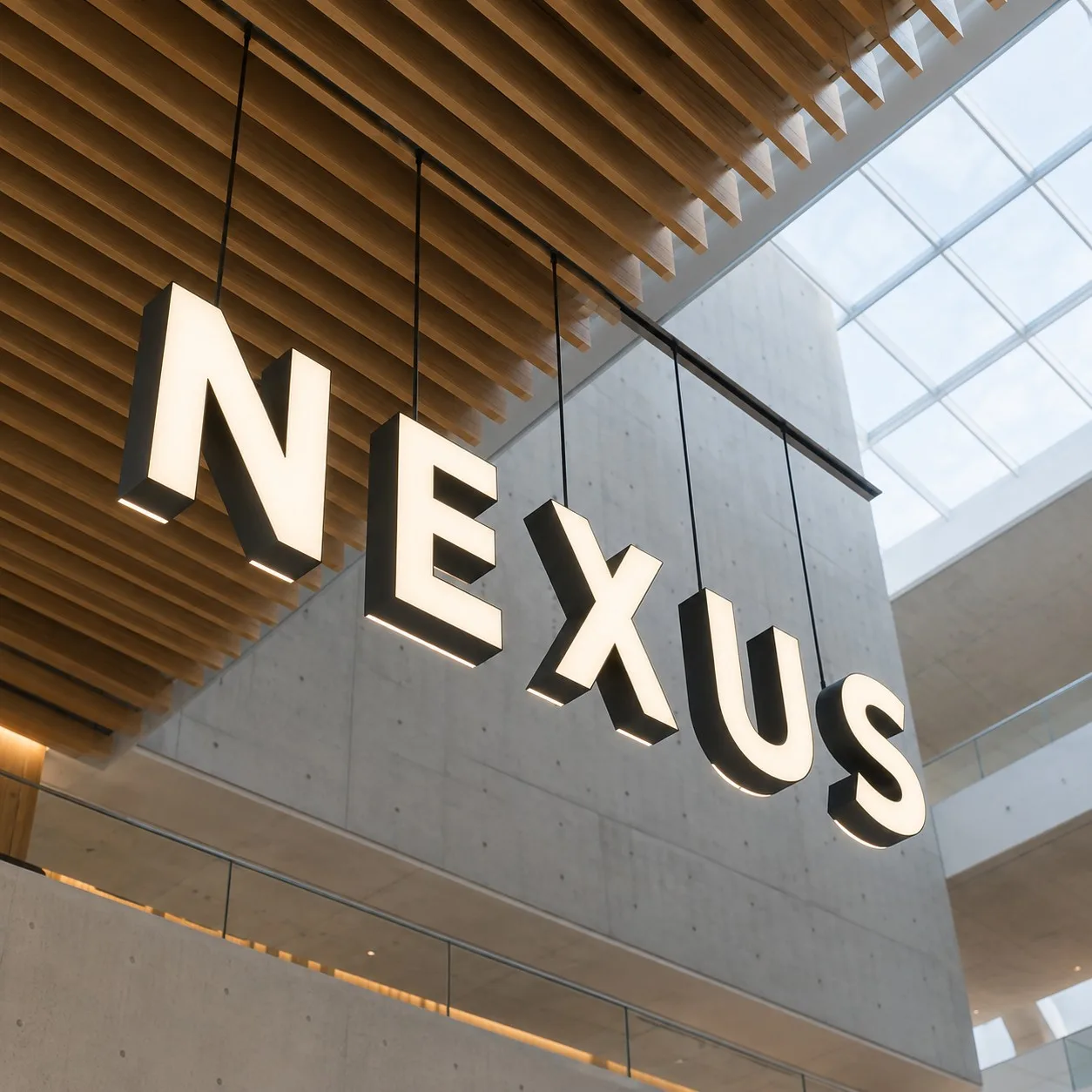
Illuminated Letters are not just signs with lights inside them. They are engineered visual systems that combine typography, materials, electrical design, light diffusion, mounting, weather protection, and brand presentation. Their main purpose is simple: to keep a brand visible when ordinary signage loses power — after dark, in low-light interiors, across busy retail environments, or inside visually crowded event spaces.
Royal Foam Art Design’s catalogue positions Illuminated Letters as custom front-lit and backlit signage that turns brand identity into a glowing statement. The catalogue highlights front-lit, backlit, edge-lit, and halo-lit options; long-lasting LED modules; energy-efficient performance; outdoor and indoor use; weather-resistant construction; sealed electrical components; waterproof housings; UV, rust, and corrosion protection; and installation-ready mounting options.
What Illuminated Letters Are Used For
Illuminated letters are especially useful where visibility directly affects perception, navigation, or customer attention. They work for storefronts, retail interiors, restaurants, hotels, bars, office lobbies, reception areas, trade shows, event spaces, birthday displays, branded activations, and architectural signage.
| Use case | Typical lighting style | Practical value |
|---|---|---|
| Storefront signage | front-lit or halo-lit letters | visibility from street or mall corridor |
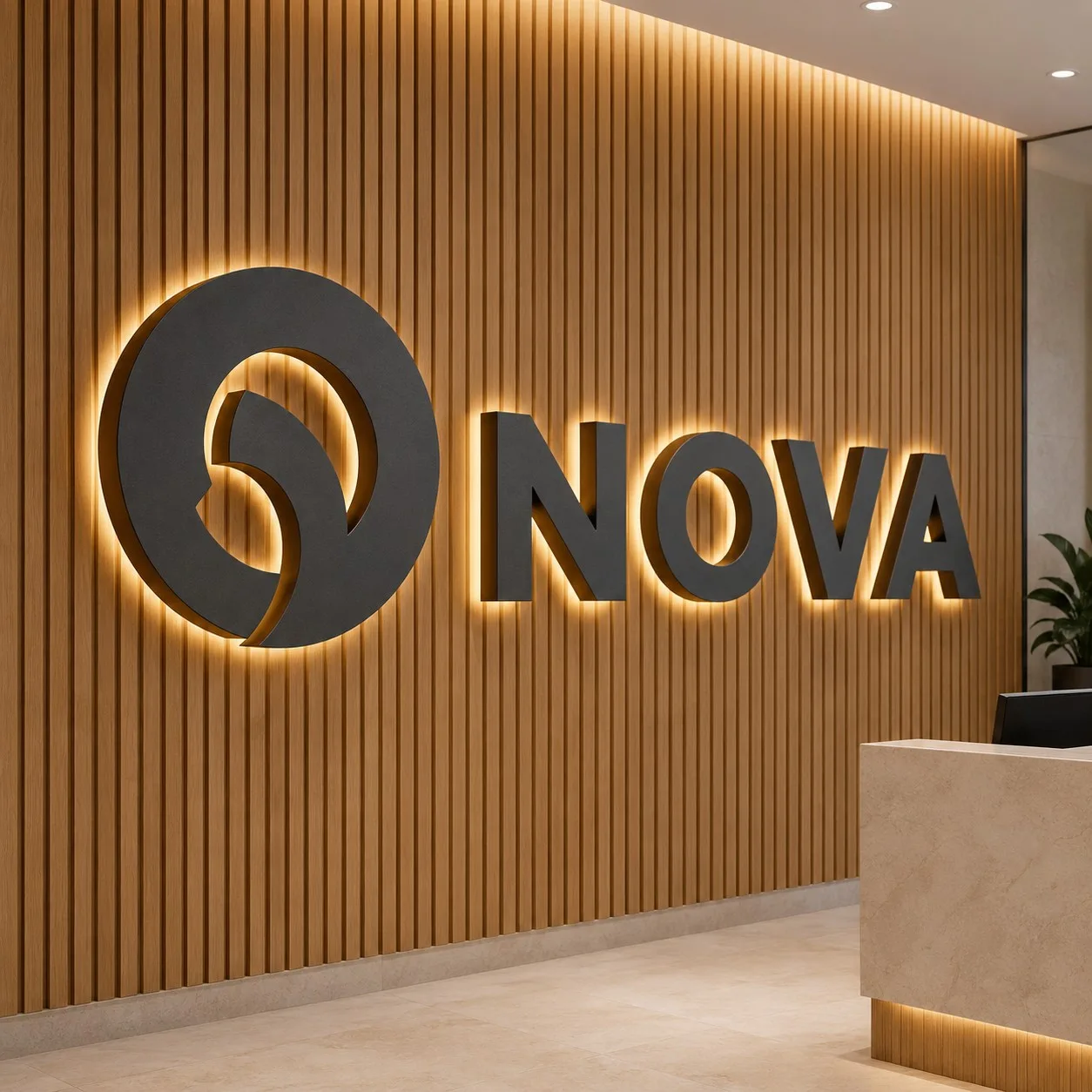
| Reception wall | halo-lit logo or edge-lit acrylic | premium first impression |
| Event display | marquee bulbs, RGB LEDs, glowing letters | photo moment and atmosphere |
| Restaurant / bar | warm front-lit or backlit letters | nighttime identity and mood |
| Trade show booth | LED logo wall or illuminated letters | aisle visibility and brand recall |
The core value is controlled attention. A non-lit sign depends on room light or daylight. An illuminated sign creates its own visibility and can remain readable in changing conditions.
Lighting Types and Design Logic
Illuminated letters are usually grouped by how light exits or surrounds the sign. Each method creates a different effect and requires different construction.
| Lighting type | How it works | Best use |
|---|---|---|
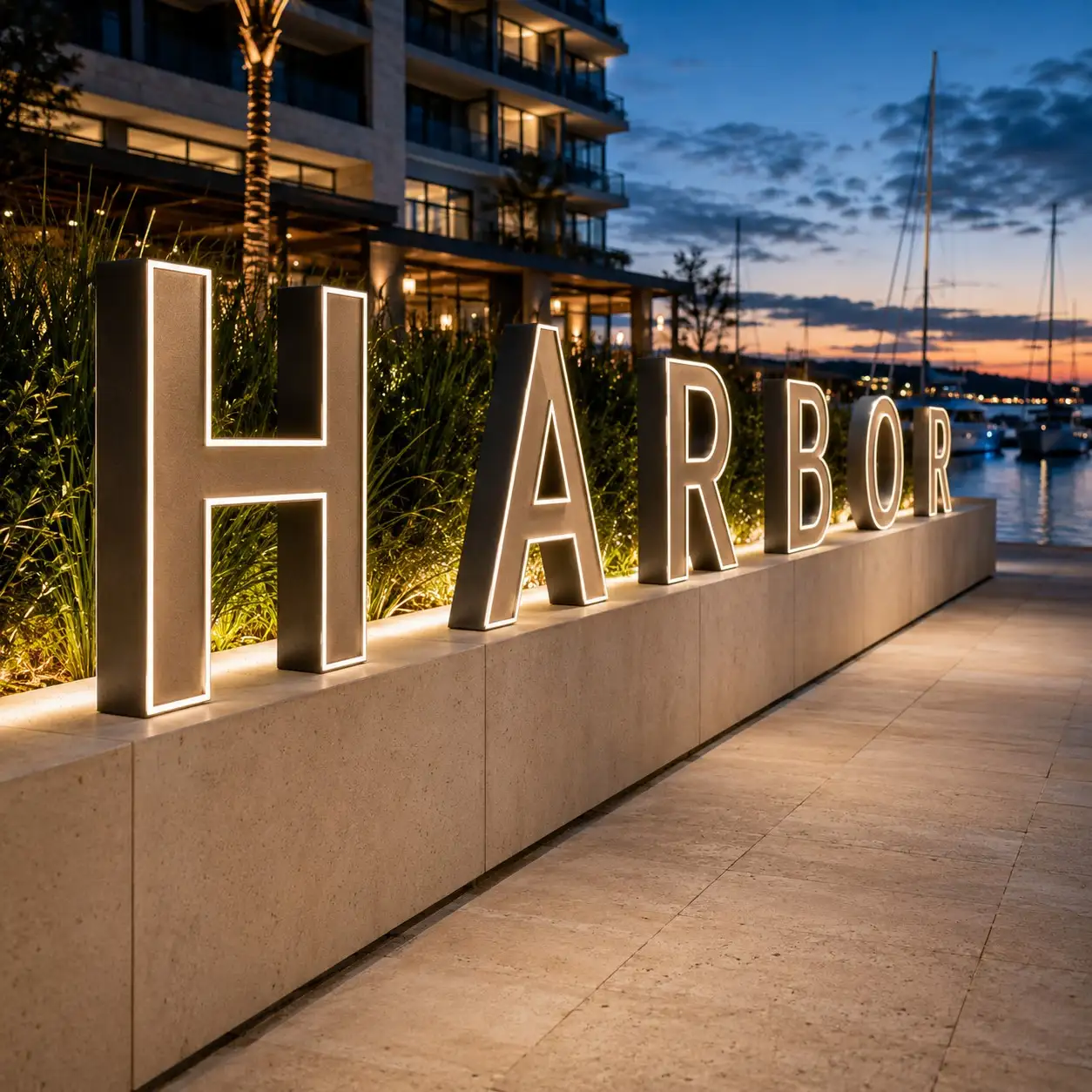
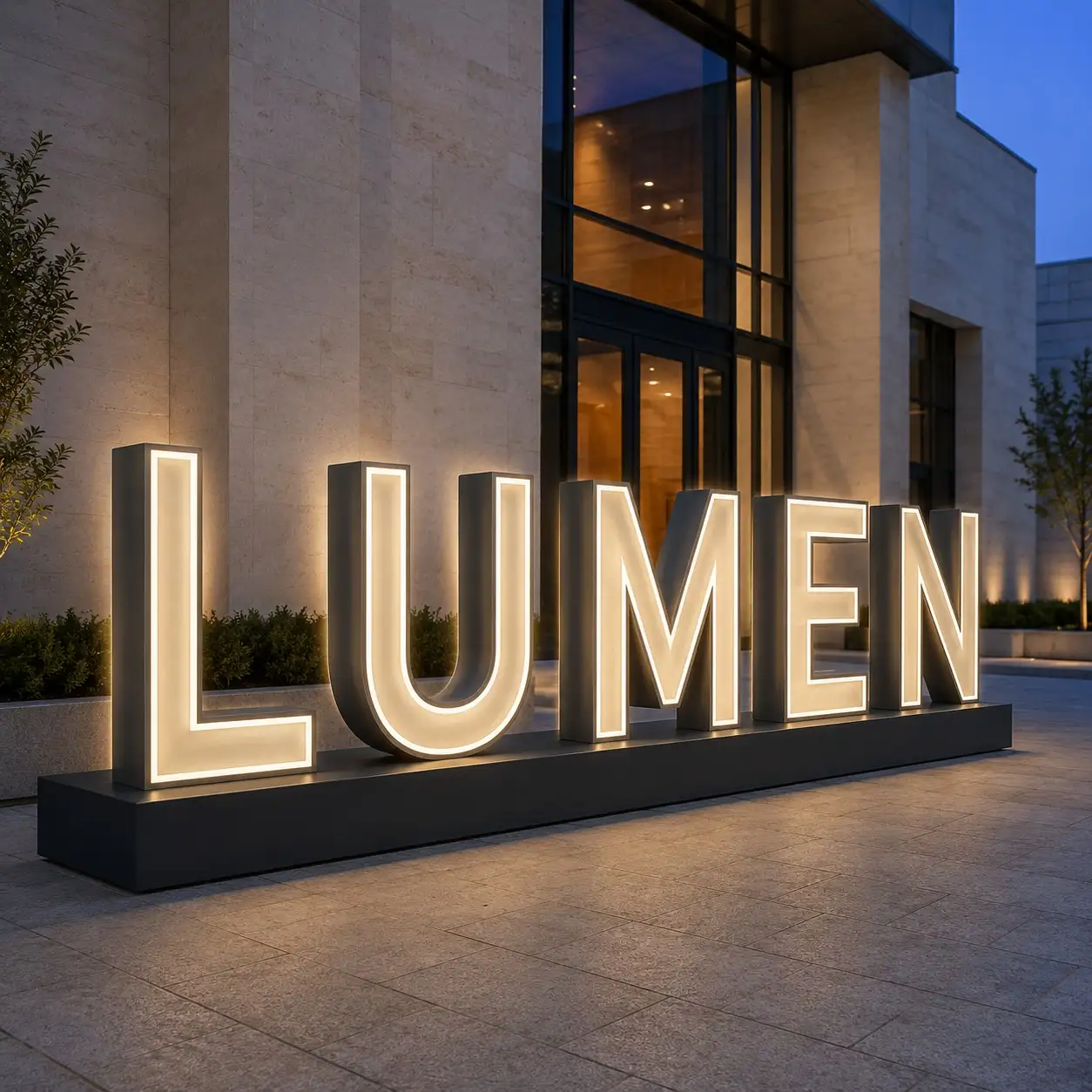
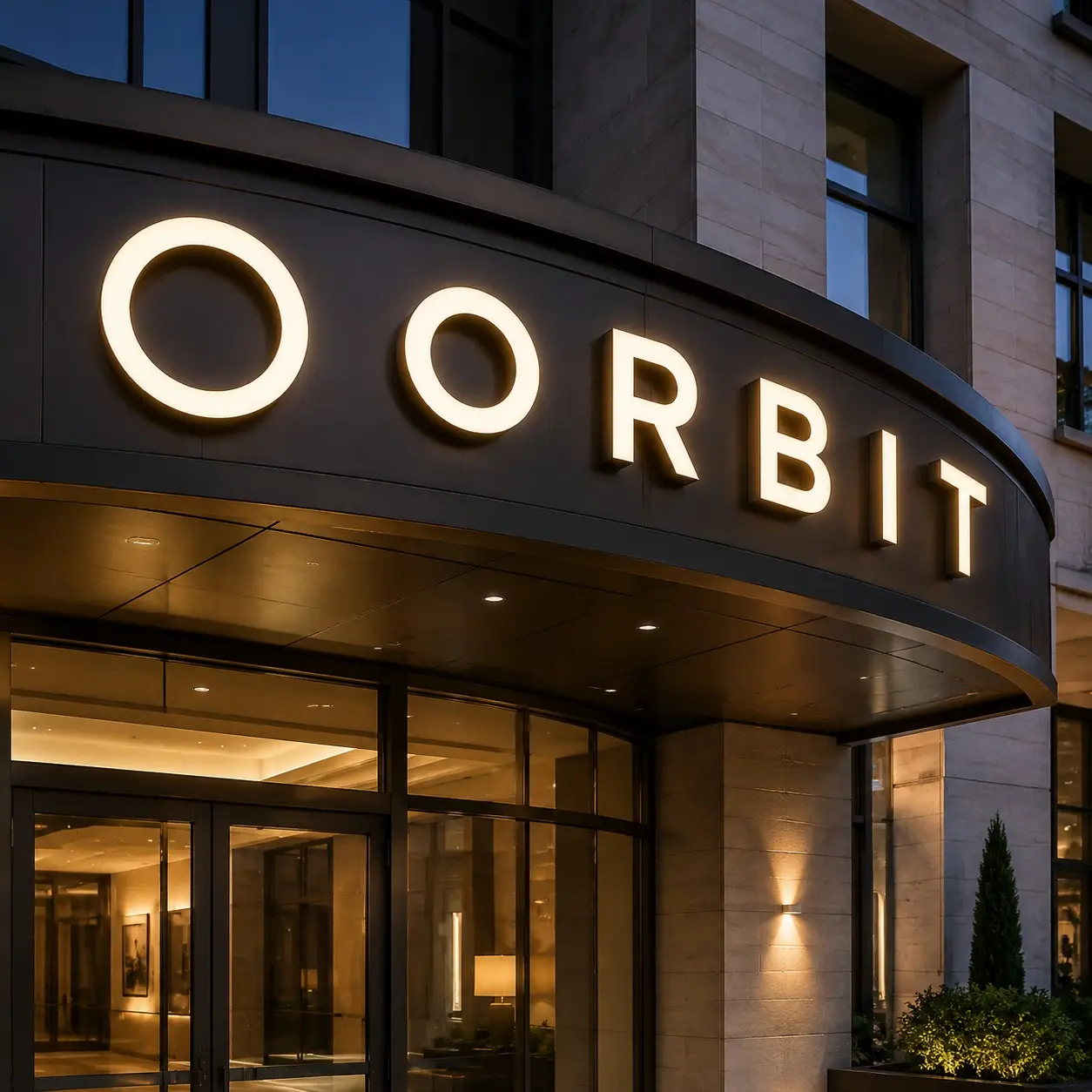
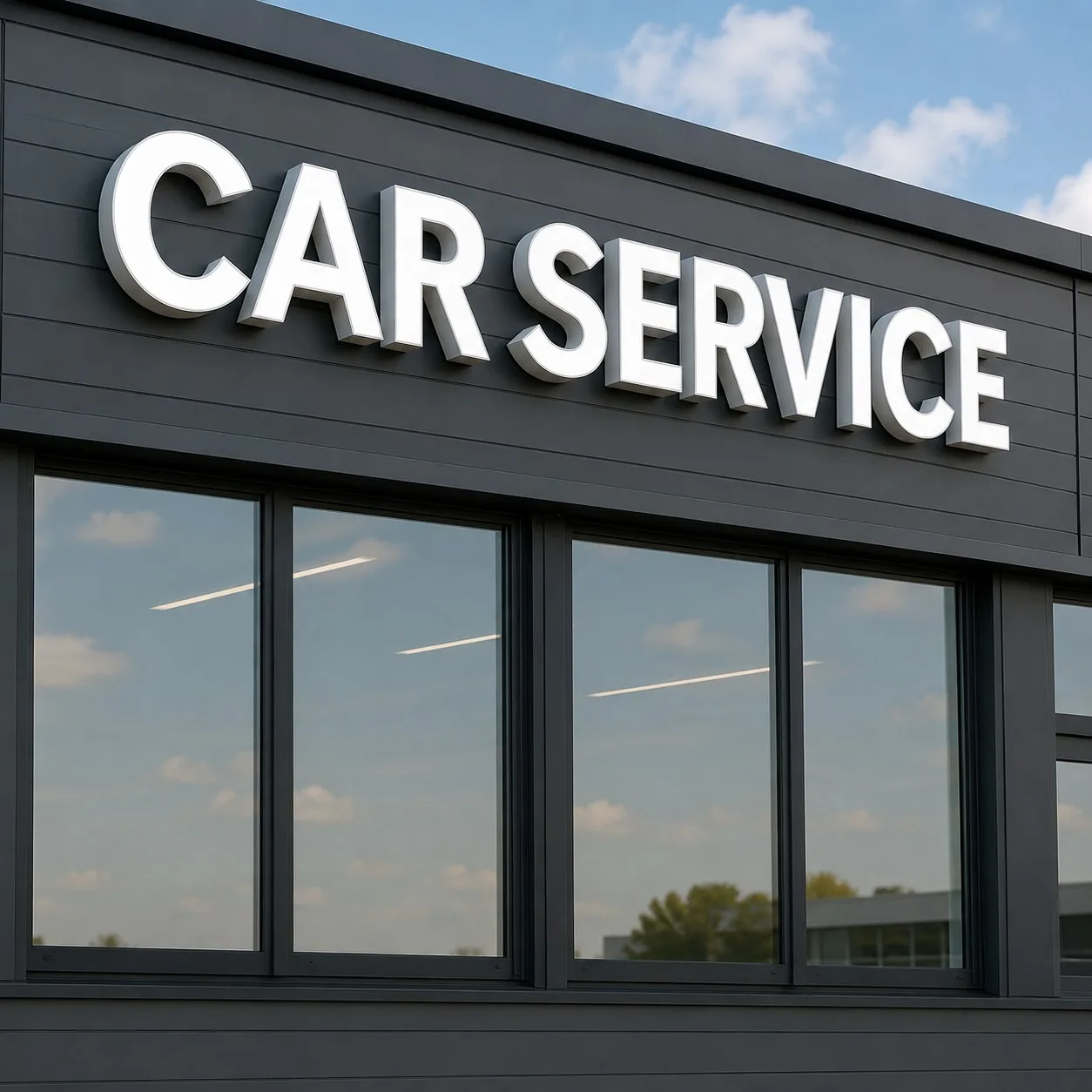
| Front-lit | LEDs illuminate through the face | storefronts, retail signs, high readability |
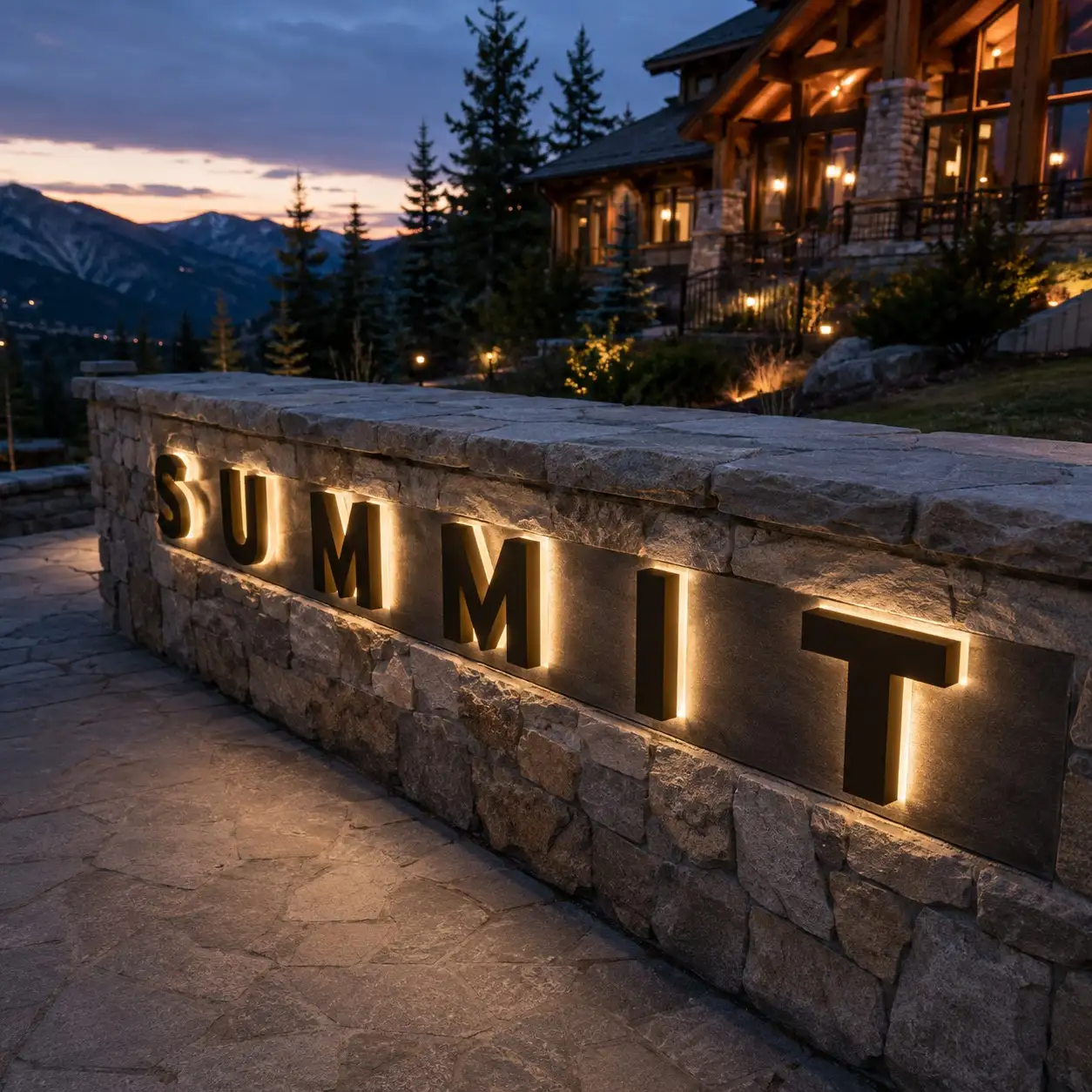
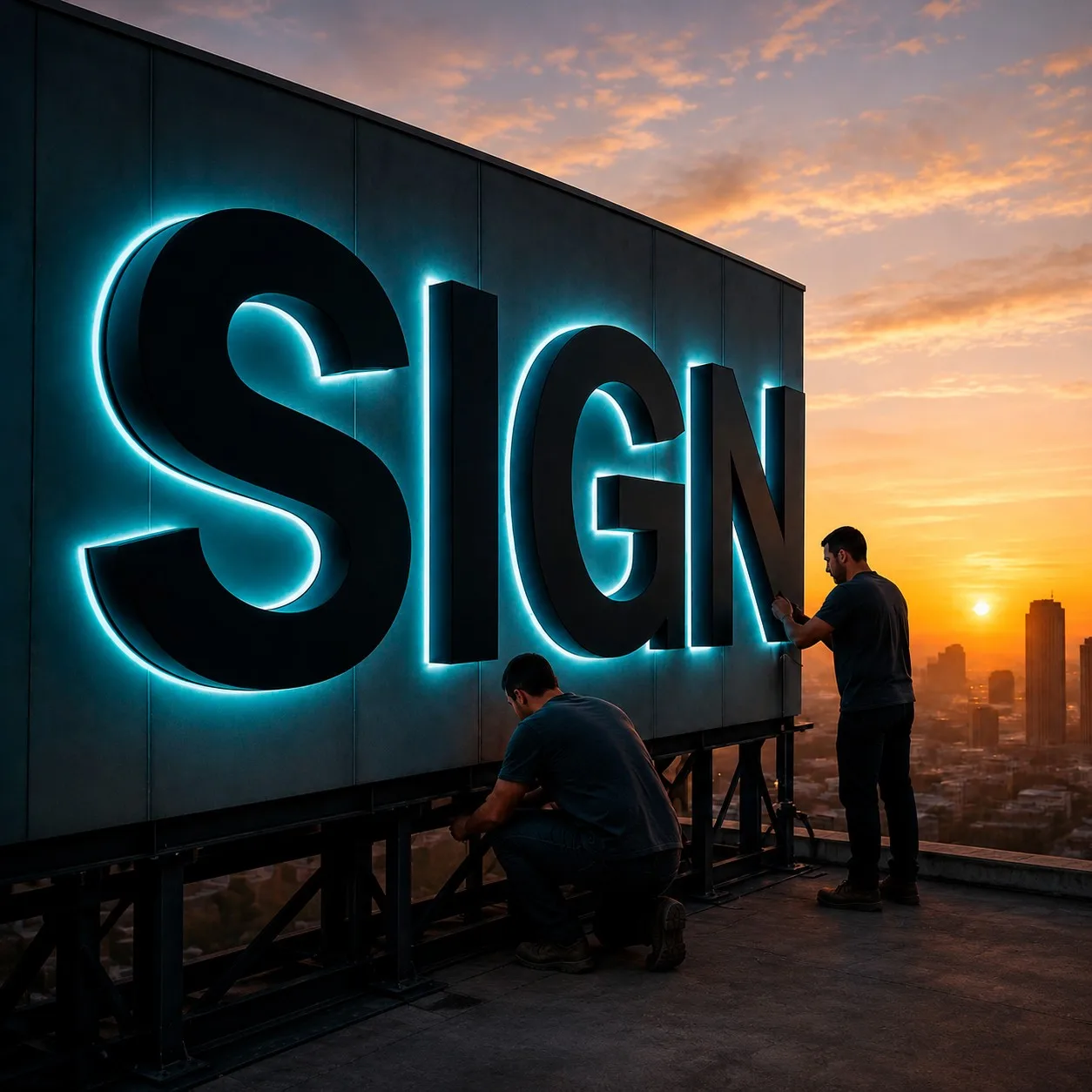
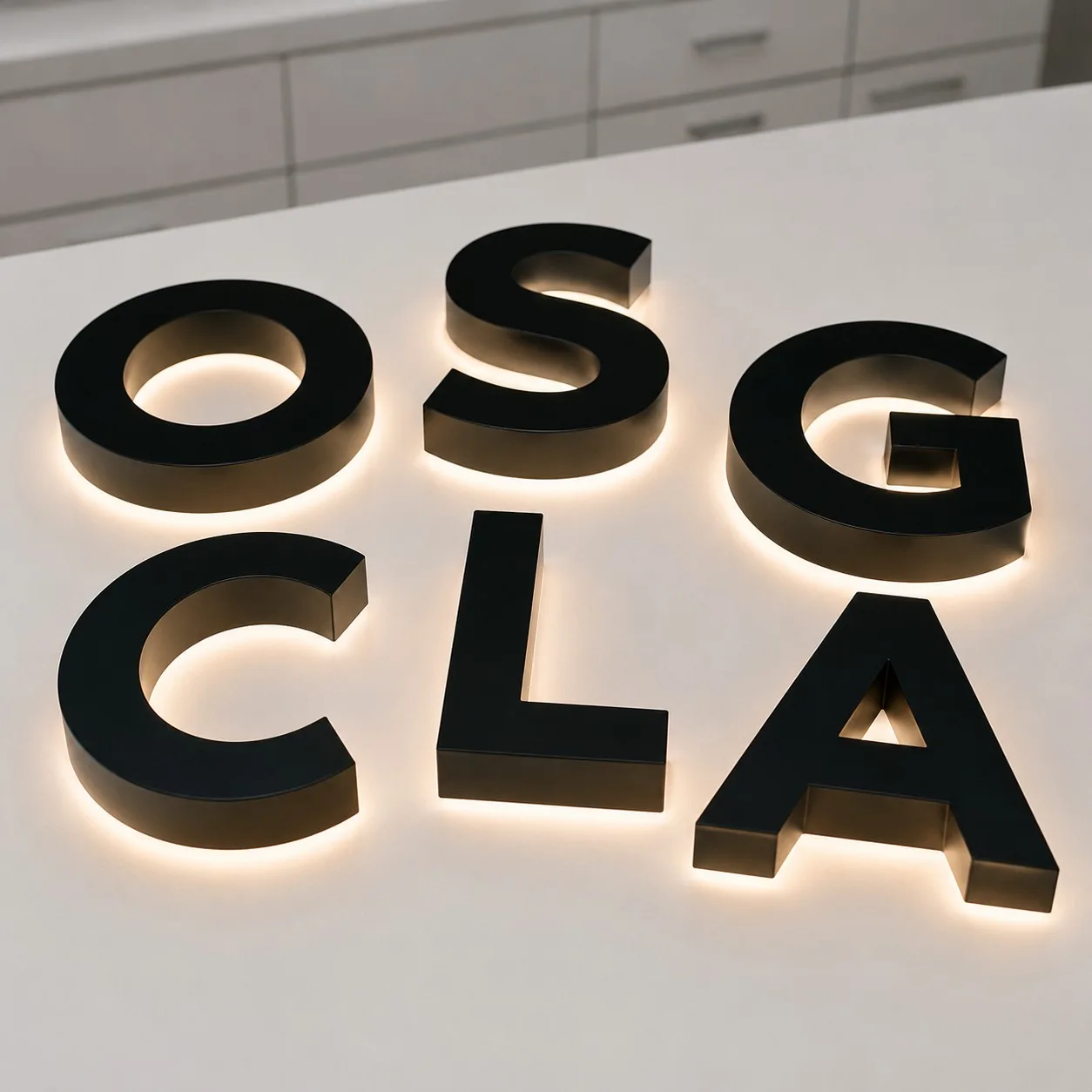
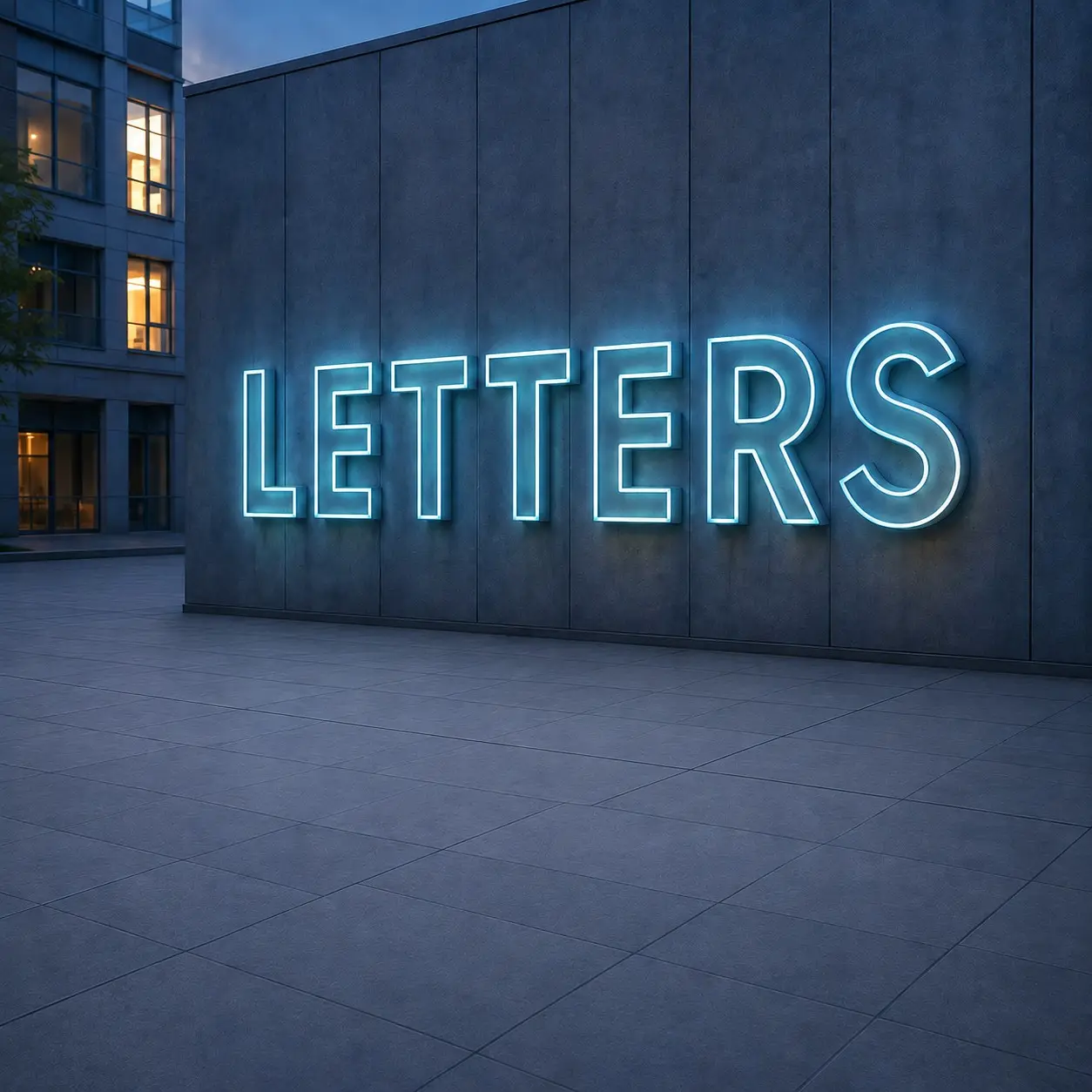
| Backlit / halo-lit | light glows from behind the letter | premium lobbies, restaurants, architectural walls |
| Edge-lit | light travels through acrylic edges | modern interiors, acrylic logos, tech/retail |
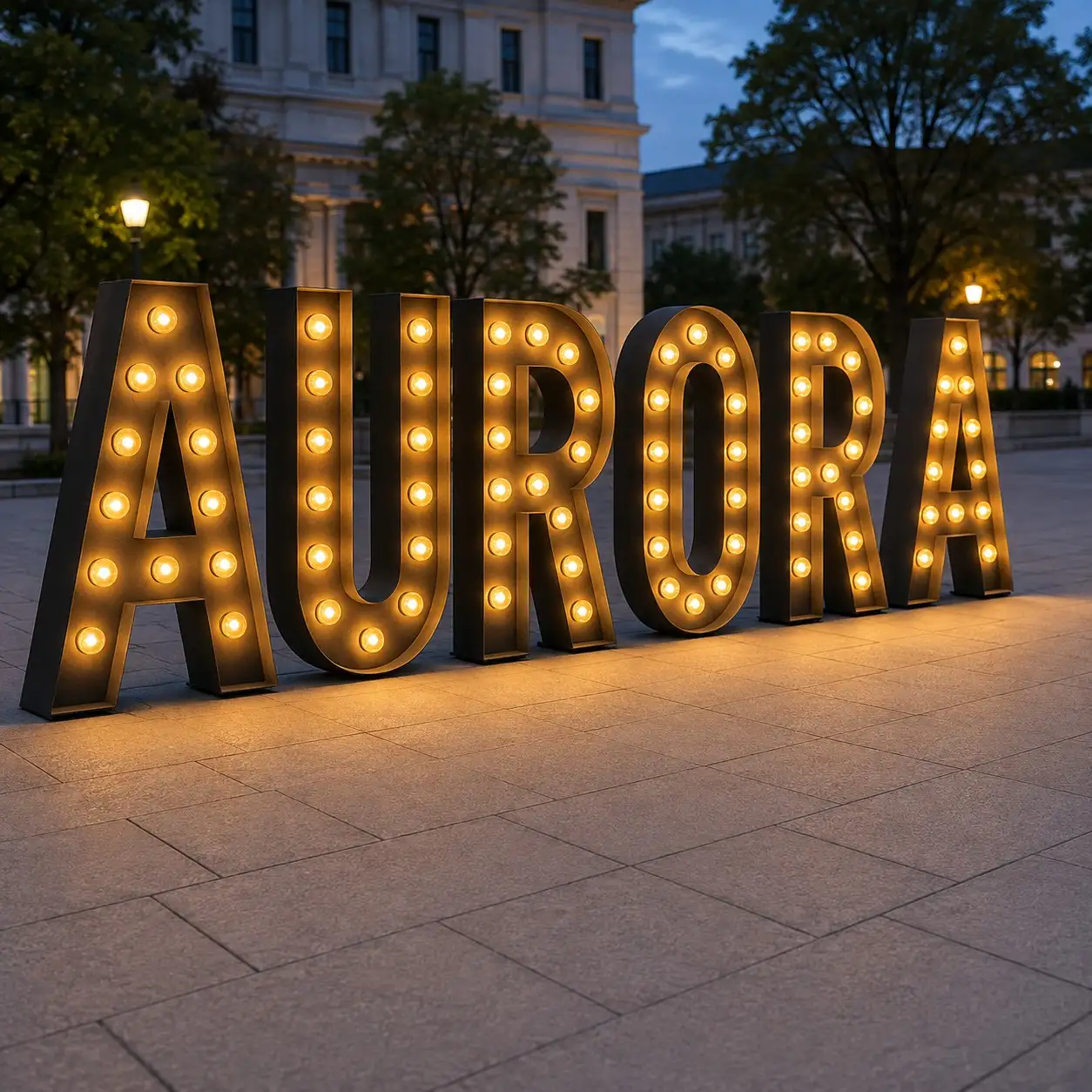
| Marquee bulb | exposed bulbs on letter face | events, birthdays, vintage or theatrical styling |
| RGB / programmable | color-changing LED system | activations, nightlife, brand campaigns |
Front-lit letters are usually the most readable because light comes through the face. Halo-lit letters feel more refined because the glow appears behind the letter and separates it from the wall. Edge-lit acrylic gives a modern glass-like effect. Marquee bulbs are less subtle but very effective for events and photo areas.
Materials, Letter Construction, and Electrical System
Illuminated letters can be built from acrylic, aluminum, PVC, foam with hard coat, ACM, translucent faces, LED modules, wiring channels, power supplies, diffusers, standoffs, and backer panels. Material choice depends on size, location, desired finish, serviceability, and whether the sign is temporary, permanent, indoor, or outdoor.
A typical front-lit letter may include an aluminum or PVC return, translucent acrylic face, internal LED modules, wiring, power supply, and mounting hardware. A halo-lit letter may use an opaque face with LEDs directed toward the wall. An edge-lit letter may use clear or frosted acrylic designed to transmit light through polished edges.
| Component | Technical role | Practical value |
|---|---|---|
| Acrylic face / diffuser | spreads light evenly | reduces hot spots and improves readability |
| LED modules / strips | light source | efficient brightness and long service life |
| Return / side wall | letter depth and structure | controls appearance, rigidity, and wiring space |
| Power supply | converts power for LEDs | stable performance and service access |
| Backer / standoff system | mounting and spacing | controls halo glow and installation accuracy |
LEDs are typically selected because they are efficient, compact, low-heat, and long-lasting. Many commercial LED modules are rated for tens of thousands of hours, but real performance depends on heat management, power quality, waterproofing, service access, and environmental exposure.
Size, Depth, Brightness, and Readability
Illuminated letters must be designed for viewing distance. A sign that looks bright up close may become unreadable from across a street or convention hall if letter height, stroke width, contrast, and brightness are not balanced.
For interior wall signs, letter depths around 1–3 in may be enough for halo-lit or edge-lit effects. For larger storefront-style letters, 3–6 in returns are common to provide internal LED space and light diffusion distance. Large architectural signs may require deeper construction, stronger frames, and more deliberate heat and wiring management.
Brightness should be strong enough to read, but not so strong that it causes glare or eye fatigue. In hospitality, warm white lighting around 2700–3000K usually feels premium and comfortable. In corporate, healthcare, retail, or technology environments, 3500–4000K often feels cleaner and more neutral. RGB lighting can support brand color or event atmosphere, but legibility should remain the main priority.
Indoor, Outdoor, and Event Conditions
Indoor illuminated letters prioritize finish quality, glare control, wiring concealment, and integration with the interior. Outdoor illuminated letters require weather-resistant construction, sealed electrical components, drainage planning, UV-resistant finishes, corrosion-resistant hardware, and stronger mounting.
| Environment | Main risk | Recommended strategy |
|---|---|---|
| Indoor lobby | glare, visible wiring, uneven glow | hidden wiring, dimming, clean mounting |
| Retail / mall | high visual competition | strong contrast and consistent brightness |
| Outdoor storefront | rain, UV, temperature, corrosion | sealed components, rated LEDs, weatherproof housings |
| Event space | fast setup, transport damage | modular wiring, lightweight build, protective cases |
| Hospitality / restaurant | atmosphere and comfort | warmer color temperature and soft halo light |
Outdoor signage must be treated as an electrical and environmental system, not just a decorative object. Water intrusion, condensation, heat buildup, corrosion, and maintenance access must be solved before installation.
Comparison With Non-Illuminated Signage
Illuminated Letters should not be compared with standard signage only by price. The real comparison is about visibility hours, viewing conditions, brand perception, maintenance, installation complexity, and long-term value. Non-illuminated letters can work very well when the space is already well lit, the sign is viewed mostly during business hours, or the project requires a simple, cost-controlled solution. Illuminated letters become the stronger choice when visibility must remain high at night, in dim interiors, in busy event environments, or in retail and hospitality spaces where atmosphere matters.
| Signage type | Strengths | Limitations | Best use |
|---|---|---|---|
| Illuminated letters | visible after dark, premium visual effect, strong photo value, better attention control | higher cost, electrical planning, service access, possible glare or hot spots if poorly designed | storefronts, lobbies, restaurants, hotels, events, retail feature walls |
| PVC letters | lightweight, affordable, crisp, fast to install, good for repeat rollouts | depends fully on ambient light, less premium than acrylic or metal, limited nighttime impact | office walls, retail interiors, directional signs, multi-location indoor branding |
| Acrylic letters | polished, glass-like, modern, excellent for edge-lit or halo-lit effects | scratches more easily, can crack under stress, higher cost than PVC | premium interiors, reception logos, illuminated signs, retail and hospitality branding |
| Metal letters | durable, prestigious, strong architectural identity | heavy, expensive, slower fabrication, lighting usually requires separate integration | permanent architectural signage, luxury offices, exterior plaques, high-end façades |
| Foam letters | large scale, lightweight, sculptural, cost-effective for oversized forms | requires coating, less precise for thin flat-cut signage, usually needs external lighting unless hybrid-built | events, oversized logos, stage branding, temporary activations |
| Printed graphics / vinyl | low cost, fast, easy to replace, good for temporary campaigns | flat appearance, lower perceived value, weak dimensional presence, limited premium effect | short-term promotions, wall graphics, temporary event branding |
The key advantage of illuminated signage is that it creates its own visibility. A PVC or metal sign may look strong during the day but become passive after dark unless external lighting is added. Illuminated letters solve that problem directly by integrating the light source into the sign system. This makes them especially valuable for businesses that operate in evening hours, venues that depend on atmosphere, and brands that want strong camera presence.
However, illumination also adds responsibility. LED spacing, diffuser quality, power supply access, waterproofing, heat management, color temperature, and mounting depth all affect the final result. A poorly built illuminated sign can look worse than a simple non-lit sign if it has hot spots, uneven glow, exposed wiring, or uncomfortable glare. That is why illuminated letters should be treated as a combined signage-and-lighting system, not just as letters with LEDs added inside.
Buyer Logic and Risk Control
The economic buyer wants a sign that works beyond business hours and improves visibility. The brand manager wants consistent color, brightness, and professional appearance. The designer wants lighting that supports the space, not overwhelms it. The installer wants templates, safe wiring, mounting clarity, and access for maintenance. The facility manager wants reliable components and simple service.
Common mistakes include uneven LED spacing, visible hot spots, wrong color temperature, no dimming control, exposed wiring, inaccessible power supplies, weak waterproofing, poor heat management, glare-heavy acrylic faces, under-sized returns, and mounting the sign too close to a textured wall for a clean halo effect.
Expert Takeaway
Illuminated Letters work best when treated as engineered brand-lighting systems. The sign must be designed around the viewer, the environment, the wall surface, the electrical system, and the desired brand mood. The strongest projects combine accurate typography, correct letter depth, LED planning, diffusion control, finish selection, weather protection, safe mounting, and service access.
When done correctly, illuminated letters do more than show a name. They create visibility, atmosphere, recognition, and memory. They allow a brand to remain present after dark, stand out in competitive spaces, and convert signage from a passive label into an active visual beacon.
Recommended Articles
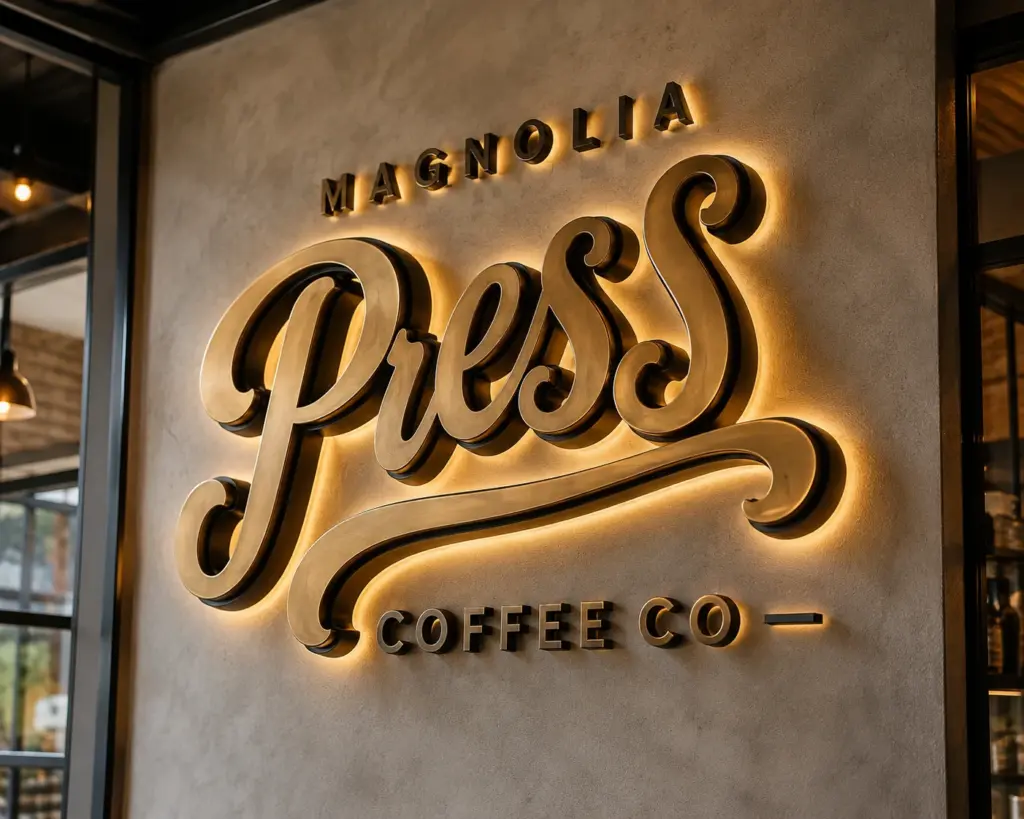
Outdoor LED Signs: Custom Illuminated Foam and HDU Signage for Storefronts, Hotels, Restaurants, and Monument Entrances
See the results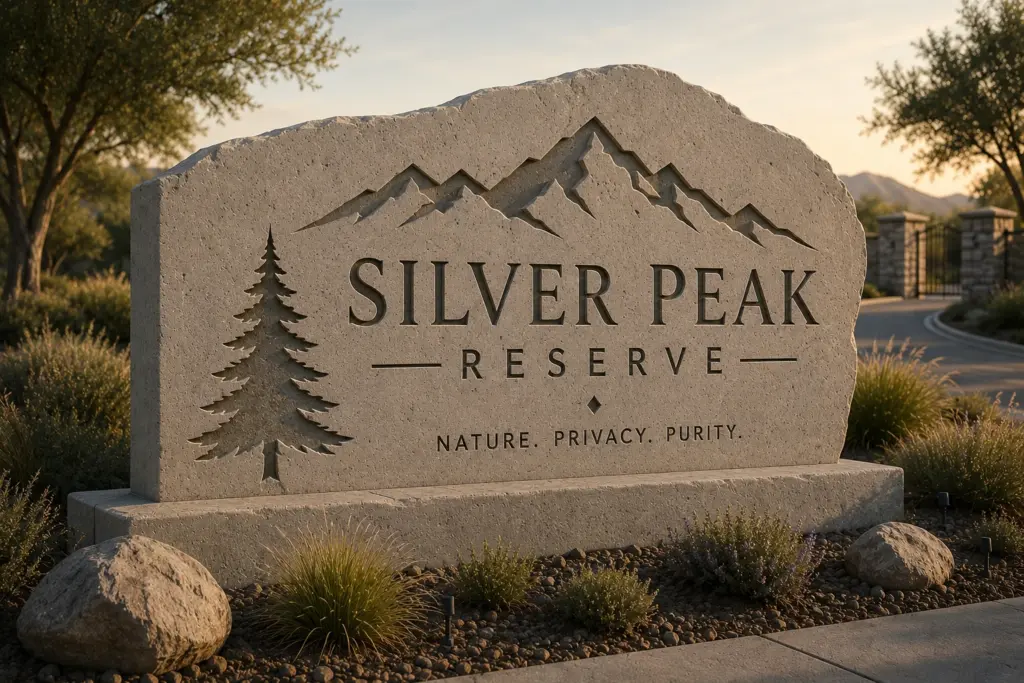
Molds for Cast Stone Signs: Master Patterns, Mold Fabrication, and Lightweight Stone-Look Monument Signage for Communities, Resorts, and Estates
See the results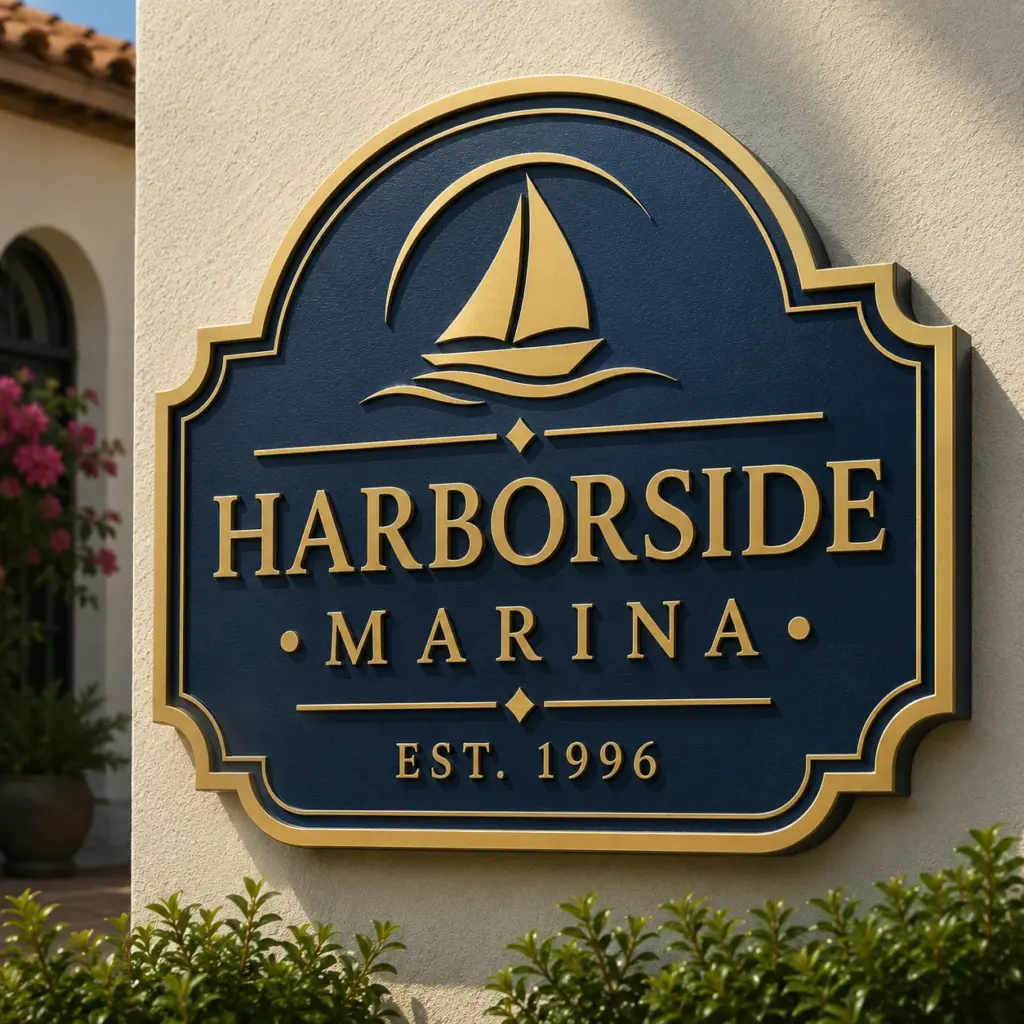
Sandblasted & V-Carved Signs: Lightweight HDU and Foam Dimensional Signage for Resorts, Clubs, Restaurants, and Private Estates
See the results
Industrial 3D Printing for Large-Scale Custom Fabrication: From Digital Model to Production-Ready Parts
See the results
Designs for Places of Worship: Lightweight Architectural Elements for Sacred, Community, and Prayer Spaces
See the results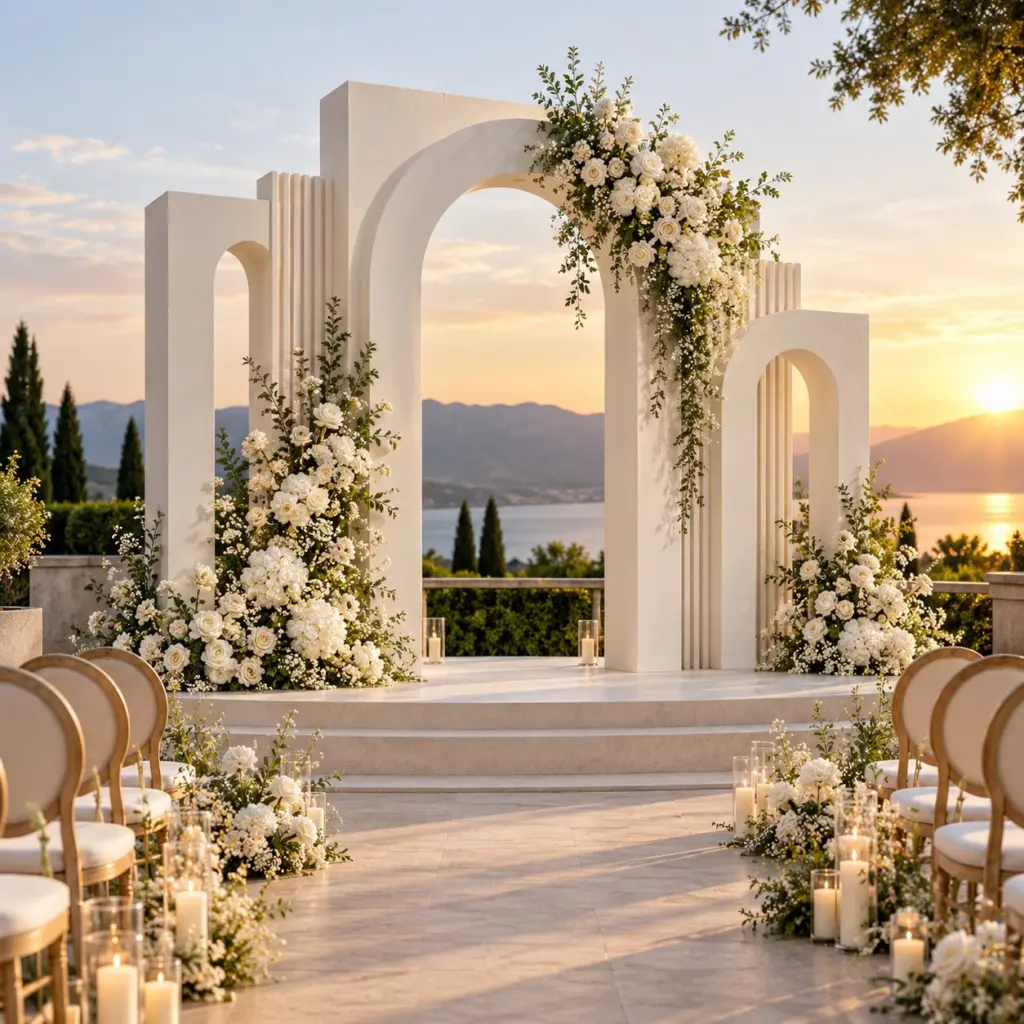
Wedding Arch Colonnades: Technical Fabrication for Luxury Ceremony Entrances, Aisle Architecture, and Event Spatial Design
See the results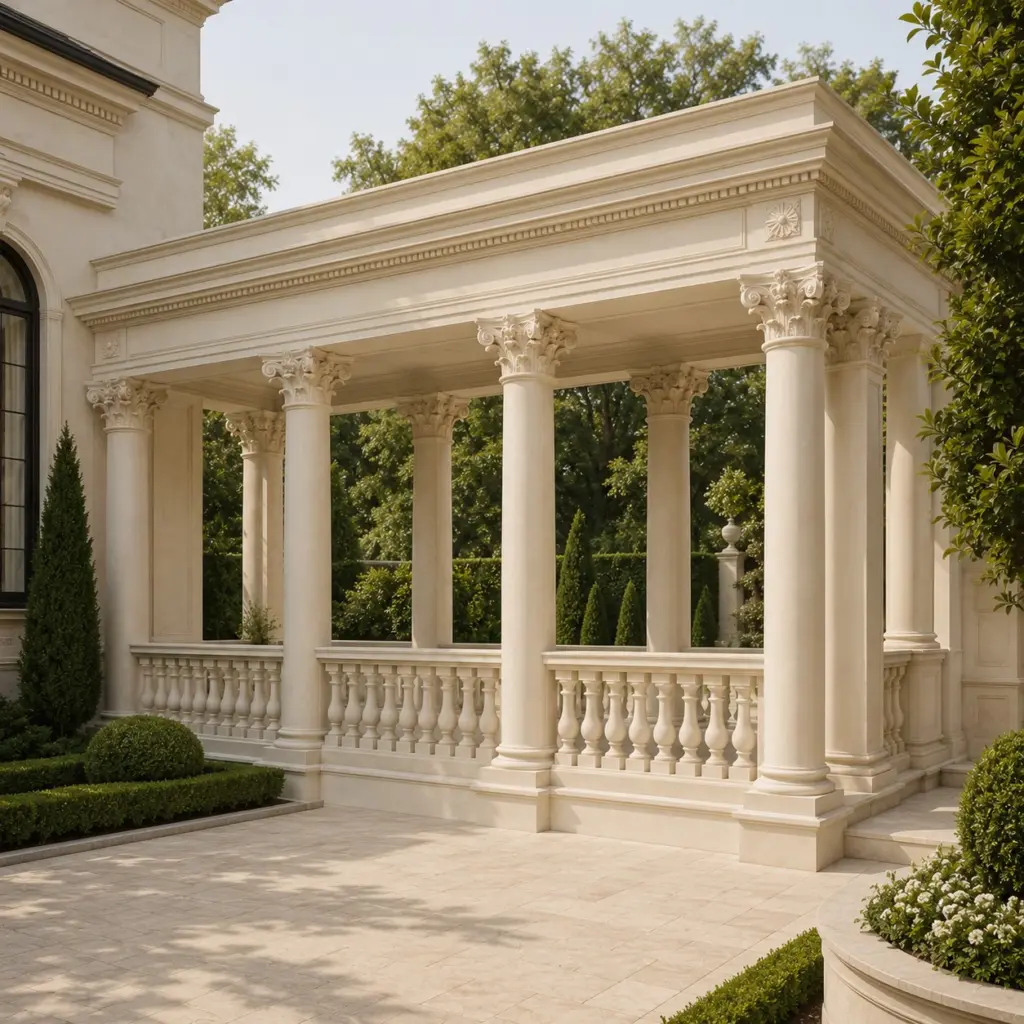
Architectural Shapes: Lightweight Custom Forms for Interiors, Exteriors, Homes, Buildings, and Branded Spaces
See the results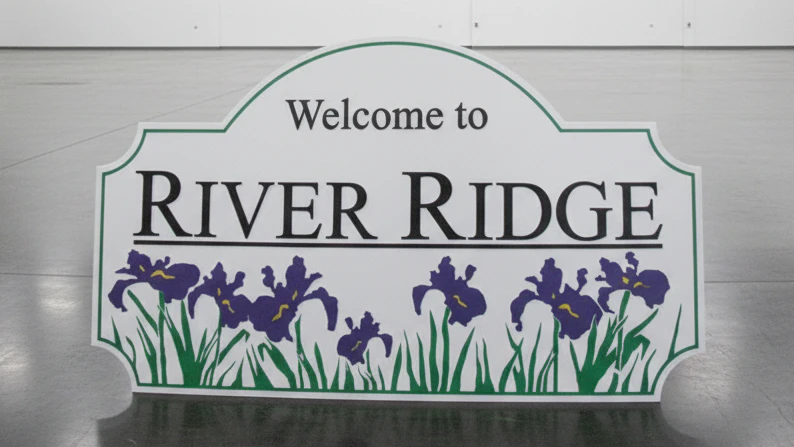
Foam Routed Signs: Precision-Cut Dimensional Signage for Lightweight, Custom, and Architectural Brand Environments
See the results
Foam Monument Signs: Lightweight Architectural Signage for Entrances, Campuses, Retail Plazas, and Brand Landmarks
See the results