

PVC Letters & Logos: Precision-Cut Signage for Durable, Lightweight, and Scalable Brand Applications
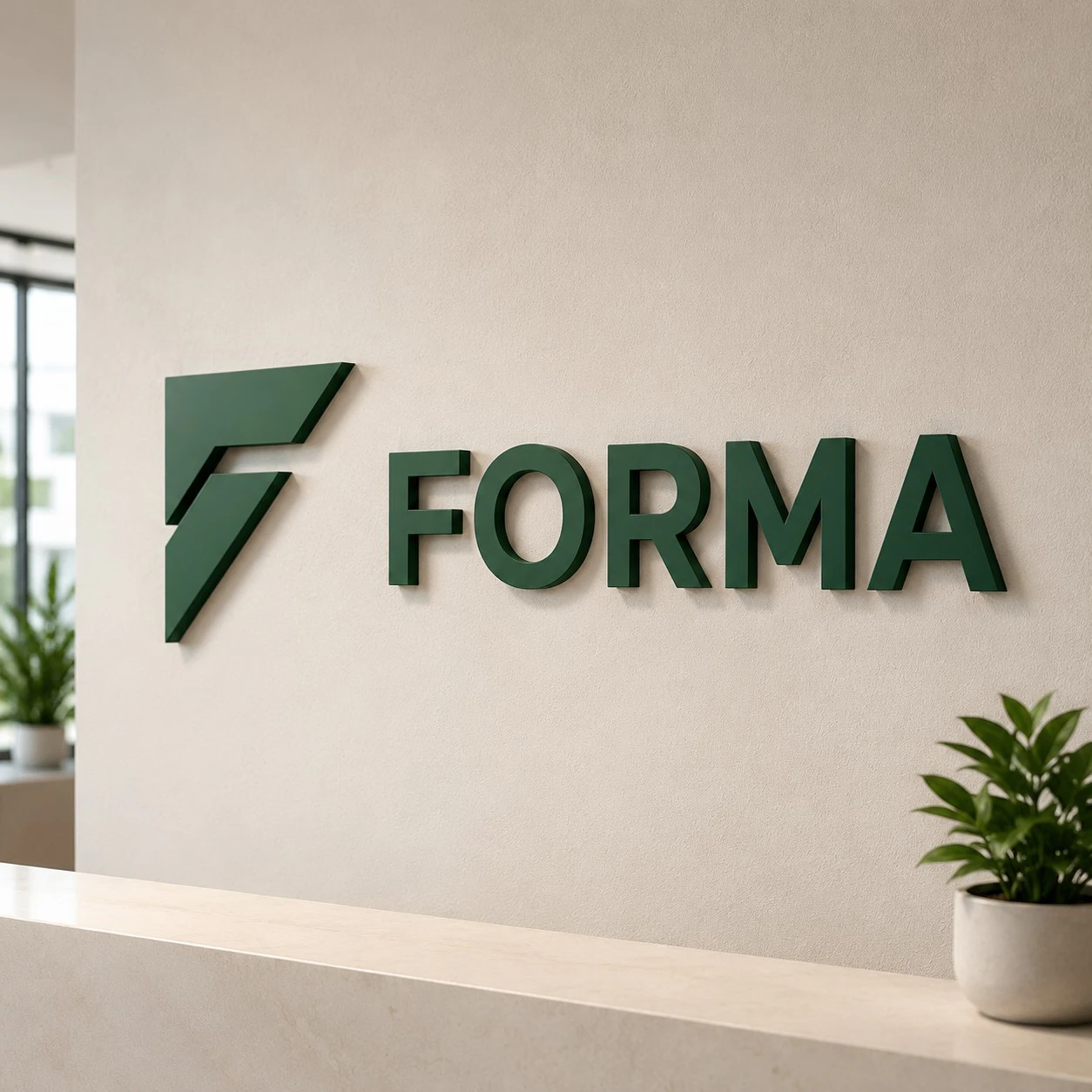
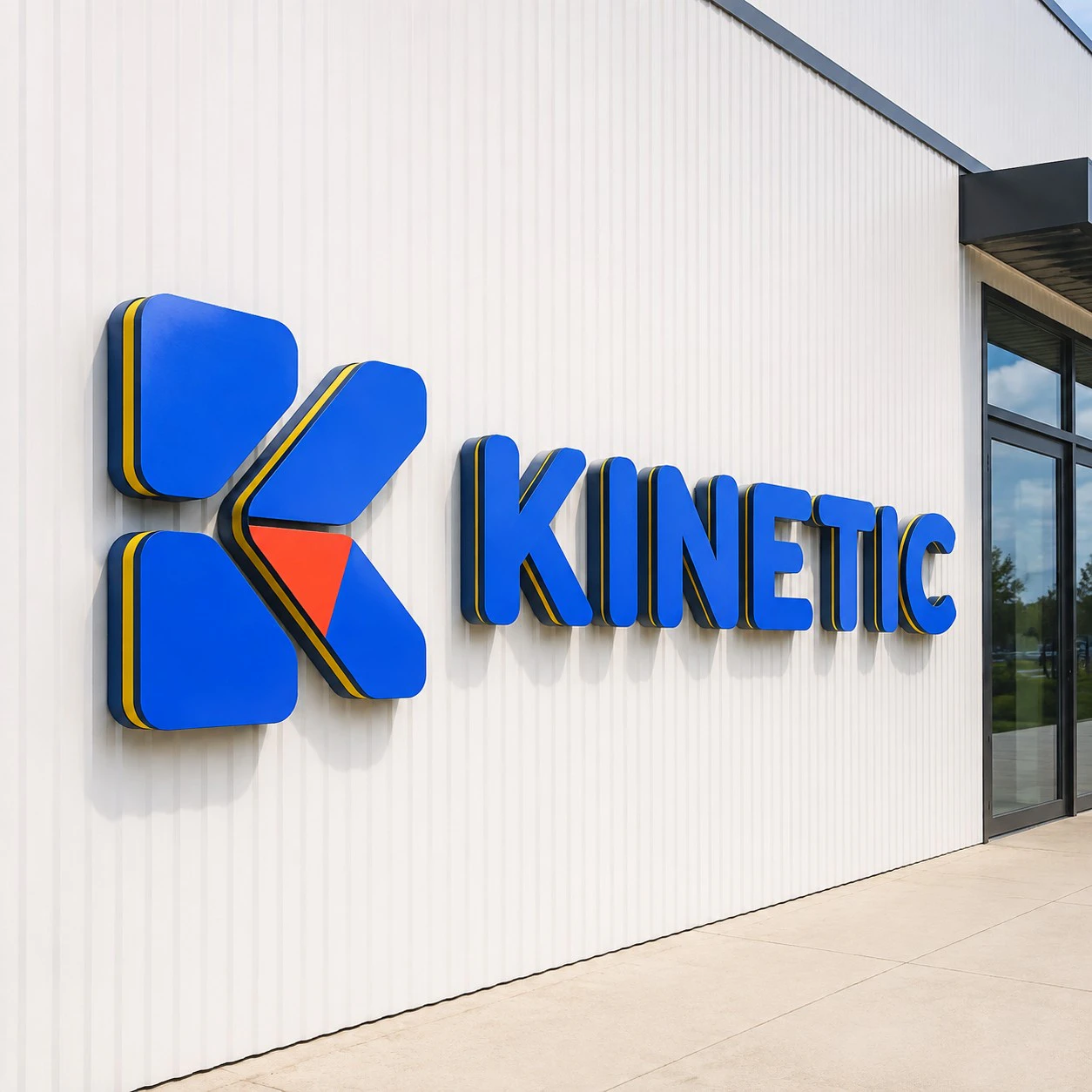
PVC Letters & Logos occupy an important middle ground between temporary foam décor and heavy permanent architectural signage. They are rigid, clean, lightweight, cost-effective, and visually precise. For offices, retail interiors, exhibitions, showrooms, point-of-purchase displays, hospitality spaces, event backdrops, and multi-location brand rollouts, PVC signage offers a professional look without the weight, cost, and installation complexity of metal, acrylic, or millwork.
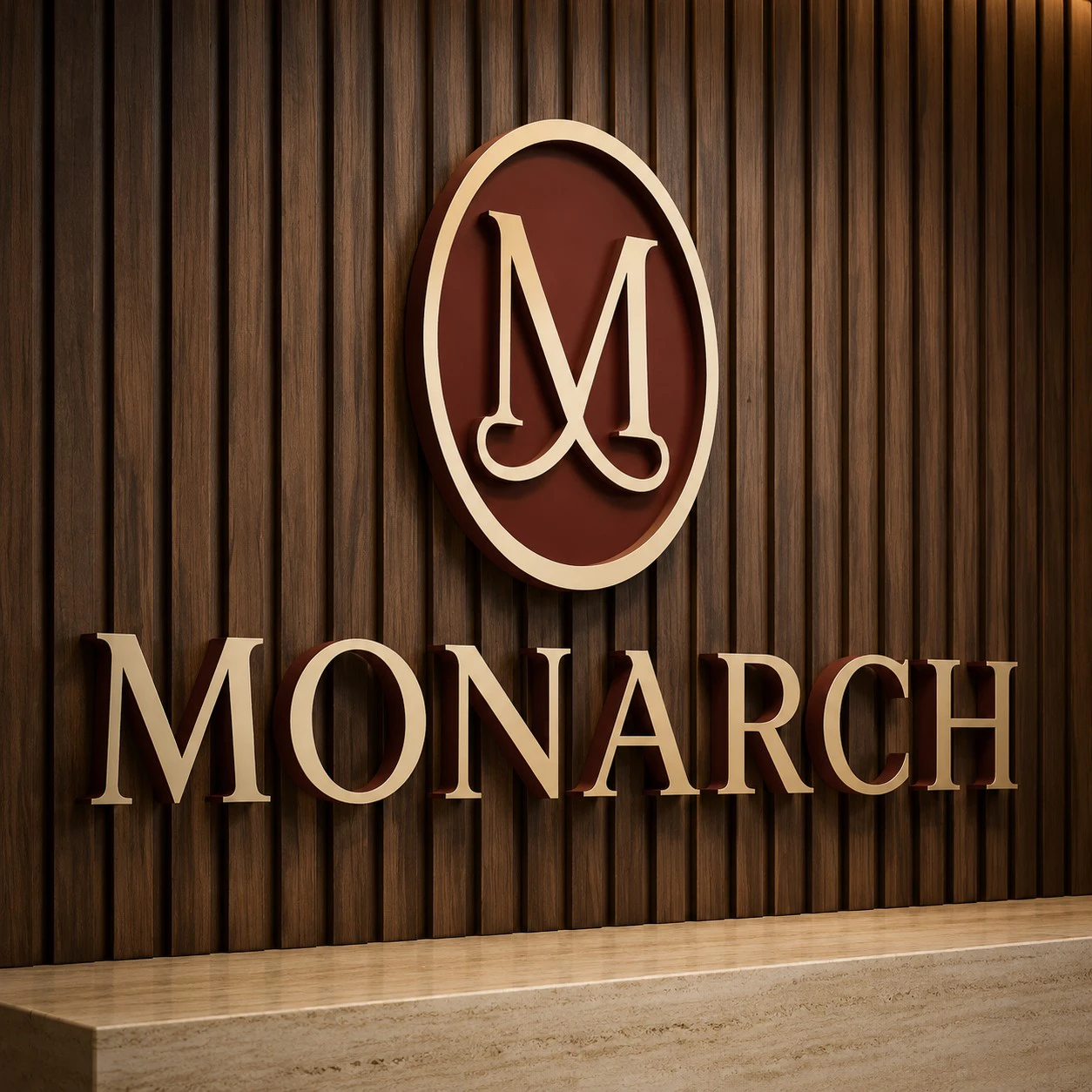
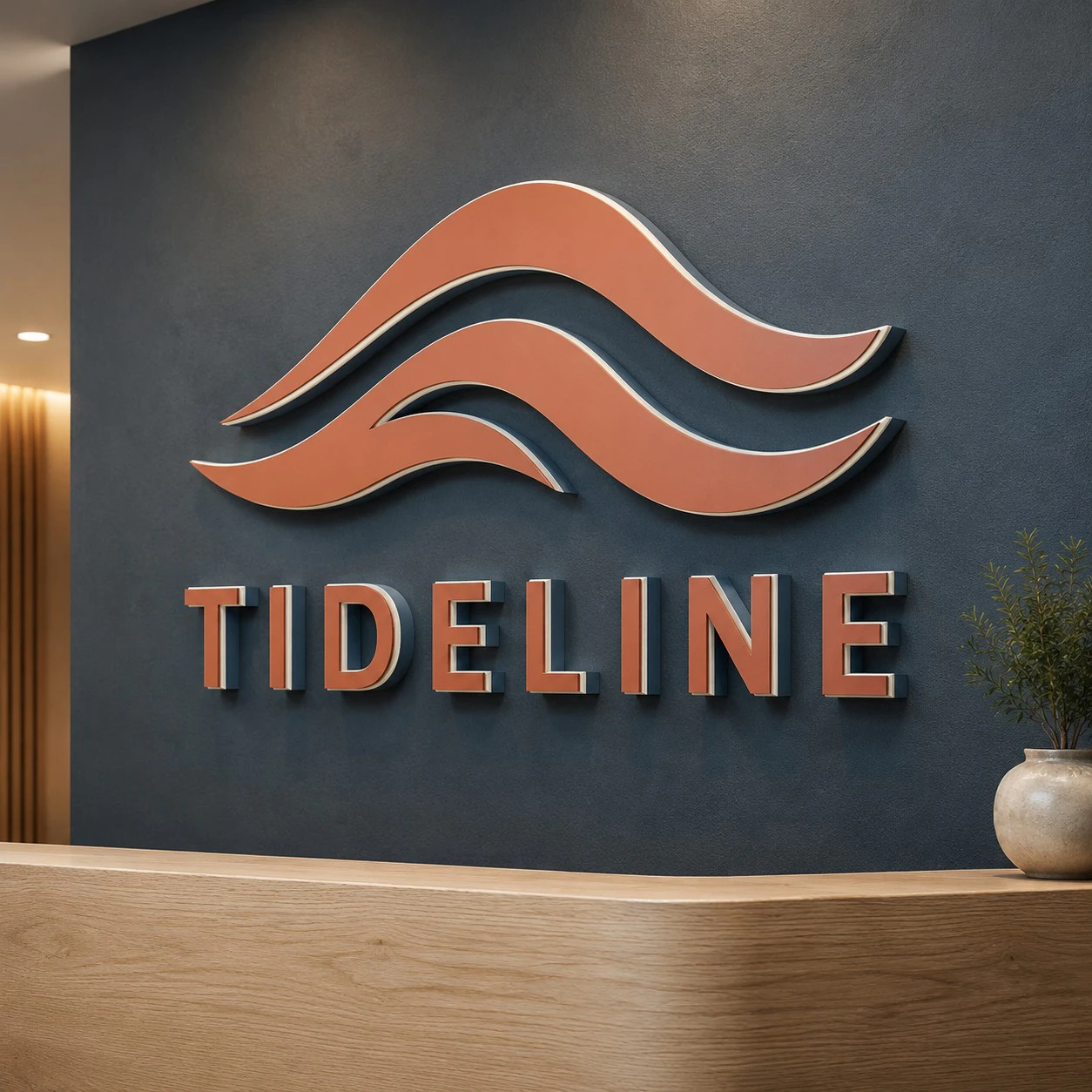
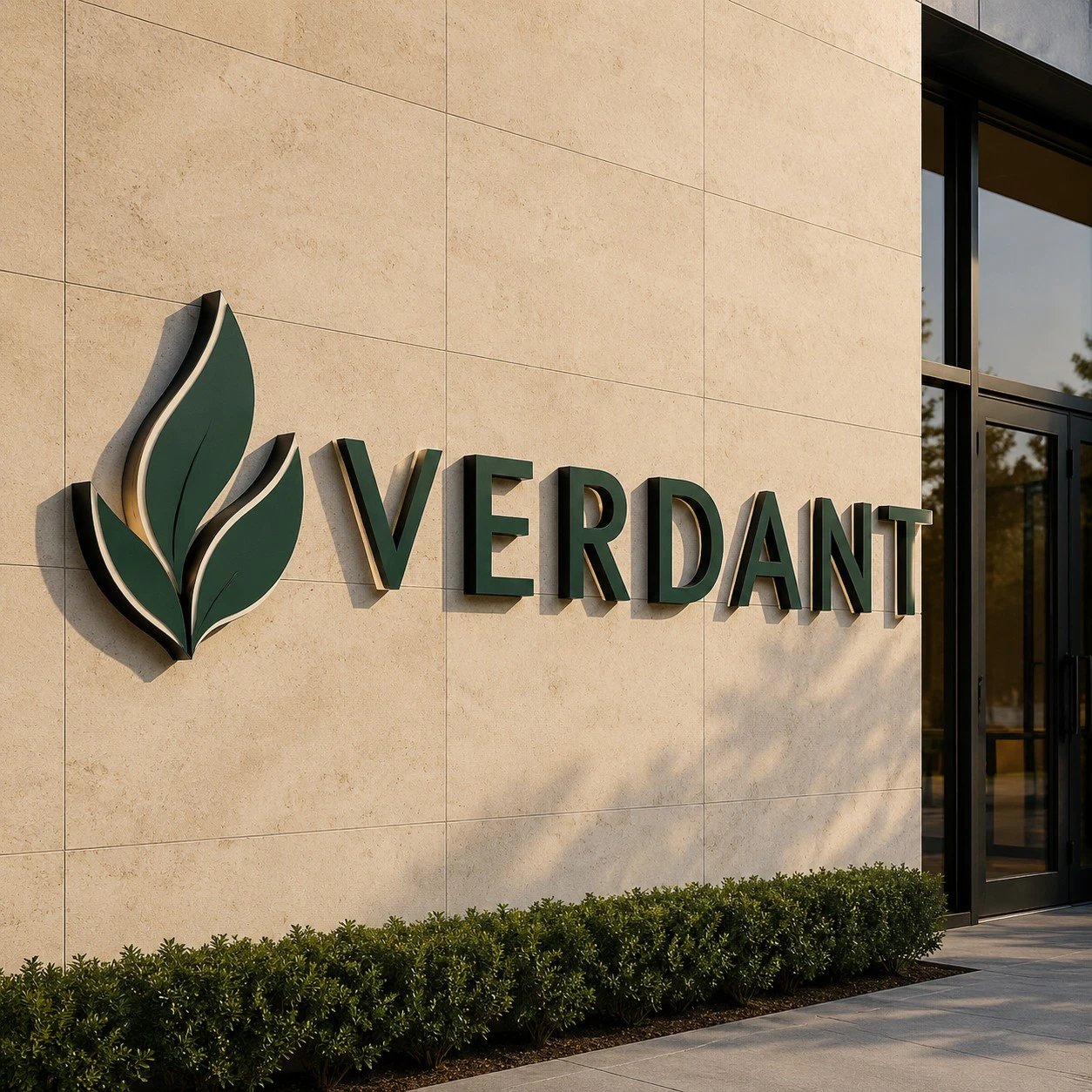
Royal Foam Art Design’s catalogue positions PVC Letters & Logos as a practical signage solution for indoor branding. The catalogue highlights CNC-cut precision, sharp edges, smooth uniform paint-ready surfaces, custom fonts, intricate logo shapes, thickness options from approximately ¼ in to 1½ in, brand color matching, metallic finishes, mounting templates, hardware, and fast installation on many surfaces.
What PVC Letters & Logos Are Used For
PVC letters and logos are especially useful when the project needs clean dimensional branding without excessive depth or structural load. They work well for reception walls, office corridors, retail feature walls, trade show displays, temporary activations, directional signage, branded photo areas, gallery labels, sponsor walls, and coordinated signage programs across multiple locations.
| Use case | Typical format | Practical value |
|---|---|---|
| Office lobby | dimensional logo or wall letters | professional brand presence |
| Retail interior | campaign wordmark or zone signage | clean product-area identification |
| Exhibition booth | lightweight dimensional signage | fast setup and freight efficiency |
| POP display | small logo, product name, graphic layer | crisp branding at close distance |
| Multi-location rollout | repeatable logo set | consistent quality and scalable execution |
PVC is best when the sign must look polished, stay lightweight, and install quickly. It is not usually chosen for extreme sculptural volume; that is where EPS foam, HDU foam, or hybrid scenic builds may be better. PVC’s strength is precision and consistency.
Material Characteristics and Fabrication Engineering
Material Characteristics and Thickness Logic
PVC signage typically uses rigid expanded PVC sheet or similar PVC board material. Closed-cell PVC foamboard is widely used for signs and displays because it is a lightweight rigid material with low moisture absorption and good workability.
For signage, thickness selection affects visual weight, edge quality, mounting method, and cost. Thin PVC is useful for small wall letters, layered graphics, and temporary branding. Medium thickness gives stronger dimensional presence. Thicker PVC creates a more architectural look but adds material cost and requires more mounting planning.
| PVC thickness | Best use | Design effect |
|---|---|---|
| ¼ in | small wall letters, layered graphics, temporary signage | subtle dimension |
| ½ in | office logos, retail signs, booth signage | balanced depth and weight |
| ¾ in | premium wall branding, larger letters | stronger shadow and presence |
| 1 in | feature logos, close-view branded walls | more architectural feel |
| 1½ in | bold dimensional signage | heavier visual impact without metal weight |
Compared with foam letters, PVC provides sharper edges, thinner profiles, and better flat-surface precision. Compared with acrylic, PVC is usually easier to cut, paint, and handle, especially for non-illuminated signage. Compared with metal, PVC is much lighter and more affordable, but it does not have the same long-term exterior durability or premium material identity unless finished carefully.
Fabrication Process and CNC Precision
PVC letters are usually CNC-routed from sheet stock. CNC cutting allows clean repeatability, accurate letterforms, smooth curves, sharp corners, and consistent spacing across logo sets. This matters for brand identity: a small distortion in a logo, letter stroke, radius, or icon shape can make the finished sign feel cheap or incorrect.
A typical production workflow includes vector file cleanup, material thickness selection, CNC routing, edge sanding, priming if needed, painting, clear coating, mounting template preparation, hardware selection, packaging, and installation instructions. For multi-location rollouts, the digital file and mounting template become as important as the material itself because they control repeatability.
| Production step | Technical purpose |
|---|---|
| Vector cleanup | protects logo accuracy and letter spacing |
| CNC routing | creates repeatable shapes and sharp edges |
| Edge finishing | removes tool marks and improves paint quality |
| Paint / finish | matches brand or interior design palette |
| Mounting template | speeds installation and protects alignment |
Surface Finishing and Mounting Execution
Finishes, Colors, and Surface Effects
PVC has a smooth paint-ready surface, which makes it useful for custom branding. Finishes can include matte paint, satin paint, gloss paint, metallic paint, faux metal, vinyl overlays, printed graphics, laminated faces, clear-coated color systems, or layered mixed-material effects. Color can be matched to Pantone, RAL, Sherwin-Williams, Benjamin Moore, or supplied brand standards.
Finish selection should follow the environment. Matte PVC letters work well in offices because they reduce glare and fingerprints. Satin finishes are useful for retail and hospitality because they feel polished without looking overly glossy. Gloss finishes can look premium but may show scratches, dust, and cleaning marks. Metallic finishes can imitate aluminum, brass, bronze, or chrome, but the surface preparation must be controlled so the sign does not look like painted plastic.
| Finish | Best use | Risk to manage |
|---|---|---|
| Matte paint | offices, galleries, healthcare, clean interiors | scuffs in high-touch zones |
| Satin paint | retail, hospitality, reception walls | minor surface inconsistency |
| Gloss finish | product launches, beauty, tech displays | glare and fingerprints |
| Metallic effect | premium branding, sponsor walls | paint quality and edge realism |
| Printed / vinyl face | detailed graphics or color complexity | edge peeling and cleaning wear |
Mounting, Installation, and Site Conditions
PVC signage is often selected because installation is faster and simpler than heavier sign systems. Depending on size, weight, substrate, and permanence, mounting options may include VHB tape, silicone adhesive, studs, spacers, standoffs, French cleats, Z-clips, direct mechanical fasteners, or template-guided placement.
The wall substrate must be checked before fabrication. Drywall, glass, painted concrete, tile, millwork, acrylic panels, metal panels, and fabric-covered walls all require different mounting strategies. Small PVC letters can often be installed with adhesive or tape, while larger or thicker letters may require studs, anchors, or mechanical support.
Key planning factors include letter height, stroke width, wall color, viewing distance, lighting angle, cleaning access, and whether the sign must be removable. For a reception wall viewed from 10–25 ft, letter height and contrast matter more than small detail. For close-view retail or POP signage, edge quality, paint finish, and alignment become more important.
Material Performance and Operational Value
Comparison With Other Signage Materials
| Material | Strengths | Limitations | Best use |
|---|---|---|---|
| PVC | lightweight, crisp, paintable, cost-effective | less premium than metal or acrylic if poorly finished | indoor letters, logos, rollouts |
| Acrylic | glossy, modern, luminous, premium | scratches, higher cost, heavier at thickness | lit signs, polished interiors |
| Aluminum / metal | durable, premium, exterior-capable | heavier, higher cost, slower fabrication | permanent architectural signage |
| MDF / wood | economical, easy to paint | moisture-sensitive, heavier | indoor decorative signage |
| EPS / HDU foam | large volume and sculptural depth | thicker profiles, coating needed | oversized logos, scenic features |
PVC is often the best choice when the project needs professional dimensional signage but not full architectural metal fabrication. It gives businesses a clean and controlled look while preserving budget and installation flexibility.
Buyer Logic and Risk Control
The economic buyer wants a polished sign without paying for heavy metal or acrylic fabrication. The brand manager wants accurate color, correct proportions, and consistency. The installer wants lightweight pieces, templates, and clear hardware. The facility manager wants signage that does not damage the wall or create maintenance problems.
Common mistakes include choosing letters that are too thin for the viewing distance, using poor contrast against the wall color, skipping mounting templates, relying on adhesive where mechanical support is needed, using glossy finishes under harsh lighting, ignoring wall texture, and failing to protect edges during shipping.
Conclusion
PVC Letters & Logos are a practical choice when branding needs to be clean, durable, lightweight, repeatable, and installation-friendly. They are not the most sculptural solution and not always the most premium material, but they are highly effective for everyday branding where precision, consistency, cost control, and fast turnaround matter.
The best PVC signage projects combine accurate vector files, correct material thickness, clean CNC routing, controlled finishing, smart mounting, and careful site planning. When done correctly, PVC letters and logos deliver a professional dimensional brand presence with much less weight, cost, and installation complexity than many traditional signage materials.
Recommended Articles
Outdoor LED Signs: Custom Illuminated Foam and HDU Signage for Storefronts, Hotels, Restaurants, and Monument Entrances
See the results
Molds for Cast Stone Signs: Master Patterns, Mold Fabrication, and Lightweight Stone-Look Monument Signage for Communities, Resorts, and Estates
See the results
Sandblasted & V-Carved Signs: Lightweight HDU and Foam Dimensional Signage for Resorts, Clubs, Restaurants, and Private Estates
See the results
Industrial 3D Printing for Large-Scale Custom Fabrication: From Digital Model to Production-Ready Parts
See the results
Designs for Places of Worship: Lightweight Architectural Elements for Sacred, Community, and Prayer Spaces
See the results
Wedding Arch Colonnades: Technical Fabrication for Luxury Ceremony Entrances, Aisle Architecture, and Event Spatial Design
See the results
Architectural Shapes: Lightweight Custom Forms for Interiors, Exteriors, Homes, Buildings, and Branded Spaces
See the results
Foam Routed Signs: Precision-Cut Dimensional Signage for Lightweight, Custom, and Architectural Brand Environments
See the results
Foam Monument Signs: Lightweight Architectural Signage for Entrances, Campuses, Retail Plazas, and Brand Landmarks
See the results